Microdosing Ozempic Pens: A Closer Look at the Practice
Introduction
The journey toward improved health and sustainable weight management often leads many to explore a variety of innovative solutions. Among the most discussed advancements in recent years are GLP-1 receptor agonist medications like semaglutide, the active ingredient in brand-name drugs such as Ozempic® and Wegovy®. These medications have revolutionized how we approach blood sugar management for type 2 diabetes and, increasingly, how we support individuals in their weight loss goals. However, as with any powerful tool, understanding its proper application and the nuances surrounding its use is crucial. Lately, a growing conversation has emerged around “microdosing” Ozempic pens, sparking curiosity and questions about its safety, effectiveness, and the implications of straying from established medical guidelines.
This blog post aims to demystify the concept of microdosing Ozempic pens. We will delve into what this practice entails, the motivations behind it, and critically examine the available information regarding its potential benefits and considerable risks. Our purpose is to provide you with a thorough, evidence-based understanding of this trend, moving beyond anecdotal reports to explore the perspectives of medical experts and regulatory bodies. You will learn about the approved uses and dosing protocols for semaglutide, contrast them with microdosing practices, and understand the paramount importance of medical supervision. By the end of this article, we hope to empower you with the knowledge needed to make informed decisions about your health journey, emphasizing the value of personalized, medically guided care. We believe that sustainable weight loss should be achieved through science, empathy, and a transparent approach, values that are central to our mission at TrimRx.
What is Semaglutide and Ozempic?
Semaglutide is a fascinating medical innovation that has significantly impacted the treatment landscape for type 2 diabetes and chronic weight management. As a glucagon-like peptide-1 (GLP-1) receptor agonist, it mimics the action of a natural hormone in the body, playing a crucial role in regulating blood sugar and appetite.
The Mechanism of Action
At its core, semaglutide works by stimulating insulin release when blood sugar levels are high, slowing gastric emptying, and signaling to the brain to reduce appetite. This multifaceted approach helps individuals with type 2 diabetes achieve better blood sugar control, and it has also shown remarkable efficacy in supporting weight loss. By fostering a feeling of fullness and reducing cravings, semaglutide helps individuals consume fewer calories, leading to a caloric deficit necessary for weight reduction.
Understanding Approved Dosing
Ozempic®, a brand name for semaglutide, is FDA-approved specifically for managing blood sugar levels in adults with type 2 diabetes and to reduce the risk of major cardiovascular events in adults with type 2 diabetes and established cardiovascular disease. While it is often used off-label for weight loss, it’s important to differentiate it from Wegovy®, which contains the same active ingredient (semaglutide) but is specifically FDA-approved for chronic weight management in people with overweight or obesity.
The dosing requirements for these medications are carefully established through rigorous clinical trials to ensure both safety and effectiveness. Typically, Ozempic® starts with a low weekly dose, such as 0.25 mg, which is then gradually increased by a healthcare provider over several weeks or months. This titration process is designed to help the body adjust to the medication and minimize potential side effects, especially gastrointestinal discomfort. The manufacturer’s prescribing information provides specific, once-weekly doses that have been thoroughly studied for their intended uses. Deviating from these carefully determined guidelines without expert medical supervision can introduce significant unknowns and potential risks.
At TrimRx, our journey began with a shared vision to help individuals embrace healthier lifestyles by merging cutting-edge telehealth innovations with effective weight loss solutions. Our platform offers a user-friendly and supportive space where individuals receive personalized, medically supervised care, all designed to make sustainable weight loss attainable and tailored to the individual. If you’re wondering if a GLP-1 medication might be right for you, we encourage you to take our free assessment quiz to explore your personalized treatment options.
Exploring the Concept of Microdosing Ozempic Pens
The term “microdosing” often conjures images of highly precise, sub-perceptual doses used in experimental settings. When applied to medications like Ozempic, it refers to taking a dose significantly lower than what is typically recommended by the manufacturer or approved by the FDA for therapeutic purposes. This practice, while gaining traction in anecdotal reports and online discussions, stands in stark contrast to the standard, evidence-based dosing protocols.
Defining Microdosing in Practice
Microdosing Ozempic fundamentally involves administering a smaller quantity of the drug than prescribed, with the intention of achieving certain effects while potentially mitigating side effects or extending the medication’s supply. This can manifest in two primary ways: either taking a reduced amount of the drug at the recommended weekly frequency or taking the standard recommended dose less frequently than once a week.
While the appeal of such a strategy might seem intuitive to some, it is critical to understand that this approach is largely unsupported by scientific research. The idea that a much smaller dosage can achieve the same health benefits as the prescribed amount, particularly for complex metabolic conditions, remains largely theoretical and unproven in clinical settings for semaglutide.
The “Click Counting” Method: A Closer Look
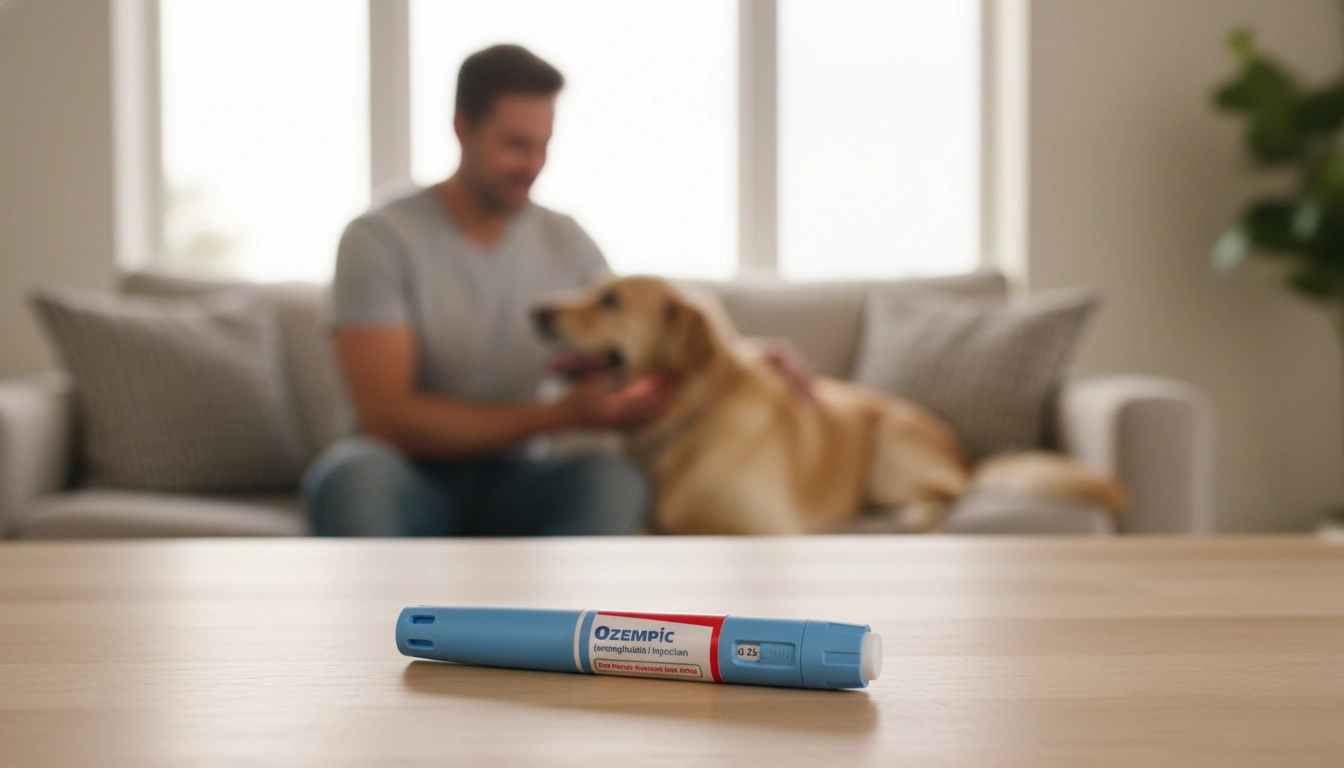
Ozempic is typically dispensed in an adjustable auto-injector pen, designed for ease of use and precise delivery of approved doses. When preparing an injection, the user turns a dial until the dose counter displays the prescribed dosage in milligrams. Each turn of the dial is accompanied by an audible click.
The concept of microdosing with an Ozempic pen often revolves around manipulating this mechanism. Some individuals attempt to select an “intermediate” or smaller-than-standard dose by carefully counting clicks on the pen dial, aiming for an amount not explicitly displayed on the dose counter. For example, while a typical weekly dose might correspond to a specific number of clicks (e.g., 72 for 1 mg), individuals attempting to microdose might aim for a fraction of these clicks to achieve a sub-therapeutic dose.
However, the manufacturer explicitly advises against relying on the number of clicks to select a prescribed dose, as the clicks do not always correspond to an exact, calibrated dose. This method introduces a significant risk of dosing inaccuracies, which can lead to suboptimal treatment outcomes or even safety concerns. The American Diabetes Association (ADA) has, in some contexts, mentioned alternative dosing approaches, including click-counting charts, but only as temporary solutions during severe semaglutide shortages, not as a proven or endorsed method for weight loss or long-term management. They emphasize that there is no strong scientific research to support the safety or effectiveness of microdosing.
Our commitment at TrimRx is to transparent service, ensuring our approach remains consistent regardless of dosage changes. We prioritize your safety and work exclusively with FDA-registered and inspected pharmacies for the shipping of any weight loss medications. This ensures that when you receive medication like Ozempic® (which is FDA approved), it adheres to the highest standards of quality and reliability. To learn more about how we personalize care and ensure safety, we invite you to take our free assessment quiz.
Why Do Individuals Consider Microdosing Ozempic?
The decision to explore microdosing, despite the lack of official endorsement and scientific backing, stems from a variety of personal motivations and practical challenges that individuals face on their weight loss or diabetes management journeys. These reasons highlight the complexities inherent in long-term medication use and the desire for greater control over one’s treatment.
Managing Potential Side Effects
One of the most frequently cited reasons for considering microdosing is the hope of minimizing side effects. GLP-1 agonists, including Ozempic, commonly cause gastrointestinal (GI) side effects such as nausea, vomiting, diarrhea, and constipation. For some individuals, these symptoms can be severe enough to impact quality of life or even lead to discontinuation of treatment.
The theory behind microdosing for side effect management is that a lower, more gradual dose might allow the body to adjust more gently to the medication, thereby reducing the intensity or frequency of adverse reactions. While this idea holds intuitive appeal, it’s crucial to remember that this approach is not clinically proven. The standard titration schedule, where doctors gradually increase the weekly dose, is already designed to help manage these side effects by allowing the body to adapt slowly. Some clinicians may temporarily reduce a dose under strict supervision to help a patient manage side effects, but this is distinct from self-directed microdosing.
Navigating Medication Costs and Supply Challenges
The high cost of prescription weight loss medications and periodic supply shortages present significant barriers for many individuals. These practical concerns can powerfully influence a patient’s treatment decisions.
The Reality of Shortages
In recent years, the immense demand for GLP-1 medications like Ozempic® and Wegovy® has led to intermittent global shortages. When patients on established doses face difficulty refilling their prescriptions, the fear of losing progress or having to restart the titration process from the lowest dose can be overwhelming. In such scenarios, some individuals, or even some healthcare providers during times of extreme shortage, have considered microdosing as a way to “stretch” their existing supply, ensuring continuity of treatment even if at a reduced level. Experts acknowledge that staying on any dose, however small, might be preferable to stopping the medication entirely during a shortage. However, this remains a reactive strategy to an external problem, not a recommended dosing protocol.
Financial Considerations
The financial burden of prescription weight loss medications, especially if not covered by insurance, can be substantial. For individuals paying out-of-pocket, the allure of making a single pen last longer through microdosing is a powerful motivator to reduce costs. While microdosing might theoretically reduce the cost per week of medication if a pen is stretched, it’s essential to consider the medication’s shelf life. Ozempic pens, for instance, are typically recommended to be discarded 56 days after the first use, regardless of how much medication remains. Attempting to extend usage beyond this period could compromise the medication’s efficacy and safety.
We understand these challenges deeply at TrimRx. Our brand is empathetic, innovative, trustworthy, supportive, results-oriented, and personalized. We offer compassionate care that respects every individual’s unique journey by combining advanced medical science with modern technology. We believe that everyone deserves access to safe and effective weight management solutions, and we work to provide a comprehensive service that includes doctor consultations, medication (sourced through FDA-registered and inspected pharmacies), lab work, unlimited support, and shipping, all with no hidden fees. If you’re exploring options to support your wellness, consider our GLP-1 Daily Support or Weight Loss Boost quick-access supplements.
Strategies for Weight Maintenance or Modest Goals
Beyond managing side effects and cost, some individuals consider microdosing for specific weight loss objectives.
Some who have achieved their weight loss goals on higher doses of GLP-1 medications might attempt to “dial down” their dosage through microdosing for maintenance. The idea is to find the minimum effective dose to sustain weight loss, potentially reduce reliance on higher doses, and possibly return to a more “normal” appetite while preventing regain. However, clinicians strongly caution against such adjustments without professional guidance, as abruptly reducing an effective dose carries a high risk of weight regain.
Others might not be seeking dramatic weight loss and believe that a microdose could be sufficient to achieve more modest goals, such as quieting “food noise” (reduced appetite and cravings). While anecdotal reports exist of individuals experiencing some appetite suppression at lower doses, these experiences are highly individual and not universally sustained. The efficacy for significant, lasting weight loss at sub-therapeutic doses remains unproven.
The Critical Questions: Safety, Efficacy, and Risks
When considering any deviation from prescribed medical treatment, the questions of safety and efficacy become paramount. For microdosing Ozempic pens, these questions are especially critical, as the practice lacks the robust scientific validation that underpins standard medical care.
Lack of Clinical Evidence for Microdosing
Perhaps the most significant concern surrounding microdosing Ozempic is the almost complete absence of clinical trial evidence to support its safety or effectiveness for weight loss, blood sugar management, or any other intended benefit. Medications like Ozempic® undergo extensive, multi-phase clinical trials to establish optimal dosing, assess efficacy, and identify potential side effects across diverse populations. These trials inform the FDA approval process and the manufacturer’s prescribing information.
Microdosing, by definition, involves taking doses outside of these rigorously studied parameters. Reports of success are predominantly anecdotal, shared through social media or personal testimonials, and are not supported by the kind of peer-reviewed research required to validate a medical practice. While some studies on Ozempic have shown that doses as low as 0.5 mg or 1 mg per week can be effective for weight loss in people with type 2 diabetes, this does not imply that significantly smaller, uncalibrated microdoses will yield similar, or any, meaningful results for a broader population. Increasing the dosage to 2 mg per week, for instance, has not consistently proven more effective for weight loss than 1 mg per week in some studies, suggesting a therapeutic plateau, but this also doesn’t validate sub-therapeutic microdosing.
Potential for Dosing Errors
The method often employed for microdosing—counting clicks on an Ozempic pen—introduces a substantial risk of dosing errors. The pen device is designed to accurately deliver pre-set, approved doses (e.g., 0.25 mg, 0.5 mg, 1 mg, 2 mg). When users attempt to measure intermediate doses by counting clicks, they are essentially using the device in a way it was not intended, leading to potential inaccuracies and inconsistent dosing. The manufacturer explicitly discourages this practice, highlighting the risk of either receiving too little medication (rendering it ineffective) or, inadvertently, too much. These errors can make it difficult to ascertain the true impact of the medication and can potentially lead to unpredictable outcomes.
Furthermore, some methods of microdosing might involve using insulin syringes to draw medication from pens or vials. This too requires a high degree of precision, health literacy, and dexterity. Without proper training, sterile technique, and accurate measurement tools, this approach also carries inherent risks of dosing errors and potential contamination.
The Role of Compounded Medications in Microdosing
The conversation around microdosing often intersects with the use of compounded medications. Compounding is the process where a licensed pharmacist combines, mixes, or alters ingredients to create a medication tailored to the specific needs of a patient, typically when an FDA-approved drug cannot meet those needs. When brand-name GLP-1 medications are in short supply, compounded versions of semaglutide or tirzepatide may become available.
However, it is crucial to understand that compounded medications are not FDA-approved. This means they do not undergo the same rigorous review for safety, efficacy, and quality as FDA-approved drugs. The FDA has issued warnings about compounded semaglutide, citing concerns about potential inaccuracies in dosage, the presence of harmful contaminants, and reports of adverse events such as severe gastrointestinal symptoms, headaches, dehydration, and pancreatitis. While compounding pharmacies serve a vital role in healthcare, the lack of FDA oversight for specific compounded products means their quality, potency, and safety can vary significantly.
At TrimRx, we prioritize your safety and peace of mind. While we offer compounded Semaglutide and compounded Tirzepatide, along with oral versions and branded options like Ozempic®, Mounjaro®, Zepbound®, and Wegovy®, it is essential to clarify that our compounded medications are provided through FDA-registered, inspected, and approved pharmacies. We partner with these pharmacies for the shipping of weight loss medications to ensure you receive high-quality products. We do not claim that compounded medications are FDA approved; for branded medications, we reference their FDA approval where applicable. This commitment to working with reputable pharmacies underscores our dedication to safety and transparency in all aspects of your care.
Broader Health Implications and Unintended Consequences
Beyond dosing inaccuracies and unproven efficacy, microdosing carries several broader health implications:
- Reduced Effectiveness: Taking sub-therapeutic doses may simply not be enough to achieve the desired metabolic effects for blood sugar control or significant weight loss. This could lead to a false sense of security, delayed or inadequate treatment, and frustration.
- Unintended Side Effects: While microdosing is often pursued to reduce side effects, it does not eliminate them. Inaccurate dosing with compounded or manipulated medications could even increase the risk or severity of adverse effects. Rare but serious side effects like pancreatitis or gallstones can still occur.
- Lack of Medical Oversight: Self-adjusting medication dosages removes the crucial element of professional medical supervision. Without a doctor monitoring your progress, adjusting your dose based on your individual response, and intervening if complications arise, you face increased risks.
- Contamination Risk: For methods involving tampering with pre-filled pens or manual extraction, there is a risk of bacterial contamination, which can lead to infections.
The risks associated with microdosing underscore why a personalized approach under expert medical guidance is not just recommended, but essential.
The Importance of Professional Guidance and Personalized Care
The complexities of weight management and the intricacies of medications like Ozempic highlight an undeniable truth: effective and safe treatment is best achieved under the watchful eye of experienced medical professionals. Attempting to navigate nuanced dosing strategies, such as microdosing, without this expertise can lead to ineffective outcomes and potential health risks.
Why Expert Supervision is Paramount
A healthcare provider’s role extends far beyond simply writing a prescription. They consider your complete medical history, current health status, existing medications, and individual response to treatment. This comprehensive understanding allows them to:
- Determine Eligibility: Ensure that a medication is appropriate for your specific health needs and that you do not have contraindications that would make it unsafe.
- Establish Proper Dosing: Prescribe the correct starting dose and guide you through the gradual titration process, optimizing efficacy while minimizing side effects.
- Monitor Progress and Side Effects: Continuously assess your response to the medication, track your weight loss or blood sugar improvements, and actively manage any side effects that may arise. They can make informed adjustments to your treatment plan based on clinical evidence, not just anecdotal observations.
- Address Concerns: Provide clear, accurate information and answer your questions, debunking misinformation, and guiding you towards safe practices.
When considering options like Ozempic® or other GLP-1 medications, engaging in a professional consultation is not merely a formality—it is a cornerstone of safe and effective care.
Tailoring Your Weight Loss Journey with TrimRx
At TrimRx, we firmly believe that your weight loss journey should be as unique as you are. Our approach is rooted in the understanding that sustainable weight management requires more than just a single solution; it demands a personalized strategy, continuous support, and a foundation of scientific evidence.
Our Commitment to Science, Empathy, and Transparency
Our journey began with a shared vision: to merge cutting-edge telehealth innovations with effective weight loss solutions, helping individuals embrace healthier lifestyles. We are committed to science, emphasizing that our programs are clinically proven. We approach every individual with empathy, understanding that weight loss is a deeply personal and often challenging endeavor. And we maintain a transparent approach, ensuring you are fully informed about your treatment options and what to expect. This means you will always know that our service is comprehensive, including doctor consultations, medication (sourced from FDA-registered and inspected pharmacies), lab work, unlimited support, and shipping, all without hidden fees.
Personalized Pathways to Wellness
Our platform is a user-friendly and supportive space where individuals receive personalized, medically supervised care. We offer a range of options, including prescription medications like Compounded Semaglutide, Oral Semaglutide, Ozempig®, Compounded Tirzepatide, Oral Tirzepatide, Mounjaro®, Zepbound®, and Wegovy®. To ensure you receive the most appropriate and effective treatment plan, we require a personalized assessment. We invite you to take our free assessment quiz to determine your eligibility and receive a tailored plan that aligns with your health goals.
Comprehensive Support Beyond Medication
While medication can be a powerful tool, it’s part of a larger picture. We understand that sustained weight loss involves lifestyle adjustments. Our comprehensive approach offers not just medication but also the support systems necessary to help you make lasting changes. This commitment reflects our brand personality: empathetic, innovative, trustworthy, supportive, and results-oriented.
Embracing a Holistic Approach to Sustainable Weight Loss
The conversation around microdosing often highlights a desire for greater control and optimized outcomes in weight management. However, true sustainable weight loss is rarely achieved through medication alone, regardless of the dosage strategy. A holistic approach that integrates medication with foundational lifestyle changes is key to long-term success.
Beyond the Medication: Lifestyle Foundations
Medications like Ozempic® can be incredibly effective tools, but they are most powerful when combined with a commitment to overall wellness. Focusing on these pillars creates a robust foundation for lasting change:
- Nutrition: Adopting a balanced, nutrient-dense eating plan is paramount. This isn’t about restrictive diets but about understanding how food impacts your body, focusing on whole foods, lean proteins, healthy fats, and complex carbohydrates.
- Physical Activity: Regular exercise, tailored to your capabilities and preferences, plays a vital role in burning calories, building muscle mass (which can be a concern with rapid weight loss), boosting metabolism, and improving overall cardiovascular health.
- Sleep Quality: Adequate, restorative sleep is often overlooked but profoundly impacts hormone regulation, appetite control, and energy levels. Poor sleep can sabotage even the best weight loss efforts.
- Emotional Well-being: Addressing stress, emotional eating, and mental health is crucial. Weight loss is not just a physical journey but an emotional one, and having strategies to manage psychological factors can make a significant difference.
At TrimRx, we emphasize that our medically supervised programs extend beyond medication, guiding you through a comprehensive transformation that addresses these essential lifestyle factors. This is how we support you in achieving not just weight loss, but a healthier, more vibrant life.
Our Quick-Access Supplements for Enhanced Wellness
To further support your overall wellness during your weight loss journey, we also offer quick-access supplements that do not require a personalized assessment quiz. These are designed to complement your efforts and provide additional support:
- GLP-1 Daily Support: This supplement is formulated to provide daily support for your body’s natural metabolic processes. You can learn more and purchase it directly here: GLP-1 Daily Support.
- Weight Loss Boost: Designed to give your weight loss efforts an additional lift, this supplement is available for immediate purchase to aid your journey. Discover its benefits here: Weight Loss Boost.
These supplements offer a convenient way to enhance your well-being as you progress towards your health goals. Whether you are exploring prescription options or seeking immediate wellness support, TrimRx is here to empower you with choices that align with your unique journey.
Conclusion
The emergence of microdosing Ozempic pens reflects both the innovative spirit in health management and the profound challenges individuals face with medication access, cost, and side effects. While the concept of tailoring doses to individual needs is appealing, it’s crucial to reiterate that microdosing Ozempic, particularly through self-directed “click counting” or unverified compounded products, lacks scientific validation and carries significant risks of ineffectiveness, dosing errors, and potential health complications.
The detailed exploration of what happens when you microdose Ozempic pen clearly shows that while motivations like reducing side effects or extending supply are understandable, these unofficial practices stand in stark contrast to the rigorously tested and FDA-approved dosing protocols. The importance of professional medical supervision cannot be overstated, as it provides the foundation for safe, effective, and sustainable weight management.
At TrimRx, our commitment is to provide personalized, medically supervised weight loss solutions that are safe, effective, and tailored to your individual needs. Our comprehensive programs combine the power of advanced medical science with the convenience of modern technology, ensuring you receive compassionate care and transparent service. We believe that sustainable weight loss is a journey best embarked upon with knowledgeable guides and robust support systems.
If you are considering any form of weight loss medication, we urge you to prioritize a consultation with a healthcare professional. To explore a personalized and medically supervised path to your wellness goals, we encourage you to take our free assessment quiz. For immediate support to complement your journey, consider our GLP-1 Daily Support or Weight Loss Boost quick-access supplements. Your health and well-being are our utmost priority, and we are here to support you every step of the way.
Frequently Asked Questions
What exactly is microdosing Ozempic?
Microdosing Ozempic refers to taking a lower dose of the medication than what is recommended by the manufacturer or prescribed by a healthcare provider. This is often done by attempting to measure smaller, intermediate doses using the pen’s “click counting” mechanism, or through other unofficial methods, typically with the goal of reducing side effects or extending medication supply.
Is microdosing Ozempic safe or effective for weight loss?
Currently, there is no clinical trial evidence to support the safety or effectiveness of microdosing Ozempic for weight loss or any other condition. Reports of success are largely anecdotal and not backed by rigorous scientific research. Deviating from prescribed doses without medical supervision can lead to dosing errors, reduced efficacy, and potential health risks.
Why do people consider microdosing Ozempic if it’s not medically endorsed?
Individuals may consider microdosing for several reasons, including the desire to minimize common gastrointestinal side effects, manage the high cost of the medication, or extend their supply during periods of medication shortages. Some may also try it for weight maintenance after initial weight loss or to achieve more modest weight reduction goals.
Can TrimRx help if I’m interested in weight loss medication like Ozempic?
Absolutely. At TrimRx, we offer personalized, medically supervised weight loss programs that may include FDA-approved medications like Ozempic® or other options like Compounded Semaglutide and Tirzepatide, all provided through FDA-registered and inspected pharmacies. We emphasize a comprehensive approach that prioritizes your safety and effectiveness. We encourage you to take our free assessment quiz to determine your eligibility and receive a personalized treatment plan from our healthcare professionals.

Transforming Lives, One Step at a Time
Keep reading

Ozempic and Menopause: What to Expect When Hormones and GLP-1s Intersect
Menopause and weight gain have a well-documented relationship, and for many women, the years surrounding this transition represent the first time in their lives…

Ozempic for Seniors: Safety, Benefits and What to Know Before Starting
Obesity rates among adults over 65 have climbed steadily over the past two decades, and so has interest in GLP-1 medications like Ozempic as…
Online Ozempic Prescription Texas
You can get an Ozempic prescription online in Texas through a licensed telehealth provider without an in-person visit. Texas telehealth law allows providers to…


