Mounjaro and Jardiance Together: Safety and Clinical Considerations
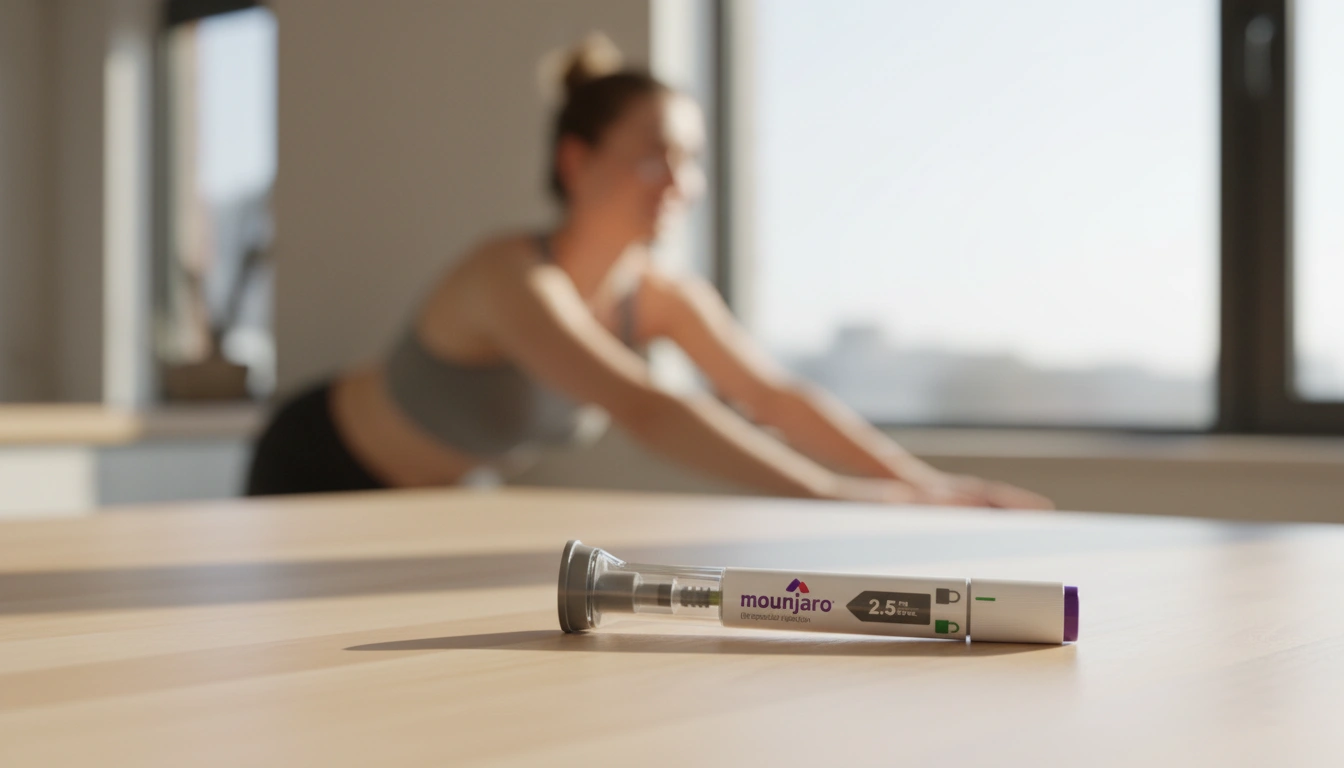
Combining two diabetes or weight loss medications isn’t unusual in clinical practice, and Mounjaro and Jardiance represent two of the most commonly discussed pairings. Both are used for type 2 diabetes management, and both have demonstrated meaningful cardiovascular and metabolic benefits in their respective trials. If your provider has mentioned using them together, or if you’re already on one and wondering about the other, here’s what the current evidence shows.
What Each Medication Does
Mounjaro (tirzepatide) is a dual GIP and GLP-1 receptor agonist injected once weekly. It works by activating two incretin hormone pathways simultaneously, which reduces appetite, slows gastric emptying, improves insulin sensitivity, and lowers blood sugar. It’s approved for type 2 diabetes and, under the brand name Zepbound, for chronic weight management.
Jardiance (empagliflozin) belongs to a different drug class entirely: SGLT2 inhibitors. It works in the kidneys by blocking the reabsorption of glucose into the bloodstream, causing excess sugar to be excreted through urine. This lowers blood sugar independently of insulin. Jardiance also has well-documented cardiovascular and kidney-protective benefits, which is why it remains a cornerstone medication for many patients with type 2 diabetes or heart failure.
Because they work through completely different mechanisms, combining them is something providers do intentionally to target blood sugar control through multiple pathways at once.
Is There a Direct Drug Interaction?
No clinically significant pharmacokinetic interaction exists between tirzepatide and empagliflozin. They don’t compete for the same enzymes or metabolic pathways, and neither drug meaningfully alters how the other is processed. From a direct interaction standpoint, this combination doesn’t carry a formal contraindication in the current literature.
Where the conversation gets more clinical is in understanding how their combined effects can amplify certain physiological changes, some of which require monitoring and awareness.
The Main Clinical Considerations
Blood Sugar and Hypoglycemia Risk
Both medications lower blood sugar, though through different mechanisms. Tirzepatide enhances insulin secretion in a glucose-dependent manner, meaning it generally doesn’t cause hypoglycemia on its own. Empagliflozin lowers glucose independently of insulin, also with a relatively low standalone hypoglycemia risk.
When combined, the additive glucose-lowering effect is generally the goal. However, if a patient is also taking insulin or a sulfonylurea alongside both of these medications, hypoglycemia risk increases significantly. Consider this scenario: a patient with type 2 diabetes is on metformin, Jardiance, and a low-dose sulfonylurea, and their provider adds Mounjaro to improve A1C control. In that case, the sulfonylurea dose may need to be reduced to avoid low blood sugar episodes, particularly as tirzepatide begins to take effect over the first several weeks.
If you’re on this combination without insulin or sulfonylureas, the hypoglycemia risk is much lower, but still worth monitoring during dose escalation phases.
Dehydration and Volume Depletion
This is one of the more practical considerations with this specific pairing. Jardiance causes glucose to be excreted in urine, which pulls water with it. This diuretic-like effect can lead to mild volume depletion, especially in warmer months or during illness. Mounjaro, for its part, can cause nausea, vomiting, and reduced fluid intake, particularly early in treatment.
Together, these two effects can compound. A patient who is nauseated from tirzepatide dose escalation and simultaneously losing fluids through the SGLT2 mechanism is at real risk for dehydration, dizziness, and in some cases, a drop in blood pressure.
Staying well hydrated while on both medications isn’t optional. It’s an active part of managing the combination safely. Your provider may also want to monitor kidney function and electrolytes periodically, since both volume depletion and changes in kidney perfusion are relevant to watch.
Blood Pressure Effects
Both Mounjaro and Jardiance can lower blood pressure. Empagliflozin’s blood pressure reduction is well-documented and considered one of its cardiovascular benefits. Tirzepatide also reduces blood pressure modestly as part of its broader metabolic effects.
For patients who already have low blood pressure or are taking antihypertensive medications, this combined effect warrants attention. Lightheadedness, particularly when standing up quickly, is a symptom to report to your provider.
Urinary Tract and Genital Infections
Jardiance’s mechanism of excreting glucose in the urine creates an environment that can increase the risk of urinary tract infections and genital yeast infections. This is a known and common side effect of SGLT2 inhibitors. Adding Mounjaro doesn’t directly worsen this risk, but patients should be aware of it and report symptoms promptly. Untreated urinary tract infections can escalate, and this is especially relevant for patients with diabetes who may not always display typical infection symptoms.
Diabetic Ketoacidosis Awareness
SGLT2 inhibitors carry a small but documented risk of euglycemic diabetic ketoacidosis, a condition where ketoacidosis occurs even when blood sugar appears relatively normal. This risk increases during periods of very low carbohydrate intake, illness, fasting, or surgery. Mounjaro significantly reduces appetite and food intake, which means patients on the combination who are eating substantially less may inadvertently be in a low-carbohydrate state more frequently.
This isn’t a reason to avoid the combination, but it is a reason to understand the warning signs: nausea, vomiting, abdominal pain, fatigue, and difficulty breathing. If these occur, seek medical evaluation rather than assuming it’s routine GI discomfort from tirzepatide.
What the Research Shows
A 2023 analysis in The Lancet Diabetes and Endocrinology examined combination therapy using GLP-1 or dual GIP/GLP-1 agonists alongside SGLT2 inhibitors in type 2 diabetes patients, finding that the combination produced additive improvements in A1C, body weight, and blood pressure compared to either drug alone. The authors noted that the combination was generally well tolerated, with the primary management considerations being hydration status and hypoglycemia risk in patients on concurrent insulin or sulfonylureas.
This aligns with how most endocrinologists approach the pairing in practice: not as a high-risk combination, but as one that requires thoughtful monitoring.
Practical Guidance for Patients
If you’re currently on Jardiance and your provider is adding Mounjaro, or you’re on Mounjaro and Jardiance is being considered for cardiovascular or kidney protection, a few things are worth prioritizing. Make sure your provider reviews your full medication list, including any insulin or sulfonylureas, before finalizing dosing. Increase your fluid intake proactively, particularly during the first few months of tirzepatide dose escalation. Report any symptoms of dizziness, unusual fatigue, or signs of infection promptly.
For more context on how tirzepatide interacts with other commonly combined medications, the article on Zepbound and Metformin covers another frequent pairing worth understanding. If you’re exploring tirzepatide for its broader metabolic benefits, the tirzepatide product page outlines how TrimRx approaches compounded tirzepatide prescribing and what the clinical consultation covers.
Patients managing type 2 diabetes alongside weight loss goals often find that this combination, when properly monitored, addresses multiple aspects of their metabolic health at once. The key is making sure the clinical picture is fully visible to whoever is managing your care.
If you’re ready to discuss whether tirzepatide is appropriate for your situation, start your assessment here and bring your complete medication list to the intake conversation.
This information is for educational purposes and is not medical advice. Consult with a healthcare provider before starting any medication or making changes to your current regimen. Individual results may vary.

Transforming Lives, One Step at a Time
Keep reading

Mounjaro Alternatives: What Else to Consider
If Mounjaro isn’t the right fit, the closest alternatives are other GLP-1 medications, chiefly semaglutide (Ozempic for diabetes, Wegovy for weight), along with a…

Mounjaro vs Zepbound: Same Drug, Two Brands
Like their semaglutide counterparts, Mounjaro and Zepbound are the same medication (tirzepatide) sold under two names for two purposes: Mounjaro is approved for type…

Retatrutide vs Mounjaro: Triple Agonist vs Dual Agonist
The core difference between retatrutide and Mounjaro comes down to how many hormone targets each hits: retatrutide activates three receptors, while Mounjaro (tirzepatide) activates…


