Mounjaro and Mealtime: Do I Need to Eat Before Taking Mounjaro?
Introduction
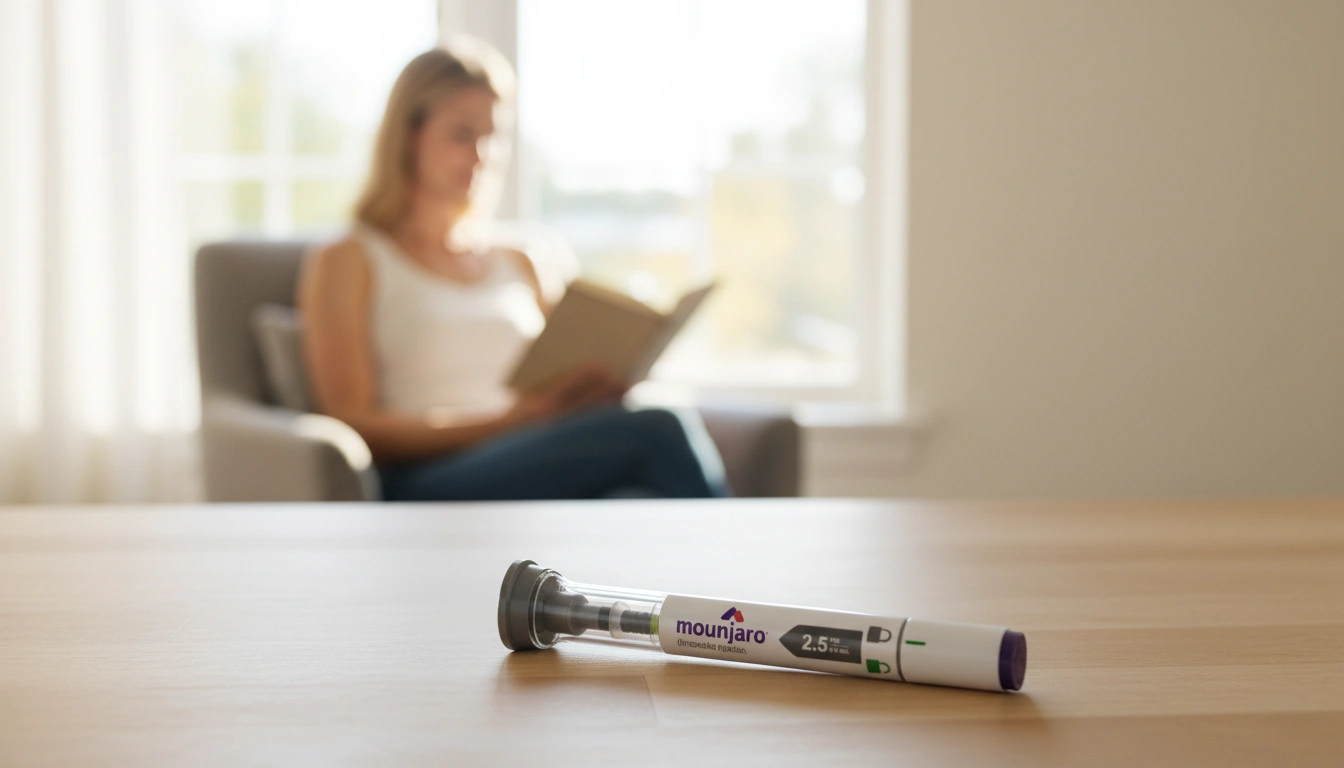
Embarking on a weight loss journey or managing type 2 diabetes often comes with a myriad of questions, especially when incorporating new medications into your routine. One common query that surfaces for individuals considering or already using Mounjaro (tirzepatide) is about its interaction with food: “Do I need to eat before taking Mounjaro?” This isn’t just a simple logistical question; it speaks to a deeper desire for understanding how to maximize treatment effectiveness and minimize potential discomfort. At TrimRx, we recognize that every step of your health journey is significant, and clarity on medication usage is paramount for peace of mind and successful outcomes.
This article delves into the precise guidelines surrounding Mounjaro administration in relation to food intake, offering a definitive answer to this crucial question. We’ll explore the science behind Mounjaro’s mechanism of action, discuss optimal dosing strategies, and provide practical insights into dietary adjustments that can enhance your experience. Furthermore, we’ll outline other important considerations for those on Mounjaro, from managing potential side effects to integrating this powerful medication into a broader, sustainable wellness plan. Our aim is to equip you with comprehensive, accurate information, empowering you to make informed decisions that align with your health goals. By the end of this post, you’ll have a clear understanding of how to best incorporate Mounjaro into your lifestyle, supported by the empathetic, innovative, and trustworthy approach that defines our commitment to your well-being.
Understanding Mounjaro: A Foundation for Your Wellness Journey
Mounjaro, with its active ingredient tirzepatide, represents a significant advancement in the management of type 2 diabetes and, for many, a powerful tool in their weight loss efforts. It’s a medication that has garnered considerable attention due to its unique dual-action mechanism, which sets it apart from other treatments. Understanding how Mounjaro works is the first step toward appreciating the nuances of its administration, including its relationship with food.
How Mounjaro Works
Mounjaro operates as a dual glucose-dependent insulinotropic polypeptide (GIP) and glucagon-like peptide-1 (GLP-1) receptor agonist. In simpler terms, it mimics the actions of two natural hormones in your body that play critical roles in blood sugar regulation and appetite control. When blood glucose levels rise, Mounjaro stimulates the pancreas to release insulin, helping to lower blood sugar. Simultaneously, it reduces the amount of sugar released by the liver and slows down gastric emptying. This slower digestion contributes to a feeling of fullness and satiety, which can lead to reduced food intake and, consequently, weight loss. For individuals living with type 2 diabetes, this helps maintain stable blood glucose levels. For those seeking weight management, the delayed gastric emptying and enhanced satiety can be invaluable in reducing overall calorie consumption.
The TrimRx Approach to Personalized Care
At TrimRx, our journey began with a shared vision: to help individuals embrace healthier lifestyles by merging cutting-edge telehealth innovations with effective weight loss solutions. We understand that effective weight management and metabolic health are deeply personal. That’s why our approach with medications like Mounjaro is rooted in a personalized, medically supervised care model. Our platform is a user-friendly and supportive space where individuals receive tailored treatment plans designed to make sustainable weight loss attainable and customized to their unique needs. We believe that sustainable weight loss should be achieved through science, empathy, and a transparent approach, ensuring that your path to wellness is both safe and effective.
Our commitment extends beyond just providing medication. For those interested in prescription options like Mounjaro, Zepbound®, Wegovy®, Ozempic®, Compounded Semaglutide, Compounded Tirzepatide, Oral Semaglutide, or Oral Tirzepatide, we encourage you to take our free assessment quiz. This quiz helps us determine your eligibility and connect you with a personalized treatment plan developed in consultation with a medical professional. Our comprehensive service ensures you receive doctor consultations, necessary lab work, the medication itself, unlimited support, and convenient shipping, all without hidden fees. We work exclusively with FDA-registered and inspected pharmacies for the shipment of these weight loss medications, upholding our unwavering commitment to your safety and trust.
The Core Question: Food and Your Mounjaro Injection
The moment of injection can sometimes feel like a pivotal point in your week, leading many to wonder about the optimal conditions for administration. One of the most frequently asked questions revolves around food: is there a specific dietary requirement before taking Mounjaro? The answer, straightforward yet significant, often provides immense relief.
Taking Mounjaro: With or Without Food?
The prescribing information for Mounjaro clearly states that you can inject Mounjaro with or without food. There is no evidence suggesting that food intake, whether before or after your injection, impacts how the medication functions or its overall effectiveness. This flexibility is a key aspect of Mounjaro’s user-friendly profile, allowing for seamless integration into diverse daily routines.
This means you do not need to coordinate your Mounjaro dose with specific mealtimes. Whether you prefer to take it first thing in the morning before breakfast, in the afternoon, or in the evening, the presence or absence of food in your stomach will not alter the therapeutic action of the tirzepatide. This convenience is a testament to the medication’s design, aiming to simplify adherence for patients.
The Science Behind the Flexibility
Mounjaro is administered subcutaneously, meaning it’s injected under the skin into the fatty tissue, typically in the abdomen, thigh, or upper arm. From there, the active ingredient, tirzepatide, is absorbed into the bloodstream. Unlike orally administered medications that are processed through the digestive system and can be affected by stomach contents, injectables like Mounjaro bypass the stomach entirely during their initial absorption phase. This is why the presence of food does not interfere with its absorption or efficacy.
Furthermore, clinical trials and post-market observations have not reported any specific food interactions with Mounjaro. This reassurance allows individuals to maintain their regular dietary patterns without concern that certain foods will diminish the medication’s benefits. While the immediate timing of food intake relative to the injection isn’t critical, establishing a consistent injection schedule remains vital for maintaining steady drug levels in your body, which is crucial for optimal results.
Optimizing Your Mounjaro Experience Beyond Meal Timing
While the freedom to take Mounjaro with or without food simplifies adherence, a holistic approach to your treatment involves more than just the injection itself. Optimizing your Mounjaro experience encompasses consistent dosing, strategic dietary choices, adequate hydration, and careful consideration of other lifestyle factors.
The Best Time of Day to Inject Mounjaro
Beyond the food question, individuals often inquire about the best time of day for their Mounjaro injection. The good news is, much like with food, Mounjaro can be injected at any time of the day. There are no clinical reports indicating that morning versus evening administration affects its effectiveness or alters the incidence of side effects. The most important factor is consistency. Choosing a time that is most convenient for you and when you are most likely to remember your dose is paramount.
Many find it helpful to link their injection to a routine weekly event, such as a specific mealtime, a quiet evening at home, or a morning ritual. This psychological anchor can significantly improve adherence to your weekly schedule. For example, if you consistently have a quiet Sunday morning, that might be your ideal injection time.
Consistency is Key: Dosing Schedules and Missed Doses
Maintaining a consistent level of Mounjaro in your body is fundamental for achieving and sustaining its therapeutic effects. This means taking your dose on the same scheduled day each week.
Managing a Missed Dose
Life happens, and sometimes a dose might be forgotten. If you miss a dose of Mounjaro, take it as soon as you remember, provided it’s within four days (96 hours) of your regularly scheduled dose. If it has been more than four days since your missed dose, it’s generally recommended to skip that dose and take your next dose at your regularly scheduled time. It is crucial to never take two doses within three days (72 hours) of each other to avoid potential overdose and increased side effects. Should you be unsure, always consult with your healthcare provider or a pharmacist for specific guidance.
Adjusting Your Injection Day
While consistency is ideal, there might be occasions when you need to adjust your injection day, perhaps due to travel or a change in your weekly routine. If necessary, you can change your weekly injection day, but ensure there are at least three days (72 hours) between doses. This minimum interval is vital for your safety and the medication’s effectiveness. Once you’ve chosen a new injection day, try to stick to it consistently moving forward.
Tailoring Your Diet to Support Your Mounjaro Journey
While Mounjaro can be taken with or without food, the overall quality and composition of your diet remain critical for managing type 2 diabetes and achieving sustainable weight loss. Mounjaro works to enhance your body’s natural processes, but it functions best when supported by thoughtful dietary choices. While no specific foods are strictly “off-limits,” some adjustments can significantly improve your comfort and outcomes.
Foods to Approach with Caution
Mounjaro, by slowing gastric emptying, can sometimes exacerbate gastrointestinal side effects such as nausea, bloating, and indigestion. Certain foods can intensify these feelings:
- Fried and Greasy Foods: These are harder to digest and can sit in the stomach longer, potentially increasing feelings of discomfort, bloating, and nausea. They also tend to be high in calories, which can hinder weight loss efforts.
- Sugary Foods and Drinks: While Mounjaro helps regulate blood sugar, excessive sugar intake can still lead to spikes and crashes, making glycemic control more challenging. Sugary beverages, in particular, contribute empty calories without providing satiety.
- Refined Grains and Carbohydrates: Foods like white bread, most processed cereals, and white rice are quickly converted to glucose, potentially leading to blood sugar fluctuations.
- Carbonated Beverages: Sodas and even sparkling water contain carbon dioxide, which can increase gastric volume and worsen bloating or abdominal discomfort.
Instead of outright avoidance, consider limiting these foods or opting for healthier alternatives. For example, replacing fried foods with baked or grilled options, choosing whole grains over refined ones, and selecting water or unsweetened teas over sugary drinks can make a significant difference.
Embracing Nutrient-Dense Choices
To optimize your well-being on Mounjaro, focus on a diet rich in lean proteins, fiber, and healthy fats. These foods support satiety, provide sustained energy, and contribute to overall health.
- Lean Proteins: Chicken, turkey, fish, eggs, lentils, beans, and chickpeas are excellent sources. Protein is crucial for muscle maintenance, especially during weight loss, and helps you feel fuller for longer, reducing the urge to overeat.
- High-Fiber Fruits and Vegetables: Incorporate a wide variety of non-starchy vegetables (leafy greens, broccoli, bell peppers) and lower-glycemic fruits (berries, apples, oranges). Fiber aids digestion, promotes gut health, and further enhances satiety without adding excessive calories.
- Healthy Fats: Avocados, nuts, seeds, and olive oil provide essential fatty acids and can contribute to a feeling of fullness.
By prioritizing these nutrient-dense foods, you not only support Mounjaro’s effects but also foster a healthier relationship with food, a core principle of sustainable wellness that we champion at TrimRx.
Hydration: Your Essential Ally
Maintaining adequate hydration is crucial while taking Mounjaro. If you experience side effects like nausea, vomiting, or diarrhea, the risk of dehydration increases. Drinking plenty of water throughout the day, along with consuming water-rich fruits and vegetables, can help mitigate these risks. Staying well-hydrated also supports overall metabolic function and general well-being.
Alcohol Consumption and Mounjaro
While there are no direct drug interactions between alcohol and Mounjaro (tirzepatide), caution is advised. Alcohol can significantly impact blood sugar levels, potentially leading to hypoglycemia (low blood sugar), especially for individuals with type 2 diabetes. Furthermore, alcohol can increase calorie intake, which may counteract weight loss efforts. It can also exacerbate gastrointestinal side effects like nausea and vomiting. If you choose to drink, do so in moderation, stay well-hydrated with water between alcoholic beverages, and be mindful of your body’s responses. We recommend consulting your healthcare provider for personalized advice regarding alcohol consumption while on Mounjaro.
Integrating Mounjaro into a Holistic Weight Loss Strategy
Mounjaro is a powerful tool, but its true potential is realized when integrated into a comprehensive, holistic weight loss and wellness strategy. This approach aligns perfectly with our philosophy at TrimRx, where we emphasize that medication is one component of a larger, supportive ecosystem designed for your success.
The Role of Comprehensive Support
Effective weight loss is rarely a solo journey. It often requires ongoing guidance, education, and encouragement. Our comprehensive program at TrimRx is built on this understanding, offering not just access to medications like Mounjaro, but also the vital support systems needed for long-term success. From personalized doctor consultations that ensure your treatment plan is perfectly tailored to your health profile, to continuous support that addresses your questions and concerns as they arise, we are with you every step of the way. This includes providing access to lab work to monitor your progress and ensuring your medication is shipped conveniently and reliably from FDA-registered and inspected pharmacies.
We are committed to transparent service, ensuring that our compassionate care respects every individual’s unique journey. Our approach remains consistent regardless of dosage changes, focusing on your safety and results. To explore how our personalized program, which may include Mounjaro or other prescription options, can be specifically designed for you, we invite you to take our free assessment quiz.
Monitoring Your Progress and Expectations
Understanding what to expect when taking Mounjaro is crucial for managing your journey effectively and staying motivated. Results can vary, but generally follow a predictable pattern for many individuals.
What to Expect with Blood Sugar Management
For those managing type 2 diabetes, Mounjaro begins to work on blood sugar levels with the very first dose. However, reaching optimal blood sugar control, often measured by the HbA1c (A1C) test, may take several weeks, typically up to 12 weeks. Your healthcare provider will monitor your A1C regularly to track your progress and make any necessary dose adjustments.
Understanding Weight Loss Timelines
While Mounjaro is primarily approved for type 2 diabetes, significant weight loss is a well-documented benefit for many users. The timeline for weight loss can vary, with some individuals noticing changes earlier than others. Clinical data suggests that substantial weight reduction may become more apparent around week 28 of using Mounjaro. It’s important to remember that weight loss is a gradual process, and consistency in medication adherence, diet, and lifestyle modifications will yield the most favorable and sustainable outcomes. Celebrating small victories along the way and focusing on overall health improvements, beyond just the number on the scale, can keep you motivated.
Safety, Storage, and Important Considerations
Using any medication safely and effectively requires attention to detail regarding potential side effects, interactions, and proper handling. Mounjaro is no exception, and understanding these aspects is part of a responsible and informed approach to your treatment.
Recognizing Potential Side Effects
Like all medications, Mounjaro can cause side effects. The most common ones generally affect the gastrointestinal system and include nausea, diarrhea, constipation, and abdominal pain. These often lessen as your body adjusts to the medication, especially with gradual dose increases. However, it’s vital to be aware of more serious, though less common, side effects. These include pancreatitis (severe stomach pain, fever, vomiting), gallbladder problems (severe stomach pain, nausea, vomiting, fever), severe allergic reactions (rash, swelling of face/lips/tongue/throat), and kidney injury (decreased urine, swelling). In some rare cases, Mounjaro has been associated with an increased risk of thyroid C-cell tumors, particularly in individuals with a personal or family history of medullary thyroid carcinoma (MTC) or Multiple Endocrine Neoplasia syndrome type 2 (MEN 2). If you experience any severe or concerning symptoms, contact your healthcare provider immediately.
Critical Health Discussions with Your Provider
Before starting Mounjaro, it is crucial to have a thorough discussion with your healthcare provider about your complete medical history, including any pre-existing conditions, allergies, and all medications (prescription, over-the-counter, supplements) you are currently taking. This is especially important if you have a history of pancreatitis, gallbladder disease, kidney disease, or a personal or family history of thyroid cancer.
Additionally, discuss your plans for pregnancy or breastfeeding. Mounjaro is not recommended during pregnancy or breastfeeding due to insufficient research on its effects in these situations. For individuals of childbearing potential, it’s also important to note that Mounjaro may decrease the effectiveness of oral hormonal contraceptives. Your provider may recommend alternative or additional birth control methods for a period after starting Mounjaro and after each dose increase.
Proper Storage and Travel Guidelines
Proper storage ensures the medication’s efficacy and safety. Mounjaro pens should be stored in the refrigerator (between 36°F to 46°F or 2°C to 8°C) in their original carton to protect them from light. Do not freeze Mounjaro. If refrigeration isn’t possible, a Mounjaro pen can be stored at room temperature (below 86°F or 30°C) for up to 21 days. After 21 days, if not used, it must be discarded.
When traveling, especially by air, keep your Mounjaro in your carry-on luggage in a cool bag designed for medicine. Keeping it in its original packaging protects it and helps airport security. Always declare it to security for a smoother process. This prevents exposure to extreme temperatures in checked baggage and helps maintain the drug’s effectiveness.
Your Personalized Path to Sustainable Wellness with TrimRx
At TrimRx, we are more than just a provider of weight loss solutions; we are your partners in health, dedicated to helping you achieve sustainable wellness through clinically proven methods and personalized care. Our approach is built on the pillars of innovation, trustworthiness, and unwavering support, ensuring that your journey is guided by science and empathy.
Exploring Our Comprehensive Program
If you’re exploring options for medically supervised weight loss, we encourage you to discover the full scope of our offerings. Our personalized weight loss program features a range of prescription medications, including Compounded Semaglutide, Oral Semaglutide, Ozempic®, Compounded Tirzepatide, Oral Tirzepatide, Mounjaro®, Zepbound®, and Wegovy®. Each of these requires a personalized assessment to ensure the treatment plan is ideally suited for you. To begin this exciting journey and see if you qualify, simply take our free assessment quiz. Our dedicated team is ready to provide the doctor consultations, lab work, medication from FDA-registered and inspected pharmacies, unlimited support, and shipping that define our commitment to your success, all with transparent service and no hidden fees.
Supporting Your Journey with Quick-Access Supplements
Beyond prescription options, we understand that comprehensive wellness often benefits from immediate, accessible support. That’s why we also offer a selection of quick-access supplements designed to complement your health journey. These do not require a quiz and are available for immediate purchase to support overall wellness during your weight loss journey. Consider integrating our GLP-1 Daily Support or Weight Loss Boost into your daily routine for additional support. These supplements are crafted with care, reflecting our dedication to providing multiple avenues for your well-being.
Conclusion
The question of whether to eat before taking Mounjaro is a common one, and the clear answer is that it can be administered effectively both with or without food. This flexibility is a significant advantage, allowing you to seamlessly integrate your weekly injection into your personal routine. However, optimizing your Mounjaro experience extends far beyond just meal timing. It involves consistent dosing, mindful dietary choices that support your body and manage potential side effects, adequate hydration, and open communication with your healthcare provider regarding all aspects of your health.
At TrimRx, we stand as your dedicated partner, offering not just leading-edge solutions like Mounjaro, but a comprehensive ecosystem of support, expertise, and personalized care. Our commitment to your health is unwavering, grounded in science, empathy, and transparency. Whether you’re considering a prescription medication or seeking complementary supplements, we provide the resources and guidance to empower your path to sustainable wellness. Take the next step towards a healthier, more vibrant you by exploring our personalized programs through our free assessment quiz, or enhance your journey with our immediate support supplements like GLP-1 Daily Support and Weight Loss Boost. We are here to support every individual in embracing a healthier lifestyle, ensuring your journey is safe, effective, and uniquely yours.
Frequently Asked Questions (FAQs)
Can I change the day I take my weekly Mounjaro injection?
Yes, you can change your weekly Mounjaro injection day if needed. However, it’s crucial to ensure that at least three days (72 hours) have passed since your last dose before taking the next one. Once you select a new injection day, strive to maintain that day consistently for subsequent doses to ensure the medication’s steady presence in your system.
What should I do if I feel nauseous after taking Mounjaro?
Nausea is a common side effect when starting Mounjaro or increasing the dose. To help manage it, consider eating bland, light foods like toast or crackers, eating smaller meals more frequently, and stopping when you feel full rather than overeating. Avoiding fried, greasy, or overly sugary foods can also help. Staying well-hydrated throughout the day is also beneficial. If nausea persists or becomes severe, it’s important to consult your healthcare provider.
Are there any specific foods that interact negatively with Mounjaro?
There are no specific foods known to have direct drug interactions with Mounjaro (tirzepatide) that would affect its efficacy or safety. You can take Mounjaro with or without food. However, as Mounjaro slows gastric emptying, some individuals may find that high-fat, fried, sugary, or carbonated foods can exacerbate gastrointestinal side effects like bloating, nausea, or indigestion. Opting for nutrient-dense, lean protein, and fiber-rich foods can help support your comfort and overall health goals.
How does TrimRx support my Mounjaro journey?
At TrimRx, we offer comprehensive support for your Mounjaro journey. This includes personalized doctor consultations to ensure your treatment plan is tailored to your needs, access to necessary lab work, the convenience of medication shipped directly from FDA-registered and inspected pharmacies, and unlimited support throughout your program. Our empathetic and transparent approach means we prioritize your safety and provide guidance for sustainable weight loss. To begin, you can take our free assessment quiz to determine your eligibility for a personalized prescription plan, or explore our quick-access supplements like GLP-1 Daily Support and Weight Loss Boost.

Transforming Lives, One Step at a Time
Keep reading

How to Choose Between Ozempic and Mounjaro
If you’ve spent any time researching GLP-1 medications for weight loss, you’ve probably landed on this question eventually. Ozempic and Mounjaro are the two…

Mounjaro Savings Card: Eli Lilly Programs Explained
Mounjaro carries a list price of over $1,000 per month without insurance. For people managing type 2 diabetes or pursuing weight loss with tirzepatide,…
Effective Strategies for Managing Your Journey: What Helps Nausea From Mounjaro and How to Stay on Track
Discover what helps nausea from Mounjaro with our expert guide. Explore dietary tips, hydration strategies, and natural remedies to manage side effects effectively.


