Mounjaro and Your Diet: Balancing Nutrition and Appetite for Weight Loss Success
Introduction
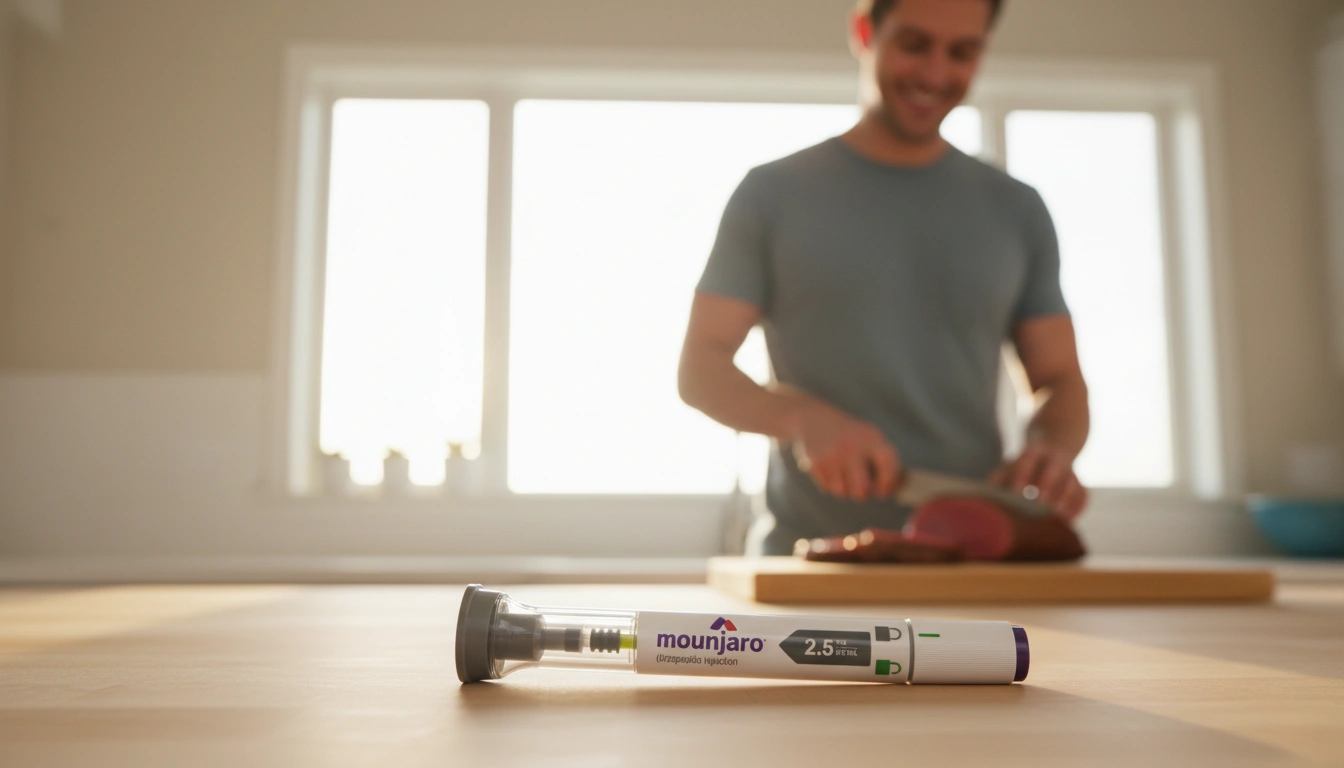
Many individuals embarking on a weight loss journey often face a common dilemma: the struggle to navigate dietary choices effectively. We understand that finding the right balance can feel overwhelming, especially when introducing a powerful tool like Mounjaro into your regimen. You might be experiencing a significant reduction in appetite and wondering, “how much can you eat on Mounjaro?” This question is not just about calorie restriction; it’s about optimizing your nutritional intake to support your body’s needs while maximizing the medication’s benefits for sustainable health.
Mounjaro, containing the active ingredient Tirzepatide, has emerged as a groundbreaking medication in the landscape of weight management and type 2 diabetes treatment. Its dual action on GLP-1 and GIP receptors significantly impacts hunger signals and slows gastric emptying, leading to profound appetite suppression and often, substantial weight loss. However, this powerful effect means that being intentional about what and how much you eat becomes more crucial than ever. It’s not simply about eating less; it’s about eating smarter and ensuring your body receives the vital nutrients it needs to thrive.
At TrimRx, our journey began with a shared vision to help individuals embrace healthier lifestyles by merging cutting-edge telehealth innovations with effective weight loss solutions. We recognize that sustainable weight loss should be achieved through science, empathy, and a transparent approach. This comprehensive guide is designed to empower you with the knowledge to make informed dietary choices while on Mounjaro, ensuring you nourish your body effectively and avoid the pitfalls of undereating. We’ll delve into the specific foods to prioritize, those to limit, strategies for managing potential side effects, and practical tips for creating a balanced and sustainable eating plan. By the end of this post, you’ll have a clearer understanding of how to harmonize your Mounjaro treatment with a supportive diet, enhancing your overall well-being and progress.
Understanding Mounjaro’s Impact on Your Eating Habits
Mounjaro’s mechanism of action is central to understanding why dietary considerations are so important. Tirzepatide, the active compound in Mounjaro, is a dual glucose-dependent insulinotropic polypeptide (GIP) and glucagon-like peptide-1 (GLP-1) receptor agonist. This means it mimics the effects of natural hormones that play vital roles in regulating blood sugar and appetite.
The Science Behind Reduced Appetite
The activation of GLP-1 and GIP receptors leads to several physiological changes that collectively contribute to significant appetite reduction:
- Delayed Gastric Emptying: Mounjaro slows down how quickly food leaves your stomach. This means you feel fuller for longer after meals, and the sensation of satiety persists, naturally reducing the frequency and quantity of food intake.
- Appetite Regulation in the Brain: These hormones also communicate with the brain regions responsible for hunger and fullness. By increasing satiety signals and decreasing hunger pangs, Mounjaro effectively re-calibrates your body’s natural appetite thermostat.
- Improved Blood Sugar Control: While primarily for type 2 diabetes, Mounjaro also helps stabilize blood sugar levels. Stable blood sugar can reduce cravings and energy crashes that often lead to overeating.
This powerful suppression of appetite is a primary driver of weight loss with Mounjaro. However, it also necessitates a mindful approach to eating. Because hunger cues are diminished, individuals might inadvertently eat too little, leading to potential nutritional deficiencies or other complications. Our approach at TrimRx emphasizes personalized, medically supervised care, ensuring that these powerful medications are integrated into a holistic plan designed to make sustainable weight loss attainable and tailored to the individual.
Building a Mounjaro-Friendly Plate: Prioritizing Quality Nutrition
When considering “how much can you eat on Mounjaro,” the answer isn’t just a number; it’s a commitment to nutrient density. With reduced appetite, every bite counts more. Focusing on high-quality, whole foods ensures your body receives essential vitamins, minerals, and macronutrients, even when consuming smaller portions.
The Cornerstone: Lean Proteins
Protein is paramount while on Mounjaro. It helps preserve precious muscle mass during weight loss, promotes satiety, and is crucial for cellular repair and metabolic function.
Why Protein Matters for Weight Loss and Well-being
When you lose weight, it’s essential to ensure you’re losing fat, not muscle. Protein helps maintain muscle tissue, which is metabolically active and important for keeping your metabolism robust. It also takes longer to digest, contributing to sustained feelings of fullness and reducing the urge to snack.
Excellent Sources of Lean Protein
- Poultry: Skinless chicken and turkey breast are excellent, lean options.
- Fish and Seafood: Salmon, tuna, cod, shrimp, and other varieties provide lean protein and often beneficial omega-3 fatty acids.
- Eggs: A complete protein source, versatile and easy to incorporate into any meal.
- Legumes: Beans, lentils, and chickpeas are fantastic plant-based protein sources, also rich in fiber.
- Dairy: Low-fat Greek yogurt, cottage cheese, and skim milk offer protein and calcium.
- Plant-Based Options: Tofu, tempeh, and edamame are great choices for those following a plant-focused diet.
Aim for at least 60 grams of protein daily, with some recommendations suggesting 1.0 to 1.2 grams per kilogram of body weight, especially for those actively losing weight or engaging in strength training. For example, a 185-pound individual might aim for 84 to 101 grams daily. Incorporating a protein source at every meal is a simple yet effective strategy. To determine your specific protein needs and create a personalized eating plan, we encourage you to [take our free assessment quiz] to connect with our medical experts who can guide you.
Essential Powerhouses: Fruits and Vegetables
Filling your plate with a vibrant array of fruits and vegetables is another critical aspect of a Mounjaro-friendly diet. They are naturally low in calories but packed with fiber, vitamins, minerals, and antioxidants.
Benefits Beyond Basic Nutrition
The high fiber content in fruits and vegetables aids digestion, helps you feel full, and supports stable blood sugar levels. Their high water content also contributes to hydration, which is vital for overall health and can help manage potential side effects of Mounjaro.
Smart Choices for Your Daily Intake
- Non-Starchy Vegetables: These should make up a significant portion of your meals. Examples include leafy greens (spinach, kale, lettuce), broccoli, Brussels sprouts, cauliflower, bell peppers, mushrooms, zucchini, asparagus, and artichoke hearts. They offer maximum nutrients with minimal carbohydrates.
- Fruits: Berries, apples, pears, citrus fruits, and peaches are excellent choices. Opt for fresh, frozen, or canned fruits packed in their own juice with no added sugars. For those managing blood sugar, choosing fruits with a lower glycemic index is often recommended.
Strive to make half of your plate non-starchy vegetables at most meals.
Sustained Energy: Whole Grains and Complex Carbohydrates
While many diets demonize carbohydrates, complex carbohydrates from whole grains are vital for sustained energy and overall well-being. They provide fiber and are digested slowly, preventing rapid blood sugar spikes and crashes.
The Difference Makers
Unlike refined grains (white bread, white rice), whole grains retain their bran, germ, and endosperm, offering a richer nutritional profile and more fiber. This helps maintain steady energy levels, reducing cravings and the likelihood of overeating.
Recommended Whole Grain Options
- Brown rice
- Quinoa
- Oats
- Whole-wheat bread and pasta
- Barley
- Farro
- Bulgur
- Amaranth
Aim for approximately 3-5 servings of whole grains per day, incorporating them thoughtfully into your meals for sustained energy.
Healthy Fats: Fuel for Vital Functions
Not all fats are created equal. Healthy fats are crucial for hormone production, nutrient absorption, brain function, and satiety.
Understanding the Role of Healthy Fats
Unsaturated fats, found in many plant-based sources and fatty fish, provide long-lasting energy and help you feel satisfied, reducing cravings. They also contribute to blood sugar regulation when consumed with carbohydrates. However, some individuals on Mounjaro may find high-fat foods worsen gastrointestinal side effects, so listen to your body and adjust accordingly.
Excellent Sources of Healthy Fats
- Avocado: Rich in monounsaturated fats and fiber.
- Nuts and Seeds: Almonds, walnuts, chia seeds, flaxseeds, and their butters (ensure no added sugars).
- Olive Oil: A staple in healthy cooking.
- Fatty Fish: Salmon, tuna, and trout offer beneficial omega-3s.
Aim for 20-35% of your daily calories to come from healthy fats, adjusting based on individual tolerance and guidance from your healthcare provider.
Foods to Limit or Avoid While on Mounjaro
While there are no entirely “off-limits” foods on Mounjaro, certain choices can hinder your progress, exacerbate side effects, or detract from your overall health goals. Our commitment to transparent service means we highlight approaches that remain consistent regardless of dosage changes, emphasizing your safety and well-being.
Ultra-Processed Foods and Sugary Drinks
These items are often calorie-dense but nutrient-poor, contributing to cravings and offering little satiety.
- Examples: Crisps, ready meals, sweets, biscuits, sugary cereals, cakes, cookies, candy, soda, sweetened teas, and many fruit juices.
- Why to limit: They can cause rapid blood sugar spikes and crashes, lead to increased cravings, and provide minimal nutritional benefit. Some artificial sweeteners, while calorie-free, may also impact metabolism in complex ways or worsen digestive discomfort in sensitive individuals.
Fatty or Fried Foods
High-fat foods can be particularly problematic for individuals on Mounjaro due to its effect on gastric emptying.
- Examples: Fried chicken, french fries, fatty cuts of meat (bacon, sausages), high-fat dairy products (cream, full-fat cheese), processed or cured meats.
- Why to limit: They can slow digestion even further, leading to increased feelings of nausea, indigestion, bloating, or discomfort. They also tend to be high in saturated and trans fats, which are detrimental to heart health. Consider grilling, baking, air frying, or steaming as healthier alternatives.
Spicy Foods
For some, spicy foods can irritate the digestive system.
- Examples: Meals with high levels of chili, hot sauces, or strong spices.
- Why to limit: They can worsen gastrointestinal side effects such as bloating, gas, or indigestion for sensitive individuals.
High-Glycemic Index (GI) Refined Carbohydrates
These foods can lead to quick blood sugar fluctuations.
- Examples: White bread, white pasta, white rice, sugary desserts, crackers, doughnuts, and other snack foods made with refined flour.
- Why to limit: They cause rapid blood sugar spikes and subsequent crashes, which can leave you feeling dizzy, fatigued, and hungry again sooner, potentially undermining the appetite-suppressing effects of Mounjaro.
Alcohol
While not a food, alcohol consumption warrants careful consideration.
- Why to limit: Alcohol can lower blood sugar levels, which, when combined with Mounjaro’s effects, could increase the risk of hypoglycemia. It can also impair judgment, reduce restraint, and increase appetite, making it harder to stick to your dietary plan.
By thoughtfully limiting these types of foods, you can optimize your Mounjaro experience, reduce potential side effects, and support your weight loss journey more effectively.
Navigating Side Effects with Smart Food Choices
Mounjaro’s common side effects often involve the digestive system. These can include nausea, vomiting, indigestion, diarrhea, and constipation. Strategic dietary choices can play a significant role in managing these discomforts.
Strategies for Minimizing Discomfort
- Eat Smaller, More Frequent Meals: Instead of three large meals, try eating 5-6 smaller meals throughout the day. This can be easier on a digestive system that’s already slowed by Mounjaro. This approach can also ensure you’re consuming enough nutrients even when your appetite is low.
- Stay Hydrated: Drinking plenty of water is essential. It aids digestion, helps prevent constipation, and can alleviate headaches that sometimes accompany reduced food intake or dehydration. Water is also a calorie-free alternative to sugary drinks.
- Avoid Trigger Foods: As discussed, greasy, very sweet, spicy, or high-fat foods can exacerbate nausea and indigestion. Listen to your body and identify any specific foods that seem to worsen your symptoms.
- Focus on Bland Foods if Nauseous: If you experience nausea, plain foods like crackers, toast, rice, or bananas might be more tolerable.
- Address Constipation: Increase your intake of fiber-rich foods (fruits, vegetables, whole grains, legumes) and water. Our [GLP-1 Daily Support] supplement is formulated to help maintain digestive regularity and support overall gut health, complementing your journey.
- Manage Diarrhea: If diarrhea occurs, temporarily reduce high-fiber foods and focus on bland, easily digestible options. Ensure adequate fluid and electrolyte intake.
Remember, our team at TrimRx provides unlimited support. If side effects become persistent or severe, it’s crucial to consult with your healthcare provider. Our doctor consultations are an integral part of our comprehensive service, ensuring you receive personalized medical advice.
The Critical Balance: Ensuring You’re Eating Enough on Mounjaro
While Mounjaro is highly effective at reducing appetite, a common and serious concern for users is the risk of undereating. The powerful appetite suppression can sometimes lead to consuming too few calories and nutrients, which can undermine your health and long-term weight loss goals.
The Dangers of Undereating
Consistently eating less than your body needs can have significant negative consequences:
- Muscle Loss: When calorie intake is too low, your body starts breaking down muscle tissue for energy. This makes it harder to stay active, perform daily tasks, and can lead to a slower metabolism, making sustainable weight loss more challenging in the long run.
- Nutrient Deficiencies: Without enough varied food, you risk lacking essential vitamins and minerals like iron, calcium, and vitamin D. These are vital for a strong immune system, energy levels, and bone density. Deficiencies can manifest as brittle hair and nails, weak bones, and increased susceptibility to illness.
- Metabolic Slowdown: Research suggests that prolonged undereating and associated muscle loss can cause your metabolism to slow down. This means your body burns fewer calories, making it harder to lose weight and easier to regain it once you stop actively restricting.
- Fatigue and Weakness: Your body needs fuel to function optimally. Insufficient intake can lead to persistent fatigue, low energy, and muscle weakness, hindering your ability to engage in physical activity.
- Other Physical Manifestations: Signs like feeling constantly cold, hair loss, skin conditions, and even sexual health issues (e.g., amenorrhea in women) can emerge from chronic undereating.
- Digestive Issues: Paradoxically, too little food can also lead to constipation, as there’s less bulk for your bowels to process efficiently.
Recognizing the Signs of Undereating
It’s vital to be attuned to your body’s signals, especially when your hunger cues are blunted by Mounjaro. While a healthy weight loss rate is typically 1-2 pounds per week, consistently losing more than this after the initial water weight phase might indicate undereating.
Other common signs that you might not be consuming enough include:
- Persistent Fatigue: Feeling unusually tired or lacking energy even after adequate rest.
- Frequent Illness: A compromised immune system due to nutrient deficiencies.
- Hair Loss or Thinning: Your body diverting nutrients away from non-essential functions like hair growth.
- Feeling Cold Constantly: Your body struggling to regulate its temperature due to insufficient energy.
- Digestive Irregularities: Especially constipation, despite adequate hydration.
- Mood Changes: Irritability, anxiety, or feelings of depression, which can be linked to malnutrition.
The importance of balancing weight loss with nutritional needs cannot be overstated. Eating enough nutrient-dense food will not only help you lose weight steadily and keep it off but also maintain muscle mass, keep your hormones balanced, and aid digestion. Feeling better, stronger, and more energized increases your likelihood of adhering to a healthy lifestyle in the long term. This is why our brand is empathetic and supportive, offering compassionate care that respects every individual’s unique journey.
Practical Strategies for Eating Well on Mounjaro
Successfully navigating your diet on Mounjaro involves conscious planning and adopting new habits to ensure adequate nutrition despite reduced hunger.
Embrace Regular Meal Times
Even if you don’t feel ravenously hungry, establishing a consistent eating schedule is crucial.
- Set Specific Times: Aim for three balanced meals a day—breakfast, lunch, and dinner—at roughly the same times each day. This can help your body get used to a new rhythm and ensure consistent nutrient intake.
- Consider Smaller, More Frequent Meals: Many individuals find that eating smaller portions more often throughout the day is easier to tolerate and helps manage side effects like nausea. This ensures a steady supply of nutrients.
Prioritize Nutrient-Dense Foods
Every calorie should count. Focus on building meals around the key macronutrients we discussed earlier.
- Build Your Plate: Start with a lean protein source, add a generous portion of non-starchy vegetables, and include a serving of healthy fats and complex carbohydrates. For example, grilled salmon with roasted asparagus and a small portion of quinoa makes a balanced and nutritious meal.
- Quality Over Quantity: Resist the urge to fill up on “empty calories” from ultra-processed snacks. Instead, choose whole foods that provide sustained energy and essential nutrients. Our [Weight Loss Boost] supplement can provide additional support for your metabolic health and overall well-being.
Stay Hydrated
Drinking enough water is a non-negotiable aspect of any healthy diet, especially when on Mounjaro.
- Throughout the Day: Sip water consistently. It helps with satiety, aids digestion, prevents constipation, and helps mitigate headaches.
- Alternatives: If plain water isn’t appealing, try unsweetened herbal teas or water infused with fruit slices.
Listen to Your Intuition (Even When Suppressed)
While Mounjaro reduces hunger, it’s still beneficial to practice mindful eating.
- Check In with Your Body: Before reaching for food, take a moment to assess if you’re genuinely hungry or if boredom, stress, or habit is driving the urge.
- Slow Down: Eat slowly and without distractions. This allows your body to register satiety cues more effectively, even if they are milder.
Consider a Minimum Calorie Goal (With Caution)
If you suspect you’re significantly undereating, tracking your intake for a few days can provide valuable insight.
- Consult a Professional: Discuss appropriate calorie targets with your healthcare provider or a dietitian. General recommendations for weight loss typically suggest ranges like 1,400 calories per day for women and 1,900 for men, but these are highly individual.
- Focus on Nutrition, Not Just Numbers: Be mindful that strict calorie counting can sometimes lead to prioritizing low-calorie options over nutrient-dense ones. Our primary focus should always be on nourishing your body with essential nutrients and fostering a positive relationship with food, rather than rigidly adhering to calorie counts. For personalized guidance, [take our free assessment quiz] to explore how our programs integrate expert advice.
Plan and Track Your Meals
Preparation is key to consistency and ensuring you consume enough nutritious food.
- Meal Prep: Spend some time each week planning your meals and preparing components in advance. This makes it easier to grab a healthy option when hunger is low or time is short.
- Healthy Snacks: Keep nutrient-dense snacks readily available, such as fruit, nuts, seeds, or Greek yogurt.
When to Seek Support
It’s important that you still feel some hunger while on Mounjaro, even if it’s less intense than before treatment. If you find yourself consistently not hungry enough to eat, or if side effects make eating difficult, it’s a clear signal to seek professional guidance.
- Reach Out: Speak to your doctor, a dietitian, or one of our clinical team members at TrimRx. They can assess your diet, advise on adjustments, and discuss your current medication dosage to ensure it’s right for you.
- Look for Signs: If you are displaying any of the signs of undereating outlined earlier, don’t hesitate to seek medical help. Your safety and well-being are our top priorities. At TrimRx, we are here to support you at every step of your weight loss journey, providing comprehensive service that includes doctor consultations, medication, lab work, unlimited support, and shipping with no hidden fees.
Complementing Your Mounjaro Journey with TrimRx Solutions
At TrimRx, we believe in a holistic, personalized approach to weight loss that integrates advanced medical science with modern technology. Our platform offers a user-friendly and supportive space where individuals receive personalized, medically supervised care, all designed to make sustainable weight loss attainable.
Personalized Weight Loss Program: Your Path to a Tailored Plan
For those considering prescription weight loss medications like Mounjaro, our personalized program begins with a crucial first step: our free assessment quiz. This quiz helps determine your eligibility and allows our medical experts to craft a treatment plan specifically for you.
Our personalized program may include:
- Mounjaro® (Tirzepatide): For individuals managing type 2 diabetes.
- Compounded Tirzepatide: A custom-prepared form of Tirzepatide. Please note that while our partner pharmacies are FDA-registered and inspected, compounded medications are not FDA-approved.
- Oral Tirzepatide: An oral form of Tirzepatide.
- Ozempic® (Semaglutide): An FDA-approved medication for type 2 diabetes that can also aid in weight management.
- Compounded Semaglutide: A custom-prepared form of Semaglutide, provided by FDA-registered and inspected pharmacies.
- Oral Semaglutide: An oral form of Semaglutide.
- Zepbound® (Tirzepatide): An FDA-approved medication specifically for weight loss.
- Wegovy® (Semaglutide): An FDA-approved medication specifically for weight loss.
We partner with FDA-registered and inspected pharmacies for the shipping of these weight loss medications, ensuring safety and quality. Our comprehensive service includes doctor consultations, necessary lab work, the medication itself, unlimited support throughout your journey, and convenient shipping—all with no hidden fees. To discover if you qualify for a personalized treatment plan and to embark on your journey with expert guidance, [take our free assessment quiz] today.
Quick-Access Supplements: Immediate Support for Your Wellness Journey
Beyond prescription medications, we also offer quick-access supplements designed to support your overall wellness during the weight loss journey. These supplements do not require a quiz and are available for immediate purchase:
- GLP-1 Daily Support: This supplement is formulated to help maintain digestive regularity and support overall gut health, complementing the effects of GLP-1 receptor agonists and enhancing your digestive comfort. You can learn more and purchase [GLP-1 Daily Support] here.
- Weight Loss Boost: Designed to provide additional metabolic support, this supplement aims to boost your body’s natural processes, helping you feel more energized and aiding your weight management efforts. Explore the benefits and purchase [Weight Loss Boost] here.
Our brand is results-oriented, empathetic, and innovative, offering compassionate care combined with advanced medical science and modern technology. We believe in providing solutions that are not only effective but also empower you with transparent service and unwavering support.
Conclusion
Understanding “how much can you eat on Mounjaro” is far more nuanced than simply consuming fewer calories. It’s about a mindful and strategic approach to nutrition that supports your body’s needs while leveraging the powerful effects of the medication. We’ve explored how Mounjaro’s influence on appetite and digestion necessitates prioritizing nutrient-dense foods—lean proteins, vibrant fruits and vegetables, whole grains, and healthy fats—while wisely limiting ultra-processed items, excessive fats, and sugary beverages. Equally critical is recognizing the signs of undereating and actively adopting strategies to prevent muscle loss, nutrient deficiencies, and metabolic slowdown.
At TrimRx, our commitment is to provide you with a personalized, safe, and effective weight loss journey. We stand by our values of science, empathy, and transparency, ensuring you have access to medically supervised care and continuous support. Your weight loss journey is unique, and our comprehensive services, from expert doctor consultations and tailored medication plans to ongoing support, are designed to empower you every step of the way.
Are you ready to optimize your Mounjaro experience with a truly personalized plan? We encourage you to [take our free assessment quiz] to discover if you qualify for our prescription weight loss medications and receive a treatment plan tailored just for you. For immediate support for your overall wellness, consider exploring our [GLP-1 Daily Support] and [Weight Loss Boost] supplements. What small, intentional change can you make today to nourish your body better on your weight loss journey?
Frequently Asked Questions
How many calories should I eat daily on Mounjaro?
The ideal daily calorie intake on Mounjaro is highly individualized and depends on factors such as your age, sex, current weight, activity level, and specific health goals. While the medication significantly reduces appetite, focusing on calorie targets without considering nutrient density can be counterproductive. We strongly recommend consulting with a healthcare provider or a registered dietitian who can assess your individual needs and help you establish a personalized calorie goal that ensures adequate nutrition and supports sustainable weight loss. Our doctor consultations as part of the TrimRx program are designed to provide this tailored guidance.
How much protein do I need on Mounjaro?
Protein intake is crucial while on Mounjaro to preserve muscle mass and maintain satiety. A general recommendation for adults is around 0.8 grams of protein per kilogram of body weight per day. However, for those actively trying to lose weight or engaging in regular physical activity, a higher intake of 1.0 to 1.2 grams per kilogram of body weight is often suggested. This means focusing on lean protein sources at every meal. Your personalized TrimRx plan can help you determine the specific protein intake that best suits your individual needs and goals.
Can I still eat my favorite foods on Mounjaro?
Yes, you can still enjoy your favorite foods on Mounjaro, but moderation and smart swaps are key. The medication often reduces cravings and makes you feel full faster, so you may find yourself desiring smaller portions or less frequent indulgence. Focus on making healthier versions of your favorite dishes, such as baking instead of frying, using leaner protein sources, and incorporating more vegetables. Paying attention to how certain foods, especially high-fat or spicy ones, affect your digestive system can also help you make informed choices to minimize discomfort.
What if I don’t feel hungry at all on Mounjaro?
If you consistently don’t feel hungry at all or if your appetite is so suppressed that eating becomes a chore, it’s crucial to seek medical advice. While Mounjaro is designed to reduce hunger, a complete lack of appetite can lead to undereating, muscle loss, and nutrient deficiencies. Signs like rapid or excessive weight loss, persistent fatigue, hair loss, or feeling constantly cold may indicate you’re not eating enough. Reach out to your healthcare provider or our TrimRx clinical team to discuss your symptoms and potentially adjust your dosage or receive guidance on optimizing your nutritional intake.

Transforming Lives, One Step at a Time
Keep reading

How to Choose Between Ozempic and Mounjaro
If you’ve spent any time researching GLP-1 medications for weight loss, you’ve probably landed on this question eventually. Ozempic and Mounjaro are the two…

Mounjaro Savings Card: Eli Lilly Programs Explained
Mounjaro carries a list price of over $1,000 per month without insurance. For people managing type 2 diabetes or pursuing weight loss with tirzepatide,…

Effective Strategies for Managing Your Journey: What Helps Nausea From Mounjaro and How to Stay on Track
Discover what helps nausea from Mounjaro with our expert guide. Explore dietary tips, hydration strategies, and natural remedies to manage side effects effectively.


