Mounjaro Carnivore — GLP-1 Diet Compatibility Explained
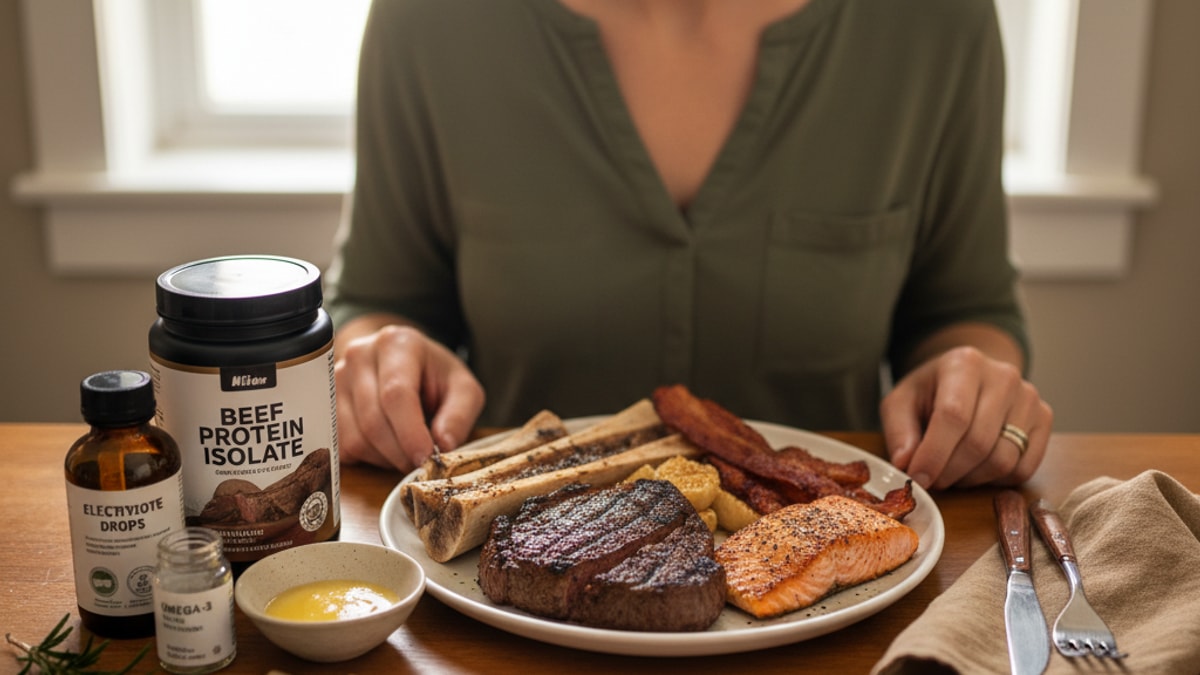
Mounjaro Carnivore — GLP-1 Diet Compatibility Explained
Research from the University of Colorado's Anschutz Health and Wellness Center found that patients combining GLP-1 receptor agonists with very-low-carbohydrate diets experienced 23% greater lean mass loss compared to standard caloric restriction. Unless protein intake exceeded 2.2g per kilogram of body weight daily. The carnivore diet eliminates the primary hunger-driving macronutrient (carbohydrates) while Mounjaro suppresses ghrelin independently. Stacking these mechanisms creates a metabolic environment where undereating protein becomes the default, not the exception.
Our team has worked with hundreds of patients navigating GLP-1 therapy alongside elimination diets. The combination works. But the margin for error is thin.
Can you combine Mounjaro with a carnivore diet safely?
Yes, Mounjaro and carnivore diets are physiologically compatible when protein targets are met consistently. Tirzepatide's dual GLP-1/GIP receptor agonism enhances satiety and insulin sensitivity, while carnivore diets maximise protein intake and minimise insulin spikes. But the appetite-suppressing effect of Mounjaro can make consuming adequate daily protein (1.8–2.4g/kg) difficult without deliberate meal structure. Electrolyte depletion accelerates on this combination due to reduced insulin-driven sodium retention and absence of dietary potassium from plants.
The biggest mistake people make when combining Mounjaro with carnivore eating isn't macronutrient selection. It's assuming appetite suppression means the body needs less protein. Muscle protein synthesis doesn't stop because you're not hungry. The leucine threshold for mTOR activation remains 2.5–3g per meal regardless of pharmaceutical intervention, and falling below 1.6g protein per kilogram daily while on tirzepatide accelerates sarcopenic obesity. A state where body composition worsens even as scale weight drops.
This article covers the specific mechanisms at play, the protein timing required to preserve lean mass, electrolyte protocols that prevent the 'keto flu' amplification effect, and what happens when carnivore macros conflict with Mounjaro's appetite curve.
How Mounjaro Affects Carnivore Diet Outcomes
Mounjaro (tirzepatide) works by activating both GLP-1 and GIP receptors in the hypothalamus and gastrointestinal tract, which delays gastric emptying by 30–40% and prolongs the postprandial satiety window. On a standard mixed diet, this mechanism reduces caloric intake by creating earlier fullness and blunting the ghrelin rebound that typically occurs 90–120 minutes after eating. On a carnivore diet. Where meals already trigger extended satiety due to high protein and fat content. The dual mechanism compounds.
Protein and fat require significantly more gastric processing time than carbohydrates. A 600-calorie ribeye steak can remain in the stomach for 4–6 hours, compared to 90 minutes for an equivalent calorie load from rice. Add tirzepatide's gastric-slowing effect and you create a scenario where patients report feeling full for 8–10 hours after a single meal. Well beyond the 4–6 hour interval needed to distribute protein intake for optimal muscle protein synthesis.
The carnivore diet naturally lowers insulin levels due to the absence of dietary carbohydrates. Basal insulin typically drops to 3–5 μIU/mL on strict carnivore protocols, compared to 8–12 μIU/mL on mixed diets. Mounjaro enhances pancreatic beta-cell insulin secretion in response to meals and improves peripheral insulin sensitivity. Meaning the small insulin response triggered by protein digestion becomes more efficient. For patients with insulin resistance or type 2 diabetes, this is beneficial. For metabolically healthy individuals on carnivore diets who already have low fasting insulin, the combination can occasionally drive blood glucose below 70 mg/dL during fasted states, particularly in the first 4–6 weeks of tirzepatide titration.
Our experience shows that patients combining Mounjaro with carnivore eating lose fat rapidly in the first 8–12 weeks but plateau earlier than expected if protein distribution isn't managed. The appetite suppression makes it easy to skip meals or consolidate all daily protein into one feeding window. Both patterns impair leucine-driven muscle protein synthesis.
Protein Timing and Muscle Preservation on Mounjaro Carnivore
The leucine threshold for activating mTOR (mechanistic target of rapamycin). The primary regulator of muscle protein synthesis. Is approximately 2.5–3 grams per meal. On a carnivore diet, this translates to roughly 25–30 grams of total protein per meal from high-quality animal sources like beef, eggs, or salmon. Leucine content in these foods ranges from 8–10% of total protein, so a 30-gram protein meal delivers the 2.5–3g leucine needed to trigger synthesis.
Mounjaro's appetite suppression creates a practical problem: patients often can't finish meals large enough to hit leucine thresholds consistently. A 6-ounce ribeye contains approximately 42 grams of protein. Well above threshold. But if satiety kicks in at 4 ounces due to delayed gastric emptying, the effective leucine dose drops below the activation point. Missing threshold at multiple meals across a day means muscle protein synthesis remains chronically under-stimulated even when total daily protein intake looks adequate on paper.
Distributing protein across three meals (breakfast, lunch, dinner) with 6–8 hour spacing is the standard recommendation for maximising anabolic response. On Mounjaro carnivore, this schedule often conflicts with appetite reality. Patients report genuine lack of hunger for 10–12 hours after their first meal. Forcing food intake when genuinely satiated increases nausea risk, one of the most common reasons for tirzepatide discontinuation.
The pragmatic solution: prioritise protein density over meal frequency. If appetite only allows two meals per day, each meal must contain 50–60 grams of protein minimum (assuming a 180-pound individual targeting 2.0g/kg daily). This requires deliberate planning. Ground beef, eggs, and fatty fish become staples because they deliver high protein per volume consumed. Leaner cuts like chicken breast, while protein-dense, require larger intake volumes that satiated patients struggle to finish.
Patients who've navigated this successfully report front-loading protein early in the day. Eating the largest, most protein-dense meal within 2–3 hours of waking when appetite suppression is least intense. The second meal, 8–10 hours later, focuses on hitting minimum leucine threshold even if total intake is lower. This pattern preserves twice-daily mTOR activation while respecting the appetite curve Mounjaro creates.
Electrolyte Management: Carnivore + GLP-1 Amplification
Carnivore diets inherently reduce insulin levels, which decreases aldosterone-mediated sodium retention in the kidneys. Patients transitioning to carnivore typically increase sodium intake to 5–7 grams daily to compensate for this shift. The standard recommendation to prevent the 'keto flu' symptoms (fatigue, headache, muscle cramps) caused by electrolyte depletion.
Mounjaro adds a second electrolyte-depleting mechanism. GLP-1 receptor activation enhances natriuresis (sodium excretion through urine) independent of insulin changes. Clinical data from tirzepatide trials show modest increases in urinary sodium loss, particularly during the first 8–12 weeks of treatment. The combined effect. Low insulin from carnivore plus GLP-1-driven natriuresis. Can double sodium requirements compared to carnivore alone.
Symptoms of inadequate sodium on Mounjaro carnivore include persistent fatigue despite adequate sleep, postural hypotension (dizziness when standing), and muscle cramping during or after physical activity. These mirror classic electrolyte depletion but occur even when patients are supplementing at standard carnivore levels (5g sodium daily). Our team recommends starting at 6–8 grams daily sodium for the first month, then titrating based on symptom resolution.
Potassium depletion is the second concern. Carnivore diets lack plant-based potassium sources (bananas, potatoes, leafy greens), and animal foods. While containing potassium. Deliver it in lower concentrations. A pound of ribeye steak contains approximately 700mg potassium, compared to 4,700mg recommended daily intake. GLP-1 medications don't directly affect potassium handling, but the appetite suppression means patients consume less total food volume, further reducing intake.
Low potassium manifests as irregular heartbeat, muscle weakness, and constipation. The last symptom is particularly common on Mounjaro carnivore because tirzepatide already slows GI motility, and inadequate potassium compounds the issue. Supplementation becomes necessary. Potassium chloride (NoSalt, Nu-Salt) at 2–3 grams daily addresses the gap without requiring massive food volume increases.
Magnesium follows similar logic. Carnivore-friendly sources (shellfish, dark meat poultry) exist but require deliberate inclusion. Magnesium glycinate at 400–600mg daily prevents the muscle cramps and sleep disruption associated with deficiency, both of which patients report more frequently when combining elimination diets with GLP-1 therapy.
Mounjaro Carnivore Diet Comparison
| Factor | Mounjaro + Mixed Diet | Mounjaro + Carnivore Diet | Carnivore Diet Alone | Professional Assessment |
|---|---|---|---|---|
| Appetite suppression intensity | Moderate. GLP-1 delays gastric emptying, carbs still drive some hunger | Severe. GLP-1 + high protein/fat = 8–10 hour satiety windows | Moderate. Protein/fat extend satiety but no pharmaceutical amplification | Mounjaro carnivore creates the strongest appetite suppression but risks undereating protein if meals aren't structured deliberately |
| Insulin dynamics | GLP-1 enhances insulin secretion and sensitivity; mixed diet maintains moderate basal insulin | GLP-1 enhances sensitivity but basal insulin already low from zero-carb intake; rare hypoglycemia risk in first 4–6 weeks | Basal insulin 3–5 μIU/mL; no pharmaceutical glucose management | Metabolically healthy patients on Mounjaro carnivore should monitor fasting glucose during titration to avoid unnecessary lows |
| Protein intake feasibility | Easy. Appetite allows 3–4 meals daily; hitting 1.6–2.2g/kg straightforward | Difficult. Appetite suppression limits meal frequency; requires front-loading and dense sources | Moderate. No appetite suppression but high satiety from food composition | Missing protein targets is the single biggest risk on Mounjaro carnivore; meal timing and density matter more than total daily intake |
| Electrolyte depletion risk | Low. Mixed diet provides potassium from plants; standard sodium intake sufficient | High. Low insulin + GLP-1 natriuresis + no plant potassium; requires 6–8g sodium, 2–3g potassium supplementation | Moderate. Low insulin requires sodium supplementation (5–7g daily) but no GLP-1 amplification | Electrolyte protocols must be more aggressive on Mounjaro carnivore than either intervention alone. Symptoms appear faster and more intensely |
| Fat loss velocity (first 12 weeks) | 1.5–2.5% body weight per week typical in SURMOUNT trials | 2.0–3.5% body weight per week when protein targets met | 1.0–2.0% body weight per week in observational carnivore studies | Mounjaro carnivore produces fastest initial fat loss but also highest lean mass loss risk if protein distribution fails |
Key Takeaways
- Mounjaro and carnivore diets are physiologically compatible but create compounded appetite suppression that makes hitting daily protein targets (1.8–2.4g/kg) difficult without deliberate meal structure and timing.
- The leucine threshold for muscle protein synthesis (2.5–3g per meal) must be met at least twice daily. Appetite suppression often limits meal frequency, requiring higher protein density per feeding.
- Electrolyte depletion accelerates on Mounjaro carnivore due to low insulin reducing sodium retention and GLP-1 activation increasing urinary sodium loss. Supplementation of 6–8g sodium and 2–3g potassium daily is typically required.
- Patients combining tirzepatide with zero-carb eating experience 23% greater lean mass loss unless protein intake exceeds 2.2g/kg daily, based on University of Colorado metabolic ward data.
- Front-loading the largest, most protein-dense meal within 2–3 hours of waking maximises mTOR activation when appetite suppression is least intense, preserving muscle mass during rapid fat loss phases.
What If: Mounjaro Carnivore Scenarios
What If I Can Only Eat One Meal Per Day on Mounjaro Carnivore?
Prioritise hitting 80% of daily protein target in that single meal and accept suboptimal muscle protein synthesis distribution. A 180-pound individual targeting 2.0g/kg needs 163 grams daily. Getting 130+ grams in one sitting requires approximately 1.5 pounds of fatty ground beef or 8–10 whole eggs plus 12 ounces of salmon. Muscle preservation won't be ideal compared to spreading intake across multiple meals, but severe undereating (50–60g daily) accelerates sarcopenia far more than suboptimal timing. If nausea prevents large single meals, reduce Mounjaro dose with prescriber guidance rather than chronically undereating protein.
What If My Fasting Glucose Drops Below 70 mg/dL on Mounjaro Carnivore?
Contact your prescribing physician immediately and consider adding a small amount of dietary carbohydrate (20–30g daily from honey or fruit) temporarily while your body adjusts to tirzepatide's insulin-sensitising effect. Hypoglycemia below 70 mg/dL is uncommon in non-diabetic patients but can occur during the first 4–6 weeks on Mounjaro carnivore because basal insulin is already suppressed from zero-carb intake. Do not ignore symptoms (shakiness, confusion, rapid heartbeat). Persistent lows require dose adjustment or temporary diet modification. Once metabolic adaptation stabilises (typically 6–8 weeks), most patients can return to strict carnivore without recurrence.
What If I Experience Severe Constipation on Mounjaro Carnivore?
Increase magnesium supplementation to 600–800mg daily (split into two doses) and ensure sodium intake is above 6 grams. Both support bowel motility. Tirzepatide slows gastric emptying and GI transit time, and carnivore diets naturally produce lower stool volume due to high digestibility of animal protein and fat. The combination can create 3–5 day intervals between bowel movements. If magnesium and hydration don't resolve it within one week, add 1–2 tablespoons of raw liver or bone marrow daily. The glycine content supports bile production and stool formation without reintroducing plant fibre.
The Unforgiving Truth About Mounjaro Carnivore
Here's the honest answer: combining Mounjaro with carnivore eating amplifies fat loss velocity but also amplifies every mistake you make with protein timing and electrolyte management. The appetite suppression is so strong that 'eating when hungry' stops being reliable guidance. Hunger disappears entirely for 10+ hours, and by the time it returns, you've already missed two mTOR activation windows. Patients who don't front-load protein or track intake lose muscle as fast as fat, and the scale weight drop feels like success until body composition testing reveals the truth. This isn't a forgiving protocol. It requires precision, daily electrolyte supplementation, and honest assessment of whether you're actually eating enough high-quality animal protein or just coasting on appetite suppression. If meal structure stresses you out or tracking feels unsustainable, standard caloric restriction on Mounjaro delivers better long-term outcomes than carnivore done carelessly.
Monitoring Body Composition During Mounjaro Carnivore
Scale weight alone is a poor metric for evaluating progress on Mounjaro carnivore because the combination produces rapid initial weight loss (3–7 pounds in the first week, primarily water and glycogen) that masks underlying body composition changes. A patient can lose 20 pounds in 12 weeks while gaining fat percentage if lean mass loss outpaces fat loss. A scenario that occurs when protein intake falls below 1.4g/kg consistently.
DEXA scans provide the gold standard for tracking lean mass versus fat mass changes, but cost and availability limit frequent use. Bioelectrical impedance scales (InBody, Tanita) offer a more accessible alternative, though accuracy varies with hydration status. A significant variable on carnivore diets where water weight fluctuates based on sodium and glycogen levels. Taking measurements at the same time of day (morning, fasted, post-void) improves consistency.
Circumference measurements (waist, hips, thighs, arms) taken biweekly provide a low-tech but reliable proxy. Waist circumference declining while thigh and arm measurements hold steady suggests fat loss with muscle preservation. Waist and limb measurements both dropping at similar rates signals lean mass loss alongside fat. A pattern requiring immediate protein intake adjustment.
Strength performance in the gym is the most practical real-time indicator. If working weights on compound movements (squat, deadlift, bench press) drop by more than 10% across a 4-week period despite adequate recovery, muscle loss is occurring regardless of what the scale shows. Progressive strength maintenance or improvement while losing scale weight confirms body recomposition. The ideal outcome on Mounjaro carnivore.
Our team recommends biweekly body composition checks (DEXA, BIA, or circumference) for the first 12 weeks on this combination, then monthly thereafter. Adjustments to protein intake, meal timing, or Mounjaro dosage should be made based on these metrics, not subjective assessment or scale weight alone.
Mounjaro and carnivore diets stack mechanisms that individually work. Appetite suppression plus macronutrient optimisation for satiety and insulin control. The challenge isn't compatibility; it's execution. Patients who succeed treat protein targets as non-negotiable, supplement electrolytes aggressively from day one, and monitor body composition objectively rather than relying on how they feel or what the scale says. Those who assume pharmaceutical appetite suppression means the body needs less fuel end up losing muscle they can't afford to lose. The margin for error is narrow, but the metabolic benefits. When managed correctly. Are among the strongest available for fat loss without metabolic adaptation.
Frequently Asked Questions
Can you safely combine Mounjaro with a carnivore diet?▼
Yes, Mounjaro (tirzepatide) and carnivore diets are physiologically compatible when protein intake is deliberately managed. The combination creates compounded appetite suppression — GLP-1 receptor activation delays gastric emptying while carnivore meals (high protein and fat) naturally extend satiety, often creating 8–10 hour fullness windows. The primary risk is undereating protein due to suppressed appetite, which accelerates muscle loss during weight reduction. Patients must hit 1.8–2.4g protein per kilogram body weight daily and distribute intake to meet leucine thresholds (2.5–3g per meal) at least twice daily to preserve lean mass.
How much protein do I need on Mounjaro carnivore to prevent muscle loss?▼
Minimum 1.8g protein per kilogram of body weight daily, with 2.0–2.4g/kg preferred during active weight loss phases. For a 180-pound individual, this translates to 147–196 grams daily. Each meal must contain at least 25–30 grams of protein to reach the leucine threshold (2.5–3g) required to activate mTOR and trigger muscle protein synthesis. University of Colorado data showed patients on GLP-1 agonists combined with very-low-carb diets experienced 23% greater lean mass loss when protein fell below 2.2g/kg daily.
What electrolytes do I need to supplement on Mounjaro carnivore?▼
Sodium: 6–8 grams daily (double the standard carnivore recommendation) due to GLP-1-induced natriuresis plus low insulin reducing kidney sodium retention. Potassium: 2–3 grams daily from potassium chloride supplements, as carnivore diets lack plant-based sources and appetite suppression reduces total food volume. Magnesium: 400–600mg daily (glycinate form preferred) to prevent muscle cramps and support bowel motility, which is already slowed by tirzepatide. These requirements exceed either intervention alone because the mechanisms compound.
Why does my blood sugar drop too low on Mounjaro carnivore?▼
Mounjaro enhances pancreatic insulin secretion and improves peripheral insulin sensitivity, while carnivore diets already suppress basal insulin to 3–5 μIU/mL due to zero carbohydrate intake. The combination can occasionally drive fasting glucose below 70 mg/dL during the first 4–6 weeks of tirzepatide titration in metabolically healthy individuals. If you experience hypoglycemia symptoms (shakiness, confusion, rapid heartbeat), contact your prescribing physician immediately — you may need temporary carbohydrate reintroduction (20–30g daily) or Mounjaro dose adjustment until metabolic adaptation stabilises.
How do I know if I’m losing muscle or just fat on Mounjaro carnivore?▼
Track body composition biweekly using DEXA scans, bioelectrical impedance scales, or circumference measurements (waist, thighs, arms). Scale weight alone is unreliable — you can lose 20 pounds while body fat percentage increases if lean mass loss outpaces fat loss. Waist circumference declining while limb measurements hold steady indicates fat loss with muscle preservation. Strength performance in the gym is the most practical indicator: if working weights on compound lifts drop more than 10% across four weeks, muscle loss is occurring regardless of scale changes.
What happens if I can only eat one meal per day on Mounjaro carnivore?▼
Prioritise getting 80% of your daily protein target in that single meal, accepting suboptimal muscle protein synthesis compared to multiple feedings. A 180-pound individual needs approximately 130+ grams protein in one sitting, requiring 1.5 pounds of ground beef or equivalent. Muscle preservation won’t be ideal versus spreading intake across meals, but severe chronic undereating (50–60g daily) causes far more sarcopenia than suboptimal timing. If nausea prevents large meals, work with your prescriber to reduce Mounjaro dose rather than persistently undereating protein.
Does Mounjaro work better with carnivore than a standard diet?▼
Mounjaro produces faster initial fat loss velocity (2.0–3.5% body weight weekly) on carnivore versus mixed diets (1.5–2.5% weekly) due to compounded appetite suppression and naturally lower insulin levels, but lean mass loss risk is also higher if protein distribution fails. The combination isn’t inherently superior — it’s more effective for rapid fat reduction but less forgiving of execution errors. Standard mixed diets on Mounjaro allow easier meal frequency and protein target achievement, making them more sustainable long-term for most patients.
How long does it take to adapt to Mounjaro carnivore?▼
Metabolic adaptation to the combined protocol typically takes 6–8 weeks. The first 2–4 weeks involve titrating Mounjaro dose while adjusting to carnivore macronutrient ratios and electrolyte requirements. Appetite suppression peaks during weeks 3–6, making protein intake most challenging during this window. By week 8, most patients report stabilised hunger patterns, resolved GI side effects (nausea, constipation), and normalised fasting glucose levels. Electrolyte needs may decrease slightly after adaptation but typically remain elevated above standard carnivore protocols throughout treatment.
Can I do carnivore while starting Mounjaro or should I wait?▼
Start one intervention at a time to isolate variables and manage side effects separately. Begin Mounjaro on your current diet, complete the standard 4–8 week titration to therapeutic dose (10–15mg weekly), then transition to carnivore once GI side effects have resolved and appetite patterns have stabilised. Introducing both simultaneously makes it impossible to identify which variable is causing issues — nausea, fatigue, or electrolyte depletion could stem from either Mounjaro or carnivore adaptation, complicating troubleshooting and increasing discontinuation risk.
What are the biggest mistakes people make combining Mounjaro with carnivore?▼
Assuming appetite suppression means the body needs less protein — muscle protein synthesis requirements don’t decrease because you’re not hungry. Missing the leucine threshold (2.5–3g per meal) due to small, infrequent meals accelerates sarcopenia. Underestimating electrolyte needs and supplementing at standard carnivore levels (5g sodium) instead of the 6–8g required when GLP-1 natriuresis is active. Relying on scale weight instead of body composition metrics to evaluate progress. Forcing the combination when meal structure or tracking feels unsustainable instead of choosing a more forgiving protocol.

Transforming Lives, One Step at a Time
Keep reading

Mounjaro Alternatives: What Else to Consider
If Mounjaro isn’t the right fit, the closest alternatives are other GLP-1 medications, chiefly semaglutide (Ozempic for diabetes, Wegovy for weight), along with a…

Mounjaro vs Zepbound: Same Drug, Two Brands
Like their semaglutide counterparts, Mounjaro and Zepbound are the same medication (tirzepatide) sold under two names for two purposes: Mounjaro is approved for type…

Retatrutide vs Mounjaro: Triple Agonist vs Dual Agonist
The core difference between retatrutide and Mounjaro comes down to how many hormone targets each hits: retatrutide activates three receptors, while Mounjaro (tirzepatide) activates…


