Mounjaro Not Working? Unpacking the Reasons Behind Varied Weight Loss Journeys
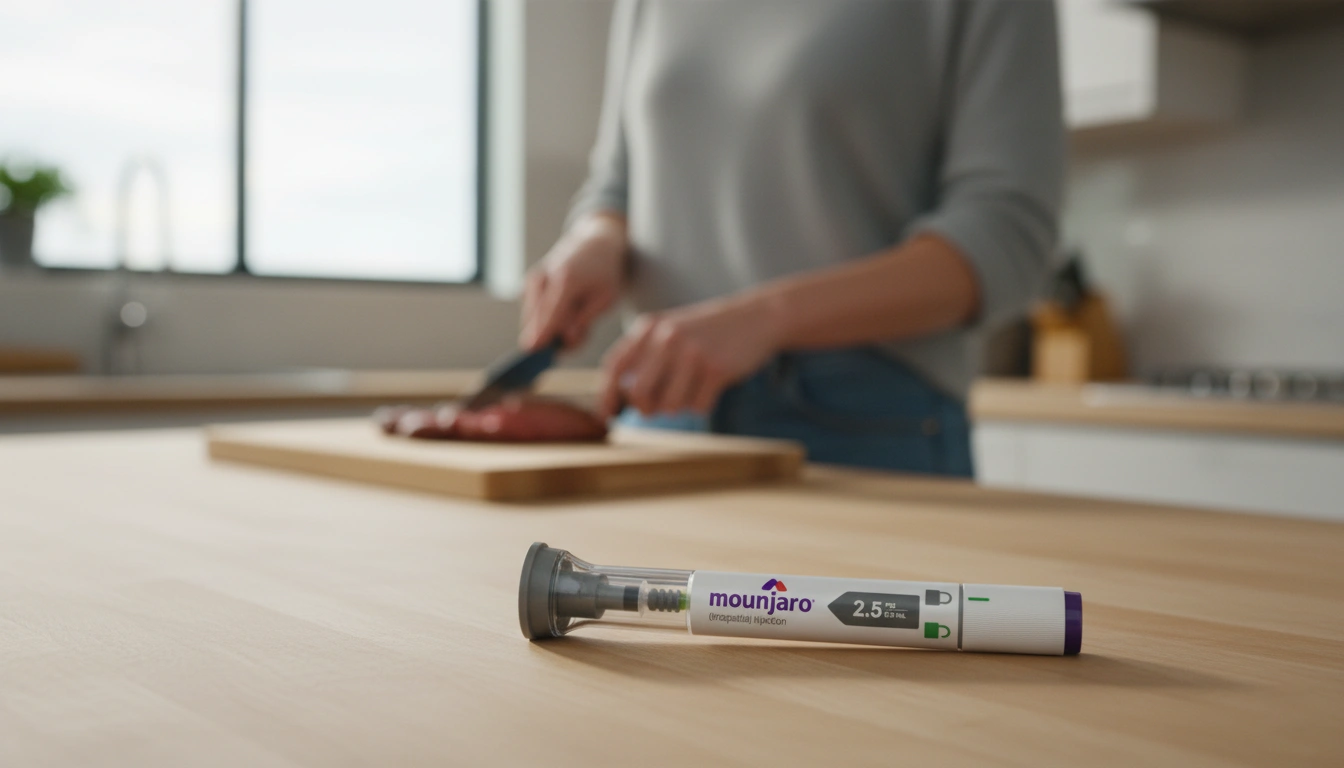
Receiving a prescription for a medication like Mounjaro can feel like a significant step forward on your weight loss journey, often accompanied by hope and anticipation. For many, this innovative treatment has been a game-changer, facilitating remarkable progress. However, there are individuals who, despite diligently adhering to their treatment plan, find themselves questioning: “Why does Mounjaro not work for some people?” If you’ve found yourself in this position, feeling frustrated or discouraged by slower-than-expected progress, it’s crucial to understand that your experience is not isolated, and there are often clear, actionable reasons behind these varied outcomes.
Our goal at TrimRx is to illuminate the complex interplay of factors that influence weight loss, especially when incorporating medications like Mounjaro into your routine. We know that the path to sustainable health is deeply personal and rarely linear. This comprehensive guide is designed to dissect the common reasons why Mounjaro’s effects might not meet initial expectations for some individuals. We’ll explore everything from the medication’s mechanism and appropriate dosing to the crucial role of lifestyle, underlying health conditions, and even psychological factors. By understanding these nuances, you can gain clarity on your own journey and discover strategies to optimize your results. We believe that sustainable weight loss should be achieved through science, empathy, and a transparent approach, and we’re here to provide the insights and support you need. Through this exploration, we aim to empower you with knowledge and practical advice, helping you to partner with your healthcare provider to refine your approach and get back on track towards your health and wellness goals.
Understanding Mounjaro: A Dual-Action Approach to Weight Management
Mounjaro, with its active ingredient tirzepatide, represents a significant advancement in the treatment landscape for individuals seeking to manage blood sugar levels in type 2 diabetes and, for many, to achieve meaningful weight loss. To understand why its effects can vary, it’s essential to first grasp how this medication works within the body.
The Science Behind Tirzepatide: GLP-1 and GIP
Tirzepatide is unique because it acts as a dual agonist, mimicking the actions of two naturally occurring gut hormones: Glucagon-like Peptide-1 (GLP-1) and Glucose-dependent Insulinotropic Polypeptide (GIP). These hormones play critical roles in regulating metabolism, appetite, and blood sugar control.
How GLP-1 and GIP Work Together
- GLP-1 Receptor Agonism: Similar to other GLP-1 medications, tirzepatide slows gastric emptying, which means food stays in your stomach longer, promoting a feeling of fullness. It also helps regulate insulin secretion in response to glucose and reduces glucagon secretion, both contributing to lower blood sugar levels. Furthermore, GLP-1 agonists directly impact the brain’s appetite centers, reducing hunger signals and cravings.
- GIP Receptor Agonism: GIP is another hormone that helps regulate metabolism. By activating GIP receptors, tirzepatide further enhances insulin secretion in a glucose-dependent manner and may also have direct effects on fat cells and energy expenditure. The dual action of targeting both GLP-1 and GIP receptors provides a more comprehensive approach to metabolic regulation, which is why studies have shown such promising results in both blood sugar control and weight reduction.
Mounjaro’s Role in Weight Loss
While Mounjaro is FDA-approved specifically for adults with type 2 diabetes, its active ingredient, tirzepatide, is also approved for chronic weight management under the brand name Zepbound. In clinical trials, individuals taking tirzepatide have demonstrated significant weight loss, ranging from an average of 15% to over 20% of their starting body weight over approximately 18 months, especially when combined with lifestyle interventions. This weight loss is primarily attributed to the medication’s ability to reduce appetite, increase satiety, and improve metabolic efficiency.
At TrimRx, our journey began with a shared vision to help individuals embrace healthier lifestyles by merging cutting-edge telehealth innovations with effective weight loss solutions. Our platform is a user-friendly and supportive space where individuals receive personalized, medically supervised care—all designed to make sustainable weight loss attainable and tailored to the individual. We offer a range of clinically proven medications, including [Compounded Semaglutide], [Oral Semaglutide], [Ozempic®], [Compounded Tirzepatide], [Oral Tirzepatide], [Mounjaro®], [Zepbound®], and [Wegovy®], ensuring that we can help match individuals with the most appropriate treatment. To explore which prescription medication might be right for you, we encourage you to [take our free assessment quiz] to determine your eligibility and receive a personalized treatment plan.
Setting Realistic Expectations for Your Weight Loss Journey
One of the most common reasons individuals feel that Mounjaro isn’t “working” is often rooted in mismatched expectations. The narrative surrounding weight loss medications can sometimes oversimplify the process, leading to the belief that results should be immediate and dramatic for everyone. However, weight loss, even with advanced pharmaceutical support, is a gradual and highly individualized process.
The Timeline of Results
While some individuals may experience initial changes in appetite and even modest weight loss within the first few weeks of starting Mounjaro, significant results typically unfold over a longer period. Clinical studies often track progress over 40 to 72 weeks, showing that the most substantial weight reduction occurs after several months of consistent use and dose escalation.
- Initial Weeks (1-8): Many start to notice reduced hunger and cravings. Early weight loss may be modest, often around 4-8% of initial body weight, as the body adjusts to the medication and lower doses are administered.
- Mid-Term (3-6 Months): As doses are gradually increased and the body reaches a steady state, more consistent weight loss often becomes apparent. This is when many individuals start experiencing the more impactful benefits seen in clinical trials.
- Long-Term (6+ Months): The most significant weight loss achievements, reaching 15-20% or more, typically occur over 9-18 months. Patience and consistent adherence to both medication and lifestyle changes are paramount during this phase.
It’s also important to remember that a healthy rate of weight loss is generally considered to be 1 to 2 pounds per week. While some individuals might experience faster initial drops, sustainable weight loss focuses on gradual, consistent progress to protect lean muscle mass and bone density. Our approach at TrimRx emphasizes the journey toward overall health, not just the number on the scale. We understand that your body needs time to respond, and we are committed to providing the unlimited support you need to navigate this process.
Key Factors Influencing Mounjaro’s Effectiveness
When Mounjaro doesn’t seem to be delivering the anticipated results, it’s often a combination of several interconnected factors rather than a single issue. Understanding these elements can help you identify areas for adjustment and optimize your weight loss efforts.
1. Dosage and Titration Schedule
The starting dose of Mounjaro is typically low (2.5 mg weekly) and is gradually increased over several weeks or months. This “titration” process is designed to minimize potential side effects and allow your body to adjust.
Why the Right Dose Matters
- Initial Doses May Not Be Therapeutic for Weight Loss: The initial 2.5 mg dose is primarily for treatment initiation and acclimatization, not necessarily for significant weight loss. For many, the more pronounced appetite suppression and metabolic effects become evident at higher doses (e.g., 10 mg or 15 mg weekly).
- Time to Reach Optimal Dose: It can take several months to gradually reach the higher, more effective maintenance doses. If you’ve only been on Mounjaro for a short period or are still on a lower dose, you might simply need more time to escalate to a therapeutically effective level.
- Consistency is Key: Skipping doses or not adhering to the prescribed schedule can disrupt the medication’s steady state in your system, diminishing its effectiveness.
Our commitment to transparent service at TrimRx means our approach remains consistent regardless of dosage changes. Our comprehensive service includes doctor consultations and unlimited support to ensure you’re on the right path and help you manage your treatment plan effectively.
2. Diet and Nutritional Choices Still Matter
While Mounjaro significantly impacts appetite and satiety, it is not a magic bullet that completely overrides dietary choices. Weight loss fundamentally requires a calorie deficit, meaning you consume fewer calories than your body expends.
The Impact of Food Quality and Quantity
- Calorie-Dense Foods: Even with reduced hunger, consistently consuming ultra-processed foods, sugary drinks, high-fat snacks, or large portions can counteract the medication’s benefits. These items often contain “hidden calories” and provide poor nutritional value, leading to less satiety despite their caloric load.
- Importance of Whole Foods: Focusing on nutrient-rich, whole foods is crucial. A diet rich in lean proteins, fiber-filled fruits and vegetables, and healthy fats supports satiety, provides essential nutrients, and promotes efficient metabolism. Proteins and fiber, in particular, help you feel fuller for longer, maximizing Mounjaro’s appetite-suppressing effects.
- Mindful Eating: Mounjaro can reduce the urge to eat, but mindful eating practices, such as paying attention to hunger and fullness cues, eating slowly, and avoiding distractions during meals, further enhance its efficacy.
We advocate for a holistic approach to weight loss. Our personalized weight loss programs emphasize the synergy between medication and healthy eating. To complement your journey, we offer quick-access supplements like [GLP-1 Daily Support], designed to aid overall wellness and digestive health, and [Weight Loss Boost], formulated to support metabolic function and energy levels. These supplements are available for immediate purchase to support overall wellness during the weight loss journey.
3. Lack of Adequate Physical Activity
Exercise plays an indispensable role in weight loss and overall health, even when taking Mounjaro. Physical activity contributes to calorie expenditure, helps preserve lean muscle mass, and can improve metabolic health.
Why Movement is Essential
- Calorie Burn: Regular physical activity directly burns calories, helping to create and maintain the necessary calorie deficit for weight loss.
- Muscle Mass Preservation: When you lose weight, there’s a risk of losing muscle mass along with fat. Incorporating strength training at least twice a week helps preserve and even build muscle, which is metabolically active tissue, meaning it burns more calories at rest than fat.
- Metabolic Boost: Exercise can improve insulin sensitivity and overall metabolic function, enhancing the body’s ability to utilize glucose and fat for energy.
- Overall Well-being: Beyond weight loss, physical activity improves cardiovascular health, mood, sleep quality, and energy levels—all crucial components of a successful weight loss journey.
The U.S. CDC recommends at least 150 minutes of moderate-intensity aerobic activity per week, plus muscle-strengthening activities on two or more days. This doesn’t necessarily mean intense gym sessions; brisk walking, cycling, swimming, or even active chores can make a significant difference.
4. Emotional and Behavioral Eating Patterns
Food is often more than just fuel; it can be a source of comfort, a coping mechanism for stress, boredom, or sadness. Emotional eating can be a formidable challenge, even when hunger signals are reduced by medication.
Addressing the Emotional Connection to Food
- Coping Mechanisms: Many individuals develop patterns of turning to food in response to emotions rather than physical hunger. Mounjaro can quiet physiological hunger, but it may not fully address the psychological triggers that lead to eating.
- Mindfulness and Awareness: Learning to differentiate between true hunger and emotional cravings is a critical step. Developing alternative coping strategies, such as journaling, engaging in hobbies, connecting with friends, or practicing relaxation techniques, can help break these patterns.
- Professional Support: For deeply ingrained emotional eating or binge eating behaviors, working with a mental health professional or a specialized counselor can provide invaluable strategies and support.
Our empathetic brand personality acknowledges the multifaceted nature of weight loss. We understand that success goes beyond just medication, extending to mental and emotional well-being. Our supportive care respects every individual’s unique journey, providing a space where these challenges can be addressed as part of a comprehensive plan.
5. Underlying Medical Conditions and Other Medications
Certain health conditions and other prescription medications can significantly impact metabolism and weight, potentially hindering Mounjaro’s effectiveness.
Health Conditions That Can Interfere
- Hormonal Imbalances: Conditions like hypothyroidism (underactive thyroid), polycystic ovary syndrome (PCOS), or severe insulin resistance can slow metabolism, increase fat storage, or make weight loss inherently more challenging, even with Mounjaro.
- Metabolic Disorders: More complex metabolic disorders can also impact how the body processes food and stores energy.
Medications Causing Weight Gain
Numerous medications prescribed for various conditions can contribute to weight gain or make weight loss difficult:
- Antidepressants: Some classes of antidepressants, such as SSRIs and tricyclic antidepressants, can affect appetite and metabolism.
- Corticosteroids: Medications like prednisone can increase appetite, promote fat storage, especially around the abdomen, and lead to fluid retention.
- Beta-Blockers: Used for blood pressure and heart conditions, these can slow metabolism and reduce energy levels, making physical activity less appealing.
- Insulin and Other Diabetes Medications: While Mounjaro helps improve insulin sensitivity, some older diabetes medications (e.g., sulfonylureas, thiazolidinediones) or high doses of insulin can promote weight gain.
- Antipsychotics: Certain antipsychotic medications can significantly impact metabolism, appetite, and insulin sensitivity.
It is crucial to have a thorough discussion with your healthcare provider about your complete medical history and all medications you are currently taking. Our comprehensive doctor consultations and necessary lab work ensure that any underlying conditions or medication interactions are thoroughly assessed, allowing for a truly personalized treatment plan. To see if you qualify for our prescription weight loss medications, we invite you to [take our free assessment quiz].
6. Side Effects and Adherence Issues
While Mounjaro is effective, it can come with side effects, particularly gastrointestinal ones like nausea, vomiting, diarrhea, or constipation. These side effects can sometimes interfere with treatment adherence or healthy eating patterns.
Managing Side Effects for Consistent Progress
- Disrupted Dosing: If side effects are severe, individuals might be tempted to skip doses or stop the medication, thereby losing its therapeutic benefits.
- Suboptimal Food Choices: Some people, experiencing nausea, may gravitate towards bland, often carb-heavy foods (crackers, white bread) that are less nutritionally dense and may contribute to a calorie surplus, counteracting weight loss efforts.
- Hydration Challenges: Gastrointestinal issues can sometimes lead to dehydration, which itself can impact metabolism and mask true weight loss due to water retention.
It’s vital to communicate any persistent or severe side effects with your healthcare provider. Often, adjustments to the dosing schedule or supportive therapies can alleviate discomfort, allowing you to stay on track. Our unlimited support system at TrimRx is here to help you navigate these challenges and ensure you feel supported throughout your journey.
7. Poor Sleep Quality and Chronic Stress
The modern lifestyle often brings with it inadequate sleep and chronic stress, both of which have profound impacts on metabolism and hormone regulation, directly affecting weight loss efforts.
The Hormonal Connection
- Cortisol and Stress: Chronic stress elevates cortisol levels, often dubbed the “stress hormone.” Sustained high cortisol can lead to increased appetite, cravings for high-calorie comfort foods, and a tendency for the body to store fat, particularly around the abdominal area. This can make weight loss extremely challenging, even with medication.
- Sleep Deprivation: Insufficient sleep disrupts the balance of key appetite-regulating hormones: ghrelin (the hunger hormone) increases, while leptin (the satiety hormone) decreases. This hormonal imbalance can lead to increased hunger, reduced feelings of fullness, and impaired glucose metabolism, making you more prone to overeating and weight gain.
Prioritizing 7-9 hours of quality sleep per night and actively managing stress through techniques like meditation, yoga, spending time in nature, or engaging in relaxing hobbies are critical components of a successful weight loss strategy. These lifestyle factors are intricately linked to how your body responds to medications like Mounjaro.
8. Inadequate Hydration
Water is essential for virtually every bodily function, including metabolism and fat burning. Often overlooked, adequate hydration can play a subtle yet significant role in weight management.
Why Water is Crucial
- Metabolic Function: Water is involved in metabolic processes, including lipolysis, the breakdown of fat for energy. Dehydration can slow down metabolism.
- Satiety: Sometimes, the body confuses thirst with hunger. Drinking enough water can help reduce unnecessary snacking and contribute to feelings of fullness.
- Waste Elimination: Proper hydration aids in the efficient elimination of waste products, which is particularly important if you’re experiencing constipation as a side effect.
- Preventing Water Retention: Counterintuitively, dehydration can sometimes lead the body to retain water, masking true fat loss on the scale.
Aiming for at least 2-3 liters of water daily, tailored to your activity level and climate, can support your body’s functions and enhance your weight loss journey.
9. Alcohol Consumption
While enjoyable for many, alcohol consumption can quietly undermine weight loss efforts, even when utilizing medications like Mounjaro.
The Empty Calories of Alcohol
- Calorie Density: Alcohol is calorie-dense, providing “empty calories” that offer little to no nutritional value. These calories add up quickly and can easily push you into a caloric surplus, negating the appetite-suppressing effects of Mounjaro.
- Metabolic Disruption: The body prioritizes metabolizing alcohol over other nutrients. This means that while alcohol is being processed, fat burning is temporarily put on hold.
- Increased Appetite: Alcohol can also lower inhibitions and stimulate appetite, potentially leading to increased food intake, especially unhealthy choices, during or after drinking.
Limiting or eliminating alcohol can significantly enhance your body’s ability to burn fat and respond effectively to weight loss medication.
10. Mounjaro May Not Be the Right Fit for Everyone
Despite its impressive efficacy for many, it’s a fundamental truth in medicine that no single treatment works universally for every individual. Human biology is incredibly diverse, and responses to medications can vary significantly.
Individual Variability in Response
- Genetic Factors: Genetic predispositions can influence how an individual metabolizes medications and how their body responds to hormonal signals.
- Metabolic Profile: Each person has a unique metabolic profile, and for some, the specific mechanism of action of tirzepatide (GLP-1 and GIP agonism) may not be the optimal pathway for their body to achieve significant weight loss.
- Lack of Response: If you have diligently adhered to your medication, made significant lifestyle changes, worked with your healthcare provider to optimize your dose, and still see no meaningful weight loss (e.g., less than 5% of your starting body weight after 3-6 months on a therapeutic dose), it may be an indication that Mounjaro is not the most effective medication for you.
In such cases, it is crucial to have an open and honest conversation with your healthcare provider. They can assess your unique situation, re-evaluate your health profile, and discuss alternative treatment options. TrimRx is dedicated to providing personalized solutions, which might include exploring other prescription medications like [Compounded Semaglutide], [Oral Semaglutide], [Ozempic®], [Compounded Tirzepatide], [Oral Tirzepatide], [Zepbound®], or [Wegovy®]. We work exclusively with FDA-registered and inspected pharmacies for the shipping of weight loss medications, ensuring your safety and access to high-quality treatment. Our extensive offerings and comprehensive service, including doctor consultations and lab work, are designed to find the most suitable, clinically proven path for your weight loss journey. Your individualized care is our priority, and we are here to support you in finding the solution that truly works for you.
Maximizing Your Weight Loss Journey with TrimRx
Navigating the complexities of weight loss, especially when incorporating advanced medications, requires a multifaceted approach, patience, and dedicated support. If you find yourself asking “why does Mounjaro not work for some people” in the context of your own experience, remember that it’s an opportunity to refine your strategy, not a sign of failure.
At TrimRx, our brand is empathetic, innovative, trustworthy, supportive, results-oriented, and personalized. We combine advanced medical science with modern technology to offer compassionate care that respects every individual’s unique journey. We believe that sustainable weight loss is a partnership, and we are committed to providing you with the tools, guidance, and unwavering support needed to achieve your goals.
Practical Strategies for Enhanced Success
- Collaborate with Your Healthcare Provider: Regular communication with your TrimRx clinician is paramount. Discuss your progress, any challenges, and potential adjustments to your medication or treatment plan. Our comprehensive service ensures you have access to expert guidance, including doctor consultations and unlimited support.
- Optimize Your Nutrition: Focus on a diet rich in whole, unprocessed foods. Prioritize lean proteins, abundant fiber from fruits and vegetables, and healthy fats. Mindful eating practices can also enhance satiety. To further support your nutritional goals, consider our quick-access supplements like [GLP-1 Daily Support] for digestive wellness and [Weight Loss Boost] to aid metabolism.
- Incorporate Consistent Physical Activity: Aim for a combination of cardiovascular exercise and strength training to burn calories, boost metabolism, and preserve muscle mass. Even moderate, consistent movement makes a difference.
- Prioritize Sleep and Stress Management: Recognize the profound impact of sleep and stress on your hormones and metabolism. Develop strategies to ensure adequate rest and manage daily stressors.
- Stay Hydrated: Make water your primary beverage to support metabolic functions, aid satiety, and ensure overall bodily health.
- Monitor Progress Beyond the Scale: While weight is an important metric, also track non-scale victories such as changes in clothing size, increased energy levels, improved sleep, and positive shifts in your overall well-being. These indicators highlight genuine progress and reinforce consistency.
We understand that the weight loss journey isn’t always a straight line, but with a personalized, medically supervised program, sustainable weight loss becomes truly attainable. Our commitment to your success extends through every phase, from initial assessment to ongoing support. If you are ready to take a proactive step towards understanding your body’s unique needs and exploring clinically proven solutions, we encourage you to [take our free assessment quiz] today to see if you qualify for our personalized prescription weight loss medications. For immediate support in your wellness journey, explore our [GLP-1 Daily Support] and [Weight Loss Boost] quick-access supplements. Together, we can unlock a healthier, more vibrant you.
Frequently Asked Questions
How long does it typically take to see weight loss results on Mounjaro?
While some individuals may notice reduced appetite and modest initial weight changes within the first 2-4 weeks, significant and consistent weight loss on Mounjaro usually unfolds over a longer period. Most people begin to see more impactful results after 3-6 months of consistent use, especially as they reach higher maintenance doses. Clinical studies show average weight loss of 15-20% of starting body weight over approximately 72 weeks.
Can you develop a tolerance to Mounjaro, making it less effective over time?
Some individuals may report a perception of decreased response, sometimes referred to as tachyphylaxis, particularly at lower doses or after an extended period. This doesn’t necessarily mean the medication has stopped working entirely, but rather that your body may adapt, or the initial significant effects might plateau. This is why dose escalation is often part of the treatment plan. If you feel the medication is becoming less effective, it’s crucial to discuss this with your healthcare provider, who can assess your progress and consider potential adjustments.
What are the most important lifestyle changes to make when taking Mounjaro for weight loss?
While Mounjaro is a powerful tool, it works best in conjunction with healthy lifestyle habits. The most crucial changes include adopting a nutrient-dense diet focused on lean proteins, fiber-rich fruits and vegetables, and healthy fats, while minimizing ultra-processed foods and sugary drinks. Incorporating regular physical activity, including both cardio and strength training, is also vital. Additionally, prioritizing adequate sleep and developing effective stress management techniques significantly support the medication’s efficacy and overall well-being.
When should I consult my doctor if I feel Mounjaro isn’t working for my weight loss?
You should consult your healthcare provider if you haven’t observed any meaningful weight loss (e.g., less than 5% of your starting body weight) after 3 to 6 months of consistent use, especially if you’ve reached a therapeutic dose. It’s also important to reach out if you experience persistent side effects that prevent you from adhering to the treatment or making healthy lifestyle choices, or if you suspect an underlying medical condition or other medications are interfering with your progress. Your TrimRx clinician can offer a personalized evaluation and discuss potential adjustments or alternative strategies.

Transforming Lives, One Step at a Time
Keep reading

How to Choose Between Ozempic and Mounjaro
If you’ve spent any time researching GLP-1 medications for weight loss, you’ve probably landed on this question eventually. Ozempic and Mounjaro are the two…

Mounjaro Savings Card: Eli Lilly Programs Explained
Mounjaro carries a list price of over $1,000 per month without insurance. For people managing type 2 diabetes or pursuing weight loss with tirzepatide,…

Effective Strategies for Managing Your Journey: What Helps Nausea From Mounjaro and How to Stay on Track
Discover what helps nausea from Mounjaro with our expert guide. Explore dietary tips, hydration strategies, and natural remedies to manage side effects effectively.


