Do I Need to Prime My Mounjaro Pen Every Time?
Introduction
Stepping into the world of injectable weight loss medications can feel like a significant milestone, but it often comes with a steep learning curve. If you have recently been prescribed Mounjaro®, you might find yourself staring at the device and wondering if you are handling the mechanics correctly. One of the most common points of confusion for those starting their journey is the “priming” process. At TrimRx, we believe that understanding the “how” and “why” behind your treatment is essential for building confidence and ensuring safety. If you are still deciding whether prescription care is the right next step, you can take the free assessment quiz to see what fits your goals. This article focuses on whether you need to prime your Mounjaro pen every time, the specific steps for doing so, and why this ritual matters for your metabolic health. By the end of this guide, you will have a clear understanding of the preparation required for each dose.
The Short Answer to Priming
Quick Answer: If you are using the multi-dose KwikPen® version of Mounjaro®, yes, you must prime the device before every single injection. Priming ensures the removal of air bubbles and confirms the pen is functioning correctly to deliver the full, accurate dose.
It is important to distinguish between the different types of delivery devices. In the United States, Mounjaro® is most commonly distributed as a single-dose, pre-filled auto-injector. These single-dose pens are designed for one-time use and do not require priming. For a broader look at how the treatment process works, our how to prime Mounjaro pen guide explains the device setup in more detail. However, the Mounjaro KwikPen® is a multi-dose device that contains four doses. For the KwikPen, the manufacturer instructions explicitly state that you should prime the pen before every injection to ensure the needle is filled with medication and free of air.
Understanding the Mechanism: What is Priming?
Priming is the process of preparing a medical device to ensure it delivers an accurate dose by removing air from the cartridge and needle. When you attach a new needle to a multi-dose pen, there is a small amount of empty space within the needle itself. Additionally, tiny air bubbles can naturally occur within the medication cartridge during storage or handling.
If you skip the priming step, the first portion of your “injection” might actually be air rather than the medication. This can result in you receiving less than the prescribed amount of tirzepatide. Tirzepatide is a dual-acting receptor agonist—a type of medication that mimics two natural hormones in the body: glucagon-like peptide-1 (GLP-1) and glucose-dependent insulinotropic polypeptide (GIP). These hormones work together to regulate blood sugar, slow digestion, and signal fullness to the brain. If you want to understand the broader therapy behind that mechanism, what GLP-1 therapy is is a helpful place to start. Because these medications are highly potent, receiving the exact prescribed dose is vital for achieving the weight management results seen in clinical studies.
Why Air Bubbles Matter
While a small air bubble injected under the skin (subcutaneously) is generally not a major medical emergency, it displaces the liquid medication. If the device’s plunger moves forward but only pushes air through the needle, you are effectively missing a portion of your dose. Consistent dosing is the foundation of a successful metabolic health program. Our team at TrimRx emphasizes that accuracy in your weekly routine leads to more predictable and sustainable outcomes.
How to Prime the Mounjaro KwikPen
If you have confirmed that you are using the multi-dose KwikPen, you should follow a specific sequence of steps for every weekly dose. This ensures the device is ready and safe to use.
Step 1: Preparation and Hygiene
Always begin by washing your hands thoroughly with soap and water. Cleanliness is the first line of defense against injection site infections. Inspect your pen to ensure the medication is clear and colorless (or slightly yellow) and that the expiration date has not passed.
Step 2: Attach a New Needle
You must use a brand-new, sterile needle for every injection. Remove the paper tab from the outer needle shield. Push the needle straight onto the pen and twist it until it is firmly attached. Once secure, pull off the outer shield (save this for later) and the inner shield (discard this).
Step 3: Set to Prime Position
Slowly turn the dose knob. You are looking for a specific “prime” icon or extended line in the dose window. For the Mounjaro KwikPen, you will typically hear two clicks as you reach the priming position. If you accidentally turn it too far, you can usually turn the knob back, provided you have not yet pressed the injection button.
Step 4: Tapping and Clearing Air
Hold the pen with the needle pointing directly up toward the ceiling. Gently tap the side of the medication cartridge. This encourages any trapped air bubbles to rise to the top, near the needle tip.
Step 5: The Priming Action
While still pointing the needle up, press the dose knob all the way in until it stops. Continue holding it for a count of five. You should see the dose window return to “0.”
Key Takeaway: Success is confirmed when a drop or small stream of liquid appears at the tip of the needle. This confirms the air has been displaced and the device is ready for your actual dose.
What If No Medicine Appears?
It is common to feel a moment of panic if a drop does not appear after the first priming attempt. If this happens, do not proceed to your injection yet.
- Repeat the Prime: You can repeat the priming steps (Step 3 through Step 5) up to two more times with the same needle.
- Change the Needle: If medicine still does not appear after three attempts, the needle may be blocked. Remove the current needle safely, attach a new one, and try the priming process again.
- Check for Damage: If multiple needles fail to produce a drop of medication, the pen itself may be faulty. In this case, do not use the device and contact your healthcare provider or the pharmacy that dispensed it.
The Difference Between Branded and Compounded Options
It is essential for patients to understand the landscape of available treatments. Branded medications like Mounjaro®, Zepbound®, Wegovy®, and Ozempic® are trademarked products and are not affiliated with TrimRx. These branded products often come in specific delivery devices, like the single-dose auto-injectors common in the US or the multi-dose KwikPen seen in other markets.
Many individuals choose to access their weight loss journey through telehealth platforms like ours. We connect patients with licensed healthcare providers who may prescribe compounded medications. If you want a clearer overview of the medication access process, how to get tirzepatide for weight loss walks through the next steps. Compounded Semaglutide and Compounded Tirzepatide are not FDA-approved. However, they are prepared in FDA-registered and inspected compounding pharmacies.
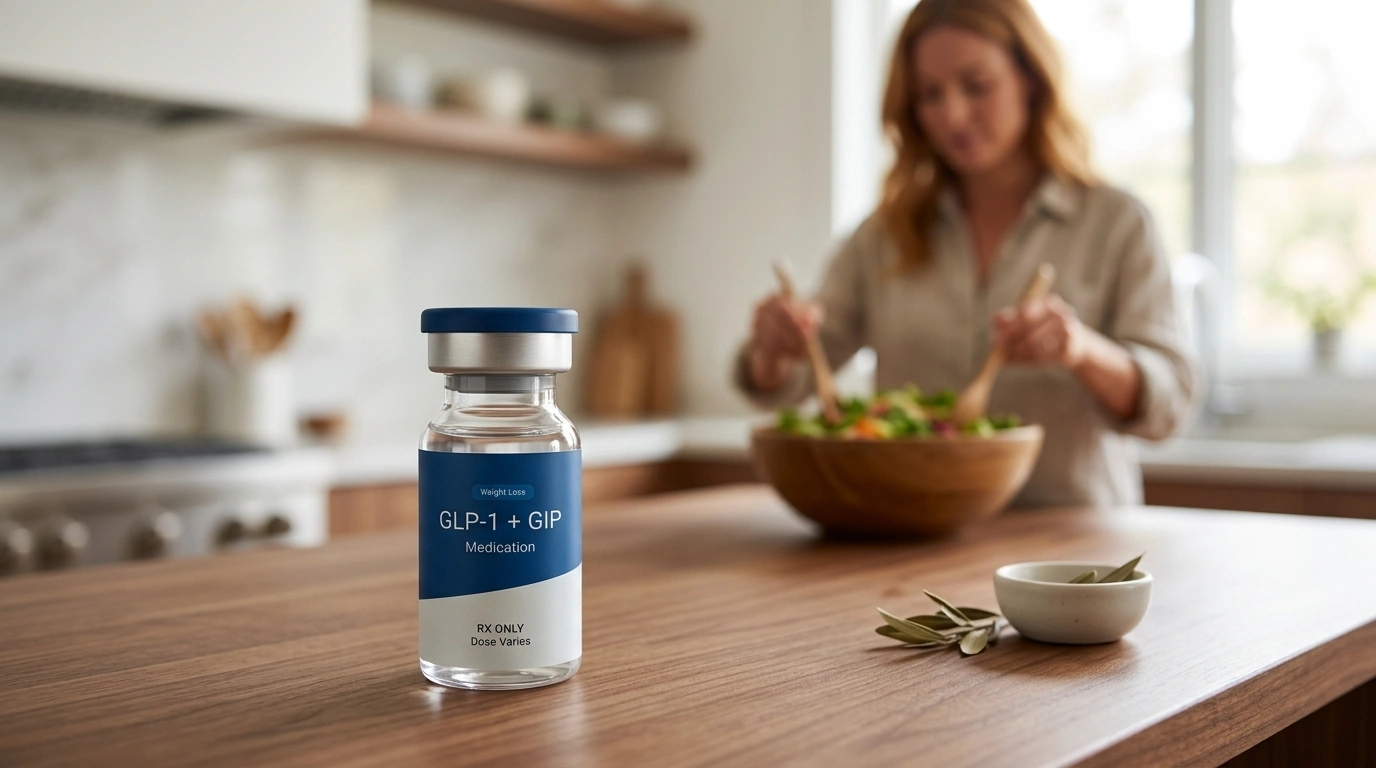
When using compounded medications, you typically do not use a “pen” device. Instead, the medication is provided in a vial, and you use a traditional syringe to draw up the dose. While this does not require “priming” in the mechanical sense of a pen, it does require a different type of preparation—specifically, removing air bubbles from the syringe before injection to ensure dose accuracy.
Standard Injection Best Practices
Whether you are using a branded pen that requires priming or a syringe for a compounded program, the injection process remains similar.
Site Selection and Rotation
GLP-1 and GIP medications are designed for subcutaneous injection, meaning they go into the fatty tissue just under the skin. The most effective sites are:
- The Abdomen: At least two inches away from the belly button.
- The Thigh: The front or outer portion of the upper thigh.
- The Upper Arm: The back of the arm (this often requires assistance from another person).
If you want a fuller walkthrough of placement and technique, GLP-1 injection sites covers the basics for different medication formats. Important: You must rotate your injection site every week. If you injected into your right thigh last week, choose your left thigh or your abdomen this week. Constant injection in the same spot can lead to “lipohypertrophy,” which is a buildup of fatty tissue that can interfere with how the medication is absorbed. For a deeper look at why rotation matters, why rotate Mounjaro injection sites explains the reasoning behind the routine.
Proper Storage
Most GLP-1 medications are temperature-sensitive.
- Refrigeration: Unopened pens or vials should stay in the refrigerator between 36°F and 46°F.
- Room Temperature: Many pens can stay at room temperature (below 86°F) for up to 21 to 30 days once opened, but you should always verify the specific instructions for your prescription.
- Never Freeze: If a medication has been frozen, it is no longer safe to use as the protein structure of the medication may have been destroyed.
Managing Your Weight Loss Journey with TrimRx
At TrimRx, our goal is to simplify the complexities of modern weight loss. We understand that the transition to a medical weight loss program involves more than just a prescription; it requires a shift in how you view your metabolic health.
Our telehealth-first platform is designed to remove the barriers often associated with traditional medical visits. There are no waiting rooms or inconvenient appointments. Instead, we provide a streamlined, online experience that includes:
- A Free Assessment Quiz: This is the first step to determining your eligibility for a personalized program.
- Provider Consultations: Access to licensed medical professionals who evaluate your health history and goals.
- Comprehensive Support: Our programs are designed with transparency, meaning shipping and specialist support are included without hidden fees.
If you are ready to see whether you qualify, complete the free assessment quiz to get started. By focusing on personalized care, we help ensure that you aren’t just taking a medication, but are following a program tailored to your body’s unique needs.
Common Myths About Priming Mounjaro
There is a significant amount of misinformation online regarding the preparation of weight loss pens. Let’s clarify some common misconceptions.
Myth: Priming wastes too much medicine, and I won’t have enough for my last dose. Fact: Multi-dose pens like the KwikPen are designed with extra medication specifically to account for the priming process. As long as you follow the instructions and only turn the knob to the “prime” position (not a full dose position), you will have plenty of medication for all four doses.
Myth: If I see a tiny air bubble in the pen, I should keep priming until it’s gone. Fact: It is very difficult to remove every microscopic bubble from a cartridge. The goal of priming is to remove the “dead space” in the needle and any large bubbles that would displace the medication. If you see a small, persistent bubble but a drop of liquid appears at the tip, the pen is ready to use.
Myth: All Mounjaro pens need to be primed. Fact: Only the multi-dose versions (like the KwikPen) require this. The single-dose auto-injectors used in the US do not have a priming step. Always check your specific Instructions for Use (IFU) included in the box.
Next Steps for Success
Consistency is the most critical factor in GLP-1 and GIP therapy. Beyond just priming your pen, you should aim to take your injection on the same day every week. This maintains a steady level of the medication in your system, which helps manage appetite and supports metabolic steady-state.
If you find that you are struggling with the mechanics of your medication or are experiencing side effects like nausea or indigestion, it is important to communicate with a healthcare professional. For those on a TrimRx program, our specialists are available to guide you through these transitions. We also offer quick-access supplements like GLP-1 Daily Support which are designed to complement your journey and support your body’s natural pathways.
Conclusion
Mastering the use of your Mounjaro® pen is a vital part of your commitment to better health. If you are using a multi-dose device, remember that priming is a quick but essential step to ensure you receive the full benefits of your weekly dose. By removing air and confirming the device’s function, you are taking an active role in the accuracy and effectiveness of your treatment. At TrimRx, we are proud to be a partner in this process, offering the clinical expertise and personalized technology needed to make sustainable weight loss achievable.
If you are ready to take the next step toward a healthier lifestyle, we invite you to begin with our free assessment quiz. Our science-backed, empathetic approach is here to help you navigate every click and every dose on your way to lasting results.
FAQ
Does the single-dose Mounjaro pen need to be primed?
No, the single-dose Mounjaro® auto-injector used in the US does not require priming. You simply remove the base cap, place it against your skin, and unlock it to inject. If you are not sure which delivery style matches your treatment plan, you can check your eligibility before getting started.
What happens if I forget to prime my KwikPen?
If you forget to prime, you might receive an incomplete dose because air was trapped in the needle or cartridge. While missing a small portion of one dose is unlikely to cause a major setback, consistent accuracy is key to the medication’s effectiveness over time. For readers comparing treatment timelines, how long it takes to get semaglutide explains what the early stages of care can look like.
Why is there liquid left in the pen after my fourth dose?
It is normal to see a small amount of leftover liquid in a multi-dose pen after the final dose is administered. This “residual volume” is a safety feature to ensure that even with priming, the device can deliver four full, accurate doses without running dry.
Can I prime the pen more than twice?
If no liquid appears, you can attempt to prime up to two additional times (for a total of three attempts) with the same needle. If it still fails, you should change the needle and try again once more before concluding the pen may be faulty.
Disclaimer: This content is for informational purposes only and does not constitute medical advice. It is not intended to diagnose, treat, cure, or prevent any disease or condition. Individual results may vary. Always consult a qualified healthcare professional before starting any weight loss program or medication.

Transforming Lives, One Step at a Time
Keep reading

Mounjaro Alternatives: What Else to Consider
If Mounjaro isn’t the right fit, the closest alternatives are other GLP-1 medications, chiefly semaglutide (Ozempic for diabetes, Wegovy for weight), along with a…

Mounjaro vs Zepbound: Same Drug, Two Brands
Like their semaglutide counterparts, Mounjaro and Zepbound are the same medication (tirzepatide) sold under two names for two purposes: Mounjaro is approved for type…

Retatrutide vs Mounjaro: Triple Agonist vs Dual Agonist
The core difference between retatrutide and Mounjaro comes down to how many hormone targets each hits: retatrutide activates three receptors, while Mounjaro (tirzepatide) activates…


