Mounjaro Results at 6 Months: What to Expect
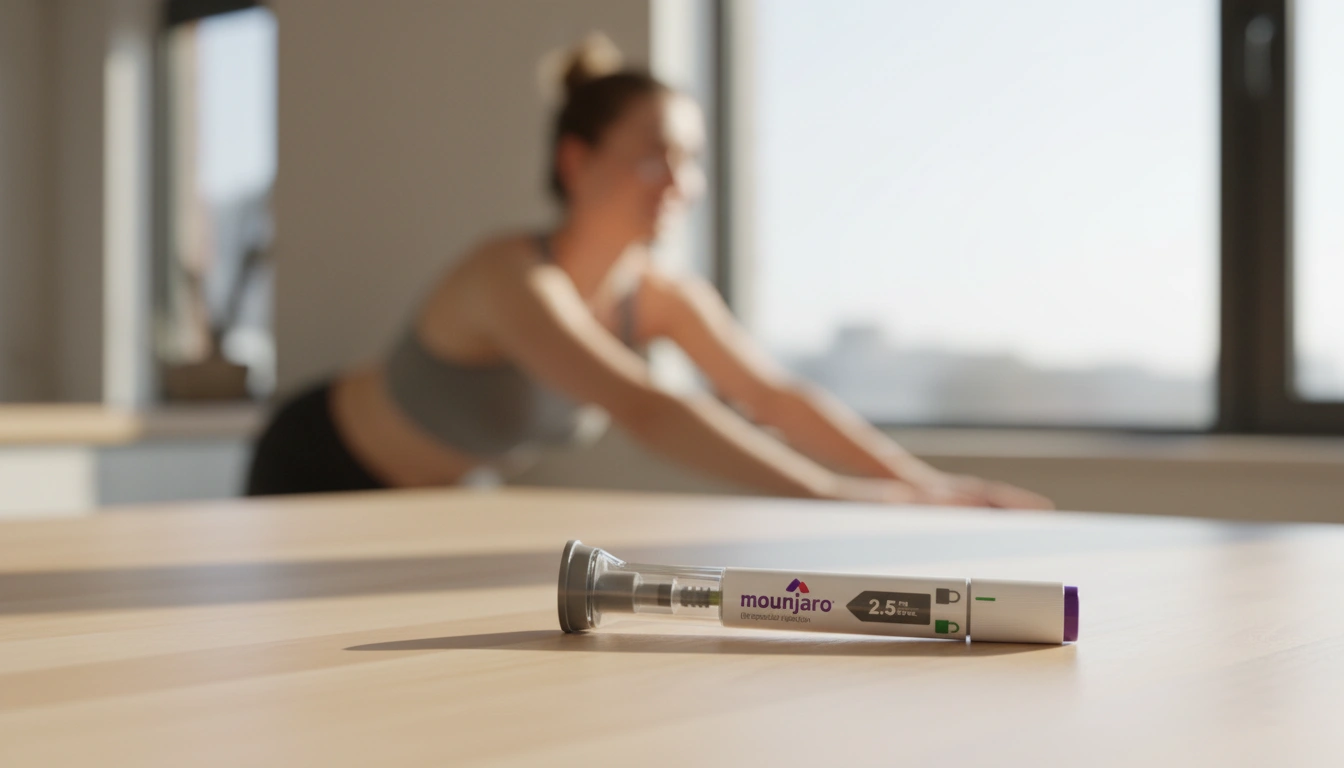
Six months into Mounjaro treatment, most patients are well past the early adjustment phase and seeing some of their most significant weight loss. At the 6-month mark, clinical trial data shows patients losing anywhere from 12% to over 20% of their body weight, depending on their dose and individual response. If you’re approaching this milestone or trying to set realistic expectations before starting, here’s what the research and real-world experience tell us.
What the Clinical Data Shows
Mounjaro (tirzepatide) has some of the most impressive weight loss data of any GLP-1 medication currently available. In the SURMOUNT-1 trial, participants on the highest dose of 15mg lost an average of about 22% of their body weight over 72 weeks. At the 6-month point specifically, patients were typically in the range of 12% to 18% body weight reduction, with higher doses generally producing stronger results.
To put that in practical terms: someone starting at 250 pounds on a mid-to-high dose could reasonably expect to be down 30 to 45 pounds by month six. That’s not a guarantee, but it reflects what the trial data shows for patients who stay consistent and tolerate dose escalation well.
What makes tirzepatide distinctive is its dual mechanism. It activates both GLP-1 and GIP receptors, which together suppress appetite more aggressively than semaglutide-based medications that target GLP-1 alone. For many patients, this translates to stronger appetite suppression and faster fat loss, particularly in the mid-treatment window around months three through six. You can read more about what that early phase looks like in this tirzepatide results timeline.
Where Most Patients Are at Month Six
By the six-month mark, most patients have completed at least some dose escalation and are either at or approaching their target maintenance dose. The standard escalation schedule moves patients up every four weeks, so by month six, many are at 10mg or 12.5mg, with some reaching 15mg.
Here’s what tends to be true for patients at this stage:
Appetite suppression is strong and consistent. The initial nausea and GI discomfort that many patients experience in the first two months has usually resolved or significantly improved. Appetite suppression at month six tends to feel more stable, less dramatic than early on, but reliably present.
Weight loss rate may be slowing. This is normal and expected. The fastest rate of loss typically happens between months two and four. By month six, the pace often levels off, which patients sometimes mistake for a plateau. It’s not necessarily stalling, it’s the natural curve of the medication’s effect over time.
Body composition changes are more visible. Patients often report that by month six, the changes are noticeable to others, not just themselves. Clothing sizes have shifted, and fat loss from the midsection is particularly apparent. For a detailed look at tirzepatide weight loss results and what drives them, the research paints a clear picture.
A Realistic Patient Scenario
Let’s say a patient starts Mounjaro at 270 pounds with a BMI of 36. They tolerate the 2.5mg starting dose well, escalate on schedule, and reach 10mg by month four. By month six, they’re down approximately 38 pounds, sitting at 232 pounds. Their A1C has improved, their blood pressure has dropped, and they’re walking 30 minutes a day, something that felt difficult before.
This is a realistic outcome based on what the SURMOUNT trials documented. Not every patient hits these numbers, but patients who stay consistent with injections, maintain adequate protein intake, and move their body regularly tend to see results in this range.
Now consider a different scenario: a patient who struggles to escalate past 5mg due to persistent nausea. Their six-month results might be closer to 15 to 18 pounds. Still meaningful, but different. Dose tolerance plays a significant role in where patients land at this milestone.
What Can Affect Your 6-Month Results
Several factors determine whether you’re on the high or low end of the expected range at six months.
Dose reached. Patients on 10mg to 15mg consistently outperform those who remain on lower doses. If you haven’t been able to escalate due to side effects, that’s worth discussing with your provider. There are strategies for managing GI symptoms that allow for continued titration.
Starting weight. Patients with higher starting BMIs tend to see larger absolute pound losses, even if the percentage is similar. Someone starting at 320 pounds and someone starting at 200 pounds both losing 15% would see very different numbers on the scale.
Diet quality. Mounjaro does most of the heavy lifting through appetite suppression, but protein intake matters. Patients who prioritize protein tend to preserve more lean muscle mass, which affects both how they look and how their metabolism holds up over time.
Exercise. You don’t need to become an athlete. But patients who add resistance training or consistent walking tend to see better body composition outcomes at six months, even if the scale weight is similar.
Consistency. Missing injections, delaying doses, or stopping and restarting disrupts the medication’s steady-state effect. Consistent weekly dosing matters more than people often realize.
Is a 6-Month Plateau Normal?
Some patients reach the six-month mark and feel like things have stalled. Before assuming the medication isn’t working anymore, it’s worth evaluating a few things. Has your dose escalation stopped before reaching your target? Are you eating significantly less but still not losing? Has something changed in your activity level or stress?
If you’re genuinely stuck after consistent effort, that’s a conversation to have with your provider about dose adjustment or complementary strategies. You can also read more about why patients sometimes stop losing weight on tirzepatide and what tends to help.
What Comes After Month Six
Month six isn’t the finish line. For most patients on Mounjaro, the largest total weight loss happens between months six and twelve, particularly for those on higher doses. The SURMOUNT-1 data shows continued loss through 72 weeks, with patients on 15mg ultimately losing around 22% of body weight.
If you’re at six months and feeling good about your progress, the focus now shifts to sustaining the dose that’s working and thinking about long-term maintenance. If you’re wondering how long you’ll need to stay on the medication, the Mounjaro long-term use research covers what we currently know.
Six months is a meaningful checkpoint. It’s where most patients can see clearly that the medication is working and start making informed decisions about where they want to go from here. If you haven’t started yet and want to see whether you’re a candidate, take the intake assessment and connect with a provider who can walk you through your options.
This information is for educational purposes and is not medical advice. Consult with a healthcare provider before starting any medication. Individual results may vary.

Transforming Lives, One Step at a Time
Keep reading

How to Get Mounjaro in Texas: Telehealth Options
Getting Mounjaro (tirzepatide) in Texas is accessible through your existing doctor, a weight loss clinic, or a telehealth provider that prescribes and ships compounded…

How to Get Mounjaro in California: Step-by-Step
Getting Mounjaro (tirzepatide) in California is a straightforward process whether you go through your primary care doctor, an in-person weight loss clinic, or a…

Mounjaro Doctors Near Me: How to Find a Provider
Finding a doctor who prescribes Mounjaro (tirzepatide) comes down to three main options: your existing primary care physician, a specialist in obesity or endocrinology,…


