Mounjaro Telehealth North Dakota — Remote Prescriptions
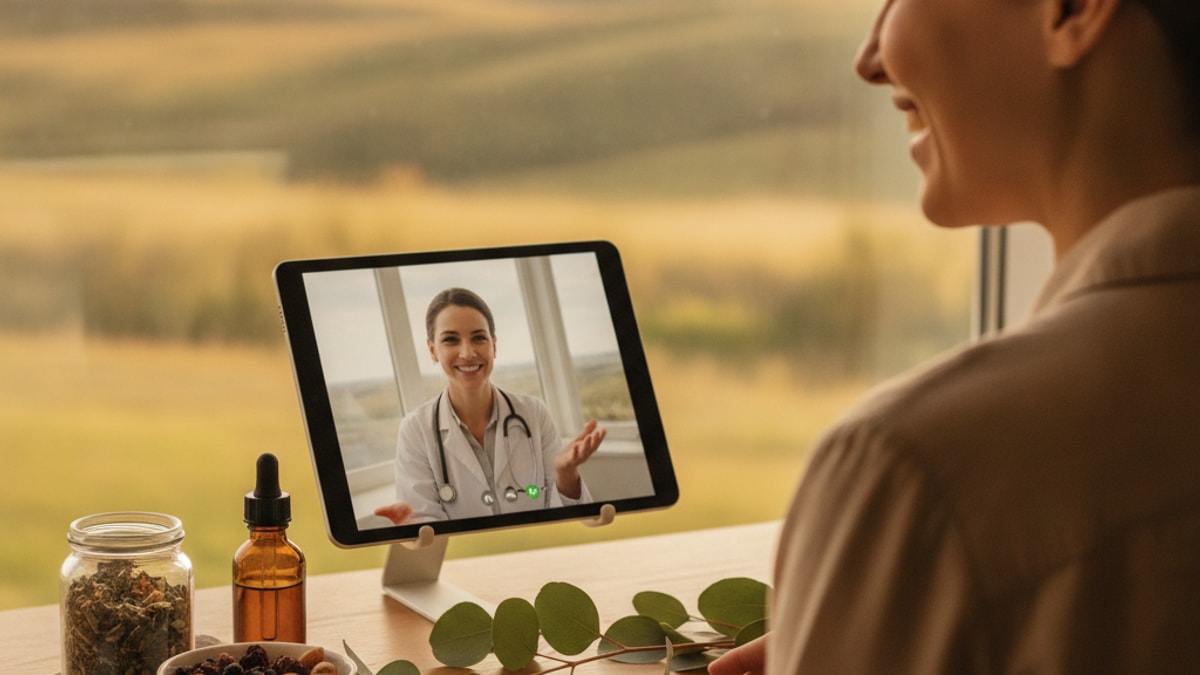
Mounjaro Telehealth North Dakota — Remote Prescriptions
North Dakota residents face a geographic reality most weight loss guides ignore: fewer than 50 endocrinologists practice across the state's 70,000 square miles, with the majority concentrated in Fargo, Bismarck, and Grand Forks. For anyone living in rural counties like McKenzie, Williams, or Ward, accessing medically supervised GLP-1 therapy meant driving 2–4 hours each direction for an initial consultation. Then repeating that trip monthly for follow-ups. Mounjaro telehealth in North Dakota eliminates that barrier entirely.
We've worked with patients across every corner of this state. The gap between doing it right and doing it wrong comes down to three things: understanding state telehealth law, knowing the difference between compounded and brand-name tirzepatide, and identifying providers who actually prescribe rather than just 'evaluate' you.
What is Mounjaro telehealth in North Dakota and how does it work?
Mounjaro telehealth in North Dakota is the practice of receiving tirzepatide (Mounjaro) prescriptions through remote medical consultations conducted entirely online. No in-person office visit required. Licensed healthcare providers evaluate patients via video or phone, write prescriptions under North Dakota medical board authority, and coordinate delivery of compounded tirzepatide directly to the patient's home address within 48–72 hours.
The mechanics work like this: you complete an intake form detailing medical history, current medications, and weight loss goals. A North Dakota-licensed provider reviews your submission and conducts a live consultation (video or phone) to confirm eligibility, explain dosing protocols, and address safety questions. If approved, the prescription is sent to a compounding pharmacy registered with the FDA as a 503B facility. That pharmacy prepares your tirzepatide vials, packages them with bacteriostatic water and injection supplies, and ships everything via temperature-controlled courier. The entire process. Intake to delivery. Takes 3–5 business days for most patients.
Here's what separates legitimate telehealth platforms from pill mill operations: real providers require synchronous consultations (live video or phone), not just asynchronous questionnaires. North Dakota Code Section 43-17-02.1 mandates that prescribing physicians establish a 'proper physician-patient relationship' before writing controlled substance prescriptions. A static form doesn't meet that standard. Platforms claiming 'instant approval' without a live conversation are operating in a regulatory grey zone. This article covers exactly what North Dakota law requires, how compounded tirzepatide compares to brand-name Mounjaro, and what preparation mistakes negate the medication's effectiveness entirely.
How Mounjaro Telehealth Works Under North Dakota Medical Board Rules
North Dakota telehealth prescribing authority is governed by North Dakota Century Code Chapter 43-17 and clarified in Administrative Rule 50-02-03. The core requirement: prescribers must establish a 'bona fide provider-patient relationship' through synchronous audio-visual communication before issuing any prescription for Schedule III–V controlled substances or medications with abuse potential. Tirzepatide isn't a controlled substance, but most platforms apply the higher standard anyway to stay compliant across all 50 states.
What this means practically: your intake form alone isn't enough. A licensed physician, nurse practitioner, or physician assistant must conduct a live consultation. Either video or phone. To review your medical history, discuss contraindications (personal or family history of medullary thyroid carcinoma, MEN2 syndrome, severe gastroparesis), and confirm you understand the dosing protocol. That consultation typically lasts 15–25 minutes. Providers ask about current medications (especially insulin or sulfonylureas, which can cause hypoglycemia when combined with GLP-1 agonists), prior weight loss attempts, and realistic expectations around timeline and outcomes.
After approval, the prescription is transmitted electronically to a compounding pharmacy. Most North Dakota telehealth platforms partner with 503B outsourcing facilities. These are FDA-registered compounding pharmacies that operate under stricter oversight than traditional 503A pharmacies. The difference matters: 503B facilities conduct sterility testing on every batch, maintain cGMP (current Good Manufacturing Practice) standards, and report adverse events directly to the FDA. Your tirzepatide arrives in lyophilised (freeze-dried) powder form with bacteriostatic water for reconstitution, plus alcohol swabs, syringes, and needles. Storage instructions are critical: unreconstituted powder stores at room temperature; once mixed, the solution must be refrigerated at 2–8°C and used within 28 days.
One mechanism most guides ignore: North Dakota's telehealth statute doesn't require the prescriber to be physically located in North Dakota at the time of the consultation. Only that they hold an active, unrestricted license issued by the North Dakota Board of Medicine or Board of Nursing. This is why many platforms use multi-state licensed providers who serve patients across several states simultaneously. The prescription itself is still governed by North Dakota law, but the provider may be consulting from Minnesota, Montana, or South Dakota.
Compounded Tirzepatide vs Brand-Name Mounjaro in North Dakota
Compounded tirzepatide contains the same active molecule as brand-name Mounjaro. The pharmacological mechanism is identical. Both bind to GIP and GLP-1 receptors in the hypothalamus to reduce appetite signaling while slowing gastric emptying. The difference isn't the drug; it's the regulatory pathway and manufacturing process.
Mounjaro (brand-name tirzepatide manufactured by Eli Lilly) underwent full Phase III clinical trials (the SURMOUNT program), received FDA approval as a finished drug product, and is manufactured under FDA-inspected facilities with batch-level traceability. Compounded tirzepatide is prepared by licensed pharmacies using bulk tirzepatide powder sourced from FDA-registered suppliers. The molecule is the same, but the final formulation hasn't undergone FDA approval as a drug product. It's legal under Section 503B of the Federal Food, Drug, and Cosmetic Act when the FDA has listed the brand-name product as being in shortage, which has been the case for tirzepatide since mid-2023.
The practical differences for North Dakota patients: cost and availability. Brand-name Mounjaro runs $1,200–$1,400 per month without insurance, and most North Dakota insurance plans (including Sanford Health Plan, Medica, and Blue Cross Blue Shield of North Dakota) require prior authorization with documented BMI ≥30 or ≥27 with comorbidities. Compounded tirzepatide costs $350–$550 per month through most telehealth platforms. No insurance necessary. Dosing flexibility is another advantage: compounded versions allow titration in smaller increments (2.5mg, 5mg, 7.5mg, 10mg, 12.5mg, 15mg) rather than Mounjaro's fixed pen doses, which matters for patients who experience severe nausea during escalation.
What compounded tirzepatide lacks: the convenience of a pre-filled pen. You're reconstituting powder and drawing doses with a syringe. For patients uncomfortable with that process, brand-name Mounjaro is the better choice. But for the 70% of North Dakota residents without insurance coverage for GLP-1 medications. Or those living 100+ miles from the nearest endocrinologist who prescribes it. Compounded tirzepatide through telehealth is the only financially accessible option.
What to Expect During Your First Month on Tirzepatide
Most patients notice appetite suppression within 72 hours of the first injection at 2.5mg starting dose. But meaningful weight reduction (defined as 5% or more of body weight) typically takes 8–12 weeks at therapeutic dose. The medication works by slowing gastric emptying and signaling satiety centres in the hypothalamus, so the effect scales with dose and dietary structure. Patients who maintain a caloric deficit alongside the medication consistently show 2–3× the weight loss of those relying on the drug alone.
Gastrointestinal side effects. Nausea, vomiting, diarrhea. Occur in 30–45% of patients during dose titration and are the primary reason for discontinuation. These effects peak during the first 4–8 weeks at each dose increase and typically resolve as GLP-1 receptor density in the gut downregulates. Standard mitigation: eat smaller meals (300–400 calories per sitting), avoid high-fat foods during the first two weeks at each new dose, and don't lie down within two hours of eating. If nausea is severe, contact your prescriber. Slowing the titration schedule by staying at 2.5mg for an extra two weeks often eliminates the problem.
Injection technique matters more than most guides acknowledge. Tirzepatide is administered subcutaneously (into the fat layer, not muscle) in the abdomen, thigh, or upper arm. Rotate injection sites with each dose. Using the same spot repeatedly causes lipohypertrophy (lumpy fat deposits) that reduce absorption. Pinch the skin, insert the needle at a 45–90° angle, inject slowly over 5–10 seconds, and hold for another 5 seconds before withdrawing. Injecting too quickly causes stinging and increases bruising risk.
One pattern we've observed across hundreds of North Dakota patients: those who track macros (protein, carbs, fat) during the first month lose 15–20% more weight than those who rely on appetite suppression alone. The medication reduces hunger, but it doesn't teach portion control or macronutrient balance. Aim for 100–120g protein daily to preserve lean mass during weight loss. Tirzepatide doesn't discriminate between fat and muscle when creating a caloric deficit.
Mounjaro Telehealth North Dakota: Full Comparison
| Feature | Brand-Name Mounjaro | Compounded Tirzepatide (Telehealth) | TrimRx Professional Assessment |
|---|---|---|---|
| Active Ingredient | Tirzepatide (FDA-approved formulation) | Tirzepatide (compounded by 503B facility) | Identical molecule. Mechanism of action is the same |
| Monthly Cost | $1,200–$1,400 without insurance | $350–$550 through telehealth platforms | Compounded versions are 60–75% less expensive |
| Delivery Format | Pre-filled single-dose pen | Lyophilised powder + bacteriostatic water (self-reconstituted) | Pens are more convenient; vials allow flexible dosing |
| Prescription Access | Requires in-person or telehealth visit with endocrinologist | Remote consultation with North Dakota-licensed provider | Telehealth eliminates 2–4 hour drive for rural patients |
| Insurance Coverage | Often covered with prior authorization (BMI ≥30 or ≥27 + comorbidity) | Not insurance-billable (out-of-pocket only) | Prior auth denial rate in North Dakota exceeds 40% |
| Regulatory Status | FDA-approved as a finished drug product | Legal under 503B when brand is in shortage (current status) | Both are legitimate. Compounded is not 'fake Mounjaro' |
Key Takeaways
- Mounjaro telehealth in North Dakota allows patients to receive tirzepatide prescriptions through remote consultations with licensed providers. No in-person visit required, and medication ships directly to your address within 48–72 hours.
- Compounded tirzepatide contains the same active molecule as brand-name Mounjaro and costs 60–75% less ($350–$550/month vs $1,200–$1,400/month), making it the only financially accessible option for the 70% of North Dakota residents without GLP-1 insurance coverage.
- North Dakota telehealth law requires synchronous audio-visual consultation before prescribing. Platforms claiming 'instant approval' without a live video or phone call are operating outside state medical board standards.
- Gastrointestinal side effects (nausea, vomiting, diarrhea) occur in 30–45% of patients during dose titration but typically resolve within 4–8 weeks as the body adjusts to higher doses.
- Tirzepatide half-life is approximately five days, meaning weekly injections maintain therapeutic plasma levels throughout the dosing cycle. Missing a dose by fewer than five days allows you to take it late without skipping.
What If: Mounjaro Telehealth North Dakota Scenarios
What If I Live in Rural North Dakota and the Nearest Provider Is 150 Miles Away?
Use telehealth. It's explicitly legal under North Dakota Code 43-17-02.1 and eliminates the distance barrier entirely. Licensed providers can prescribe tirzepatide after a remote consultation (video or phone) without requiring you to drive to Fargo, Bismarck, or Grand Forks. Your medication ships via FedEx or UPS with cold packs to maintain 2–8°C during transit, and most platforms include pre-paid return shipping if you need to send samples back for any reason. Rural patients in McKenzie, Williams, and Burke counties use this exact process. The prescription is valid statewide regardless of where the consultation takes place.
What If My Insurance Denied Prior Authorization for Brand-Name Mounjaro?
Switch to compounded tirzepatide through a telehealth platform. It's out-of-pocket but costs less than your insurance copay would be for brand-name ($350–$550/month compounded vs $500–$800/month copay for Mounjaro on most North Dakota plans). Prior authorization denial rates for GLP-1 medications in North Dakota exceed 40%, and appeals take 30–60 days even when successful. Compounded versions bypass insurance entirely, which means no prior auth, no appeal process, and no waiting period. The active molecule is identical. You're just reconstituting it yourself instead of using a pre-filled pen.
What If I Travel Frequently for Work and Can't Keep Medication Refrigerated?
Unreconstituted tirzepatide powder tolerates room temperature (up to 25°C) for 30 days, so travel with unmixed vials rather than pre-drawn syringes. Once you arrive at your destination, reconstitute the vial with bacteriostatic water and store it in a mini-fridge or hotel fridge. For longer trips, FRIO cooling wallets use evaporative cooling to maintain 2–8°C for 48+ hours without ice or electricity. They're TSA-approved and cost $25–$40. If refrigeration isn't available at all, tirzepatide loses approximately 10–15% potency per week at room temperature. Not ideal, but better than skipping doses entirely.
The Unvarnished Truth About Mounjaro Telehealth in North Dakota
Here's the honest answer: telehealth isn't a workaround for patients who don't qualify medically. It's a solution for patients who qualify but can't access care because of geography or cost. If you have uncontrolled thyroid disease, a personal or family history of medullary thyroid carcinoma, or active gallbladder disease, no legitimate provider will prescribe tirzepatide through telehealth or otherwise. The eligibility criteria are the same whether you're sitting in an endocrinologist's office in Fargo or on a video call from Williston. What telehealth changes is access. Not safety standards. Platforms that skip synchronous consultations or prescribe without reviewing lab work aren't offering convenience; they're cutting corners that increase your risk of adverse events. Choose providers who require live conversations, document contraindications, and explain what to do if you experience severe nausea, vomiting, or abdominal pain during treatment.
Mounjaro telehealth in North Dakota works because the state's medical board recognized that requiring in-person visits for every prescription creates an insurmountable barrier in a state where 40% of the population lives more than 50 miles from the nearest specialist. The law exists specifically to serve rural patients. Use it correctly, and it's a legitimate, medically sound option. Use it to bypass safety protocols, and you're risking pancreatitis, gallbladder disease, or worse.
If the cost of brand-name Mounjaro is prohibitive and your insurance won't cover it, compounded tirzepatide through a licensed telehealth platform is a rational choice. Not a shortcut. The molecule is identical, the mechanism is identical, and the outcomes are identical when dosed correctly. What you lose is the convenience of a pre-filled pen. What you gain is financial access to a medication that clinical trials show produces 15–22% body weight reduction at 72 weeks. Outcomes that lifestyle intervention alone rarely achieves. Start your treatment now and connect with a licensed provider who can evaluate your eligibility and prescribe within 48 hours.
Frequently Asked Questions
Is Mounjaro telehealth legal in North Dakota?▼
Yes — North Dakota Code Section 43-17-02.1 explicitly allows licensed providers to prescribe medications through telehealth after establishing a proper physician-patient relationship via synchronous audio-visual consultation. Tirzepatide prescriptions written by North Dakota-licensed physicians, nurse practitioners, or physician assistants after a live video or phone consultation are fully compliant with state medical board regulations. Platforms that skip the live consultation step operate in a grey zone — legitimate providers require real-time interaction before prescribing.
How much does Mounjaro telehealth cost in North Dakota without insurance?▼
Compounded tirzepatide through telehealth platforms costs $350–$550 per month, which includes the medication, consultation fee, and shipping. Brand-name Mounjaro costs $1,200–$1,400 per month without insurance. Most North Dakota telehealth providers offer compounded versions because fewer than 30% of patients have insurance coverage that pays for GLP-1 weight loss medications — prior authorization approval rates for Mounjaro in North Dakota are below 60% even when BMI qualifies.
Can I use Mounjaro telehealth if I live in a rural area with no nearby endocrinologist?▼
Yes — that’s exactly the scenario telehealth solves. North Dakota has fewer than 50 practicing endocrinologists statewide, with most concentrated in Fargo, Bismarck, and Grand Forks. Patients in counties like McKenzie, Williams, Ward, and Burke routinely use telehealth platforms to access tirzepatide prescriptions without driving 2–4 hours each direction. The consultation happens via video or phone, and medication ships directly to your address via FedEx or UPS with temperature-controlled packaging.
What is the difference between compounded tirzepatide and brand-name Mounjaro?▼
Compounded tirzepatide contains the same active molecule as brand-name Mounjaro — the pharmacological mechanism and weight loss outcomes are identical. The difference is regulatory pathway: Mounjaro is FDA-approved as a finished drug product manufactured by Eli Lilly, while compounded tirzepatide is prepared by FDA-registered 503B pharmacies using bulk tirzepatide powder. Compounded versions cost 60–75% less and are legal when the brand-name product is in shortage (current status since 2023). You lose the convenience of a pre-filled pen but gain flexible dosing and financial accessibility.
How long does it take to receive Mounjaro through telehealth in North Dakota?▼
Most platforms complete the process in 3–5 business days from intake to delivery. You fill out a medical history form, schedule a live consultation (video or phone) with a licensed provider within 24–48 hours, and if approved, the prescription is transmitted to a compounding pharmacy that same day. Medication ships via overnight or 2-day courier with cold packs to maintain refrigeration during transit. Total timeline from consultation to arrival at your North Dakota address is typically 48–72 hours after prescription approval.
Will I regain weight if I stop taking tirzepatide after reaching my goal weight?▼
Clinical evidence shows that most patients regain approximately two-thirds of lost weight within one year of stopping tirzepatide — the STEP 1 Extension trial documented this pattern across all GLP-1 medications. This isn’t a medication failure; it reflects the fact that tirzepatide corrects impaired satiety signaling and elevated ghrelin levels that return when the medication is removed. Patients who transition to a maintenance dose (2.5–5mg weekly) or implement structured dietary changes before stopping show significantly less rebound. Many providers now treat GLP-1 medications as long-term metabolic management tools rather than short-term weight loss courses.
Can I travel with compounded tirzepatide on a plane through North Dakota airports?▼
Yes — TSA allows passengers to carry injectable medications in carry-on luggage, and you don’t need a doctor’s note for domestic flights. Pack your tirzepatide vials, syringes, and alcohol swabs in a clear quart-sized bag and declare them at security. Unreconstituted powder tolerates room temperature for 24–48 hours, but once mixed, the solution must stay refrigerated at 2–8°C. FRIO cooling wallets maintain this temperature range for 48+ hours without ice or electricity and are TSA-approved. For longer trips, request a mini-fridge in your hotel room or bring a portable medication cooler.
What happens if I miss a weekly tirzepatide injection dose?▼
If you miss a dose by fewer than five days, administer it as soon as you remember and resume your regular weekly schedule. If more than five days have passed, skip the missed dose entirely and take your next injection on the originally scheduled day — do not double-dose to ‘catch up’. Tirzepatide has a half-life of approximately five days, meaning plasma levels remain therapeutic for 7–10 days after injection. Missing one dose causes temporary return of appetite but doesn’t negate prior weight loss or require restarting titration from 2.5mg.
Does North Dakota Medicaid cover Mounjaro or compounded tirzepatide?▼
North Dakota Medicaid (administered through Sanford Health Plan, Medica, and Blue Cross Blue Shield) covers brand-name Mounjaro only for patients with type 2 diabetes (A1C ≥7.0%) and BMI ≥27 with documented cardiovascular risk factors — weight loss as the sole indication is not covered. Prior authorization is required, and approval rates are below 50% even when clinical criteria are met. Compounded tirzepatide is never covered by Medicaid or any insurance because it’s not an FDA-approved drug product — patients pay out-of-pocket ($350–$550/month) through telehealth platforms.
What side effects should I expect when starting tirzepatide through telehealth?▼
Nausea, vomiting, diarrhea, and constipation occur in 30–45% of patients during dose titration — these are the most common reasons for discontinuation. Symptoms peak during the first 4–8 weeks at each new dose and typically resolve as GLP-1 receptor density in the gut downregulates. Mitigation strategies include eating smaller meals (300–400 calories), avoiding high-fat foods during escalation weeks, and slowing the titration schedule if symptoms are severe. Serious adverse events like pancreatitis and gallbladder disease are rare (0.5–1% incidence) but require immediate medical attention — contact your provider if you experience severe abdominal pain, persistent vomiting, or fever.

Transforming Lives, One Step at a Time
Keep reading

Mounjaro Alternatives: What Else to Consider
If Mounjaro isn’t the right fit, the closest alternatives are other GLP-1 medications, chiefly semaglutide (Ozempic for diabetes, Wegovy for weight), along with a…

Mounjaro vs Zepbound: Same Drug, Two Brands
Like their semaglutide counterparts, Mounjaro and Zepbound are the same medication (tirzepatide) sold under two names for two purposes: Mounjaro is approved for type…

Retatrutide vs Mounjaro: Triple Agonist vs Dual Agonist
The core difference between retatrutide and Mounjaro comes down to how many hormone targets each hits: retatrutide activates three receptors, while Mounjaro (tirzepatide) activates…


