Move Forward: The Essential Guide to Working Out While Taking Ozempic for Sustainable Weight Loss
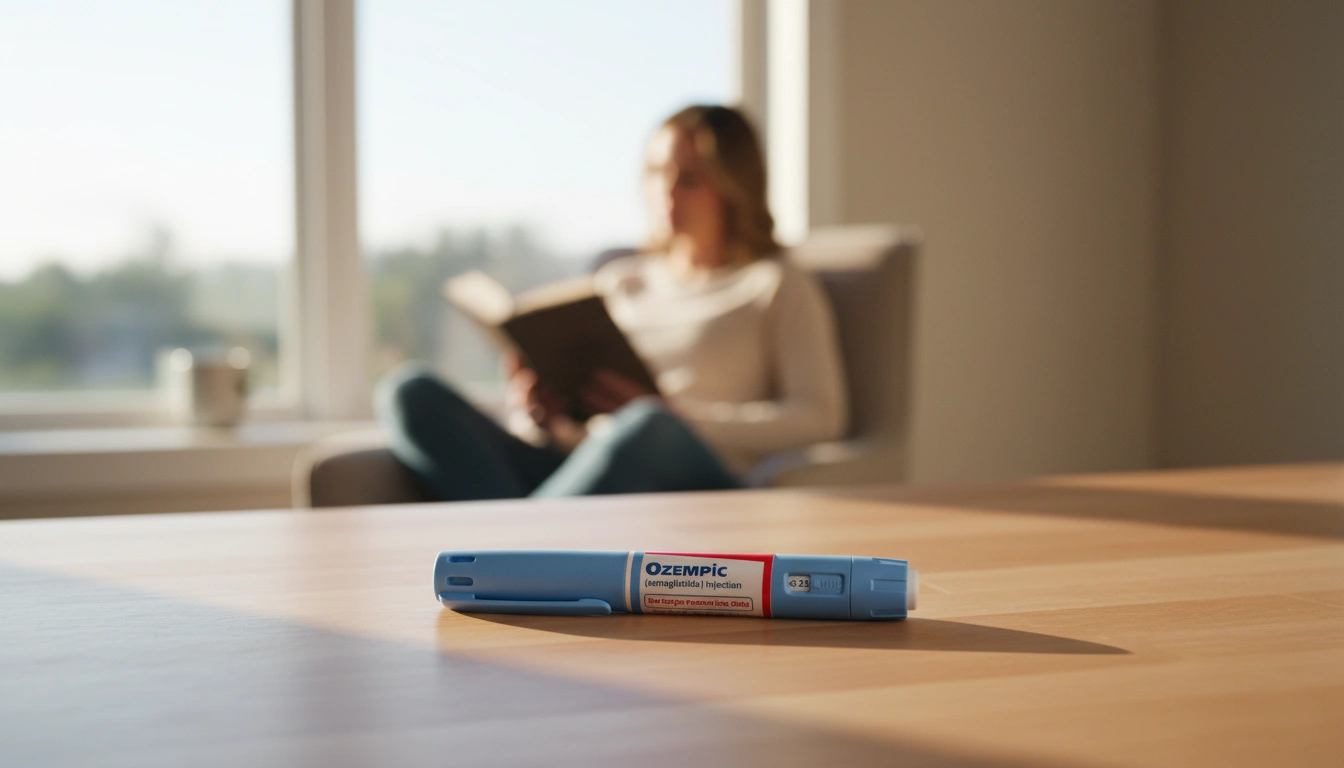
For many individuals embarking on a weight loss journey, the prospect of achieving lasting results can feel like navigating a complex maze. When powerful medications like Ozempic (semaglutide) enter the picture, they offer a significant beacon of hope, but also introduce new considerations about how best to support your body. One of the most frequently asked questions we encounter is: “Can you work out while taking Ozempic?” The answer is a resounding yes, and not only is it safe, but integrating physical activity into your routine is absolutely crucial for optimizing results, preserving vital muscle mass, and fostering long-term well-being.
Our journey at TrimRx began with a shared vision: to help individuals embrace healthier lifestyles by merging cutting-edge telehealth innovations with effective weight loss solutions. We believe that sustainable weight loss should be achieved through science, empathy, and a transparent approach. In this comprehensive guide, we will delve into why exercise is not just a beneficial add-on, but an indispensable component of your weight loss strategy when using medications like Ozempic or other GLP-1 receptor agonists. We’ll explore the profound benefits of integrating various forms of physical activity, discuss practical strategies for preventing muscle loss, and highlight how a personalized, medically supervised approach can empower you to achieve truly sustainable health transformations. By the end, you’ll understand how to effectively combine your medication with a smart exercise plan, supported by our empathetic and results-oriented care, to unlock your fullest potential. We’ll also show you how our personalized programs and quick-access supplements fit into this holistic approach, providing the comprehensive care and support you need every step of the way.
Understanding GLP-1 Medications and Their Impact on Your Body
Glucagon-like peptide-1 (GLP-1) receptor agonists, such as Semaglutide, the active ingredient in Ozempic and Wegovy, have revolutionized the landscape of weight management and type 2 diabetes treatment. These medications work by mimicking the action of a natural hormone in your body that regulates appetite and blood sugar. They slow down gastric emptying, which helps you feel fuller for longer, and signal your brain to reduce hunger, leading to a significant decrease in calorie intake and subsequent weight loss.
However, the rapid and substantial weight loss associated with these medications often comes with a particular challenge: the potential for a disproportionate loss of lean muscle mass alongside fat. Studies indicate that a significant percentage of the total weight lost on GLP-1 agonists can be muscle. While losing fat is the primary goal, preserving muscle mass is paramount for several reasons, which we will explore in detail. This is where the synergy between medication and mindful physical activity becomes incredibly important.
The Mechanism Behind GLP-1s and Weight Loss
GLP-1 receptor agonists primarily function by activating GLP-1 receptors in the pancreas, brain, and gastrointestinal tract. In the pancreas, this leads to increased insulin secretion in a glucose-dependent manner, helping to lower blood sugar levels, which is vital for those managing type 2 diabetes. Concurrently, they suppress glucagon secretion, preventing the liver from releasing too much glucose.
In the brain, GLP-1s act on appetite-regulating centers in the hypothalamus, promoting feelings of satiety and reducing cravings. This leads to a natural reduction in food intake, which is the cornerstone of weight loss. The slowing of gastric emptying further contributes to prolonged fullness, reducing the likelihood of overeating between meals. This multi-faceted action creates a powerful environment for weight reduction, making these medications a valuable tool in many individuals’ health journeys.
The Critical Role of Muscle Mass in Weight Management
When we discuss weight loss, the focus is often solely on the number on the scale. However, a crucial distinction must be made between losing fat mass and losing lean muscle mass. Muscle tissue is far more metabolically active than fat tissue, meaning it burns more calories at rest. Preserving muscle mass is essential for maintaining a healthy basal metabolic rate (BMR), the rate at which your body burns calories simply to sustain basic functions. A higher BMR supports continued calorie expenditure even when not exercising, making it easier to maintain weight loss long-term.
Beyond metabolism, muscle mass is fundamental for functional strength, mobility, balance, and overall physical capacity in daily life. Rapid muscle loss can lead to decreased strength, increased fatigue, and a “skinny fat” body composition where one appears thin but lacks muscle tone and strength. Such changes can not only impact physical capabilities but also potentially affect mood and energy levels. Therefore, strategically preventing muscle loss while benefiting from the appetite-suppressing effects of GLP-1s is a cornerstone of a successful and healthy weight loss journey. This is precisely why we advocate for a balanced approach at TrimRx, integrating medication with comprehensive lifestyle modifications.
Why Exercise is Indispensable When You Work Out While Taking Ozempic
The question of whether you can work out while taking Ozempic is easily answered: yes, and it is highly beneficial. The real value lies in understanding why exercise is so important and how it complements the medication to produce superior, more sustainable outcomes. Exercise offers a myriad of benefits that GLP-1 medications alone cannot replicate, creating a powerful synergy for your overall health.
Protecting and Building Muscle Mass
As discussed, significant weight loss can lead to muscle loss. This is particularly true when calorie intake is drastically reduced, a common effect of GLP-1 medications. Regular strength or resistance training is the most effective defense against this. When you engage in resistance exercises, you stimulate muscle protein synthesis, signaling your body to repair and build muscle tissue. This not only helps maintain existing muscle but can also lead to increased muscle mass, even in a calorie deficit, especially with adequate protein intake.
Maintaining muscle mass is crucial for keeping your metabolism robust, ensuring you continue to burn calories efficiently. For individuals aiming for healthy weight management, this means preventing a decrease in metabolic rate that could make future weight maintenance more challenging. The goal is to lose fat, not muscle, and exercise is your primary tool for achieving this selective weight loss.
Boosting Metabolic Health and Preventing Plateaus
GLP-1 medications are effective in stabilizing blood sugar and promoting weight loss, but exercise adds another layer of metabolic benefit. Regular physical activity enhances insulin sensitivity, meaning your body’s cells become more responsive to insulin. This is particularly valuable for individuals managing type 2 diabetes, as it further aids in blood sugar control.
Moreover, weight loss journeys often encounter frustrating plateaus where progress stalls. By introducing or intensifying exercise, particularly resistance training, you can help rev up your metabolism, break through these plateaus, and continue to see progress. Exercise helps maintain calorie burn and supports your body’s energy systems, which can be a game-changer when your body adapts to a lower calorie intake from medication.
Enhancing Cardiovascular Health
Exercise is universally recognized as a pillar of cardiovascular health. It helps lower blood pressure, improves cholesterol levels by boosting “good” HDL cholesterol and reducing unhealthy triglycerides, and strengthens the heart muscle. For individuals with weight-related health concerns, including an increased risk of heart disease, these benefits are profoundly important. While medications like Ozempic can reduce cardiovascular risks in specific populations, exercise provides independent and cumulative heart-protective effects, ensuring a more comprehensive approach to health.
Improving Mood, Energy, and Mental Well-being
The physical benefits of exercise are well-documented, but its impact on mental health and energy levels is equally significant. Physical activity releases endorphins, natural mood boosters that can alleviate stress, reduce symptoms of anxiety, and combat feelings of fatigue. Many individuals experience some initial side effects like nausea or generalized tiredness when starting GLP-1 medications. Incorporating consistent, appropriate exercise can help mitigate these feelings, providing a natural energy boost and improving overall mood. It offers a powerful outlet for stress and fosters a sense of accomplishment, reinforcing positive habits throughout your weight loss journey.
Sustaining Weight Loss Long-Term
Perhaps one of the most compelling reasons to work out while taking Ozempic is its role in long-term weight maintenance. Research consistently shows that individuals who combine medication with regular physical activity are more successful at keeping weight off and are less likely to regain it, even if they eventually discontinue the medication. Exercise helps create sustainable habits, improves body composition, and maintains a healthier metabolic profile, all of which are critical for preventing weight regain.
At TrimRx, our personalized weight loss programs are designed not just for immediate results, but for lifelong health. We integrate the benefits of advanced medication with personalized guidance on nutrition and exercise, ensuring you develop the tools and habits necessary for sustained success. Ready to discover your personalized path? Take our free assessment quiz today to see if you qualify for our prescription weight loss medications and receive a tailored treatment plan.
Crafting Your Exercise Plan: Types of Activity and Practical Tips
Developing an effective exercise plan while taking GLP-1 medications requires a balanced approach. The goal is to maximize fat loss, preserve muscle, and support overall health without overexertion, especially during the initial phases of medication.
Prioritizing Resistance Training
Resistance training should be a cornerstone of your workout routine when taking Ozempic or similar medications. This type of exercise directly combats muscle loss and promotes muscle growth.
- Frequency: Aim for at least two to three strength training sessions per week, targeting all major muscle groups.
- Types of Exercises: Focus on compound movements that engage multiple muscle groups simultaneously, such as:
- Lower Body: Squats (goblet, bodyweight), lunges (split jumps), deadlifts (Romanian deadlifts or kickstand RDLs), calf raises.
- Upper Body: Push-ups, dumbbell bench press, bent-over rows, overhead press, bicep curls, tricep extensions.
- Core: Planks, side planks, Superman, stable oblique twists, flutter kicks, modified in and outs.
- Progression: Start with bodyweight exercises or light weights, focusing on proper form. As you get stronger, gradually increase the resistance (weights, resistance bands) or the number of repetitions and sets.
- Structure: A full-body routine with 5-6 compound exercises, completed in 30-45 minutes, can be highly effective for those new to exercise. For example, three sets of 8-12 repetitions for each exercise.
Integrating Aerobic Activity
Aerobic exercise, also known as cardio, is essential for cardiovascular health and contributes to calorie expenditure, supporting fat loss.
- Frequency and Duration: The American College of Sports Medicine recommends at least 150 minutes of moderate-intensity aerobic activity per week. This can be broken down into 30 minutes on most days or shorter 10-minute increments throughout the day.
- Examples: Brisk walking, jogging, cycling (including stationary bikes in Zone 2 for beginners), swimming, dancing, elliptical training.
- Low-Impact Options: Especially when starting or if experiencing fatigue, prioritize low-impact activities like walking, gentle yoga, or swimming. These reduce stress on joints and are easier to sustain.
The Importance of Variety and Listening to Your Body
A varied exercise routine keeps workouts engaging and targets different physiological systems. Include a mix of strength, cardio, and mobility exercises (like yoga or Pilates) to feel your best and achieve comprehensive results.
- Mindfulness: Pay close attention to how your body feels during and after workouts. It’s normal to experience mild muscle soreness, but persistent pain or excessive fatigue warrants adjusting your routine or taking more rest.
- Adjust Intensity: During the initial weeks of GLP-1 treatment or after a dose increase, you might experience nausea or fatigue. On such days, it’s perfectly fine to opt for lighter, lower-intensity workouts or prioritize rest. The key is consistency over extreme intensity, especially when your body is adapting.
- SMART Goals: Set Specific, Measurable, Achievable, Relevant, and Time-bound fitness goals. Instead of “I want to exercise more,” try “I will walk for 30 minutes, five days a week, for the next month.” This approach enhances adherence and helps you track progress effectively.
Nutritional Pillars: Fueling Your Body While on GLP-1s
While GLP-1 medications help control appetite, ensuring proper nutrition is critical, especially when exercising. Your body needs adequate fuel and building blocks to maintain muscle, support energy levels, and recover effectively.
Prioritizing Protein Intake
Protein is arguably the most crucial macronutrient when combining weight loss medication with exercise.
- Muscle Preservation: Protein provides the essential amino acids necessary for muscle repair and growth, directly counteracting muscle loss during weight reduction.
- Satiety: Protein is more satiating than carbohydrates or fats, helping you feel fuller for longer, which can be beneficial when your appetite is already suppressed by medication.
- Metabolic Boost: Protein has a higher thermic effect of food (TEF), meaning your body burns more calories digesting and metabolizing protein compared to other macronutrients, further supporting your weight loss efforts.
- Blood Sugar Stability: Protein has a minimal impact on blood glucose levels, contributing to stable energy and blood sugar control.
- Recommendations: Aim for 1.2 to 1.5 grams of protein per kilogram of body weight daily. This often translates to 20-30 grams or more per meal. Good sources include lean meats, poultry, fish, eggs, dairy, legumes, and protein supplements like organic, grass-fed whey protein.
Emphasizing Whole Foods and Nutrient Density
With a reduced appetite, every calorie counts in terms of nutritional value. Focus on a diet rich in whole, unprocessed foods.
- Fruits and Vegetables: Provide essential vitamins, minerals, and fiber, aiding digestion and overall health.
- Whole Grains: Offer sustained energy, crucial for fueling workouts.
- Lean Meats and Healthy Fats: Support cellular function and provide essential nutrients.
- Avoid Processed Foods: These often offer empty calories, high in sugar and unhealthy fats, without providing the necessary nutrients, which can be detrimental when your overall food intake is lower.
Staying Adequately Hydrated
GLP-1 medications can sometimes dampen thirst signals, making consistent hydration even more vital.
- Fluid Loss: Nausea, vomiting, or diarrhea—potential side effects of GLP-1s—can lead to fluid loss. Exercise further increases fluid needs.
- Prevent Dehydration: Dehydration can cause headaches, dizziness, fatigue, muscle cramping, and impact kidney function. Aim to drink 2-3 liters (8-12 cups) of water daily, and increase intake before, during, and after exercise.
- Electrolytes: For intense or prolonged activities, consider electrolyte-rich fluids or supplements to replenish lost minerals.
- Hydrating Foods: Incorporate fruits and vegetables with high water content, such as watermelon, cucumber, and spinach.
For added support in maintaining your energy and well-being, explore our quick-access supplements like GLP-1 Daily Support and Weight Loss Boost, designed to complement your journey without requiring a quiz.
The TrimRx Difference: Personalized Support for Your Weight Loss Journey
At TrimRx, we understand that every individual’s weight loss journey is unique. Our mission is to provide personalized, medically supervised care that integrates advanced medical science with modern technology, creating a user-friendly and supportive space. When considering medications like Ozempic (semaglutide), Wegovy, Mounjaro, or Zepbound, or exploring compounded versions of Semaglutide or Tirzepatide (including oral options), we ensure a comprehensive approach tailored to your specific needs and health profile.
Our Comprehensive Approach
We believe in compassionate care that respects every individual’s journey. Our platform offers a seamless experience from start to finish:
- Personalized Assessment: To determine your eligibility for prescription weight loss medications, we require you to take our free assessment quiz. This helps us understand your health history and goals to create a personalized treatment plan.
- Doctor Consultations: Qualified healthcare professionals conduct thorough consultations to evaluate your needs, discuss potential options, and provide medical guidance.
- Medication Access: We partner with FDA-registered and inspected pharmacies for the shipping of weight loss medications. For branded medications like Ozempic, Wegovy, Mounjaro, and Zepbound, these are FDA approved. For compounded Semaglutide and Tirzepatide, while the active ingredients are the same, it’s important to note that compounded medications themselves are not FDA-approved. Our commitment to transparent service means our approach remains consistent, regardless of dosage changes.
- Lab Work: Essential lab tests are included to monitor your health and ensure the safety and effectiveness of your treatment plan.
- Unlimited Support: Our dedicated team provides ongoing support, addressing your questions and helping you navigate your journey.
- No Hidden Fees: We believe in transparency, offering a clear service that includes consultations, medication, lab work, support, and shipping with no surprises. Please remember, TrimRx partners with these pharmacies for the shipping of weight loss medications and does not provide actual medical supervision.
Integrating Supplements for Holistic Support
Beyond prescription medications, we offer quick-access supplements designed to support your overall wellness during the weight loss journey, which do not require a quiz:
- GLP-1 Daily Support: Formulated to complement the effects of GLP-1s, this supplement can help support digestive health and nutrient absorption.
- Weight Loss Boost: Designed to enhance metabolic function and energy levels, providing an additional edge to your weight loss efforts.
These supplements can be powerful allies, ensuring your body receives comprehensive support as you pursue your health goals.
Navigating Potential Challenges and When to Seek Medical Guidance
While working out while taking Ozempic is highly beneficial, it’s important to be aware of potential challenges and know when to seek professional advice. Your safety and well-being are always our top priority.
Managing Side Effects and Adjusting Your Routine
GLP-1 medications can cause side effects such as nausea, vomiting, diarrhea, or fatigue, especially when first starting treatment or after a dose increase.
- Listen to Your Body: On days when you experience significant side effects, it’s wise to reduce the intensity or duration of your workout, or even take a rest day. Pushing through severe discomfort can be counterproductive and increase the risk of injury or burnout.
- Fuel Wisely: Ensure you’re consuming proper meals, particularly protein and carbohydrates, before your workouts. With suppressed appetite, it’s easy to under-fuel, leading to low energy or potential hypoglycemia.
- Hydrate Relentlessly: As mentioned, dehydration can exacerbate many side effects. Maintain consistent fluid intake throughout the day.
Monitoring Blood Sugar Levels
Both Ozempic and physical activity can lower blood sugar levels. While generally beneficial, in rare cases, this combination could lead to hypoglycemia (low blood sugar), especially for individuals with type 2 diabetes.
- Symptoms of Hypoglycemia: Dizziness, fatigue, blurred vision, rapid heart rate, headache, and shakiness.
- Precautionary Measures: If you have diabetes, monitor your blood sugar levels before and after workouts, especially in the initial weeks. Always keep a quick source of sugar (like glucose tablets or juice) on hand.
When to Contact Your Doctor
Your personalized treatment plan through TrimRx includes ongoing support, and it’s essential to communicate any concerns with your healthcare provider.
- Persistent or Severe Side Effects: If nausea, vomiting, diarrhea, or fatigue are severe, don’t improve over time, or significantly interfere with your daily life or ability to exercise, reach out to your provider.
- Unusual Pain or Allergic Reactions: Any severe pain (e.g., abdominal pain potentially indicating pancreatitis), unexpected allergic reactions, or other concerning symptoms require immediate medical attention.
- Workout Struggles: If you consistently feel unusually low on energy during workouts, struggle with recovery, or feel that your workouts are harder than usual despite proper fueling, your doctor can help assess if dose adjustments or nutritional guidance are needed.
- Comprehensive Care: Remember, our medically supervised programs are designed to adapt to your needs. If you’re exploring options, take our free assessment quiz to connect with a healthcare professional who can guide you through these considerations.
The Synergy of Medication and Movement: A Path to Lasting Health
The journey to a healthier weight and improved well-being is multifaceted, requiring a harmonious integration of various strategies. While medications like Ozempic offer powerful tools for appetite regulation and blood sugar control, they are most effective when viewed as one component within a broader, holistic framework. The profound benefits of exercise, particularly resistance training, in preserving muscle mass, boosting metabolism, enhancing cardiovascular health, and uplifting mood, create an undeniable synergy with GLP-1 therapies. This combined approach is not merely about achieving a lower number on the scale; it’s about transforming your body composition, increasing your strength and vitality, and establishing sustainable habits that will serve you for a lifetime.
At TrimRx, we are committed to guiding you through this transformative journey with empathy, innovation, and trust. Our personalized, medically supervised weight loss programs are meticulously designed to merge the effectiveness of clinically proven medications with comprehensive support for lifestyle changes. We empower you to understand how to effectively work out while taking Ozempic or other prescribed medications, ensuring your efforts lead to optimal and enduring results. From your initial assessment to ongoing support, we provide a transparent, results-oriented path forward. We believe that by combining science-backed medication with strategic movement and thoughtful nutrition, you can not only achieve your weight loss goals but also cultivate a foundation for vibrant, long-term health.
Whether you’re ready to explore a personalized prescription treatment plan by taking our free assessment quiz, or you’re looking for immediate support with our GLP-1 Daily Support or Weight Loss Boost supplements, TrimRx is here to partner with you every step of the way. Embrace the power of a combined approach, and let’s build a healthier, stronger you, together.
Frequently Asked Questions
FAQ 1: Do I need to exercise if I’m already losing weight with Ozempic?
Yes, absolutely. While Ozempic can lead to significant weight loss, a substantial portion of that loss can come from muscle mass. Exercise, particularly resistance training, is crucial for preserving and building muscle, which helps maintain a healthy metabolism, improves strength, and prevents a “skinny fat” body composition. It also enhances cardiovascular health, mood, and helps sustain weight loss long-term, even if you stop the medication. Our programs at TrimRx emphasize this combined approach for truly sustainable results.
FAQ 2: What kind of exercises are best when taking Ozempic?
A balanced approach combining both resistance training and aerobic activity is ideal. Resistance training (e.g., weightlifting, bodyweight exercises) is paramount for preserving and building muscle mass. Aim for 2-3 sessions per week targeting all major muscle groups. Aerobic activity (e.g., brisk walking, cycling, swimming) for at least 150 minutes per week supports cardiovascular health and additional fat loss. Remember to start gradually and listen to your body, especially during the initial phases of medication.
FAQ 3: How important is protein intake when exercising on Ozempic?
Protein intake is extremely important. When taking Ozempic, your appetite is suppressed, and you’re in a calorie deficit, which can accelerate muscle loss. Adequate protein provides the building blocks for muscle repair and growth, counteracting this effect. It also keeps you feeling fuller, stabilizes blood sugar, and has a higher thermic effect, boosting your metabolism. We recommend aiming for 1.2 to 1.5 grams of protein per kilogram of body weight daily.
FAQ 4: What should I do if I feel too fatigued or nauseous to work out while taking Ozempic?
It’s common to experience some fatigue or nausea, especially when first starting Ozempic or after a dose increase. On such days, prioritize rest or opt for lighter, lower-intensity activities like a gentle walk. Ensure you’re staying well-hydrated and consuming nutrient-dense foods, particularly protein and carbohydrates, to fuel your body. If these symptoms are severe or persistent, it’s crucial to communicate with your healthcare provider to discuss potential adjustments to your medication or diet. At TrimRx, our comprehensive support includes guidance on managing side effects to keep your journey on track. You can always reach out to our team after taking our free assessment quiz.

Transforming Lives, One Step at a Time
Keep reading

How to Get Ozempic Without a Doctor Visit
The idea of getting a prescription without sitting in a waiting room used to sound like a workaround. Now it’s standard practice for millions…

Ozempic for Men: What’s Different
Men and women lose weight differently. That’s not a controversial statement; it’s biology. Hormonal profiles, fat distribution patterns, muscle mass, and metabolic rates all…

Ozempic vs Surgery: Comparing Weight Loss Options
Weight loss surgery has been the gold standard for severe obesity for decades. Then GLP-1 medications like Ozempic arrived, and the conversation shifted. Now…


