Moving In With Your Partner on Zepbound
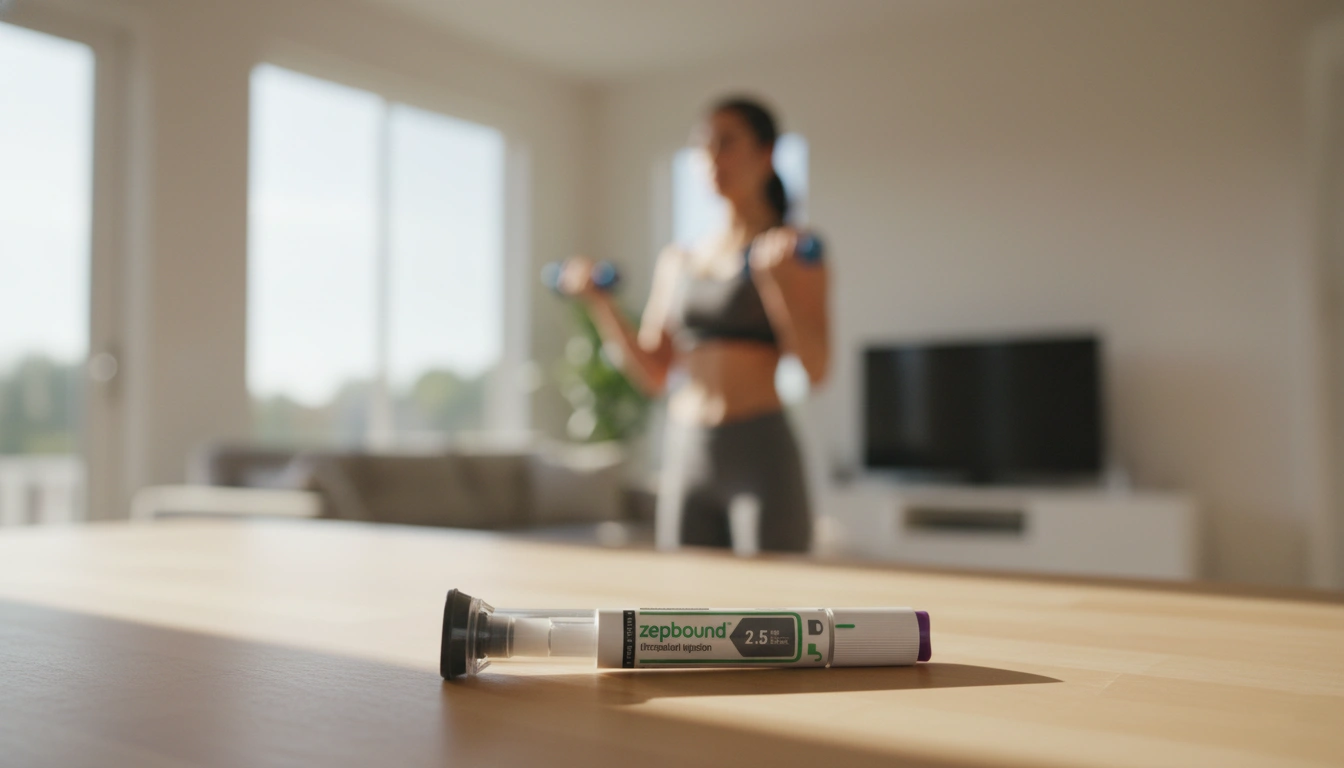
Moving in together changes the rhythm of daily life: who cooks, when you eat, what is in the fridge, and how you spend evenings. If one of you takes Zepbound or compounded tirzepatide, a few extra conversations help the transition go smoothly, and one of them, about birth control, matters more than most people realize.
Birth control: the detail people miss
If you use an oral contraceptive pill, this section matters. The prescribing information for Zepbound advises that patients using oral hormonal contraceptives switch to a non-oral method, or add a barrier method, for 4 weeks after starting Zepbound and for 4 weeks after each dose escalation.
The part many people miss is “each.” Every time your dose goes up, the 4-week window starts again. Because Zepbound doses usually rise in steps over many months, that can mean several backup windows across your first year.
Non-oral methods are not covered by this advice, so if you already use one, this section may not apply to you. Your clinician can tell you which methods count as non-oral and which suit you. Vomiting can also make a pill less reliable, so tell your clinician if you are being sick often.
If you are planning a pregnancy, talk to your provider before you stop contraception, since that is a separate conversation about the medication itself.
Track your dose changes together
Write down the date of every dose increase on a shared calendar, along with the date the backup window ends. Our guide on the starting dose of tirzepatide covers the first steps, and our guide on when to increase your tirzepatide dose covers how later increases are usually decided.
Two appetites, one table
Your partner may eat a normal dinner while you manage a few bites. That is fine. Serve yourself a smaller plate, start with protein, and save the rest for lunch. Cooking together, planning meals together, and taking a walk after dinner keep mealtimes a shared part of the day, even when portions differ.
Talk about it early. “I love eating with you. The medication makes me full fast, so I’ll have a small plate” prevents a lot of misunderstanding.
When your partner notices you are not eating
Partners are often the first to notice under-eating. If yours says you seem tired, cold, or are barely eating, listen. Watch for persistent fatigue, feeling cold, hair shedding, dizziness when you stand, losing strength, and losing weight faster than you and your provider intended. If you notice them, tell your provider.
A shared fridge
Keep your medication in a labeled container on its own shelf, so it is not moved or buried behind groceries. Follow the storage instructions that came with it, and keep sharps in a proper container out of reach of guests and pets.
Never share it
Your partner may be curious about trying your medication. Do not share it. It is prescribed for your body and your history, and starting doses exist for a reason. If they are interested, they can talk to their own provider.
Evenings and drinks
New couples often celebrate with dinners out and drinks at home. Have drinks with food rather than on an empty stomach, alternate with water, and know that some people find alcohol affects them differently on these medications.
Track how you are doing
Living with someone can make it easier to keep healthy routines, or easier to slip. Keep an eye on more than the scale: energy, strength, sleep, and how you feel. Our guide on tracking your progress covers ways to do that.
If your partner wants you to stop
Some partners worry about the medication, or miss sharing big meals. Talk about it openly, but make any decision about stopping with your provider. Our guide on taking a break and restarting covers why stopping and restarting is more involved than it sounds.
Consider this scenario: a woman on Zepbound and her partner move in together the same month her dose goes up. She takes the pill, does not realize the backup advice applies again after each increase, and has a week of nausea with vomiting. A few weeks later she has a pregnancy scare. Writing every dose increase and its 4-week backup window on a shared calendar, using a barrier method during those windows, and telling her clinician about the vomiting would very likely have prevented the worry.
Grocery shopping and cooking for two
Cooking for two when one of you eats much less can lead to waste, or to a fridge full of food you do not want. Cook in amounts that suit your partner, and portion your share into smaller containers for lunches. Keep easy protein on hand for yourself, such as eggs, Greek yogurt, cottage cheese, rotisserie chicken, or tofu, so you have something quick when you are not hungry for a full meal. If your partner does most of the cooking, tell them what tends to sit well and what does not. Rich, greasy, or very large meals are the ones most likely to cause trouble, especially after a dose increase.
The short version
When you move in together on Zepbound, sort out birth control first: if you take the pill, use a non-oral method or add a barrier method for 4 weeks after starting and after every dose increase. Track dose changes on a shared calendar, serve yourself smaller plates, talk openly about appetite, listen if your partner notices under-eating, store medication on its own shelf, and never share it.
If you want a provider who will walk you through dose changes and what they mean for your plans, TrimRx includes ongoing provider access alongside treatment.
This information is for educational purposes and is not medical advice. Consult with a healthcare provider before starting any medication. Individual results may vary.

Transforming Lives, One Step at a Time
Keep reading

Living With Roommates on Zepbound
Sharing an apartment or house means sharing a fridge, a kitchen, a bathroom, and often more of your life than you planned. If you…

A Fan Convention on Zepbound: Lines, Cosplay, and Convention Food
Big fan conventions are a marathon disguised as a party. You queue before dawn for a panel, walk miles of exhibit hall, stand in…

Eid al-Adha on Zepbound
Eid al-Adha is one of the most important days of the Muslim year. For many families it begins with the voluntary fast of the…


