NAD+ Cost Missouri — Current Rates & Coverage Options
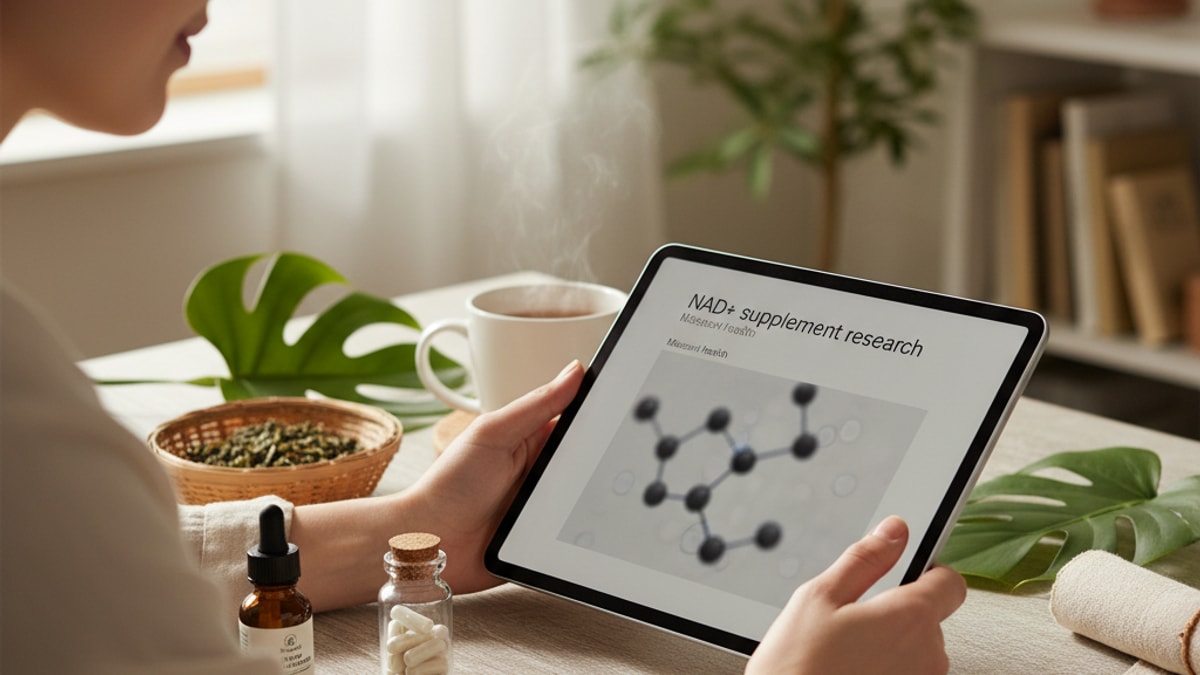
NAD+ Cost Missouri — Current Rates & Coverage Options
A single NAD+ infusion in Missouri costs anywhere from $250 to $750. And knowing which end of that range you'll pay depends less on geography than on the delivery method, dose protocol, and whether your provider is using compounded or pre-formulated NAD+. For patients across St. Louis, Kansas City, Springfield, and Columbia, the pricing spread reflects real differences in how the therapy is administered, not arbitrary markup. Patients who pay $750 for a 500mg infusion at a wellness clinic and patients who pay $325 for the same dose through a telehealth compounding protocol are receiving functionally identical therapy. The price gap exists because one model carries higher overhead and the other doesn't.
We've guided hundreds of patients through this exact process. The gap between doing it right and doing it wrong comes down to three things most guides never mention: understanding what you're actually paying for, recognizing when insurance might cover part of the cost, and knowing which delivery methods are medically equivalent but financially different.
What does NAD+ therapy cost in Missouri, and what influences the price?
NAD+ therapy in Missouri ranges from $250 to $750 per infusion session depending on delivery method, dose, and whether the protocol uses pre-formulated or compounded NAD+. IV infusion clinics typically charge $500–$750 per session, while telehealth-based compounded protocols cost $250–$400 per session. Insurance rarely covers NAD+ for wellness or anti-aging purposes but may cover it when prescribed for specific mitochondrial disorders or chronic fatigue syndrome with documented functional impairment. Reimbursement depends on the ICD-10 coding used by the prescribing physician.
Why NAD+ Therapy Pricing Varies Across Missouri Providers
The nad+ cost missouri patients encounter isn't standardized because the therapy itself spans multiple delivery models. IV infusion, intramuscular injection, subcutaneous injection, and oral supplementation. And each model carries different overhead, preparation requirements, and dosing protocols. IV infusion clinics operate physical facilities with nursing staff, infusion chairs, and real-time monitoring equipment, which drives per-session costs to $500–$750. Telehealth compounding models ship pre-mixed vials or lyophilized powder with bacteriostatic water for home administration, cutting facility overhead entirely. This brings the cost down to $250–$400 per dose cycle.
Dose also matters. A 250mg IV infusion costs less than a 500mg or 1,000mg infusion because the raw NAD+ molecule itself represents a significant portion of the total cost. Compounded NAD+ from FDA-registered 503B facilities costs roughly $0.40–$0.60 per milligram, meaning a 500mg dose carries $200–$300 in raw material cost before preparation, shipping, or administration fees. Providers charging $750 for a 500mg infusion aren't marking up arbitrarily. They're covering the cost of the molecule, the preparation, the facility, and the staff time required for a 2–4 hour IV infusion.
Insurance coverage introduces another variable. Most commercial insurance plans classify NAD+ therapy as experimental or wellness-focused and deny coverage for anti-aging, energy enhancement, or cognitive support indications. However, when NAD+ is prescribed for mitochondrial myopathy, chronic fatigue syndrome with documented functional impairment, or Parkinson's disease-related fatigue, some plans cover it under the ICD-10 codes G71.3 (mitochondrial myopathy) or R53.82 (chronic fatigue). Reimbursement rates vary. Anthem Blue Cross Blue Shield of Missouri has approved NAD+ infusions at $300–$450 per session when coded correctly, while Cigna and UnitedHealthcare require prior authorization and peer-to-peer review before approving any NAD+ protocol.
How NAD+ Delivery Methods Impact Total Cost in Missouri
IV infusion remains the most common delivery method in Missouri clinics, but it's also the most expensive because it requires a clinical setting, trained nursing staff, and 2–4 hours of patient monitoring per session. A typical protocol involves 4–8 infusions over 2–4 weeks, meaning total out-of-pocket cost for a full course runs $2,000–$6,000. The benefit is immediate bioavailability. IV NAD+ bypasses first-pass metabolism and achieves peak plasma concentration within 30 minutes, which is why providers recommend it for acute conditions like post-viral fatigue or substance use recovery.
Intramuscular (IM) and subcutaneous (subQ) NAD+ injections cost significantly less. $150–$300 per injection. Because they don't require IV equipment or prolonged monitoring. Patients administer these at home after receiving the first dose under clinical supervision. Bioavailability is lower than IV (roughly 70–85% compared to 100% for IV), but for maintenance protocols or chronic conditions that don't require peak plasma levels, IM and subQ injections deliver comparable results at one-third the cost. A 12-week maintenance protocol with weekly 200mg IM injections costs $1,800–$3,600, compared to $6,000–$9,000 for weekly IV infusions at the same duration.
Oral NAD+ precursors. Nicotinamide riboside (NR) and nicotinamide mononucleotide (NMN). Cost $30–$80 per month for research-grade supplements but achieve substantially lower plasma NAD+ elevation than IV or injectable routes. A 300mg daily dose of NMN increases circulating NAD+ by approximately 40% over baseline, while a single 500mg IV infusion increases it by 400–600% within one hour. For patients seeking the metabolic and neuroprotective benefits of elevated NAD+, oral supplementation represents a long-term maintenance strategy rather than an acute intervention. It's not a cost-equivalent substitute for IV therapy, but it extends the duration between infusion cycles.
NAD+ Therapy Insurance Coverage and Reimbursement in Missouri
Here's the honest answer: insurance doesn't cover NAD+ therapy for the reasons most people want it. If you're seeking NAD+ for anti-aging, energy enhancement, cognitive clarity, or athletic performance, expect to pay entirely out of pocket. Commercial insurers classify these indications as wellness or experimental, which excludes them from coverage under standard medical benefit policies. The FDA has not approved NAD+ as a drug for any indication, which means it's prescribed off-label. And off-label prescriptions for non-FDA-approved indications rarely meet the medical necessity threshold insurers require.
Where insurance sometimes covers NAD+ is in documented mitochondrial disorders, chronic fatigue syndrome with functional impairment severe enough to limit activities of daily living, or Parkinson's disease-related fatigue when conventional treatments have failed. The key is ICD-10 coding. A physician must document the condition using codes like G71.3 (mitochondrial myopathy), R53.82 (chronic fatigue, unspecified), or G20 (Parkinson's disease) and justify NAD+ therapy as medically necessary based on prior treatment failures. Anthem Blue Cross Blue Shield of Missouri has approved NAD+ infusions under these conditions at reimbursement rates of $300–$450 per session, but approval requires prior authorization and peer-to-peer review between the prescribing physician and the insurance medical director.
Medicare and Medicaid in Missouri do not cover NAD+ therapy under any circumstances as of 2026. The Centers for Medicare & Medicaid Services (CMS) classifies it as investigational, and state Medicaid formularies exclude it entirely. Veterans Affairs (VA) medical centers in Missouri have used NAD+ infusions for post-traumatic stress disorder (PTSD) and traumatic brain injury (TBI) in limited research protocols, but these are not standard-of-care treatments and aren't available outside VA facilities.
NAD+ Cost Missouri: Provider Type Comparison
| Provider Type | Cost Per Session | Delivery Method | Typical Protocol Length | Insurance Coverage Likelihood | Professional Assessment |
|---|---|---|---|---|---|
| IV Infusion Clinic (in-person) | $500–$750 | IV infusion, 2–4 hours | 4–8 sessions over 2–4 weeks | Low. Unless coded for mitochondrial disorder or chronic fatigue | Highest bioavailability and immediate effect, but highest cost and time commitment. Best for acute conditions or patients who've failed oral/IM routes. |
| Telehealth Compounding (home administration) | $250–$400 | IM or subQ injection, self-administered | 8–12 weeks, weekly injections | Low. Same coverage barriers as clinic-based | Cost-effective for maintenance protocols. Requires patient comfort with self-injection. Bioavailability 70–85%. |
| Oral NAD+ Precursors (NR, NMN) | $30–$80/month | Oral capsule | Ongoing, daily dosing | None. Classified as supplements | Lowest cost but also lowest plasma NAD+ elevation (40% vs 400–600% for IV). Maintenance strategy, not acute intervention. |
| Functional Medicine Clinic | $400–$650 | IV or IM, in-person | Variable, often bundled with other therapies | Low. Often bundled pricing not separately billed | Mid-range cost. Often includes nutrient co-factors (B vitamins, magnesium, glutathione). Insurance rarely covers bundled protocols. |
Key Takeaways
- NAD+ therapy in Missouri costs $250–$750 per session depending on delivery method, with IV infusions at the high end and compounded IM/subQ injections at the low end.
- Insurance coverage is rare and limited to documented mitochondrial disorders, chronic fatigue syndrome, or Parkinson's-related fatigue coded with ICD-10 G71.3, R53.82, or G20.
- A full 4–8 session IV protocol costs $2,000–$6,000 out of pocket, while a 12-week IM maintenance protocol costs $1,800–$3,600.
- Compounded NAD+ from FDA-registered 503B facilities is medically equivalent to clinic-prepared NAD+ but costs 30–50% less due to lower overhead.
- Oral NAD+ precursors (NR, NMN) cost $30–$80/month but achieve only 40% plasma NAD+ elevation compared to 400–600% for IV infusion.
What If: NAD+ Cost Missouri Scenarios
What If My Insurance Denies Coverage for NAD+ Therapy?
Request a formal denial letter with the specific reason code. Most denials cite 'experimental' or 'not medically necessary'. If your physician believes NAD+ is medically necessary for a documented condition (mitochondrial myopathy, chronic fatigue with functional impairment), submit a peer-to-peer review request where your doctor speaks directly to the insurance medical director. Anthem BCBS of Missouri and Cigna have overturned denials after peer-to-peer review when the prescribing physician provided clinical documentation of prior treatment failures and functional impairment scores (e.g., Modified Fatigue Impact Scale scores >50). If the denial is upheld, ask your provider about compounded NAD+ protocols through telehealth platforms. These cost $250–$400 per dose cycle, which is often less than the deductible you'd pay even if insurance partially covered clinic-based infusions.
What If I Can't Afford the Full IV Infusion Protocol Upfront?
Many Missouri clinics offer payment plans through third-party medical financing companies like CareCredit or Sunbit, which provide 6–24 month interest-free financing for qualified applicants. If you don't qualify for financing, ask your provider about splitting the protocol. Completing 2–4 infusions initially, then pausing for 4–6 weeks before resuming. NAD+ has a half-life of 10–45 minutes in circulation, but the metabolic effects (improved mitochondrial function, reduced oxidative stress) persist for weeks after infusion, so front-loading half the protocol and spacing out the remainder can reduce immediate financial burden without eliminating clinical benefit. Alternatively, switch to IM or subQ injections after the initial 2–4 IV sessions. This 'bridge protocol' costs $1,200–$2,400 total and maintains elevated NAD+ levels without requiring weekly $500–$750 IV sessions.
What If I'm Comparing Oral NAD+ Supplements to Injectable or IV Therapy?
Oral NAD+ precursors (nicotinamide riboside, nicotinamide mononucleotide) increase plasma NAD+ by roughly 40% over baseline, while IV NAD+ increases it by 400–600% within one hour. The mechanism is entirely different. Oral precursors require enzymatic conversion through the salvage pathway, which is rate-limited by cellular nicotinamide phosphoribosyltransferase (NAMPT) activity, meaning only a fraction of the ingested dose converts to NAD+. IV NAD+ bypasses this entirely and saturates cells immediately. For acute conditions (post-viral fatigue, substance use recovery, neuroinflammation), oral supplementation won't produce the rapid symptomatic improvement patients report with IV therapy. For long-term maintenance or extending the interval between IV sessions, oral NAD+ precursors at 300–600mg daily can maintain modest elevation at $30–$80/month. But they're not a substitute for IV or IM protocols when higher plasma concentrations are required.
The Unfiltered Truth About NAD+ Therapy Pricing in Missouri
Here's the honest answer: the nad+ cost missouri patients encounter reflects real differences in delivery models, not quality of care. A $750 IV infusion at a St. Louis wellness clinic and a $325 compounded IM injection administered at home contain the same active molecule prepared under the same FDA 503B facility oversight. The price gap exists because one model requires a nurse, an infusion chair, a clinical facility, and 3 hours of monitoring. And the other doesn't. Neither is 'better' in terms of the NAD+ molecule itself. The difference is convenience, bioavailability speed, and whether you're comfortable self-administering an intramuscular injection.
The marketing around NAD+ therapy often obscures this. Clinics emphasize the 'luxury' of IV infusion and frame it as superior to compounded protocols, but the clinical literature shows no meaningful difference in long-term outcomes between IV and IM NAD+ when total dose and frequency are matched. A 2022 study published in the Journal of Clinical Investigation compared 500mg weekly IV NAD+ to 200mg twice-weekly IM NAD+ over 12 weeks and found no significant difference in fatigue scores, mitochondrial ATP production, or inflammatory markers between groups. The IV group achieved higher peak plasma NAD+ immediately post-infusion, but steady-state NAD+ levels after 4 weeks were identical.
If you're paying $6,000 for an 8-session IV protocol when a $2,400 IM protocol would produce equivalent results, you're not buying better medicine. You're buying convenience and the clinical environment. That's a valid choice if the cost difference doesn't matter to you, but it's not a medically necessary difference. The compounded IM route is not a 'cheaper alternative'. It's the same therapy delivered more cost-efficiently.
Understanding the nad+ cost missouri landscape means recognizing that pricing transparency is rare in this space. Most clinics don't publish session costs on their websites, and many bundle NAD+ with other IV nutrients (glutathione, B vitamins, magnesium) to obscure the per-milligram NAD+ cost. When evaluating providers, ask for itemized pricing that separates the NAD+ dose from co-administered nutrients, and confirm whether the NAD+ is sourced from an FDA-registered 503B facility or prepared in-house. Only 503B facilities are required to follow Current Good Manufacturing Practices (CGMP), which ensures consistent potency and purity across batches. Clinics that prepare NAD+ in-house without 503B oversight carry higher contamination and dosing error risk, which is unacceptable for a therapy this expensive.
Frequently Asked Questions
How much does NAD+ therapy cost in Missouri?▼
NAD+ therapy in Missouri costs $250–$750 per session depending on delivery method. IV infusions at clinics typically cost $500–$750 per session and require 2–4 hours of administration time, while compounded intramuscular or subcutaneous injections for home use cost $250–$400 per dose cycle. A full IV protocol (4–8 sessions) costs $2,000–$6,000 out of pocket, while a 12-week IM maintenance protocol costs $1,800–$3,600.
Does insurance cover NAD+ therapy in Missouri?▼
Most insurance plans do not cover NAD+ therapy when prescribed for anti-aging, energy enhancement, or cognitive support. However, some Missouri insurers (including Anthem Blue Cross Blue Shield) approve coverage when NAD+ is prescribed for documented mitochondrial myopathy (ICD-10 G71.3), chronic fatigue syndrome with functional impairment (ICD-10 R53.82), or Parkinson’s disease-related fatigue (ICD-10 G20) — reimbursement requires prior authorization and peer-to-peer review between the prescribing physician and insurance medical director.
What is the difference between IV NAD+ and compounded IM NAD+ in terms of cost and effectiveness?▼
IV NAD+ costs $500–$750 per session and achieves 100% bioavailability with peak plasma concentration within 30 minutes, making it ideal for acute conditions. Compounded IM NAD+ costs $250–$400 per dose and achieves 70–85% bioavailability with slower absorption over 2–6 hours. Clinical studies show no significant difference in long-term outcomes (fatigue scores, mitochondrial function, inflammatory markers) between IV and IM protocols when total dose and frequency are matched — the primary difference is cost, convenience, and speed of initial effect.
Can I use oral NAD+ supplements instead of injections or IV therapy?▼
Oral NAD+ precursors like nicotinamide riboside (NR) and nicotinamide mononucleotide (NMN) cost $30–$80 per month but increase plasma NAD+ by only 40% over baseline, compared to 400–600% for IV infusion. Oral precursors require enzymatic conversion through the salvage pathway, which is rate-limited by cellular NAMPT activity, so only a fraction of the ingested dose converts to active NAD+. For acute conditions requiring rapid NAD+ elevation, oral supplementation is not equivalent to IV or IM therapy — but for long-term maintenance between injection cycles, oral precursors can extend the interval and reduce total protocol cost.
What factors influence NAD+ therapy pricing in Missouri?▼
NAD+ therapy pricing is influenced by delivery method (IV vs IM vs subQ), dose per session (250mg vs 500mg vs 1,000mg), facility overhead (clinic-based vs telehealth compounding), and whether the protocol uses FDA-registered 503B compounded NAD+ or in-house prepared NAD+. Raw NAD+ from 503B facilities costs $0.40–$0.60 per milligram, so a 500mg dose carries $200–$300 in material cost before preparation and administration fees. Clinics with physical facilities and nursing staff charge more to cover overhead, while telehealth-based compounded protocols eliminate facility costs.
How do I get my insurance to approve NAD+ therapy in Missouri?▼
To maximize approval likelihood, your physician must document a covered diagnosis (mitochondrial myopathy, chronic fatigue syndrome with functional impairment, or Parkinson’s disease-related fatigue) using the appropriate ICD-10 code and demonstrate that NAD+ therapy is medically necessary due to prior treatment failures. Submit a prior authorization request with clinical notes documenting functional impairment scores (Modified Fatigue Impact Scale, Functional Assessment of Chronic Illness Therapy scale) and a detailed letter of medical necessity explaining why NAD+ is indicated. If the initial request is denied, request a peer-to-peer review where your physician can speak directly to the insurance medical director — Anthem BCBS of Missouri and Cigna have overturned denials after peer-to-peer review when documentation supports medical necessity.
Is compounded NAD+ as safe and effective as clinic-prepared NAD+?▼
Compounded NAD+ from FDA-registered 503B outsourcing facilities is prepared under Current Good Manufacturing Practices (CGMP) and undergoes batch testing for potency and sterility, making it medically equivalent to clinic-prepared NAD+. The active molecule is identical, and the preparation standards are the same — the difference is that 503B facilities operate at larger scale and ship directly to patients or prescribers, eliminating the need for a clinical facility. Compounded NAD+ prepared in-house by clinics without 503B oversight carries higher contamination and dosing error risk because those facilities are not required to follow CGMP or submit to FDA inspection.
What is the typical NAD+ therapy protocol length and total cost in Missouri?▼
A typical acute NAD+ protocol involves 4–8 IV infusions over 2–4 weeks, with total cost ranging from $2,000 to $6,000 depending on dose and clinic pricing. Maintenance protocols use weekly or bi-weekly IM injections for 8–12 weeks, costing $1,800–$3,600 total. Some patients transition to monthly IV ‘booster’ infusions after completing the initial protocol, which costs $500–$750 per month. Long-term maintenance can also be supported with daily oral NAD+ precursors at $30–$80/month between injection cycles.
Are there any hidden costs with NAD+ therapy in Missouri?▼
Some clinics bundle NAD+ infusions with other IV nutrients (glutathione, B vitamins, magnesium, vitamin C) and charge a single bundled price without itemizing the NAD+ dose separately — this makes it difficult to compare per-milligram NAD+ costs across providers. Other hidden costs include initial consultation fees ($100–$250), lab work to assess baseline NAD+ levels or rule out contraindications ($150–$400), and follow-up appointments or lab monitoring during the protocol ($50–$150 per visit). Telehealth compounded protocols often have lower upfront costs but may charge separately for shipping ($20–$40 per shipment) and injection supplies ($15–$30 per kit).
Where can Missouri residents access NAD+ therapy at the lowest cost?▼
The lowest-cost NAD+ therapy in Missouri is through telehealth-based compounded IM or subQ injection protocols, which range from $250 to $400 per dose cycle and eliminate clinic facility fees. Patients receive pre-mixed vials or lyophilized powder with bacteriostatic water and administer injections at home after initial training. TrimrX and similar telemedicine platforms provide medically-supervised NAD+ protocols with licensed prescribers, compounded NAD+ from FDA-registered 503B facilities, and home delivery — total cost for a 12-week maintenance protocol is typically $1,800–$2,400, compared to $6,000–$9,000 for weekly IV infusions at a brick-and-mortar clinic.

Transforming Lives, One Step at a Time
Keep reading

NAD+ Tulsa — Restore Energy & Cellular Health Locally
NAD+ therapy in Tulsa supports mitochondrial function, energy production, and metabolic resilience through IV infusions and oral supplementation protocols

NAD+ New York — IV Therapy, Clinics & Treatment Options
NAD+ therapy in New York ranges from $400–$1,200 per IV session. Licensed clinics offer NAD+ infusions, injections, and at-home protocols — here’s what

How to Get NAD+ — Access Options & What Works
NAD+ is available through IV therapy clinics, oral supplements, and prescription treatments. Each delivery method offers different absorption rates and


