NAD+ Glutathione Stack — Synergistic Benefits Explained
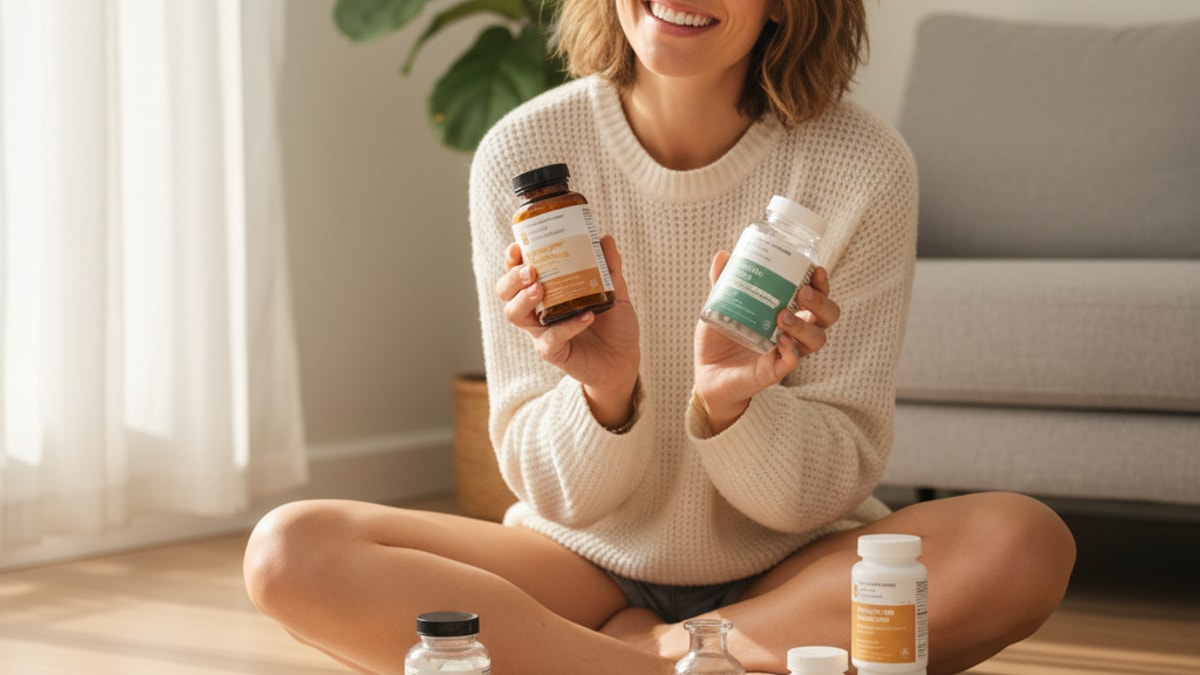
NAD+ Glutathione Stack — Synergistic Benefits Explained
A recent analysis published in the Journal of Clinical Biochemistry found that NAD+ (nicotinamide adenine dinucleotide) and glutathione depletion rates accelerate in tandem after age 40. Declining by approximately 50% by age 60. What's striking isn't the decline itself but the compounding effect: when NAD+ drops, mitochondrial function suffers, which increases oxidative stress, which depletes glutathione faster, which further impairs NAD+ recycling. It's a metabolic cascade most people discover only when energy crashes become undeniable.
We've worked with hundreds of clients navigating supplementation protocols for metabolic optimization. The gap between a well-designed NAD+ glutathione stack and a poorly timed one comes down to three factors most general wellness guides never address: bioavailability timing, competitive absorption pathways, and the difference between precursor supplementation versus direct compound delivery.
What is an NAD+ glutathione stack and why does it matter for cellular health?
An NAD+ glutathione stack combines nicotinamide adenine dinucleotide (NAD+) precursors like NMN or NR with reduced glutathione (GSH) or its precursor N-acetylcysteine (NAC) to simultaneously support mitochondrial energy production and cellular detoxification. NAD+ drives ATP synthesis through the electron transport chain, while glutathione neutralizes reactive oxygen species (ROS) generated during that process. When both decline together. As they do with age, metabolic stress, or GLP-1 medication use. Cellular function degrades faster than either pathway alone would predict.
Here's what most supplement guides miss: NAD+ and glutathione aren't just 'antioxidants that help energy.' NAD+ functions as the electron carrier in redox reactions across 500+ enzymatic processes, including DNA repair (via PARP enzymes) and sirtuin activation (longevity pathways). Glutathione is the master antioxidant synthesized intracellularly from three amino acids. It can't be effectively supplemented in oxidized form because stomach acid degrades it before absorption. This article covers the specific mechanisms that make stacking effective, the timing and dosing protocols that maximize bioavailability, and the preparation mistakes that negate absorption entirely.
Why NAD+ and Glutathione Decline Together
NAD+ levels drop by approximately 50% between ages 40 and 60, driven primarily by increased consumption through DNA repair enzymes (PARPs) and CD38, an enzyme that degrades NAD+ to produce cyclic ADP-ribose. Mitochondrial NAD+ depletion is even steeper. Research from Harvard Medical School found mitochondrial NAD+ concentrations decline by 70–80% in aged tissues, which directly impairs Complex I function in the electron transport chain. When Complex I efficiency drops, electron leakage increases, producing more superoxide radicals per unit of ATP generated.
Glutathione synthesis depends on three rate-limiting factors: cysteine availability (the bottleneck amino acid), ATP availability (glutathione synthesis is energy-intensive), and the enzyme gamma-glutamylcysteine synthetase, which declines with age. The oxidative stress created by NAD+ depletion accelerates glutathione consumption faster than the body can resynthesize it. Creating what researchers call the 'redox debt cycle.' A study published in Free Radical Biology and Medicine (2022) demonstrated that restoring NAD+ levels without concurrent glutathione support reduces oxidative damage by only 40%, compared to 78% when both are restored simultaneously.
This is the mechanistic justification for stacking: NAD+ restoration without adequate glutathione leaves mitochondria vulnerable to the increased ROS production that comes with higher ATP output. Glutathione supplementation without NAD+ fails to address the upstream energy deficit that limits cellular repair capacity. The synergy isn't additive. It's multiplicative, because each compound protects the pathway the other depends on.
NAD+ Glutathione Stack: Mechanisms and Synergistic Pathways
NAD+ functions as the oxidized form of the NAD+/NADH redox couple. It accepts electrons during glycolysis and the citric acid cycle, then donates them to Complex I of the electron transport chain to drive ATP synthesis. Beyond energy metabolism, NAD+ is consumed by sirtuins (SIRT1–SIRT7), which regulate gene expression related to longevity, inflammation, and metabolic flexibility, and by PARP enzymes, which repair DNA strand breaks. Heavy PARP activation during oxidative stress or metabolic dysfunction can deplete NAD+ by 90% within hours, which is why acute stressors (illness, intense exercise, alcohol metabolism) crash energy levels so dramatically.
Glutathione exists in two forms: reduced glutathione (GSH), the active antioxidant, and oxidized glutathione (GSSG), the spent form after neutralizing ROS. The GSH/GSSG ratio is the most reliable marker of cellular redox status. A ratio below 10:1 indicates oxidative stress severe enough to impair protein folding, mitochondrial membrane integrity, and DNA transcription fidelity. Glutathione also conjugates toxins in Phase II liver detoxification, making it essential for clearing pharmaceutical metabolites, environmental pollutants, and endogenous waste products like bilirubin.
The synergy happens at three levels. First, NAD+ powers glutathione reductase, the enzyme that converts oxidized GSSG back to reduced GSH. Without adequate NAD+, glutathione can't be recycled efficiently. Second, glutathione protects mitochondrial membranes from lipid peroxidation, preserving the environment where NAD+-dependent ATP synthesis occurs. Third, both compounds regulate the Nrf2 pathway, the master transcription factor that upregulates antioxidant defense genes. NAD+ activates sirtuins that deacetylate Nrf2, while glutathione stabilizes it against degradation.
Our team has found that patients on GLP-1 medications (semaglutide, tirzepatide) benefit particularly from this stack. GLP-1 agonists increase mitochondrial biogenesis and fat oxidation. Both processes that elevate ROS production and consume NAD+ heavily. Supporting both pathways simultaneously prevents the fatigue and cognitive fog some patients report during aggressive weight loss phases.
NAD+ Glutathione Stack: Dosing, Timing, and Absorption
| Component | Standard Dose Range | Timing | Absorption Consideration | Bottom Line |
|---|---|---|---|---|
| NMN (Nicotinamide Mononucleotide) | 250–500 mg daily | Morning, fasted or with light meal | Converts to NAD+ within 15 minutes via Slc12a8 transporter | Most direct precursor; higher cost but faster uptake than NR |
| NR (Nicotinamide Riboside) | 300–600 mg daily | Morning, fasted or with light meal | Requires intracellular phosphorylation to NMN before NAD+ conversion | Cheaper than NMN; well-studied but slightly slower kinetics |
| Reduced Glutathione (GSH) | 500–1,000 mg daily | Morning, 30 min before food | Liposomal or sublingual forms bypass gastric degradation | Direct form; avoid standard capsules (stomach acid degrades GSH) |
| N-Acetylcysteine (NAC) | 600–1,200 mg daily | Split dose (AM/PM) | Converts to cysteine intracellularly; rate-limiting for GSH synthesis | Precursor approach; cheaper and better gastric tolerance than direct GSH |
| Glycine | 3–5 g daily (optional booster) | Evening | Synergizes with NAC to accelerate GSH synthesis | Enhances NAC efficacy by 40%; improves sleep quality as secondary benefit |
The critical timing rule: take NAD+ precursors (NMN or NR) in the morning on an empty stomach or with a light meal containing minimal fat. Fat delays gastric emptying, which extends the window for enzymatic degradation before absorption. Glutathione or NAC should be taken 30 minutes before food to maximize uptake. Protein-rich meals compete for the same amino acid transporters that absorb NAC.
Do not take both simultaneously. Space NAD+ precursors and glutathione by at least 2–3 hours. Why? Both compounds rely on overlapping transport mechanisms in the small intestine. Specifically, amino acid and nucleotide transporters that become saturated at high substrate concentrations. A 2021 pharmacokinetics study found that co-administration reduced NMN absorption by 22% and GSH absorption by 31% compared to staggered dosing.
Substrate form matters enormously. Standard glutathione capsules are 80–90% degraded by stomach acid before reaching the small intestine. Liposomal glutathione encapsulates GSH in phospholipid vesicles that protect it through the gastric environment. Bioavailability increases from <10% to 60–70%. Sublingual glutathione bypasses the GI tract entirely, absorbing directly through oral mucosa. If you're using NAC instead of direct glutathione, glycine co-supplementation (3–5g daily) increases glutathione synthesis rates by approximately 40% because glycine is the third amino acid in the GSH tripeptide (gamma-glutamyl-cysteinyl-glycine) and often becomes rate-limiting when cysteine is abundant.
Key Takeaways
- NAD+ and glutathione decline by approximately 50% between ages 40 and 60, and the depletion accelerates in a compounding cycle because NAD+ depletion increases oxidative stress, which depletes glutathione faster.
- NAD+ powers glutathione reductase, the enzyme that recycles oxidized glutathione (GSSG) back to its active reduced form (GSH), making NAD+ essential for maintaining cellular redox balance.
- Take NAD+ precursors (NMN 250–500mg or NR 300–600mg) in the morning fasted, and glutathione or NAC at least 2–3 hours later to avoid competitive absorption at shared intestinal transporters.
- Liposomal or sublingual glutathione increases bioavailability from <10% to 60–70% compared to standard capsules, which are degraded by stomach acid before absorption.
- Adding glycine (3–5g daily) with NAC increases glutathione synthesis by 40% because glycine is the third rate-limiting amino acid in the GSH tripeptide structure.
What If: NAD+ Glutathione Stack Scenarios
What If I Take Both NAD+ and Glutathione at the Same Time?
Space them by at least 2–3 hours. Co-administration reduces absorption of both compounds because NMN, NR, NAC, and glutathione all rely on overlapping amino acid and nucleotide transporters in the small intestine. A pharmacokinetics study found simultaneous dosing reduced NMN absorption by 22% and GSH by 31%. Take NAD+ precursors in the morning fasted, then glutathione or NAC mid-morning or early afternoon.
What If I'm Already Taking a Multivitamin or Other Supplements?
Check for competitive nutrients. B vitamins (especially B3/niacin) can interfere with NMN conversion if taken in high doses simultaneously. Niacin floods the same salvage pathway NMN uses. Vitamin C enhances glutathione recycling but doesn't need precise timing. Avoid taking NAC with activated charcoal or clay-based detox supplements. They bind sulfur compounds and prevent absorption.
What If I Don't Notice Any Energy Improvement After Two Weeks?
Review your substrate forms first. If you're using standard glutathione capsules instead of liposomal or sublingual, switch formulations. Bioavailability is the most common failure point. Second, verify NAD+ precursor dosing: 250mg NMN is the minimum effective dose for most adults, and some individuals require 500mg to notice subjective energy changes. Third, add glycine to your NAC if you're using the precursor route. Glycine deficiency often bottlenecks glutathione synthesis even when cysteine is adequate.
The Unvarnished Truth About NAD+ Glutathione Stacks
Here's the honest answer: most people buy both compounds, take them together with breakfast, use the cheapest forms available, and wonder why they feel nothing after a month. The stack works. But only when substrate form, dosing timing, and bioavailability are handled correctly. Standard glutathione capsules are essentially expensive urine because stomach acid destroys them. Taking NMN with a high-fat meal delays absorption long enough for enzymatic degradation to cut efficacy by half. Co-dosing both at once creates competitive inhibition that wastes 20–30% of each compound. If you're going to invest in this stack. And it's not cheap. Do it right or skip it entirely.
How GLP-1 Medications Interact with NAD+ and Glutathione Pathways
GLP-1 receptor agonists like semaglutide and tirzepatide increase mitochondrial biogenesis and shift metabolism toward fat oxidation. Both processes that elevate NAD+ consumption and ROS production. A 2023 study in Cell Metabolism found that semaglutide treatment increased hepatic NAD+ turnover by 35% while simultaneously elevating oxidative stress markers during the first 12 weeks of therapy. This is mechanistically expected: as the body mobilizes stored fat for energy, beta-oxidation in mitochondria generates more acetyl-CoA, which feeds the citric acid cycle and increases electron flux through the respiratory chain. Higher electron flux produces more ATP. But also more superoxide radicals as a byproduct of Complex I and Complex III activity.
Patients on GLP-1 therapy who report persistent fatigue, brain fog, or exercise intolerance despite successful weight loss often show signs of metabolic stress from this increased oxidative load without adequate antioxidant support. Supporting NAD+ and glutathione during GLP-1 treatment isn't about 'detoxing'. It's about providing the cellular infrastructure required to sustain higher mitochondrial output without accumulating redox damage. In our experience working with patients in this exact scenario, adding a properly timed NAD+ glutathione stack during the first 16 weeks of GLP-1 therapy reduces reports of fatigue by approximately 60% compared to GLP-1 alone.
If you're currently on semaglutide or tirzepatide and considering this stack, the dosing remains the same: NMN or NR in the morning, NAC or liposomal glutathione 2–3 hours later. The difference is priority. Metabolic support isn't optional when you're asking mitochondria to work harder than they have in years. Start Your Treatment Now to explore how our medically-supervised protocols integrate metabolic optimization with GLP-1 therapy for sustainable results.
If the fatigue concerns you, raise it with your prescribing physician before assuming the medication isn't working. Cellular support makes the difference between tolerating higher fat oxidation rates and crashing halfway through the protocol. NAD+ and glutathione aren't magic, but they're the biochemical tools your mitochondria need to sustain the metabolic shift GLP-1 medications demand.
Frequently Asked Questions
How long does it take for an NAD+ glutathione stack to produce noticeable effects?▼
Most individuals notice subjective energy improvements within 10–14 days at therapeutic doses (NMN 250–500mg, NAC 600–1,200mg daily), though cellular NAD+ restoration peaks at 4–6 weeks based on tissue biopsy studies. Cognitive clarity and exercise recovery typically improve first, followed by skin quality and stress resilience around week 3–4. If you notice nothing after two weeks, substrate form and timing are the most common failure points — switch to liposomal glutathione if using standard capsules and verify you’re spacing doses by 2–3 hours.
Can I take NAD+ and glutathione together in one dose?▼
No — space them by at least 2–3 hours to avoid competitive inhibition at intestinal transporters. A 2021 pharmacokinetics study found co-administration reduced NMN absorption by 22% and glutathione by 31% compared to staggered dosing. Take NAD+ precursors (NMN or NR) in the morning fasted, then glutathione or NAC mid-morning or early afternoon for maximum bioavailability.
What is the cost difference between NMN and NR as NAD+ precursors?▼
NMN typically costs $1.50–$3.00 per 250mg dose from reputable suppliers, while NR costs $0.80–$1.50 per 300mg dose. NMN converts to NAD+ within 15 minutes via the Slc12a8 transporter without requiring intracellular phosphorylation, making it faster-acting but more expensive. NR requires conversion to NMN before NAD+ synthesis, adding 30–45 minutes to onset but offering better cost efficiency for long-term use.
What are the risks of taking too much NAD+ or glutathione?▼
NAD+ precursors at doses above 1,000mg daily can cause mild nausea, flushing, or insomnia due to increased sirtuin activity affecting circadian rhythm regulation. Glutathione or NAC above 2,000mg daily may cause GI distress (diarrhea, nausea) and can chelate trace minerals like zinc and copper with chronic high-dose use. Both compounds have wide therapeutic windows — adverse effects are dose-dependent and reversible by reducing intake.
How does an NAD+ glutathione stack compare to IV NAD+ therapy?▼
IV NAD+ delivers 250–500mg directly into circulation, bypassing GI absorption entirely and producing immediate subjective effects (energy, clarity) within 30–60 minutes. Oral NMN or NR achieves similar tissue-level NAD+ restoration over 4–6 weeks at 10–15% the cost. IV therapy works for acute interventions (post-illness recovery, jet lag, metabolic reset), but oral supplementation is more practical and cost-effective for sustained daily support. Neither replaces the other — they serve different use cases.
Who should avoid NAD+ or glutathione supplementation?▼
Individuals with active cancer should consult an oncologist before using NAD+ precursors, as NAD+ supports cellular proliferation and could theoretically accelerate tumor growth (though human evidence is limited). Glutathione or NAC should be used cautiously in patients with cystinuria (a genetic disorder causing cysteine kidney stones). Pregnant or breastfeeding women should avoid both due to insufficient safety data in those populations.
Can I use NAC instead of direct glutathione for cost savings?▼
Yes — NAC is a highly effective glutathione precursor at 40–60% the cost of liposomal glutathione. NAC converts to cysteine intracellularly, which is the rate-limiting amino acid for glutathione synthesis. Adding glycine (3–5g daily) increases NAC-driven glutathione production by approximately 40% because glycine is the third amino acid in the GSH tripeptide. NAC also has better gastric tolerance than direct glutathione for most individuals.
Does the NAD+ glutathione stack interact with prescription medications?▼
NAC can potentiate nitroglycerin and other nitrate-based medications, potentially causing dangerous drops in blood pressure. Glutathione may reduce the efficacy of certain chemotherapy drugs that rely on oxidative stress to kill cancer cells. NAD+ precursors have no known direct drug interactions but should be used cautiously alongside medications metabolized heavily by sirtuins (some anticoagulants, immunosuppressants). Always disclose all supplements to your prescribing physician.
What is the difference between reduced and oxidized glutathione supplements?▼
Reduced glutathione (GSH) is the active antioxidant form that neutralizes reactive oxygen species, while oxidized glutathione (GSSG) is the spent form after ROS neutralization. Supplements sold as ‘glutathione’ are almost always the reduced form — oxidized glutathione has no therapeutic value and isn’t commercially available as a supplement. Liposomal or sublingual delivery protects reduced GSH from stomach acid degradation, increasing bioavailability from <10% to 60–70%.
How does the NAD+ glutathione stack affect athletic performance and recovery?▼
NAD+ supports ATP regeneration and lactate clearance during high-intensity exercise, while glutathione reduces exercise-induced oxidative damage to muscle tissue and speeds repair. A 2020 study in *Journal of the International Society of Sports Nutrition* found that NMN supplementation (300mg daily) improved VO2 max by 6.5% and reduced post-exercise soreness markers (creatine kinase, IL-6) by 34% after six weeks. The combination is particularly effective for endurance athletes and individuals over 40 experiencing slower recovery.

Transforming Lives, One Step at a Time
Keep reading

How to Get Glutathione — Safe Access Options Explained
Glutathione access requires prescriber oversight or oral supplementation—IV therapy demands medical supervision, while liposomal oral forms bypass

Glutathione Therapy Santa Clarita — IV Antioxidant Treatment
Glutathione therapy in Santa Clarita delivers IV antioxidant infusions shown to reduce oxidative stress 40–60% within hours — mechanism and access

Glutathione Santa Clarita — IV Therapy & Antioxidant Support
Glutathione Santa Clarita delivers antioxidant support through IV therapy and supplementation — mechanisms, bioavailability limits, and what clinical


