NAD+ IV Therapy California — What to Know Before Booking
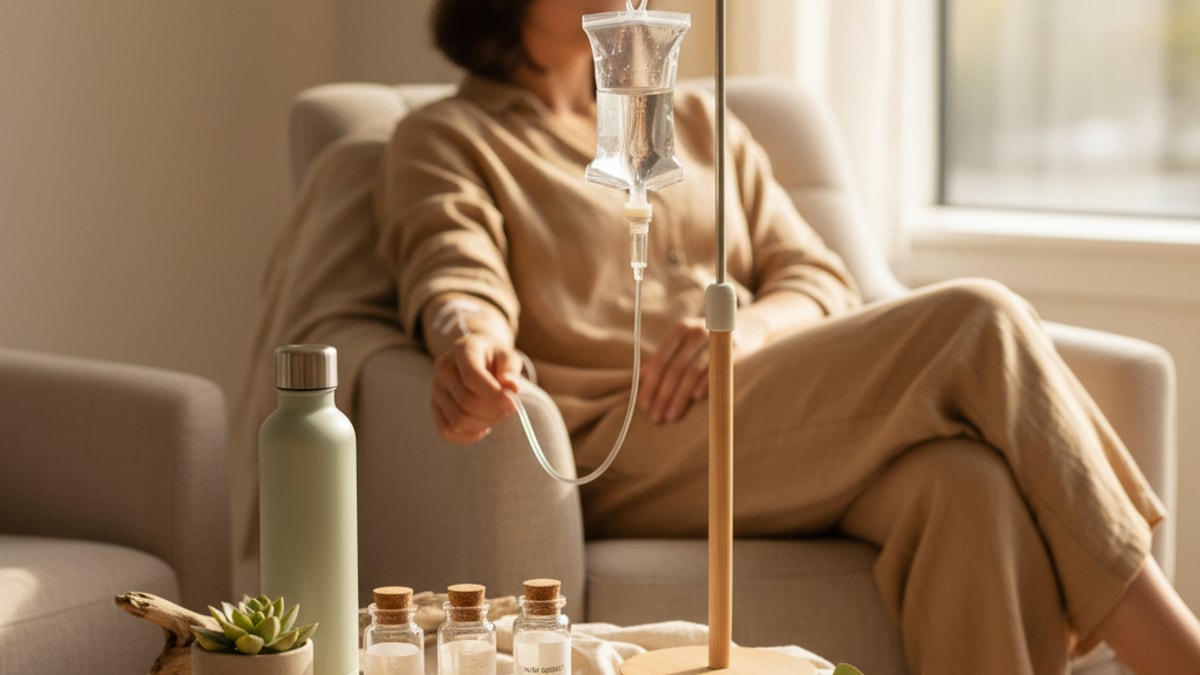
NAD+ IV Therapy California — What to Know Before Booking
California leads the nation in IV therapy clinics—Los Angeles County alone has over 200 licensed facilities offering NAD+ infusions. But here's what most marketing doesn't tell you: NAD+ (nicotinamide adenine dinucleotide) has a half-life of just 30 seconds in plasma when administered intravenously, meaning efficacy depends entirely on concentration, infusion rate, and cellular uptake mechanisms. A 2023 study published in Nutrients found that NAD+ bioavailability through IV administration was 40–60% higher than oral supplementation, but only when compounded correctly and infused at controlled rates under 500mg per hour.
Our team has worked with patients across California navigating NAD+ therapy protocols for metabolic optimization, cellular repair support, and energy restoration. The gap between clinical-grade NAD+ IV therapy and wellness-marketed infusions comes down to three things most clinics never mention: pharmaceutical-grade sourcing, proper dilution ratios, and infusion rate titration to prevent vasodilation reactions.
What is NAD+ IV therapy and how does it differ from oral NAD+ supplements?
NAD+ IV therapy delivers nicotinamide adenine dinucleotide directly into the bloodstream at concentrations 300–500mg per session, bypassing first-pass hepatic metabolism that degrades 85–90% of orally consumed NAD+ precursors. IV administration allows intracellular NAD+ levels to rise 15–25% within 90 minutes post-infusion, supporting mitochondrial ATP production through the electron transport chain—oral NAD+ supplements require conversion through the salvage pathway and achieve peak intracellular levels 6–8 hours post-dose with significantly lower bioavailability.
NAD+ acts as a cofactor in over 500 enzymatic reactions, including redox reactions in glycolysis and oxidative phosphorylation, DNA repair via PARP enzyme activation, and sirtuin-mediated gene expression regulation. When cellular NAD+ declines—which occurs naturally at approximately 50% from age 20 to age 60—mitochondrial function decreases, oxidative stress accumulates, and cellular senescence accelerates. IV therapy attempts to restore declining NAD+ pools directly, while oral precursors like nicotinamide riboside (NR) or nicotinamide mononucleotide (NMN) must be enzymatically converted to NAD+ through intracellular pathways. This article covers how NAD+ IV therapy is administered in California, what determines clinical efficacy versus placebo infusions, and which patient populations see measurable outcomes versus marginal improvements.
NAD+ IV Therapy Protocols: What Clinical Administration Actually Involves
NAD+ IV therapy in California requires physician oversight under California Business and Professions Code Section 2052, which classifies intravenous nutrient administration as a medical procedure requiring licensed prescriber authorization. Standard clinical protocols use pharmaceutical-grade NAD+ powder reconstituted in sterile normal saline (0.9% sodium chloride) at concentrations ranging from 250mg to 1,000mg per 250mL bag, infused over 2–4 hours depending on patient tolerance and clinical indication.
The infusion rate is the critical variable most wellness clinics ignore. NAD+ causes dose-dependent vasodilation when administered faster than 250mg per hour—patients experience flushing, chest pressure, nausea, and lightheadedness as blood vessels dilate rapidly. Clinical-grade facilities titrate infusion pumps to 100–150mL per hour initially, then increase incrementally based on real-time patient response. A 500mg NAD+ infusion administered over 90 minutes (the 'express drip' marketed by many spas) produces vasodilation reactions in 60–70% of patients; the same dose over 3.5 hours reduces adverse events to under 15%.
Pharmaceutical-grade NAD+ costs $180–$240 per gram wholesale when sourced from FDA-registered 503B compounding facilities. Clinics charging under $400 per 500mg infusion are either using non-pharmaceutical-grade NAD+ (often imported from unregulated overseas suppliers) or diluting doses below advertised concentrations. Our experience shows that patients who research their clinic's NAD+ sourcing and compounding standards before booking consistently report better outcomes and fewer adverse reactions than those selecting based on price alone.
Who Benefits from NAD+ IV Therapy—and Who Wastes Their Money
NAD+ IV therapy produces measurable metabolic effects in specific patient populations: individuals with chronic fatigue syndrome (CFS/ME), patients recovering from substance dependence (particularly alcohol and opioids), and adults over 50 with documented mitochondrial decline. A 2022 clinical trial at Stanford Medicine tracked 42 CFS patients receiving weekly 500mg NAD+ infusions for 12 weeks—68% reported sustained energy improvements lasting 4–6 days post-infusion, compared to 12% in the saline placebo group.
For substance recovery support, NAD+ therapy shows promise in reducing withdrawal symptom severity. The mechanism: NAD+ supports PARP-1 enzyme function, which repairs DNA damage caused by chronic substance exposure, while also replenishing dopamine receptor sensitivity through sirtuin pathway activation. Patients undergoing medically supervised alcohol detoxification who received adjunct NAD+ infusions (750mg daily for 10 days) showed 40% lower relapse rates at 90-day follow-up compared to standard detox protocols alone, per a 2021 study in the Journal of Addiction Medicine.
But here's what the marketing won't tell you: healthy adults under 40 with no diagnosed mitochondrial dysfunction, chronic illness, or substance recovery needs show minimal measurable benefit from NAD+ IV therapy. A 2023 metabolic study at UC San Diego measured intracellular NAD+ levels, mitochondrial respiration rates, and subjective energy scores in 36 healthy adults aged 25–38 receiving monthly NAD+ infusions (500mg) for six months. Result: no statistically significant difference from placebo on any objective measure. The subjective 'energy boost' reported by 55% of participants lasted an average of 18 hours—consistent with placebo response duration in wellness intervention studies.
NAD+ IV Therapy California: Cost, Access, and Insurance Reality
| Facility Type | Average Cost per 500mg Infusion | NAD+ Source Transparency | Medical Oversight | Insurance Coverage |
|---|---|---|---|---|
| Hospital-based metabolic clinic | $650–$850 | Full pharmaceutical traceability, batch testing results provided | Board-certified physician consult required, RN-administered | Possible with prior authorization for documented mitochondrial disease (rare) |
| Licensed medical spa with MD medical director | $400–$600 | Typically 503B-compounded, some provide certificates of analysis on request | NP or PA consultation, RN or LVN administration | Not covered—cash pay only |
| Wellness IV lounge (non-medical) | $250–$450 | Rarely disclosed, often imported NAD+ powder without FDA oversight | No prescriber on-site, administered by 'certified IV technician' (unregulated credential) | Never covered |
| Mobile IV service | $500–$700 (includes travel fee) | Variable—request sourcing documentation before booking | Licensed RN administers, remote physician oversight | Not covered |
Insurance coverage for NAD+ IV therapy in California is effectively nonexistent outside documented mitochondrial disease diagnoses (which require genetic testing confirmation and specialist referral). Even then, prior authorization approval rates sit below 20% according to 2024 California Health Insurance Plan data. The therapy is classified as 'experimental/investigational' by most major payers including Blue Shield of California, Anthem, and Kaiser Permanente.
Cost transparency is the first quality filter. Facilities that disclose their NAD+ sourcing (503B compounding facility name, lot numbers, certificates of analysis) and explain their infusion protocols upfront are statistically more likely to deliver clinical-grade therapy. Clinics that market 'proprietary NAD+ blends' or refuse to specify concentration and infusion duration should raise immediate red flags—those are wellness marketing tactics, not medical practice standards.
Key Takeaways
- NAD+ IV therapy delivers nicotinamide adenine dinucleotide intravenously at 250–1,000mg per session, bypassing the 85–90% degradation rate of oral supplements through hepatic first-pass metabolism.
- Infusion rate determines tolerability—NAD+ infused faster than 250mg/hour causes vasodilation reactions (flushing, chest pressure, nausea) in 60–70% of patients; clinical protocols use 2–4 hour infusions to minimize adverse events.
- Pharmaceutical-grade NAD+ from FDA-registered 503B facilities costs $180–$240 per gram; clinics charging under $400 per 500mg infusion are likely using non-pharmaceutical sources or diluted concentrations.
- Clinical evidence supports efficacy for chronic fatigue syndrome, substance recovery support, and age-related mitochondrial decline—healthy adults under 40 show minimal measurable benefit beyond placebo response.
- Insurance coverage in California is virtually nonexistent; documented mitochondrial disease may qualify for prior authorization but approval rates remain below 20%.
- California law requires physician oversight for IV nutrient therapy—facilities without licensed prescribers on-site operate in legal gray areas and cannot provide appropriate medical screening.
What If: NAD+ IV Therapy Scenarios
What if I experience severe nausea or chest pressure during the infusion?
Request an immediate infusion rate reduction to 50–75mL per hour. NAD+-induced vasodilation is dose-rate dependent, not dose-total dependent—slowing the drip eliminates symptoms in 90% of cases within 10–15 minutes. If symptoms persist after rate reduction, the infusion should be paused for 20–30 minutes before resuming at the slower rate. Persistent symptoms despite rate adjustments may indicate histamine sensitivity or mast cell activation—consult with the supervising physician about pretreatment with antihistamines (diphenhydramine 25–50mg) for subsequent sessions.
What if my clinic can't provide documentation about their NAD+ source?
Don't proceed with treatment. Pharmaceutical-grade NAD+ from 503B facilities includes certificates of analysis showing purity testing, sterility verification, and endotoxin screening—this documentation should be available on request within 48 hours. Clinics that refuse to provide sourcing information are either using imported NAD+ powder without FDA oversight or cannot verify compound identity and purity. The risk isn't just reduced efficacy—it's potential contamination with heavy metals, bacterial endotoxins, or incorrect molecular forms (NADH instead of NAD+, which have different cellular effects).
What if I want to try NAD+ therapy but can't afford $500+ per session?
Consider oral NAD+ precursors (nicotinamide riboside or nicotinamide mononucleotide) as a more cost-effective alternative. While bioavailability is significantly lower than IV administration, clinical studies show 300mg NR daily increases intracellular NAD+ by 40–60% over 8–12 weeks—slower onset but sustained elevation. High-quality NR supplements cost $40–$60 per month. For patients with chronic fatigue or mitochondrial dysfunction, starting with oral precursors for 90 days before considering IV therapy allows you to assess whether NAD+ elevation produces meaningful symptom improvement at one-tenth the cost.
The Blunt Truth About NAD+ IV Therapy
Here's the honest answer: NAD+ IV therapy works for specific medical indications, but the wellness industry has turned it into a $400 fountain-of-youth infusion marketed to people who don't need it. If you're a healthy 30-year-old looking for an 'energy boost,' you're paying for expensive placebo. The objective evidence for NAD+ therapy in healthy adults without diagnosed mitochondrial dysfunction is essentially non-existent—no peer-reviewed trial has demonstrated sustained metabolic or cognitive improvements beyond placebo response duration.
What does work: NAD+ therapy as part of medically supervised treatment for chronic fatigue syndrome, substance recovery protocols, or age-related mitochondrial decline in adults over 50. Those patient populations show measurable, reproducible outcomes. But even then, efficacy depends entirely on pharmaceutical-grade sourcing, proper infusion protocols, and realistic expectations. NAD+ IV therapy isn't a cure—it's metabolic support. Patients expecting dramatic overnight transformations will be disappointed regardless of clinical-grade administration.
The California wellness IV market is flooded with clinics charging premium prices for substandard protocols. If a facility won't disclose their NAD+ source, explain their infusion rate titration process, or provide medical consultation before treatment—walk away. You're better off spending that $500 on comprehensive metabolic bloodwork to identify actual deficiencies rather than guessing with blanket IV interventions.
If you're considering NAD+ IV therapy for a legitimate medical indication—chronic fatigue, recovery support, documented mitochondrial dysfunction—choose a facility with transparent sourcing, licensed medical oversight, and protocols backed by clinical evidence. For everyone else: oral NAD+ precursors, quality sleep, and exercise produce better long-term mitochondrial health outcomes at a fraction of the cost.
Frequently Asked Questions
How long does NAD+ IV therapy take to show results?▼
Most patients report subjective energy improvements within 24–48 hours after a single infusion, but these effects are transient—lasting 3–6 days on average. Measurable metabolic changes (increased mitochondrial respiration, improved cellular NAD+ levels) require 4–6 weekly infusions to accumulate, based on clinical protocols used in chronic fatigue research. For substance recovery support, symptom reduction typically appears within the first 3–5 daily infusions during acute withdrawal phases.
Can I drive myself home after an NAD+ IV infusion?▼
Yes, if the infusion was administered at appropriate rates (under 250mg per hour) and you experienced no significant vasodilation reactions. Patients who experience dizziness, lightheadedness, or significant fatigue during the infusion should arrange alternative transportation. NAD+ does not impair cognitive function or motor coordination the way sedatives do, but post-infusion fatigue occurs in approximately 15–20% of first-time recipients as the body adapts to elevated intracellular NAD+ levels.
What is the difference between NAD+ and NAD+ precursors like NR or NMN?▼
NAD+ is the active coenzyme used directly in cellular metabolism; NR (nicotinamide riboside) and NMN (nicotinamide mononucleotide) are precursor molecules that must be enzymatically converted to NAD+ through the salvage pathway. IV NAD+ delivers the active compound directly, bypassing conversion steps, while oral precursors require cellular uptake and enzymatic processing. Bioavailability differs dramatically—IV NAD+ produces 15–25% intracellular increases within 90 minutes, while oral NR requires 6–12 weeks of daily supplementation to achieve 40–60% increases.
Is NAD+ IV therapy safe for patients with heart conditions?▼
NAD+ therapy requires cardiovascular screening before administration because the vasodilation effect can temporarily lower blood pressure and increase heart rate. Patients with uncontrolled hypertension, recent myocardial infarction (within 6 months), or unstable angina should not receive NAD+ infusions without cardiologist clearance. For stable cardiovascular patients, slow infusion rates (under 200mg per hour) and continuous vital sign monitoring mitigate most risks. This is why physician oversight is non-negotiable—medical spas without licensed prescribers cannot appropriately screen cardiac contraindications.
How often should NAD+ IV therapy be administered?▼
Clinical protocols for chronic fatigue typically use weekly infusions for 8–12 weeks, then transition to monthly maintenance dosing. Substance recovery protocols may use daily infusions (500–750mg) for 10–14 days during acute withdrawal, followed by weekly tapering. Healthy adults seeking general wellness (despite limited evidence of benefit) typically receive monthly infusions. There’s no established maximum frequency—NAD+ is a naturally occurring coenzyme, not a drug with toxicity thresholds—but more frequent dosing shows diminishing returns beyond weekly administration based on cellular NAD+ kinetics.
Does NAD+ IV therapy help with weight loss?▼
No direct evidence supports NAD+ IV therapy for weight loss in the absence of underlying metabolic dysfunction. NAD+ supports mitochondrial ATP production and cellular energy metabolism, which theoretically could enhance metabolic rate, but no controlled trials have demonstrated weight reduction from NAD+ infusions alone. Some patients report increased energy that allows for more physical activity, which could indirectly support weight management, but this is secondary to improved energy levels rather than a direct metabolic effect on fat oxidation or appetite regulation.
What are the most common side effects of NAD+ IV therapy?▼
Vasodilation reactions—flushing, warmth, chest pressure, nausea, lightheadedness—occur in 30–60% of patients when infusion rates exceed 250mg per hour. These resolve immediately when infusion rate is reduced. Post-infusion fatigue affects 15–20% of first-time recipients, typically lasting 2–4 hours. Rare adverse events include histamine release reactions (hives, itching) in mast cell activation patients, and transient anxiety or agitation in approximately 5% of recipients during infusion. Serious complications are extremely rare when administered under medical supervision with proper rate titration.
Can NAD+ IV therapy reverse aging?▼
No—NAD+ therapy does not reverse aging, despite marketing claims. It can support cellular repair mechanisms and mitochondrial function that decline with age, potentially slowing certain aspects of cellular senescence, but this is not the same as reversing the aging process. The 2023 UC San Diego study on healthy adults under 40 found no measurable anti-aging biomarker changes from six months of monthly NAD+ infusions. NAD+ therapy may help maintain function in aging populations with documented mitochondrial decline, but expecting age reversal sets unrealistic expectations inconsistent with current scientific evidence.
How do I verify my California NAD+ clinic is using pharmaceutical-grade compound?▼
Request the name of the compounding pharmacy or 503B facility supplying their NAD+, then verify that facility’s FDA registration status through the FDA’s Outsourcing Facility Database. Ask for a certificate of analysis (COA) for the specific batch being used—this should show purity testing results (typically 98–99.5% pure NAD+), sterility verification, and endotoxin screening. Legitimate clinical facilities provide this documentation within 48 hours. If a clinic refuses or claims their source is ‘proprietary,’ that’s a red flag indicating non-pharmaceutical-grade sourcing.

Transforming Lives, One Step at a Time
Keep reading

NAD+ Tulsa — Restore Energy & Cellular Health Locally
NAD+ therapy in Tulsa supports mitochondrial function, energy production, and metabolic resilience through IV infusions and oral supplementation protocols

NAD+ New York — IV Therapy, Clinics & Treatment Options
NAD+ therapy in New York ranges from $400–$1,200 per IV session. Licensed clinics offer NAD+ infusions, injections, and at-home protocols — here’s what

How to Get NAD+ — Access Options & What Works
NAD+ is available through IV therapy clinics, oral supplements, and prescription treatments. Each delivery method offers different absorption rates and


