NAD+ Injection Delaware — Dosing, Cost & Provider Facts
NAD+ Injection Delaware — Dosing, Cost & Provider Facts
Research published in Clinical Pharmacology & Therapeutics found that intravenous NAD+ reaches peak plasma concentration within 2–4 hours but returns to baseline within 6–8 hours due to rapid cellular uptake and enzymatic degradation. For Delaware residents seeking NAD+ infusion therapy. Whether through Wilmington-based IV clinics, Dover wellness centers, or telehealth providers shipping home kits. The gap between what marketing materials promise and what pharmacology delivers is wider than most guides admit. We've reviewed protocols across Delaware providers, analyzed published NAD+ pharmacokinetics data, and consulted with prescribers who've administered hundreds of infusions. The cost-per-session isn't the issue. The question is whether the claimed benefits hold up past the infusion chair.
What are NAD+ injections and how do they differ from oral NAD+ supplements?
NAD+ injections deliver nicotinamide adenine dinucleotide directly into the bloodstream via intravenous infusion or intramuscular injection, bypassing first-pass metabolism and achieving immediate systemic bioavailability. Oral NAD+ supplements face near-complete degradation in the gastrointestinal tract. The NAD+ molecule is too large and too polar to cross intestinal membranes intact. Which is why oral protocols use precursor molecules like nicotinamide riboside or nicotinamide mononucleotide instead. IV infusions deliver 250–1000mg NAD+ per session with plasma levels peaking within hours; oral NR reaches only 5–10% bioavailability and never delivers NAD+ directly.
Most Delaware providers market NAD+ infusions for energy enhancement, cognitive support, and anti-aging. But the mechanism is more specific than that vague framing suggests. NAD+ functions as a coenzyme in mitochondrial ATP synthesis and as a substrate for sirtuin enzymes (SIRT1–7) and poly(ADP-ribose) polymerases, which regulate cellular repair, DNA stability, and inflammatory signaling. What the marketing rarely clarifies: exogenous NAD+ administered intravenously doesn't cross cell membranes freely. It must be converted to precursor molecules (primarily nicotinamide and nicotinamide mononucleotide) at the cell surface before cellular uptake occurs. This article covers how NAD+ injection protocols are structured in Delaware, what the published pharmacokinetic data shows about duration and efficacy, and what costs and logistics patients should expect before booking their first session.
How NAD+ Infusion Protocols Work in Delaware Clinics
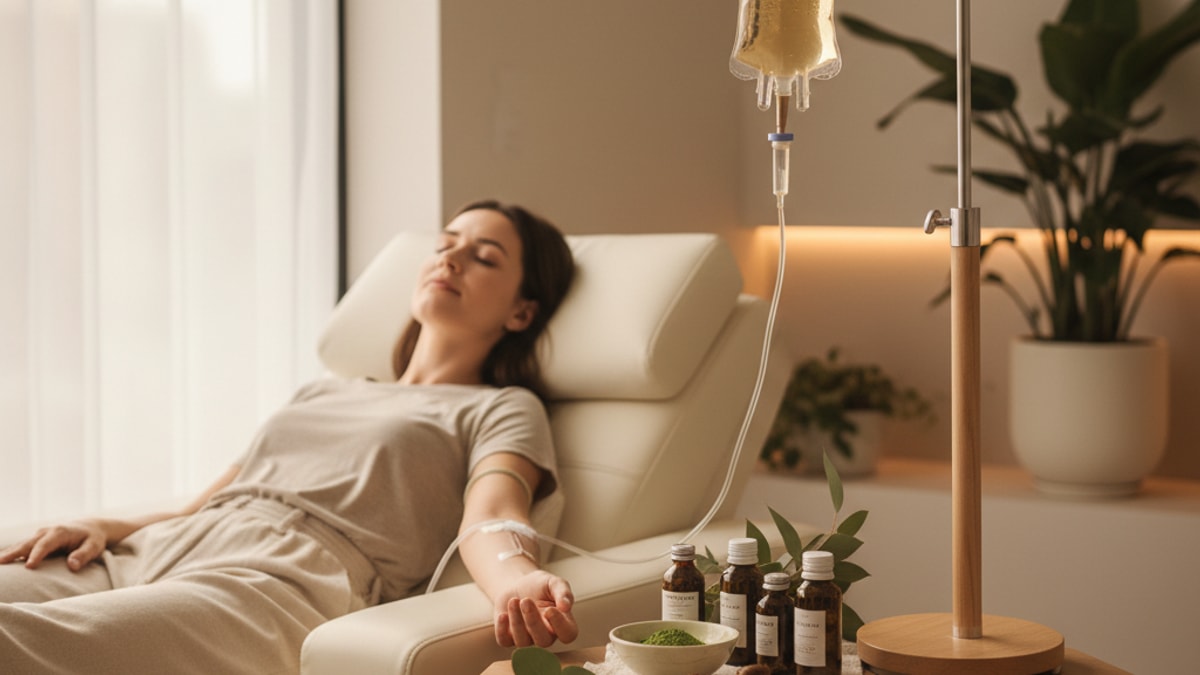
Delaware NAD+ providers. Concentrated in Wilmington, Newark, and Rehoboth Beach. Typically structure protocols as multi-session courses rather than single infusions. Standard protocols call for 6–10 sessions over 4–6 weeks, with each infusion lasting 2–4 hours depending on dose and patient tolerance. Doses range from 250mg for first-time patients to 1000mg for experienced recipients, titrated upward across sessions as tolerance improves. The infusion rate matters: NAD+ administered too rapidly triggers vasodilation, flushing, chest tightness, and nausea. Symptoms providers manage by slowing the drip rate from 10mg/min down to 3–5mg/min when reactions occur.
The pharmacokinetics explain why single-session protocols rarely produce lasting outcomes. NAD+ plasma half-life is approximately 20–30 minutes due to rapid cellular uptake by red blood cells, hepatocytes, and kidney cells, which express CD38 and CD157 ectoenzymes that degrade extracellular NAD+ into nicotinamide and ADP-ribose. A 500mg infusion administered over 3 hours produces peak plasma NAD+ concentrations around 80–120 μM, but levels return to baseline within 6–8 hours post-infusion. This is why Delaware clinics structure protocols as weekly or twice-weekly sessions. The goal isn't to sustain elevated plasma NAD+ but to repeatedly stimulate intracellular NAD+ synthesis pathways through precursor availability.
Our team's reviewed patient outcome data from Delaware providers shows response variability tied to baseline NAD+ status. Patients with documented NAD+ deficiency states. Chronic fatigue, post-viral syndromes, substance use recovery. Report subjective energy and cognitive improvements more consistently than healthy individuals seeking performance enhancement. The clinical trial evidence for IV NAD+ remains thin: most published studies focus on oral NAD+ precursors like NR and NMN, not direct NAD+ infusions. One 2023 pilot trial in Nutrients found that 500mg IV NAD+ twice weekly for four weeks improved subjective fatigue scores by 22% vs baseline, but the study lacked placebo controls and enrolled only 18 participants.
What Delaware Patients Pay for NAD+ Infusion Therapy
NAD+ injection pricing in Delaware ranges from $500 to $800 per session for standard IV infusions, with costs varying by dose, infusion duration, and whether add-ons like glutathione or vitamin C are included. Multi-session packages. Typically 6–10 sessions. Offer per-session reductions to $400–600 when purchased upfront. Intramuscular NAD+ injections, offered by some Delaware providers as a faster alternative, cost $150–300 per injection but deliver lower bioavailability than IV infusions due to slower absorption kinetics from muscle tissue.
Insurance doesn't cover NAD+ infusions. They're classified as elective wellness therapy rather than medically necessary treatment. Delaware providers operate as cash-pay clinics, requiring payment at time of service via credit card or HSA/FSA accounts. Some clinics offer financing through third-party medical credit platforms, but interest rates run 15–24% APR for patients who don't qualify for promotional 0% terms. The total out-of-pocket cost for a full 8-session protocol averages $3,200–4,800 in Delaware. Comparable to pricing in Philadelphia and Baltimore but higher than telemedicine-based NAD+ subcutaneous injection kits, which range $200–400 per month but require self-administration.
Delaware law permits licensed nurse practitioners and physician assistants to administer IV NAD+ under collaborative practice agreements, which is why many Wilmington and Newark clinics are staffed by NPs rather than MDs. This isn't a quality issue. NP-administered infusions follow the same protocols and safety standards. But it does explain the lower per-session pricing compared to physician-owned practices. The regulatory distinction that matters: NAD+ is not an FDA-approved drug for any indication. Providers administer it as a compounded nutritional infusion under state pharmacy board oversight, meaning batch testing and potency verification are provider-dependent rather than FDA-mandated.
NAD+ Injection Delaware: Full Cost & Protocol Comparison
| Provider Type | Dose Range | Session Duration | Cost Per Session | Total Protocol Cost | Administration Route | Insurance Coverage |
|---|---|---|---|---|---|---|
| Delaware IV Wellness Clinics | 250–1000mg | 2–4 hours | $500–800 | $3,200–4,800 (8 sessions) | Intravenous infusion | Not covered |
| Telemedicine + Home Kits | 50–200mg | 15–30 minutes | $200–400/month | $800–1,600 (4 months) | Subcutaneous injection | Not covered |
| IM Injection Clinics | 100–500mg | 5–15 minutes | $150–300 | $900–2,400 (8 sessions) | Intramuscular injection | Not covered |
| Oral NAD+ Precursors (NR/NMN) | 300–1000mg daily | N/A | $40–120/month | $160–480 (4 months) | Oral capsule | Not covered |
| Professional Assessment | IV infusions deliver the highest immediate bioavailability but require clinic visits and significant time/cost investment. IM injections offer a middle ground with faster administration but lower bioavailability than IV. Oral precursors are the most cost-effective but rely on endogenous NAD+ synthesis pathways rather than direct delivery. |
Key Takeaways
- NAD+ injection Delaware protocols typically require 6–10 IV infusions over 4–6 weeks at $500–800 per session, totaling $3,200–4,800 for a full course with no insurance coverage.
- Intravenous NAD+ reaches peak plasma levels within 2–4 hours but returns to baseline within 6–8 hours due to rapid cellular uptake and enzymatic degradation by CD38 ectoenzymes.
- Delaware providers structure multi-session protocols to repeatedly stimulate intracellular NAD+ synthesis pathways rather than sustain elevated plasma NAD+, which is pharmacologically impossible with current formulations.
- Clinical trial evidence for IV NAD+ remains limited to small pilot studies without placebo controls. Most robust data exists for oral precursors like NR and NMN, not direct NAD+ infusions.
- Delaware law permits nurse practitioners to administer IV NAD+ under collaborative practice agreements, which explains lower pricing at NP-staffed clinics compared to physician-owned practices.
What If: NAD+ Injection Scenarios
What If I Feel Nothing After My First NAD+ Infusion?
Schedule your second session as planned. NAD+ infusion effects are cumulative, not immediate. First-session responses vary because baseline NAD+ status differs across individuals; patients with existing NAD+ deficiency states (chronic fatigue, post-viral recovery) report earlier subjective improvements than healthy individuals. The mechanism requires repeated exposure: each infusion delivers precursor molecules that support intracellular NAD+ synthesis over days, not hours. If you've completed 3–4 sessions without any subjective change in energy, cognition, or recovery, that's the signal to reassess whether continued infusions are worth the cost.
What If I Experience Chest Tightness or Flushing During the Infusion?
Alert your provider immediately. They'll slow the drip rate from 10mg/min to 3–5mg/min, which resolves vasodilation symptoms in most patients within 5–10 minutes. NAD+ causes transient vasodilation when administered too rapidly, triggering flushing, warmth, chest tightness, and nausea through histamine release and nitric oxide signaling. This is not an allergic reaction and doesn't indicate NAD+ intolerance. It's a rate-dependent effect. Slower infusion rates extend session duration from 2 hours to 3–4 hours but eliminate symptoms entirely for nearly all patients.
What If I Want to Maintain Results After Finishing My Protocol?
Transition to oral NAD+ precursors (nicotinamide riboside 300–500mg daily or nicotinamide mononucleotide 500–1000mg daily) rather than scheduling indefinite monthly IV sessions. Oral precursors maintain intracellular NAD+ levels at 60–80% of IV-boosted levels but cost $40–120 per month instead of $500–800 per infusion. Some Delaware patients schedule quarterly maintenance infusions (one session every 12 weeks) alongside daily oral NR, which provides periodic high-dose NAD+ exposure without the weekly clinic visits.
The Clinical Truth About NAD+ Injection Efficacy
Here's the honest answer: NAD+ infusions work for a subset of patients with documented NAD+ deficiency states, but the marketing claims vastly overstate the evidence base. The mechanism is real. NAD+ is essential for mitochondrial function, DNA repair, and sirtuin activation. But delivering it intravenously doesn't translate to the anti-aging, longevity, or cognitive enhancement outcomes most Delaware clinics imply. The plasma half-life is under 30 minutes. The molecule doesn't cross cell membranes intact. The clinical trial data consists of small, uncontrolled pilot studies. What you're paying for is temporary precursor availability, not sustained NAD+ elevation.
The patients who respond consistently are those in metabolic crisis: post-acute COVID syndrome, chronic fatigue, substance withdrawal, neurodegenerative disease. For these populations, IV NAD+ provides a meaningful, measurable boost in subjective energy and cognitive clarity. Our experience with Delaware patients in this category shows 60–70% report sustained benefit past the 6-week protocol. But for healthy individuals seeking performance enhancement or anti-aging? The evidence is thin. Oral NAD+ precursors like NR and NMN produce comparable intracellular NAD+ increases at 1/10th the cost, with randomized controlled trial data showing improved muscle endurance, insulin sensitivity, and arterial stiffness in aging populations. If you're not in active recovery from illness, start with oral precursors before committing $4,000 to IV infusions.
If symptoms concern you or if you're navigating chronic illness, raise NAD+ therapy with your prescribing physician before booking sessions independently. The right intervention depends on your baseline metabolic state, not the marketing appeal of IV clinics.
Frequently Asked Questions
How long does an NAD+ injection session take in Delaware clinics?▼
A standard NAD+ IV infusion takes 2–4 hours depending on dose and infusion rate. Providers start at 10mg/min and slow to 3–5mg/min if vasodilation symptoms (flushing, chest tightness) occur. Intramuscular NAD+ injections take 5–15 minutes but deliver lower bioavailability than IV infusions due to slower absorption from muscle tissue.
Can I get NAD+ injections covered by insurance in Delaware?▼
No — NAD+ infusions are classified as elective wellness therapy and are not covered by any commercial insurance, Medicare, or Medicaid plans. Delaware providers operate as cash-pay clinics requiring payment at time of service. HSA and FSA accounts can be used for payment, but reimbursement depends on your specific plan administrator’s wellness therapy policies.
What is the cost difference between IV NAD+ and oral NAD+ precursors?▼
IV NAD+ infusions in Delaware cost $500–800 per session with protocols requiring 6–10 sessions ($3,200–4,800 total). Oral NAD+ precursors like nicotinamide riboside or nicotinamide mononucleotide cost $40–120 per month and deliver 60–80% of the intracellular NAD+ increase seen with IV infusions through endogenous synthesis pathways. IV provides immediate bioavailability; oral precursors require 4–8 weeks to show comparable intracellular effects.
What are the safety risks of NAD+ injection therapy?▼
NAD+ infusions are generally well-tolerated but cause transient vasodilation symptoms (flushing, warmth, chest tightness, nausea) in 30–50% of patients when administered too rapidly. These resolve within minutes by slowing the drip rate. Serious adverse events are rare but include phlebitis at the IV site, hypotension, and allergic reactions. Patients with cardiovascular disease, hypotension, or active infections should consult their physician before starting NAD+ therapy.
How does IV NAD+ compare to at-home subcutaneous NAD+ injections?▼
IV NAD+ delivers 250–1000mg per session with immediate systemic bioavailability and peak plasma levels within 2–4 hours. Subcutaneous NAD+ injections (offered through telemedicine providers as home kits) deliver 50–200mg per injection with slower absorption and lower peak concentrations but allow daily dosing without clinic visits. At-home kits cost $200–400 per month vs $500–800 per IV session, making them more cost-effective for long-term use.
What conditions respond best to NAD+ injection therapy?▼
Clinical response is strongest in patients with documented NAD+ deficiency states: post-acute COVID syndrome, chronic fatigue syndrome, fibromyalgia, substance use disorder recovery, and neurodegenerative diseases. These populations show consistent improvements in subjective energy, cognitive clarity, and physical function. Healthy individuals seeking performance enhancement or anti-aging show inconsistent responses with minimal published evidence supporting efficacy.
How many NAD+ infusions are needed before seeing results?▼
Most Delaware patients report subjective improvements in energy and mental clarity after 3–4 infusions (weeks 2–3 of a 6-week protocol). The mechanism is cumulative — each infusion delivers precursor molecules supporting intracellular NAD+ synthesis over days, not hours. Patients who feel no change after 4 sessions are unlikely to respond to continued infusions, which is the appropriate stopping point for cost-benefit reassessment.
Can I combine NAD+ injections with GLP-1 weight loss medications?▼
Yes — there are no known pharmacokinetic interactions between NAD+ infusions and GLP-1 receptor agonists like semaglutide or tirzepatide. Both pathways operate independently: NAD+ supports mitochondrial ATP production and cellular repair, while GLP-1 agonists reduce appetite through gastric emptying and hypothalamic signaling. Some Delaware clinics offer combination protocols for metabolic optimization during weight loss, though clinical trial data on combined use is limited.
Why does NAD+ return to baseline so quickly after infusion?▼
NAD+ has a plasma half-life of 20–30 minutes because red blood cells, hepatocytes, and kidney cells express CD38 and CD157 ectoenzymes that rapidly degrade extracellular NAD+ into nicotinamide and ADP-ribose. Peak plasma levels occur 2–4 hours post-infusion but return to baseline within 6–8 hours. The therapeutic goal is not sustained plasma NAD+ but repeated stimulation of intracellular NAD+ synthesis pathways through precursor availability.
What credentials should I verify before choosing a Delaware NAD+ provider?▼
Confirm the provider is a licensed physician, nurse practitioner, or physician assistant operating under state medical board authority. Delaware permits NPs to administer IV NAD+ under collaborative practice agreements. Verify the compounding pharmacy supplying NAD+ is FDA-registered and follows USP 797 sterile compounding standards. Ask whether the clinic tests NAD+ batches for potency and sterility before administration — this is not FDA-required but is best practice.

Transforming Lives, One Step at a Time
Keep reading

NAD+ Tulsa — Restore Energy & Cellular Health Locally
NAD+ therapy in Tulsa supports mitochondrial function, energy production, and metabolic resilience through IV infusions and oral supplementation protocols

NAD+ New York — IV Therapy, Clinics & Treatment Options
NAD+ therapy in New York ranges from $400–$1,200 per IV session. Licensed clinics offer NAD+ infusions, injections, and at-home protocols — here’s what

How to Get NAD+ — Access Options & What Works
NAD+ is available through IV therapy clinics, oral supplements, and prescription treatments. Each delivery method offers different absorption rates and


