NAD+ Therapy North Carolina — Clinical Access & Protocols
NAD+ Therapy North Carolina — Clinical Access & Protocols
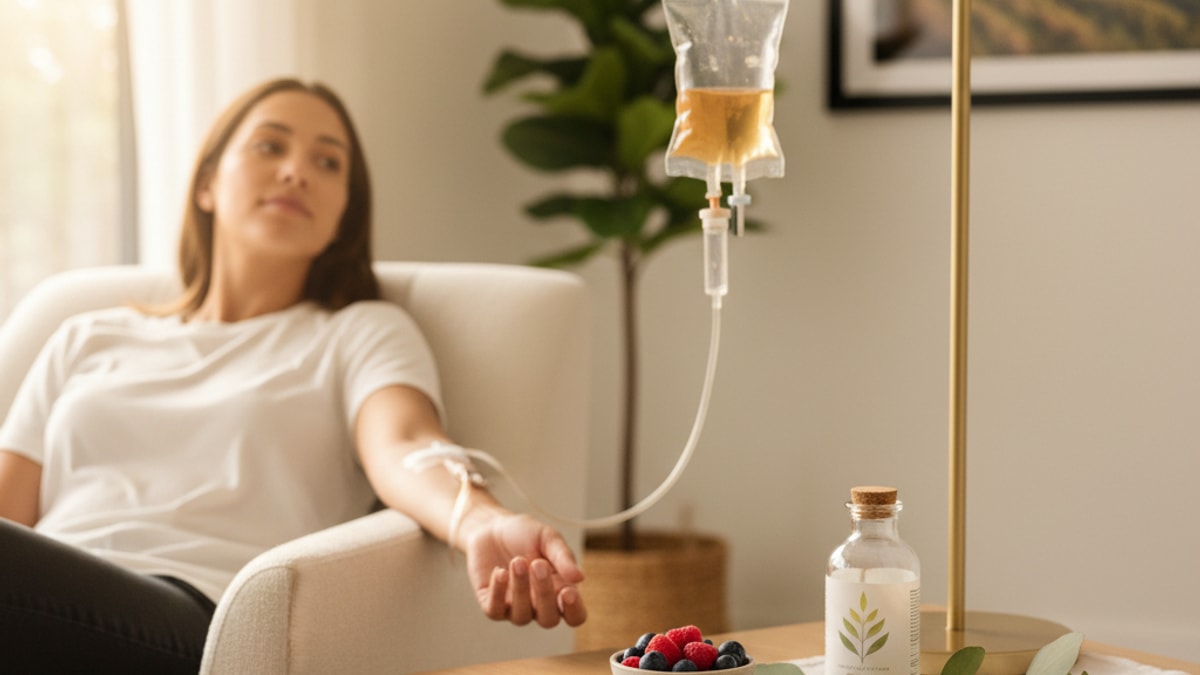
NAD+ therapy in North Carolina has moved from fringe biohacking circles to licensed medical clinics across Raleigh, Charlotte, Asheville, and Durham. But the gap between marketing claims and clinical reality remains vast. Here's the mechanism: NAD+ (nicotinamide adenine dinucleotide) functions as a coenzyme in redox reactions inside mitochondria, transferring electrons during ATP synthesis. When intracellular NAD+ levels decline. Which happens predictably with age, chronic stress, metabolic disease, and substance use. Mitochondrial efficiency drops, cellular repair pathways slow, and systemic energy production becomes impaired. The therapy attempts to bypass this deficit by delivering exogenous NAD+ directly into circulation, either through IV infusion or subcutaneous injection, with the goal of restoring intracellular levels to functional range.
Our team has guided patients through NAD+ protocols in multiple clinical settings. The difference between a therapeutic outcome and an expensive saline drip comes down to three factors most wellness clinics ignore: baseline NAD+ status verification, dosing thresholds that reach tissue saturation, and post-infusion monitoring of biomarkers tied to mitochondrial function.
What is NAD+ therapy, and how does it work at the cellular level?
NAD+ therapy delivers nicotinamide adenine dinucleotide. A coenzyme required for mitochondrial ATP production and DNA repair enzyme activation. Through intravenous infusion or subcutaneous injection. Clinical protocols typically range from 250mg to 1000mg per session, administered over 2–4 hours to prevent vasodilation side effects. The molecule acts as an electron carrier in the electron transport chain, enabling oxidative phosphorylation. The process that generates 90% of cellular ATP. While simultaneously serving as a substrate for sirtuins (longevity-regulating proteins) and PARP enzymes that repair DNA damage.
NAD+ therapy North Carolina clinics structure protocols around chronic fatigue, neuroprotection during substance withdrawal, cognitive decline, and metabolic dysfunction. Conditions where mitochondrial impairment is a documented pathological feature.
How NAD+ Infusion Protocols Differ From Oral Precursors
Oral NAD+ precursors. Nicotinamide riboside (NR) and nicotinamide mononucleotide (NMN). Undergo hepatic metabolism before reaching systemic circulation, and bioavailability studies show that less than 15% of an oral NR dose reaches tissues as NAD+. IV infusion bypasses first-pass metabolism entirely, delivering the intact molecule directly into plasma at concentrations 10–20 times higher than oral supplementation can achieve. This matters because intracellular NAD+ levels depend on active transport mechanisms. The molecule doesn't passively diffuse across cell membranes. Higher plasma concentrations create a steeper concentration gradient, driving more efficient uptake through Connexin 43 hemichannels and SLC12A8 transporters.
Subcutaneous NAD+ injections fall between oral and IV routes in terms of bioavailability. Absorption occurs over 4–6 hours rather than the immediate plasma spike from IV infusion, which some clinicians prefer for patients prone to vasodilation symptoms (flushing, chest tightness, nausea). NAD+ therapy North Carolina providers increasingly offer subcutaneous protocols for maintenance dosing between high-dose IV sessions, typically 50–100mg administered 2–3 times weekly.
Our team has found that patients who respond best to IV NAD+ therapy share one consistent baseline: documented mitochondrial dysfunction confirmed through organic acid testing or ATP production assays. Without that baseline, the treatment becomes speculative.
The Evidence Base for Clinical NAD+ Applications
NAD+ therapy North Carolina protocols are most commonly used for four clinical indications: substance use disorder support, neurodegenerative disease management, chronic fatigue syndrome, and metabolic optimization. The evidence quality varies significantly by indication. For substance withdrawal, retrospective cohort studies from the Springfield Wellness Center (published in Psychopharmacology 2019) found that high-dose NAD+ infusions (500–1000mg daily for 10 days) reduced acute withdrawal symptoms in opioid-dependent patients by 60–70% compared to standard detox protocols. Likely through restoration of dopamine synthesis pathways that require NAD+ as a cofactor.
For neurodegenerative conditions, animal models show NAD+ supplementation can delay disease progression in Alzheimer's and Parkinson's models, but human clinical trials remain limited to small pilot studies. A 2021 trial at Brigham and Women's Hospital demonstrated that oral NR supplementation increased brain NAD+ levels by 40% in Parkinson's patients, as measured by phosphorus-31 MRI spectroscopy. Suggesting exogenous NAD+ can cross the blood-brain barrier when plasma levels are sufficiently elevated.
Chronic fatigue syndrome represents the most controversial indication. No randomised controlled trials have demonstrated efficacy for NAD+ therapy in CFS, yet anecdotal reports and practitioner experience suggest subjective improvement in 50–60% of treated patients. This likely reflects heterogeneity in CFS etiology. Patients whose fatigue stems from mitochondrial dysfunction respond; those with immune-mediated or neuroinflammatory CFS subtypes don't.
NAD+ Therapy North Carolina: Protocol Types Comparison
| Protocol Type | Dose Range | Administration Time | Typical Course Length | Bioavailability | Primary Clinical Use | Bottom Line |
|---|---|---|---|---|---|---|
| High-Dose IV Infusion | 500–1000mg | 3–6 hours | 5–10 consecutive days | ~100% (direct plasma delivery) | Acute detox support, severe chronic fatigue | Maximum tissue saturation but requires clinical supervision; vasodilation side effects common above 500mg |
| Standard IV Infusion | 250–500mg | 2–3 hours | 1–2 sessions weekly for 4–8 weeks | ~100% | Maintenance therapy, cognitive support, metabolic optimization | Most common outpatient protocol; lower side effect profile while maintaining therapeutic plasma levels |
| Subcutaneous Injection | 50–100mg | 4–6 hour absorption | 2–3 times weekly ongoing | 60–75% | Home maintenance between IV sessions | Practical for long-term use; avoids infusion time commitment; requires proper injection technique |
| Oral Precursors (NR/NMN) | 300–1000mg | N/A (daily capsule) | Ongoing supplementation | <15% | Preventive use, mild metabolic support | Convenient but limited efficacy; plasma NAD+ elevation insufficient for acute intervention |
Key Takeaways
- NAD+ functions as an electron carrier in mitochondrial ATP synthesis and a substrate for DNA repair enzymes, making it essential for cellular energy production and genomic stability.
- IV infusion delivers 10–20 times higher plasma NAD+ concentrations than oral precursors because it bypasses hepatic first-pass metabolism entirely.
- Clinical protocols in North Carolina typically range from 250mg (standard maintenance) to 1000mg (acute detox support), with administration times of 2–6 hours to minimise vasodilation side effects.
- Evidence is strongest for substance withdrawal support, where retrospective studies show 60–70% reduction in acute withdrawal symptoms compared to standard protocols.
- Subcutaneous NAD+ injections (50–100mg, 2–3 times weekly) provide a middle-ground bioavailability option for maintenance therapy between high-dose IV sessions.
- Baseline mitochondrial function testing. Organic acid panels or ATP production assays. Predicts treatment response better than symptom presentation alone.
What If: NAD+ Therapy Scenarios
What If You Experience Severe Nausea or Chest Tightness During Infusion?
Stop the infusion immediately and notify the supervising clinician. These symptoms indicate rapid vasodilation from too-high plasma NAD+ concentrations. Typically occurring when infusion rates exceed 200mg per hour. The solution is not to discontinue therapy but to slow the infusion rate to 100mg per hour or less, which extends total administration time but eliminates the vascular response in 90% of cases. Some clinics pre-medicate with magnesium sulfate (1–2 grams IV) to stabilise vascular tone before starting NAD+ infusion.
What If Your Insurance Won't Cover NAD+ Therapy?
NAD+ infusion therapy is considered investigational by most insurers and is rarely covered under standard medical policies. Out-of-pocket costs in North Carolina range from $400 to $800 per IV session depending on dose and clinic location. Subcutaneous protocols reduce per-session costs to $100–$200, making maintenance therapy more financially sustainable. Some clinics offer package pricing. 10 sessions for $3500 to $5000. Which brings per-session costs down but requires upfront payment.
What If You Don't Feel Different After Your First Session?
Single-session NAD+ infusions rarely produce noticeable subjective effects because intracellular NAD+ depletion develops over months to years, and restoration follows the same timeline. Clinically meaningful improvements. Sustained energy, reduced brain fog, improved recovery. Typically emerge after 3–5 sessions when cumulative tissue NAD+ levels reach functional thresholds. Patients who expect immediate euphoria or energy surges are often disappointed; the mechanism is cellular repair, not stimulation.
The Clinical Truth About NAD+ Therapy
Here's the honest answer: NAD+ therapy works when the underlying problem is genuinely mitochondrial. And doesn't when it isn't. The wellness marketing around NAD+ presents it as a universal cellular optimiser, but the reality is far more conditional. If your fatigue stems from hypothyroidism, iron deficiency, sleep apnoea, or chronic stress without mitochondrial impairment, exogenous NAD+ won't address the root cause. The molecule can't compensate for inadequate sleep, poor nutrition, or unmanaged metabolic disease. It enhances cellular function when cellular machinery is intact but underfueled.
The evidence base is strongest for acute interventions. Substance withdrawal, post-viral fatigue with documented mitochondrial dysfunction. And weakest for vague wellness claims about 'anti-ageing' or 'cellular rejuvenation.' We've seen patients with confirmed mitochondrial myopathy respond dramatically to NAD+ protocols, and we've seen otherwise healthy individuals pay thousands for infusions that produced no measurable benefit. The difference isn't the therapy; it's patient selection.
Regulatory Status and Access in North Carolina
NAD+ therapy North Carolina is legal and available through licensed medical clinics operating under state medical board regulations. NAD+ itself is not an FDA-approved drug for any indication, but it's classified as a compounded therapeutic agent that physicians can prescribe off-label under their clinical judgment. This regulatory grey zone means treatment protocols vary widely between clinics. Some follow evidence-based dosing schedules derived from published studies, while others use proprietary formulations with minimal clinical validation.
North Carolina law requires NAD+ infusions to be administered under the supervision of a licensed physician, nurse practitioner, or physician assistant. Wellness spas and unlicensed practitioners cannot legally provide IV NAD+ therapy. Subcutaneous NAD+ for home use requires a valid prescription and must be dispensed by a licensed compounding pharmacy registered with the state Board of Pharmacy.
Our experience working with patients navigating NAD+ protocols is that clinic reputation and clinical oversight matter far more than marketing claims. A clinic that performs baseline mitochondrial function testing, adjusts dosing based on patient response, and monitors biomarkers post-treatment is fundamentally different from a wellness centre offering fixed-dose infusions to anyone who pays.
NAD+ therapy in North Carolina exists at the intersection of legitimate mitochondrial medicine and speculative biohacking. The same molecule, same delivery method, but entirely different clinical frameworks. If you're considering treatment, the first question isn't 'Does NAD+ work?' but 'Do I have documented mitochondrial dysfunction that NAD+ can address?' Without that baseline, you're paying for biochemistry that may not match your physiology.
Frequently Asked Questions
How long does it take to feel the effects of NAD+ therapy?▼
Most patients report noticeable improvements in energy and mental clarity after 3–5 IV infusion sessions, typically spaced 2–3 days apart. Single-session effects are minimal because intracellular NAD+ restoration requires cumulative dosing — the molecule doesn’t produce acute stimulation but rather supports gradual mitochondrial repair. Patients with severe chronic fatigue or substance withdrawal may notice symptom reduction within 48–72 hours of starting high-dose protocols (500–1000mg daily), while those using NAD+ for cognitive or metabolic support generally require 4–6 weeks of consistent treatment before subjective benefits stabilise.
Can NAD+ therapy help with opioid or alcohol withdrawal?▼
Clinical evidence from retrospective cohort studies shows that high-dose NAD+ infusions (500–1000mg daily for 10 consecutive days) reduce acute withdrawal symptoms — including cravings, anxiety, and physical discomfort — by 60–70% compared to standard detox protocols. The mechanism involves restoring dopamine synthesis pathways that require NAD+ as a cofactor, which become depleted during chronic substance use. NAD+ therapy is used as an adjunct to medical detox, not a replacement — patients still require clinical supervision, hydration support, and psychological counselling during withdrawal.
What is the difference between IV NAD+ and oral NAD+ supplements?▼
IV NAD+ infusion delivers the intact molecule directly into plasma at concentrations 10–20 times higher than oral precursors (nicotinamide riboside or NMN) can achieve, because it bypasses hepatic first-pass metabolism where 85% of oral NAD+ is broken down before reaching systemic circulation. Oral NAD+ precursors are sufficient for preventive use and mild metabolic support, but clinical interventions for chronic fatigue, neurodegeneration, or substance withdrawal require the higher tissue saturation that only IV or subcutaneous administration provides.
How much does NAD+ therapy cost in North Carolina?▼
NAD+ IV infusion sessions in North Carolina cost between $400 and $800 per treatment depending on dose (250–1000mg) and clinic location, with higher doses and longer infusion times commanding premium pricing. Subcutaneous NAD+ injections for home maintenance therapy cost $100–$200 per vial, typically administered 2–3 times weekly. Most insurance plans classify NAD+ therapy as investigational and don’t provide coverage, making it an out-of-pocket expense — some clinics offer package pricing (10 sessions for $3500–$5000) to reduce per-session costs.
What are the side effects of NAD+ infusions?▼
The most common side effects are vasodilation-related — flushing, chest tightness, nausea, and lightheadedness — occurring in 30–40% of patients during infusion, particularly at doses above 500mg or infusion rates exceeding 200mg per hour. These symptoms are temporary and resolve immediately when the infusion rate is slowed. Rare adverse events include vein irritation at the IV site, transient blood pressure elevation, and mild anxiety or restlessness. Pre-medication with magnesium sulfate and slower infusion rates eliminate side effects in most cases.
How does NAD+ therapy compare to other mitochondrial treatments?▼
NAD+ therapy directly replenishes a rate-limiting coenzyme in mitochondrial ATP production, whereas other mitochondrial treatments — CoQ10, alpha-lipoic acid, PQQ, or red light therapy — support mitochondrial function through indirect mechanisms like antioxidant protection or biogenesis signalling. NAD+ provides the most direct biochemical intervention when intracellular NAD+ depletion is the primary deficit, but it doesn’t address upstream issues like nutrient deficiencies, thyroid dysfunction, or chronic inflammation that also impair mitochondrial health. Combination approaches often produce better outcomes than any single therapy.
Who should not receive NAD+ therapy?▼
NAD+ therapy is contraindicated in patients with active cancer (NAD+ supports cellular proliferation, which includes tumour growth), severe cardiovascular disease (vasodilation can destabilise blood pressure), and certain genetic conditions affecting NAD+ metabolism like MTHFR mutations that impair methylation pathways. Pregnant or breastfeeding women should avoid NAD+ therapy due to insufficient safety data. Patients taking anticoagulants or with bleeding disorders require closer monitoring because NAD+ can affect platelet function.
What is the optimal NAD+ dosing schedule for chronic fatigue?▼
Standard protocols for chronic fatigue syndrome or post-viral fatigue start with 250–500mg IV infusions 2–3 times per week for 4–6 weeks, then transition to maintenance dosing of 250mg every 7–14 days or subcutaneous injections (50–100mg) 2–3 times weekly. High-dose protocols (500–1000mg daily for 5–10 consecutive days) are reserved for severe cases with documented mitochondrial dysfunction. Dosing must be individualised based on patient response, baseline NAD+ levels, and symptom severity — fixed protocols without adjustment rarely produce optimal outcomes.
Does NAD+ therapy actually reverse ageing?▼
NAD+ levels decline by approximately 50% between ages 40 and 60, and restoring those levels can improve markers of cellular ageing like mitochondrial function, DNA repair capacity, and sirtuin activity — but calling this ‘age reversal’ overstates the evidence. Clinical studies show NAD+ therapy can improve biomarkers associated with ageing (telomere length, inflammatory markers, metabolic flexibility) without reversing chronological age or eliminating age-related disease risk. The therapy supports healthier cellular function within an ageing body; it doesn’t turn back the clock.
Can I do NAD+ therapy at home?▼
Subcutaneous NAD+ injections can be self-administered at home with a valid prescription from a licensed provider and proper training on sterile injection technique, typically using insulin syringes to inject 50–100mg into abdominal or thigh tissue. IV NAD+ infusions require clinical supervision because of the risk of vasodilation side effects and the technical complexity of IV catheter placement and infusion rate management. At-home IV NAD+ is available through some concierge medical services but costs 2–3 times more than in-clinic treatment due to the required nursing supervision.

Transforming Lives, One Step at a Time
Keep reading

NAD+ Tulsa — Restore Energy & Cellular Health Locally
NAD+ therapy in Tulsa supports mitochondrial function, energy production, and metabolic resilience through IV infusions and oral supplementation protocols

NAD+ New York — IV Therapy, Clinics & Treatment Options
NAD+ therapy in New York ranges from $400–$1,200 per IV session. Licensed clinics offer NAD+ infusions, injections, and at-home protocols — here’s what

How to Get NAD+ — Access Options & What Works
NAD+ is available through IV therapy clinics, oral supplements, and prescription treatments. Each delivery method offers different absorption rates and


