How Long Does Food Take to Digest on Zepbound?
Introduction
Finishing a small dinner at 6:00 PM and still feeling completely full when you head to bed at 11:00 PM is a unique experience. For many people starting their weight loss journey, this persistent sensation of fullness is one of the first signs that their medication is working. If you are using this treatment, you have likely wondered exactly how long does food take to digest on Zepbound and why your body seems to have hit the slow-motion button. At TrimRx, we understand that these physical changes can feel overwhelming without the right context.
This post explores the biological mechanism of delayed gastric emptying, the specific timeline of digestion while on a dual-agonist medication, and practical ways to manage your nutrition. Our goal is to help you navigate these metabolic shifts with confidence and clarity. By understanding how your body processes food during treatment, you can better support your long-term health goals and minimize discomfort. If you are considering treatment, you can complete a free eligibility assessment.
Understanding the Digestive Slowdown
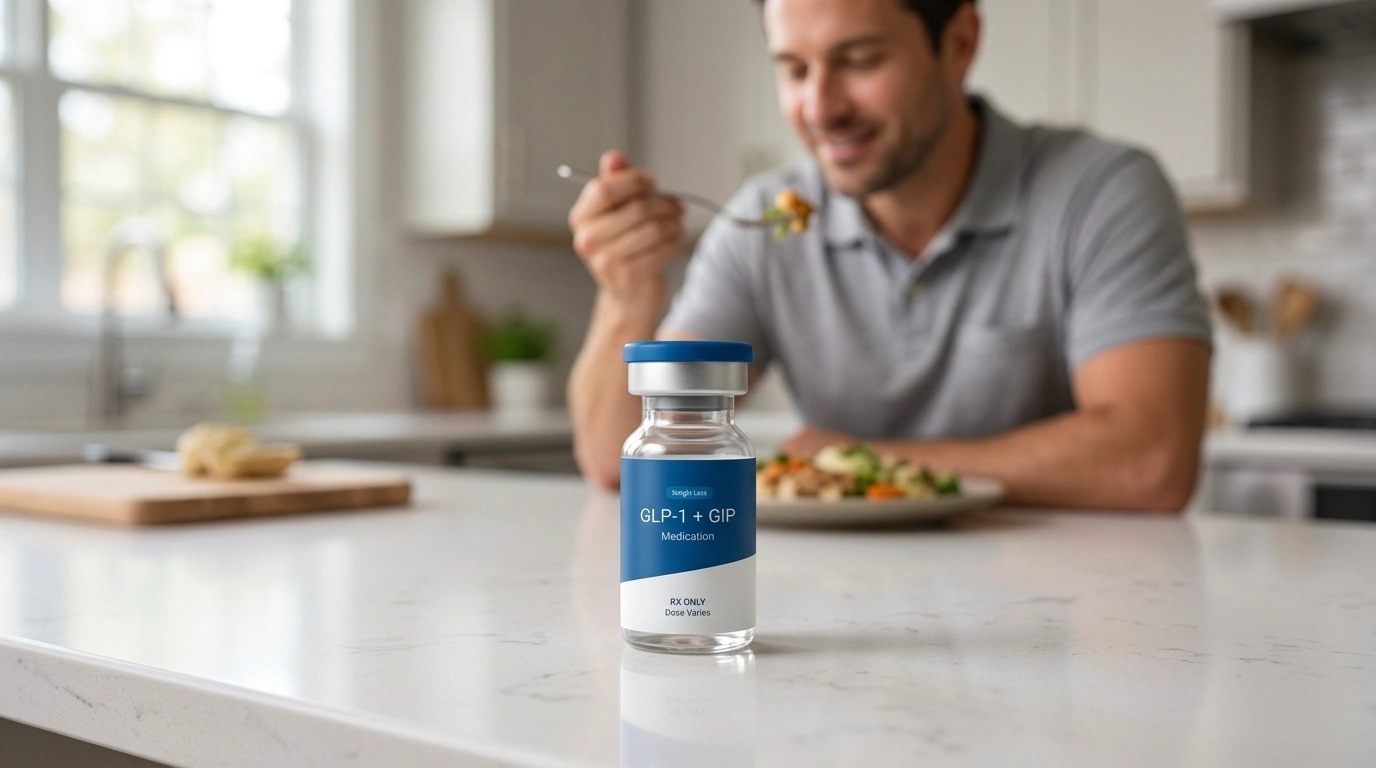
To answer the question of how long digestion takes, we must first look at what happens inside the stomach. Zepbound® is a medication that contains the active ingredient tirzepatide. This medication belongs to a class known as dual-receptor agonists. It works by mimicking two naturally occurring hormones in your body: glucagon-like peptide-1 (GLP-1) and glucose-dependent insulinotropic polypeptide (GIP).
The primary reason your digestion slows down is a process called delayed gastric emptying. Gastric emptying is simply the scientific term for the speed at which food leaves your stomach and enters your small intestine. Under normal circumstances, your stomach muscles contract rhythmically to push food forward. However, when the GLP-1 and GIP receptors are activated by medication, these contractions slow down significantly. For a broader explanation, read this guide on how GLP-1 medications help with weight loss.
Quick Answer: On Zepbound®, the time it takes for food to leave the stomach can be extended from the typical 2 to 4 hours to 6 or 8 hours, and sometimes longer. While the exact duration depends on the meal’s size and composition, the medication is designed to keep food in the stomach longer to promote lasting fullness.
Normal Digestion vs. Digestion on Tirzepatide
In a typical healthy adult not taking weight loss medications, the digestive timeline is fairly standard. After you swallow a meal, the stomach spends about two to four hours breaking down solids into a liquid-like substance before passing it into the small intestine. By the time six hours have passed, most of the stomach’s contents have moved further down the digestive tract. For additional context, see how long food stays in the stomach on Zepbound.
When you introduce a medication like Zepbound®, this “exit door” from the stomach stays closed for a longer period. This is a purposeful function of the drug, not a side effect. By slowing the rate at which the stomach empties, the medication ensures that your brain receives a steady stream of “I am full” signals.
| Stage of Digestion | Typical Timeline (No Medication) | Timeline on Zepbound® |
|---|---|---|
| Initial Breakdown | 30–60 minutes | 1–2 hours |
| Half-Emptying Point | 1.5–2 hours | 3–5 hours |
| Full Gastric Emptying | 2–4 hours | 6–10+ hours |
| Nutrient Absorption | 4–6 hours | 8–12+ hours |
This shift in timing is why many individuals report feeling “food noise” diminish. Since the stomach remains physically occupied for a larger portion of the day, the urge to snack or overeat is naturally suppressed.
Why the Body Hits the Pause Button
The dual-action nature of tirzepatide is what makes it distinct from other medications. While many people are familiar with GLP-1 medications like Ozempic® or Wegovy®, tirzepatide adds a second layer of support through GIP receptor activation.
The Role of GLP-1
GLP-1 (glucagon-like peptide-1) is a hormone released by your intestines after you eat. It tells your pancreas to release insulin, which helps manage blood sugar. Crucially for digestion, it also sends a signal to the stomach to slow down its movement. This hormone essentially acts as a brake for your digestive system.
The Role of GIP
GIP (glucose-dependent insulinotropic polypeptide) is another hormone that works alongside GLP-1. While it also helps with insulin secretion, it has a significant impact on how the brain perceives hunger and how the body stores fat. When these two hormones work together, they provide a more comprehensive approach to appetite regulation than GLP-1 alone. You can also review this tirzepatide side effects guide for more information about digestive changes during treatment.
Key Takeaway: The “slowed down” feeling is the result of your medication mimicking natural hormones that tell the stomach to hold onto food longer. This process is essential for creating the calorie deficit needed for weight loss.
Factors That Influence Your Digestive Speed
Even while on a consistent dose of medication, you may notice that some days you feel fuller than others. Several external factors can influence exactly how long food remains in your stomach.
Meal Composition: Fats and Fiber
What you eat has a massive impact on the “slow-down” effect. Fats are naturally the slowest macronutrient to digest. When you consume a high-fat or greasy meal while taking a medication that already delays emptying, the food can sit in the stomach for an exceptionally long time. This is often the primary cause of the nausea or “heavy” feeling many patients describe.
Fiber is also slow to process. While fiber is essential for gut health, eating very large amounts of raw, fibrous vegetables can lead to significant bloating because the stomach takes longer to break down those tough plant walls. For more meal-planning ideas, read what to eat before a Zepbound injection.
Hydration and Fluid Intake
Water is the engine of digestion. If you are dehydrated, your digestive tract may become sluggish. Staying hydrated helps the stomach break down solids into the liquid state required to pass into the small intestine. Without enough water, the delayed emptying can lead to discomfort or even constipation.
Dosage and Titration
The impact on your digestive speed usually correlates with your dosage. Most programs start with a low “loading dose” to allow your body to adapt. As the dosage increases over time, the delay in gastric emptying may become more pronounced. At TrimRx, our clinical partners emphasize the importance of a gradual titration schedule. This slow increase helps your digestive system adjust to the hormonal changes without causing severe distress.
Managing the Sensation of Fullness
Living with a slower digestive clock requires a change in habits. If you try to eat the same portions you did before starting treatment, you may experience significant discomfort. If you are exploring whether supervised treatment may be appropriate, you can see if you qualify for a personalized program.
Recognize Early Satiety
The “full” signal on these medications is often subtle at first but becomes very intense quickly. You might find that you feel satisfied after only half of your usual portion. It is important to stop eating at the first sign of satisfaction rather than waiting until you feel “stuffed.”
Prioritize Lean Protein
Because your stomach is processing food more slowly, you have limited “real estate” for nutrition. Protein is vital for maintaining muscle mass while you lose weight. Focusing on lean proteins like chicken, fish, or tofu ensures that the food sitting in your stomach provides the highest possible nutritional value. This nutrition guide for weight loss injections offers additional food-selection guidance.
Mindful Eating and Chewing
Since your stomach’s ability to mechanically break down food is slowed, you can help the process by chewing your food more thoroughly. The more you break down food in your mouth, the easier it is for your stomach to move it along.
Bottom line: Adjusting to a slower digestive pace means eating smaller, protein-rich meals and listening closely to your body’s signals to stop eating.
Potential Risks: When Slow Digestion Becomes a Problem
While delayed gastric emptying is a desired effect for weight loss, there is a point where it can become a medical concern. It is important to distinguish between the normal “full” feeling and a condition called gastroparesis.
What is Gastroparesis?
Gastroparesis, or stomach paralysis, occurs when the stomach muscles stop moving entirely or become so slow that food cannot pass into the small intestine at all. While rare, this is a serious condition. If food sits in the stomach for days, it can harden into a mass called a bezoar or lead to severe dehydration and malnutrition.
Note: If you experience persistent vomiting of undigested food that was eaten many hours or even days prior, or if you have severe abdominal pain that does not subside, you should contact a healthcare provider immediately.
Signs to Watch For:
- Vomiting undigested food hours after eating
- Severe upper abdominal pain
- A feeling of extreme fullness after only one or two bites
- Persistent, painful bloating that prevents daily activities
Your healthcare team can help determine if your symptoms are a standard part of the medication’s function or if they require a dosage adjustment or medical intervention. If constipation is part of the problem, this guide to tirzepatide-related constipation may provide helpful context.
Practical Steps for a Smooth Transition
If you are just beginning your program or are preparing for a dosage increase, follow these steps to help your digestive system handle the change.
Step 1: Shift to smaller meals. / Instead of three large meals, aim for five or six small snacks throughout the day. This prevents the stomach from becoming uncomfortably distended.
Step 2: Focus on hydration. / Sip water consistently throughout the day rather than gulping large amounts during meals, which can contribute to feeling overfull.
Step 3: Choose “pre-digested” foods. / Opt for cooked vegetables rather than raw ones and soups or smoothies if you are having a day where your stomach feels particularly slow.
Step 4: Stay upright after eating. / Use gravity to help your digestion. Avoid lying down for at least two to three hours after your last meal of the day.
The TrimRx Approach to Sustainable Weight Loss
We believe that weight loss is not just about a number on a scale; it is about how you feel throughout the process. Our platform is designed to provide more than just access to medication. We connect you with licensed providers who can monitor your progress and help you manage the physical shifts that come with GLP-1 and GIP treatments.
Whether you are using branded medications like Zepbound® or exploring options through FDA-registered, inspected compounding pharmacies for Compounded Tirzepatide, personalized support is the key to success. Our programs are built to be comprehensive, covering everything from the initial assessment to ongoing specialist support. We want to ensure that as your metabolism changes, you have the tools to stay comfortable and nourished. For additional energy support during weight loss, you can explore the Weight Loss Boost supplement.
Conclusion
The answer to how long food takes to digest on Zepbound® is not a single number, but a range that reflects your body’s new metabolic pace. By extending the digestive timeline, the medication allows you to feel satisfied with less, quieting the constant urge to eat. While a delay of 6 to 10 hours for gastric emptying is common and often necessary for weight loss, it does require a mindful approach to eating and hydration.
- Expect food to stay in your stomach for several hours longer than usual.
- Prioritize lean proteins and easy-to-digest cooked vegetables.
- Stay hydrated to keep your digestive system moving efficiently.
- Listen to your body’s early signals of fullness to avoid discomfort.
At TrimRx, we are committed to helping you navigate every step of this transformation with expert guidance and empathetic care. If you are ready to see how a personalized, medically supervised program can support your goals, your next step is simple.
Key Takeaway: Understanding your body’s new digestive rhythm is the secret to minimizing side effects and maximizing the benefits of your weight loss treatment.
If you’re ready to start your journey, take the free assessment quiz today to see which program is right for you.
FAQ
Is it normal to feel full the morning after a late dinner?
Yes, many people on Zepbound® or tirzepatide report feeling full the next morning. Because the medication slows gastric emptying, a meal eaten late in the evening may still be in the process of digesting when you wake up.
Can certain foods speed up digestion while on this medication?
While you cannot “override” the medication’s hormonal signals, staying hydrated and choosing liquid or soft foods (like soups or smoothies) can help food move through the stomach more easily. Avoiding high-fat, fried foods is the best way to prevent digestion from slowing down excessively.
How do I know if my digestion is “too slow”?
Standard “slow” digestion feels like lasting fullness and mild satiety. If you experience severe pain, persistent vomiting of undigested food, or an inability to keep down liquids, your digestion may be too slow, and you should consult a healthcare provider. You can also review this guide to managing tirzepatide side effects for additional context.
Does the slow digestion last forever?
For most people, the most intense digestive delays occur when they first start the medication or when they increase their dosage. Over time, the body often adapts, and while digestion remains slower than “normal,” the sensation of physical discomfort typically diminishes.
Disclaimer: This content is for informational purposes only and does not constitute medical advice. It is not intended to diagnose, treat, cure, or prevent any disease or condition. Individual results may vary. Always consult a qualified healthcare professional before starting any weight loss program or medication.

Transforming Lives, One Step at a Time
Keep reading

Why Is There a Bruise Where I Injected My Zepbound?
A bruise means a small blood vessel was disturbed under the skin and blood spread into the surrounding tissue. It is one of the…

My Zepbound Pen Won’t Click Past a Certain Dose
Start by checking which device you are holding, because the answer depends entirely on that. Zepbound has commonly been supplied in the United States…
Zepbound Alternatives: Your Options Compared
If Zepbound isn’t the right fit, the main alternative is semaglutide (sold as Wegovy), which produces slightly less weight loss but works similarly, along…


