Can I Take a Laxative While on Zepbound?
Introduction
Starting a new weight loss journey often brings a mix of excitement and a few unexpected physical adjustments. If you have recently begun taking Zepbound®, you might find that while your appetite has decreased, your digestive system has also slowed down significantly. Constipation is one of the most frequently discussed side effects among those using GLP-1 and GIP receptor agonists. It can be uncomfortable, distracting, and sometimes even painful, leading many to wonder if a quick over-the-counter fix is safe. At TrimRx, we believe that managing these side effects is a vital part of a successful long-term health strategy. If you want to see whether a personalized weight loss program is a fit for you, you can complete the free assessment quiz. This article will explain whether you can take a laxative while on this medication, which types are generally considered appropriate, and how our personalized approach helps you navigate these common digestive hurdles. The short answer is yes, you can typically use laxatives, but the type you choose and how you use them matters for your safety and comfort.
Why Zepbound Causes Digestive Changes
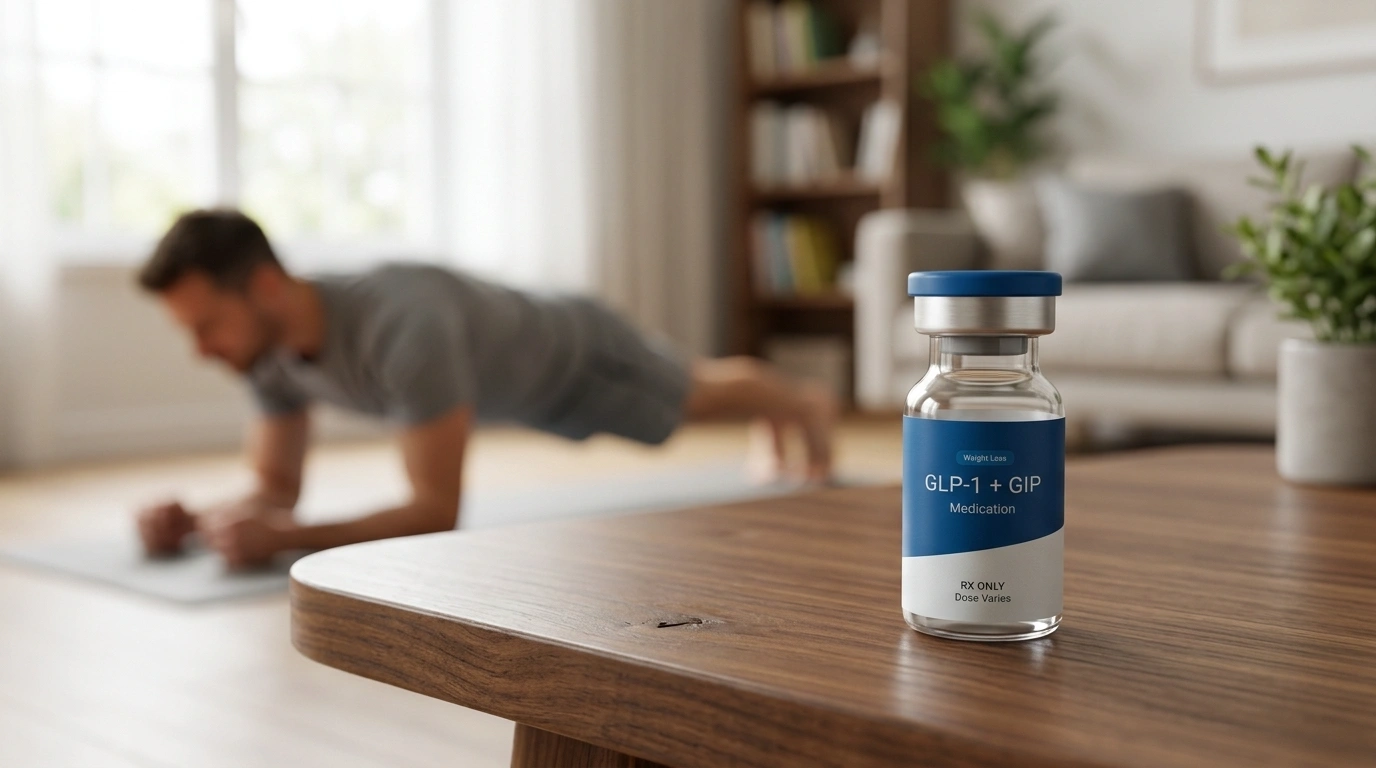
To understand how to treat constipation, it helps to understand why it happens in the first place. Zepbound® is a medication that contains the active ingredient tirzepatide. It belongs to a class of drugs known as dual agonists because it mimics two different hormones in the body: glucagon-like peptide-1 (GLP-1) and glucose-dependent insulinotropic polypeptide (GIP). These hormones play a major role in how your body processes sugar and how your brain perceives hunger.
One of the primary ways these hormones support weight loss is by slowing down gastric emptying. This is a clinical term for the speed at which food leaves your stomach and enters your small intestine. When food stays in your stomach longer, you feel full for a greater amount of time. While this is excellent for reducing calorie intake, it can have a secondary effect on the rest of your digestive tract. For a deeper look at why this happens, our guide on tirzepatide side effects and how to manage them explains the mechanism in more detail.
As the movement of food through your system—known as peristalsis—slows down, your colon has more time to absorb water from the waste passing through it. This can lead to stool becoming harder, drier, and more difficult to pass. For an individual who is also eating less or drinking fewer fluids due to a reduced appetite, this effect can be magnified.
Is It Safe to Take a Laxative?
In most cases, it is considered safe to take a laxative while using Zepbound®, provided you choose the right kind and consult with a healthcare professional first. Because the medication already changes how your gut functions, adding another substance that stimulates the bowels requires a cautious approach.
The main concern with combining these treatments is the risk of dehydration and electrolyte imbalance. Both Zepbound® and many laxatives can affect your fluid levels. If you use a strong laxative without drinking enough water, you might end up feeling worse, experiencing dizziness, or even worsening the constipation in the long run.
Quick Answer: Most patients can safely use mild laxatives like stool softeners or osmotic powders while on Zepbound®. However, you should always consult your prescribing provider to ensure the specific product will not interfere with your treatment or any underlying health conditions.
It is also important to note that because the medication slows your digestion, the way your body absorbs the laxative itself might be delayed. You might not see results as quickly as you did before starting your weight loss program. This delay can lead some people to take a second dose too soon, which can result in cramping or diarrhea later.
Choosing the Right Type of Laxative
Not all laxatives work the same way. When you are managing side effects from a GLP-1 or GIP medication, some categories are much gentler on the system than others.
Bulk-Forming Laxatives
These are often referred to as fiber supplements. They work by absorbing water to create larger, softer stools, which naturally triggers the intestines to contract. Common examples include psyllium husk or methylcellulose. These are generally considered a safe first-line option, but they require you to drink a significant amount of water to be effective.
Osmotic Laxatives
Osmotic laxatives work by drawing water from surrounding tissues into the colon. This extra moisture softens the stool and makes it easier to move through the slowed digestive tract. Polyethylene glycol, often found in products like MiraLAX, is a common osmotic laxative. Many providers prefer this type for patients on weight loss medications because it does not rely on harsh chemical stimulants.
Stool Softeners
Stool softeners, such as docusate sodium, do exactly what the name suggests. They allow water and fats to penetrate the stool, preventing it from becoming hard and “stuck.” These are often the gentlest option and are frequently used for mild, occasional discomfort.
Stimulant Laxatives
Stimulant laxatives are the most “aggressive” category. They work by irritating the lining of the intestines to force a contraction. While effective, they can cause significant cramping and may lead to dependency if used too often. Most healthcare providers suggest using these only as a last resort and for a very short period.
| Laxative Type | How It Works | Examples | Best For |
|---|---|---|---|
| Bulk-Forming | Adds volume and holds moisture | Psyllium husk, Metamucil® | Daily maintenance and fiber gaps |
| Osmotic | Draws water into the colon | MiraLAX®, Milk of Magnesia | Effective relief without cramping |
| Stool Softener | Softens waste for easier passage | Colace® | Preventing straining |
| Stimulant | Forces intestinal contractions | Dulcolax®, Senna | Short-term, acute relief only |
The TrimRx Approach to Managing Side Effects
At TrimRx, we recognize that weight loss is not just about a prescription; it is about how you feel every day during the process. Our platform connects you with licensed providers who take a personalized look at your health profile and history. When you complete our free assessment quiz, our partner doctors use that information to help tailor your program, which includes guidance on managing common issues like constipation.
We believe that transparency and support are the foundations of a successful lifestyle change. Rather than leaving you to guess which over-the-counter remedy is best, our program provides access to specialists who can offer clear, evidence-based advice. This level of care ensures that your journey toward a healthier weight is as comfortable and sustainable as possible.
Natural Strategies to Improve Regularity
Before reaching for a laxative, there are several lifestyle adjustments that can significantly improve your digestive health. These strategies are often more sustainable and help your body adjust to the medication naturally.
Prioritize Hydration
When your appetite is suppressed, your thirst cues may also be muted. Dehydration is a leading cause of constipation on Zepbound®. Aim to drink at least 80 to 100 ounces of water a day. If you find plain water boring, consider adding electrolytes or drinking herbal teas.
Increase Fiber Gradually
Fiber is essential, but adding too much at once can cause gas and bloating, especially when your digestion is already slow. Aim for 25 to 35 grams of fiber per day, but increase your intake over a week or two. Focus on whole foods like:
- Berries and apples (with the skin)
- Leafy greens and cruciferous vegetables
- Lentils, beans, and chickpeas
- Chia seeds and ground flaxseeds
Incorporate Gentle Movement
Physical activity helps stimulate the natural contractions of your intestines. You do not need to perform high-intensity workouts to see a benefit. A brisk 15-minute walk after your largest meal can do wonders for moving things along. Yoga poses that involve gentle twisting can also help massage the internal organs and promote regularity.
Monitor Your Portions
Because food stays in your stomach longer, eating very large meals can “back up” the system quickly. Many people find that eating five or six small, nutrient-dense meals throughout the day is much easier on the digestive tract than three traditional meals.
Key Takeaway: Prevention is the most effective way to handle constipation. Combining high water intake, gradual fiber increases, and daily movement can often reduce the need for laxatives entirely.
Potential Risks and Precautions
While taking a laxative is generally safe, there are specific situations where you should exercise caution. Using laxatives excessively can lead to a “lazy bowel,” where your digestive system begins to rely on the medication to function.
Important: Never use laxatives as a method for weight loss. They do not reduce calorie absorption; they only remove water and waste from the lower intestine. Misusing them can lead to dangerous dehydration and heart rhythm issues due to electrolyte loss.
You should also be mindful of the timing of your other medications. Because Zepbound® already slows down how quickly pills move through your stomach, and some laxatives speed up how quickly they move through your intestines, the combination can change how much of your other maintenance medications (like those for blood pressure or birth control) your body actually absorbs. Always discuss the timing of your doses with your healthcare provider.
When to Contact a Healthcare Professional
Most cases of constipation on a weight loss program are mild and temporary. However, there are “red flag” symptoms that require immediate medical attention. If you experience any of the following, do not try to treat it at home with laxatives; contact a provider right away:
- Severe Abdominal Pain: Sharp or cramping pain that does not go away.
- Vomiting: Especially if you are unable to keep any fluids down.
- No Bowel Movement for Several Days: If it has been more than three or four days despite trying home remedies.
- Blood in Stool: Any signs of rectal bleeding.
- Hard, Distended Abdomen: If your stomach feels very firm or looks visibly swollen.
In rare cases, severe constipation can lead to a bowel obstruction or a condition called gastroparesis (where the stomach stops moving entirely). While these are uncommon, they are serious and require professional diagnosis.
A Step-by-Step Plan for Relief
If you are currently struggling with constipation while on Zepbound®, follow these steps to find relief safely:
Step 1: Check your hydration. / Increase your water intake immediately. Ensure you are drinking consistently throughout the day, not just at mealtimes.
Step 2: Assess your fiber. / If you have been eating very little fiber, add a small serving of fruit or vegetables to your next meal. Consider a gentle fiber supplement if your diet is lacking.
Step 3: Try a gentle osmotic or stool softener. / If Step 1 and 2 do not work within 24 hours, an over-the-counter osmotic powder or stool softener is often the next logical step. If you are still deciding how to begin, you can take the free assessment quiz before your consultation.
Step 4: Consult your provider. / If you still have no relief after 48 hours, or if you feel significant discomfort, reach out to your healthcare team for a personalized recommendation or a prescription-strength option.
Supporting Your Metabolic Health
Weight loss is a complex process that involves more than just the number on the scale. It is about metabolic health, which includes how your body handles inflammation, blood sugar, and digestion. Medications like Zepbound® are powerful tools, but they work best when supported by a lifestyle that prioritizes gut health and nutrient density.
Using supplements like GLP-1 Daily Support or Weight Loss Boost can also be a helpful part of your routine. These are designed to provide the body with the specific nutrients and support it needs when you are consuming fewer calories or experiencing the unique demands of a GLP-1 or GIP medication. While they are not laxatives, they help support the overall environment your body needs to thrive during a weight loss program.
Conclusion
Managing the side effects of Zepbound® is a common part of the journey toward better health. While constipation can be frustrating, it is usually a manageable issue that responds well to lifestyle changes and the occasional, appropriate use of laxatives. At TrimRx, we are dedicated to helping you move past these obstacles with science-backed information and personalized care. Our mission is to provide an empathetic, professional environment where you have the tools to achieve sustainable results. By focusing on hydration, fiber, and the right medical guidance, you can keep your digestive system moving and stay focused on your goals.
Bottom line: Laxatives are generally safe to use with Zepbound® when chosen carefully, but they should supplement—not replace—healthy habits like drinking plenty of water and staying active.
If you are ready to start a program that offers medical supervision and a personalized path forward, the best first step is to complete the free assessment quiz.
FAQ
What is the best laxative to take with Zepbound?
Most healthcare providers recommend osmotic laxatives like polyethylene glycol (MiraLAX®) or stool softeners because they are effective without causing the harsh cramping associated with stimulants. Bulk-forming fiber supplements are also a great long-term option, provided you increase your water intake significantly. For more on the digestive side of treatment, see what to expect from tirzepatide side effects.
How long does constipation typically last on Zepbound?
For many people, digestive side effects are most noticeable when they first start the medication or when they increase their dosage. As your body adjusts to the medication over several weeks, these symptoms often diminish, especially if you are proactive about hydration and fiber intake.
Can I take a laxative every day while on this medication?
It is not recommended to use stimulant laxatives daily, as this can lead to dependency and electrolyte issues. However, some people may use fiber supplements or gentle stool softeners daily under the guidance of their healthcare provider to maintain regularity throughout their treatment. If you want more practical support for digestive wellness, see what to take with Zepbound for constipation.
Why did my constipation get worse when my dose increased?
Side effects like constipation are often dose-dependent, meaning they can become more pronounced as the amount of medication in your system increases. Higher doses lead to a greater delay in gastric emptying, which requires even more attention to your water and fiber habits to keep things moving. For a broader look at prevention strategies, read how to prevent constipation on Zepbound.
Disclaimer: This content is for informational purposes only and does not constitute medical advice. It is not intended to diagnose, treat, cure, or prevent any disease or condition. Individual results may vary. Always consult a qualified healthcare professional before starting any weight loss program or medication.

Transforming Lives, One Step at a Time
Keep reading

Why Is There a Bruise Where I Injected My Zepbound?
A bruise means a small blood vessel was disturbed under the skin and blood spread into the surrounding tissue. It is one of the…

My Zepbound Pen Won’t Click Past a Certain Dose
Start by checking which device you are holding, because the answer depends entirely on that. Zepbound has commonly been supplied in the United States…

Zepbound Alternatives: Your Options Compared
If Zepbound isn’t the right fit, the main alternative is semaglutide (sold as Wegovy), which produces slightly less weight loss but works similarly, along…


