What Medications Can You Not Take With Ozempic
Introduction
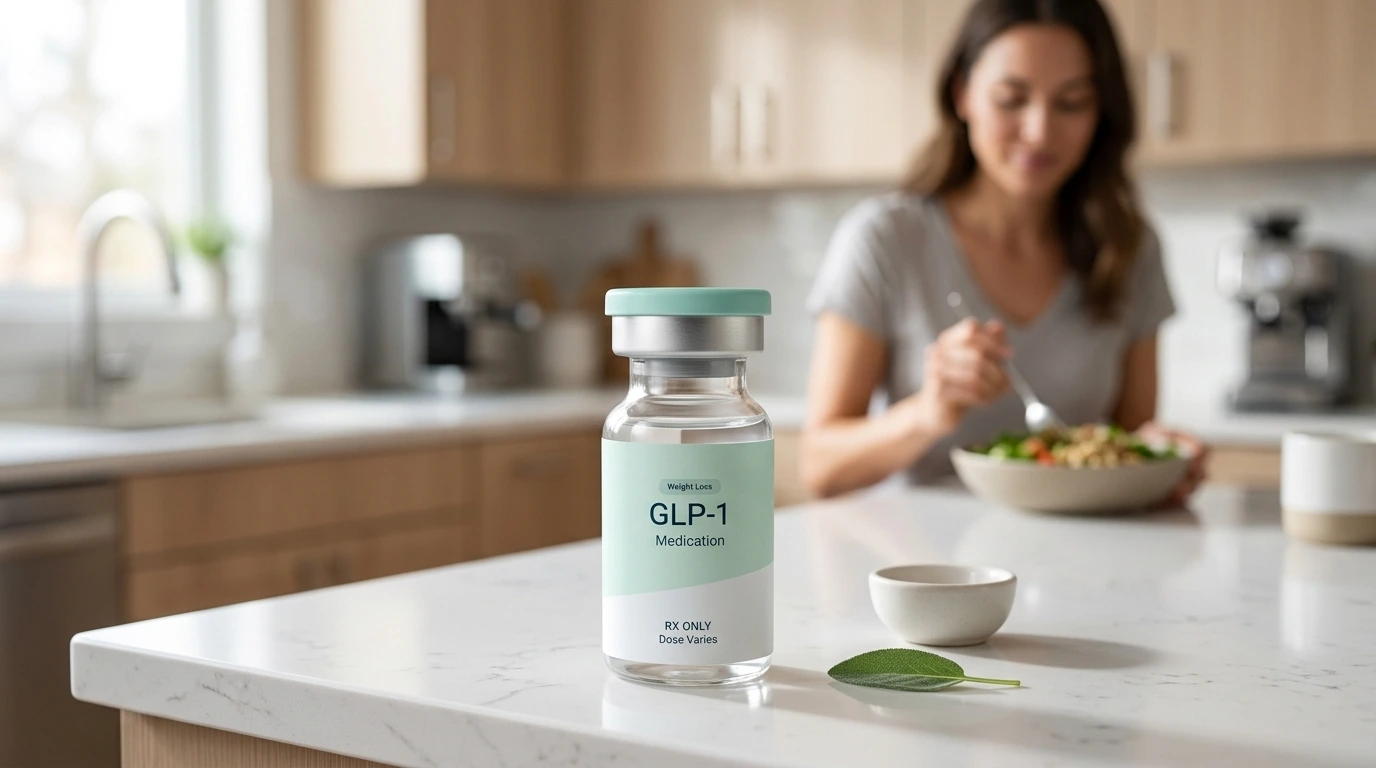
Starting a new health journey often brings a mix of excitement and hesitation. If you have been prescribed Ozempic® or are considering it for weight management, you may find yourself staring at your current medicine cabinet with a few questions. If you want a personalized review of your health profile, you can take the free assessment quiz to see whether a GLP-1 program may be a fit for you.
This post will explore the specific substances, prescriptions, and supplements that may interact with semaglutide—the active ingredient in Ozempic®. We will break down how these interactions occur, why certain combinations require extra caution, and what steps you can take to ensure your program remains effective. For a broader overview of how semaglutide works, our guide on how semaglutide supports weight loss is a helpful companion.
How Ozempic Interacts With Other Substances
To understand which medications might cause issues, it helps to first understand how a GLP-1 receptor agonist works. GLP-1 stands for glucagon-like peptide-1, a hormone naturally found in the body that helps regulate appetite and blood sugar. Ozempic® mimics this hormone to help the body release insulin more effectively and reduce the amount of sugar the liver produces.
One of the most significant ways this medication affects other drugs is by slowing down gastric emptying. This is the scientific term for the speed at which food and medicine move from your stomach into your small intestine. Because the medication keeps food in your stomach longer to help you feel full, it can also delay the absorption of oral medications. Our article on GLP-1 side effects and what to expect explains why that digestive slowdown matters so much.
Key Takeaway: Most interactions with Ozempic® occur because the medication slows down digestion, which can change how your body absorbs other pills you swallow.
Diabetes Medications and the Risk of Hypoglycemia
The most critical interactions involve other medications designed to lower blood sugar. When you combine two different treatments that both aim to reduce glucose, the effect can sometimes be too strong. This leads to a condition called hypoglycemia, or dangerously low blood sugar.
If you are trying to figure out whether a GLP-1 medication is the right next step, start with the assessment quiz so a licensed provider can review your current medications first.
Insulin
Insulin is a hormone used to help the body process sugar, and it is a cornerstone of treatment for many people with diabetes. Branded versions like Lantus®, Novolog®, or Humalog® are highly effective but carry an inherent risk of low blood sugar. When used alongside a GLP-1, the combined effect can cause blood sugar levels to drop more rapidly than expected.
If a healthcare provider determines that both are necessary, they often suggest a dosage adjustment. It is common for providers to lower the starting dose of insulin when introducing a GLP-1 to create a safer environment for the patient.
Sulfonylureas
Sulfonylureas are a class of oral medications that stimulate the pancreas to produce more insulin. Common examples include:
- Glipizide (Glucotrol®)
- Glimepiride (Amaryl®)
- Glyburide (DiaBeta®)
Similar to insulin, these drugs have a strong blood-sugar-lowering effect. Combining them with semaglutide increases the likelihood of experiencing symptoms like dizziness, shakiness, or confusion. If you are taking any of these, a personalized medical consultation is essential to determine the safest path forward.
Medications Sensitive to Absorption Timing
Because semaglutide slows down the digestive process, medications that require a very specific concentration in the blood to work correctly are the most affected. Even a slight delay in how these drugs enter the bloodstream can impact their safety or efficacy.
Narrow Therapeutic Index Drugs
Some medications have what doctors call a “narrow therapeutic index.” This means the difference between a dose that works and a dose that is toxic is very small. Examples of these medications include:
- Warfarin (Coumadin®): A blood thinner used to prevent clots. Small changes in absorption can make the blood too thin or not thin enough.
- Digoxin (Lanoxin®): A medication used for heart failure and certain heart rhythm issues.
- Theophylline: A drug used for asthma and other lung conditions.
If you are on these medications, your healthcare provider may want to perform more frequent blood tests when you first start a GLP-1 program. This ensures that the levels of these critical drugs remain within a safe range.
Thyroid Medications
Levothyroxine (Synthroid®, Unithroid®) is used to treat an underactive thyroid. It is notoriously sensitive to how it is absorbed. Usually, it must be taken on an empty stomach at the same time every day. Because semaglutide changes the environment of the stomach, it can sometimes lead to increased exposure to thyroid hormone. This doesn’t mean you can’t take them together, but it does mean your thyroid levels should be monitored closely by your doctor.
Oral Contraceptives
There has been significant discussion regarding birth control pills and GLP-1 medications. Because the “pill” needs to be absorbed at a consistent rate to maintain pregnancy prevention, some experts worry that delayed gastric emptying could theoretically lower its effectiveness. While current clinical data specifically for Ozempic® does not show a massive failure rate for oral contraceptives, many providers recommend using a backup method of birth control (like condoms) for the first few weeks of treatment or whenever a dose is increased.
Antibiotics and Antimalarials
Certain classes of antibiotics and antimalarial drugs can also interfere with blood sugar management. While these are often temporary prescriptions, it is important to be aware of their potential impact. If you are also managing side effects like nausea or appetite changes, our GLP-1 side effect support guide is worth reading.
- Quinolone Antibiotics: Drugs like Ciprofloxacin or Levofloxacin can cause fluctuations in blood sugar. In some people, they cause high blood sugar; in others, they cause a drop.
- Hydroxychloroquine (Plaquenil®): Often used for malaria prevention or autoimmune conditions like lupus, this medication can lower blood glucose levels independently, adding to the effect of your weight loss treatment.
Always inform any doctor prescribing an antibiotic that you are currently on a GLP-1 medication so they can choose the safest option for your specific health profile.
Vitamins, Herbs, and Over-the-Counter Supplements
Many people assume that because supplements are “natural,” they won’t interact with prescription medications. However, several common supplements affect the same pathways as Ozempic®.
Blood-Sugar-Lowering Supplements
If you take supplements designed to support “metabolic health” or “glucose balance,” you may be inadvertently increasing your risk of hypoglycemia. These include:
- Berberine: Often called “nature’s metformin,” it has a notable effect on blood sugar.
- Chromium: A mineral that helps insulin work better.
- Alpha-lipoic acid: An antioxidant often used for nerve health in diabetes.
- Gymnema Sylvestre: An herb known for reducing sugar absorption in the gut.
- Bitter Melon and Fenugreek: Traditional herbal remedies for high blood sugar.
Using these alongside a prescription GLP-1 can lead to unpredictable drops in glucose. If you are looking for a more targeted option during treatment, the GLP-1 Daily Support supplement is designed for people who want nutritional support while on GLP-1 therapy.
Vitamins and Minerals
Generally, most multivitamins (Vitamin D, B12, Vitamin C) do not have direct negative interactions with Ozempic®. In fact, many patients find that a high-quality multivitamin is beneficial, as the reduced calorie intake associated with weight loss can sometimes lead to nutritional gaps. However, because of the slowed digestion, you might find that some vitamins cause a bit more nausea if taken on an empty stomach.
Alcohol and Lifestyle Interactions
While alcohol is not a medication, it behaves like a drug in the body and can significantly impact your treatment. Alcohol can lower blood sugar because the liver prioritizes processing the alcohol over releasing stored glucose.
When combined with the appetite-suppressing effects of a GLP-1, you might find that you are eating less while drinking. This “double hit” of reduced food intake and alcohol processing can lead to severe dizzy spells or fainting. Furthermore, the gastrointestinal side effects of alcohol—like nausea and bloating—often mirror the side effects of Ozempic®, making for a very uncomfortable experience. We generally recommend limiting alcohol consumption, especially during the first few weeks of your program.
Health Conditions That Serve as Contraindications
Interactions aren’t just about what you swallow; they are also about your medical history. There are specific health conditions where using a GLP-1 medication is generally avoided due to the risk of serious complications. If you are unsure whether your history changes your eligibility, complete the free assessment quiz before starting any treatment.
Thyroid Cancer Risk
Ozempic® carries a boxed warning—the most serious warning issued by the FDA—regarding the risk of thyroid C-cell tumors. In animal studies, semaglutide was linked to these tumors. While it is not yet known if this translates to humans, the medication is contraindicated for anyone with:
- A personal or family history of Medullary Thyroid Carcinoma (MTC).
- Multiple Endocrine Neoplasia syndrome type 2 (MEN 2).
Pancreatitis
The pancreas is an organ that plays a vital role in digestion and insulin production. There have been reports of pancreatitis (inflammation of the pancreas) in patients taking GLP-1 medications. If you have a history of pancreatitis, your provider will likely explore alternative weight loss options with you.
Kidney Function and Dehydration
While the medication does not directly damage the kidneys, its side effects can. If a patient experiences severe nausea or vomiting and fails to stay hydrated, it can lead to acute kidney injury. Individuals with pre-existing kidney disease must be monitored very closely.
Bottom line: Your entire health history, including past surgeries and family history, is just as important as your current list of medications when determining if a GLP-1 program is safe for you.
How to Manage Potential Interactions Safely
Navigating the world of drug interactions doesn’t have to be overwhelming. By taking a proactive approach, you can minimize risks and focus on your results.
Step 1: Create a Master List Write down every prescription, over-the-counter drug, vitamin, and herbal supplement you take. Include the dosage and how often you take it. This list is your most powerful tool during a medical consultation.
Step 2: Use a Single Health Platform When you use a platform like TrimRx, you are connected with licensed providers who specialize in metabolic health. Because we manage your personalized program from start to finish, our team can look at your health profile holistically.
Step 3: Monitor and Report Symptoms As you begin your program, pay close attention to how you feel. If you notice signs of low blood sugar—such as trembling, cold sweats, or extreme hunger—record when they happen and what you had eaten or taken that day.
Step 4: The 15-15 Rule for Low Blood Sugar If you are taking medications that increase the risk of hypoglycemia, know how to treat it. If your blood sugar feels low:
- Eat 15 grams of fast-acting carbohydrates (like 4 ounces of juice or 3-4 glucose tablets).
- Wait 15 minutes.
- Check your symptoms again. If they haven’t improved, repeat the process.
The Role of Personalized Telehealth
At TrimRx, we understand that no two bodies are the same. A medication that works perfectly for one person might require a different approach for another based on their existing prescriptions. Our telehealth-first model is designed to bridge this gap.
When you complete our free assessment quiz, you provide the essential data our affiliated providers need to screen for these very interactions. Whether it is discussing the timing of your thyroid medication or checking for contraindications like a history of MEN 2, our specialists are dedicated to your safety.
Optimizing Your Treatment Journey
Beyond just avoiding negative interactions, you can also take steps to enhance the positive effects of your treatment. Many patients find that focusing on high-protein meals and proper hydration helps mitigate the common gastrointestinal side effects associated with GLP-1 medications.
If you are worried about nutrient absorption due to slowed digestion, we offer quick-access supplements like Weight Loss Boost. These are designed to complement your journey and provide metabolic support without the risks associated with unverified herbal “miracle” pills. If you want to understand the medication journey more fully, our guide on whether you should take tirzepatide for weight management offers another useful perspective.
Conclusion
Understanding what medications you can and cannot take with Ozempic® is essential for a safe weight loss journey. While most interactions—like those with thyroid meds or blood thinners—simply require careful monitoring, others—like insulin and sulfonylureas—require active dosage management to prevent hypoglycemia. By being transparent with your healthcare providers and staying vigilant about your body’s signals, you can successfully navigate these challenges.
Our mission at TrimRx is to simplify this process. We merge clinical expertise with a supportive, telehealth-first approach to ensure your weight loss program is as safe as it is effective. We are here to provide the personalized, science-backed guidance you need to reach your goals without the guesswork.
Ready to see if a personalized program is right for your health profile? Take our free assessment quiz today to start your journey toward a healthier, more vibrant you.
FAQ
Can I take ibuprofen or other pain relievers with Ozempic?
Yes, generally, over-the-counter pain relievers like ibuprofen (Advil®) or acetaminophen (Tylenol®) do not have a direct interaction with Ozempic®. However, since both ibuprofen and GLP-1 medications can occasionally cause stomach upset, taking them together might increase the risk of nausea or indigestion. It is always best to take pain relievers with a small amount of food if your program allows.
Is it safe to take Ozempic if I am on antidepressants?
Most antidepressants, such as SSRIs (like Prozac® or Zoloft®), are safe to take alongside a GLP-1 medication. Some research suggests that certain antidepressants may slightly alter blood sugar levels, so it is important to mention these to your provider during your initial assessment. Slowed digestion may also slightly delay how quickly you feel the effects of your daily dose, but this rarely requires a change in treatment.
Do I need to stop taking my multivitamins while on a weight loss program?
In most cases, you do not need to stop taking standard multivitamins. In fact, many people benefit from nutritional support while their calorie intake is reduced. The only caution is for supplements that specifically target blood sugar lowering, such as berberine or high-dose chromium, which should be discussed with a doctor first. If you want a more structured option, the GLP-1 Daily Support supplement may be a helpful fit.
Will Ozempic interfere with my blood pressure medication?
There is no direct negative interaction between most blood pressure medications and Ozempic®. Interestingly, many patients find that as they lose weight on a GLP-1 program, their blood pressure naturally improves. It is important to stay in touch with your primary care physician, as they may eventually need to lower your blood pressure medication dosage as your health improves.
Disclaimer: This content is for informational purposes only and does not constitute medical advice. It is not intended to diagnose, treat, cure, or prevent any disease or condition. Individual results may vary. Always consult a qualified healthcare professional before starting any weight loss program or medication.

Transforming Lives, One Step at a Time
Keep reading

What “Ozempic Vulva” Really Is and Why Weight Loss Changes It
If you’ve noticed that your vulva looks different after losing weight on a GLP-1 medication, you’re not imagining it, and you’re not alone. “Ozempic…

Ozempic Alternatives: Your Options Compared
If Ozempic isn’t the right fit, whether because of cost, side effects, availability, or results, you have real alternatives. The closest ones are other…
Ozempic vs Wegovy: Same Drug, Different Purpose
Here’s the fact that surprises most people: Ozempic and Wegovy are the same medication (semaglutide), just sold under different brand names, at different doses,…


