Can You Take Berberine While on Tirzepatide?
Introduction
The search for a weight loss breakthrough often leads people to wonder if combining a natural supplement with a prescription medication can maximize results. You may have seen berberine trending on social media, often called “nature’s Ozempic®,” and wondered if adding it to a regimen involving tirzepatide could help you overcome a plateau or speed up your progress. At TrimRx, we understand the desire to use every tool available to reach your health goals, but combining potent bioactive substances requires a careful, evidence-based approach. While both berberine and tirzepatide influence metabolic pathways, their combined effects on your blood sugar and digestive system can be significant. This article explores the relationship between these two compounds, the potential risks of using them together, and how to safely navigate your path toward sustainable weight management. Our goal is to help you understand the clinical implications of this combination so you can make informed decisions with your healthcare provider.
Quick Answer: While there is no absolute prohibition against taking berberine and tirzepatide together, the combination significantly increases the risk of hypoglycemia (low blood sugar) and severe gastrointestinal distress. You should only combine these substances under the direct supervision of a licensed healthcare professional who can monitor your metabolic response.
Understanding Berberine: The “Metabolic Switch”
Berberine is a bioactive alkaloid compound extracted from several different plants, including goldenseal, barberry, and Oregon grape. It has a long history in traditional medicine, but modern science has identified it as a powerful tool for metabolic health. The primary mechanism of berberine involves the activation of an enzyme inside cells called adenosine monophosphate-activated protein kinase (AMPK).
AMPK is often referred to as a “metabolic master switch” because it plays a crucial role in regulating energy levels and metabolism. When berberine activates this switch, it can help the body improve its sensitivity to insulin and reduce the amount of glucose produced by the liver. It also helps the body break down sugars inside cells more efficiently. Because it affects how the body processes sugar, many people view it as a natural support for metabolic health.
However, it is a mistake to think that because berberine is “natural,” it is weak. It has a profound physiological impact on internal chemistry. Research suggests it may also influence the gut microbiome and support healthy cholesterol levels, but its potency is what makes its interaction with prescription medications so important to evaluate. For a broader comparison, read our guide to how berberine differs from GLP-1 medications.
How Tirzepatide Works in the Body
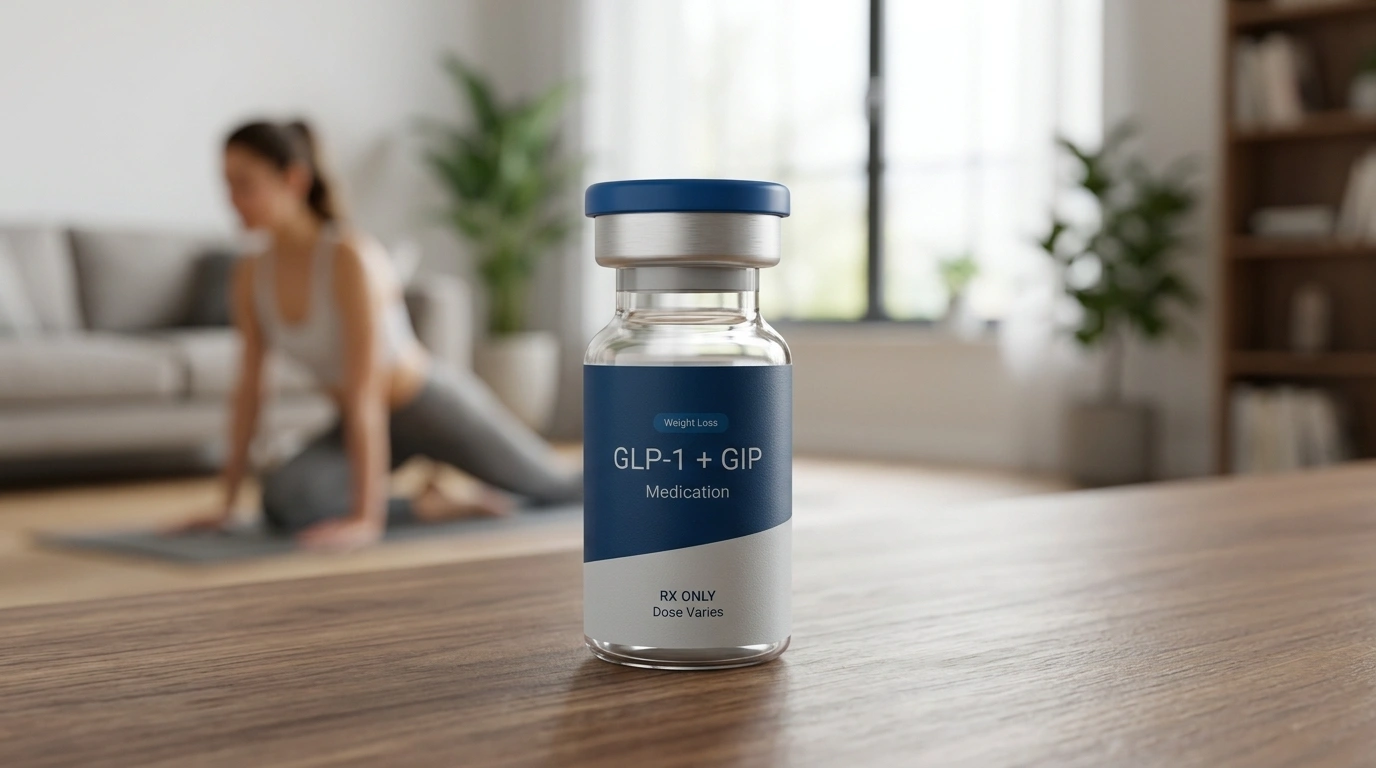
Tirzepatide is a modern prescription medication used for chronic weight management and the treatment of type 2 diabetes. It is a dual-acting receptor agonist, which means it mimics the action of two naturally occurring hormones in the body: glucagon-like peptide-1 (GLP-1) and glucose-dependent insulinotropic polypeptide (GIP). This dual action is what sets it apart from older medications that target only the GLP-1 pathway.
The GLP-1 component works by signaling the brain to feel full and slowing down the speed at which the stomach empties. This helps reduce appetite and overall calorie intake. The GIP component is thought to complement this by further improving glucose metabolism and potentially influencing how the body stores fat. Tirzepatide is the active ingredient in branded medications like Mounjaro® and Zepbound®.
Because tirzepatide is highly effective at regulating blood sugar and appetite, it is often a cornerstone of the medically supervised programs we support. Many patients access this treatment through personalized programs that utilize compounded tirzepatide. These medications are prepared by FDA-registered, inspected compounding pharmacies to meet specific patient needs. It is important to note that while the pharmacies are regulated, compounded medications themselves are not FDA-approved.
Key Takeaway: Tirzepatide targets two different hormonal pathways (GLP-1 and GIP) to manage hunger and blood sugar, making it a very potent metabolic tool that requires careful management when combined with other substances.
If you are exploring whether prescription treatment may be appropriate for you, you can complete a free eligibility assessment.
The Safety Profile of the Combination
The most pressing question for many is whether these two can be taken at the same time safely. While there is a lack of large-scale clinical trials specifically studying the interaction between berberine and tirzepatide, we can look at their individual mechanisms to predict potential risks. The primary concern is that their effects are additive.
When you take two different substances that both lower blood sugar and affect digestion, the combined impact might be much stronger than either one alone. For someone already on a therapeutic dose of tirzepatide, adding berberine could potentially push the body’s metabolic markers into an unsafe range.
The Risk of Hypoglycemia
Hypoglycemia, or low blood sugar, occurs when your blood glucose drops below the level your body needs to function properly. Since both tirzepatide and berberine are designed to manage and lower blood sugar by increasing insulin sensitivity and reducing glucose production, using them together creates a “double-hit” effect.
For many healthy individuals, the body has mechanisms to prevent dangerous drops in sugar, but these mechanisms can be overwhelmed by multiple agents. If you are using tirzepatide and decide to add berberine, you must monitor yourself closely for signs of low blood sugar. These symptoms can be subtle at first but can become dangerous quickly.
Common symptoms of hypoglycemia include:
- Dizziness or lightheadedness
- Shakiness or tremors in the hands
- Sudden sweating or chills
- Rapid or irregular heartbeat
- Confusion, irritability, or mood swings
- Extreme hunger or sudden fatigue
If you experience these symptoms, it is a clear indication that the combination may be too aggressive for your metabolic profile. Always consult a provider immediately if you notice these changes.
Compounding Gastrointestinal Side Effects
Both tirzepatide and berberine are known for causing gastrointestinal (GI) side effects, and this is perhaps the most common reason people find the combination difficult to tolerate. Tirzepatide works partly by slowing down gastric emptying—the speed at which food leaves your stomach. This is great for feeling full, but it can also lead to nausea, bloating, and constipation as the body adjusts. For additional guidance, review these tirzepatide side effects and management strategies.
Berberine is notorious for causing what is sometimes called “berberine belly.” In higher doses, it can cause diarrhea, stomach cramps, and gas. When you combine these two, you are doubling the potential for digestive upset. The slowed digestion from tirzepatide may mean that the berberine stays in your system longer or interacts differently with your gut lining, potentially turning mild side effects into significant discomfort.
Bottom line: The primary risk of combining these two is “over-correcting” the body’s glucose levels or causing severe digestive distress that can lead to dehydration or nutrient malabsorption.
Pharmacological Considerations: Absorption and Enzymes
Beyond blood sugar and digestion, there is the question of how the body processes these substances. The liver uses various enzymes to break down medications and supplements so they can be eliminated from the body.
Berberine has been shown in some studies to inhibit certain enzymes, specifically the CYP450 family. These enzymes are responsible for metabolizing a wide variety of medications. While tirzepatide is a peptide that is primarily broken down into amino acids rather than relying heavily on the CYP450 system, many individuals taking tirzepatide are also taking other medications for blood pressure, cholesterol, or mental health.
If berberine slows down the metabolism of those other drugs, it could lead to higher-than-intended levels of those medications in your bloodstream. Furthermore, because tirzepatide slows down the movement of the digestive tract, it can change the “transit time” of oral supplements like berberine. This could either delay the effects of the supplement or lead to unpredictable absorption rates.
The “Nature’s Ozempic” Myth
The nickname “nature’s Ozempic” has led many to believe that berberine is a direct substitute or a perfect “booster” for GLP-1 medications. It is important to clarify that while berberine does have a minor effect on GLP-1 secretion in the gut, its primary pathway (AMPK) is fundamentally different from the direct, high-potency receptor stimulation provided by tirzepatide.
Myth: Berberine is a natural version of tirzepatide and will double your weight loss results.
Fact: Berberine works through different metabolic pathways and lacks the clinical potency of tirzepatide; combining them has not been proven to increase results and may increase risks.
While berberine is a respected supplement for metabolic health, it does not possess the same targeted weight-loss power as tirzepatide. Attempting to use it as a “booster” often leads to disappointment or unnecessary side effects rather than accelerated fat loss. For most people, the clinical-grade medication is doing the heavy lifting, and the supplement may only add risk without a proportional increase in reward.
Why Professional Supervision is Essential
At TrimRx, we emphasize that weight loss is a clinical process, not just a matter of taking pills or supplements. Our platform connects you with licensed providers who can look at your entire health profile, which is crucial when considering supplements like berberine. A healthcare provider can evaluate your current dosage of tirzepatide, your baseline blood sugar levels, and your history of kidney or liver function.
Self-prescribing supplements while on a powerful GLP-1/GIP medication bypasses these essential safety checks. A professional may advise you to wait until you have reached a stable maintenance dose of tirzepatide before considering any additions, or they may suggest more targeted supplements that don’t carry the same hypoglycemia risk.
Steps to take before combining berberine and tirzepatide:
- Consult your provider: Discuss your interest in berberine and why you feel it is necessary.
- Review your labs: Ensure your kidney and liver function are healthy.
- Monitor blood sugar: If your provider clears the combination, use a glucose monitor to check for dips.
- Start low: If approved, start with the lowest possible dose of the supplement.
- Track GI symptoms: Keep a log of any nausea, diarrhea, or bloating.
If you are considering a supervised prescription program, you can see if you qualify for personalized care.
Managing Plateaus Without Extra Supplements
Many people look toward berberine because they feel their weight loss has slowed down. It is normal to experience plateaus during a weight loss journey as the body adjusts to a new set point. Instead of adding more glucose-lowering agents, there are safer ways to optimize your results on tirzepatide. Our guide explains why tirzepatide weight loss plateaus happen.
We often recommend focusing on nutrient density and hydration. When your appetite is reduced, it becomes harder to get all the essential vitamins and minerals your body needs to function. Supporting your body’s general health can often do more for your energy levels and metabolic rate than adding a bioactive supplement.
We offer options like GLP-1 Daily Support, which is designed to provide essential nutrients that may be lacking during treatment. Supporting your gut health with probiotics or ensuring adequate protein intake can also help maintain muscle mass, which is critical for a healthy metabolism.
Key Takeaway: Optimizing your weight loss on tirzepatide is often about supporting your body’s foundational needs—protein, hydration, and micronutrients—rather than adding more metabolic stimulants.
The Role of Lifestyle and Nutrition
It is easy to forget that medications like tirzepatide are intended to be used alongside lifestyle changes. If you are considering berberine to “boost” your results, it may be worth examining your daily habits first.
Because tirzepatide slows digestion, the types of food you eat matter more than ever. High-fiber foods, lean proteins, and adequate water intake are essential for managing side effects and ensuring the medication works effectively. If your diet is high in processed sugars or fats, berberine will not be able to counteract those choices as effectively as simple dietary adjustments.
Moreover, strength training is a vital part of any tirzepatide protocol. Since rapid weight loss can lead to muscle loss, maintaining your muscle mass through resistance exercise ensures that your metabolic rate stays high. This “natural boost” is much more sustainable and carries far fewer risks than mixing supplements and prescriptions.
Who Should Absolutely Avoid This Combination?
While most people should exercise caution, certain individuals should completely avoid mixing berberine and tirzepatide unless under strict clinical observation:
- Individuals with Type 1 Diabetes: The risk of severe hypoglycemia is too high.
- People on Insulin or Sulfonylureas: These medications already lower blood sugar significantly; adding both tirzepatide and berberine can be dangerous.
- Those with Chronic Kidney Disease: Both substances can affect kidney load and hydration status.
- Individuals with a History of Severe GI Disorders: Conditions like gastroparesis (paralyzed stomach) can be worsened by the effects of these substances.
- Pregnant or Nursing Women: Berberine and GLP-1 medications are generally not recommended during pregnancy or breastfeeding.
Understanding the Difference: Compounded vs. Branded
If you are navigating the world of tirzepatide, you will likely encounter both branded and compounded options. Branded medications like Ozempic®, Wegovy®, Mounjaro®, and Zepbound® are FDA-approved for their specific indications.
Compounded tirzepatide, which we facilitate through our platform, provides a personalized alternative. These are often used when a patient needs a specific dosage not available in branded pens or when there are supply shortages. While the ingredients are the same, the preparation method is different. Regardless of which version you use, the interaction with berberine remains the same. The clinical potency of the tirzepatide molecule is what creates the risk when paired with berberine, not the brand name on the label.
For more context on this topic, read about compounded tirzepatide side effects and safety considerations.
How to Talk to Your Healthcare Provider
If you feel strongly about adding berberine to your routine, coming to your telehealth consultation prepared can help. Instead of asking “Can I take this?”, try asking: “Based on my current metabolic labs and my response to tirzepatide, would adding a low dose of berberine be safe for my blood sugar levels?”
This approach allows the provider to give you a personalized answer based on your health data. They might suggest a different supplement, such as our Weight Loss Boost supplement, which is designed to complement a healthy lifestyle without the same level of blood sugar interference.
Bottom line: Your safety is the priority. A slow and steady approach to weight loss is always more sustainable than a high-risk “boost” that leads to side effects or medical complications.
Conclusion
Combining berberine and tirzepatide is a decision that moves you into a “grey area” of clinical research. While both have individual benefits for metabolic health, their combination creates a risk of hypoglycemia and significant gastrointestinal distress. Instead of looking for a quick fix through supplement stacking, the most successful journeys are those that focus on personalized, medically supervised care. TrimRx is dedicated to providing that science-backed, empathetic support, ensuring you have access to the right medications and the guidance needed to use them safely. We believe in a transparent approach where your health profile dictates your treatment plan, not the latest social media trend. To see if a personalized weight loss program is right for you, we invite you to take the next step with a free assessment quiz.
Next Step: If you are ready to explore a personalized, medically supervised weight loss program, the best place to start is with our free assessment quiz. If you are already on a program and looking for ways to support your body, consider exploring our quick-access supplements like GLP-1 Daily Support.
FAQ
Can berberine replace tirzepatide for weight loss?
No, berberine cannot replace tirzepatide as a direct substitute. While berberine supports metabolic health and blood sugar, tirzepatide is a much more potent clinical medication that targets specific hormonal receptors to reduce appetite and improve glucose processing.
What should I do if I feel dizzy while taking both?
Dizziness can be a sign of hypoglycemia or dehydration. You should stop taking the berberine immediately, consume a small amount of fast-acting carbohydrates (like fruit juice), and contact your healthcare provider to discuss your symptoms and blood sugar levels. If you are not currently working with a provider, you can complete a free assessment to begin discussing your options.
Does berberine help with tirzepatide plateaus?
There is no clinical evidence that berberine helps break plateaus specifically caused by tirzepatide. Most plateaus are best managed by adjusting your medication dosage, increasing protein intake, or incorporating resistance training into your routine under medical guidance.
Are there any supplements that are safe to take with tirzepatide?
Many people safely take multivitamins, protein supplements, and specific nutrient supports like GLP-1 Daily Support. However, any supplement that significantly lowers blood sugar or affects digestion should be cleared by a licensed healthcare professional before you start.
Disclaimer: This content is for informational purposes only and does not constitute medical advice. It is not intended to diagnose, treat, cure, or prevent any disease or condition. Individual results may vary. Always consult a qualified healthcare professional before starting any weight loss program or medication.

Transforming Lives, One Step at a Time
Keep reading

Marathon Training on Tirzepatide When You Can’t Fuel
You have a plan on the fridge and a medication that has made eating feel optional. Those two things are in genuine conflict, and…

Paying Cash for Tirzepatide? Don’t Stretch Your Supply
When every vial comes out of your own pocket, the arithmetic is hard to ignore. If a month’s supply costs what it costs, and…

Working Around Food All Day on Tirzepatide When You Can’t Eat It
There are two separate problems here and they have different answers. One is physical: food smells, especially hot fat and fried food, make nausea…


