Can You Take Mounjaro and Glipizide Together? Safety and Risks
Introduction
Managing type 2 diabetes often feels like a balancing act, especially when your healthcare provider suggests adding a new medication to your existing routine. If you are currently taking glipizide and are considering starting Mounjaro®, you likely have questions about how these two treatments interact. The transition to advanced metabolic treatments like dual-agonist medications is a significant step toward better health, but it requires a clear understanding of how different prescriptions work in tandem.
At TrimRx, we believe that every individual deserves a personalized path to wellness that prioritizes safety and clinical evidence. While it is possible to take these medications together, doing so requires careful medical supervision and potential dosage adjustments. This article will explain the mechanism behind this drug interaction, the risks of hypoglycemia (low blood sugar), and how our platform supports you in navigating these complexities through expert-led telehealth consultations. The following sections will help you understand the clinical landscape of dual therapy so you can have an informed conversation with a licensed professional.
Understanding Mounjaro and Glipizide
To understand how these medications interact, it is first necessary to look at what they are and how they affect your body’s glucose management systems. Both are designed to lower blood sugar, but they do so through very different biological pathways.
What is Mounjaro?
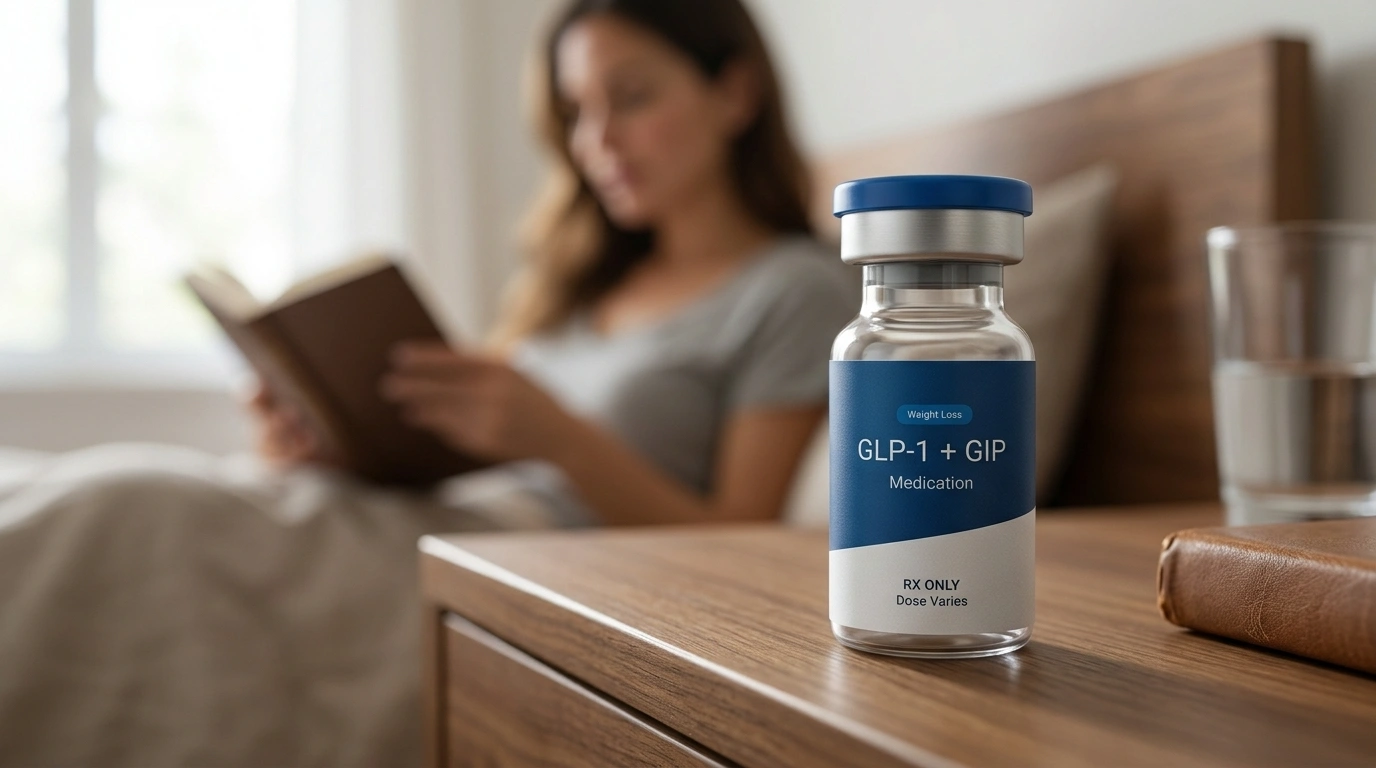
Mounjaro® (tirzepatide) is a first-of-its-kind medication known as a dual GLP-1 (glucagon-like peptide-1) and GIP (glucose-dependent insulinotropic polypeptide) receptor agonist. In plain English, this means it mimics two natural hormones in the body that help regulate blood sugar and appetite. When you eat, these hormones signal your pancreas to release insulin and your liver to stop producing excess sugar. Additionally, tirzepatide slows down “gastric emptying,” which is the rate at which food leaves your stomach. This helps you feel full longer and prevents sharp spikes in blood sugar after meals.
What is Glipizide?
Glipizide belongs to an older class of medications called sulfonylureas. It is often referred to as an “insulin secretagogue.” Unlike newer medications that only trigger insulin release when blood sugar is high, sulfonylureas like glipizide act as a “nudge” to the pancreas, encouraging it to secrete more insulin throughout the day. While highly effective at lowering blood glucose, this constant stimulation of the pancreas means the medication works regardless of whether your blood sugar is already at a healthy level.
Key Takeaway: Mounjaro works by mimicking hormones that respond to glucose levels and slowing digestion, while glipizide directly stimulates the pancreas to produce more insulin.
The Interaction: Why Caution is Required
When a healthcare provider considers prescribing both Mounjaro and glipizide, the primary concern is a synergistic effect. Synergy occurs when two drugs work together to produce a result greater than the sum of their individual effects. Because both medications are designed to lower blood sugar, taking them at the same time can cause blood glucose levels to drop too far, too fast.
For a broader overview of this interaction, read TrimRx’s guide to compounded tirzepatide drug interactions.
The Mechanism of Hypoglycemia
The most significant risk of combining a GLP-1/GIP receptor agonist with a sulfonylurea is hypoglycemia, or dangerously low blood sugar. Clinical studies have shown that while Mounjaro has a relatively low risk of causing hypoglycemia when used on its own, that risk increases significantly when it is added to a regimen that includes an insulin secretagogue like glipizide.
When you take glipizide, your pancreas is already being pushed to release more insulin. When you add Mounjaro to the mix, you are adding a second layer of insulin stimulation and a reduction in glucagon (a hormone that raises blood sugar). If these two forces are not balanced correctly, the body may end up with more insulin than it needs to process the glucose in the bloodstream, leading to a “crash.”
Delayed Gastric Emptying and Absorption
Another factor to consider is how Mounjaro affects the absorption of other oral medications. Because it slows down the rate at which the stomach empties, it may change how quickly your body absorbs glipizide. While this does not usually change the overall amount of medication in your system, it can change the timing of when the medication hits its peak effect. This timing shift makes consistent monitoring even more vital.
Identifying the Symptoms of Low Blood Sugar
If you and your healthcare provider decide that a combination of Mounjaro and glipizide is the right clinical path for you, you must become an expert at identifying the early warning signs of hypoglycemia. Low blood sugar can come on suddenly and requires immediate action.
For additional context, review this guide to Mounjaro and low blood sugar.
Common symptoms of hypoglycemia include:
- Shakiness or tremors: A feeling of jitters in the hands or limbs.
- Sweating and chills: Often a “cold sweat” that occurs even in cool environments.
- Dizziness or lightheadedness: Feeling unsteady when standing or moving.
- Fast heartbeat: Palpitations or a racing pulse.
- Extreme hunger: A sudden, intense craving for food, often accompanied by irritability (sometimes called “hangry”).
- Nervousness or anxiety: An unexplained feeling of unease.
- Blurred vision: Difficulty focusing on objects.
- Confusion: Difficulty concentrating or feeling “foggy.”
Note: Severe hypoglycemia can lead to loss of consciousness or seizures. If you experience symptoms that do not improve after consuming fast-acting sugar, or if you feel you are losing alertness, seek emergency medical attention immediately.
Managing the Dual-Medication Approach
The key to successfully using these two medications together is proactive management and open communication with your medical team. We emphasize a “start low and go slow” approach to ensure your body has time to adjust to new treatments.
Dosage Adjustments
When starting Mounjaro, many doctors will choose to proactively reduce the dose of glipizide. This preemptive strike helps lower the baseline risk of hypoglycemia before the dual-agonist medication reaches its full therapeutic levels. As you move through your program, your provider may continue to tweak these dosages based on your daily blood sugar readings.
For more information about dose changes and sulfonylurea interactions, explore Mounjaro dosing and medication adjustments.
The Importance of Monitoring
Frequent blood glucose monitoring is non-negotiable when combining these classes of drugs. You may be asked to check your blood sugar:
- Before meals and at bedtime.
- Whenever you feel symptoms of a “low.”
- Before driving or operating heavy machinery.
- After intense physical activity.
If you are considering a prescription GLP-1 or dual-agonist program, you can complete a free eligibility assessment.
The 15/15 Rule for Treatment
If you do experience a hypoglycemic episode (typically defined as blood sugar below 70 mg/dL), the 15/15 rule is the standard recommended treatment:
- Step 1: Consume 15 grams of fast-acting carbohydrates. This could be 4 ounces of fruit juice, 3-4 glucose tablets, or a tablespoon of honey. (Avoid chocolates or cookies, as the fat slows down the sugar absorption).
- Step 2: Wait 15 minutes for the sugar to enter your bloodstream.
- Step 3: Recheck your blood sugar. If it is still below 70 mg/dL, repeat the process.
Who Should Exercise Extra Caution?
While the combination of Mounjaro and glipizide requires care for everyone, certain individuals are at a higher risk for complications. Clinical profiles that require more intensive screening include:
- Individuals with Renal (Kidney) Impairment: Sulfonylureas like glipizide are primarily cleared through the kidneys. If kidney function is decreased, the medication can stay in the system longer, increasing the risk of prolonged hypoglycemia.
- Older Adults (Aged 65+): Seniors are often more sensitive to the glucose-lowering effects of medications and may have a harder time recognizing the symptoms of low blood sugar.
- Those with Liver Disease: The liver plays a crucial role in glucose production; if it is compromised, the body’s natural defense against low blood sugar is weakened.
- People with Gastroparesis: Since Mounjaro already slows stomach emptying, those with pre-existing severe digestive delays may experience worsened gastrointestinal side effects.
Bottom line: While combining these medications is a valid clinical strategy, it is a complex decision that must be made by a licensed healthcare provider after a thorough review of your medical history and current health status.
How TrimRx Supports Your Journey
Navigating the world of GLP-1 medications and traditional diabetes treatments can be overwhelming. At TrimRx, we aim to simplify the process while maintaining the highest standards of clinical safety. Our platform connects you with licensed healthcare providers who specialize in metabolic health and weight management.
When you use our services, you aren’t just getting a prescription; you are getting a dedicated partner in your health. Our medical team takes the time to review your current medications, including glipizide, to determine if a GLP-1 or dual-agonist medication like tirzepatide is safe and appropriate for you.
Our personalized programs include:
- Online Medical Consultations: No waiting rooms or inconvenient appointments. You can discuss your health goals and concerns with a provider from the comfort of your home.
- Compounded Options: We work with FDA-registered, inspected compounding pharmacies to provide access to medications like Compounded Tirzepatide and Compounded Semaglutide. These are specifically prepared to meet individual patient needs when branded versions may not be the right fit.
- Ongoing Support: Our team is available to help you manage side effects and answer questions about medication interactions as they arise.
- Transparent Care: We provide clear guidance on what to expect, from potential side effects to the logistics of your treatment plan.
To explore whether a personalized program may fit your health profile, take the free assessment quiz.
Integrating Lifestyle and Supplement Support
Successful weight management and glucose control involve more than just injections or pills. It requires a holistic approach that supports your body’s natural processes. For those on a metabolic health journey, we offer targeted supplements designed to complement your treatment.
If you are concerned about maintaining steady energy levels or managing the digestive changes that come with GLP-1 treatments, our GLP-1 Daily Support supplement can be a valuable addition to your routine. For those looking to optimize their metabolism alongside their prescribed program, the Weight Loss Boost provides a blend of nutrients intended to support healthy energy expenditure.
Key Takeaway: Medication is a powerful tool, but it works best when supported by a balanced diet, consistent movement, and high-quality nutrient support.
Starting Your Path with TrimRx
If you are currently taking glipizide and are interested in exploring the benefits of a GLP-1 or dual-agonist program, the first step is to see if you are a candidate for treatment. Our process is designed to be thorough yet accessible, ensuring that your safety remains the top priority.
Step-by-Step Onboarding Process
Step 1: Complete the Free Assessment Quiz.
Visit our platform and fill out a comprehensive health questionnaire. This quiz covers your medical history, current medications (including any sulfonylureas or insulin), and your weight loss goals.
Step 2: Connect with a Licensed Provider.
A healthcare professional will review your assessment to determine your eligibility. They will look specifically at potential drug interactions to ensure that adding a new medication to your current regimen is safe.
Step 3: Receive Your Personalized Treatment Plan.
If approved, your provider will develop a program tailored to your needs. This may include a prescription for Compounded Tirzepatide or Compounded Semaglutide, which will be shipped directly to your door from one of our partner pharmacies.
Step 4: Begin Your Supervised Journey.
Once you receive your medication, you can start your program with the confidence that you have 24/7 access to our team of specialists. We will help you monitor your progress and make any necessary adjustments to your plan.
Myth vs. Fact: Combining Diabetes Medications
Myth: If I start Mounjaro, I have to stop taking all my other diabetes pills immediately.
Fact: You should never stop or change your medication without a doctor’s instruction. Many people continue their existing medications at adjusted doses while their body acclimates to a new treatment.
Myth: Hypoglycemia is only a concern for people who take insulin.
Fact: Sulfonylureas like glipizide are among the most common causes of drug-induced low blood sugar, especially when combined with other glucose-lowering agents.
Myth: Compounded medications are exactly the same as branded ones.
Fact: Compounded Semaglutide and Compounded Tirzepatide are prepared in specialized pharmacies to meet specific patient needs. While they contain the same active ingredients as branded products like Wegovy® or Zepbound®, they are not “FDA-approved” in the same way the branded, mass-produced versions are. However, they are made in FDA-registered and inspected facilities.
Conclusion
The question of whether you can take Mounjaro and glipizide together is one that highlights the importance of personalized, medically supervised care. While these two powerful medications can be used in tandem to improve metabolic health and support weight loss, the risk of hypoglycemia is a real factor that cannot be ignored. By working with a dedicated medical team, monitoring your glucose levels closely, and understanding the warning signs of low blood sugar, you can safely navigate this combination.
Our mission at TrimRx is to empower you with the tools, the technology, and the clinical expertise needed to take control of your health. We believe in a future where weight loss is not a struggle of willpower, but a journey supported by science and empathy. Whether you are just beginning to research your options or are ready to start a supervised program, we are here to guide you every step of the way.
Ready to take the next step toward a healthier you? Start your journey today by taking our free online assessment to see if our personalized programs are right for your health profile.
FAQ
What should I do if my blood sugar drops while taking both Mounjaro and glipizide?
If you experience symptoms like shakiness, sweating, or confusion, immediately check your blood sugar if possible. Follow the 15/15 rule: consume 15 grams of fast-acting sugar (like juice or glucose tablets), wait 15 minutes, and recheck. If your levels remain low or your symptoms are severe, contact a healthcare professional or emergency services immediately.
Why would a doctor prescribe Mounjaro if I am already taking glipizide?
A doctor may add Mounjaro to your regimen if your current blood sugar levels are not meeting your target goals or if you are seeking the weight loss benefits associated with dual-agonist medications. The goal is often to provide a more comprehensive approach to metabolic health that addresses both glucose control and weight management simultaneously.
Can I drink alcohol if I am taking both of these medications?
You should exercise extreme caution with alcohol, as it can significantly increase the risk of hypoglycemia when taken with glipizide or Mounjaro. Alcohol prevents the liver from releasing glucose into the bloodstream, which can lead to a dangerous drop in blood sugar levels, especially on an empty stomach. Consult your provider about what is safe for your specific situation.
Will I eventually be able to stop taking glipizide if the Mounjaro works well?
In many cases, as the Mounjaro begins to effectively manage blood sugar levels and support weight loss, a healthcare provider may gradually reduce the dose of glipizide or even discontinue it entirely. However, this must only be done under strict medical supervision to ensure your blood sugar remains stable during the transition. If you need help determining whether a supervised program is appropriate, start with the free assessment.
Disclaimer: This content is for informational purposes only and does not constitute medical advice. It is not intended to diagnose, treat, cure, or prevent any disease or condition. Individual results may vary. Always consult a qualified healthcare professional before starting any weight loss program or medication.

Transforming Lives, One Step at a Time
Keep reading
When You and Your Spouse Are Both on Mounjaro
It is increasingly common for both people in a couple to be on the same medication. Sometimes one partner starts and the other follows…
Black Friday Shopping on Mounjaro
For a lot of families, Black Friday is a tradition: lining up before dawn, racing through stores with a list, and shopping until the…

Mounjaro Alternatives: What Else to Consider
If Mounjaro isn’t the right fit, the closest alternatives are other GLP-1 medications, chiefly semaglutide (Ozempic for diabetes, Wegovy for weight), along with a…


