Can You Take Mounjaro If You Had Pancreatitis?
Introduction
Choosing a weight loss medication is a significant milestone, but it often comes with a list of safety questions, especially if you have a complex medical history. If you have previously experienced inflammation of the pancreas, you may be asking yourself: can you take mounjaro if you had pancreatitis? This is a vital question because Mounjaro®, and other medications in its class, interact directly with the metabolic systems that involve the pancreas. At TrimRx, we believe that transparency and clinical safety are the foundations of any successful weight management journey. In this article, we will examine the relationship between tirzepatide—the active ingredient in Mounjaro®—and pancreatic health. We will cover clinical trial data, warning signs to monitor, and how a personalized medical assessment, starting with our free assessment quiz, can help determine the safest path forward for your specific health profile.
What is Mounjaro and How Does it Affect the Pancreas?
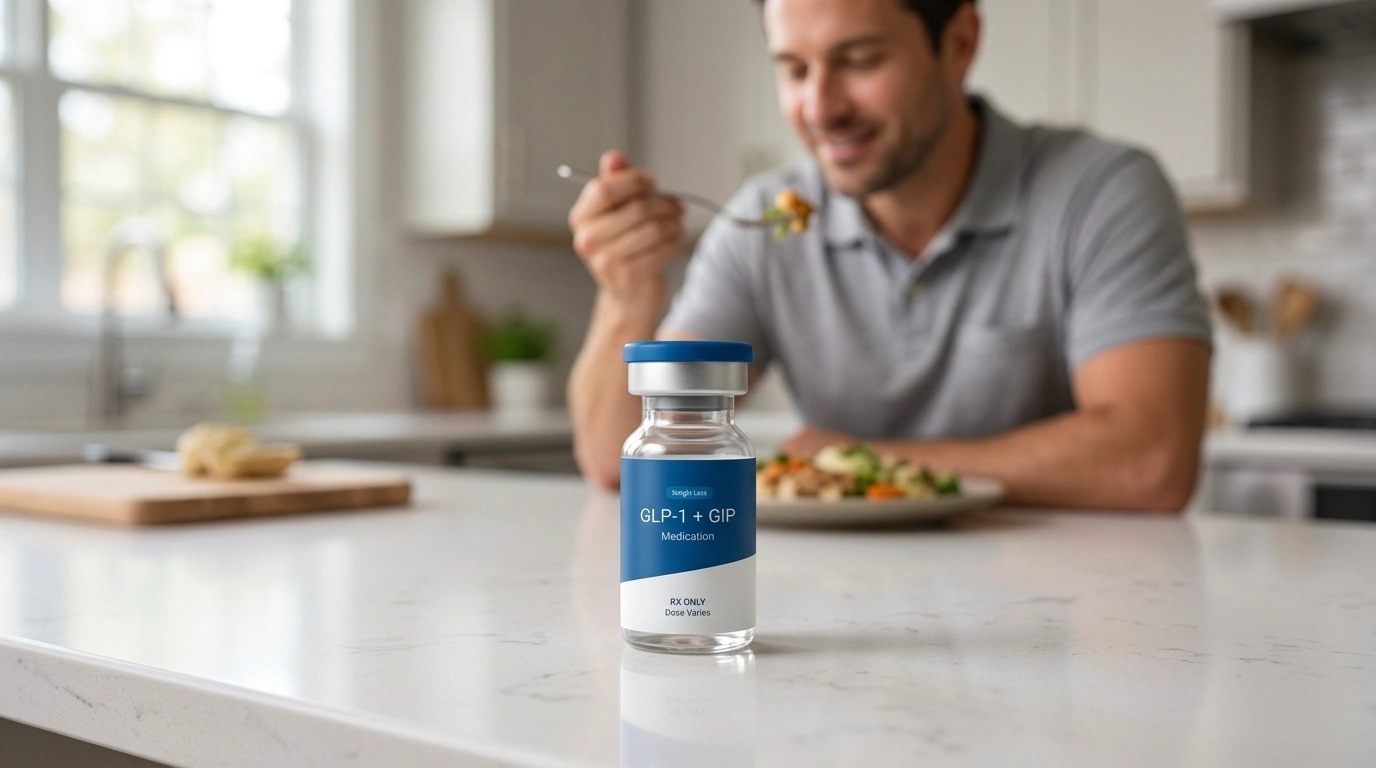
Mounjaro® is a prescription medication known as a dual glucose-dependent insulinotropic peptide (GIP) and glucagon-like peptide-1 (GLP-1) receptor agonist. In plain English, this means it mimics two natural hormones in the body that help regulate blood sugar and appetite. While many people are familiar with what GLP-1 does, the addition of GIP is what makes tirzepatide unique.
The pancreas is a small but powerful organ located behind the stomach. It has two primary roles: the endocrine function, which involves releasing insulin and glucagon to manage blood sugar, and the exocrine function, which involves producing enzymes like amylase and lipase to help digest food. Because Mounjaro® works by stimulating insulin release, it interacts directly with the pancreatic tissues.
Clinical research has shown that medications in this class can cause the pancreas to produce higher levels of digestive enzymes. For most people, these elevations are slight and do not cause any physical symptoms or health issues. However, because the pancreas is being stimulated, there is a theoretical concern about inflammation, also known as pancreatitis.
Can You Take Mounjaro If You Had Pancreatitis?
The short answer is that a history of pancreatitis is generally considered a significant precaution or a contraindication by many healthcare providers. For a deeper look at the evidence, see our tirzepatide pancreatitis risk factors and safety profile. When Mounjaro® was being tested in clinical trials, individuals with a known history of pancreatitis were typically excluded from the studies. This means there is very little clinical data regarding how the medication affects someone who has already suffered from pancreatic inflammation.
Most medical guidelines and the official prescribing information for tirzepatide state that the medication has not been studied in patients with a history of pancreatitis. Because of this lack of data, providers often err on the side of caution. If you have a history of acute or chronic pancreatitis, a licensed healthcare professional will need to weigh the potential benefits of weight loss against the potential risk of a recurrence of inflammation.
Key Takeaway: While a history of pancreatitis does not always result in an absolute “no,” it is a major clinical red flag that requires a deep-dive consultation with a medical provider to ensure your safety.
Understanding the Clinical Risk Levels
It is important to look at the actual numbers to put the risk in perspective. In large-scale clinical trials involving thousands of participants, the incidence of acute pancreatitis was remarkably low. If you’re tracking labs like lipase or amylase, our guide to how tirzepatide can affect blood tests explains why those numbers sometimes shift.
- Trial Data: Rates of pancreatitis in those taking tirzepatide ranged from 0.2% to 0.4%.
- Comparison: In many of these same trials, the group taking a placebo (a “sugar pill” with no active medicine) showed nearly identical rates of pancreatitis.
- General Population: The risk of developing pancreatitis from Mounjaro® is statistically much lower than the risk associated with common factors like gallstones or heavy alcohol consumption.
Despite the low statistical risk, the severity of pancreatitis means it cannot be ignored. For an individual who has already experienced the intense pain and hospitalization associated with this condition, even a 0.3% risk may feel too high. This is why a personalized approach is so critical.
Why Pancreatitis History Matters to Your Provider
When you fill out a health assessment for a platform like TrimRx, questions about your history of pancreatitis, gallbladder issues, or family history of specific cancers are not just “check-the-box” questions. They are essential safety filters.
If a patient has had pancreatitis in the past, a doctor needs to know the cause. For example:
- Gallstone-induced pancreatitis: If the gallbladder has since been removed, the risk of a recurrence might be lower.
- Alcohol-induced pancreatitis: If the individual continues to consume alcohol, the risk of a recurrence while on a GLP-1 or GIP medication could be higher.
- Hypertriglyceridemia (High Fats in the Blood): If high triglycerides caused the initial bout of pancreatitis, the provider must ensure those levels are managed before starting a new medication.
Our approach focuses on identifying these nuances. If you want a broader primer on the medication class, read GLP-1 injections explained.
The Difference Between Acute and Chronic Pancreatitis
If you are researching “can you take mounjaro if you had pancreatitis,” it helps to know which type you had, as the clinical implications differ.
Acute Pancreatitis
Acute pancreatitis is a sudden bout of inflammation that usually resolves after treatment. Once the inflammation is gone, the pancreas may return to normal function. If the cause was a “one-off” event (like a passing gallstone), some providers may consider weight loss medications after a long period of recovery and careful monitoring.
Chronic Pancreatitis
Chronic pancreatitis is a long-term condition where the pancreas is permanently damaged. In these cases, the organ is already struggling to function correctly. Most healthcare providers will strongly advise against using GIP or GLP-1 medications like Mounjaro® or compounded tirzepatide in patients with chronic pancreatitis, as the risk of further damage or severe flare-ups is considered too high.
Potential Warning Signs to Watch For
Even for individuals with no history of pancreatic issues, it is vital to know the warning signs of inflammation while taking weight loss medications. Pancreatitis is rare, but when it happens, it requires immediate medical attention.
Quick Answer: If you experience severe, persistent abdominal pain that radiates to your back and is accompanied by vomiting, stop the medication and seek emergency care immediately.
Common Symptoms of Pancreatitis:
- Severe Upper Abdominal Pain: This is often described as a “boring” or “stabbing” pain that doesn’t go away.
- Pain Radiating to the Back: The pain often feels like it is moving through your body toward your spine.
- Worsening After Meals: Eating, especially fatty foods, can make the pain significantly worse.
- Nausea and Persistent Vomiting: Unlike the mild nausea common when starting GLP-1s, this vomiting is typically severe and unrelenting.
- Fever and Rapid Pulse: These are signs that the body is fighting a significant inflammatory response.
How to Tell the Difference: Side Effects vs. Pancreatitis
Many people starting Mounjaro® or similar treatments experience mild stomach upset. It can be hard to tell the difference between a standard side effect and a serious problem. If you’re trying to distinguish ordinary dose-related nausea from a more serious issue, our guide to nausea and GLP-1 medications breaks down the difference.
- Normal Side Effects: Mild nausea that comes and goes, slight indigestion, or feeling full quickly. These usually improve as your body adjusts to the dose.
- Pancreatitis Signs: Pain that is so severe you cannot stand up straight or find a comfortable position. If you are “doubled over” in pain, it is not a normal side effect.
Comparison of Pancreatitis Risks
To better understand where Mounjaro® and tirzepatide sit in the landscape of pancreatic risk, consider the following table:
| Factor | Estimated Risk Level | Context |
|---|---|---|
| Mounjaro® (Tirzepatide) | 0.2% – 0.4% | Based on multi-year clinical trials. |
| Gallstones | 3.0% – 7.0% | The most common cause of acute pancreatitis. |
| Heavy Alcohol Use | 2.0% – 5.0% | A leading cause of both acute and chronic types. |
| High Triglycerides | Up to 10% | Risk increases significantly if levels exceed 1,000 mg/dL. |
| Placebo Group | ~0.3% | Rate observed in people taking no medication in trials. |
Steps to Support Your Pancreas During Weight Loss
If your doctor determines that you are a candidate for weight loss medication despite a distant history of pancreatic issues, there are steps you can take to support your metabolic health.
Step 1: Limit Alcohol Consumption
Alcohol is a known stressor for the pancreas. When taking a medication that already stimulates the organ, adding alcohol can increase the risk of inflammation. Many patients find that their desire for alcohol naturally decreases while on GLP-1 medications, which can be a helpful secondary benefit.
Step 2: Monitor Fat Intake
High-fat meals require the pancreas to work harder to produce digestive enzymes. Eating a very greasy or fried meal can sometimes trigger a “flare-up” of gallbladder or pancreatic discomfort. Focusing on lean proteins and fiber-rich vegetables supports a healthier workload for your digestive system. If you want more meal ideas, our article on foods that support healthy weight loss is a helpful place to start.
Step 3: Manage Triglycerides
High levels of fats (lipids) in the blood are a major risk factor for pancreatitis. Weight loss itself usually helps lower triglycerides, but it is important to have your lab work monitored by a professional to ensure your levels are moving in the right direction.
Step 4: Stay Hydrated
Dehydration can make any inflammatory condition worse. Drinking plenty of water helps your kidneys and pancreas function efficiently while your body processes the medication and begins to burn stored fat.
Managing Your Journey with TrimRx
At TrimRx, we understand that “one size fits all” does not work for medical weight loss. Every body is different, and every medical history deserves a thorough review. Our platform is designed to bridge the gap between high-quality clinical care and the convenience of telehealth.
When you begin our process, you will complete a detailed health assessment. This isn’t just a formality—it’s how we ensure that our partner providers have the information they need to keep you safe. If you are ready to see whether a personalized program fits your history, take our free assessment quiz and share those details upfront.
Our programs are designed to be comprehensive. This means we don’t just provide a prescription; we provide a system of support. From initial lab work to 24/7 access to specialists, we are here to help you navigate side effects, dosing changes, and any health concerns that arise.
Can Compounded Medications Help?
Many people ask about compounded semaglutide or compounded tirzepatide as an alternative to branded medications like Mounjaro® or Wegovy®. Compounded medications are prepared by FDA-registered, inspected compounding pharmacies to meet specific patient needs, such as when there is a drug shortage.
However, it is important to understand that the safety profile regarding pancreatitis remains the same for compounded versions as it does for the branded versions. The active ingredient—tirzepatide or semaglutide—carries the same mechanism of action regardless of whether it is in a branded pen or a compounded vial. If you have a history of pancreatitis, switching to a compounded version does not eliminate the need for a strict medical consultation.
For a closer look at who should avoid these medications, read our compounded tirzepatide eligibility and contraindications.
Note: Compounded semaglutide and compounded tirzepatide are not FDA-approved. They are prepared by licensed pharmacies to fulfill specific prescriptions when branded options are unavailable or unsuitable.
Discussing the Options with Your Provider
If you are told that Mounjaro® is not the right fit due to your history of pancreatitis, do not feel discouraged. Weight loss is a marathon, not a sprint, and there are other ways to support your goals.
For some, our quick-access GLP-1 Daily Support supplement can provide a helpful foundation for lifestyle changes without the same level of pancreatic stimulation as prescription agonists. These supplements are designed to support the body’s natural pathways and can be a great starting point for those who may not be eligible for the prescription program.
Ultimately, the most important step is having an honest conversation with a healthcare professional. They may suggest:
- Starting at the lowest possible dose and staying there longer than usual.
- More frequent blood tests to monitor amylase and lipase levels.
- Focusing on non-GLP-1 based weight loss medications.
- Prioritizing medical nutrition therapy before introducing medication.
The TrimRx Mission: Safety First
Our mission at TrimRx is to help you embrace a healthier lifestyle through science and empathy. We know how frustrating it is to feel stuck in a body that doesn’t reflect your efforts. However, our priority will always be your long-term health.
We provide a transparent, telehealth-first experience that removes the barriers of waiting rooms and high costs, while maintaining the clinical rigor required for safe weight loss. By merging clinical expertise with modern technology, we ensure that your journey is supervised by professionals who understand the complexities of metabolic health. If you want a broader framework, our guide on how to start a weight loss journey that actually lasts walks through the mindset and habits that support long-term change.
Bottom line: While the risk of pancreatitis on Mounjaro® is statistically low (less than 1%), a personal history of the condition requires a high level of medical caution and a personalized treatment plan.
Conclusion
The question of whether you can take Mounjaro® after having pancreatitis is one that only a licensed medical provider can answer after reviewing your full health history. While the clinical risk for the general population is very low, your history matters. Safety is the most important component of any weight loss plan.
If you are ready to take the next step, complete the free assessment quiz and share your health history.
- Review your options with a licensed provider who understands GLP-1 and GIP medications.
- Receive a personalized program tailored to your goals and safety needs.
Reaching a healthy weight is one of the best things you can do for your long-term health, including your heart and your metabolic system. We are here to help you do it safely, effectively, and with the support you deserve.
FAQ
Does Mounjaro® cause permanent damage to the pancreas?
In the rare cases where Mounjaro® is associated with pancreatitis, it is typically the acute form, which most people recover from within a few days of stopping the medication and receiving medical care. There is no evidence from clinical trials suggesting that the medication causes chronic or permanent pancreatic damage in the general population. For more on the broader side-effect profile, see our common GLP-1 side effects.
What if I have high lipase levels but no pain?
It is common for GLP-1 and GIP medications like Mounjaro® to cause a 20-30% increase in pancreatic enzymes like lipase and amylase. If these levels are elevated but you have no symptoms or pain, many providers will continue treatment while monitoring you closely. However, if the levels are significantly high, they may pause the medication as a precaution.
Can I drink alcohol while taking tirzepatide if I’ve had pancreatitis?
If you have a history of pancreatitis, most medical professionals will recommend that you avoid alcohol entirely while taking weight loss medications. Both alcohol and GLP-1 agonists can affect the pancreas, and combining them increases the metabolic stress on the organ, potentially raising the risk of a recurrence.
Are there weight loss options if I am ineligible for Mounjaro®?
Yes, if a provider determines that GIP/GLP-1 medications are unsafe for you, you can still focus on medical nutrition therapy, increased physical activity, and targeted supplements like the Weight Loss Boost supplement to help you feel your best.
Disclaimer: This content is for informational purposes only and does not constitute medical advice. It is not intended to diagnose, treat, cure, or prevent any disease or condition. Individual results may vary. Always consult a qualified healthcare professional before starting any weight loss program or medication.

Transforming Lives, One Step at a Time
Keep reading

Mounjaro Alternatives: What Else to Consider
If Mounjaro isn’t the right fit, the closest alternatives are other GLP-1 medications, chiefly semaglutide (Ozempic for diabetes, Wegovy for weight), along with a…

Mounjaro vs Zepbound: Same Drug, Two Brands
Like their semaglutide counterparts, Mounjaro and Zepbound are the same medication (tirzepatide) sold under two names for two purposes: Mounjaro is approved for type…

Retatrutide vs Mounjaro: Triple Agonist vs Dual Agonist
The core difference between retatrutide and Mounjaro comes down to how many hormone targets each hits: retatrutide activates three receptors, while Mounjaro (tirzepatide) activates…


