Navigating Mounjaro Dosing: What Is The Next Dose After 10 mg and Your Weight Loss Journey
Introduction
Embarking on a weight loss journey often brings a landscape of new information, particularly when exploring advanced medical solutions like Mounjaro. Many individuals, ourselves included, understand the complexity that can accompany managing a new medication, from understanding its mechanism to diligently following a precise dosing schedule. The path to a healthier lifestyle is unique for everyone, and for those considering or already utilizing Mounjaro, understanding its progression, especially questions like, “what is the next dose of Mounjaro after 10 mg?”, is crucial for success.
At TrimRx, our journey began with a shared vision: to empower individuals to embrace healthier lifestyles by merging cutting-edge telehealth innovations with effective, personalized weight loss solutions. We believe sustainable weight loss should be achieved through science, empathy, and a transparent approach, providing a user-friendly and supportive space where individuals receive personalized, medically supervised care. This article aims to demystify the Mounjaro dosing schedule, focusing on the careful titration process designed to optimize effectiveness while minimizing potential side effects.
We will delve into Mounjaro’s mechanism of action, its recommended titration schedule from initiation to maintenance, and specifically address the progression from the 10 mg dose. Beyond the numbers, we will explore the personalized considerations that influence dosing decisions, practical administration tips, and crucial information regarding storage and potential drug interactions. Our goal is to provide you with a superior, authoritative guide that not only answers your immediate questions but also equips you with a deeper understanding of this powerful medication within a holistic wellness framework. This comprehensive overview will clarify what to expect at each stage, ensuring you feel confident and supported in your health transformation.
Understanding Mounjaro: A Dual-Action Approach to Wellness
Mounjaro, with its active ingredient tirzepatide, represents a significant advancement in the management of type 2 diabetes and, under medical supervision, has become a pivotal tool in supporting weight management. This medication operates through a dual-action mechanism, distinguishing it from other similar treatments. It is a dual glucose-dependent insulinotropic polypeptide (GIP) and glucagon-like peptide-1 (GLP-1) receptor agonist. But what exactly does this mean for your body and your weight loss journey?
GLP-1 and GIP are natural hormones that play crucial roles in regulating blood sugar and appetite. By activating both GLP-1 and GIP receptors, Mounjaro offers a comprehensive approach to metabolic control. When these receptors are activated, Mounjaro helps your body in several ways:
- Enhancing Insulin Secretion: It stimulates the pancreas to release more insulin when blood sugar levels are high, helping to lower glucose effectively.
- Reducing Glucagon Secretion: It decreases the amount of glucagon, a hormone that raises blood sugar, produced by the pancreas.
- Slowing Gastric Emptying: This means food stays in your stomach longer, leading to a prolonged feeling of fullness and helping to reduce overall food intake.
- Modulating Appetite: By impacting hunger signals in the brain, it can help reduce cravings and control appetite, making it easier to adhere to a reduced-calorie diet.
While Mounjaro is an FDA-approved prescription drug specifically for managing blood sugar levels in adults with type 2 diabetes, its profound effects on appetite and satiety have led many healthcare providers to prescribe it off-label for weight loss. It’s important to understand that while its active ingredient, tirzepatide, is also approved by the FDA for chronic weight management under the brand name Zepbound®, Mounjaro itself holds FDA approval for type 2 diabetes. This distinction is vital for informed treatment decisions, and at TrimRx, we ensure that you receive personalized, medically supervised care, with medications provided through FDA-registered and inspected pharmacies.
This powerful dual-action mechanism is why Mounjaro has garnered significant attention in the medical community. For many, it offers a pathway not just to improved blood sugar control but also to substantial and sustained weight loss when combined with a balanced diet and regular exercise. To explore if a personalized program, potentially including medications like Mounjaro, is right for you, we encourage you to take our free assessment quiz.
The Importance of Titration: A Gradual Path to Success
When beginning a new medication, especially one as impactful as Mounjaro, a systematic approach to dosing is not just recommended—it’s essential. This process is known as titration, and it involves gradually increasing the medication strength over time. Our empathetic approach at TrimRx emphasizes the safety and efficacy of your weight loss journey, and understanding titration is fundamental to this commitment.
Why We Start Low: Minimizing Side Effects
The primary reason for starting Mounjaro at a low dose and slowly increasing it is to allow your body to adjust to the medication. Introducing a potent medication at a high concentration too quickly can overwhelm your system, leading to a higher incidence and severity of side effects. Common side effects often associated with Mounjaro, particularly during initial dose increases, include nausea, diarrhea, reduced appetite, vomiting, constipation, indigestion, and stomach pain.
By starting at the lowest effective dose of 2.5 mg and gradually stepping up, your body has the opportunity to adapt to the medication’s effects. This method helps to:
- Lower the Risk of Side Effects: Giving your body time to acclimate often means these gastrointestinal side effects are milder and more manageable. Many individuals find that these effects diminish over time as their body gets used to the medication.
- Identify the Optimal Dose: Titration helps your healthcare provider determine the lowest dosage that provides the desired therapeutic effect for you, whether it’s improved blood sugar control or significant weight loss. Not everyone will need the maximum dose to achieve their goals.
- Ensure Safety and Efficacy: This step-by-step approach, guided by medical oversight, ensures that your treatment remains controlled, sustainable, and safe, aligning perfectly with our values at TrimRx.
The Standard Mounjaro Dosing Schedule
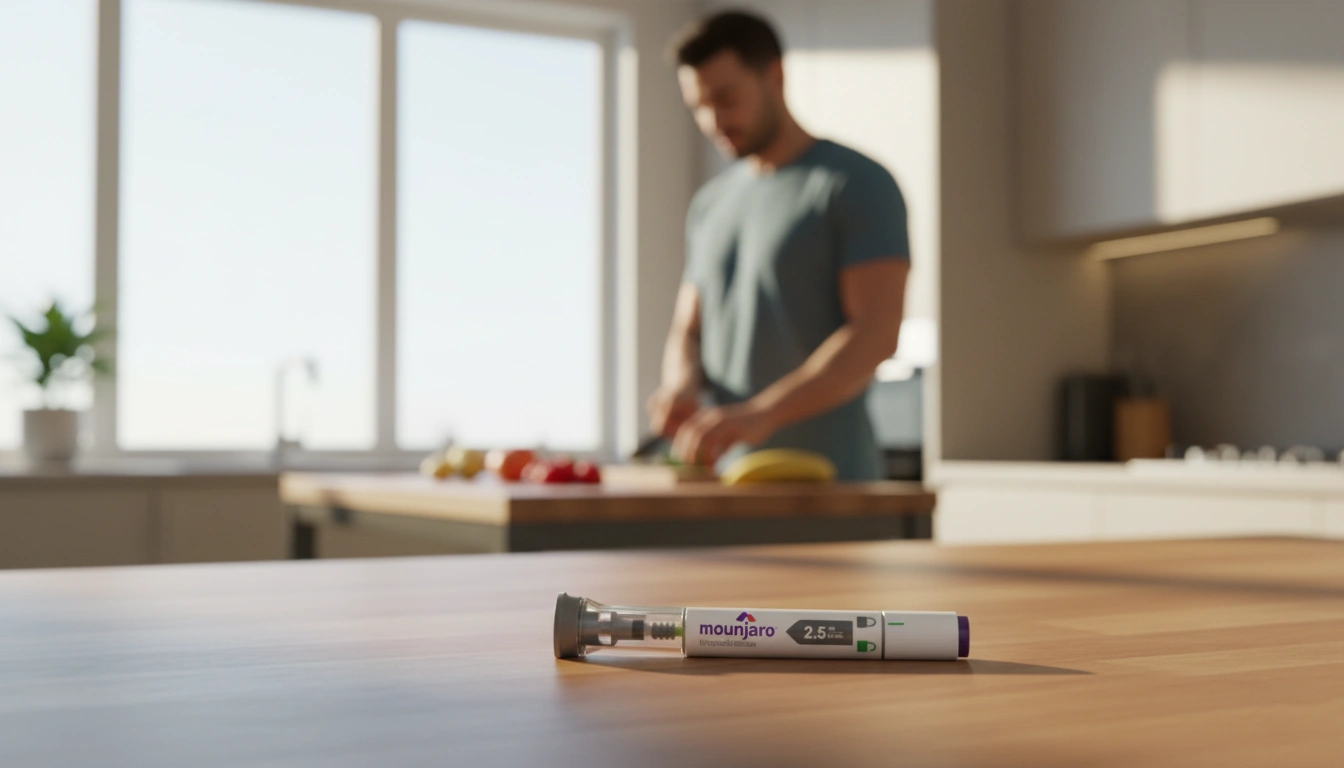
Mounjaro is administered as a weekly subcutaneous injection, meaning it’s injected just under the skin. The medication comes in a pre-filled, single-dose injection pen, with each pen containing one dose. The dosing schedule is carefully designed and typically involves an increase every four weeks. It’s crucial to adhere to this schedule as prescribed by your doctor, as it has been developed based on extensive clinical studies to be the safest and most effective way to take Mounjaro.
Initiation Phase: The 2.5 mg Start
Every individual starting Mounjaro, regardless of their medical history or previous medication use, begins with an initial dose of 2.5 mg once a week. This starting dose is for treatment initiation and is not primarily intended for glycemic control or significant weight loss at this stage. Its main purpose is to prepare your body for the higher, more therapeutic doses. You will typically remain on this 2.5 mg dose for the first four weeks.
The First Increase: Moving to 5 mg
After completing four weeks on the 2.5 mg dose, your healthcare provider will likely recommend increasing your dose to 5 mg once a week. This is often considered the first maintenance dose where noticeable effects on blood sugar and appetite may become more apparent. You will typically stay on the 5 mg dose for at least another four weeks.
Continuing the Escalation: From 5 mg to 10 mg
If, after four weeks on the 5 mg dose, you and your healthcare provider determine that additional glycemic control or weight loss support is needed, and you are tolerating the medication well with minimal side effects, the dose may be further increased. The progression continues in 2.5 mg increments, meaning after 5 mg, the next step would be 7.5 mg once weekly for at least four weeks, followed by 10 mg once weekly for at least four weeks. This structured approach allows continuous assessment of your body’s response and any emerging side effects.
What Is The Next Dose After 10 mg?
For those on the 10 mg dose of Mounjaro, the next step in the titration schedule, if deemed necessary by your healthcare provider, would be to increase to 12.5 mg once per week. This increase, like previous ones, would typically occur after you have completed at least four weeks on the 10 mg dose and your medical professional has assessed your progress, tolerability, and any ongoing needs for improved glycemic control or further weight management.
The decision to move to 12.5 mg is based on a careful evaluation of several factors:
- Current Efficacy: Is the 10 mg dose still providing adequate blood sugar control? Are you continuing to see progress toward your weight loss goals?
- Tolerability: How well are you tolerating the 10 mg dose? Are you experiencing any bothersome side effects? If side effects are significant or persistent, your provider might suggest remaining on the 10 mg dose for a longer period or even considering a lower dose if appropriate, rather than increasing.
- Overall Health Goals: Your doctor will consider your overall health status, any other medical conditions you may have, and how Mounjaro integrates with other medications you are taking.
- Individual Response: Everyone’s body responds differently. Some individuals may achieve their desired outcomes at 10 mg and may not need to increase further. Others may require the higher doses to reach their goals.
If your journey requires a further increase beyond 10 mg, moving to 12.5 mg continues the philosophy of gradual escalation, ensuring your body has time to adjust to the increased potency of the medication. Regular communication with your prescriber is paramount during these transitions.
Reaching the Maximum: 12.5 mg and 15 mg
Following the 12.5 mg dose, if further adjustments are needed and tolerated, the next and final step in the Mounjaro titration schedule is the maximum dose of 15 mg once per week. Similar to previous steps, you would typically be on the 12.5 mg dose for at least four weeks before considering an increase to 15 mg.
The 15 mg dose is the highest recommended dosage for Mounjaro. Clinical studies have indicated that higher doses, such as 15 mg, often lead to the most significant outcomes in terms of blood sugar reduction and weight loss. For example, some studies show that individuals on the 15 mg dose may experience greater percentage body weight loss compared to lower doses over an extended treatment period. However, as noted, lower doses are still highly effective for many.
It’s important to remember that reaching the maximum dose is not a universal requirement for success. Many individuals achieve their health goals on lower maintenance doses, such as 5 mg or 10 mg. The ultimate goal is to find the smallest effective dosage that helps you meet your health objectives with minimal side effects, thereby promoting a sustainable and comfortable treatment experience. Our results-oriented and personalized approach at TrimRx means we support you in finding what works best for your unique body and goals.
Beyond the Schedule: Personalized Dosing Considerations
While a standard titration schedule provides a clear framework, successful weight loss and health management with medications like Mounjaro are inherently personalized. At TrimRx, we understand that your journey is unique, and your dosing plan should reflect that.
Factors Influencing Your Individual Dose
Several factors can influence how your healthcare provider determines the most appropriate Mounjaro dose for you, going beyond the fixed four-week increments:
- Severity of Your Condition: For individuals with type 2 diabetes, the severity of blood sugar dysregulation plays a significant role. For those focusing on weight management, factors like initial body mass index (BMI) and comorbid conditions are considered.
- Blood Sugar Levels and Treatment Goals: Your A1C levels and fasting glucose readings are critical indicators. The goal is to achieve target blood sugar levels effectively. For weight loss, the rate of weight reduction and overall body composition changes are monitored.
- How Your Body Responds to Mounjaro: This is perhaps the most crucial factor. Every individual metabolizes medications differently. Your body’s response, both in terms of efficacy and side effects, will guide dose adjustments.
- Your Age and Other Medical Conditions: Older adults or individuals with certain pre-existing health conditions (e.g., kidney disease, pancreatitis history) may require more cautious dosing strategies.
- Other Medications You Take: Mounjaro can interact with other medications, particularly those that also affect blood sugar or rely on gastric emptying for absorption. Your doctor will review your entire medication list to prevent adverse interactions. For instance, coadministration with insulin secretagogues (like glimepiride, glipizide, glyburide) or insulin can increase the risk of hypoglycemia, necessitating dose adjustments of these other medications. Oral hormonal contraceptives may also be affected, and additional barrier methods might be advised for four weeks after initiation and each dose escalation. We emphasize transparent communication with your doctor about all your medications to ensure your safety.
Monitoring Effectiveness and Tolerability
A hallmark of personalized care is continuous monitoring. Your healthcare provider will regularly assess your blood sugar levels (if applicable), A1C, weight loss progress, and overall well-being. This ongoing evaluation helps ensure that Mounjaro is not only effective but also well-tolerated.
- Efficacy Check: If you are not seeing the desired improvements in blood sugar or weight loss, your doctor may consider a dose increase, provided you are not experiencing significant side effects.
- Tolerability Check: Conversely, if you experience bothersome side effects, your doctor might recommend staying on a lower dose for an extended period, or even temporarily lowering your dose, until your body adjusts. This compassionate care ensures your comfort and adherence to the treatment plan.
Navigating Side Effects
It’s normal to experience some side effects, particularly when increasing your Mounjaro dose. These are often mild and temporary. However, severe or persistent side effects warrant immediate discussion with your doctor. Strategies to manage common side effects like nausea, vomiting, or constipation include:
- Eating smaller, more frequent meals.
- Prioritizing plain, bland foods.
- Avoiding spicy, greasy, or fatty foods.
- Staying hydrated with frequent small sips of water or clear fluids.
- Only eating until you feel comfortably full.
Remember, our brand is supportive, and we encourage open communication with your medical team to navigate any challenges effectively.
When to Adjust Your Dose: Lowering for Maintenance or Side Effects
The titration process is not always a one-way street of increasing doses. There might be instances where your healthcare provider recommends lowering your Mounjaro dose:
- Managing Side Effects: If you experience severe or ongoing side effects after a dose increase, your doctor may suggest temporarily or even permanently remaining on a lower dose until you feel ready to try increasing again.
- Weight Loss Maintenance: Once you have achieved your target weight, your doctor might suggest lowering your dose to a maintenance level. This helps to sustain your weight loss without continuing to lose additional weight if that is not your goal. It’s a testament to the flexibility and individualized nature of these programs.
It is critically important to never adjust your Mounjaro dose without explicit discussion and guidance from your doctor. Self-adjusting medication can lead to suboptimal results or increased risks. Our comprehensive service ensures you have unlimited support and access to medical consultations to guide these important decisions.
Practical Aspects of Mounjaro Treatment
Beyond the specific dosage, understanding the practicalities of Mounjaro administration, storage, and potential interactions is key to a seamless and effective treatment experience. At TrimRx, we prioritize making your weight loss journey as clear and manageable as possible.
Administering Your Mounjaro Pen: Tips for Safe Injection
Mounjaro comes as a solution in a prefilled, single-dose injection pen, designed for ease of use. You’ll administer Mounjaro weekly as a subcutaneous injection, which means it goes just under the skin. Here are some key tips for safe and effective injection:
- Weekly Schedule: Consistency is vital. Choose a day and time each week that works best for you and stick to it. You can take your injection any time of day, with or without food.
- Injection Sites: Mounjaro can be injected into your abdomen or upper thigh. A caregiver can also inject the medication into the back of your upper arm. To prevent soreness and irritation, it is crucial to switch your injection site each week. You can use the same general body part (e.g., abdomen), but ensure it’s not the exact same spot as your previous injection. Ideal spots are areas with a significant amount of subcutaneous fat. Avoid very muscular areas, prominent veins, or the navel area if injecting in the abdomen.
- Preparation: Always check the expiry date on the pen label and carton. Ensure the solution is clear and colorless to slightly yellow, and free of particles. Do not use if it looks cloudy, discolored, or contains particles.
- Handling: Do not use your Mounjaro pen if it appears broken or damaged. Always consult your medicine supplier or pharmacist if you have concerns.
- Caregiver Assistance: If you’re uncomfortable self-injecting, a caregiver can be trained to administer the medication, particularly for areas like the back of the upper arm.
- Demonstration: Your doctor or pharmacist can provide a demonstration of how to inject the medication, which can be invaluable for gaining confidence.
Managing Missed Doses
Life happens, and sometimes a dose might be missed. Knowing what to do in such a situation is crucial to maintaining the effectiveness of your treatment:
- If 4 or fewer days have passed: Take the missed dose as soon as you remember. Then, continue with your usual weekly dosing schedule on your regularly scheduled day.
- If more than 4 days have passed: Skip the missed dose entirely. Take your next weekly dose at your regularly scheduled time. Do not attempt to “catch up” by taking a double dose, as this can increase the risk of side effects without enhancing effectiveness.
- Minimum Time Between Doses: Always ensure there are at least 3 days (72 hours) between any two Mounjaro injections.
If you have any questions or concerns about a missed dose, always contact your doctor or pharmacist for guidance.
Storage and Expiry Guidelines
Proper storage ensures the medication remains effective and safe:
- Refrigeration: Mounjaro pens should be stored in the refrigerator, between 2°C – 8°C (36°F – 46°F), until the expiry date printed on the pen label and carton.
- Avoid Freezing: Do not store Mounjaro pens in the freezer. If the medicine inside the pen has been frozen, do not use it, even if it has thawed.
- Unrefrigerated Storage: You can store your Mounjaro pen unrefrigerated (not above 30°C or 86°F and away from direct sunlight) for up to 30 days. After this 30-day period, the pen must be discarded, even if there is medicine remaining.
- Traveling: When traveling, you can keep your pen in its original carton to avoid direct sunlight. If storing unrefrigerated, remember the 30-day limit. For longer trips or to maintain refrigeration, a cool bag or cooling medication device is permissible and often allowed on airplanes. It’s wise to check with your destination’s embassy or local representatives regarding prescription proof or medical insurance requirements.
Understanding Potential Drug Interactions
Mounjaro, by affecting gastric emptying, can influence how other oral medications are absorbed. This is particularly important for drugs dependent on specific concentrations for efficacy or those with a narrow therapeutic index. Your doctor will consider these interactions when prescribing and managing your Mounjaro treatment.
Some specific interactions to be aware of, as provided by medical literature:
- Oral Contraceptives: Mounjaro can decrease the effectiveness of oral hormonal contraceptives due to delayed gastric emptying. If you are using oral hormonal contraceptives, your doctor may advise you to switch to a non-oral contraceptive method or add a barrier method of contraception for four weeks after starting Mounjaro and for four weeks after each dose escalation.
- Insulin Secretagogues and Insulin: Coadministration of Mounjaro with insulin secretagogues (e.g., sulfonylureas like glimepiride, glipizide, glyburide) or insulin can increase the risk of hypoglycemia (low blood sugar). Your doctor may need to lower the dose of these concomitant medications to reduce this risk.
- Other Medications: Mounjaro may decrease the levels of certain medications like cyclosporine, digoxin, divalproex sodium, levothyroxine, and lithium. Close monitoring is recommended if you are taking these medications.
- Lonapegsomatropin: This medication may decrease the effects of tirzepatide by potentially decreasing insulin sensitivity, particularly at higher doses. Blood glucose levels should be closely monitored if these are coadministered.
Always provide your healthcare provider with a complete and accurate list of all medications, supplements, and herbal remedies you are currently taking. This enables them to manage potential interactions and ensure your treatment is safe and optimized. Our commitment to transparent service and safety means that our approach remains consistent regardless of dosage changes, and we work exclusively with FDA-registered and inspected pharmacies to provide your medication.
The TrimRx Difference: Personalized Support for Your Journey
At TrimRx, our commitment extends beyond simply providing medication; we offer a holistic, personalized weight loss solution designed for safe and effective results. We understand that navigating the complexities of weight management, including understanding medications like Mounjaro, requires steadfast support and expert guidance.
Our Vision and Values
Our journey at TrimRx began with a clear vision: to integrate cutting-edge telehealth innovations with effective weight loss solutions, making healthier lifestyles attainable for everyone. We operate on core values of science, empathy, and transparency. Our platform is crafted as a user-friendly and supportive space where you receive personalized, medically supervised care tailored precisely to your individual needs. We believe that every individual’s weight loss journey is unique and deserves compassionate care that respects those differences.
Seamless Access to Care: The Quiz and Beyond
Understanding if a prescription weight loss medication like Mounjaro (an FDA-approved medication for type 2 diabetes, often used off-label for weight management) or other options like Compounded Semaglutide, Oral Semaglutide, Ozempic®, Compounded Tirzepatide, Oral Tirzepatide, Zepbound®, or Wegovy® are right for you starts with a simple step. We invite you to take our free assessment quiz. This quiz helps us understand your health profile and determine your eligibility for our personalized treatment plans.
Once you qualify, our comprehensive service ensures you receive:
- Doctor Consultations: Connect with qualified medical professionals who provide expert guidance and supervision.
- Medication: Access to prescribed medications, delivered directly to your door from FDA-registered and inspected pharmacies. It’s important to reiterate that while branded medications like Mounjaro® are FDA-approved, compounded medications are not FDA-approved, though they are provided through our network of highly regulated pharmacies.
- Lab Work: Necessary diagnostic testing to monitor your health and treatment efficacy.
- Unlimited Support: Ongoing assistance from our dedicated team throughout your journey.
- Shipping with No Hidden Fees: Transparent service, ensuring you know exactly what to expect.
Our innovative and trustworthy approach aims to simplify the process, offering you peace of mind and the tools you need for success.
Complementary Support: Quick-Access Supplements
Recognizing that a comprehensive approach often yields the best results, we also offer quick-access supplements designed to support your overall wellness during your weight loss journey. These supplements do not require the assessment quiz and can be purchased directly to complement your efforts.
- GLP-1 Daily Support: This supplement is formulated to provide additional daily support for metabolic health, working alongside your primary weight management strategy.
- Weight Loss Boost: Designed to give your weight loss efforts an extra edge, this supplement can be a valuable addition to your daily routine, enhancing your body’s natural fat-burning processes and energy levels.
These quick-access options underscore our commitment to providing multifaceted support, empowering you with choices that align with your individual health goals. We are dedicated to being your partner in health, leveraging advanced medical science and modern technology to support your journey to sustainable weight loss.
Conclusion
Navigating the nuances of Mounjaro dosing, especially understanding the progression like “what is the next dose of Mounjaro after 10 mg,” is a critical component of a successful weight loss and health management journey. We’ve explored Mounjaro’s dual-action mechanism, which targets both GIP and GLP-1 receptors to effectively manage blood sugar and appetite. We’ve detailed the meticulous titration schedule, emphasizing why a gradual increase from the 2.5 mg starting dose through 5 mg, 7.5 mg, 10 mg, 12.5 mg, and finally to the maximum 15 mg is essential for minimizing side effects and optimizing efficacy.
Crucially, we’ve highlighted that your journey is uniquely yours. Factors such as your body’s response, tolerability, other medications, and overall health goals all play a significant role in determining your personalized dosing path. We’ve also provided practical insights into administering the Mounjaro pen, managing missed doses, proper storage, and understanding potential drug interactions, all designed to make your treatment experience as smooth and effective as possible.
At TrimRx, our foundation is built on science, empathy, and transparency. We are dedicated to offering personalized, medically supervised weight loss solutions through cutting-edge telehealth. Our comprehensive service, including doctor consultations, medication from FDA-registered and inspected pharmacies, lab work, and unlimited support, ensures you have everything you need for a safe and results-oriented experience. Whether you’re considering prescription medication or seeking additional wellness support, our resources are designed to empower you.
As you reflect on your own health goals, consider where you are on your journey. Are you ready to explore a personalized approach to weight loss? To discover how TrimRx can support your unique needs and to see if you qualify for our personalized prescription programs, we encourage you to take our free assessment quiz. For immediate, complementary support, explore our GLP-1 Daily Support and Weight Loss Boost supplements. Together, we can pave the way for a healthier, more vibrant you.
Frequently Asked Questions
How long do I stay on each Mounjaro dose before increasing?
Typically, you will stay on each Mounjaro dose for at least four weeks before your healthcare provider considers an increase. This gradual escalation, known as titration, allows your body sufficient time to adjust to the medication, helping to minimize potential side effects and determine the most effective dosage for your individual needs. Your doctor will assess your progress and tolerability before any dose adjustments are made.
Can I start Mounjaro at a higher dose than 2.5 mg?
No, the recommended starting dose for Mounjaro is always 2.5 mg once a week for the first four weeks. Even if you have previously used similar medications or have a higher initial body weight, your doctor will initiate treatment at 2.5 mg. This low starting dose is crucial for your body to gradually adapt to the medication and significantly reduces the risk of experiencing severe side effects.
What should I do if I experience significant side effects after a Mounjaro dose increase?
If you experience severe or persistent side effects after a Mounjaro dose increase, it is crucial to contact your healthcare provider immediately. Do not attempt to adjust your dose on your own. Your doctor may suggest strategies to manage the side effects, recommend remaining on your current dose for a longer period, or in some cases, consider lowering your dose or exploring alternative treatment options. Open communication with your medical team is key to navigating these challenges effectively.
Is the Mounjaro dosing schedule the same for type 2 diabetes and weight loss?
Yes, the titration path for Mounjaro is generally the same whether it’s being used to treat type 2 diabetes or for weight management (off-label use). The body’s need to gradually adjust to the medication’s effects to minimize side effects remains consistent, regardless of the primary therapeutic goal. Your doctor will tailor the overall treatment plan and monitoring based on your specific condition and goals, but the incremental dose increases typically follow the standard four-week schedule.

Transforming Lives, One Step at a Time
Keep reading

How to Choose Between Ozempic and Mounjaro
If you’ve spent any time researching GLP-1 medications for weight loss, you’ve probably landed on this question eventually. Ozempic and Mounjaro are the two…

Mounjaro Savings Card: Eli Lilly Programs Explained
Mounjaro carries a list price of over $1,000 per month without insurance. For people managing type 2 diabetes or pursuing weight loss with tirzepatide,…

Effective Strategies for Managing Your Journey: What Helps Nausea From Mounjaro and How to Stay on Track
Discover what helps nausea from Mounjaro with our expert guide. Explore dietary tips, hydration strategies, and natural remedies to manage side effects effectively.


