Should I Take Mounjaro If I Have COVID?
Introduction
Finding out you have tested positive for COVID-19 is stressful enough without the added worry of how it affects your weight loss journey. If you are currently taking Mounjaro® or a similar medication, you likely have questions about whether it is safe to continue your weekly injections while your body fights off a viral infection. The intersection of metabolic health and immune response is complex, and many individuals feel caught between maintaining their progress and prioritizing recovery.
At TrimRx, we believe that understanding the science behind your treatment is the first step toward making informed health decisions. If you are wondering whether you are a good candidate for a personalized program, you can take the free assessment quiz to get started. This article explores how tirzepatide—the active ingredient in Mounjaro®—interacts with the body during a COVID-19 infection, the potential benefits of its anti-inflammatory properties, and the critical risks you must discuss with a healthcare professional. While some research suggests metabolic medications may offer protective benefits, the primary concern during an acute illness is often the risk of severe dehydration.
Understanding Tirzepatide: GLP-1 and GIP Explained
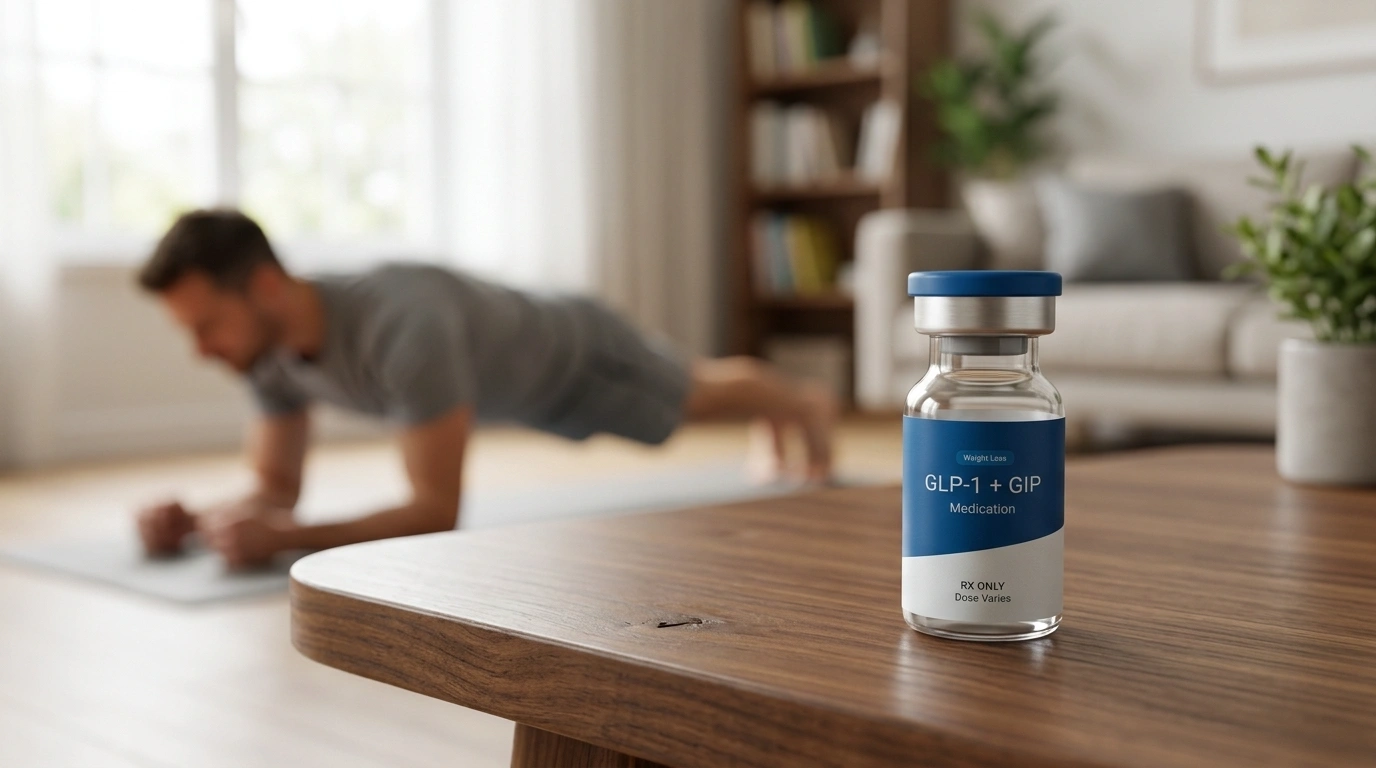
To understand how Mounjaro® might affect your body during an illness, it is helpful to know exactly how it works. Tirzepatide is a dual-action medication known as a receptor agonist. This means it acts like a chemical messenger in the body, targeting two specific hormone receptors: glucagon-like peptide-1 (GLP-1) and glucose-dependent insulinotropic polypeptide (GIP).
If you want a deeper look at the medication itself, our article on taking tirzepatide during COVID-19 covers the same illness-specific decision points in more detail. The GLP-1 component helps the body release insulin more effectively when blood sugar is high and slows down how quickly the stomach empties. This leads to increased feelings of fullness and better glucose management. The GIP component is thought to complement these effects by further improving how the body breaks down sugar and fat. Together, these pathways support significant weight loss and metabolic stability.
Because these hormones are deeply involved in how your body manages energy and inflammation, they naturally interact with the immune system. When you are sick, your body’s metabolic needs change. Your immune system requires energy to fight the virus, but the virus itself can cause fluctuations in your blood sugar and digestive health.
The Impact of COVID-19 on Metabolic Health
COVID-19 is more than just a respiratory virus; it is a systemic illness that can significantly impact your metabolic health. For individuals with type 2 diabetes or obesity, the virus often causes “glucose variability,” which refers to sharp spikes and drops in blood sugar levels. Even in individuals without diabetes, the stress of an infection can cause blood sugar to rise as the body releases stress hormones like cortisol.
If you are already dealing with GI symptoms, our guide to GLP-1 side effects explains why nausea, vomiting, and dehydration can become a bigger issue during treatment. Research suggests that high fasting blood glucose is a risk factor for more severe COVID-19 outcomes. When blood sugar is poorly controlled, it can lead to increased inflammation throughout the body. This creates a challenging environment for the immune system, making it harder to clear the virus and increasing the risk of complications.
Key Takeaway: COVID-19 can cause significant fluctuations in blood sugar and systemic inflammation, which are two areas that tirzepatide is specifically designed to help regulate.
Potential Benefits of Continuing Treatment
Recent clinical perspectives suggest that continuing a GLP-1 or GIP medication like Mounjaro® during a mild COVID-19 infection might offer certain advantages. Because these medications are potent anti-inflammatory agents, they may help dampen the “cytokine storm” associated with severe viral infections. This is the process where the immune system overreacts and begins damaging the body’s own tissues.
Some studies have indicated that patients taking GLP-1 receptor agonists may have a lower risk of death from COVID-19 compared to those not on these medications. The anti-inflammatory effects can extend to the lungs and the cardiovascular system, potentially offering a layer of “pulmoprotection.” Additionally, because tirzepatide helps maintain stable blood sugar levels, it can prevent the dangerous glucose spikes often seen during acute illness.
Furthermore, weight management remains a long-term benefit. Since obesity is a known risk factor for severe COVID-19 complications, the continued use of medications that reduce adiposity (body fat) and improve metabolic health can improve a person’s overall resilience against future infections or long-term complications.
The Primary Risk: Dehydration and GI Distress
While the metabolic benefits are promising, the immediate physical risks of taking Mounjaro® while sick cannot be ignored. The most common side effects of tirzepatide involve the digestive system, including nausea, vomiting, and diarrhea. Unfortunately, these are also common symptoms of many COVID-19 variants.
If you are already experiencing nausea or diarrhea due to the virus, taking your weekly injection may significantly worsen these symptoms. This creates a dangerous cycle of fluid loss. Dehydration is one of the leading reasons for hospitalization during a COVID-19 infection. When combined with the delayed gastric emptying caused by the medication, you may find it difficult to stay hydrated or take in enough nutrients to support recovery.
Severe dehydration can also lead to acute kidney strain. If your body is already stressed by a viral infection, adding the burden of severe GI distress can push your system past its limit. This is why many healthcare providers suggest a “sick day” approach, which involves pausing certain medications until the acute phase of an illness has passed.
If you want individualized guidance on whether it is time to pause or continue, you can complete a free eligibility assessment and connect with a licensed provider.
Quick Answer: Whether you should take Mounjaro® while having COVID-19 depends on your symptoms. If you have any nausea, vomiting, or diarrhea, most providers recommend skipping your dose to avoid severe dehydration. If your symptoms are purely respiratory and very mild, you must still consult your doctor before proceeding with your next injection.
Drug Interactions: Paxlovid and Other Medications
If you are diagnosed with COVID-19, your doctor might prescribe antiviral medications like Paxlovid®. This treatment contains two active ingredients: nirmatrelvir and ritonavir. It is important to note that ritonavir can interact with many other drugs. Some clinical data suggests that Paxlovid® may make tirzepatide less effective during the course of the antiviral treatment.
There are also concerns regarding oral medication absorption. Because Mounjaro® slows down the movement of food and medicine through your stomach, it can change how quickly your body absorbs other oral treatments. This includes common over-the-counter medications used to manage COVID-19 symptoms, such as:
- Acetaminophen (Tylenol®): The first dose may be less effective or take longer to work.
- Oral Antivirals: The timing of your dose may need to be adjusted.
- Cough Syrups or Pain Relief: Absorption rates may be unpredictable.
Always provide your healthcare team with a full list of your current medications, including any compounded semaglutide or tirzepatide you may be taking through a personalized program. This allows them to screen for potential interactions that could slow your recovery.
“Sick Day Rules” for GLP-1 and GIP Medications
In clinical practice, “sick day rules” are guidelines provided to patients to help them manage chronic medications during an acute illness. These rules are designed to prevent complications like dehydration or ketoacidosis.
If you have COVID-19, consider the following steps regarding your weight loss medication:
- Assess your GI symptoms: If you are vomiting or have diarrhea, stop the medication immediately and contact your provider.
- Monitor your hydration: Track your fluid intake and look for signs of dehydration, such as dark urine, dizziness, or dry mouth.
- Check your blood sugar: If you have diabetes, check your levels more frequently, as infection can cause unpredictable changes.
- Consult your provider: Never stop or start a prescription medication without professional guidance.
- Wait for recovery: Many providers suggest waiting until you have been symptom-free and are eating and drinking normally for at least 24 to 48 hours before resuming injections.
Note: If you miss more than two consecutive doses of your medication, your healthcare provider may recommend restarting at a lower dose to prevent severe side effects when you resume treatment.
How a Personalized Program Supports You
One of the challenges of traditional weight loss approaches is the lack of immediate support when unexpected health issues like COVID-19 arise. At we, we prioritize a telehealth-first model that ensures you are never alone in your journey. Our platform connects you with licensed providers who understand the nuances of GLP-1 and GIP therapies.
When you are part of a program at TrimRx, you have access to a team of specialists who can help you decide what to do next. This is particularly valuable when you are sick and need a quick answer on whether to take your next dose. Rather than waiting for an in-person appointment or sitting in a crowded waiting room while contagious, you can receive guidance from the comfort of your home.
This personalized approach ensures that your treatment plan is adjusted based on your real-time health status. If a pause in medication is necessary, our providers can help you plan the safest way to restart your program once you have recovered.
Compounded Tirzepatide vs. Branded Medications
It is important to understand the different types of medications available for weight management. Mounjaro®, Zepbound®, Ozempic®, and Wegovy® are branded, trademarked medications.
If you want to see how this kind of supervision fits into treatment during illness, our post on navigating Zepbound treatment when you have COVID-19 explains the same decision-making process from a related angle. In some cases, patients may be prescribed compounded semaglutide or compounded tirzepatide. These medications are prepared by FDA-registered and inspected compounding pharmacies. While compounded medications themselves are not FDA-approved, they contain the same active ingredients found in the branded versions.
Regardless of whether you are taking a branded or compounded version, the rules for managing your treatment during a COVID-19 infection remain the same. The active ingredients—whether semaglutide or tirzepatide—will still slow gastric emptying and carry the same risks of GI distress and dehydration during an illness.
Preparing for a Telehealth Consultation While Sick
If you need to speak with a provider about your Mounjaro® use during COVID-19, being prepared will help you get the best advice. Telehealth is the safest way to consult a professional while you are contagious.
Before your virtual visit, gather the following information:
- The date your COVID-19 symptoms started.
- A list of your current symptoms (especially any nausea, vomiting, or diarrhea).
- Your most recent temperature reading.
- The date and dosage of your last tirzepatide injection.
- Any other medications you are taking for COVID-19, such as Paxlovid® or high-dose vitamins.
If you want to understand how the broader support process works, see if you qualify for a personalized program and connect with a provider who can review your situation.
Your provider will use this information to determine if it is safe for you to take your next dose or if a temporary pause is the best course of action for your recovery.
Long-term Recovery and Resuming Treatment
Once the acute phase of COVID-19 has passed, you may be eager to get back to your weight loss routine. However, your body may still be recovering from the internal stress of the virus. “Long COVID” or lingering fatigue can affect your ability to exercise or maintain your usual diet.
When you are ready to resume your injections, do so gradually. If you paused your medication for a week or more, pay close attention to how your body reacts to the next dose. It is common to experience a slight return of mild side effects like nausea as your body readjusts.
Focus on “nutrient-dense” recovery. This means eating small, high-protein meals and continuing to prioritize hydration. Our platform offers GLP-1 Daily Support, which can be a helpful addition to your routine as you transition back to your full program. These supplements are designed to support your body’s natural pathways and can help fill nutritional gaps during recovery.
Bottom line: Recovery from COVID-19 should be your first priority. Pausing your medication for a week or two will not undo your long-term progress, but forcing an injection while sick could lead to complications that set you back further.
Conclusion
Deciding whether to take Mounjaro® while you have COVID-19 requires a careful balance between your long-term health goals and your immediate need for recovery. While the anti-inflammatory properties of tirzepatide are promising, the risk of severe dehydration and worsening GI symptoms often makes a temporary pause the safest choice for many individuals.
At TrimRx, our mission is to help you navigate these crossroads with science, empathy, and expert guidance. We believe that sustainable weight loss is a marathon, not a sprint, and taking a short break to allow your body to heal is a sign of a well-managed program. Our telehealth-based platform is designed to provide the support and personalized care you need, even when life throws an unexpected curveball like a viral infection.
If you are currently sick or looking for a weight loss program that offers continuous clinical support, the best next step is to complete the free assessment quiz. We are here to help you build a healthier lifestyle through a transparent, medically supervised approach.
FAQ
Can Mounjaro make COVID-19 symptoms worse?
The medication itself does not worsen the viral infection, but its side effects can overlap with COVID-19 symptoms. Specifically, if the virus causes nausea or diarrhea, the medication can intensify these issues, leading to a higher risk of severe dehydration. It is important to monitor how your digestive system feels before taking your next scheduled dose.
Does Mounjaro protect against severe COVID-19?
Some research suggests that GLP-1 and GIP receptor agonists may reduce systemic inflammation and improve blood sugar stability, which are both associated with better COVID-19 outcomes. However, these medications are not a treatment for COVID-19 and should not be used as a substitute for standard medical care or vaccination. Their primary role remains weight loss and metabolic management.
What should I do if I missed my Mounjaro dose because of COVID-19?
If you miss a dose due to illness, you should generally wait until you have recovered and are no longer experiencing GI symptoms before resuming. If you miss more than two weeks of doses, contact your healthcare provider, as they may recommend restarting at a lower dose to minimize side effects. Never double up on doses to make up for the time you were sick. If you want a related guide on illness management, our post on tirzepatide and COVID-19 walks through the same recovery questions.
Can I take Paxlovid while on Mounjaro?
Paxlovid® can be taken while on tirzepatide, but there are potential interactions to consider. The ritonavir in Paxlovid® may temporarily affect how tirzepatide works, and the delayed stomach emptying from Mounjaro® could potentially affect the absorption of the antiviral. You must inform your prescribing doctor about all your medications so they can coordinate your treatment safely.
Disclaimer: This content is for informational purposes only and does not constitute medical advice. It is not intended to diagnose, treat, cure, or prevent any disease or condition. Individual results may vary. Always consult a qualified healthcare professional before starting any weight loss program or medication.

Transforming Lives, One Step at a Time
Keep reading

Mounjaro Alternatives: What Else to Consider
If Mounjaro isn’t the right fit, the closest alternatives are other GLP-1 medications, chiefly semaglutide (Ozempic for diabetes, Wegovy for weight), along with a…

Mounjaro vs Zepbound: Same Drug, Two Brands
Like their semaglutide counterparts, Mounjaro and Zepbound are the same medication (tirzepatide) sold under two names for two purposes: Mounjaro is approved for type…

Retatrutide vs Mounjaro: Triple Agonist vs Dual Agonist
The core difference between retatrutide and Mounjaro comes down to how many hormone targets each hits: retatrutide activates three receptors, while Mounjaro (tirzepatide) activates…


