Can You Take Mounjaro If You Are Hypoglycemic?
Introduction
Managing your metabolic health can often feel like a delicate balancing act, especially when you are navigating the complexities of blood sugar levels. If you have experienced the sudden shakiness, dizziness, or confusion associated with low blood sugar, it is natural to be cautious about any new medication. You may be wondering if a highly effective treatment like Mounjaro® is safe for someone with a history of hypoglycemia. At TrimRx, we believe that understanding the science behind your treatment is the first step toward a successful and sustainable health journey.
If you are ready to see whether a personalized prescription program fits your goals, you can take our free assessment quiz before moving forward.
This article will explore how this medication interacts with your body’s natural glucose pathways, the potential risks for those prone to low blood sugar, and how a medically supervised program can help you move forward safely. Our goal is to provide you with the clarity needed to make an informed decision alongside a healthcare provider.
What is Mounjaro® and How Does It Work?
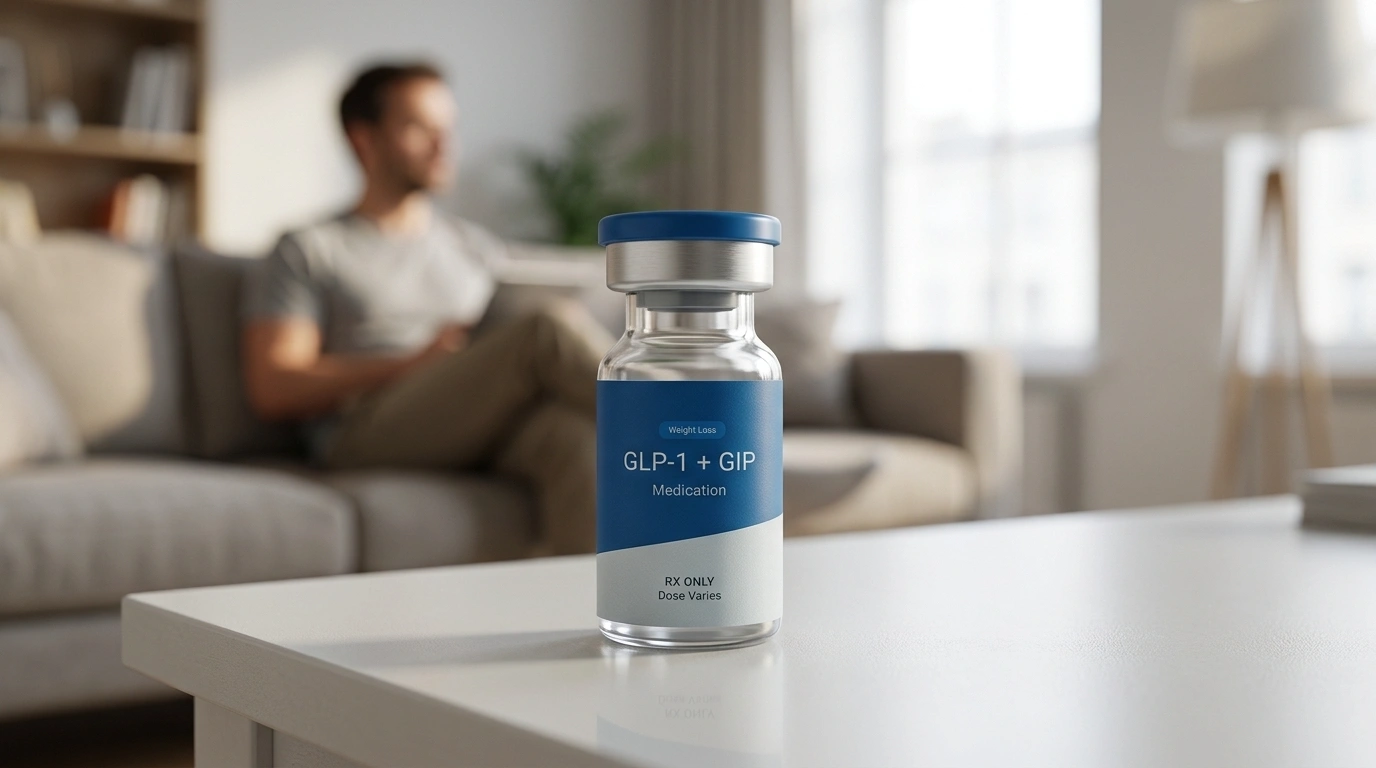
Mounjaro® (tirzepatide) is a prescription medication that belongs to a class of drugs known as dual receptor agonists. It is unique because it targets two different hormone pathways in the body: the glucagon-like peptide-1 (GLP-1) receptor and the glucose-dependent insulinotropic polypeptide (GIP) receptor.
GLP-1 is a hormone naturally produced in your gut that responds to food intake. It signals your pancreas to release insulin, which helps lower blood sugar, and tells your brain that you are full. GIP is another hormone that works similarly but also plays a significant role in how the body breaks down fats and regulates energy balance. By mimicking both of these hormones, tirzepatide helps the body manage blood sugar levels more effectively while also supporting weight loss goals.
One of the most important aspects of this medication is that its effect on insulin is “glucose-dependent.” This means it primarily signals the pancreas to release insulin only when your blood sugar is already rising, such as after a meal. In theory, this mechanism is designed to minimize the risk of your blood sugar dropping too low when it is already in a normal range. For a deeper look at the hormone pathway, this tirzepatide mechanism guide is a helpful next read.
However, for individuals who already struggle with hypoglycemia—a condition where blood sugar levels fall below 70 mg/dL—the situation requires closer medical scrutiny.
Understanding Hypoglycemia
Hypoglycemia, or low blood sugar, occurs when the level of glucose in your blood drops to a point where it can no longer provide enough energy for your body’s basic functions. This is most common in individuals with diabetes who take certain medications, but it can also occur in people without diabetes due to reactive hypoglycemia, certain underlying health conditions, or prolonged fasting.
Symptoms of hypoglycemia often include:
- Unexplained sweating or chills
- Trembling or feeling “jittery”
- A rapid or irregular heartbeat
- Dizziness or lightheadedness
- Intense hunger
- Irritability or anxiety
- Blurred vision
If left unmanaged, severe hypoglycemia can lead to confusion, seizures, or loss of consciousness. Because Mounjaro® and similar treatments like compounded tirzepatide are designed to lower blood sugar and improve metabolic efficiency, it is vital to understand the intersection between these treatments and your body’s ability to maintain stable glucose levels.
Quick Answer: Most individuals with a history of hypoglycemia can take Mounjaro® under strict medical supervision. Because the medication works in a glucose-dependent manner, the risk of it causing low blood sugar on its own is low, though it increases significantly when combined with other medications like insulin or sulfonylureas.
Can You Take Mounjaro® If You Have Low Blood Sugar?
The short answer is that many people with a history of hypoglycemia can safely use this medication, but it is not a decision to be made without professional guidance. A licensed healthcare provider must evaluate the root cause of your low blood sugar before starting a program.
If you want to understand how low blood sugar risk is discussed in more detail, our guide to Mounjaro and low blood sugar covers the core mechanisms and safety considerations.
If your hypoglycemia is “reactive”—meaning it happens after you eat high-carb meals—the way tirzepatide slows down digestion (gastric emptying) may actually help stabilize those spikes and subsequent crashes. By slowing down how quickly food leaves the stomach, the medication can lead to a more gradual rise in blood sugar, which might prevent the over-secretion of insulin that causes the “crash.”
However, if your hypoglycemia is caused by fasting or an underlying metabolic disorder, the reduction in appetite caused by the medication could potentially make it harder to maintain safe glucose levels. If you aren’t eating enough calories or consistent meals, your blood sugar could dip. This is why a personalized approach, like the one we facilitate at TrimRx, is so important for those with complex health histories.
The Risk Factors: When Does the Risk Increase?
While clinical studies suggest that the risk of severe hypoglycemia is relatively low when tirzepatide is used alone, certain factors can change that safety profile. It is essential to be aware of these variables before beginning treatment.
Combination with Other Medications
The most significant risk for hypoglycemia occurs when Mounjaro® is taken alongside other glucose-lowering medications. Specifically, medications such as insulin or sulfonylureas (like glipizide or glyburide) are known to actively lower blood sugar regardless of your current levels. When combined with the dual-action effects of tirzepatide, the cumulative effect can be too strong.
Note: If you are currently taking insulin or a sulfonylurea, your healthcare provider may need to adjust your dosages significantly before you begin a GLP-1 or GIP treatment to prevent dangerous drops in blood sugar.
Meal Timing and Content
Because the medication significantly reduces appetite and increases feelings of fullness (satiety), you may find yourself eating much less than usual. If you skip meals entirely or do not consume enough complex carbohydrates and proteins, your body may struggle to maintain a baseline glucose level. This is especially true during the initial titration phase when your body is still adjusting to the medication.
Intensive Physical Activity
Exercise naturally uses up glucose for energy. If you are taking a medication that improves insulin sensitivity and you engage in high-intensity exercise without adequate fuel, your risk of a “hypo” episode increases.
Comparing Branded and Compounded Options
When exploring these treatments, you may encounter different versions of the medication. Mounjaro® and Zepbound® are trademarked branded medications that are FDA-approved for specific uses, such as type 2 diabetes or chronic weight management. These are often in high demand and may sometimes face supply challenges.
As a telehealth platform, we help individuals access personalized weight loss programs that may include compounded tirzepatide. These medications are prepared by FDA-registered, inspected compounding pharmacies. While compounded tirzepatide is not FDA-approved in the same way branded drugs are, it allows for a high degree of personalization. This can be particularly beneficial for those who need more precise dosage adjustments to manage side effects like low blood sugar. Regardless of whether you use a branded or compounded option, the biological mechanism—and therefore the precautions regarding hypoglycemia—remains largely the same.
How Our Personalized Programs Support Safety
At TrimRx, we don’t believe in a one-size-fits-all approach to weight loss or metabolic health. This is particularly true for individuals who have concerns about blood sugar stability. When you join our platform, the process is designed to put your safety and unique health profile first.
Comprehensive Medical Assessment
The first step in our program is a free assessment quiz. This allows licensed healthcare providers to review your medical history, including any history of hypoglycemia, diabetes, or other metabolic conditions. This screening is critical for determining if you are a safe candidate for GLP-1 or GIP medications.
Provider Consultations
By connecting you with specialized providers, we ensure that you have an expert to guide you through the process. If you have a history of low blood sugar, your provider can discuss specific strategies, such as starting at a lower dose or monitoring your glucose levels more frequently during the first few weeks of treatment.
Consistent Monitoring and Support
Weight loss is not a linear process, and your medication needs may change as you lose weight and your insulin sensitivity improves. Our platform provides 24/7 access to a dedicated team, meaning you are never alone if you experience a side effect or have a question about your symptoms.
Practical Steps for Managing Hypoglycemia Risk
If you and your provider decide to move forward with a treatment program, there are several practical steps you can take to stay safe and feel your best.
Step 1: Monitor your levels. If you have a history of hypoglycemia, using a glucose monitor (either a traditional finger-stick or a continuous glucose monitor) during the first few weeks can provide peace of mind and valuable data for your provider.
Step 2: Prioritize protein and fiber. Eating small, frequent meals that include lean protein and high-fiber carbohydrates helps maintain a steady release of energy into your bloodstream, preventing both spikes and crashes.
Step 3: Stay hydrated. Dehydration can sometimes mimic the feelings of dizziness or lightheadedness associated with low blood sugar. Drinking plenty of water is essential when taking GLP-1 or GIP medications.
Step 4: Carry a fast-acting glucose source. Just in case you do experience a drop in blood sugar, keep a small source of sugar—like glucose tablets or a small box of raisins—with you at all times.
Step 5: Communicate with your team. If you notice a pattern of feeling shaky or dizzy, don’t wait. Reach out to your provider to discuss a potential dosage adjustment.
Key Takeaway: Success on a GLP-1 or GIP program isn’t just about the number on the scale; it’s about your body reaching a state of metabolic balance. For those prone to hypoglycemia, this requires a “low and slow” approach to dosing and consistent nutritional intake.
Clinical Insights: What the Research Says
In clinical trials like the SURPASS study series, researchers closely monitored the incidence of hypoglycemia in participants taking tirzepatide. For those with type 2 diabetes who were not taking insulin, the episodes of clinically significant hypoglycemia (levels below 54 mg/dL) were very rare—often occurring in less than 2% of the study population.
For individuals using the medication for weight loss who do not have diabetes, the risk is even lower. However, “lower risk” does not mean “no risk.” The research underscores the importance of the glucose-dependent nature of these drugs. Because they don’t force the body to produce insulin when it isn’t needed, they are inherently safer than older classes of diabetes medications.
Still, every body is different. Factors like your baseline A1c, your activity level, and your age can all influence how your body responds to the treatment. This is why having a provider who understands the nuances of obesity medicine is vital.
Common Signs to Watch For
It is important to distinguish between the common side effects of GLP-1 medications and the symptoms of true hypoglycemia. Many people experience a bit of nausea or a “muted” feeling during their first few doses. This is usually due to the slowing of digestion.
However, if you experience any of the following, it may be a sign that your blood sugar is too low:
- Sudden, extreme weakness
- Cold sweats that appear out of nowhere
- Feeling like you are “fading” or unable to focus
- A feeling of “doom” or intense unexplained anxiety
If these symptoms occur, you should consume a fast-acting carbohydrate immediately and contact your healthcare professional.
The Role of Supplements in Metabolic Support
While medication handles the hormonal signaling, your body still needs the right raw materials to function optimally. We often see that individuals on GLP-1 or GIP medications benefit from targeted nutritional support.
For instance, our GLP-1 Daily Support supplement is designed to provide essential nutrients that may be lacking when your appetite is significantly reduced. Ensuring you have the right balance of vitamins and minerals can help mitigate the fatigue that is sometimes mistaken for low blood sugar.
Our Weight Loss Boost supplement can support energy levels, helping you stay active and feel balanced as your body adjusts to its new metabolic state.
Bottom line: While Mounjaro® is generally safe regarding hypoglycemia risk, your specific medical history and concurrent medications determine your actual risk level.
Conclusion
Navigating the path to sustainable weight loss requires more than just a prescription; it requires a partner who understands the intricacies of your health. While Mounjaro® and its compounded counterparts are powerful tools for improving metabolic health, they must be used thoughtfully, especially if you have a history of hypoglycemia. By prioritizing medical supervision, personalized dosing, and consistent monitoring, you can harness the benefits of these medications while minimizing the risks.
For a broader look at safety considerations, this tirzepatide safety guide is a useful companion read.
At TrimRx, our mission is to empower you with science-backed solutions and empathetic care. We believe that everyone deserves access to a program that is as unique as they are, without the barriers of traditional waiting rooms or hidden fees. Whether you are just beginning to explore your options or are ready to take the next step in your health journey, we are here to guide you toward a healthier, more balanced lifestyle.
If you are ready to see if a personalized program is right for you, the best way to start is by taking our free assessment quiz. This simple step opens the door to a comprehensive weight loss plan designed specifically for your body and your goals.
FAQ
Does Mounjaro® cause hypoglycemia in people who don’t have diabetes?
In clinical trials, the risk of hypoglycemia in individuals without type 2 diabetes was found to be extremely low. Because the medication’s insulin-stimulating effects are glucose-dependent, it rarely lowers blood sugar below the normal physiological range unless combined with other factors like extreme fasting or intensive exercise without fuel.
Can I drink alcohol while taking tirzepatide if I’m prone to low blood sugar?
Alcohol can interfere with your liver’s ability to release glucose into the bloodstream, which can increase the risk of hypoglycemia. If you have a history of low blood sugar, it is generally recommended to limit alcohol consumption or avoid it entirely while your body adjusts to the medication.
What should I do if I feel shaky after my injection?
If you feel shaky, dizzy, or sweaty, check your blood sugar if you have a monitor, or consume 15 grams of fast-acting carbohydrates (like four ounces of fruit juice). Once you feel stable, contact your healthcare provider to discuss the episode, as they may need to adjust your dosage or review your meal plan.
Is it safe to fast while using a GLP-1 or GIP medication?
Prolonged fasting can increase the risk of low blood sugar, especially as your body becomes more sensitive to insulin on these medications. It is typically recommended to eat regular, nutrient-dense meals to provide a steady supply of glucose and maintain energy levels throughout the day.
Disclaimer: This content is for informational purposes only and does not constitute medical advice. It is not intended to diagnose, treat, cure, or prevent any disease or condition. Individual results may vary. Always consult a qualified healthcare professional before starting any weight loss program or medication.

Transforming Lives, One Step at a Time
Keep reading

Mounjaro Alternatives: What Else to Consider
If Mounjaro isn’t the right fit, the closest alternatives are other GLP-1 medications, chiefly semaglutide (Ozempic for diabetes, Wegovy for weight), along with a…

Mounjaro vs Zepbound: Same Drug, Two Brands
Like their semaglutide counterparts, Mounjaro and Zepbound are the same medication (tirzepatide) sold under two names for two purposes: Mounjaro is approved for type…

Retatrutide vs Mounjaro: Triple Agonist vs Dual Agonist
The core difference between retatrutide and Mounjaro comes down to how many hormone targets each hits: retatrutide activates three receptors, while Mounjaro (tirzepatide) activates…


