Navigating Nausea on Mounjaro: What to Eat for a Smoother Weight Loss Journey
Introduction
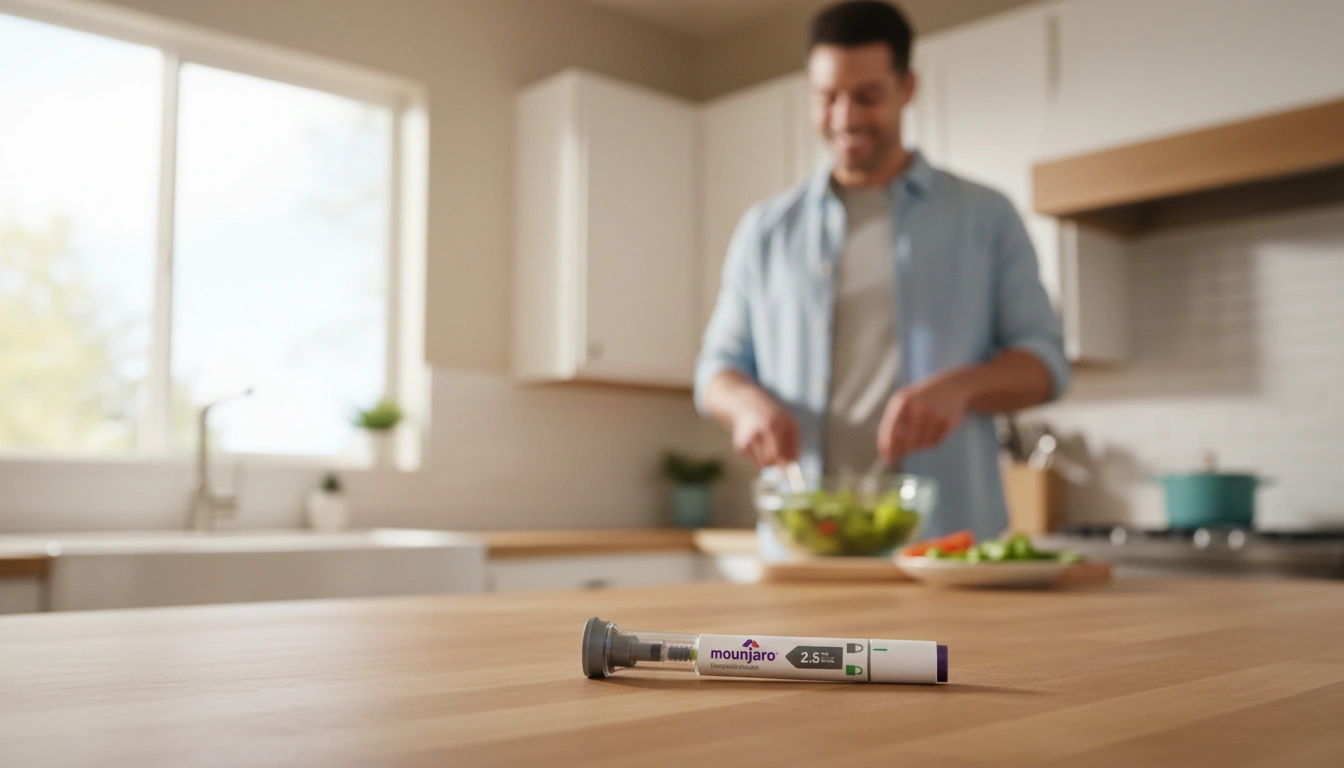
Embarking on a weight loss journey can be an exhilarating step towards a healthier future, filled with anticipation for positive changes. For many individuals, medications like Mounjaro can be transformative tools, offering significant support in managing weight and blood sugar. However, like any powerful medication, the initial stages can sometimes present challenges, with nausea being a commonly reported side effect. This sensation, ranging from mild queasiness to more pronounced discomfort, can understandably make the path feel daunting, often making us wonder: “what to eat mounjaro nausea” when our stomach feels unsettled?
The experience of nausea, particularly when starting a new medication or increasing its dosage, is a natural response as the body adapts to new physiological processes. Mounjaro, with its innovative mechanism of action, influences key appetite and metabolic hormones, which can initially impact the digestive system. While this adjustment period is typically temporary, understanding how to effectively manage nausea is crucial for maintaining adherence to your treatment plan and fostering a positive experience. It’s not merely about enduring the discomfort; it’s about strategically equipping yourself with knowledge and practical strategies to mitigate it.
At TrimRx, our journey began with a shared vision to help individuals embrace healthier lifestyles by merging cutting-edge telehealth innovations with effective weight loss solutions. We understand that sustainable weight loss should be achieved through science, empathy, and a transparent approach, and this extends to managing side effects with compassionate, medically informed care. This post is designed to be your comprehensive guide, offering insights into why nausea occurs with Mounjaro and, most importantly, providing actionable advice on what to eat and how to adjust your lifestyle to find relief.
Within these pages, we will delve into the science behind Mounjaro’s effects on your digestive system, unpack a range of dietary strategies specifically tailored to soothe an uneasy stomach, and explore complementary lifestyle adjustments. We aim to empower you with the knowledge to navigate this common side effect effectively, ensuring your focus remains on achieving your health goals. By the end, you’ll have a clearer understanding of how to make your weight loss journey with Mounjaro as comfortable and successful as possible, leveraging a personalized approach that resonates with our core values of support and trustworthiness. We invite you to explore how these insights, coupled with personalized care, can truly transform your experience. If you’re ready to discover a tailored approach to your weight loss, we encourage you to take our free assessment quiz to see if you qualify for our prescription weight loss medications.
Understanding Mounjaro and Why Nausea Occurs
Mounjaro (tirzepatide) represents a significant advancement in metabolic health, primarily utilized for managing Type 2 diabetes and, with its active ingredient also found in Zepbound®, increasingly for weight management. Its efficacy stems from a unique dual action: it acts as a glucose-dependent insulinotropic polypeptide (GIP) and glucagon-like peptide-1 (GLP-1) receptor agonist. These are two naturally occurring hormones that play pivotal roles in regulating blood sugar and appetite.
How Mounjaro Influences Your Body
When you take Mounjaro, it mimics the action of these natural hormones, leading to several beneficial physiological changes:
- Insulin Release: It stimulates the pancreas to release insulin in response to high blood sugar levels, helping to lower glucose.
- Glucagon Reduction: It reduces the amount of glucagon, a hormone that raises blood sugar, produced by the liver.
- Slowed Gastric Emptying: Mounjaro significantly slows down the rate at which food moves from your stomach into your small intestine. This means food stays in your stomach longer, promoting feelings of fullness and satiety.
- Appetite Regulation: It affects areas in the brain that control hunger and fullness, leading to reduced appetite and overall food intake.
These mechanisms are precisely what make Mounjaro so effective in aiding weight loss and blood sugar control. However, it’s also these powerful physiological shifts that can, in some individuals, trigger nausea.
The Link Between Mounjaro’s Action and Nausea
The primary reasons individuals may experience nausea, especially when first starting Mounjaro or when their dose is increased, are directly related to its core actions:
- Gastric Emptying Delay: The slowed movement of food through the stomach can sometimes lead to a sensation of excessive fullness or a feeling of “food sitting heavy” in the stomach, which often manifests as nausea. For a digestive system accustomed to processing food at a certain pace, this new, slower rhythm requires an adjustment period.
- Body Adaptation: When you introduce any new medication that significantly alters bodily functions, your system needs time to adapt. Hormonal changes, even beneficial ones, can initially upset the delicate balance of the digestive tract. This adjustment period is when nausea is most common.
- Dose Escalation: Mounjaro is typically started at a low dose and gradually increased over weeks or months. Each time the dose is increased, the effects on gastric emptying and hormonal signaling become more pronounced, requiring your body to recalibrate. This is why some individuals may experience recurring bouts of nausea with each dose increase.
For most people, this nausea is mild to moderate and tends to improve or resolve within a few days or weeks as their body acclimates to the medication. However, understanding these underlying causes is the first step in effectively managing the symptoms and ensuring a more comfortable journey. Our commitment at TrimRx is to support you through every stage, providing the knowledge and resources for a safe and effective weight loss experience.
The Power of Your Plate: What to Eat When Nauseated on Mounjaro
When navigating the discomfort of nausea while on Mounjaro, your dietary choices become a crucial ally. The goal is to select foods that are easy to digest, provide essential nutrients, and minimize further stomach upset. Thinking about “what to eat mounjaro nausea” means prioritizing bland, low-fat options and avoiding common triggers that can worsen symptoms.
Embracing Bland and Easy-to-Digest Foods
Opting for foods that are gentle on your digestive system can make a significant difference in managing nausea. These foods typically require less effort for your stomach to process, reducing the likelihood of discomfort.
Lean Proteins
Protein is vital for satiety and maintaining muscle mass during weight loss, but the type and preparation method matter when you’re feeling queasy. Prioritize lean protein sources that are baked, grilled, or steamed, rather than fried or heavily sauced.
- Skinless Chicken or Turkey Breast: These are excellent sources of lean protein, easily digestible when prepared simply.
- White Fish: Cod, tilapia, or haddock are light and provide quality protein without excessive fat.
- Eggs: Scrambled or boiled eggs are often well-tolerated and offer a good protein boost.
- Plant-Based Proteins: Tofu (plain or lightly seasoned), tempeh, and lentils can be gentle on the stomach and provide valuable nutrients.
Non-Starchy Vegetables
These vegetables are low in calories, high in fiber, and packed with vitamins and minerals. They add volume to your meals, helping you feel full without overwhelming your digestive system.
- Steamed or Boiled Greens: Spinach, green beans, and carrots are soft and easy to digest.
- Zucchini or Squash: Lightly cooked, these can provide essential nutrients.
- Sweet Potatoes: A good source of complex carbohydrates and fiber, gentle on the stomach when baked or boiled.
Whole Grains and Complex Carbohydrates
While “carbs” sometimes get a bad rap, complex carbohydrates are essential for sustained energy and can be very soothing when you’re nauseated. They are digested slowly, preventing blood sugar spikes and providing a steady energy source.
- Plain Rice: White or brown rice, boiled or steamed, is a classic choice for an upset stomach.
- Plain Toast or Crackers: Simple, unsweetened varieties can help absorb stomach acid and provide a quick energy source.
- Oatmeal: Cooked with water, plain oatmeal is a comforting and easy-to-digest option.
- Quinoa: A complete protein and whole grain, quinoa is versatile and generally well-tolerated.
Healthy Fats (in Moderation)
While it’s important to limit high-fat foods, incorporating small amounts of healthy, unsaturated fats can contribute to satiety and nutrient absorption.
- Avocado: Small slices of avocado can add healthy fats and a creamy texture.
- Small Portions of Nuts and Seeds: Almonds, walnuts, or chia seeds, in very small quantities, can provide nutrients.
- Olive Oil: Used sparingly in cooking or as a light dressing.
Hydration is Key
Staying adequately hydrated is paramount, especially when experiencing nausea, as it helps soothe the stomach and supports overall bodily functions.
- Still Water: Sip small amounts frequently throughout the day. Avoid gulping large quantities, which can worsen nausea.
- Clear Broths: Chicken or vegetable broth can provide hydration and electrolytes.
- Herbal Teas: Ginger tea, peppermint tea, or chamomile tea are renowned for their stomach-calming properties. Ginger, in particular, has been extensively studied for its anti-nausea effects.
- Electrolyte Drinks: If you’re struggling to keep fluids down, small sips of an electrolyte solution can help prevent dehydration.
To further support your wellness journey, especially if you’re seeking additional daily assistance, consider exploring our GLP-1 Daily Support supplement. It’s designed to complement your overall health and weight loss efforts.
Foods to Approach with Caution (or Avoid Entirely)
Just as important as knowing what to eat is understanding what foods can exacerbate nausea and should be limited or avoided during this period.
High-Fat and Greasy Foods
These are often the biggest culprits for worsening nausea because they significantly slow down gastric emptying, further stressing a digestive system already impacted by Mounjaro.
- Fried Foods: French fries, fried chicken, donuts, and anything battered and deep-fried.
- Fatty Meats: High-fat cuts of beef, pork, and rich sausages.
- Heavy Sauces and Creamy Dishes: Anything laden with butter, cream, or rich oils.
- Fast Food: Often high in unhealthy fats and processed ingredients.
Spicy and Acidic Foods
These can irritate the stomach lining, intensifying feelings of nausea or leading to heartburn and reflux.
- Spicy Dishes: Foods with chili, hot sauces, or excessive spices.
- Citrus Juices: Orange juice, grapefruit juice, and lemonade can be very acidic.
- Tomato-Based Products: Marinara sauce, ketchup, and highly acidic tomatoes.
Sugary and Processed Items
These foods can lead to rapid blood sugar spikes and crashes, potentially contributing to discomfort, and offer little nutritional value.
- Sodas and Sugary Beverages: High in sugar and often carbonated, which can cause bloating.
- Sweets and Pastries: Cakes, cookies, candies, and other desserts.
- Processed Snacks: Chips, crackers with high fat or artificial ingredients, and convenience meals.
Excessive Alcohol
Alcohol can interfere with blood sugar regulation, dehydrate the body, and irritate the stomach, all of which can worsen nausea and other side effects of Mounjaro. It’s best to limit or avoid alcohol completely during this time.
Making these thoughtful dietary choices is a significant step towards managing nausea and ensuring a smoother experience with your weight loss medication. Remember, our medically supervised programs at TrimRx focus on individualized care, recognizing that each person’s journey is unique. To explore how a personalized plan could benefit you, we encourage you to take our free assessment quiz to see if you qualify for our prescription weight loss medications.
Strategic Eating Habits to Minimize Discomfort
Beyond choosing the right foods, how you eat can be just as impactful in managing nausea while on Mounjaro. Implementing mindful eating strategies can significantly reduce digestive discomfort and help your body adjust more smoothly to the medication. These habits are an integral part of answering the question: “what to eat mounjaro nausea” and how to eat it.
Smaller, More Frequent Meals
One of the most effective strategies is to avoid overloading your digestive system. Eating large meals can exacerbate the feeling of fullness and nausea, especially with Mounjaro slowing gastric emptying.
- Distribute Food Throughout the Day: Instead of three large meals, aim for 5-6 smaller meals or snacks spread evenly across your waking hours. This keeps your stomach from becoming overly full and allows your digestive system to process food more gently.
- Listen to Your Body’s Signals: Pay close attention to your hunger and satiety cues. With Mounjaro, your appetite will likely be reduced, so eat only until you feel comfortably satisfied, not stuffed. Stopping before you feel completely full can prevent nausea.
- Meal Planning: Proactive meal planning can help you manage portion sizes and ensure you have easy-to-digest, nausea-friendly options readily available. This can prevent you from reaching for less suitable foods when hunger strikes unexpectedly.
Mindful Eating Techniques
The pace and attention you give to eating can profoundly affect digestion and how you experience your meals.
- Eat Slowly: Rapid eating can introduce excess air into your stomach and make it harder for your digestive system to keep up. Take your time with each meal, savoring the flavors and textures.
- Chew Thoroughly: Break down your food into smaller, more manageable pieces before swallowing. This aids the initial stages of digestion in the mouth and reduces the workload on your stomach. Aim for at least 10-20 chews per mouthful, especially with solid foods.
- Minimize Distractions: Try to eat in a calm, relaxed environment, focusing on your meal rather than screens or work. This can enhance your body’s “rest and digest” response, improving overall digestion.
Post-Meal Posture
Your body’s position after eating can influence how well your food is digested and whether you experience discomfort.
- Stay Upright: Avoid lying down immediately after a meal. Gravity plays a role in keeping stomach contents where they belong and aiding their movement through the digestive tract. Try to remain upright for at least 30 minutes to an hour after eating.
- Gentle Movement: A short, gentle walk after eating can stimulate digestion and help alleviate feelings of fullness or nausea. Avoid strenuous exercise immediately after meals.
Consistent Hydration Throughout the Day
While already mentioned in dietary choices, the habit of consistent hydration deserves special emphasis as a crucial eating strategy.
- Sip, Don’t Gulp: Instead of drinking large volumes of water at once, sip small amounts of water or clear fluids continuously throughout the day. This prevents stomach distension, which can trigger nausea, and ensures steady hydration.
- Keep Fluids Handy: Always have a water bottle nearby to encourage regular sips.
By integrating these strategic eating habits, you’re not just managing nausea; you’re also fostering a healthier relationship with food, which is a cornerstone of sustainable weight loss. At TrimRx, we believe in supporting your entire journey, providing resources that align with our commitment to safe, effective, and personalized weight loss solutions. Our approach, from comprehensive doctor consultations and lab work to medication and unlimited support, is designed to empower you.
Beyond dietary and eating habit adjustments, we also offer quick-access supplements like Weight Loss Boost, formulated to support your overall wellness. If you’re considering how Mounjaro or other prescription weight loss medications might fit into your health plan, remember that a personalized treatment strategy is essential. Discover your eligibility and begin your tailored path by taking our free assessment quiz to see if you qualify for our prescription weight loss medications.
Beyond Diet: Lifestyle Adjustments for Nausea Relief
While dietary choices and eating habits are foundational for managing nausea on Mounjaro, comprehensive relief often involves integrating several lifestyle adjustments. These changes work synergistically to create a more comfortable and supportive environment for your body as it adapts to the medication. Our commitment at TrimRx is to offer compassionate care that respects every individual’s unique journey by combining advanced medical science with modern technology, and this extends to holistic well-being.
Timing Your Mounjaro Injection
The precise timing of your weekly Mounjaro injection might play a role in how you experience side effects, including nausea. While the medication is designed for once-weekly administration at any time of day, some individuals find that adjusting the timing can make a difference.
- Experimentation with Time of Day: Some people report less nausea when taking their injection in the evening, allowing them to sleep through the initial peak of potential side effects. Others find that taking it with a meal helps to mitigate discomfort.
- Consistency is Key: Regardless of when you choose to inject, maintaining a consistent day and time each week is important for the medication’s efficacy and for your body to establish a predictable rhythm.
- Record Your Experience: Keeping a small journal to note when you experience nausea relative to your injection time and what you ate can help identify patterns and inform better timing choices.
Gentle Activity and Fresh Air
Physical activity and exposure to fresh air can offer surprising relief from nausea, acting as both a digestive aid and a welcome distraction.
- Light Exercise: Engaging in gentle activities such as a leisurely walk after meals, stretching, or yoga can stimulate digestion, prevent food from sitting too long in the stomach, and promote a sense of well-being. Avoid intense workouts, which can divert blood flow away from the digestive system and potentially worsen nausea.
- Access to Fresh Air: Stepping outside for a few minutes or opening a window to let in fresh air can be incredibly soothing. Stuffy or strong-smelling environments can sometimes trigger or intensify feelings of nausea.
Stress Management
Stress and anxiety can have a profound impact on the digestive system, often exacerbating symptoms like nausea. Integrating stress-reducing techniques into your daily routine can therefore be highly beneficial.
- Deep Breathing Exercises: Simple deep breathing can activate the parasympathetic nervous system, promoting relaxation and aiding digestion. Focus on slow, deep inhalations and exhalations.
- Mindfulness and Meditation: Even a few minutes of mindfulness or meditation daily can help calm your mind and body, reducing the physiological responses associated with stress that can contribute to nausea.
- Adequate Sleep: Ensuring you get enough restorative sleep each night is crucial for overall health and can help your body better cope with medication side effects.
Avoiding Strong Smells
Certain odors, especially those related to food preparation, can be powerful triggers for nausea.
- Ventilation: Ensure good ventilation when cooking, or have someone else prepare meals if possible, particularly when you are most susceptible to nausea.
- Identify Triggers: Pay attention to any specific smells that consistently make you feel unwell and try to minimize your exposure to them.
At TrimRx, our comprehensive programs are designed to support your journey with a full spectrum of care, including doctor consultations, medication, lab work, unlimited support, and shipping with no hidden fees. We partner exclusively with FDA-registered and inspected pharmacies to ensure the safety and quality of the weight loss medications, which include branded options like Mounjaro® (tirzepatide), Zepbound® (tirzepatide), Ozempic® (semaglutide), and Wegovy® (semaglutide), as well as compounded Semaglutide and Tirzepatide, and Oral Semaglutide and Oral Tirzepatide. Please note that while branded medications like Mounjaro® are FDA approved, compounded medications are provided through FDA-registered and inspected pharmacies.
These holistic strategies, when combined with careful dietary planning, contribute to a more comfortable and sustainable weight loss experience. Our platform is a user-friendly and supportive space where individuals receive personalized, medically supervised care—all designed to make sustainable weight loss attainable and tailored to the individual. To embark on your personalized journey and determine the right path for you, we encourage you to take our free assessment quiz to see if you qualify for our prescription weight loss medications.
When to Seek Professional Guidance
While many instances of nausea on Mounjaro are manageable with dietary and lifestyle adjustments, there are times when it’s essential to seek professional medical advice. Recognizing these signals and knowing when to reach out to your healthcare provider is a critical aspect of safe and effective weight management. At TrimRx, our commitment to transparent service and patient safety means we prioritize your well-being, emphasizing the importance of medically supervised care and professional consultation throughout your journey.
Recognizing Warning Signs
Nausea can sometimes be an indicator of a more significant issue or can lead to complications if left unaddressed. It’s crucial to contact your healthcare provider if you experience any of the following:
- Severe or Persistent Nausea: If your nausea is debilitating, prevents you from going about your daily activities, or continues for more than a few days without improvement despite trying home remedies, it warrants medical attention.
- Frequent Vomiting: Inability to keep food or fluids down due to repeated vomiting can lead to serious health concerns.
- Signs of Dehydration: Persistent vomiting or inadequate fluid intake can quickly lead to dehydration. Symptoms include extreme thirst, dry mouth, infrequent urination, dark urine, dizziness, and lightheadedness.
- Severe Abdominal Pain: While mild stomach discomfort can occur, severe or unusual abdominal pain, especially if it’s new or worsening, should be evaluated immediately.
- Significant Unintended Weight Loss: If you are losing weight rapidly and unexpectedly beyond what is typically anticipated with Mounjaro, it’s important to discuss this with your doctor.
- Other Concerning Symptoms: Any new or worsening symptoms that accompany nausea, such as yellowing skin or eyes (jaundice), fever, or changes in bowel habits, require prompt medical assessment.
These symptoms could indicate a need for a dose adjustment, a change in your treatment plan, or a more serious underlying condition that needs to be addressed. Your healthcare provider can help assess whether adjustments to your dose, medication schedule, or additional treatments to manage symptoms are needed. They can also offer more tailored advice on diet and lifestyle changes which may help.
The Role of Your Healthcare Provider
Your healthcare provider plays an indispensable role in guiding your Mounjaro journey, especially when side effects arise.
- Dose Adjustments: If nausea is severe or persistent, your provider may recommend adjusting your Mounjaro dose. This could involve temporarily lowering the dose or slowing down the escalation schedule to allow your body more time to adapt. Our transparent approach ensures that our support and commitment remain consistent regardless of dosage changes.
- Anti-Nausea Medication: For some individuals, short-term use of anti-nausea medications (antiemetics) might be considered. These can range from over-the-counter options (like certain antacids containing magnesium hydroxide or calcium carbonate) to prescription medications, depending on the severity and cause of your nausea. It is important to consult your healthcare provider before taking any new medication, even over-the-counter options, to ensure they are safe and appropriate for you, especially when already on Mounjaro.
- Personalized Advice: A healthcare professional can offer tailored advice based on your individual health profile, medical history, and specific responses to the medication. This personalized guidance is at the heart of TrimRx’s values, where we merge cutting-edge telehealth innovations with effective, individualized care.
- Rule Out Other Conditions: In some cases, persistent nausea might not be directly related to Mounjaro but could be a symptom of another health issue. Your doctor can perform necessary evaluations to rule out other causes.
At TrimRx, we stand by our promise of providing a supportive space where individuals receive personalized, medically supervised care. While TrimRx partners with FDA-registered and inspected pharmacies for the shipping of weight loss medications, it is important to clarify that TrimRx does not provide actual medical supervision. Our comprehensive service ensures you have access to crucial components like doctor consultations and lab work, forming a foundation for safe and effective weight loss. If you are experiencing concerning symptoms, connecting with your prescribing provider is always the best course of action.
Your well-being is our utmost priority. If you’re exploring weight loss solutions and want to understand how our personalized, medically supported programs can help you achieve your goals safely and effectively, we invite you to take our free assessment quiz to see if you qualify for our prescription weight loss medications.
The TrimRx Difference: Personalized Support for Your Weight Loss Journey
At TrimRx, we understand that true weight loss success is not a one-size-fits-all endeavor. Our journey began with a shared vision to revolutionize how individuals approach health, merging cutting-edge telehealth innovations with clinically proven, personalized weight loss solutions. This commitment to individualized care, safety, and effectiveness is embedded in every aspect of our program, especially when addressing common concerns like “what to eat mounjaro nausea.”
We are more than just a provider; we are a partner in your health. Our platform is meticulously designed to be a user-friendly and supportive space where individuals receive personalized, medically supervised care—all crafted to make sustainable weight loss attainable and tailored to your unique needs. We believe that sustainable weight loss should be achieved through science, empathy, and a transparent approach. This philosophy guides us in offering compassionate care that respects every individual’s distinct journey, combining advanced medical science with modern technology.
Our Comprehensive Approach to Your Well-being
When you choose TrimRx, you’re choosing a holistic path supported by experts. Our comprehensive service includes:
- Doctor Consultations: Access to qualified healthcare professionals who provide medical supervision, assess your eligibility, and craft a personalized treatment plan.
- Medication Access: We partner exclusively with FDA-registered and inspected pharmacies for the shipping of high-quality weight loss medications. For branded medications such as Mounjaro®, Zepbound®, Ozempic®, and Wegovy®, you can be confident in their FDA approval. For compounded medications like Compounded Semaglutide, Oral Semaglutide, Compounded Tirzepatide, and Oral Tirzepatide, these are supplied through the same trusted, FDA-registered, and inspected pharmacies. It’s important to clarify that while these pharmacies are FDA-registered and inspected, compounded medications themselves are not FDA-approved.
- Lab Work: Essential diagnostics to ensure your treatment plan is safe and optimally suited for your health profile.
- Unlimited Support: Our dedicated team is here for you every step of the way, offering guidance, answering questions, and providing encouragement. We are results-oriented and committed to your success.
- Convenient Shipping: Medications are shipped directly to your door, simplifying access to your prescribed treatment.
- Transparent Service: We pride ourselves on a clear and straightforward approach, highlighting that our commitment remains consistent regardless of dosage changes. There are no hidden fees, ensuring you have a complete understanding of your program.
Your Personalized Path Forward
For those considering prescription weight loss medications like Compounded Semaglutide, Oral Semaglutide, Ozempic®, Compounded Tirzepatide, Oral Tirzepatide, Mounjaro®, Zepbound®, and Wegovy®, the journey begins with a crucial step: personalization. We invite you to take our free assessment quiz to see if you qualify for our prescription weight loss medications. This quiz is designed to gather essential information about your health and goals, allowing our medical professionals to determine your eligibility and develop a treatment plan that is uniquely tailored to you.
Immediate Support for Your Wellness Journey
We also understand that immediate support can make a significant difference. For those looking for supplementary wellness products that do not require a prescription or a quiz, we offer:
- GLP-1 Daily Support: This supplement is designed to offer daily assistance, complementing your body’s natural processes.
- Weight Loss Boost: Developed to provide an additional layer of support for your weight loss efforts, available for immediate purchase.
These quick-access supplements are crafted with the same dedication to quality and efficacy that defines all our offerings, supporting your overall wellness during the weight loss journey.
At TrimRx, we are dedicated to fostering an empowering and transformative weight loss experience. By combining empathetic care with innovative medical solutions, we aim to make your journey not just successful, but also safe, comfortable, and truly personalized. Your healthier lifestyle awaits, and we are here to guide you every step of the way.
Conclusion
Navigating the nuances of a weight loss journey with medications like Mounjaro can be incredibly effective, yet it often comes with a learning curve, particularly concerning side effects like nausea. The question of “what to eat mounjaro nausea” is a common and valid concern, and as we’ve explored, the answer lies in a blend of thoughtful dietary choices, strategic eating habits, and supportive lifestyle adjustments. By embracing bland, easy-to-digest foods, prioritizing hydration, and adopting mindful eating practices, you can significantly mitigate discomfort and ensure a smoother adaptation to your medication.
Remember, the initial stages of Mounjaro treatment, or periods of dose escalation, are when nausea is most likely to occur as your body acclimates to the medication’s powerful effects on gastric emptying and appetite regulation. This temporary phase can be comfortably managed by focusing on lean proteins, non-starchy vegetables, whole grains, and healthy fats while consciously avoiding high-fat, spicy, sugary, and processed foods. Furthermore, integrating lifestyle elements such as strategic injection timing, gentle activity, and stress reduction can provide additional layers of relief and support.
Crucially, knowing when to seek professional guidance is paramount. Persistent or severe nausea, accompanied by symptoms like frequent vomiting, dehydration, or abdominal pain, should always prompt a conversation with your healthcare provider. Your medical team can offer personalized advice, consider dose adjustments, or recommend appropriate anti-nausea medications, ensuring your safety and well-being remain the top priority.
At TrimRx, we are deeply committed to providing safe, effective, and personalized weight loss solutions. Our approach is built on science, empathy, and transparency, ensuring that you receive medically supervised care tailored to your unique needs. We believe that your journey towards a healthier lifestyle should be empowering and supported at every turn, from comprehensive doctor consultations and medication access through FDA-registered and inspected pharmacies, to unlimited support and helpful resources like our GLP-1 Daily Support and Weight Loss Boost supplements.
We encourage you to take an active role in managing your health, utilizing the strategies outlined here to enhance your experience with Mounjaro. If you’re ready to explore how a personalized, medically supported weight loss program can transform your life, we invite you to take the first step. Discover your eligibility and unlock a path to sustainable health by completing our free assessment quiz to see if you qualify for our prescription weight loss medications. Together, we can build a foundation for lasting success and well-being.
FAQ
What are the most effective foods to eat when experiencing nausea on Mounjaro?
When experiencing nausea on Mounjaro, focus on bland, easy-to-digest foods that are low in fat. Excellent choices include plain rice, crackers, toast, boiled or baked lean proteins like skinless chicken or white fish, steamed non-starchy vegetables such as spinach or carrots, and simple fruits like bananas or applesauce. Hydration is also key; sip still water, clear broths, or ginger/peppermint tea throughout the day to soothe your stomach.
Why does Mounjaro cause nausea, and how long does it typically last?
Mounjaro (tirzepatide) causes nausea primarily by slowing down gastric emptying, meaning food stays in your stomach longer, and by affecting hormones that regulate appetite and fullness. Your body needs time to adapt to these changes. For most individuals, nausea is mild to moderate and tends to improve or resolve within a few days to a few weeks as their body acclimates to the medication or after a dose increase. If nausea persists or worsens, consult your healthcare provider.
Are there specific foods or drinks I should absolutely avoid when I’m nauseated while taking Mounjaro?
Yes, certain foods and drinks can worsen nausea on Mounjaro. It’s best to avoid high-fat, greasy, or fried foods, spicy dishes, highly acidic foods (like citrus juices or overly tomato-based sauces), and sugary or heavily processed snacks and beverages. These items can be harder to digest, irritate your stomach, or cause uncomfortable bloating, intensifying feelings of nausea. Limiting or avoiding alcohol is also recommended.
Besides dietary changes, what lifestyle adjustments can help manage Mounjaro-induced nausea?
Beyond dietary adjustments, several lifestyle changes can provide relief from nausea. Consider taking your Mounjaro injection in the evening to sleep through initial side effects, or with a meal. Maintain consistency with your injection schedule. Engage in gentle activities like short walks after meals to aid digestion, and ensure you get adequate fresh air. Practicing stress-reduction techniques such as deep breathing or mindfulness can also help, as stress can exacerbate digestive discomfort. Always stay well-hydrated by sipping fluids throughout the day.

Transforming Lives, One Step at a Time
Keep reading

How to Choose Between Ozempic and Mounjaro
If you’ve spent any time researching GLP-1 medications for weight loss, you’ve probably landed on this question eventually. Ozempic and Mounjaro are the two…

Mounjaro Savings Card: Eli Lilly Programs Explained
Mounjaro carries a list price of over $1,000 per month without insurance. For people managing type 2 diabetes or pursuing weight loss with tirzepatide,…

Effective Strategies for Managing Your Journey: What Helps Nausea From Mounjaro and How to Stay on Track
Discover what helps nausea from Mounjaro with our expert guide. Explore dietary tips, hydration strategies, and natural remedies to manage side effects effectively.


