Navigating Nutrition: How to Eat When on Ozempic for Optimal Results
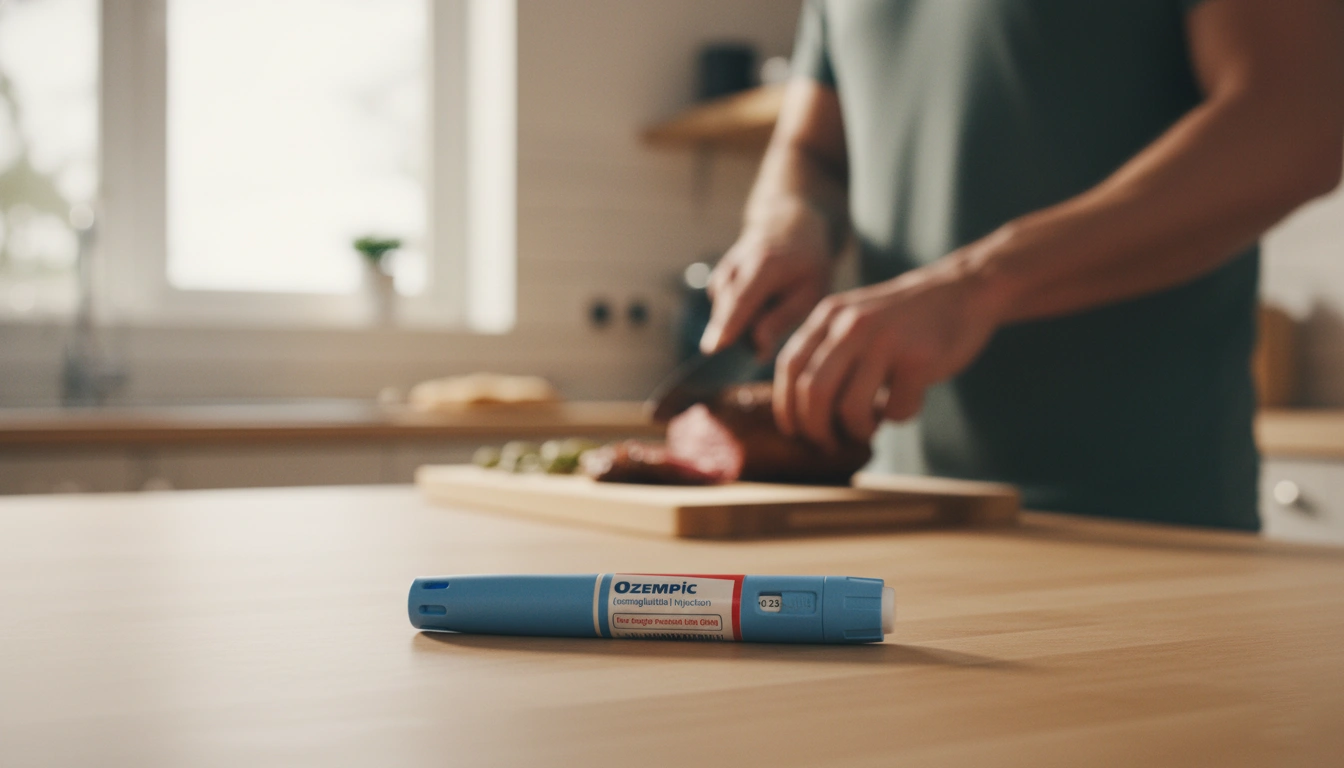
Introduction
The journey toward better health, especially when managing type 2 diabetes or striving for significant weight loss, can often feel like a complex path filled with choices and challenges. Many individuals are now finding a powerful ally in medications like Ozempic®, a critically important tool in their health strategy. However, while these medications offer remarkable support, they are not a standalone solution. The true power lies in how they integrate with comprehensive lifestyle changes, particularly in the realm of nutrition. The phrase “how to eat when on Ozempic” has become a central question for many, moving beyond a simple dietary recommendation to a holistic approach to eating that maximizes benefits and minimizes potential discomfort.
This guide is crafted to illuminate the fundamental principles and practical strategies for optimizing your diet while using Ozempic®. We will delve into how this medication interacts with your body, influencing your appetite and digestion, and how specific food choices can either enhance its effectiveness or exacerbate its side effects. Our purpose is to provide you with a comprehensive understanding of which foods to prioritize, which to approach with caution, and, crucially, the mindful eating strategies that can make all the difference. Are you ready to transform your eating habits, not just to manage your weight or blood sugar, but to cultivate a healthier, more vibrant lifestyle in conjunction with your treatment? We believe that sustainable weight loss should be achieved through science, empathy, and a transparent approach, and this post reflects that commitment. We will explore the nuances of dietary adjustments, backed by expert insights and practical advice, offering a unique blend of medical understanding and compassionate guidance designed to support your personal health journey. By the end of this article, you will have a clear roadmap for a personalized dietary strategy, empowering you to harness the full benefits of your medication while promoting overall well-being.
Understanding How Ozempic® Influences Your Eating Habits
To effectively tailor your diet, it’s essential to understand the underlying mechanisms of how medications like Ozempic® (semaglutide) work within your body. Ozempic®, an FDA-approved medication, operates as a glucagon-like peptide-1 (GLP-1) receptor agonist, mimicking a natural hormone in your body. This action initiates a cascade of effects that profoundly impact your metabolism, appetite, and digestion.
The Science Behind Ozempic® and Its Impact
Ozempic® primarily functions in three key ways that are crucial for managing blood sugar and supporting weight loss:
- Blood Sugar Regulation: It stimulates your pancreas to release insulin when blood sugar levels are high, and it suppresses the release of glucagon, a hormone that raises blood sugar. This dual action helps to stabilize blood glucose, making it particularly effective for individuals with type 2 diabetes.
- Slowing Gastric Emptying: One of the most significant effects is the slowing of how quickly food moves from your stomach into your small intestine. This delayed gastric emptying contributes to a prolonged feeling of fullness, which is a key factor in reducing overall food intake and subsequently, weight loss.
- Appetite Suppression: Ozempic® also acts on specific areas of the brain that regulate hunger and satiety signals. This can lead to a significant reduction in appetite and cravings, often described as quieting “food noise,” making it easier to make healthier food choices and adhere to a reduced-calorie diet.
These mechanisms, while beneficial for achieving health goals, can also introduce new considerations for your diet. The slowed digestion, for instance, means that certain foods may remain in your stomach for longer, potentially leading to gastrointestinal discomfort. Understanding these effects is the first step in formulating a dietary strategy that works with your medication, not against it.
Common Side Effects and How Diet Plays a Role
Given the way Ozempic® works, some individuals may experience side effects, particularly gastrointestinal ones. The most commonly reported side effects include nausea, vomiting, diarrhea, constipation, and abdominal pain. These symptoms are often more pronounced when first starting the medication or during dose escalations.
Our commitment at TrimRx is to provide compassionate care that respects every individual’s unique journey. We understand that managing these side effects is a crucial part of making your weight loss journey sustainable. While these effects usually diminish over time as your body adjusts, your dietary choices play a vital role in mitigating them. Certain foods, by their very nature, can either aggravate or alleviate these symptoms. For example, foods that are already difficult to digest, such as those high in fat, can linger even longer in a stomach with slowed emptying, intensifying feelings of nausea or discomfort. Conversely, bland, easy-to-digest foods can offer relief.
This understanding forms the bedrock of how to eat when on Ozempic, transforming potential challenges into opportunities for informed and intentional food choices. Our medically supervised programs are designed to help you navigate these nuances, offering personalized guidance every step of the way. We believe in empowering you with knowledge, ensuring you feel supported throughout your transformation.
Building a Supportive Diet: Foods to Prioritize
When integrating a medication like Ozempic® into your health plan, shifting your focus to nutrient-dense foods becomes paramount. Because your appetite may decrease and you’ll likely eat less overall, every calorie counts towards providing your body with essential nutrients, maintaining energy levels, and supporting your weight loss journey. At TrimRx, we emphasize that our personalized weight loss programs, whether involving Ozempic®, Wegovy®, Zepbound®, Mounjaro®, Compounded Semaglutide, Oral Semaglutide, Compounded Tirzepatide, or Oral Tirzepatide, are always best supported by thoughtful nutrition.
Lean Proteins: The Foundation of Satiety and Muscle Maintenance
Protein is arguably the most critical macronutrient when you are taking a GLP-1 agonist. It provides satiety, helps preserve lean muscle mass during weight loss, and has a lower impact on blood sugar compared to carbohydrates. Since you may feel full faster and for longer, prioritizing protein ensures your body receives what it needs.
- Recommended Sources: Focus on lean proteins such as skinless chicken breast, turkey, fish (salmon, cod, tuna), seafood, eggs, and lean cuts of beef or pork. For those preferring plant-based options, excellent sources include tofu, tempeh, edamame, lentils, beans, and Greek yogurt.
- Strategic Eating: Experts often advise consuming protein first at meals. This ensures that even if you feel full quickly, you’ve ingested a significant portion of this vital nutrient. Aim for at least 60 grams of protein daily, though individual needs may vary based on body weight and activity levels. A personalized plan through our free assessment quiz can help determine your specific protein requirements.
Abundant Fruits and Vegetables: Fiber, Vitamins, and Hydration
Fruits and vegetables are cornerstones of a healthy diet, especially when on Ozempic®. They are low in calories, rich in fiber, and packed with essential vitamins, minerals, and antioxidants.
- Non-Starchy Vegetables: These should form a significant portion of your plate. Think leafy greens, bell peppers, mushrooms, tomatoes, onions, carrots, cucumbers, zucchini, asparagus, and artichoke hearts. Their high water content also aids hydration.
- Fiber Power: The fiber in fruits and vegetables helps you feel full longer, aids digestion, and can combat common side effects like constipation, a concern for many on GLP-1 medications. If raw vegetables cause discomfort due to slowed digestion, try cooking them thoroughly to make them easier on your digestive system.
- Fruits in Moderation: Fruits offer natural sweetness and nutrients. Focus on lower-sugar options like berries, kiwi, grapefruit, and peaches. While beneficial, moderation is key due to their natural sugar content.
Healthy Fats: Essential Nutrients and Sustained Fullness
Healthy fats are crucial for overall health, hormone production, and nutrient absorption. When consumed in moderation, they also contribute to satiety.
- Optimal Choices: Incorporate monounsaturated and polyunsaturated fats found in avocados, nuts, seeds (chia, flax, pumpkin), and olive oil.
- Mindful Consumption: While healthy, fats are calorie-dense and can slow digestion further. Pay attention to your body’s response; if fatty foods cause discomfort, reduce portion sizes. For individuals seeking additional support in managing cravings or boosting metabolism, exploring options like our Weight Loss Boost can be beneficial.
Whole Grains and Starchy Vegetables: Sustained Energy
Whole grains and starchy vegetables provide complex carbohydrates that offer sustained energy and essential fiber.
- Smart Selections: Choose brown rice, quinoa, oats, whole wheat bread and pasta, sweet potatoes, and butternut squash. These are digested more slowly than refined grains, preventing blood sugar spikes and crashes.
- Portion Control: Aim for these to make up about a quarter of your plate. They are excellent sources of energy, but like all carbohydrates, moderation is key for managing blood sugar and weight goals.
By prioritizing these food groups, you create a robust nutritional foundation that complements the effects of Ozempic®, supporting healthy weight loss and overall vitality.
Foods to Approach with Caution or Limit
While there isn’t a strict “Ozempic® diet” in terms of foods that are absolutely forbidden, understanding how certain food categories can interact with the medication is vital. Our goal at TrimRx is to empower you with choices that align with your health goals and minimize discomfort, offering compassionate care and transparent service.
High-Fat and Greasy Foods: A Common Culprit for Discomfort
The most frequently reported culprits for discomfort among those taking Ozempic® are high-fat and greasy foods. Since Ozempic® slows gastric emptying, foods that naturally take longer to digest—like fats—will linger in your stomach for an even extended period. This can significantly worsen common side effects.
- Examples to Limit:
- Fried foods: French fries, fried chicken, onion rings, battered fish.
- High-fat meats: Fatty cuts of red meat, processed meats like sausages and bacon, highly marbled steaks.
- Rich dairy products: Full-fat cheese, butter, heavy cream sauces.
- Oils and dressings: Excessive use of oils, creamy salad dressings.
- Potential Side Effects: Nausea, vomiting, heartburn, abdominal pain, and bloating are often exacerbated by these foods. Many individuals find that even a small portion of a greasy meal can trigger significant discomfort.
High-Sugar and Ultra-Processed Foods: Detrimental to Progress
Sugary and ultra-processed foods not only offer minimal nutritional value but can also undermine your weight loss efforts and blood sugar management. They can also contribute to unwanted side effects.
- Examples to Limit:
- Sugary beverages: Sodas, fruit juices (even 100% juice can be high in sugar), sweetened teas, energy drinks.
- Processed snacks: Chips, cookies, cakes, pastries, candy, many breakfast cereals.
- Refined carbohydrates: White bread, white pasta, many crackers. While not inherently sugary, they can spike blood sugar and be surprisingly difficult to digest when on GLP-1 medications, leading to fatigue or nausea.
- Impact on Health: These foods contribute to blood sugar spikes and crashes, potentially leading to increased hunger later. They also offer little satiety, making it harder to manage calorie intake. The additives and preservatives in ultra-processed foods can also be challenging for a sensitive digestive system.
Spicy Foods and Caffeine: Potential Irritants
For some individuals, spicy foods and caffeine can exacerbate gastrointestinal symptoms, particularly heartburn.
- Spicy Foods: While some enjoy the kick of spicy dishes, they can irritate the stomach lining, especially with slowed digestion, leading to increased heartburn or nausea.
- Caffeine: Coffee and other caffeinated beverages can trigger heartburn and, for some, contribute to digestive upset. If you consume caffeine, consider reducing your intake or observing how your body reacts. If you are experiencing discomfort, try bland, decaffeinated options like iced ginger tea.
Alcohol: A Complex Relationship
Alcohol consumption while on Ozempic® presents several considerations. It can worsen side effects like nausea and vomiting for some individuals. Furthermore, alcohol can lower blood sugar, which, when combined with a medication that also impacts blood sugar, could lead to hypoglycemia in susceptible individuals.
- Recommendations: If you choose to drink alcohol, do so in moderation, adhering to general health guidelines (one drink or less per day for women, two or less for men). Observe your body’s reaction carefully. Avoiding sugary mixed drinks is also advisable.
By being mindful of these food categories, you can proactively minimize discomfort and support the positive effects of your medication. Listen to your body and adjust your choices accordingly. Keeping a food diary can be an invaluable tool for identifying your personal triggers and finding what truly works for you on your journey.
Optimizing Your Eating Experience: Strategies for Success
Beyond merely what you eat, how you eat plays a pivotal role in maximizing the benefits of Ozempic® and minimizing side effects. These strategies are about cultivating mindful habits that complement your medication and support long-term, sustainable health. We at TrimRx believe in a comprehensive approach to personalized weight loss, integrating expert advice on eating strategies with our advanced solutions.
The Power of Smaller, More Frequent Meals
One of the most impactful adjustments you can make is to shift from large, infrequent meals to smaller, more frequent portions throughout the day. Given that Ozempic® slows digestion, larger meals can overload your system, leading to prolonged feelings of fullness, nausea, or discomfort.
- Practical Application: Instead of three substantial meals, consider breaking your daily intake into five or six smaller meals or snacks. This approach ensures a steady supply of nutrients without overwhelming your digestive tract. Focus on getting protein first in each smaller meal to ensure you meet your nutritional needs.
- Listening to Your Body: This strategy encourages you to truly listen to your hunger and fullness cues. Stop eating at the first sign of satisfaction, rather than waiting to feel completely full.
Eating Slowly and Mindfully
In our fast-paced world, eating quickly has become a habit for many. However, when on Ozempic®, slowing down is more important than ever. It takes approximately 20 minutes for your brain to register fullness, and with slowed gastric emptying, this window might even be extended.
- Tips for Mindful Eating:
- Chew thoroughly: Break down your food adequately before swallowing.
- Put down your utensils: Take breaks between bites.
- Sip water: Drink small amounts of water during your meal.
- Minimize distractions: Avoid eating in front of screens, which can lead to overeating.
- Benefits: This practice not only aids digestion but also allows you to savor your food, fostering a more positive relationship with eating and preventing overindulgence.
Prioritizing Hydration
Dehydration can worsen many side effects, particularly nausea and constipation. Adequate fluid intake is fundamental to overall health and becomes even more critical when taking Ozempic®.
- Hydration Heroes:
- Plain water: Aim for plenty throughout the day.
- Clear, cold beverages: These are often best tolerated, especially if nausea is present.
- Electrolyte-rich fluids: Broth or sugar-free electrolyte drinks can replenish essential minerals.
- Iced ginger tea: Ginger is well-known for its anti-nausea properties.
- Consistency is Key: Sip fluids slowly and consistently throughout the day rather than drinking large amounts at once.
The Benefits of Post-Meal Movement
A gentle stroll after eating can do wonders for digestion and blood sugar levels. Movement helps stimulate gastric motility, aiding the slower digestive process.
- Simple Habit: Aim for a 10-minute walk after your meals. This doesn’t need to be strenuous; a leisurely pace is sufficient.
- Avoid Lying Down: Refrain from lying down immediately after eating, as this can exacerbate heartburn and acid reflux.
The Role of Fiber for Digestive Health
Constipation is a common side effect of GLP-1 medications. Incorporating sufficient fiber into your diet is crucial for maintaining regularity.
- Fiber-Rich Foods: Focus on whole grains, fruits, vegetables, beans, lentils, nuts, and seeds.
- Gradual Increase: If you’re not accustomed to a high-fiber diet, increase your intake gradually to allow your digestive system to adjust, preventing bloating or gas.
- Fiber Supplements: For some, an over-the-counter fiber supplement may be beneficial, especially in the initial stages when appetite for fibrous vegetables might be reduced. Our GLP-1 Daily Support is designed to complement your weight loss journey and overall well-being.
Tracking and Self-Awareness
Every individual’s response to medication and food is unique. What causes discomfort for one person may be perfectly fine for another.
- Food Diary: Keeping a detailed food and symptom diary can be an invaluable tool. Note down what you eat, portion sizes, and any symptoms you experience. Over time, you’ll identify personal triggers and foods that your body tolerates well.
- Adjustments: Use this information to make informed, personalized dietary adjustments.
By integrating these practical eating strategies, you create a supportive environment for your body to thrive while on Ozempic®. This proactive approach not only helps manage side effects but also ensures you’re building sustainable habits for long-term health. Remember, our approach remains consistent regardless of dosage changes, emphasizing your safety by working exclusively with FDA-registered and inspected pharmacies for the shipping of weight loss medications.
Beyond the Plate: A Holistic Approach to Weight Loss and Well-being
While dietary adjustments are crucial when considering how to eat when on Ozempic®, truly transformative and sustainable weight loss encompasses a broader, holistic perspective. At TrimRx, we embody this philosophy, understanding that success stems from integrating various pillars of health—medication, nutrition, physical activity, and robust support systems. Our journey began with a shared vision to help individuals embrace healthier lifestyles by merging cutting-edge telehealth innovations with effective weight loss solutions, making sustainable weight loss attainable and tailored to the individual.
The Indispensable Role of Physical Activity
Physical activity is a non-negotiable component of any effective weight loss and health management plan, especially when combined with medications like Ozempic®. Exercise not only burns calories but also builds muscle, improves insulin sensitivity, boosts mood, and enhances overall metabolic health.
- Maintaining Muscle Mass: When you lose weight, there’s always a risk of losing some muscle along with fat. Incorporating resistance training is vital for preserving lean muscle mass, which is crucial for a healthy metabolism. Aim for two to three sessions of resistance training per week, focusing on major muscle groups. This can involve weights, resistance bands, or even bodyweight exercises.
- Cardiovascular Health: Regular aerobic exercise, such as brisk walking, jogging, cycling, or swimming, improves cardiovascular health, endurance, and can further assist in blood sugar regulation.
- Energy Levels: While some individuals might initially experience reduced energy due to calorie restriction or side effects, consistent, moderate exercise can actually boost energy levels over time. Start slow and gradually increase intensity and duration as your body adapts.
The Importance of Professional Guidance and Personalized Care
Navigating a weight loss journey, particularly one involving prescription medication, can be complex. This is where personalized, medically supervised care becomes invaluable. There’s no one-size-fits-all “Ozempic® diet” because every body is unique, with distinct nutritional needs, metabolic responses, and potential food sensitivities.
- Doctor Consultations: At TrimRx, we provide comprehensive service that includes doctor consultations to assess your eligibility and create a personalized treatment plan. A qualified physician, especially one board-certified in obesity medicine, can guide you on medication dosage adjustments, manage side effects, and monitor your overall health.
- Registered Dietitian Support: Partnering with a specialized registered dietitian is highly recommended. A dietitian can help you:
- Tailor Meal Plans: Based on your individual needs, preferences, and how your body responds to specific foods while on Ozempic®.
- Ensure Nutrient Adequacy: Especially important when calorie intake is reduced, to prevent malnutrition or nutrient deficiencies.
- Address Side Effects: Offer specific dietary strategies to alleviate nausea, constipation, or other GI issues.
- Educate on “Real Food”: Help you reconnect with whole, unprocessed foods and develop healthy eating habits for the long term.
- Our TrimRx Approach: We champion a personalized approach to weight loss. Our platform is a user-friendly and supportive space where individuals receive personalized, medically supervised care, all designed to make sustainable weight loss attainable. We combine advanced medical science with modern technology, emphasizing transparency and support. For those considering prescription weight loss medications like Ozempic®, Wegovy®, Zepbound®, Mounjaro®, Compounded Semaglutide, Oral Semaglutide, Compounded Tirzepatide, or Oral Tirzepatide, we encourage you to take our free assessment quiz to determine your eligibility and receive a tailored plan. Our comprehensive service includes doctor consultations, medication, lab work, unlimited support, and shipping with no hidden fees, all delivered through FDA-registered and inspected pharmacies.
Beyond Prescription: Supportive Supplements
For individuals seeking to further support their wellness and weight loss journey, a range of quick-access supplements can complement your efforts without requiring a prescription or quiz. These are designed to bolster overall health and provide additional support.
- GLP-1 Daily Support: This supplement is formulated to support your body’s natural processes during your weight loss journey. It’s available for immediate purchase to support your journey with GLP-1 Daily Support.
- Weight Loss Boost: Designed to enhance your progress, this supplement can be a valuable addition to your regimen. You can enhance your progress with Weight Loss Boost and access it directly.
These supplements offer additional avenues for nurturing your health, providing support that aligns with our belief in comprehensive and individualized care.
Ultimately, medications like Ozempic® are powerful tools within a larger toolbox. They work best when integrated into a lifestyle that prioritizes mindful eating, regular physical activity, and ongoing professional support. This holistic approach ensures not just weight loss, but improved overall health and sustainable well-being for the long term. Our brand is empathetic, innovative, trustworthy, supportive, results-oriented, and personalized, offering compassionate care that respects every individual’s unique journey by combining advanced medical science with modern technology.
Conclusion
The journey toward improved health and sustainable weight management, especially with the aid of medications like Ozempic®, is a multifaceted endeavor where informed choices become your greatest allies. We’ve explored the intricate ways Ozempic® impacts your body, from slowing digestion and regulating blood sugar to quieting those persistent hunger signals. Understanding these mechanisms is the first step in formulating a dietary strategy that doesn’t just adapt to the medication but actively enhances its benefits while mitigating potential side effects.
We’ve highlighted the importance of prioritizing nutrient-dense foods: lean proteins to preserve muscle mass and provide lasting satiety, abundant fruits and vegetables for fiber and essential vitamins, healthy fats in moderation for overall health, and complex carbohydrates for sustained energy. Equally important is the awareness of foods to approach with caution – high-fat, high-sugar, ultra-processed options, and sometimes even spicy foods or alcohol – which can exacerbate gastrointestinal discomfort and hinder progress.
Beyond specific food choices, the strategies for how you eat are pivotal. Adopting smaller, more frequent meals, eating slowly and mindfully, maintaining impeccable hydration, and incorporating gentle post-meal movement are practices that lay the foundation for a smoother, more effective experience with Ozempic®.
At TrimRx, we stand as your dedicated partner in this journey. Our commitment to empowering individuals with personalized, medically supervised care, backed by science and empathy, defines our approach. We believe that true success comes from a holistic strategy that combines cutting-edge solutions with comprehensive support. Whether you’re considering prescription weight loss medications like Ozempic® or seeking supportive supplements, we provide a transparent, user-friendly, and results-oriented platform. We invite you to explore how a personalized plan can transform your health. To discover if you qualify for our prescription weight loss medications and receive a tailored treatment plan, we encourage you to take our free assessment quiz. For immediate support for your overall well-being during your weight loss journey, consider our quick-access supplements like GLP-1 Daily Support or Weight Loss Boost.
Your path to a healthier lifestyle is a collaborative effort, and with TrimRx, you gain access to comprehensive service that includes doctor consultations, medication, lab work, unlimited support, and shipping, all facilitated through our network of FDA-registered and inspected pharmacies. Embrace this opportunity to cultivate sustainable habits and achieve your wellness goals with confidence and informed decision-making.
FAQ
What specific foods should I prioritize to minimize nausea while on Ozempic®?
To minimize nausea, focus on bland, easy-to-digest foods. Good options include plain toast, crackers, rice, clear broths, lean chicken or fish (steamed or baked), and cooked, non-cruciferous vegetables. Cold, sugar-free beverages like iced ginger tea or plain water can also be very helpful. Eating smaller portions more frequently throughout the day can also reduce the likelihood of nausea.
Can I still eat my favorite high-fat or sugary foods in moderation when taking Ozempic®?
While there are no foods that are strictly forbidden, high-fat, greasy, and high-sugar foods are known to exacerbate gastrointestinal side effects like nausea, vomiting, and bloating due to Ozempic® slowing digestion. We recommend approaching these with caution and in very small portions, if at all. It’s best to listen to your body and adjust accordingly. Keeping a food diary can help you identify which foods cause you discomfort.
How much protein should I aim for daily while on Ozempic®, and why is it so important?
Aim for at least 60 grams of protein daily, though individual needs can vary. Protein is crucial because it helps you feel fuller for longer, supports the preservation of lean muscle mass during weight loss, and has a minimal impact on blood sugar levels. Since your appetite may be reduced on Ozempic®, prioritizing protein at each meal ensures you get essential nutrients even with reduced food intake. To get a more personalized protein recommendation, consider taking our free assessment quiz.
What role does hydration play in managing side effects of Ozempic®, and what are the best ways to stay hydrated?
Hydration is extremely important for managing side effects like nausea and constipation. Dehydration can worsen these symptoms. The best way to stay hydrated is to consistently sip on plain water throughout the day. Clear, cold beverages, sugar-free electrolyte drinks, and broths are also excellent choices. Avoid sugary drinks and excessive caffeine, as these can sometimes contribute to dehydration or stomach upset.

Transforming Lives, One Step at a Time
Keep reading

Magnesium and Ozempic: Can It Help With Side Effects
Walk through any online GLP-1 community and you’ll find magnesium recommended for everything from constipation to muscle cramps to poor sleep on Ozempic. Some…

Ozempic and Blood Pressure Medications: What to Know
High blood pressure and obesity frequently coexist, so it’s no surprise that many people starting Ozempic are already on an antihypertensive. The practical question…

Ozempic and Levothyroxine: What Thyroid Patients Should Know
Thyroid disease and weight struggles frequently go hand in hand, which means a lot of people starting Ozempic are already taking levothyroxine. If that’s…


