Navigating Nutrition on GLP-1 Medications: What to Eat on Ozempic and Beyond for Optimal Wellness
Introduction
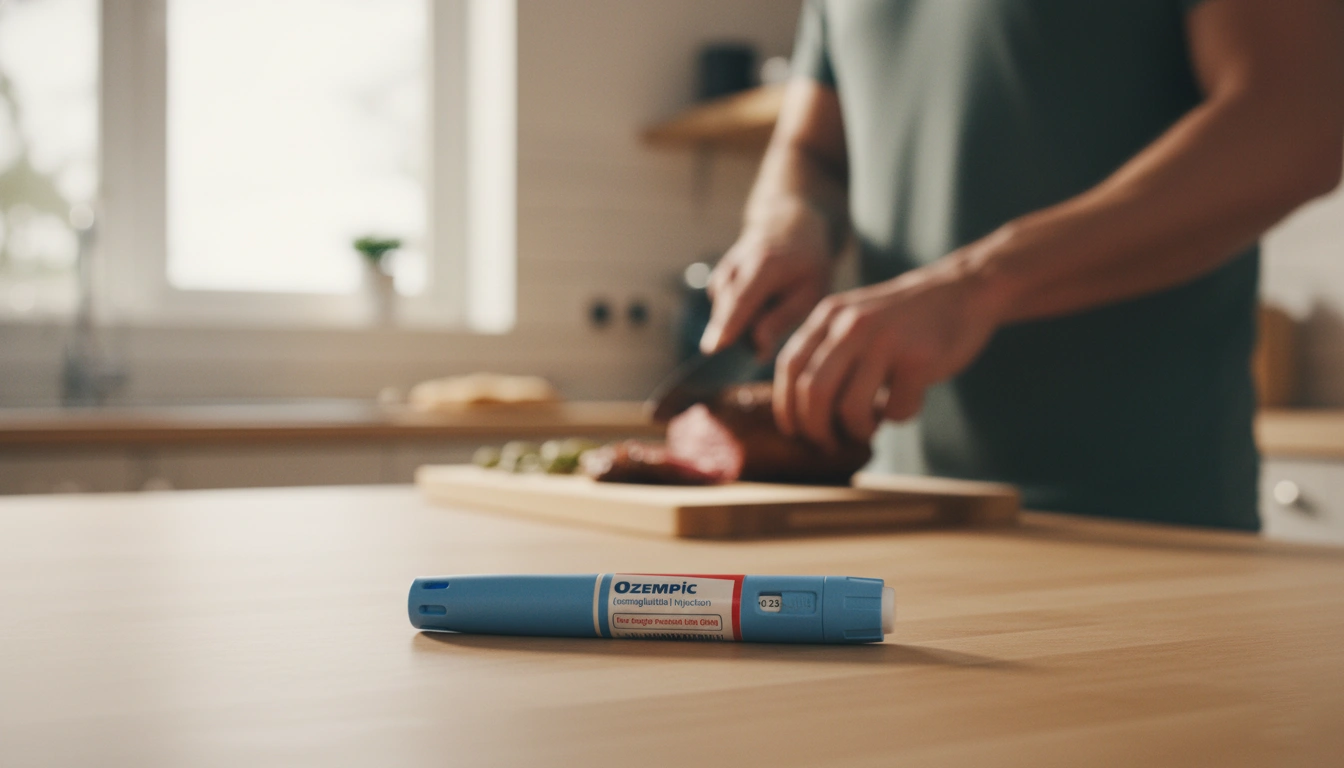
Many individuals embarking on a weight loss journey find themselves at a pivotal moment, seeking tools and strategies that truly make a difference. The emergence of GLP-1 medications, such as Ozempic®, Wegovy®, Mounjaro®, and Zepbound®, has revolutionized the landscape of weight management and blood sugar control for many, offering a powerful ally in achieving health goals. However, as with any potent tool, understanding how to best integrate it into your lifestyle is crucial for maximizing its benefits and ensuring sustainable success. The question of what to eat on Ozempic, or any other GLP-1 medication, becomes central to this integration, moving beyond simple hunger suppression to a strategic approach to nutrition.
At TrimRx, our journey began with a shared vision to help individuals embrace healthier lifestyles by merging cutting-edge telehealth innovations with effective weight loss solutions. We understand that while these medications are incredibly effective, they are most powerful when combined with a mindful and supportive dietary strategy. It’s not just about eating less; it’s about eating smarter, nurturing your body, and minimizing potential side effects while optimizing nutrient intake.
This comprehensive guide aims to illuminate the path to optimal nutrition when utilizing GLP-1 receptor agonists. We will delve into the mechanisms of these medications, explore the types of foods that should become the cornerstones of your diet, identify those that are best consumed in moderation or avoided, and discuss practical eating habits that can enhance your journey. Our goal is to equip you with the knowledge to make informed food choices, transforming your eating habits into a powerful complement to your personalized treatment plan. By the end of this article, you will have a clear understanding of how strategic nutrition can amplify the benefits of your medication, mitigate discomfort, and propel you towards a healthier, more vibrant life.
Understanding GLP-1 Medications and Their Impact on Your Body
GLP-1 receptor agonists represent a significant advancement in medical weight management and type 2 diabetes treatment. Medications like Ozempic® (semaglutide), Wegovy® (semaglutide), Mounjaro® (tirzepatide), and Zepbound® (tirzepatide) work in several intricate ways to support your health goals, making them more than just appetite suppressants. Understanding these mechanisms is the first step toward tailoring your diet effectively.
How GLP-1s Influence Your Physiology
These remarkable medications operate on multiple fronts, impacting various bodily functions related to appetite, digestion, and blood sugar regulation:
- Blood Sugar Regulation: GLP-1s stimulate your pancreas to produce more insulin when blood sugar levels are high, helping to move glucose from the bloodstream into your cells for energy. They also reduce the liver’s production of glucose and inhibit the release of glucagon, a hormone that raises blood sugar. This multi-pronged action contributes to better blood sugar control, a cornerstone of overall metabolic health.
- Slowing Gastric Emptying: One of the most significant effects of GLP-1s is their ability to slow down the rate at which food leaves your stomach. This prolonged digestion contributes to a feeling of fullness that lasts longer, naturally reducing your overall calorie intake.
- Appetite and Satiety Signals: These medications act on appetite centers in the brain, sending powerful signals of satiety. Many individuals report a significant reduction in “food noise”—the persistent thoughts and cravings about food—making it easier to make conscious, healthier food choices. Research indicates that GLP-1 or GIP/GLP-1 medications can reduce calorie intake by a substantial 16% to 39%, directly contributing to weight loss.
While these effects are highly beneficial for weight loss and blood sugar management, they necessitate a thoughtful adjustment to your diet. The slowed digestion and reduced appetite mean that every bite counts more, emphasizing the need for nutrient-dense foods to ensure your body receives the essential vitamins, minerals, and macronutrients it needs to thrive. This personalized approach to diet, alongside medical supervision, is key to your success. At TrimRx, we believe in supporting this journey by offering a range of GLP-1 medications, including Compounded Semaglutide, Oral Semaglutide, Ozempic®, Compounded Tirzepatide, Oral Tirzepatide, Mounjaro®, Zepbound®, and Wegovy®. To explore which option might be right for you and receive a personalized treatment plan, we encourage you to take our free assessment quiz today.
The Cornerstone of Your Plate: Prioritizing Nutrient-Dense Foods
When taking GLP-1 medications, your reduced appetite means you’ll likely be eating less overall. This makes the quality of the food you consume more important than ever. Focusing on nutrient-dense foods ensures you’re fueling your body efficiently, supporting sustained energy, and minimizing potential deficiencies.
Protein: The Foundation for Muscle and Satiety
Protein is paramount on a GLP-1 medication diet. When you lose weight, some of that loss can come from muscle mass, which is undesirable as muscle helps maintain your metabolism and overall strength. Prioritizing protein helps preserve lean muscle mass while promoting satiety, keeping you fuller for longer.
Why Protein Matters:
- Muscle Preservation: Adequate protein intake is vital for protecting your muscle mass during weight loss, helping to ensure that the weight you lose is primarily fat.
- Enhanced Satiety: Protein is known for its ability to promote feelings of fullness, which aligns perfectly with the appetite-suppressing effects of GLP-1 medications, helping you manage hunger more effectively.
- Blood Sugar Stability: Protein has a minimal impact on blood sugar levels compared to carbohydrates, contributing to stable glucose control.
Excellent Protein Sources:
- Lean Meats and Poultry: Chicken breast, turkey, lean cuts of beef, and pork are fantastic sources of complete protein.
- Fish and Seafood: Salmon, tuna, cod, shrimp, and other seafood provide lean protein and often beneficial omega-3 fatty acids.
- Eggs: A versatile and complete protein source, perfect for any meal.
- Dairy Products: Greek yogurt, cottage cheese, and kefir offer protein and, in some cases, probiotics that support gut health.
- Plant-Based Proteins: Tofu, tempeh, edamame, lentils, beans, and chickpeas are excellent choices for plant-forward diets. They also bring the added benefit of fiber.
Aim for protein to be a significant component of every meal. While individual needs vary, many recommendations suggest aiming for 60 to over 100 grams of protein daily, depending on your body weight and activity level. Consulting with a healthcare professional can help you determine your specific protein targets.
Fiber: Your Ally for Digestion and Fullness
Given that GLP-1 medications slow digestion, fiber becomes an indispensable part of your diet. Fiber aids in healthy digestion, promotes gut health, and is crucial for preventing common side effects like constipation. It also contributes significantly to satiety.
The Multifaceted Benefits of Fiber:
- Digestive Health: Fiber adds bulk to your stool, facilitating regular bowel movements and counteracting constipation, a common side effect of GLP-1s.
- Prolonged Satiety: Like protein, fiber helps you feel full, further supporting your reduced appetite and preventing overeating.
- Blood Sugar Regulation: Soluble fiber helps slow the absorption of sugar, which can improve blood sugar levels.
Top Fiber-Rich Foods:
- Vegetables: Leafy greens (spinach, kale), broccoli, cauliflower, bell peppers, carrots, asparagus, and many more. Load your plate with a variety of colorful vegetables.
- Fruits: Berries, apples, pears, oranges, and bananas provide natural sugars alongside valuable fiber, vitamins, and antioxidants.
- Whole Grains: Oats, quinoa, brown rice, whole wheat bread, and pasta offer complex carbohydrates and fiber.
- Legumes: Beans, lentils, and peas are powerhouses of both protein and fiber.
- Nuts and Seeds: Almonds, walnuts, chia seeds, flax seeds, and hemp seeds are excellent sources of fiber, healthy fats, and some protein.
Targeting 21-30 grams of fiber per day, depending on your gender, can make a substantial difference in your digestive comfort and overall well-being.
Healthy Fats: Essential for Hormones and Satiety
While high-fat, greasy foods are often discouraged on GLP-1s due to their slow digestion and potential to cause GI upset, incorporating healthy fats in moderation is vital. Healthy fats are essential for hormone production, nutrient absorption, and long-term satiety.
The Role of Beneficial Fats:
- Nutrient Absorption: Healthy fats help your body absorb fat-soluble vitamins (A, D, E, K).
- Hormone Production: They are crucial for the production of various hormones.
- Sustained Satiety: Fats contribute to the feeling of fullness, preventing quick hunger pangs.
- Heart Health: Unsaturated fats, in particular, support cardiovascular health.
Sources of Healthy Fats:
- Avocados: Rich in monounsaturated fats and fiber.
- Olive Oil: A staple of the Mediterranean diet, excellent for cooking and dressings.
- Nuts and Seeds: Almonds, walnuts, chia seeds, and flax seeds offer a blend of healthy fats, protein, and fiber.
- Fatty Fish: Salmon, mackerel, and sardines are rich in omega-3 fatty acids, which have anti-inflammatory benefits.
It’s important to consume healthy fats in moderation, as they are calorie-dense. Pay attention to how your body responds, as individual tolerance to fats can vary, especially with slowed digestion.
Hydration: Your Constant Companion
Adequate hydration is critical for everyone, but especially so when on GLP-1 medications. Dehydration can exacerbate side effects like nausea and constipation.
Why Hydration is Non-Negotiable:
- Preventing Dehydration: GLP-1s can sometimes reduce thirst cues or lead to fluid loss if vomiting occurs.
- Digestive Regularity: Water is essential for fiber to work effectively in preventing constipation.
- Overall Well-being: Proper hydration supports all bodily functions, from energy levels to cognitive function.
Smart Hydration Choices:
- Plain Water: The best choice, drink consistently throughout the day.
- Herbal Teas: Unsweetened herbal teas can be soothing and contribute to fluid intake.
- Infused Water: Add slices of fruit (cucumber, lemon, berries) for flavor without added sugar.
- Water-Rich Foods: Incorporate foods with high water content like watermelon, oranges, strawberries, cucumbers, and lettuce into your diet.
Aim for at least 8-10 glasses of water daily, and more if you are active or in a warm climate. Listen to your body’s signals and stay ahead of thirst.
For those looking for additional support in their weight loss journey, beyond prescription medications, we offer quick-access supplements. Our GLP-1 Daily Support is formulated to complement the effects of GLP-1s and support overall wellness, while our Weight Loss Boost provides additional metabolic support.
Navigating Your Diet: Foods to Embrace and Foods to Approach with Caution
As you navigate your journey with GLP-1 medications, understanding which foods align best with your body’s new digestive rhythm is key. While there’s no singular “Ozempic diet,” a strategic approach to eating can significantly enhance your experience and results.
Foods to Prioritize: Building a Balanced Plate
The foundation of your diet should mirror principles of healthy eating, with a strong emphasis on whole, unprocessed foods that deliver maximum nutritional value. Many experts point to the Mediterranean diet as an excellent framework due to its rich array of plant-based foods, lean proteins, and healthy fats.
Lean Proteins: Your Satiety Solution
Beyond the general importance of protein, focus on variety to ensure a broad spectrum of amino acids and micronutrients.
- Poultry: Chicken and turkey, especially breast meat, are lean and versatile.
- Fish: Salmon, cod, tilapia, and sardines provide essential fatty acids and protein.
- Eggs: A quick and easy protein source that can be prepared in numerous ways.
- Plant-Based Options: Tofu, tempeh, lentils, and beans are not only protein-rich but also packed with fiber. These can be particularly gentle on the digestive system when prepared properly.
Abundant Vegetables: Vitamins, Minerals, and Fiber
Fill at least half of your plate with non-starchy vegetables. Their high fiber and water content, combined with low-calorie density, make them perfect for satiety without overloading your digestive system.
- Leafy Greens: Spinach, kale, romaine, and mixed greens are nutrient powerhouses.
- Cruciferous Vegetables: Broccoli, cauliflower, Brussels sprouts. Some individuals may find these gas-producing, so consider cooking them thoroughly to aid digestion.
- Colorful Varieties: Bell peppers, cucumbers, zucchini, carrots, asparagus, and mushrooms offer diverse nutrients and flavors.
Fruits: Nature’s Sweetness with Fiber
Fruits provide natural sugars, fiber, vitamins, and antioxidants. While they contain sugar, it’s encased in a beneficial fiber matrix, slowing absorption.
- Berries: Blueberries, strawberries, raspberries are low in sugar and high in antioxidants.
- Citrus Fruits: Oranges, grapefruits, and tangerines provide vitamin C.
- Other Options: Apples, peaches, plums, and melons are great choices.
- Moderation is Key: Aim for 1.5-2 cups of fruit per day, viewing them as a healthy snack or dessert.
Whole Grains and Starchy Vegetables: Sustained Energy
These provide complex carbohydrates, offering sustained energy release and additional fiber. Portion control is important here, aiming for about a quarter of your plate.
- Whole Grains: Quinoa, brown rice, oats, farro, whole wheat bread, and pasta.
- Starchy Vegetables: Sweet potatoes, potatoes, butternut squash, and corn. Cooking these thoroughly can make them easier to digest.
Foods to Limit or Avoid: Reducing Discomfort and Optimizing Results
Certain foods can exacerbate common GLP-1 side effects like nausea, bloating, and indigestion, or simply work against your weight loss goals. Reducing or avoiding these can significantly improve your experience.
High-Fat and Greasy Foods: A Common Trigger
Foods high in unhealthy fats take longer to digest, and when combined with the slowed gastric emptying from GLP-1s, they can sit uncomfortably in your stomach, leading to nausea, heartburn, or abdominal pain.
- Fried Foods: French fries, fried chicken, onion rings.
- Fast Food: Burgers, pizza, and many processed drive-thru options are often loaded with unhealthy fats.
- Greasy Meats: High-fat cuts of red meat, bacon, and sausages.
- Heavy Sauces and Dressings: Cream-based sauces, excessive butter or oil.
Refined Carbohydrates and Sugary Foods: The Blood Sugar Rollercoaster
These foods provide quick energy spikes followed by crashes, leading to cravings and potentially hindering blood sugar stability. They are often low in nutrients and high in calories.
- White Bread, Pasta, Rice: Lack the fiber of whole grains and are digested quickly.
- Sugary Drinks: Sodas, fruit juices (even 100% juice), sweet teas, energy drinks.
- Sweets and Desserts: Cakes, cookies, candies, pastries.
- Processed Snacks: Chips, crackers (especially refined varieties).
Ultra-Processed Foods: Nutrient-Poor, Calorie-Dense
These foods are typically high in unhealthy fats, added sugars, sodium, and artificial ingredients, offering little nutritional value.
- Packaged Snacks: Many chips, cookies, and ready-to-eat meals.
- Processed Meats: Hot dogs, deli meats (often high in sodium and unhealthy fats).
- Condiments: Ketchup, BBQ sauce, and many salad dressings can be surprisingly high in sugar and sodium.
Alcohol: Empty Calories and Potential Discomfort
Alcohol offers minimal nutritional value and adds empty calories. It can also exacerbate GI side effects and potentially affect blood sugar levels, especially in combination with GLP-1 medications. Some individuals also report a reduced desire for alcohol while on semaglutide, which can be an unexpected benefit.
Spicy Foods and Caffeine: Proceed with Caution
While not universally problematic, some individuals find that very spicy foods or excessive caffeine intake can worsen heartburn or stomach upset when on GLP-1s. Listen to your body and adjust accordingly.
Understanding these categories allows you to make more informed choices, favoring foods that support your health and minimize discomfort. Remember, our platform is a user-friendly and supportive space where individuals receive personalized, medically supervised care—all designed to make sustainable weight loss attainable and tailored to the individual. To learn more about our comprehensive service, including doctor consultations, medication, lab work, unlimited support, and shipping with no hidden fees, we invite you to take our free assessment quiz.
Optimizing Your Eating Habits on GLP-1 Medications
Beyond what you eat, how you eat plays a critical role in your success with GLP-1 medications. Adopting mindful eating practices can significantly enhance digestion, reduce side effects, and foster a healthier relationship with food.
Smaller, More Frequent Meals: A Gentle Approach to Digestion
One of the most common pieces of advice for individuals on GLP-1 medications is to switch from three large meals a day to smaller, more frequent meals. This strategy is particularly effective in managing gastrointestinal side effects such as nausea, bloating, and indigestion.
Why This Works:
- Reduced Gastric Load: With slowed digestion, large meals can sit heavily in your stomach for an extended period, leading to discomfort. Smaller portions are easier for your body to process.
- Consistent Nutrient Supply: Eating frequently ensures a steady supply of nutrients and helps stabilize blood sugar levels throughout the day, preventing energy dips and intense cravings.
- Managing Nausea: Overfilling your stomach is a primary trigger for nausea. Smaller meals minimize this risk, allowing you to consume essential calories and nutrients more comfortably.
Consider breaking your daily intake into 5-6 small meals or snacks. Prioritize protein and fiber in each mini-meal to maximize satiety and nutritional impact.
Mindful Eating Practices: Savoring Every Bite
The appetite-reducing effects of GLP-1s present a unique opportunity to cultivate truly mindful eating habits. By slowing down and paying attention to your body’s signals, you can foster a healthier relationship with food that extends beyond your medication use.
Key Mindful Eating Strategies:
- Eat Slowly: Chew your food thoroughly. It takes time for your brain to register fullness, and eating quickly can lead to overconsumption before your body sends the “stop” signal.
- Put Down Your Utensils: Between bites, set down your fork or spoon. This simple act can help you pace yourself and become more aware of your eating speed.
- Listen to Your Body’s Cues: Pay attention to the first signs of satisfaction, rather than eating until you feel completely full or uncomfortable. The goal is to nourish your body, not to stuff it.
- Minimize Distractions: Avoid eating in front of screens (TV, phone, computer). Focus on the flavors, textures, and aromas of your food.
- Keep a Food Diary: Tracking what you eat, when you eat, and how you feel afterward can provide invaluable insights into which foods and eating patterns work best for your body while on GLP-1 medications. This personalized feedback loop empowers you to make informed adjustments.
Post-Meal Activity: Aiding Digestion and Blood Sugar
A short, gentle walk after meals can offer surprising benefits, particularly when on GLP-1 medications.
Benefits of Post-Meal Strolls:
- Improved Digestion: Physical activity can stimulate gut motility, helping food move through your digestive system more comfortably.
- Blood Sugar Control: Even light activity like walking can enhance insulin sensitivity and help your muscles utilize glucose from food, leading to lower post-meal blood sugar levels.
- Reduced Heartburn: Avoiding lying down immediately after eating and engaging in light activity can help reduce the risk of heartburn and acid reflux.
Aim for a 10-15 minute gentle walk after your main meals. It doesn’t need to be strenuous to be effective.
Staying Consistent with Meal Times: Stabilizing Your System
Eating meals at regular intervals helps maintain stable blood sugar levels and consistent energy. Skipping meals can lead to compensatory overeating later or blood sugar fluctuations, which can be counterproductive to your goals. Establish a consistent eating schedule that works with your lifestyle.
At TrimRx, we combine advanced medical science with modern technology to offer compassionate care that respects every individual’s unique journey. Our commitment to transparent service means our approach remains consistent, focusing on your long-term success. We partner exclusively with FDA-registered and inspected pharmacies for the shipping of weight loss medications, ensuring your safety and peace of mind. To discover how our personalized approach can support your weight loss journey, we invite you to explore our services by taking our free assessment quiz.
Beyond Food: Lifestyle Enhancements for Weight Loss Success
While nutrition is a cornerstone of your journey on GLP-1 medications, successful and sustainable weight loss is a holistic endeavor. Integrating complementary lifestyle practices can significantly enhance your results, improve your overall well-being, and mitigate potential challenges.
Exercise and Resistance Training: Building Strength and Metabolism
Exercise is not just about burning calories; it’s about building a stronger, healthier body that is more efficient at managing weight. This is especially true when taking GLP-1 medications.
The Indispensable Role of Physical Activity:
- Muscle Mass Preservation: As discussed, protein is crucial for muscle, but resistance training is the active component that signals your body to maintain and even build muscle tissue. Losing weight without adequate strength training can lead to a disproportionate loss of muscle, which can slow metabolism and make long-term weight management more difficult. Aim for 2-3 sessions of resistance training per week, focusing on major muscle groups. You can use free weights, resistance bands, or even your own body weight.
- Improved Insulin Sensitivity: Regular physical activity, particularly strength training and aerobic exercise, makes your body more sensitive to insulin. This means your cells can more effectively absorb glucose from your bloodstream, further aiding blood sugar control, especially beneficial for individuals managing type 2 diabetes.
- Enhanced Mood and Energy: Exercise is a powerful mood booster, helping to combat stress and improve energy levels, which can be invaluable during a weight loss journey.
If you’re new to strength training, consider consulting a healthcare professional or a certified trainer to develop a safe and effective program tailored to your needs.
Managing Side Effects Proactively: Communication is Key
Even with careful dietary choices, some individuals may experience side effects from GLP-1 medications, such as nausea, constipation, or heartburn. Proactive management and open communication with your healthcare provider are crucial.
Strategies for Side Effect Management:
- Listen to Your Body: Keep a detailed log of your food intake and any symptoms you experience. This can help you identify specific triggers.
- Hydration: Reiterate the importance of consistent fluid intake, especially water, to prevent dehydration and aid constipation. Cold, sugar-free beverages (like iced ginger tea) can sometimes alleviate nausea.
- Bland Foods: When experiencing nausea, opt for bland, easy-to-digest foods like crackers, toast, rice, plain chicken broth, or unsweetened applesauce.
- Over-the-Counter Aids (Consult Your Doctor First): For constipation, fiber supplements or a gentle stool softener might be recommended. For heartburn, antacids could provide relief. Always discuss these options with your doctor before starting any new medication or supplement.
- Dosage Adjustments: If side effects are persistent and significantly impacting your quality of life, your healthcare provider may consider adjusting your medication dosage. Higher doses are often associated with a greater likelihood of side effects.
The Power of Personalized Support: Your TrimRx Advantage
At TrimRx, we firmly believe that sustainable weight loss should be achieved through science, empathy, and a transparent approach. Our platform offers a comprehensive service designed to support you every step of the way, ensuring safe and effective weight loss tailored to your individual needs.
Our Commitment to Your Success:
- Doctor Consultations: Receive expert guidance and medical supervision from qualified healthcare professionals.
- Medication: Access clinically proven prescription weight loss medications like Compounded Semaglutide, Oral Semaglutide, Ozempic®, Compounded Tirzepatide, Oral Tirzepatide, Mounjaro®, Zepbound®, and Wegovy®, provided through FDA-registered and inspected pharmacies. We want to be clear that compounded medications are not FDA approved, but branded medications like Ozempic®, Wegovy®, Mounjaro®, and Zepbound® are FDA approved.
- Lab Work: Essential for monitoring your health and ensuring your treatment plan remains appropriate and safe.
- Unlimited Support: Our team is here for you, offering continuous guidance and answering your questions throughout your journey.
- Shipping: Convenient delivery of your medication directly to your door, with no hidden fees.
We are dedicated to offering compassionate care that respects every individual’s unique journey, combining advanced medical science with modern technology. Our transparent service ensures you understand every aspect of your personalized plan. To determine your eligibility for our personalized weight loss program and begin your transformation, take our free assessment quiz today.
For those seeking immediate support for overall wellness during their weight loss journey, we also offer quick-access supplements that do not require a quiz:
- GLP-1 Daily Support: Designed to support your body’s natural processes.
- Weight Loss Boost: Provides additional metabolic support to complement your efforts.
Conclusion
Embarking on a weight loss journey with GLP-1 medications is a powerful step towards improved health, but it’s fundamentally a partnership between cutting-edge medicine and conscious lifestyle choices. Understanding what to eat on Ozempic, or any GLP-1 medication, is not merely about adhering to a rigid diet, but about embracing a strategic nutritional approach that works in harmony with your body’s new responses. We’ve explored how prioritizing lean proteins, fiber-rich foods, healthy fats, and consistent hydration forms the bedrock of a supportive diet, while mindfully limiting high-fat, sugary, and ultra-processed items can alleviate discomfort and enhance your results.
Remember, these medications are incredible tools in your weight management toolbox, but they are most effective when coupled with a commitment to nourishing your body, engaging in regular physical activity, and listening to your body’s unique signals. Your journey is deeply personal, and while general guidelines provide a valuable starting point, true success comes from a personalized approach.
At TrimRx, our entire mission is built on this understanding. We believe in empowering you with clinically proven solutions and unparalleled support, ensuring that your path to sustainable weight loss is both safe and effective. Our platform simplifies access to personalized, medically supervised care, integrating doctor consultations, necessary lab work, and continuous support with your prescribed medication shipped from FDA-registered and inspected pharmacies.
We encourage you to view this journey not as a temporary fix, but as an opportunity to cultivate lasting healthy habits that will serve you long beyond your time on medication. If you’re ready to take the next step and discover how a personalized, medically supervised weight loss program can transform your life, we invite you to take our free assessment quiz today. For immediate support, explore our GLP-1 Daily Support and Weight Loss Boost supplements. Together, let’s build a foundation for lifelong wellness and achieve your health goals with confidence and clarity.
FAQ
What are the most important foods to prioritize when taking Ozempic or similar GLP-1 medications?
When taking GLP-1 medications, it’s crucial to prioritize nutrient-dense foods to ensure your body receives essential nourishment given the reduced appetite. Focus heavily on lean proteins (e.g., chicken, fish, tofu, beans) to maintain muscle mass and enhance satiety. High-fiber foods (e.g., vegetables, fruits, whole grains) are vital for digestive health, preventing constipation, and promoting fullness. Incorporate healthy fats in moderation (e.g., avocado, olive oil, nuts) for essential nutrients and sustained energy. Consistent hydration with plain water is also non-negotiable to prevent dehydration and aid digestion.
Are there any specific foods I should avoid while on Ozempic to prevent side effects?
Yes, certain foods are more likely to exacerbate common GLP-1 side effects like nausea, bloating, and indigestion. It is generally recommended to limit or avoid high-fat and greasy foods (e.g., fried foods, fatty meats, heavy sauces) as they digest slowly and can sit uncomfortably in your stomach. Refined carbohydrates and sugary foods/drinks (e.g., white bread, soda, pastries) can lead to blood sugar spikes and offer minimal nutritional value. Ultra-processed foods and excessive alcohol should also be limited due to their low nutrient density and potential to cause discomfort. Pay attention to how your body reacts, as individual tolerances can vary.
How can I manage common gastrointestinal side effects like nausea and constipation through diet?
To manage nausea, try eating smaller, more frequent meals throughout the day instead of large portions, and eat slowly. Opt for bland, easy-to-digest foods like crackers, toast, rice, or plain broth. For constipation, significantly increase your fiber intake through fruits, vegetables, whole grains, and legumes, and ensure you are drinking plenty of water throughout the day. A gentle walk after meals can also aid digestion and relieve discomfort. Always consult your healthcare provider if side effects are persistent or severe.
Does TrimRx offer personalized guidance on what to eat while on GLP-1 medications?
Absolutely! At TrimRx, we are committed to providing personalized, medically supervised care that includes guidance to support your weight loss journey. Our comprehensive service integrates doctor consultations where you can discuss your dietary needs and concerns. While we do not provide diet plans, our healthcare providers can offer general nutritional advice aligned with your treatment plan to help you make informed food choices and manage side effects effectively. To get started and determine if you qualify for our personalized program, we encourage you to take our free assessment quiz.

Transforming Lives, One Step at a Time
Keep reading

Ozempic and Colorectal Cancer: What the New Research Shows
Colorectal cancer is the third most commonly diagnosed cancer in the United States and one of the cancers most strongly linked to obesity, metabolic…

Does Ozempic Reduce Cancer Risk: What the Research Shows
The connection between obesity and cancer has been established for decades. What’s newer, and genuinely interesting, is emerging evidence that GLP-1 medications like Ozempic…

When to Stop Ozempic Before Surgery: Aspiration Risk Explained
If you’re scheduled for surgery and you’re currently taking Ozempic or another GLP-1 medication, there’s a specific conversation you need to have with your…


