Navigating Nutrition: What Are the Best Foods to Eat on Ozempic for a Successful Journey
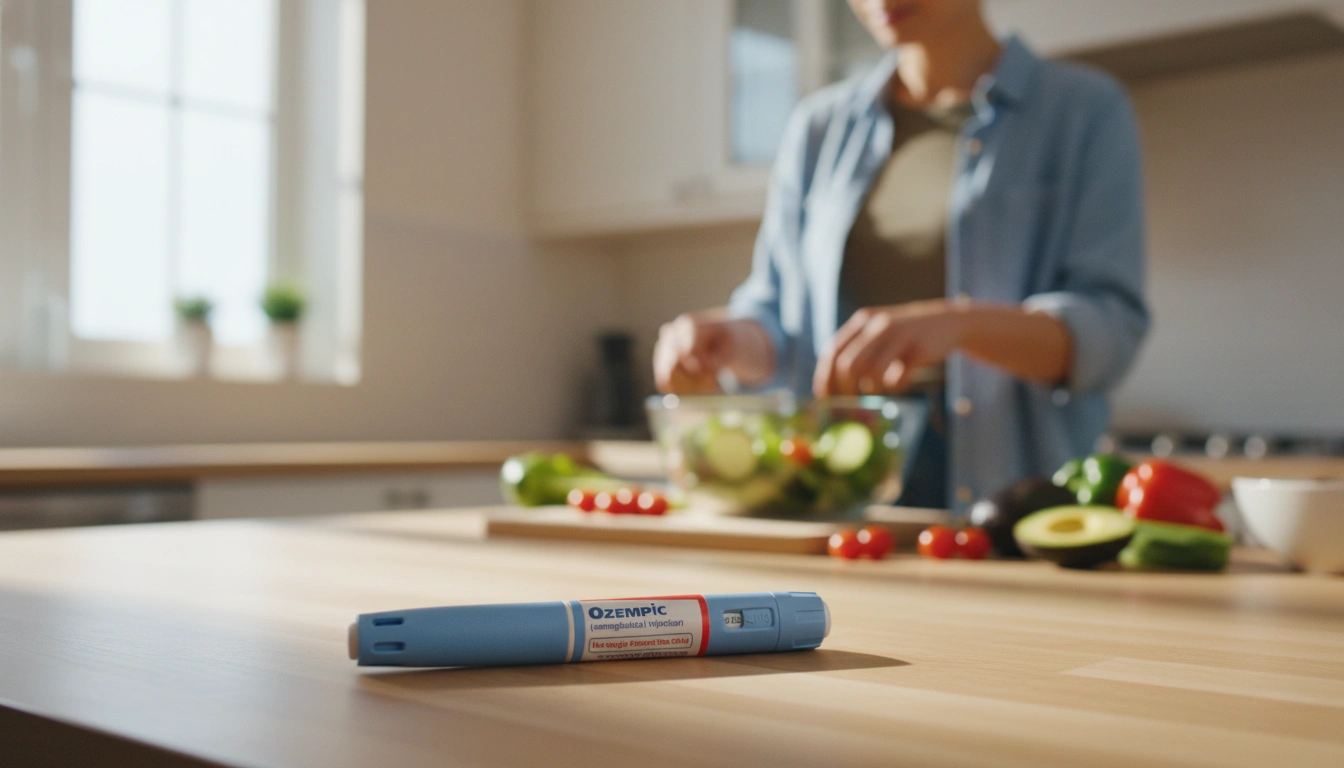
For many individuals embarking on a weight loss journey or managing type 2 diabetes, the advent of GLP-1 receptor agonists like Ozempic has marked a significant turning point. These medications often bring about profound changes in appetite, satiety, and metabolism, leading to a unique dietary landscape. The challenge isn’t just about eating less; it’s about eating smarter, ensuring your body receives the vital nutrients it needs while effectively managing potential side effects and maximizing the medication’s benefits.
Introduction
Imagine finally finding a tool that helps quiet the constant “food noise” in your mind, making it easier to make healthier choices and feel satisfied with smaller portions. This newfound control can be incredibly liberating, yet it also ushers in a new set of questions about what to eat. With a medication like Ozempic, which is FDA-approved to improve blood sugar control in adults with type 2 diabetes and, under the brand name Wegovy®, is also FDA-approved for chronic weight management, traditional eating habits often need thoughtful adjustment. Understanding how these medications interact with your body, particularly how they slow digestion and influence hunger signals, is crucial for optimizing your diet. This shift isn’t just about calorie reduction; it’s about nourishing your body intelligently, preventing nutrient deficiencies, and proactively managing gastrointestinal discomfort that can sometimes accompany these powerful treatments.
This post will serve as your comprehensive guide to navigating dietary choices while taking medications such as Ozempic. We will delve into the types of foods that form the bedrock of a healthy diet, those that might require a more cautious approach, and essential lifestyle habits that complement your treatment. Our goal is to empower you with the knowledge to make informed decisions, ensuring your weight loss journey is not only effective but also comfortable and sustainable. We believe that sustainable weight loss should be achieved through science, empathy, and a transparent approach, and this guide reflects that commitment. By the end, you’ll have a clear understanding of how to build a plate that supports your health goals and works harmoniously with your medication, paving the way for lasting well-being.
Understanding Your Journey with GLP-1s: More Than Just Appetite Suppression
When you embark on a path involving GLP-1 receptor agonists, such as Ozempic (semaglutide) or Mounjaro® and Zepbound® (tirzepatide), you’re engaging with a sophisticated mechanism designed to recalibrate your body’s metabolic functions. These medications, including our offerings like Compounded Semaglutide, Oral Semaglutide, Compounded Tirzepatide, and Oral Tirzepatide, operate on multiple fronts. They stimulate the pancreas to produce more insulin when blood sugar is high, inhibit the liver from releasing too much sugar, and, significantly for weight management, slow down gastric emptying. This slower digestion means food stays in your stomach longer, contributing to a profound sense of fullness and reducing overall appetite. Furthermore, they act on the brain’s appetite centers, quieting the persistent thoughts about food—often referred to as “food noise”—that can make healthy eating a constant battle.
This unique mode of action explains why dietary considerations become paramount. While the reduced appetite is a welcome change for many, it also presents a potential challenge: ensuring adequate nutrient intake. When you’re less hungry, it’s easier to inadvertently consume too few calories or miss out on essential vitamins, minerals, protein, and fiber. This is where a strategic approach to what are the best foods to eat on Ozempic and similar medications truly shines. By focusing on nutrient-dense choices, you can guard against malnutrition and dehydration, support your body’s systems, and proactively mitigate common gastrointestinal side effects like nausea, bloating, constipation, or diarrhea.
At TrimRx, our journey began with a shared vision to help individuals embrace healthier lifestyles by merging cutting-edge telehealth innovations with effective weight loss solutions. Our platform is a user-friendly and supportive space where individuals receive personalized, medically supervised care—all designed to make sustainable weight loss attainable and tailored to the individual. We understand that there is no one-size-fits-all solution, and your individual needs, preferences, and responses to medication should guide your dietary strategy. Our brand is empathetic, innovative, trustworthy, supportive, results-oriented, and personalized, and we are dedicated to offering compassionate care that respects every individual’s unique journey by combining advanced medical science with modern technology.
The Cornerstone of Your Diet: Nutrient-Dense Foundations
To maximize the benefits of medications like Ozempic and support your body through weight loss, focusing on nutrient-dense foods is key. These foods provide essential vitamins, minerals, fiber, and protein, helping you feel satisfied, maintain energy, and prevent deficiencies.
Prioritizing Protein for Muscle and Satiety
When you’re losing weight, a portion of that loss can come from muscle mass, which is counterproductive for long-term health and metabolism. Protein is critical for preserving muscle mass, which in turn supports a healthy metabolism and helps prevent weight regain. It’s also incredibly satiating, meaning it keeps you feeling fuller for longer, naturally reducing your overall calorie intake. For these reasons, prioritizing protein is a top recommendation for what are the best foods to eat on Ozempic.
- Lean Animal Proteins: Incorporate sources like skinless chicken and turkey breast, various types of fish (especially fatty fish like salmon for omega-3s), lean cuts of beef and pork, and eggs. These offer highly bioavailable protein.
- Plant-Based Proteins: Tofu, tempeh, edamame, lentils, and beans are excellent plant-based options that also provide significant fiber. Nuts and seeds, in moderation, also contribute protein.
- Dairy Options: Greek yogurt and cottage cheese are rich in protein and can be good choices if well-tolerated.
Aim to include at least one source of protein at every meal. Many experts suggest an intake of 1.0 to 1.2 grams of protein per kilogram of body weight to support muscle maintenance during weight loss. This can range from 60 grams to over 100 grams daily, depending on individual body weight and activity levels. If you’re unsure about your specific protein needs, considering a personalized assessment can be beneficial. To see if you qualify for our personalized prescription weight loss medications, you can take our free assessment quiz.
Embracing Fiber-Rich Fruits and Vegetables
Fruits and vegetables are powerhouse foods, offering an abundance of vitamins, minerals, and antioxidants with relatively few calories. Their high fiber content is particularly beneficial when taking GLP-1 medications. Fiber slows digestion, which supports steady blood sugar levels and enhances satiety. Critically, fiber helps promote regular bowel movements, counteracting constipation, a common side effect of slowed gastric emptying.
- Non-Starchy Vegetables: Load up your plate with leafy greens (spinach, kale, lettuce), bell peppers, broccoli, cauliflower, green beans, cucumbers, zucchini, asparagus, and artichoke hearts. Aim for these to fill half of your plate at most meals. Cooking cruciferous vegetables like broccoli and cauliflower can make them easier to digest for some individuals.
- Fruits: Don’t shy away from fruits due to sugar concerns. Their natural sugars come packaged with fiber, vitamins, and disease-protecting antioxidants. Berries, apples, pears, citrus fruits, and melon are excellent choices.
- Legumes: Beans, lentils, and chickpeas are dual-threats, providing both fiber and plant-based protein, further aiding satiety and digestive health.
Incorporating Healthy Fats for Overall Well-being
Healthy fats are vital for absorbing fat-soluble vitamins, hormone production, and maintaining cell health. They also contribute to satiety, helping you feel satisfied after meals and preventing excessive hunger. However, since GLP-1 medications already slow digestion, an abundance of high-fat foods can exacerbate this effect, potentially leading to increased nausea or discomfort. Therefore, moderation and strategic choices are key when it comes to what are the best foods to eat on Ozempic that contain fats.
- Monounsaturated and Polyunsaturated Fats: Prioritize sources like avocados, nuts (almonds, walnuts, pistachios), seeds (chia, flax, pumpkin, sunflower), and olive oil.
- Fatty Fish: Salmon, sardines, and mackerel provide beneficial omega-3 fatty acids, which support heart and brain health.
While healthy fats are important, listen to your body. If certain fatty foods cause discomfort, reduce portion sizes or choose leaner options.
Strategic Carbohydrate Choices: Whole Grains for Sustained Energy
Carbohydrates are the body’s primary source of energy, but the type of carbohydrate you choose makes a significant difference, especially when managing blood sugar and weight with medications like Ozempic. Refined carbohydrates (white bread, sugary cereals) are quickly digested, leading to rapid blood sugar spikes and subsequent crashes, which can trigger cravings. Whole grains, on the other hand, are complex carbohydrates rich in fiber, meaning they are digested slowly, providing sustained energy and stable blood sugar levels.
- Opt for Whole Grains: Incorporate brown rice, quinoa, whole-wheat bread and pasta, oats, farro, bulgur, and barley into your diet. These choices support steady energy, contribute to feelings of fullness, and add valuable fiber, helping to manage blood sugar and prevent constipation.
- Starchy Vegetables in Moderation: Vegetables like potatoes, sweet potatoes, butternut squash, and corn also provide complex carbohydrates and nutrients. Treat them as a carbohydrate source and portion them accordingly, typically making up about a quarter of your plate.
By choosing whole grains and mindfully portioning starchy vegetables, you ensure your body receives the sustained energy it needs without negatively impacting blood sugar control or contributing to digestive discomfort.
Foods to Approach with Caution: Minimizing Side Effects
While there are no foods that are absolutely “off-limits” when taking GLP-1 medications, certain food groups can worsen common side effects due to the medication’s mechanism of action. Being mindful of these can significantly improve your comfort and adherence to your treatment plan. Understanding these items is just as important as knowing what are the best foods to eat on Ozempic.
High-Fat and Greasy Foods
Ozempic slows down gastric emptying, meaning food remains in your stomach for an extended period. High-fat and greasy foods inherently take longer to digest, so combining them with a GLP-1 medication can lead to an uncomfortable exacerbation of this effect. This can manifest as increased nausea, bloating, heartburn, or even vomiting.
- Examples to Limit: Fried foods (e.g., fried chicken, french fries), fast food, very fatty cuts of red meat (burgers, highly marbled steaks), rich creamy sauces, excessive butter or oil, and high-fat dairy like full-fat cheese.
- Alternative Approaches: If you enjoy these foods, consider smaller portions, opt for leaner preparations (grilled, baked, roasted), or use healthy fats sparingly in cooking.
Refined Sugars and Ultra-Processed Items
These foods typically offer little nutritional value and can work against your weight loss efforts and blood sugar management. They are often calorie-dense but nutrient-poor, contributing to empty calories without providing lasting satiety.
- Sugary Drinks: Sodas, sweetened coffees, fruit juices (which lack the fiber of whole fruit), and energy drinks can cause rapid blood sugar spikes and contribute to stomach upset.
- Highly Processed Snacks: Chips, pretzels, cookies, cakes, pastries, and many frozen or ready meals are often high in added sugars, unhealthy fats, and sodium. They can contribute to overall calorie intake without satisfying true hunger, making weight loss more challenging and potentially leading to digestive issues.
- Refined Carbohydrates: White bread, regular pasta, and white rice are quickly broken down, leading to similar blood sugar fluctuations as sugary foods. Opting for whole-grain versions is a healthier alternative.
Alcohol and Caffeine
Both alcohol and caffeine can have an impact on your body and how you feel while on GLP-1 medications.
- Alcohol: Alcoholic beverages add empty calories that can hinder weight loss progress. More significantly, alcohol can worsen gastrointestinal side effects like nausea and stomach discomfort. It can also potentially lower blood sugar, especially when combined with medications that affect glucose regulation. Guidelines often suggest limiting alcohol to one drink per day for women and two for men, or avoiding it altogether if it causes discomfort.
- Caffeine: While generally safe, excessive caffeine intake, particularly from sweetened coffee drinks, can contribute to heartburn and stomach irritation for some individuals. Listen to your body and moderate your intake if you notice adverse effects.
Spicy and Certain Raw/Cruciferous Vegetables
Individual tolerance varies greatly, but some foods can be more irritating to the digestive system.
- Spicy Foods: For individuals prone to heartburn or nausea, spicy dishes can aggravate these symptoms while on GLP-1 medications.
- Raw and Certain High-Fiber Vegetables: While fiber is generally good, a sudden increase or large portions of raw, high-fiber vegetables (like raw broccoli, cabbage, or beans) can sometimes lead to increased gas and bloating for those not accustomed to them. Cooking these vegetables can make them easier to digest.
The key is personalization. Keep a food diary to track how different foods make you feel. This “trial and error” approach will help you identify your individual triggers and what are the best foods to eat on Ozempic for your body.
Beyond the Plate: Holistic Habits for Success with GLP-1s
While food choices are central, a holistic approach that integrates mindful habits and lifestyle adjustments will amplify the benefits of your medication and contribute to your overall well-being. This comprehensive strategy is what we champion at TrimRx.
The Power of Hydration
Maintaining adequate hydration is crucial for every bodily function, and it takes on added importance when taking GLP-1 medications. Dehydration can exacerbate nausea, fatigue, and constipation—common side effects of slowed digestion.
- Drink Plenty of Water: Make plain water your primary beverage throughout the day.
- Consider Alternatives: Herbal teas (especially ginger tea for nausea), infused waters, and coconut water can contribute to hydration.
- Water-Rich Foods: Incorporate foods with high water content, such as cucumbers, lettuce, watermelon, oranges, and soups, to further boost your fluid intake.
- Small, Frequent Sips: Instead of large gulps, sip fluids slowly throughout the day, especially if you experience nausea.
Mindful Eating Practices
The changes in appetite and satiety brought about by GLP-1s offer a unique opportunity to cultivate more mindful eating habits, which are foundational to sustainable weight loss. At TrimRx, we believe that sustainable weight loss should be achieved through science, empathy, and a transparent approach, and mindful eating is a cornerstone of this philosophy.
- Smaller, More Frequent Meals: Instead of three large meals, consider splitting your daily intake into smaller, more frequent meals and snacks. This can prevent overfilling your stomach, which can lead to discomfort, nausea, and bloating.
- Eat Slowly and Chew Thoroughly: Take your time with each meal. Chewing your food well aids digestion and gives your brain time to register fullness signals. Put your fork down between bites and savor the flavors.
- Listen to Your Body’s Cues: Pay attention to your hunger and fullness signals. Stop eating at the first sign of satisfaction, rather than waiting until you’re uncomfortably full. This is a crucial skill that GLP-1s can help you develop.
- Address “Food Noise”: While the medication helps, continue to practice recognizing emotional eating triggers versus true physical hunger.
Integrating Physical Activity
Exercise is a vital companion to dietary changes and medication, contributing significantly to blood sugar control, weight loss, and overall health.
- Boost Insulin Sensitivity: Physical activity improves your body’s sensitivity to insulin, helping to lower blood sugar levels more effectively.
- Preserve Muscle Mass: Alongside adequate protein intake, regular exercise, particularly strength training, is essential for preserving and building muscle mass during weight loss, supporting a healthy metabolism.
- Aid Digestion: Even a short, gentle walk after meals can aid digestion and help manage blood sugar spikes. It prevents lying down immediately after eating, which can worsen heartburn.
Start with activities you enjoy and gradually increase intensity and duration. Consistency is more important than strenuous exertion, especially in the initial phases.
The Role of Gut Health
As GLP-1 medications impact digestion, supporting your gut microbiome can be beneficial for managing side effects and promoting overall digestive comfort.
- Fermented Foods: Incorporate fermented foods like yogurt with live cultures, kefir, sauerkraut, and kimchi into your diet. These provide beneficial probiotics that can support gut health and may help alleviate some gastrointestinal discomfort.
- Prebiotic-Rich Foods: Fiber-rich foods also act as prebiotics, feeding your beneficial gut bacteria.
- Targeted Support: To further support your digestive system and overall wellness on your weight loss journey, consider our GLP-1 Daily Support supplement, which is available for immediate purchase without a quiz.
By combining thoughtful food choices with these holistic habits, you create a supportive environment for your body to thrive on your weight loss journey.
The TrimRx Approach: Your Personalized Path to Wellness
Embarking on a weight loss journey is deeply personal, and at TrimRx, we understand that effective solutions require individualized care. Our comprehensive approach goes beyond simply providing medication; it’s about crafting a personalized path to sustainable health and wellness, guided by science and empathy. When considering what are the best foods to eat on Ozempic, it’s about finding what works specifically for you.
Our journey began with a shared vision to help individuals embrace healthier lifestyles by merging cutting-edge telehealth innovations with effective weight loss solutions. Our platform is a user-friendly and supportive space where individuals receive personalized, medically supervised care—all designed to make sustainable weight loss attainable and tailored to the individual. We are committed to transparent service, highlighting that our approach remains consistent regardless of dosage changes, and our focus on safety by working exclusively with FDA-registered and inspected pharmacies for the shipping of weight loss medications. It must be clear that TrimRx partners with these pharmacies for the shipping of weight loss medications and does not provide actual medical supervision.
Our brand is empathetic, innovative, trustworthy, supportive, results-oriented, and personalized. We offer compassionate care that respects every individual’s unique journey by combining advanced medical science with modern technology. When you choose TrimRx, you gain access to a comprehensive service that includes essential elements for your success: doctor consultations to ensure the right treatment plan for you, medication provided through FDA-registered, inspected, and approved pharmacies, lab work to monitor your progress, unlimited support from our dedicated team, and convenient shipping—all with no hidden fees.
For those interested in exploring prescription weight loss medications like Ozempic® (semaglutide, FDA-approved for type 2 diabetes and, under the name Wegovy®, for chronic weight management) or other highly effective options such as Compounded Semaglutide, Oral Semaglutide, Compounded Tirzepatide, Oral Tirzepatide, Mounjaro® (tirzepatide, FDA-approved for type 2 diabetes), or Zepbound® (tirzepatide, FDA-approved for chronic weight management), we offer a clear pathway. To determine your eligibility and receive a tailored treatment plan, we invite you to take our free assessment quiz. This personalized assessment is the first step toward understanding which of our solutions, including these FDA-approved branded medications and expertly compounded formulations, might be best suited for your unique needs.
We also recognize that sometimes you need immediate support to complement your wellness journey. That’s why we offer quick-access supplements designed to provide general wellness support without the need for a quiz. Our GLP-1 Daily Support and Weight Loss Boost are available for direct purchase, offering valuable assistance as you work towards your health goals.
At TrimRx, we believe that combining effective medication with mindful nutrition and supportive lifestyle changes is the most powerful formula for achieving and maintaining a healthier weight. We are here to partner with you every step of the way, providing the tools and guidance you need to succeed.
Conclusion
Embarking on a weight loss journey with medications like Ozempic represents a significant step towards improved health and well-being. While these powerful tools offer profound benefits in managing appetite and blood sugar, their true potential is unlocked when seamlessly integrated with thoughtful dietary choices and holistic lifestyle habits. Knowing what are the best foods to eat on Ozempic isn’t about rigid restrictions; it’s about making smart, nutrient-dense selections that support your body, minimize side effects, and foster lasting change.
We’ve explored the essential role of lean proteins for muscle preservation and satiety, the myriad benefits of fiber-rich fruits, vegetables, and whole grains for digestion and sustained energy, and the strategic inclusion of healthy fats. Equally important is understanding which foods, such as high-fat, sugary, or ultra-processed items, might cause discomfort or hinder your progress, allowing you to approach them with caution. Beyond the plate, embracing habits like consistent hydration, mindful eating practices, regular physical activity, and supporting gut health creates a synergistic effect, enhancing both your comfort and outcomes.
At TrimRx, our commitment is to provide you with personalized, medically supervised solutions that are safe, effective, and tailored to your unique needs. We merge cutting-edge telehealth innovations with compassionate care, ensuring you have the support system necessary for sustainable success. Your journey is yours alone, but you don’t have to navigate it in isolation. If you’re ready to explore a personalized path forward and discover if our prescription weight loss medications, including Ozempic® or our compounded options, are right for you, we encourage you to take our free assessment quiz. For immediate support, our GLP-1 Daily Support and Weight Loss Boost supplements are readily available.
Remember, sustainable weight loss is a marathon, not a sprint. By focusing on nutrient-rich foods, cultivating mindful habits, and leveraging expert support, you’re not just losing weight—you’re building a foundation for a healthier, more vibrant future.
Frequently Asked Questions (FAQs)
What role does protein play when taking Ozempic, and how much should I aim for?
Protein is crucial when taking GLP-1 medications like Ozempic because it helps preserve muscle mass during weight loss and promotes satiety, keeping you fuller for longer. Aim for 1.0 to 1.2 grams of protein per kilogram of your body weight daily. This can be achieved by including lean proteins like chicken, fish, eggs, tofu, lentils, or Greek yogurt in every meal. Our personalized programs consider your individual needs and can help you develop a diet plan that optimizes your protein intake. To learn more about how we can help, take our free assessment quiz.
How can I manage common side effects like nausea and constipation through diet?
To manage nausea, opt for smaller, more frequent meals, bland foods (like plain rice, toast, or crackers), and cold, sugar-free liquids. Avoid high-fat, greasy, very spicy, or sugary foods. For constipation, significantly increase your fiber intake through fruits, vegetables, whole grains, and legumes, and ensure you’re drinking plenty of water throughout the day. Fermented foods like yogurt or kefir can also support gut health. Our GLP-1 Daily Support supplement is designed to offer additional digestive support.
Are there any foods I should completely avoid while on Ozempic?
While no foods are strictly “forbidden,” it’s advisable to approach certain types of food with caution or limit them significantly, especially if they exacerbate side effects. These include high-fat and greasy foods (fried foods, fatty meats), refined sugars and highly processed snacks (soda, candy, chips), excessive alcohol, and overly spicy dishes. These can worsen nausea, bloating, and other gastrointestinal discomforts due to the medication’s effect on slowing digestion. Listen to your body and adjust your diet based on your personal tolerance.
How does TrimRx support personalized dietary guidance alongside medication?
At TrimRx, we believe in a holistic approach to weight loss. Our personalized programs combine medically supervised care with robust support for dietary adjustments. After you take our free assessment quiz, you’ll receive a tailored treatment plan, which can include doctor consultations and unlimited support to help you understand what are the best foods to eat on Ozempic and similar medications. We focus on empowering you with the knowledge and tools for sustainable lifestyle changes, complementing your medication (shipped from FDA-registered and inspected pharmacies) with expert guidance on nutrition, exercise, and overall well-being.

Transforming Lives, One Step at a Time
Keep reading

What to Do If Your Ozempic Pen Malfunctions
You’ve set aside time for your weekly injection, you pick up the pen, and something isn’t right. Maybe the dose button won’t push down,…

Ozempic and Water Retention: What Patients Notice
Water retention on Ozempic sits in a confusing middle ground. Some patients notice puffiness or swelling, particularly in the hands, feet, or ankles, while…

Ozempic and Heartburn: Managing Acid Reflux on GLP-1
Heartburn on Ozempic tends to surprise people. You’re eating less, your meals are smaller, and yet you’re experiencing more acid reflux than before. It…


