Navigating Ozempic® After Pancreatitis: What You Need to Know
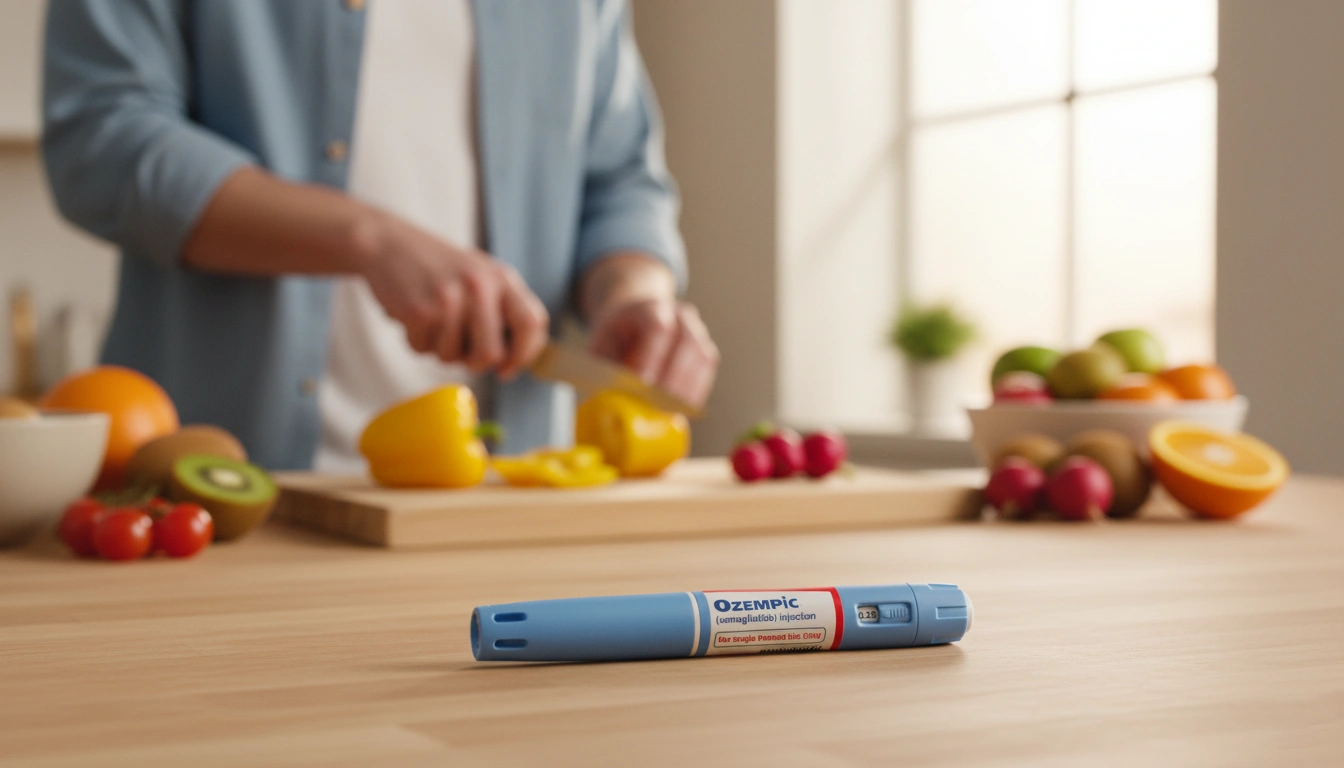
For many individuals embarking on a weight loss journey or managing type 2 diabetes, the emergence of advanced medications like Ozempic® has offered new hope and effective solutions. These medications have transformed how we approach metabolic health, demonstrating remarkable efficacy in blood sugar control and weight management. Yet, with any potent treatment, understanding potential considerations and individual suitability is paramount, especially when pre-existing health conditions are part of your medical history. One such critical consideration that often arises is the relationship between these medications and pancreatitis.
At TrimRx, our journey began with a shared vision: to help individuals embrace healthier lifestyles by merging cutting-edge telehealth innovations with effective weight loss solutions. We understand that navigating health decisions can be complex, particularly when it involves balancing the benefits of a treatment with potential risks based on your unique health profile. Our platform is meticulously designed to be a user-friendly and supportive space where individuals receive personalized, medically supervised care—all designed to make sustainable weight loss attainable and tailored to the individual. We believe that sustainable weight loss should be achieved through science, empathy, and a transparent approach.
This comprehensive guide delves into the intricate relationship between Ozempic®, related GLP-1 medications, and pancreatitis. We will explore what pancreatitis is, how these modern medications function within the body, and critically, what the research suggests about their use in individuals with a history of pancreatic inflammation. Our goal is to empower you with the knowledge to have informed discussions with your healthcare provider, ensuring your weight loss journey is not only effective but also safe and aligned with your overall well-being. By the end of this post, you will have a clearer understanding of the factors involved in making an educated decision about whether you can take Ozempic® if you’ve had pancreatitis, and how TrimRx supports individuals in making these vital health choices.
Understanding Pancreatitis: A Vital Health Consideration
The pancreas, a vital organ tucked behind the stomach, plays two crucial roles in our body’s functionality: digestion and hormone regulation. Its health is intrinsically linked to our overall well-being, making any inflammation or dysfunction a serious concern.
The Pancreas and Its Essential Functions
Firstly, the pancreas produces digestive enzymes that are released into the small intestine. These enzymes are indispensable for breaking down proteins, fats, and carbohydrates from the food we eat, allowing our bodies to absorb essential nutrients. Without proper pancreatic enzyme function, nutrient absorption is severely compromised, leading to a range of digestive issues.
Secondly, the pancreas is an endocrine gland, producing critical hormones, primarily insulin and glucagon. Insulin acts to lower blood sugar levels by facilitating the uptake of glucose into cells, providing energy. Glucagon, conversely, raises blood sugar levels when they dip too low, signaling the liver to release stored glucose. The delicate balance between these two hormones is crucial for maintaining stable blood sugar and preventing conditions like type 2 diabetes.
Types of Pancreatitis and Their Implications
Pancreatitis refers to the inflammation of the pancreas, a condition that can range from mild and temporary to severe and life-threatening. Understanding its different forms is key to appreciating the risks involved with certain medications.
Acute Pancreatitis (AP)
Acute pancreatitis is characterized by a sudden onset of inflammation, often causing excruciating pain in the upper abdomen that may radiate to the back. While it can resolve within days or a week with appropriate medical attention, severe cases require hospitalization and intensive care due to potential complications. These complications can include infection of the pancreas, internal bleeding, fluid collections, or even multi-organ failure if not treated promptly. The swift onset and potential for rapid deterioration make acute pancreatitis a medical emergency.
Recurrent Acute Pancreatitis (RAP)
Some individuals experience repeated episodes of acute pancreatitis, with periods of complete recovery in between. This condition, known as recurrent acute pancreatitis, significantly increases an individual’s risk of developing chronic pancreatitis over time. Each episode can further damage the pancreatic tissue, contributing to long-term health challenges.
Chronic Pancreatitis (CP)
Chronic pancreatitis is a progressive, long-term condition marked by persistent inflammation that leads to irreversible damage and scarring of the pancreas. This scarring weakens the organ’s ability to produce digestive enzymes and hormones. As a result, individuals with chronic pancreatitis often face ongoing digestive problems, malabsorption, and a higher risk of developing diabetes due to impaired insulin production. Other long-term complications can include severe pain, nutrient deficiencies, and in some rare cases, an increased risk of pancreatic cancer.
The Critical Link to Medications and Our Approach
Many factors can contribute to the development of pancreatitis, including gallstones, excessive alcohol consumption, high triglyceride levels, certain genetic predispositions, and, in rare instances, certain medications. When a medication is suspected, it is referred to as drug-induced pancreatitis, which can be challenging to diagnose definitively.
At TrimRx, our steadfast commitment to safety and personalized care means that we meticulously consider every aspect of your health history. Before recommending any treatment, including prescription weight loss medications, our process involves a thorough review of your medical background. This rigorous approach ensures that any potential risks, particularly those related to sensitive organs like the pancreas, are carefully evaluated by licensed healthcare providers who facilitate our programs. This proactive assessment is a cornerstone of the compassionate care we offer, respecting every individual’s unique journey. We invite you to [take our free assessment quiz] to see if you qualify for our personalized prescription weight loss solutions, where your health history is always our first priority.
How Weight Loss Medications Like Ozempic® Work: The GLP-1 and GIP Story
Modern weight loss and diabetes management have been revolutionized by a class of medications known as glucagon-like peptide-1 (GLP-1) receptor agonists. These innovative treatments leverage our body’s natural systems to achieve impressive health outcomes.
The Power of GLP-1 Receptor Agonists
Ozempic®, with its active ingredient semaglutide, is a prime example of a GLP-1 receptor agonist. These medications work by mimicking the action of a natural hormone called GLP-1, which is produced in the small intestine. GLP-1 plays several critical roles in regulating metabolism:
- Stimulating Insulin Release: When blood sugar levels rise after a meal, GLP-1 agonists prompt the pancreas to release more insulin. This helps move glucose from the bloodstream into cells, lowering blood sugar effectively.
- Inhibiting Glucagon Release: Concurrently, these medications reduce the amount of glucagon released by the pancreas. Glucagon typically raises blood sugar by signaling the liver to release glucose. By suppressing glucagon, GLP-1 agonists further contribute to stable blood sugar levels.
- Slowing Gastric Emptying: GLP-1 agonists slow down how quickly food moves from the stomach into the small intestine. This prolongs the feeling of fullness after eating, which is a significant factor in appetite regulation and weight loss.
- Promoting Satiety: By influencing hunger signals in the brain and extending gastric emptying, these medications enhance feelings of fullness and reduce overall appetite, leading to decreased food intake.
These combined mechanisms make GLP-1 receptor agonists highly effective for managing type 2 diabetes by improving glycemic control. For individuals struggling with weight, medications like Wegovy® (which also contains semaglutide but at higher doses specifically for weight management) and Ozempic® for those with type 2 diabetes who also benefit from weight loss, have shown remarkable results, leading to significant reductions in body weight when combined with dietary and lifestyle changes. Beyond blood sugar and weight, studies have also highlighted cardiovascular benefits, such as a reduced risk of major adverse cardiovascular events in individuals with type 2 diabetes.
Expanding Horizons: Dual GLP-1 and GIP Agonists
Building on the success of GLP-1 agonists, newer medications have emerged that go a step further. Tirzepatide, marketed under brand names like Mounjaro® (for type 2 diabetes) and Zepbound® (for chronic weight management), is a dual agonist. This means it mimics not only GLP-1 but also another natural gut hormone called glucose-dependent insulinotropic polypeptide (GIP).
GIP also plays a role in glucose metabolism and appetite regulation. By activating both GLP-1 and GIP receptors, tirzepatide potentially offers an even greater impact on blood sugar control and weight loss. These advancements underscore the innovative progress in medical science that TrimRx embraces to provide the most effective solutions.
Our Personalized Approach to Medication
At TrimRx, we offer a range of clinically proven medications to support your weight loss journey, always provided through FDA-registered, inspected, and approved pharmacies. Our personalized programs consider your unique health profile and goals, which is why we offer options such as [Compounded Semaglutide], [Oral Semaglutide], [Ozempic®], [Compounded Tirzepatide], [Oral Tirzepatide], [Mounjaro®], [Zepbound®], and [Wegovy®]. It’s important to remember that while branded medications like Ozempic®, Mounjaro®, Zepbound®, and Wegovy® are FDA-approved, compounded medications are not FDA-approved, though they are sourced from FDA-registered and inspected pharmacies.
To determine if you qualify for these prescription medications and to receive a tailored treatment plan, we encourage you to [take our free assessment quiz]. Our comprehensive service includes doctor consultations, the prescribed medication, necessary lab work, unlimited support from our team, and convenient shipping, all with no hidden fees. We are dedicated to transparent service, ensuring our approach remains consistent regardless of dosage changes.
For those looking for immediate support or complementary wellness during their weight loss journey, we also offer quick-access supplements that do not require a quiz: [GLP-1 Daily Support] and [Weight Loss Boost]. These products are designed to support overall well-being and can be purchased directly to complement your efforts.
The Connection: Ozempic®, Semaglutide, Tirzepatide, and Pancreatitis Risk
While GLP-1 receptor agonists like Ozempic®, Wegovy®, and dual agonists like Mounjaro® and Zepbound® offer significant benefits for diabetes management and weight loss, understanding their potential side effects, especially rare but serious ones like pancreatitis, is crucial. For individuals asking, “can I take Ozempic® if I’ve had pancreatitis?” this section provides essential context.
Acknowledging the Rare Risk
Pancreatic inflammation is listed as a possible side effect of these medications. The exact mechanism by which GLP-1 receptor agonists might contribute to pancreatitis is still being researched, but one hypothesis involves the direct stimulation of GLP-1 receptors found on pancreatic exocrine duct cells and islet beta cells. This stimulation is thought to potentially lead to cellular changes, such as hyperplasia, which could theoretically promote inflammation or obstruction within the pancreatic ducts. However, it’s important to frame this within the context of the vast number of people who use these medications safely.
Another potential indirect link involves rapid weight loss, which is a known benefit of these medications. When the body loses weight quickly, it can increase the risk of developing gallstones. Gallstones, if they migrate and block the shared bile and pancreatic ducts, are a common cause of acute pancreatitis. This highlights that while the medication might be a factor, it can also be part of a cascade of physiological changes.
What the Research Says About Pancreatitis Risk
The scientific community has extensively studied the association between GLP-1 receptor agonists and pancreatitis. Here’s a breakdown of current understanding:
Clinical Trials: Controlled Environments
Many large-scale randomized clinical trials, which compare a medication to a placebo or another treatment under controlled conditions, have investigated the side effect profile of semaglutide (Ozempic®, Wegovy®) and tirzepatide (Mounjaro®, Zepbound®).
- Semaglutide Trials: Studies like the SUSTAIN-6 trial for semaglutide generally found no increased risk of acute pancreatitis compared to placebo groups. This suggests that for the general population participating in these trials, the risk was not significantly elevated. However, a key limitation of many clinical trials is their eligibility criteria; they often exclude high-risk patients, such as those with a pre-existing history of pancreatitis. This exclusion means the trials may not fully represent the risk for individuals with this specific medical background.
- Tirzepatide Trials: Similarly, reviews involving tirzepatide have generally indicated no clear increase in pancreatitis risk. While some individuals in these studies experienced elevated pancreatic enzyme levels, these elevations did not consistently translate into more diagnosed cases of pancreatitis. The data, at times, have been inconclusive or suggest only a possible, not definite, higher risk, making definitive conclusions challenging.
Limitations of Clinical Trials
Several factors limit the definitive conclusions that can be drawn from clinical trials regarding rare side effects like pancreatitis:
- Exclusion of High-Risk Patients: As mentioned, individuals with a history of pancreatitis are often excluded, meaning the safety profile for this specific group isn’t fully captured.
- Duration of Follow-up: Clinical trials typically follow patients for months to a couple of years. Pancreatitis can develop at any point during treatment, and longer-term risks might not be fully observed within these timeframes.
- Rarity of Acute Pancreatitis: Acute pancreatitis is relatively uncommon in the general population, affecting about 1 in 2,500 adults each year. To detect a statistically significant increase in such a rare event would require a massive number of study participants—many thousands—which is not always feasible.
Epidemiological and Post-Marketing Studies: Real-World Data
Beyond controlled trials, real-world observational and epidemiological studies, as well as post-marketing surveillance, provide broader insights:
- Some epidemiological studies involving older GLP-1 medications have suggested a slightly higher relative risk of acute pancreatitis, potentially doubling the risk for those using them for type 2 diabetes. This risk might be even higher when these drugs are used specifically for weight loss. One large study indicated a nine-fold higher risk compared to other weight loss drugs, though it’s important to remember that “nine-fold” of a very small number is still a small number in absolute terms.
- The FDA’s own development data for semaglutide showed no increased risk of pancreatitis among participants compared to those taking a placebo, covering both type 2 diabetes and weight management indications.
- Despite reports logged by safety monitoring systems, a direct causal relationship—where the medication definitively caused the pancreatitis in every instance—is not always confirmed, as multiple confounding factors can contribute. For example, individuals with type 2 diabetes and obesity, who are candidates for these medications, often have other risk factors for pancreatitis independent of the drug.
The Bottom Line: Low but Present Risk
In summary, while pancreatitis is a listed and potential side effect of GLP-1 and GIP receptor agonists, the overall risk for most people remains low. Millions have taken these medications safely. However, for individuals who have a history of pancreatitis, the equation changes significantly. The presence of a previous pancreatic inflammatory event is a critical factor that necessitates extreme caution and a highly individualized medical assessment.
This is where TrimRx’s emphasis on personalized, medically supervised care becomes invaluable. Our process ensures that your specific medical history and potential risk factors are thoroughly reviewed by licensed healthcare providers. We believe in providing you with all the necessary information to make an informed decision for your health, ensuring you understand the potential benefits and risks as you consider solutions for weight loss or diabetes management.
Recognizing the Warning Signs of Pancreatitis
Even though pancreatitis is a rare side effect of medications like Ozempic® and similar GLP-1 and GIP receptor agonists, being able to recognize its symptoms quickly is incredibly important. Pancreatitis is a medical emergency that requires immediate attention. If you are ever taking a weight loss medication and experience these signs, it’s crucial to stop the medication and seek emergency medical care without delay.
Key Symptoms to Watch For
Pancreatitis symptoms can come on suddenly and be quite severe. Staying attuned to your body and understanding these warning signs can protect your health:
- Severe Upper Abdominal Pain: This is the hallmark symptom. The pain is typically intense and persistent, located in the upper part of your abdomen, and may radiate straight through to your back. It often does not improve with changes in position or over-the-counter pain relievers. The pain can sometimes worsen after eating.
- Ongoing Nausea and Vomiting: Many individuals with pancreatitis experience persistent nausea, often leading to repeated episodes of vomiting that do not bring relief.
- Fever and Chills: An elevated body temperature, often accompanied by chills, is a common indicator of inflammation or infection within the body.
- Rapid Heartbeat: You might notice your heart beating faster than usual, a physiological response to pain, inflammation, or dehydration.
When Symptoms May Appear
In the rare instances where someone develops pancreatitis related to a GLP-1 medication, symptoms most commonly appear within the first few weeks or months after starting the treatment. However, it’s vital to understand that they can potentially develop at any point during your treatment, even after you’ve been on the medication for an extended period. This means continuous awareness of your body’s signals is essential throughout your entire weight loss journey.
The Importance of Prompt Action
If you or someone you know on these medications experiences any of these symptoms, the recommended course of action is clear:
- Stop taking the medication immediately.
- Seek emergency medical care right away. Go to the nearest emergency room. Do not wait to see if the symptoms improve.
Prompt treatment for pancreatitis can significantly reduce the risk of serious complications, which can include infection, internal bleeding, and multi-organ failure. A swift diagnosis allows healthcare providers to initiate supportive care, manage pain, and make critical decisions about your ongoing treatment plan.
At TrimRx, our commitment to safety and transparency means we provide comprehensive support and information about potential side effects. We ensure that our licensed healthcare providers facilitate thorough discussions about these possibilities during your consultations. Our approach is to empower you with knowledge, ensuring you feel supported and informed every step of the way. Your well-being is our utmost priority, and understanding these critical warning signs is a key part of maintaining it.
Who Should Exercise Caution or Avoid GLP-1 Medications?
The question “can I take Ozempic® if I’ve had pancreatitis?” is a crucial one that directly impacts treatment decisions for many individuals considering weight loss or diabetes management solutions. While GLP-1 and GIP receptor agonists offer remarkable benefits, certain medical histories and risk factors warrant extreme caution or make these medications unsuitable.
History of Pancreatitis: A Primary Concern
Individuals with a documented history of pancreatitis are generally advised to approach GLP-1 receptor agonists like Ozempic®, Wegovy®, Mounjaro®, or Zepbound® with extreme caution, and in many cases, to avoid them altogether. The reason for this strong recommendation is multi-faceted:
- Increased Vulnerability: A pancreas that has previously experienced inflammation may be more susceptible to future episodes. Introducing a medication that could potentially influence pancreatic function, even rarely, might trigger a recurrence or worsen a pre-existing vulnerability.
- Clinical Trial Exclusions: As noted earlier, individuals with a history of pancreatitis were often excluded from the major clinical trials that established the safety and efficacy of these medications. This means there is limited robust data on how these drugs specifically affect this higher-risk population, making it difficult to predict outcomes.
- Official Recommendations: Many pharmaceutical guidelines and regulatory advisories recommend that if pancreatitis is suspected while on these medications, treatment should be discontinued. If acute pancreatitis is confirmed, restarting treatment with these agents is generally not advised.
For these reasons, if you have a history of pancreatitis, it is imperative to have a candid and detailed discussion with a licensed healthcare provider about all potential risks and alternative treatment options.
Other Important Risk Factors and Considerations
Beyond a direct history of pancreatitis, several other factors can increase an individual’s risk for pancreatic inflammation and should be carefully evaluated:
- High Triglyceride Levels: Very high levels of triglycerides (a type of fat in the blood) are a well-established cause of acute pancreatitis. If you have elevated triglycerides, especially those that are poorly controlled, this adds another layer of risk.
- Gallstone Disease: Gallstones are a leading cause of acute pancreatitis. If you have a history of gallstones or active gallstone disease, the risk is higher. As discussed, rapid weight loss—a benefit of GLP-1 medications—can also increase the likelihood of gallstone formation.
- Excessive Alcohol Consumption: Chronic heavy alcohol use is a significant risk factor for both acute and chronic pancreatitis.
- Certain Genetic Predispositions: Some genetic factors can make individuals more prone to pancreatitis.
- Other Medications: Certain other medications can also increase the risk of pancreatitis. It’s crucial for your healthcare provider to have a complete list of all medications you are currently taking.
- Severe Obesity and Longer Diabetes Duration: These conditions themselves are known risk factors for pancreatitis, independent of medication use. When considering a GLP-1 for these conditions, the underlying risk needs to be part of the overall assessment.
The Role of Comprehensive Medical Evaluation
Given these complexities, a thorough medical history, physical examination, and potentially specific lab tests (such as lipid panels) are indispensable before initiating any weight loss medication. This comprehensive evaluation allows healthcare providers to:
- Assess Individual Risk: Determine your unique risk profile for pancreatitis and other potential side effects.
- Weigh Benefits Against Risks: Evaluate whether the potential benefits of the medication outweigh the identified risks for your specific situation.
- Explore Alternatives: Discuss other suitable weight loss strategies or diabetes management options if GLP-1 medications are deemed unsafe.
At TrimRx, our patient-first philosophy means that your safety and well-being are always our top priority. Our personalized weight loss programs begin with a [free assessment quiz] designed to gather essential health information. Following this, you will engage in a consultation with a licensed healthcare provider who conducts a detailed review of your medical history, including any past episodes of pancreatitis or other risk factors. This medically supervised approach ensures that you receive a personalized treatment plan that is both effective and safe for your unique health circumstances. Our comprehensive service includes these vital doctor consultations, medication sourced from FDA-registered and inspected pharmacies, necessary lab work, unlimited support, and convenient shipping, all without hidden fees. We combine advanced medical science with modern technology to offer compassionate care that respects every individual’s unique journey.
Navigating Your Weight Loss Journey with TrimRx: Safety and Personalization First
Embarking on a weight loss journey is a significant step towards a healthier life, and at TrimRx, we are dedicated to making that journey safe, effective, and deeply personalized. We understand that each individual’s health profile, goals, and challenges are unique, especially when considering complex medical histories such as pancreatitis. Our foundation is built on science, empathy, and transparency, ensuring that you receive care that truly understands and supports you.
Our Story and Values: A Commitment to You
Our journey at TrimRx began with a clear vision: to empower individuals to achieve healthier lifestyles by merging cutting-edge telehealth innovations with clinically proven weight loss solutions. We saw a need for a platform that could deliver medically supervised care in a user-friendly and supportive environment, making sustainable weight loss attainable and uniquely tailored to each person.
Our brand personality reflects this commitment: we are empathetic, innovative, trustworthy, supportive, results-oriented, and personalized. We offer compassionate care that respects every individual’s unique journey, combining advanced medical science with modern technology. We believe that informed decisions are the best decisions, which is why transparent service is at our core. Our approach remains consistent, providing clear guidance and support, regardless of any necessary dosage adjustments during your treatment. Furthermore, your safety is paramount, which is why we work exclusively with FDA-registered and inspected pharmacies for the shipping of any prescribed weight loss medications. It’s important to understand that while our comprehensive service includes doctor consultations and medically supervised care, TrimRx partners with these pharmacies for medication fulfillment and does not directly provide medical supervision itself; rather, we facilitate access to licensed healthcare providers who oversee your care.
Our Personalized Weight Loss Programs: Designed for You
For individuals exploring prescription weight loss medications, our process is thorough and designed with your safety in mind. We offer a range of clinically proven options, carefully selected to provide effective results under professional guidance:
- Compounded Semaglutide
- Oral Semaglutide
- Ozempic® (FDA-approved)
- Compounded Tirzepatide
- Oral Tirzepatide
- Mounjaro® (FDA-approved)
- Zepbound® (FDA-approved)
- Wegovy® (FDA-approved)
To ensure these powerful medications are right for you, we require all prospective members to complete our [free assessment quiz]. This essential first step helps our licensed healthcare providers determine your eligibility based on your medical history, including any conditions like pancreatitis, and your current health status. It’s how we craft a personalized treatment plan that prioritizes your health and maximizes your chances for sustainable success. Our comprehensive service for these programs includes doctor consultations, the prescribed medication, essential lab work, unlimited support from our dedicated team, and convenient shipping—all provided with no hidden fees, reinforcing our commitment to transparent service.
Quick-Access Supplements: Immediate Support for Your Wellness
We also understand that many individuals seek immediate support for their overall wellness during their weight loss journey. For this, we offer quick-access supplements that do not require a quiz, making them readily available to support your efforts:
- [GLP-1 Daily Support]: Designed to complement your metabolic health journey.
- [Weight Loss Boost]: Formulated to provide additional support for your weight management goals.
These supplements are available for immediate purchase to integrate into your daily routine and support your well-being.
Our Commitment to Your Safety and Success
Whether you’re exploring prescription medications or looking for immediate wellness support, TrimRx is your partner. Our robust screening processes, facilitated through licensed healthcare providers, ensure that all medical contraindications, such as a history of pancreatitis, are carefully considered. We empower you with accurate, evidence-based information and continuous support, reflecting our results-oriented approach. Our dedication is to provide a safe pathway to effective weight loss, grounded in compassionate care and cutting-edge science.
We invite you to discover the TrimRx difference, where your health journey is met with expertise, understanding, and unwavering support. Take the first step towards a healthier you by exploring our personalized programs or immediate support solutions.
Minimizing Risks and Maximizing Success
Successfully navigating a weight loss journey, especially with medical assistance, involves a continuous partnership with your healthcare team and a commitment to proactive self-care. When considering medications like Ozempic® or similar GLP-1/GIP agonists, particularly if there’s a history of conditions like pancreatitis, minimizing risks and maximizing positive outcomes becomes a shared responsibility.
The Power of Open Communication
One of the most critical aspects of any medical treatment is maintaining open, honest, and frequent communication with your licensed healthcare provider. This is especially true when discussing medications that interact with complex bodily systems:
- Detailed Medical History: Always provide a complete and accurate medical history, including any past episodes of pancreatitis, gallstones, high triglycerides, alcohol use, and all current medications and supplements. Do not withhold any information, no matter how minor it may seem.
- Report All Symptoms: Promptly report any new or worsening symptoms you experience while on medication. This includes gastrointestinal issues, abdominal pain, fever, or any other unusual changes in your health. Early reporting allows for quick assessment and intervention, which is vital for conditions like pancreatitis.
- Clarify Concerns: If you have questions or concerns about side effects, drug interactions, or your treatment plan, do not hesitate to ask. A well-informed patient is an empowered patient.
Adhering to Your Treatment Plan
Strict adherence to your prescribed treatment plan is fundamental for both safety and efficacy:
- Follow Dosage Instructions: Take your medication exactly as prescribed by your healthcare provider. Do not alter doses or frequency without professional guidance.
- Regular Monitoring: Participate in all recommended follow-up appointments and lab work. Regular monitoring allows your healthcare team to assess your progress, manage side effects, and make any necessary adjustments to your treatment.
Lifestyle Modifications as Cornerstones
While advanced medications are powerful tools, they are most effective when integrated into a holistic approach to health. Lifestyle modifications remain the cornerstones of sustainable weight loss and overall well-being:
- Balanced Nutrition: Focus on a diet rich in whole foods, lean proteins, fruits, and vegetables, while limiting processed foods, excessive sugars, and unhealthy fats. Our GLP-1 and GIP Daily Support products can complement these efforts.
- Regular Physical Activity: Incorporate consistent physical activity into your routine, tailored to your abilities and health status.
- Hydration: Ensure adequate water intake throughout the day.
- Stress Management: Practice stress-reducing techniques, as chronic stress can impact metabolic health.
How TrimRx Supports Your Journey
At TrimRx, our commitment extends beyond providing access to medication. We champion a comprehensive, supportive ecosystem designed for your success:
- Medically Supervised Programs: Our programs provide access to licensed healthcare providers who carefully evaluate your individual needs and risks, ensuring your personalized treatment plan is safe and appropriate.
- Unlimited Support: We offer unlimited support to guide you through your journey, answering questions and providing encouragement every step of the way. This ongoing connection helps you stay on track and addresses concerns as they arise.
- Transparent Approach: We believe in clear, consistent communication about your treatment, potential side effects, and what to expect, building a foundation of trust.
We are here to partner with you, integrating scientifically backed solutions with empathetic care. By taking a proactive role in your health and leveraging the comprehensive support available through TrimRx, you can confidently pursue your weight loss goals, minimizing risks and maximizing your potential for lasting success. If you’re ready to start your journey with a supportive and knowledgeable team, we encourage you to [take our free assessment quiz] or explore our immediate support supplements like [GLP-1 Daily Support] and [Weight Loss Boost].
Conclusion
Navigating the landscape of modern weight loss and diabetes management, especially when considering powerful medications like Ozempic® and related GLP-1 and GIP receptor agonists, requires a careful balance of enthusiasm for progress and diligent attention to individual health considerations. We’ve explored the intricate workings of these medications, their profound benefits, and critically, the rare yet serious concern of pancreatitis. The key takeaway remains clear: while these treatments are generally safe and effective for many, a history of pancreatitis fundamentally alters the risk-benefit equation and necessitates extreme caution and personalized medical evaluation.
Our detailed examination has highlighted that while clinical trials often exclude individuals with a pancreatitis history, real-world data and case reports underscore the importance of understanding this potential interaction. Recognizing the warning signs of pancreatitis and acting swiftly is paramount to your safety.
At TrimRx, we stand firm in our belief that safe and effective weight loss is achieved through a combination of science, empathy, and a transparent approach. Our journey began with the vision to blend cutting-edge telehealth with personalized, medically supervised care, making sustainable health goals truly attainable. We are proud to offer a platform where every individual’s unique health story is respected, and their journey is supported by licensed healthcare providers who carefully consider every aspect of their medical history. Our commitment to safety is unwavering, partnering exclusively with FDA-registered and inspected pharmacies to ensure the quality of your medication.
We hope this comprehensive guide has empowered you with the knowledge to approach your weight loss journey with confidence and clarity. Your health is a personal expedition, and choosing the right path requires informed decisions, guided by experts. TrimRx is here to be your trusted partner, providing access to personalized programs and continuous support, ensuring your path to a healthier lifestyle is both effective and secure.
If you are considering prescription weight loss medications and want to explore options tailored to your unique health profile, we invite you to [take our free assessment quiz] to see if you qualify for our personalized programs. Alternatively, for immediate support to boost your overall wellness during your weight loss journey, explore our [GLP-1 Daily Support] and [Weight Loss Boost] supplements. Your journey to a healthier, more vibrant you begins with an informed and supported step forward.
Frequently Asked Questions
Can I use Ozempic® if I have a history of acute pancreatitis?
Generally, individuals with a history of acute pancreatitis are advised to use GLP-1 receptor agonists like Ozempic® with extreme caution, and in many cases, healthcare providers may recommend against their use. Clinical trials for these medications often excluded patients with such a history, meaning there’s limited data on their safety in this specific population. It is crucial to have a thorough discussion with a licensed healthcare provider to assess your individual risk factors and explore alternative treatment options. Our personalized assessment through TrimRx’s [free assessment quiz] includes a detailed review of your medical history by a licensed healthcare provider to determine eligibility for our programs.
What are the signs of pancreatitis I should look out for while on GLP-1 medications?
While pancreatitis is a rare side effect, recognizing its symptoms is vital. Look out for severe upper abdominal pain that may radiate to your back, persistent nausea and vomiting, a fever, and a rapid heartbeat. If you experience any of these symptoms while on a GLP-1 medication, you should stop taking the medication immediately and seek emergency medical attention. Your safety is our priority, and our comprehensive support ensures you are informed about potential side effects and what actions to take.
How does TrimRx ensure safety for individuals considering weight loss medications?
At TrimRx, safety and personalization are at the core of our service. Our personalized weight loss programs begin with a [free assessment quiz] that gathers your detailed medical history. This information is then thoroughly reviewed by licensed healthcare providers who conduct consultations to determine your eligibility and create a customized treatment plan. We partner exclusively with FDA-registered and inspected pharmacies for medication fulfillment and are committed to transparent service, including unlimited support and clear communication about your treatment, ensuring a medically supervised and safe approach to your weight loss journey.
Are there alternatives if I cannot take Ozempic® due to pancreatitis history?
Yes, if Ozempic® or similar GLP-1/GIP receptor agonists are deemed unsuitable due to a history of pancreatitis or other contraindications, your licensed healthcare provider will discuss other weight loss strategies. These can include various lifestyle modifications (diet and exercise plans), alternative prescription medications that do not carry the same pancreatic risk, or our quick-access supplements like [GLP-1 Daily Support] and [Weight Loss Boost] which can support overall wellness during your weight loss journey. The goal is always to find a safe and effective path tailored to your unique health needs.

Transforming Lives, One Step at a Time
Keep reading

How to Get Ozempic or Semaglutide in Miami
Miami’s wellness culture runs deep, and GLP-1 medications have become a significant part of that conversation across the city. From Brickell to Coral Gables…

How to Get Ozempic or Semaglutide in Los Angeles
Los Angeles has no shortage of wellness clinics, concierge medicine practices, and weight loss programs promising access to the latest treatments. Semaglutide is at…

How to Get Ozempic or Semaglutide in Chicago
Chicago residents looking for semaglutide have more options than they might realize, and fewer of those options require setting foot in a clinic than…


