Navigating Ozempic Doses: What Options Are There?
Introduction
The journey toward better health often involves navigating complex medical information, especially when it comes to managing conditions like type 2 diabetes or reducing cardiovascular risk. Many individuals find themselves seeking clarity on prescribed medications, eager to understand how they work and, crucially, how they are administered. A common area of inquiry revolves around medications like Ozempic, a brand name for semaglutide, particularly concerning its various dosing options. Knowing precisely what doses of Ozempic are there, how they are structured, and what each pen type offers is fundamental to effective treatment and fostering confidence in your health regimen. This article aims to demystify the Ozempic dosing landscape, providing a comprehensive guide to its available strengths and typical usage patterns. We will explore the different pen formulations, the progression of doses from initiation to maintenance, and crucial considerations for safe and effective administration. Our goal at TrimRx is to empower you with knowledge, ensuring you feel supported and informed every step of the way on your path to sustainable well-being, complementing our commitment to personalized, medically supervised weight loss solutions. By the end of this deep dive, you will have a clear understanding of Ozempic’s dosing intricacies, equipping you to engage more confidently with your healthcare provider and optimize your treatment experience.
Understanding Ozempic: A Foundation for Health Management
At TrimRx, our journey began with a shared vision to help individuals embrace healthier lifestyles by merging cutting-edge telehealth innovations with effective weight loss solutions. Our platform is a user-friendly and supportive space where individuals receive personalized, medically supervised care—all designed to make sustainable weight loss attainable and tailored to the individual. Understanding your treatment options is a vital first step, and Ozempic (semaglutide) represents a significant advancement in the management of specific health conditions.
What is Ozempic?
Ozempic is an injectable medication containing semaglutide, a glucagon-like peptide-1 (GLP-1) receptor agonist. It is administered once weekly and is primarily approved by the FDA for:
- Improving Blood Sugar Control: Used alongside diet and exercise to enhance blood sugar (glucose) management in adults with type 2 diabetes mellitus.
- Reducing Cardiovascular Risk: Lowering the risk of major cardiovascular events, such as heart attack, stroke, or death, in adults with type 2 diabetes who also have known heart disease.
- Managing Kidney Disease Progression: Reducing the risk of worsening kidney disease and cardiovascular death in patients with type 2 diabetes and chronic kidney disease.
While Ozempic is primarily prescribed for these conditions, many individuals also experience weight loss as a beneficial effect. It’s not specifically approved for weight loss alone but can be a valuable tool when integrated into a broader health strategy. For those exploring their eligibility for such medications, we encourage you to take our free assessment quiz to determine if our prescription weight loss medications, including Ozempic, might be right for you.
How Does Semaglutide Work?
Semaglutide mimics the action of the natural GLP-1 hormone, which plays several crucial roles in the body’s metabolic processes:
- Stimulates Insulin Release: When blood sugar levels are high, semaglutide prompts the pancreas to release more insulin, which helps transport glucose from the bloodstream into cells for energy.
- Suppresses Glucagon Secretion: It reduces the amount of glucagon, a hormone that raises blood sugar, produced by the pancreas.
- Slows Gastric Emptying: By slowing down how quickly food leaves the stomach, semaglutide helps to make you feel fuller for longer, which can contribute to reduced calorie intake and, consequently, weight loss.
- Acts on Brain Receptors: It also affects appetite-regulating centers in the brain, further contributing to a feeling of satiety and reducing hunger.
This multi-faceted action makes Ozempic an effective tool for improving metabolic health and can be a cornerstone of a personalized treatment plan when medically appropriate.
Decoding Ozempic Pen Strengths and Formulations: What Doses of Ozempic Are There?
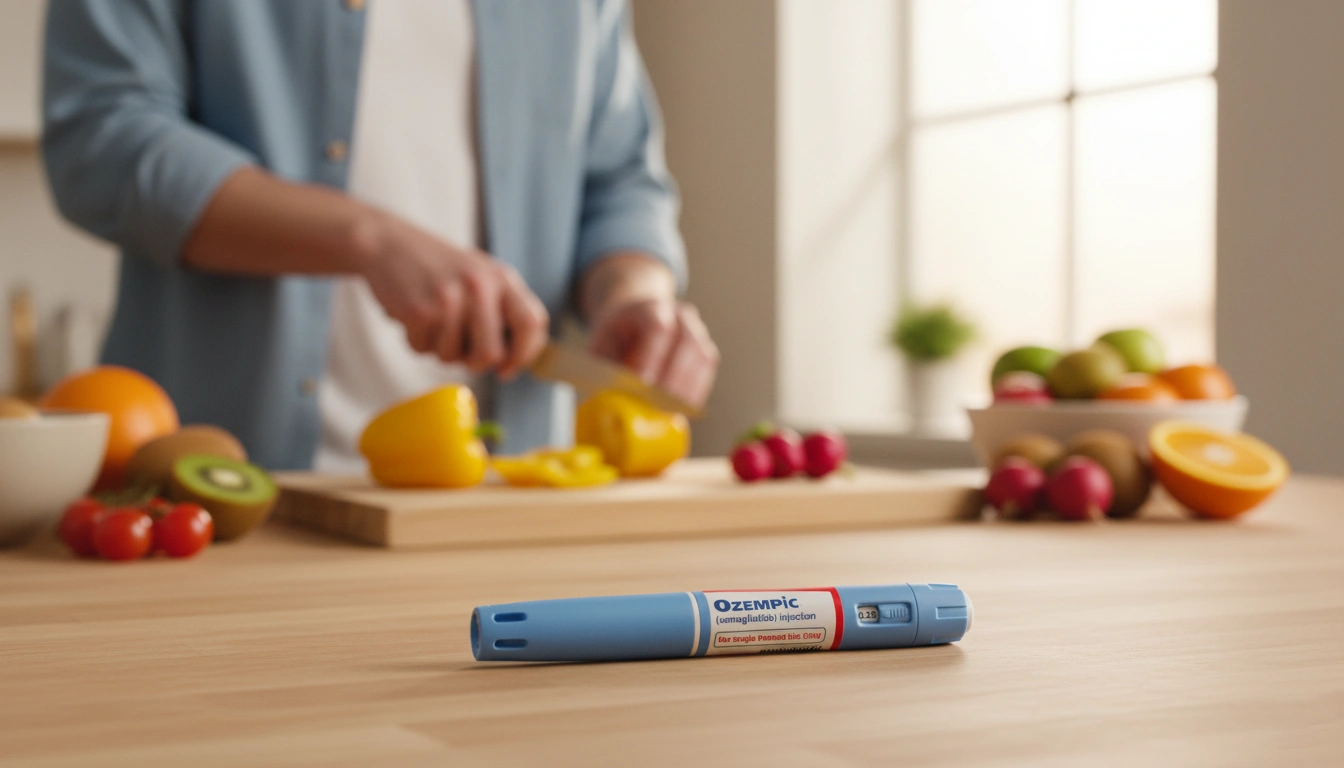
Understanding the specifics of Ozempic’s presentation is crucial for both prescribers and patients. Ozempic comes in pre-filled, disposable pens designed for subcutaneous (under the skin) injection once weekly. When considering what doses of Ozempic are there, it’s important to differentiate between the total amount of medication in a pen and the individual doses it’s calibrated to deliver. Each pen is intended to last for approximately one month, providing four weekly doses once a stable maintenance dose is reached.
The Three Ozempic Pen Options
Currently, there are three distinct Ozempic pen options, each containing a specific concentration of semaglutide and designed to deliver particular dose increments. We partner with FDA-registered and inspected pharmacies for the shipping of these medications, ensuring quality and safety.
1. The 2 mg/3 mL Pen (Delivering 0.25 mg or 0.5 mg Doses)
This pen contains a total of 2 mg of semaglutide dispersed in 3 mL of solution, equating to 0.68 mg/mL. It is designed to be used for:
- Initiation Doses: Delivering four weekly doses of 0.25 mg. This is typically the starting point for treatment to allow the body to adjust to the medication, which we will delve into further in the dosing schedule section.
- Early Maintenance Doses: After the initial four weeks, this pen can then deliver two weekly doses of 0.5 mg.
- Alternative 0.5 mg Use: Alternatively, it can deliver four weekly doses of 0.5 mg if a patient is starting directly on this maintenance dose or continues at this level.
This pen is particularly useful during the initial titration phase of treatment, offering flexibility as your body adapts to the medication. It’s often referred to as the “red label” pen, providing the lower starting and initial maintenance doses.
2. The 4 mg/3 mL Pen (Delivering 1 mg Doses)
This pen holds a total of 4 mg of semaglutide in 3 mL of solution, with a concentration of 1.34 mg/mL. It is specifically intended for:
- Maintenance Doses: Delivering four weekly doses of 1 mg.
Once a patient’s healthcare provider determines that a 1 mg weekly dose is appropriate for continued management, this pen becomes the standard option. It’s designed solely for the 1 mg maintenance strength, ensuring consistent and precise dosing.
3. The 8 mg/3 mL Pen (Delivering 2 mg Doses)
The highest strength pen contains a total of 8 mg of semaglutide in 3 mL of solution, resulting in a concentration of 2.68 mg/mL. This pen is designated for:
- Higher Maintenance Doses: Delivering four weekly doses of 2 mg.
For individuals who require a higher dose for optimal blood sugar control or cardiovascular risk reduction, and after a gradual increase under medical supervision, the 2 mg weekly dose pen is prescribed. This pen allows for the maximum approved weekly dose of Ozempic.
Needles for Ozempic Pens
Each carton of Ozempic pens also includes NovoFine Plus needles, which are specifically designed for comfortable and effective subcutaneous injection with the Ozempic pen. It’s paramount to use a new needle for each injection to minimize the risk of infection, contamination, and needle blockage, a practice we consistently emphasize as part of safe medication administration.
Understanding these distinct pen formulations helps clarify what doses of Ozempic are there and how each is designed to support the individualized progression of treatment. This structured approach highlights the importance of precise dosing in achieving therapeutic goals. We believe that sustainable weight loss should be achieved through science, empathy, and a transparent approach, which includes clear guidance on medication details.
The Ozempic Dosing Schedule: A Phased Approach to Treatment
The administration of Ozempic follows a carefully titrated schedule, meaning the dose is gradually increased over several weeks. This phased approach is critical for two primary reasons: to allow the body to adjust to the medication and to minimize potential gastrointestinal side effects such as nausea, vomiting, and diarrhea, which are common when starting treatment with GLP-1 receptor agonists. Our commitment to transparent service means we highlight that our approach to your care remains consistent, regardless of dosage changes.
The Initiation Phase: Starting Slowly
The initial phase of Ozempic treatment begins with a very low dose to help your system acclimate to the semaglutide.
- Weeks 1-4: 0.25 mg Once Weekly
- For the first four weeks, the prescribed dose is 0.25 mg, administered once per week.
- This starting dose is primarily for acclimation and is not considered effective for long-term blood sugar lowering or for achieving significant therapeutic effects. Its purpose is to prepare your body for higher, more effective doses.
This careful initiation reflects our empathetic approach, respecting every individual’s unique journey by minimizing discomfort as treatment begins.
The Escalation to Maintenance Doses
Following the initial four-week period, your healthcare provider will typically begin to increase the dose, observing your response and tolerance. These increases usually occur in four-week increments.
- Week 5 and Beyond: 0.5 mg Once Weekly
- After the first four weeks at 0.25 mg, the dose is typically increased to 0.5 mg once weekly. This is often the first effective maintenance dose for managing blood sugar and can contribute to other therapeutic benefits.
- If, after at least four weeks on the 0.5 mg dose, further blood sugar control is needed, your doctor may consider another increase.
- Further Escalation (If Needed): 1 mg Once Weekly
- If additional glycemic control is required after at least four weeks at the 0.5 mg dose, the dose may be increased to 1 mg once weekly.
- It is at this point that a different Ozempic pen (the 4 mg/3 mL pen) is typically prescribed, as it is specifically designed to deliver 1 mg doses.
- Maximum Dose (If Needed): 2 mg Once Weekly
- Should even greater blood sugar management be necessary, and after at least four weeks at the 1 mg dose, the dose can be increased to the maximum of 2 mg once weekly.
- A separate pen (the 8 mg/3 mL pen) is used for this higher maintenance dose.
Dosing for Specific Indications
While the general titration schedule remains consistent, the ultimate target dose may vary slightly depending on the primary indication for which Ozempic is prescribed:
- For Blood Sugar Control and Cardiovascular Risk Reduction: The titration typically follows the progression from 0.25 mg to 0.5 mg, then 1 mg, and potentially up to 2 mg once weekly, as determined by individual patient needs and therapeutic response.
- For Reducing Worsening Kidney Disease and Cardiovascular Death: Treatment for this indication often begins at 0.25 mg, progressing to 0.5 mg, with a recommended maintenance dose of 1 mg once weekly. This specific recommendation highlights the targeted efficacy of Ozempic in protecting kidney and cardiovascular health in patients with type 2 diabetes and chronic kidney disease.
The Rationale Behind Gradual Dose Increases
The gradual increase in dosage is a cornerstone of safe and effective Ozempic treatment. This strategy helps the body adjust to the medication, which works by influencing the digestive system and appetite. A slow escalation helps to:
- Minimize Side Effects: Reduce the incidence and severity of gastrointestinal side effects like nausea, vomiting, and diarrhea, which are most common during the initial weeks of treatment.
- Improve Adherence: By mitigating discomfort, patients are more likely to adhere to their treatment plan, leading to better long-term outcomes.
It’s important to remember that the specific dosing schedule and any adjustments must always be made under the guidance of a healthcare professional. Our personalized weight loss programs, which include options like Ozempic, are always medically supervised, ensuring that your treatment plan is tailored to your unique health profile and monitored closely. To see if you qualify for our personalized approach, we encourage you to complete our free assessment quiz.
Administering Ozempic: Practical Steps for Safe Use
Proper administration of any injectable medication is paramount for safety and efficacy. Ozempic is designed for ease of use, but understanding the correct procedure is essential. At TrimRx, our commitment to safety means we work exclusively with FDA-registered and inspected pharmacies for the shipping of weight loss medications, and we advocate for clear, comprehensive guidance on their use.
Choosing and Preparing the Injection Site
Ozempic is administered subcutaneously, meaning just under the skin. You can inject Ozempic into one of three areas:
- Abdomen: The stomach area, avoiding the belly button by at least two inches.
- Thigh: The front of your thigh.
- Upper Arm: The outer part of your upper arm.
It is crucial to alternate your injection site with each weekly dose. If you choose to use the same general area (e.g., the abdomen), make sure to select a different spot within that area each time. This helps prevent skin irritation, discomfort, and ensures optimal absorption of the medication. Before injecting, always clean the skin with an alcohol swab and allow it to air dry. Remember, Ozempic should never be injected into a muscle (intramuscularly) or a vein (intravenously).
Step-by-Step Injection Process
While your doctor, nurse, or pharmacist will provide initial training on how to use your Ozempic pen, here’s a general overview of the steps involved:
1. Prepare Your Pen
- Check the Pen: Verify that the label on your pen matches the prescribed medication and that the liquid inside is clear and colorless. Do not use the pen if the liquid looks cloudy or contains particles.
- Attach a New Needle: Always use a new NovoFine Plus needle for each injection. Remove the paper tab, push the needle straight onto the pen, and twist until it is tight. Remove both the outer and inner needle caps. Never reuse needles, and never share your pen with anyone else, even if the needle is changed, due to the risk of serious infection.
2. Check the Flow (For a New Pen)
- This step is only necessary before the very first injection with each new Ozempic pen.
- Turn the dose selector to the flow check symbol (a small dash).
- Press and hold the dose button until the dose counter shows 0. A drop of Ozempic should appear at the needle tip. If no drop appears after up to six attempts, change the needle and try once more. Do not use the pen if a drop still does not appear, and contact your healthcare provider or the manufacturer.
3. Select Your Dose
- Turn the dose selector until the dose counter shows your prescribed weekly dose (e.g., 0.25 mg, 0.5 mg, 1 mg, or 2 mg). The dose counter should stop at the correct amount. If it stops before your prescribed dose, there isn’t enough medicine for a full dose, and you’ll need a new pen.
4. Inject Your Dose
- Insert the needle into your chosen skin area.
- Press and hold the dose button until the dose counter shows 0. Keep the button pressed and hold the needle in your skin for a slow count of six (1-2-3-4-5-6) to ensure the full dose has been delivered.
- Carefully withdraw the needle from your skin.
5. Dispose of the Needle
- After each injection, immediately and carefully remove the needle from the pen. Never recap the needle, as this increases the risk of accidental needle stick injury.
- Dispose of the used needle in an FDA-cleared sharps disposal container or a sturdy, puncture-resistant plastic container with a tight-fitting lid, such as a heavy-duty laundry detergent bottle. Do not dispose of needles in household trash directly.
Knowing When Your Pen is Empty
It can be difficult to tell if a pen contains a full dose just by looking at the liquid inside. The key indicator is the dose counter. If you cannot turn the dose selector to your full prescribed dose, it means there is not enough Ozempic left for a complete injection, and the pen should be discarded and replaced with a new one.
This detailed understanding of administration reflects our brand personality: trustworthy, supportive, and dedicated to results-oriented care. We combine advanced medical science with modern technology to deliver compassionate care that respects every individual’s unique journey.
Beyond Medication: TrimRx’s Holistic Approach to Weight Management
While medications like Ozempic can be incredibly effective tools in managing health conditions and supporting weight loss, we at TrimRx firmly believe that they are most impactful when integrated into a comprehensive, holistic approach to well-being. Our vision is to merge cutting-edge telehealth innovations with effective weight loss solutions, creating a supportive space where individuals receive personalized, medically supervised care designed for sustainable results.
Our Comprehensive Service: More Than Just Medication
Our commitment goes beyond providing access to prescription medications. We offer a robust service package designed to support you every step of the way:
- Doctor Consultations: Personalized care begins with thorough medical evaluations and ongoing consultations with licensed healthcare providers. This ensures that your treatment plan is specifically tailored to your health needs, history, and goals.
- Lab Work: Essential lab tests are conducted to assess your current health status, monitor progress, and ensure the safety and effectiveness of your treatment.
- Unlimited Support: We understand that the journey to better health can have its challenges. Our platform offers continuous, unlimited support from our care team, providing guidance, answering questions, and keeping you motivated.
- Shipping: Your prescribed medications are conveniently shipped directly to your door through our partnerships with FDA-registered and inspected pharmacies.
- No Hidden Fees: Transparency is a core value at TrimRx. We ensure that our service includes all necessary components without unexpected charges.
This comprehensive service embodies our brand personality: empathetic, innovative, trustworthy, and results-oriented. We recognize that effective weight loss is a multifaceted endeavor, requiring a blend of medical expertise, personal commitment, and robust support systems.
Personalized Pathways to Wellness
Whether you are exploring the potential of prescription medications or seeking immediate support for your weight loss journey, TrimRx offers tailored solutions:
Prescription Medications Requiring Assessment
For prescription weight loss medications like Ozempic, compounded Semaglutide, Oral Semaglutide, compounded Tirzepatide, Oral Tirzepatide, Mounjaro®, Zepbound®, and Wegovy®, a personalized approach is vital. These powerful tools are most effective when prescribed and monitored under strict medical guidance. To determine your eligibility and receive a treatment plan customized just for you, we invite you to take our free assessment quiz. This assessment helps our medical team understand your unique needs and recommend the safest and most effective path forward.
Quick-Access Supplements for Immediate Support
We also understand that sometimes you need immediate support to complement your overall wellness and weight management efforts. For this, we offer quick-access supplements that do not require a quiz for purchase:
- GLP-1 Daily Support: This supplement is designed to offer daily support, complementing your body’s natural processes. You can learn more and purchase it directly here: GLP-1 Daily Support.
- Weight Loss Boost: For an additional boost to your weight loss efforts, this supplement is available to support your journey without requiring a prior assessment. Explore its benefits and make a purchase here: Weight Loss Boost.
These supplements are designed to integrate seamlessly into your daily routine, providing valuable support as you work towards your health goals. At TrimRx, we are dedicated to safe, effective weight loss and individualized care, empowering you with options that align with your personal journey. We believe that sustainable weight loss should be achieved through science, empathy, and a transparent approach, all of which are reflected in our diverse offerings and comprehensive support.
Essential Considerations for Ozempic Users
Embarking on a medication regimen like Ozempic requires not only an understanding of what doses of Ozempic are there and how to administer them, but also an awareness of crucial considerations for safe, effective, and sustainable treatment. Our commitment to your well-being extends to ensuring you are fully informed about all aspects of your health journey.
Ozempic as a Long-Term Treatment
For many individuals, Ozempic is a long-term medication. If your healthcare provider determines that Ozempic is safe and effective for your condition and goals, it’s likely you will continue its use over an extended period. Regular follow-ups and monitoring are essential to ensure its continued benefits and to address any evolving health needs.
Importance of Dosage Adjustments and Medical Supervision
Your healthcare provider may need to adjust your Ozempic dosage based on various factors. Open communication with your doctor is vital.
- Other Medications, Supplements, or Herbs: Before starting Ozempic, always inform your doctor about all medications, supplements, and herbal remedies you are currently taking. Some substances can interact with Ozempic, affecting its efficacy or increasing the risk of side effects.
- Changes in Blood Sugar Levels: Your doctor will regularly monitor your blood sugar levels while you are on Ozempic. If your levels fluctuate significantly or become too low (hypoglycemia), dosage adjustments may be necessary. Consistent self-monitoring of blood glucose levels, if recommended by your doctor, and reporting any changes promptly are key.
- Kidney Function: While Ozempic generally does not require dose adjustments based on kidney function for most people with kidney disease, there have been reports of acute kidney injury when starting or increasing doses. If you have pre-existing kidney disease, your kidney function will be closely monitored, and your doctor may adjust your dose if concerns arise, especially if you experience dehydration, diarrhea, nausea, or vomiting.
- Upcoming Procedures or Surgeries: It is imperative to inform your healthcare team about your Ozempic use if you have any upcoming medical procedures or surgeries. They will advise on whether any temporary dosage adjustments or pauses in treatment are needed.
Our personalized programs emphasize continuous medical supervision, ensuring these adjustments are made thoughtfully and safely as part of your unique treatment plan.
Potential Side Effects and What to Watch For
Like all medications, Ozempic can cause side effects. Most are mild to moderate and often subside as your body adjusts. The most common side effects include:
- Gastrointestinal Issues: Nausea, vomiting, diarrhea, constipation, and abdominal pain are frequently reported, especially during the initial titration phase. The gradual dose escalation strategy is designed to help mitigate these.
- Diabetic Retinopathy Complications: In some studies, there has been a reported worsening of diabetic retinopathy (damage to the retina of the eye) in patients treated with Ozempic. If you have diabetic retinopathy, your doctor will monitor your eye health closely.
- Acute Kidney Injury: Although rare, some individuals, particularly those with pre-existing kidney disease, may experience acute kidney injury, especially if severe dehydration from gastrointestinal side effects occurs.
Always report any bothersome or persistent side effects to your doctor. We are committed to supportive care, and our healthcare team is available to address any concerns you may have throughout your journey.
Avoiding Overdosing and Managing Missed Doses
- Never Exceed Prescribed Dose: It is crucial never to use more Ozempic than your doctor prescribes. Taking too much can lead to severe hypoglycemia (a dangerous drop in blood sugar levels), which can manifest as dizziness, headaches, shaking, mood changes, nausea, vomiting, or weakness. If you suspect an overdose, seek immediate medical attention by contacting your doctor or emergency services.
- Managing Missed Doses: Ozempic is a long-acting medication. If you miss a dose and fewer than five days have passed since your last scheduled dose, you can take the missed dose as soon as you remember. However, if more than five days have passed, skip the missed dose and simply take your next scheduled dose on its regular day. Never take two doses at once to compensate for a missed dose, as this significantly increases the risk of prolonged hypoglycemia.
Proper Storage of Ozempic Pens
Correct storage ensures the medication remains effective and safe:
- Unopened Pens: Store new, unused Ozempic pens in the refrigerator (between 36°F to 46°F or 2°C to 8°C). Do not freeze Ozempic; if it has been frozen, do not use it. Unopened pens are good until the expiration date printed on the label, provided they are kept refrigerated.
- In-Use Pens: Once you start using an Ozempic pen, you can store it either at room temperature (between 59°F to 86°F or 15°C to 30°C) or continue to keep it in the refrigerator. Regardless of where it’s stored, an in-use pen must be disposed of after 56 days (8 weeks), even if there is still medication left in it.
These diligent practices are part of the results-oriented and personalized care we advocate. They underline our dedication to safety by ensuring that all aspects of your treatment are managed with precision and attention to detail.
Conclusion
Understanding the intricate details of Ozempic dosing, from what doses of Ozempic are there to the specific pens that deliver them, is a foundational step in any successful treatment journey. We’ve explored the three distinct Ozempic pen formulations—the 2 mg/3 mL pen for 0.25 mg and 0.5 mg doses, the 4 mg/3 mL pen for 1 mg doses, and the 8 mg/3 mL pen for 2 mg doses—each playing a crucial role in a carefully titrated dosing schedule. This gradual escalation, beginning with an initiation dose and progressing to higher maintenance doses under medical supervision, is designed to optimize efficacy while minimizing potential side effects.
At TrimRx, we are dedicated to empowering you with this kind of clear, comprehensive information. Our mission began with a commitment to merging cutting-edge telehealth innovations with effective, medically supervised weight loss solutions. We believe that sustainable weight loss should be achieved through science, empathy, and a transparent approach, providing a user-friendly and supportive space for personalized care. From doctor consultations and lab work to unlimited support and convenient medication shipping from FDA-registered and inspected pharmacies, our comprehensive service ensures you have everything you need to succeed—all with no hidden fees.
Whether you’re exploring powerful prescription medications like Ozempic, compounded Semaglutide/Tirzepatide, Mounjaro®, Zepbound®, or Wegovy®, or seeking immediate support with our specialized supplements, TrimRx is here to guide you. Take the next step toward a healthier, more confident you by completing our free assessment quiz to discover your personalized treatment plan. For immediate support for your overall wellness during your weight loss journey, consider our GLP-1 Daily Support or Weight Loss Boost supplements. Your path to a healthier lifestyle is a partnership, and we are honored to be a trusted part of your journey.
FAQ
Q1: How many doses are in an Ozempic pen?
The number of doses in an Ozempic pen depends on the specific pen you receive and the dose you are administering. Generally, each pen is designed to deliver four weekly maintenance doses once you reach your stable prescribed dose. For example, the 1 mg and 2 mg pens each contain four doses of their respective strengths. The pen designed for 0.25 mg or 0.5 mg doses can hold four 0.25 mg doses and then two 0.5 mg doses, or four 0.5 mg doses, depending on the stage of your treatment. The dose counter on the pen is the most reliable way to know how much medication is left.
Q2: Is Ozempic approved for weight loss?
Ozempic (semaglutide) is FDA-approved for improving blood sugar control in adults with type 2 diabetes and for reducing the risk of major cardiovascular events and worsening kidney disease in specific patient populations. While many individuals taking Ozempic experience weight loss as a beneficial side effect, it is not currently FDA-approved solely for weight loss. For individuals primarily seeking weight loss, other semaglutide products (like Wegovy®) or Tirzepatide products (like Zepbound®) are FDA-approved for this indication. Our free assessment quiz can help determine if you qualify for these or other prescription weight loss medications.
Q3: What happens if I miss an Ozempic dose?
If you miss a dose of Ozempic, the action to take depends on how much time has passed since your scheduled dose. If fewer than five days have gone by, you can take the missed dose as soon as you remember. However, if more than five days have passed since your last dose, you should skip the missed dose and simply take your next scheduled dose on its regular day. It is crucial not to take two doses at once to make up for a missed dose, as this can significantly increase the risk of severe and prolonged hypoglycemia (low blood sugar). Always consult your healthcare provider if you are unsure.
Q4: How should I store my Ozempic pen?
Unused Ozempic pens should be stored in the refrigerator between 36°F to 46°F (2°C to 8°C) and are good until the expiration date. Do not freeze Ozempic; if it freezes, it must be discarded. Once an Ozempic pen has been opened and is in use, it can be stored either at room temperature (between 59°F to 86°F or 15°C to 30°C) or in the refrigerator. Regardless of where it is stored after first use, an in-use pen must be discarded after 56 days (8 weeks), even if there is still medication remaining. Keep all medications out of the reach of children.

Transforming Lives, One Step at a Time
Keep reading
Ozempic Results After One Year: What Long-Term Use Looks Like
A full year on Ozempic puts you in a category that most weight loss approaches never reach: sustained, medically supported treatment that has had…

Ozempic Results at 6 Months: Progress and What Comes Next
Six months on Ozempic is a significant milestone. By this point, most patients have reached a therapeutic dose, worked through the early adjustment period,…

Ozempic Results at 3 Months: What to Realistically Expect
Three months into Ozempic, most people are starting to see results that feel genuinely meaningful. By this point you’ve moved through the starting dose,…


