Navigating Ozempic Dosing: Can You Double Dose for Weight Management?
Introduction
In recent years, a quiet revolution has been unfolding in the world of weight management and type 2 diabetes treatment. Medications known as GLP-1 receptor agonists have emerged as powerful tools, offering new hope and tangible results for countless individuals. Among these, Ozempic has gained significant attention, transforming the conversation around chronic weight management and metabolic health. Its ability to help regulate blood sugar and curb appetite has made it a focal point for many seeking a path to a healthier life.
However, with the increasing popularity of any potent medication comes a critical responsibility: understanding its proper use. The desire for faster results or a misunderstanding of dosage instructions can sometimes lead to questions about altering a prescribed regimen, such as whether it’s safe to can you double dose Ozempic. This isn’t just a casual query; it delves into the core of patient safety, medication efficacy, and the importance of professional medical guidance.
At TrimRx, our journey began with a shared vision to help individuals embrace healthier lifestyles. We merge cutting-edge telehealth innovations with effective weight loss solutions, creating a user-friendly and supportive space for personalized, medically supervised care. Our approach ensures that sustainable weight loss is attainable and precisely tailored to each individual, grounded in science, empathy, and transparency.
The purpose of this comprehensive guide is to illuminate the critical importance of adhering to prescribed Ozempic dosages, to clarify the significant risks associated with taking more than recommended, and to outline the vital role of medical supervision in your weight loss journey. We will explore the science behind proper dosing, delve into potential dangers of overdose, and provide clear guidance on what to do if an overdose is suspected. By the end of this post, you will gain a deeper understanding of why your prescribed dose is paramount and how a personalized, medically guided program offers the safest and most effective route to achieving your health goals. We believe in compassionate care that respects every individual’s unique journey, combining advanced medical science with modern technology for transparent service.
The Transformative Potential of GLP-1 Receptor Agonists and Ozempic
The landscape of weight management and diabetes care has been dramatically reshaped by the advent of glucagon-like peptide-1 (GLP-1) receptor agonists. These medications mimic a natural hormone in your body that plays a crucial role in regulating blood sugar and appetite. For many, they represent a beacon of hope in overcoming long-standing challenges with weight and metabolic health.
What is Ozempic and How Does It Work?
Ozempic, a brand name for the active ingredient semaglutide, is primarily approved by the FDA for treating type 2 diabetes. Its mechanism of action involves stimulating insulin release when blood sugar levels are high, reducing glucose production by the liver, and, significantly for weight management, slowing gastric emptying and increasing feelings of fullness. While Ozempic is officially indicated for type 2 diabetes, its profound effects on appetite and satiety have led to its widespread “off-label” use for chronic weight management in some individuals, always under strict medical supervision. For those specifically seeking an FDA-approved medication for weight loss, a higher-dose formulation of semaglutide, known as Wegovy®, is available.
The effectiveness of these medications lies in their ability to work synergistically with your body’s natural processes, helping to achieve better glycemic control and facilitate sustainable weight loss. At TrimRx, we are committed to helping you understand how these innovative solutions can be integrated into a safe and effective personalized treatment plan.
Understanding Your Prescribed Ozempic Dose
The journey with medications like Ozempic begins with a carefully determined dosage, tailored by a medical professional to your specific health needs and goals. This is not a “one-size-fits-all” approach, but a nuanced process designed to maximize benefits while minimizing potential side effects.
The Importance of Gradual Titration
When starting Ozempic, healthcare providers typically initiate treatment with a low dose, such as 0.25 mg once weekly. This initial phase is crucial for allowing your body to gradually adjust to the medication. Over a period of several weeks, the dose is slowly increased in a process called titration, until an effective maintenance dose is reached. This methodical approach is designed to:
- Improve tolerability: It helps mitigate common gastrointestinal side effects like nausea, vomiting, and diarrhea, which are often more pronounced at higher starting doses.
- Optimize efficacy: Titration ensures that you reach a dose that provides the best balance of blood sugar control and weight management benefits for your individual physiology.
- Enhance safety: By slowly increasing the dose, your medical provider can monitor your response and adjust the plan as needed, ensuring your well-being throughout the treatment.
For individuals exploring personalized weight loss programs, understanding the role of a gradual dose increase is fundamental. It underscores the precision and care involved in medically supervised treatment. Our compassionate care at TrimRx respects every individual’s unique journey, providing advanced medical science combined with modern technology to guide you through this process. To see if you qualify for a personalized treatment plan that includes prescription weight loss medications like Ozempic®, we encourage you to take our free assessment quiz.
Can You Double Dose Ozempic? Unpacking the Risks
The question of whether one can you double dose Ozempic is a serious one, and the answer from a medical standpoint is a resounding no, unless specifically instructed by your prescribing doctor. Taking any amount over what your doctor has prescribed is considered an overdose, and it carries significant health risks. The desire to accelerate weight loss or achieve quicker results can be tempting, but bypassing medical guidance for dosage adjustments can lead to severe and potentially life-threatening complications.
The Immediate Dangers of Overdosing
Taking more Ozempic than prescribed, whether intentionally or accidentally (e.g., taking doses too close together or misusing the injection pen), can profoundly disrupt your body’s systems. The immediate dangers include:
- Severe Hypoglycemia (Low Blood Sugar): While Ozempic itself typically doesn’t cause hypoglycemia when used alone, taking too much, especially in conjunction with other diabetes medications like insulin or sulfonylureas, can lead to dangerously low blood sugar levels. Symptoms can range from anxiety, confusion, and shakiness to loss of consciousness, seizures, and even death if not promptly treated. This risk is particularly elevated for individuals with type 2 diabetes who are managing multiple medications.
- Intensified Gastrointestinal Side Effects: Ozempic is known for common GI side effects such as nausea, vomiting, diarrhea, constipation, and abdominal pain. Doubling your dose will almost certainly amplify these symptoms, making them severe and potentially debilitating. Many patients who accidentally take too much report feeling “sicker than normal,” with symptoms persisting for days due to the medication’s long half-life.
- Pancreatitis: This is a severe inflammation of the pancreas, characterized by sudden and intense stomach pain, often accompanied by nausea, vomiting, and fever. Pancreatitis requires urgent medical attention and hospitalization, involving intravenous fluids and close monitoring. Clinical trials and real-world data have consistently shown a link between GLP-1 receptor agonists and a risk of pancreatitis, which can be heightened with higher-than-prescribed doses.
- Gastroparesis and Ileus: Emerging evidence highlights the potential for more severe gastrointestinal complications, including gastroparesis (stomach paralysis) and ileus (a functional bowel obstruction where the intestine temporarily fails to contract normally). These conditions can cause prolonged vomiting, severe abdominal pain, and an inability to pass stool, necessitating hospital admission for treatment and observation. As Dr. Supriya Rao, a board-certified physician specializing in obesity medicine, notes, “Rarely, you can get an intestinal blockage, or ileus, because the medication works by slowing down your digestion.”
- Dehydration and Kidney Problems: Persistent vomiting and diarrhea from an overdose can lead to severe dehydration, which in turn can strain the kidneys and potentially lead to acute kidney injury. Symptoms like decreased urine output, increased thirst, and swelling in the extremities warrant immediate medical evaluation.
Data from America’s Poison Centers since 2019 reveals an alarming nearly 1,500% increase in calls related to overdose or side effects of injectable GLP-1 medications. This statistic underscores the critical need for strict adherence to prescribed dosages and clear understanding of administration protocols. The FDA’s Adverse Event Reporting System (FAERS) also includes reports of serious outcomes, including fatalities, associated with semaglutide overdoses. While rare, these outcomes highlight the severe risks involved.
At TrimRx, our unwavering commitment to safety means we advocate strongly for medically supervised weight loss. Our approach prioritizes your well-being, ensuring you receive personalized care that is both effective and safe.
Other Critical Safety Considerations Beyond Overdosing
Proper Ozempic use extends beyond just the dose; it encompasses an understanding of broader health interactions and individual circumstances.
Drug Interactions and Alcohol Consumption
It is paramount to discuss all other medications, supplements, and even herbal remedies you are taking with your healthcare provider. Certain drugs can interact with Ozempic, potentially altering its effects or increasing the risk of side effects. For instance, combining Ozempic with other blood-sugar-lowering medications without proper adjustment can dramatically increase the risk of hypoglycemia.
Alcohol consumption, particularly in excess, can also lead to dangerously low blood sugar levels, especially when combined with Ozempic. Your healthcare team can provide specific guidance on alcohol intake during your treatment.
Specific Organ Risks
While generally safe under medical supervision, Ozempic and similar GLP-1 receptor agonists come with specific warnings that highlight the need for careful monitoring:
- Thyroid C-Cell Tumors: Based on animal studies, there is a boxed warning regarding a potential risk of thyroid C-cell tumors. This means Ozempic is contraindicated for individuals with a personal or family history of medullary thyroid carcinoma (MTC) or in those with Multiple Endocrine Neoplasia syndrome type 2 (MEN 2). Any new lump or swelling in the neck, trouble swallowing, or hoarseness should be reported to your doctor immediately.
- Gallbladder Problems: Cholelithiasis (gallstones) and cholecystitis (gallbladder inflammation) have been reported with semaglutide use. Symptoms such as gaseous stomach pain, indigestion, severe nausea, or yellow eyes/skin should prompt immediate medical consultation.
- Diabetic Retinopathy: For individuals with type 2 diabetes, there’s a risk of worsening diabetic retinopathy, a condition affecting the eyes. Regular eye check-ups are recommended, and any changes in vision should be discussed with your doctor.
- Increased Heart Rate: Some individuals may experience an increase in heart rate while at rest. If you notice a fast or pounding heartbeat, it’s important to inform your healthcare provider.
Mental Health Considerations
Though rare, some individuals using GLP-1 medications have reported agitation, irritability, and in very few cases, suicidal thoughts or tendencies. It is crucial to monitor your mood and behavior closely and to communicate any sudden or strong feelings, including nervousness, anger, or extreme fear, to your doctor without delay.
Our commitment at TrimRx is to provide comprehensive, individualized care that considers every aspect of your health. We prioritize your safety by ensuring transparent communication and working exclusively with FDA-registered and inspected pharmacies for the shipment of all weight loss medications. We provide a complete service package that includes doctor consultations, necessary lab work, medication, unlimited support, and shipping, all with no hidden fees, to ensure your journey is as smooth and secure as possible.
The Science Behind Dosing Decisions: What Studies Show
The prescribed dosing schedules for medications like Ozempic are not arbitrary; they are the result of extensive clinical research designed to identify the most effective and safest concentrations. Understanding the evidence helps reinforce why adherence to medical advice is so crucial.
Insights from the SUSTAIN FORTE Trial
The SUSTAIN FORTE study, a double-blind phase IIIb trial, specifically investigated the efficacy and safety of a higher dose of semaglutide (2.0 mg once weekly) compared to the established 1.0 mg dose in adults with poorly controlled type 2 diabetes already on metformin. The findings, published in The Lancet Diabetes & Endocrinology, demonstrated that the 2.0 mg dose led to a slightly greater mean reduction in HbA1c (2.1% vs. 1.9%) and modest additional weight loss (6.4 kg vs. 5.6 kg) over 40 weeks.
While these differences were statistically significant, the clinical relevance of the incremental benefits was debated. As Dr. André Scheen, a commentator on the study, noted, “The add-on value of semaglutide 2.0 mg versus 1.0 mg once-weekly appears rather poor, when considering the incremental reductions in HbA1c and bodyweight. The changes were statistically significant but barely clinically relevant.” The study also reported a slightly higher incidence of gastrointestinal adverse events with the 2.0 mg dose (34% vs. 31% for 1.0 mg), though serious adverse event rates were comparable.
What does this tell us? It suggests that simply doubling a dose does not necessarily lead to a proportionally greater benefit, and it often comes with an increased risk of side effects. For type 2 diabetes management, the 2.0 mg dose of Ozempic has since been FDA-approved, offering an option for treatment intensification under medical guidance. However, this approval is specifically for a higher prescribed dose for a specific indication, not an endorsement of individuals doubling their own existing dose.
This scientific context reinforces our philosophy at TrimRx: personalized medicine is about finding the right dose and the right plan for your body, not just arbitrarily increasing medication. Our programs are designed to leverage such clinical insights, ensuring that any adjustments to your treatment plan are made responsibly and in collaboration with your healthcare provider.
What to Do in the Event of an Accidental Overdose
Despite careful precautions, accidental overdoses can occur. Knowing how to respond quickly and effectively is paramount to mitigating potential harm.
If you suspect that you or someone you know has taken too much Ozempic, follow these immediate steps:
- Seek Medical Attention Immediately: Do not wait for symptoms to worsen. Call emergency services (911 in the U.S.) or go to the nearest emergency room.
- Contact Poison Control: Call the Poison Help line at 1-800-222-1222. They can provide expert advice and guidance based on the specific circumstances of the overdose.
- Inform Your Healthcare Provider: Reach out to your prescribing doctor or healthcare team as soon as possible. They need to be aware of the situation to provide appropriate follow-up care and adjust your treatment plan if necessary.
- Monitor for Symptoms: Pay close attention to any symptoms, especially severe nausea, vomiting, abdominal pain, or signs of low blood sugar (weakness, confusion, excessive hunger, shakiness). Be prepared to provide this information to medical personnel.
- Do Not Attempt to Induce Vomiting: Unless specifically instructed by medical professionals, do not try to induce vomiting, as this can sometimes cause more harm.
Emergency management of an Ozempic overdose often involves stabilizing blood sugar levels, which may include administering glucose, intravenous fluids, or glucagon depending on the individual’s consciousness and severity of hypoglycemia. In many cases, hospitalization may be required for treatment and observation, especially since the effects of semaglutide can last for about a week.
Preventing Ozempic Overdose: Best Practices for Safe Administration
Preventing an overdose is always preferable to treating one. Simple yet crucial practices can significantly reduce the risk of accidental overdose and ensure you get the most out of your prescribed treatment.
Key Strategies for Safe Use
- Adhere Strictly to Your Prescribed Dosage: This is the most fundamental rule. Never take more Ozempic than your doctor has prescribed, even if you feel the medication isn’t working fast enough. Faster results are not worth the health risks.
- Understand Your Dosing Schedule: Ozempic is designed for once-weekly use. Always take it on the same day each week to maintain consistency and prevent accidental double dosing.
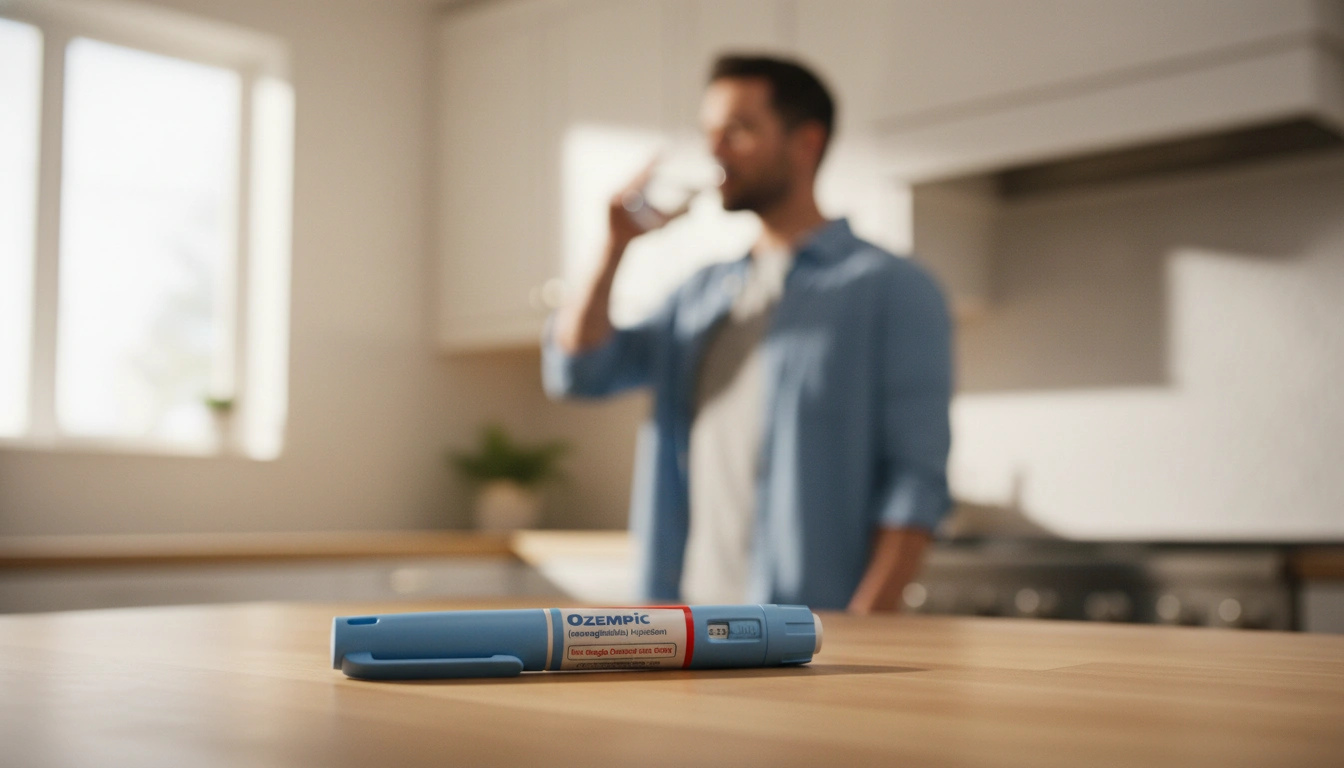
- Proper Use of the Injection Pen: Familiarize yourself with your Ozempic pen. Before each injection, visually confirm that the dose counter on the pen shows the correct dose as prescribed by your doctor. Turn the dose selector until your exact dose appears. Our commitment to transparent service ensures our approach remains consistent, regardless of dosage changes.
- Maintain Open Communication with Your Healthcare Team: If you have any questions, concerns, or are experiencing side effects, contact your doctor, pharmacist, or credentialed diabetes educator immediately. Do not self-adjust your dose.
- Know the Signs and Symptoms of Overdose: Being aware of what an overdose looks like can enable you to seek help promptly if needed.
- Wear Medical Identification: If you have type 2 diabetes or other significant medical conditions, wearing a medical ID bracelet or carrying an ID card can be life-saving in an emergency.
- Careful Storage: Store unused pens in the refrigerator. Once in use, they can be kept at room temperature for up to 56 days. Always attach a new needle for each injection and rotate injection sites weekly.
At TrimRx, we empower you with the knowledge and support needed for a safe and effective weight loss journey. Our platform provides a supportive space where individuals receive personalized, medically supervised care, designed to make sustainable weight loss attainable and tailored to the individual. Our focus on safety means we work exclusively with FDA-registered and inspected pharmacies for the shipping of your weight loss medications. For more detailed information on how we can support your journey, consider taking our free assessment quiz to explore personalized treatment options.
The TrimRx Difference: Personalized, Medically Supervised Care
At TrimRx, we understand that true wellness is a deeply personal journey, unique to each individual. Our foundation is built on the belief that sustainable weight loss should be achieved through science, empathy, and a transparent approach. Our brand story began with a shared vision to help individuals embrace healthier lifestyles by merging cutting-edge telehealth innovations with effective, medically supervised weight loss solutions.
Our Commitment to Personalized Care and Safety
We embody a brand personality that is empathetic, innovative, trustworthy, supportive, results-oriented, and profoundly personalized. We offer compassionate care that respects every individual’s unique journey, combining advanced medical science with modern technology. Our dedication to transparent service means our approach remains consistent, providing comprehensive support regardless of your specific treatment plan. We prioritize your safety above all else, which is why we partner exclusively with FDA-registered and inspected pharmacies for the shipping of all our weight loss medications.
When you embark on your weight management journey with TrimRx, you gain access to a comprehensive service that includes:
- Doctor Consultations: Personalized consultations with licensed medical professionals who understand the nuances of weight loss and metabolic health.
- Medication: Access to a range of clinically proven weight loss medications, where appropriate, sourced from FDA-registered and inspected pharmacies. Our compounded medications are provided through these pharmacies, ensuring quality and safety. For branded medications like Ozempic®, Mounjaro®, Zepbound®, and Wegovy®, you can find details on their respective FDA approvals.
- Lab Work: Essential lab tests to inform and refine your personalized treatment plan.
- Unlimited Support: Ongoing guidance and support from our dedicated team, ensuring you never feel alone in your journey.
- Shipping: Convenient and discreet shipping of your medications directly to your door, with no hidden fees.
Your Path to a Healthier You
We recognize that the decision to pursue weight loss is significant, and we are here to provide the tools and support you need to succeed safely and effectively.
For those interested in exploring prescription weight loss medications like Compounded Semaglutide, Oral Semaglutide, Ozempig®, Compounded Tirzepatide, Oral Tirzepatide, Mounjaro®, Zepbound®, or Wegovy®, the first step is to take our free assessment quiz. This personalized assessment helps us determine your eligibility and connect you with a tailored treatment plan designed specifically for you.
In addition to our prescription-based programs, we offer quick-access supplements to support your overall wellness during your weight loss journey. These supplements do not require a quiz and are available for immediate purchase:
- GLP-1 Daily Support: Designed to complement your regimen and support your body’s natural processes.
- Weight Loss Boost: A carefully formulated supplement to provide additional support for your weight loss efforts.
We invite you to explore these resources and begin your journey towards a healthier, more vibrant life with the unwavering support of TrimRx.
Conclusion
The emergence of medications like Ozempic has undeniably revolutionized weight management and type 2 diabetes care, offering powerful new avenues for health improvement. However, the profound efficacy of these treatments comes with an equally profound responsibility to use them correctly and safely. As we’ve explored, the question of “can you double dose Ozempic” is met with a clear directive: adherence to your prescribed dosage is not merely a recommendation but a critical safeguard for your health.
Taking more medication than prescribed carries significant risks, ranging from severe gastrointestinal distress and life-threatening hypoglycemia to serious conditions like pancreatitis and gastroparesis. The science behind gradual dose titration and the careful consideration of individual patient needs underscore the importance of expert medical supervision in every step of your weight loss journey. Remember, the goal is not just weight loss, but sustainable, healthy weight loss achieved without compromising your well-being.
At TrimRx, we stand as your dedicated partner in this journey, offering clinically proven, personalized weight loss solutions delivered with empathy, innovation, and unwavering trustworthiness. Our commitment to transparent, medically supervised care, coupled with our partnerships with FDA-registered and inspected pharmacies, ensures that you receive effective and safe treatment tailored specifically to you. We believe in empowering you with knowledge and support, guiding you towards a healthier lifestyle through a pathway built on science and compassion.
Are you ready to discover a personalized path to sustainable weight management, guided by medical experts who prioritize your safety and success? We encourage you to take our free assessment quiz today to see if you qualify for our prescription weight loss medications. Additionally, support your overall wellness with our immediate support options, such as GLP-1 Daily Support and Weight Loss Boost, available for immediate purchase. Together, we can build a healthier future.
Frequently Asked Questions (FAQ)
What exactly constitutes an Ozempic overdose?
An Ozempic overdose occurs when you take any amount of the medication exceeding your doctor’s prescribed dose. This could be due to taking an extra injection, administering a higher dose than instructed, or taking doses too close together. Even a small increase beyond the prescribed amount can lead to adverse effects.
What are the most common symptoms of taking too much Ozempic?
The most common symptoms of taking too much Ozempic include severe nausea, persistent vomiting, intense abdominal pain, and diarrhea. In more serious cases, you might experience severe hypoglycemia (low blood sugar), which can manifest as confusion, dizziness, extreme weakness, or even loss of consciousness. Other potential, though rarer, symptoms include pancreatitis, gastroparesis, and dehydration.
How can I safely adjust my Ozempic dose?
Any adjustment to your Ozempic dose must be made by your prescribing healthcare provider. Do not self-adjust your dose. Doctors typically start with a low dose and gradually increase it over several weeks (a process called titration) to help your body adjust and minimize side effects. If you feel your current dose isn’t effective or you’re experiencing severe side effects, discuss these concerns with your doctor, who can assess your situation and make appropriate, safe adjustments.
Are there options for personalized weight management programs that prioritize safety?
Yes, absolutely. At TrimRx, we specialize in clinically proven, personalized weight loss solutions that prioritize your safety and individual needs. Our programs include medically supervised care with doctor consultations, lab work, and prescription medications (where eligible) sourced from FDA-registered and inspected pharmacies. We provide unlimited support and transparent service, ensuring your weight loss journey is safe, effective, and tailored to you. To explore your personalized options, we encourage you to take our free assessment quiz.

Transforming Lives, One Step at a Time
Keep reading

Ozempic Face: How to Prevent and Minimize Facial Changes
Ozempic face refers to the gaunt, hollowed, or aged appearance that some patients develop during rapid weight loss on semaglutide. It’s not a direct…
How to Lose Belly Fat on Ozempic: Why It Comes Off First
One of the most consistent things patients report on Ozempic is that belly fat seems to come off before fat in other areas. That’s…

How Ozempic Changes Your Body Beyond the Scale
Ozempic changes your body in ways that go well beyond what the scale shows. Within the first few weeks, appetite signaling shifts, gastric emptying…


