Can I Take Naproxen With Mounjaro? Safety and Timing Tips
Introduction
Dealing with a stubborn headache, joint pain, or a sudden fever shouldn’t feel like a medical puzzle when you are on a weight loss journey. Many individuals using Mounjaro® find themselves reaching for the medicine cabinet only to pause and wonder if their usual pain relief will clash with their weekly injection. At TrimRx, we believe that understanding how your medications interact is essential to a smooth and successful experience. If you want to see whether a medically supervised program is a fit, you can complete the free assessment quiz.
While you can generally take naproxen with Mounjaro, there are important factors regarding stomach health and absorption timing that you should keep in mind. This article will explain the relationship between these two medications, how to manage potential side effects, and why the way your body processes pills changes when you are on a GLP-1 and GIP receptor agonist. Understanding these nuances helps ensure your path to metabolic health remains as comfortable and effective as possible.
What Is Mounjaro and How Does It Work?
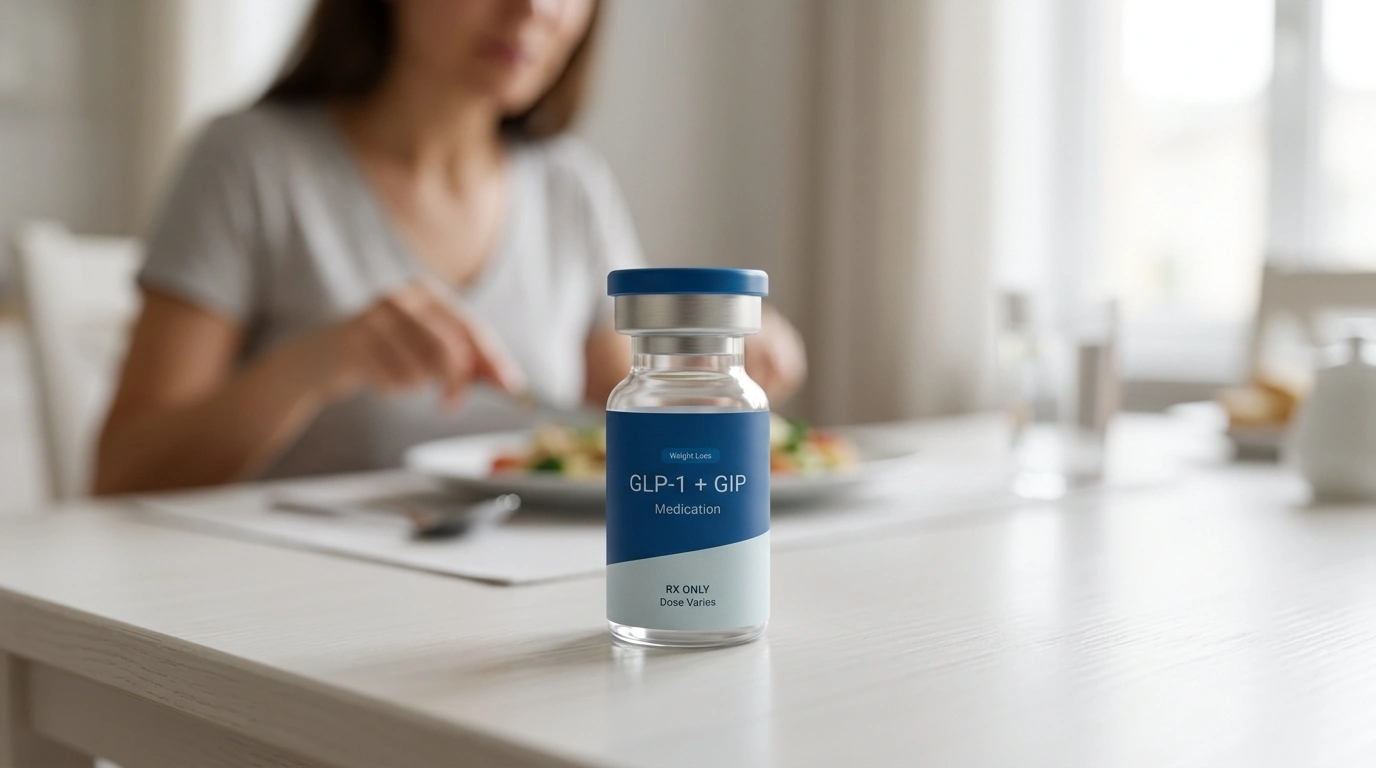
Mounjaro® (tirzepatide) is a first-of-its-kind medication that targets two different hormone receptors in the body: glucagon-like peptide-1 (GLP-1) and glucose-dependent insulinotropic polypeptide (GIP). By mimicking these natural hormones, the medication helps the body regulate blood sugar, increase the feeling of fullness, and slow down the rate at which the stomach empties its contents. For a deeper look at the mechanism behind that effect, this tirzepatide guide breaks it down in more detail.
This slowing of the digestive process, known as delayed gastric emptying, is a key reason why the medication is so effective for weight management. However, it is also the primary reason why taking oral medications like naproxen requires a bit more thought than it did before you started your treatment. When the stomach moves more slowly, any pill you swallow stays in the stomach environment longer before moving into the small intestine, where most medication absorption happens.
Understanding Naproxen as an NSAID
Naproxen is a nonsteroidal anti-inflammatory drug, commonly referred to as an NSAID. It is widely used to reduce inflammation, fever, and pain. You might know it by common brand names like Aleve®. Unlike some other over-the-counter pain relievers, naproxen is known for its long-lasting effects, often providing relief for up to 12 hours.
As an NSAID, naproxen works by blocking enzymes that produce prostaglandins. Prostaglandins are chemicals in the body that signal pain and inflammation, but they also play a vital role in protecting the lining of the stomach from digestive acids. When these chemicals are reduced, the stomach lining can become more sensitive to irritation or even develop ulcers if the medication is used frequently or on an empty stomach.
Can I Take Naproxen With Mounjaro?
The short answer is that there is no direct “drug-to-drug” interaction that makes taking naproxen with Mounjaro strictly forbidden. They do not typically interfere with each other’s chemical mechanisms in a way that would make either medication dangerous. However, the indirect interaction involves your digestive system.
Because Mounjaro slows down the movement of food and medicine through your stomach, the naproxen pill sits in your stomach for an extended period. For an NSAID like naproxen, which is already known for its potential to irritate the stomach lining, this extra “sit time” can increase the risk of gastrointestinal discomfort, such as indigestion, nausea, or even more serious issues like gastritis. If you want a broader look at how GLP-1 medicines affect digestion, read TrimRx’s overview of common GLP-1 side effects.
Quick Answer: Yes, you can generally take naproxen while using Mounjaro, but you should proceed with caution. The way Mounjaro slows your digestion can lead to increased stomach irritation from naproxen and may delay how quickly you feel the pain relief.
The Impact of Delayed Gastric Emptying
When you are on a program with us, we often discuss the importance of listening to your body’s signals. Delayed gastric emptying is a physical change that affects everything you consume. For a medication like naproxen, this delay can lead to two main issues:
- Delayed Pain Relief: If you take naproxen for a sudden headache, you might notice it takes significantly longer to “kick in.” In a standard digestive system, the pill might move to the small intestine in 30 minutes. On Mounjaro, it could take several hours.
- Increased Gastric Exposure: The longer an NSAID sits in the acidic environment of the stomach, the more opportunity it has to irritate the mucosal lining. This is why many people who normally tolerate naproxen well might find it causes “sour stomach” or burning sensations once they start their weight loss injections.
For a related breakdown of digestive timing, see this guide to how long food takes to digest on Zepbound.
Potential Side Effects and Overlapping Risks
Both medications have side effect profiles that lean heavily toward the digestive system. When used together, these risks can occasionally overlap or compound.
Common Digestive Concerns
Mounjaro is frequently associated with nausea, particularly during the first few weeks of treatment or after a dosage increase. Naproxen can also cause nausea and stomach upset. If you are already experiencing mild nausea from your injection, taking naproxen might push that discomfort from “manageable” to “unpleasant.”
Risk of Stomach Irritation
The most significant concern is the risk of gastritis or stomach ulcers. While rare with occasional use, the combination of a slowed stomach and a medication that reduces the stomach’s natural protective barrier is something to monitor closely. If you have a history of stomach ulcers or acid reflux, you should be especially careful. If acid reflux is becoming part of the picture, this tirzepatide acid reflux guide explains why it happens and what tends to help.
Hydration and Kidney Health
Both GLP-1 medications and NSAIDs can impact kidney function if you are not properly hydrated. Mounjaro can sometimes cause a decreased appetite for fluids, leading to mild dehydration. Naproxen is filtered by the kidneys, and taking it while dehydrated can put extra stress on these organs. We always recommend our members prioritize water intake, especially when taking any over-the-counter pain relief.
Key Takeaway: The main interaction between naproxen and Mounjaro is gastrointestinal. The slowed digestion from Mounjaro keeps the naproxen in the stomach longer, potentially increasing the risk of irritation or delayed relief.
Best Practices for Taking Naproxen Safely
If your healthcare provider has confirmed that it is safe for you to use naproxen while on your weight loss program, following these steps can help minimize the risk of discomfort.
Step 1: Always Take With Food Never take naproxen on an empty stomach, especially while using Mounjaro. Even a small snack like a few crackers or a piece of toast can provide a buffer that protects the stomach lining from the irritating effects of the NSAID.
Step 2: Time Your Dose Carefully Since Mounjaro slows down absorption, you may find it helpful to take naproxen at a different time than your most recent meal or injection. If you know you have a “nausea window” after your weekly shot, avoid taking naproxen during that time if possible.
Step 3: Monitor Your Symptoms Keep a close eye on how your stomach feels. If you notice a sharp or gnawing pain in your upper abdomen, dark stools, or increased acid reflux, stop taking the naproxen and contact your doctor.
Step 4: Use the Lowest Effective Dose Do not take more naproxen than necessary. If a smaller dose provides relief, stick with that. The less medication sitting in your stomach, the lower the chance of irritation.
If you want to see whether a supervised prescription program is right for you, you can take the free assessment quiz.
Considering Alternatives: Acetaminophen (Tylenol®)
For many people on a GLP-1 or GIP treatment plan, acetaminophen is often recommended as the first-line choice for minor aches and pains. Unlike naproxen, acetaminophen is not an NSAID and does not carry the same risk of stomach lining irritation.
While its absorption will still be delayed by Mounjaro’s effect on the stomach, it is generally considered “gentler” on the digestive tract. If you have a choice between the two and do not need the specific anti-inflammatory benefits of naproxen, acetaminophen might be the more comfortable option.
Comparison Table: Naproxen vs. Acetaminophen on Mounjaro
| Feature | Naproxen (Aleve®) | Acetaminophen (Tylenol®) |
|---|---|---|
| Type of Drug | NSAID (Anti-inflammatory) | Analgesic / Antipyretic |
| Stomach Risk | Higher (Irritates lining) | Very Low |
| Duration | Up to 12 hours | 4 to 6 hours |
| Mounjaro Interaction | Delayed absorption + GI risk | Delayed absorption only |
| Best Used For | Swelling, joint pain, cramps | Headaches, fevers, general aches |
The Importance of Professional Guidance
At TrimRx, our goal is to provide a platform where science and personalized care meet. Every individual’s medical history is unique. While general guidelines suggest that taking naproxen with Mounjaro is acceptable for most, factors like your kidney function, history of GI issues, and other medications you may be taking (such as blood thinners or blood pressure medicine) can change that calculation.
Before starting any new over-the-counter medication while on a prescription weight loss program, you should consult with your licensed healthcare provider. They can help you determine the safest way to manage pain while staying on track with your metabolic health goals. If you want a closer look at the digestive side of treatment, how to avoid gastroparesis on Mounjaro is a useful place to start.
Managing Body Aches While on Mounjaro
Interestingly, some people seek out naproxen because they experience mild “body aches” or muscle soreness shortly after starting Mounjaro or increasing their dose. This is a reported side effect for some users and is often temporary. If you are experiencing these aches, consider whether they might be related to dehydration or electrolyte imbalances, which are common when your diet and appetite change quickly. Before reaching for a pill, ensure you are drinking enough water and consuming adequate minerals like magnesium and potassium.
How TrimRx Supports Your Journey
We understand that losing weight is about more than just a weekly injection. It is about how you feel every single day. Our personalized programs are designed to look at the whole picture of your health. When you use our platform, you aren’t just getting access to a prescription; you are getting a dedicated team that understands the nuances of GLP-1 therapy.
Whether you are navigating the transition to Compounded Semaglutide, Compounded Tirzepatide, or managing side effects of branded medications like Mounjaro® or Zepbound®, we are here to provide clear, empathetic guidance. If you want to understand GLP-1 treatment support more broadly, what GLP-1 support means for your journey is a helpful read.
Final Thoughts on Safety
The journey to a healthier weight is a marathon, not a sprint. Minor setbacks like a headache or joint pain shouldn’t derail your progress. By being mindful of how naproxen interacts with your digestive speed and prioritizing stomach protection, you can safely manage pain without complicating your treatment.
Bottom Line: Taking naproxen with Mounjaro is usually safe for occasional use, provided you take it with food and stay hydrated. If you find yourself needing it frequently, talk to your doctor about gentler alternatives like acetaminophen.
Conclusion
Navigating the world of weight loss medications involves learning a new set of rules for how your body functions. Taking naproxen with Mounjaro is a common concern, but with the right timing and a “stomach-first” approach, it can be done safely. Remember that your digestive system is moving at a different pace now, and your medication habits should reflect that change.
Our mission is to help you embrace a healthier lifestyle through science, empathy, and transparency. We believe in providing the tools and knowledge you need to make informed decisions about your health. If you are ready to take the next step in your weight loss journey with a program that values your overall well-being, we invite you to start with our free assessment quiz.
FAQ
Does Mounjaro make naproxen less effective?
Mounjaro doesn’t necessarily make naproxen less effective, but it does change how quickly you will feel its effects. Because Mounjaro slows down stomach emptying, it will take longer for the naproxen to reach your small intestine where it is absorbed, meaning you might not feel pain relief for an hour or two longer than usual.
Can I take naproxen on the same day as my Mounjaro injection?
You can take naproxen on the same day, but it is often better to avoid doing so if you are feeling any injection-day nausea. If you must take it, ensure you have eaten a small, bland meal first to protect your stomach lining from the combined irritation of the injection side effects and the NSAID.
What are the signs that naproxen is irritating my stomach?
If you are taking both medications and notice symptoms like persistent burning in the upper stomach, increased acid reflux, or feeling “full” after only a few bites of food accompanied by pain, these could be signs of irritation. For more on digestive slowing and when it becomes a concern, this gastroparesis guide for Mounjaro users may help.
Are there any pain relievers I should avoid while on Mounjaro?
There are no specific over-the-counter pain relievers that are strictly prohibited, but NSAIDs like naproxen and ibuprofen should be used with more caution than acetaminophen. If you are taking prescription-strength pain medications or blood thinners, you must consult your doctor, as the delayed absorption caused by Mounjaro could significantly impact how those drugs work. If you’re still deciding whether a supervised plan is right for you, take the free assessment quiz.
Disclaimer: This content is for informational purposes only and does not constitute medical advice. It is not intended to diagnose, treat, cure, or prevent any disease or condition. Individual results may vary. Always consult a qualified healthcare professional before starting any weight loss program or medication.

Transforming Lives, One Step at a Time
Keep reading

Mounjaro Alternatives: What Else to Consider
If Mounjaro isn’t the right fit, the closest alternatives are other GLP-1 medications, chiefly semaglutide (Ozempic for diabetes, Wegovy for weight), along with a…

Mounjaro vs Zepbound: Same Drug, Two Brands
Like their semaglutide counterparts, Mounjaro and Zepbound are the same medication (tirzepatide) sold under two names for two purposes: Mounjaro is approved for type…

Retatrutide vs Mounjaro: Triple Agonist vs Dual Agonist
The core difference between retatrutide and Mounjaro comes down to how many hormone targets each hits: retatrutide activates three receptors, while Mounjaro (tirzepatide) activates…


