Navigating Semaglutide: Can You Take Semaglutide After Eating?
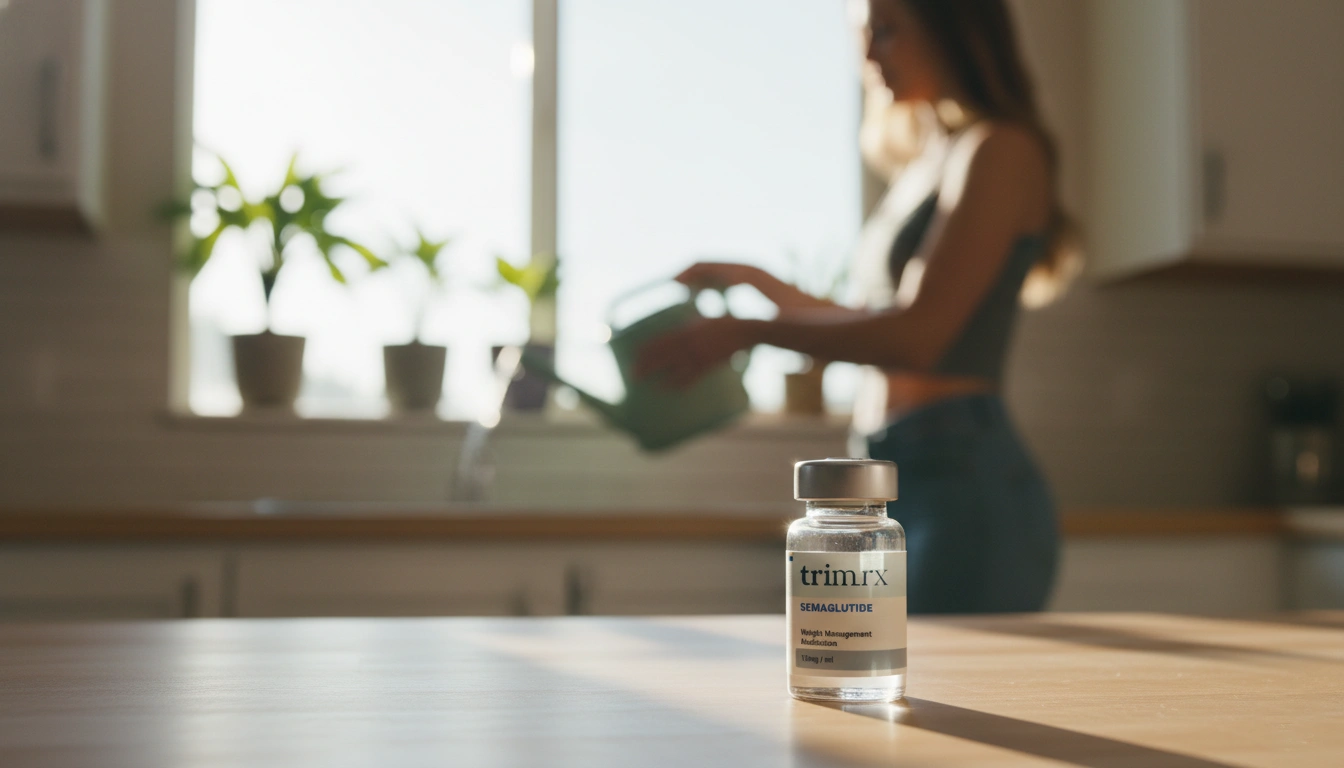
Imagine finding a pathway to wellness that feels truly tailored to you, one that embraces scientific advancements while valuing your individual journey. For many, the introduction of medications like semaglutide has opened this very door, offering profound support in managing type 2 diabetes and achieving sustainable weight loss. However, with powerful tools come crucial questions about their proper use. One of the most frequently asked, and indeed vital, queries revolves around administration: “Can you take semaglutide after eating?”
This question, seemingly simple, unlocks a nuanced understanding of how semaglutide works within your body, varying significantly based on its formulation. Our mission at TrimRx began with a shared vision: to help individuals embrace healthier lifestyles by merging cutting-edge telehealth innovations with effective, personalized weight loss solutions. We understand that sustainable weight loss should be achieved through science, empathy, and a transparent approach, which is why we’ve crafted this comprehensive guide.
Throughout this post, we will meticulously explore the different forms of semaglutide, detailing the specific instructions for each—whether injectable or oral—and why adhering to these guidelines is paramount for maximizing effectiveness and minimizing potential side effects. We’ll delve into the scientific mechanisms at play, discuss dietary considerations that complement semaglutide therapy, and highlight important safety information. By the end, you’ll not only have a clear answer to our central question but also a deeper appreciation for the personalized, medically supervised care that can empower your journey, all within a user-friendly and supportive space like ours.
The Science Behind Semaglutide: A Modern Approach to Weight Management and Health
To truly understand the implications of timing semaglutide around meals, it’s essential to first grasp what this medication is and how it functions within the body. Semaglutide belongs to a class of drugs known as GLP-1 receptor agonists, a groundbreaking development in metabolic health. These medications mimic the action of a natural hormone called glucagon-like peptide-1 (GLP-1), which our small intestines produce in response to food intake.
How GLP-1 Agonists Work
The GLP-1 hormone plays a multifaceted role in regulating metabolism, and semaglutide enhances these natural processes, leading to several beneficial effects:
- Slowed Gastric Emptying: Semaglutide delays how quickly food leaves your stomach. This means you feel fuller for longer, which naturally leads to reduced calorie intake and can significantly aid in weight management.
- Reduced Appetite and Cravings: By acting on receptors in the brain, GLP-1 agonists help to curb hunger signals and decrease the “food noise” or constant thoughts about food that many individuals struggling with weight experience. This often results in a more manageable and sustainable reduction in overall food consumption.
- Enhanced Insulin Sensitivity: For individuals with type 2 diabetes, semaglutide stimulates the pancreas to release insulin only when blood sugar levels are high. This helps to lower blood glucose, bringing it back into a healthy range without significantly increasing the risk of low blood sugar (hypoglycemia) on its own.
- Decreased Glucagon Secretion: Glucagon is a hormone that raises blood sugar. Semaglutide helps to suppress glucagon release, further contributing to blood sugar control.
These combined actions make semaglutide a powerful tool not just for managing blood sugar in type 2 diabetes, but also for comprehensive weight loss. At TrimRx, we combine advanced medical science with modern technology to offer compassionate care that respects every individual’s unique journey toward these health benefits. If you’re curious about how these benefits could apply to you, we encourage you to take our free assessment quiz to see if you qualify for our personalized prescription weight loss medications.
Oral vs. Injectable Semaglutide: A Key Distinction in Timing
The critical answer to “Can you take semaglutide after eating?” depends entirely on the specific form of semaglutide you are prescribed. The delivery method—whether it’s an injection under the skin or an oral tablet—dictates how the medication is absorbed into your body and, consequently, its optimal administration timing. Understanding these distinctions is fundamental to ensuring your treatment is as safe and effective as possible.
Injectable Semaglutide: Flexibility with Meals
When it comes to injectable semaglutide formulations, such as those found in Ozempic®, Wegovy®, Compounded Semaglutide, Compounded Tirzepatide, Mounjaro®, and Zepbound®, the answer is straightforward: yes, you can absolutely take injectable semaglutide with or without food.
Why Meal Timing Doesn’t Affect Injections
The reason for this flexibility lies in the administration route. Injectable semaglutide is delivered subcutaneously, meaning it’s injected directly into the fatty tissue just under your skin. From there, the medication is slowly and consistently absorbed into your bloodstream over the course of a week. This process entirely bypasses the digestive system—the stomach, intestines, and liver—where food and other substances might interact with an oral medication. Because it doesn’t pass through your digestive tract, the presence of food in your stomach has no impact on its absorption or efficacy.
Best Practices for Injectable Semaglutide
While meal timing isn’t a concern, consistency is key for injectable semaglutide. To maintain stable drug levels in your body and maximize its effects, we recommend:
- Consistent Weekly Timing: Choose a specific day and time each week that is convenient for you and easy to remember. Whether that’s Monday morning or Friday evening, sticking to it will help you stay on track.
- Rotate Injection Sites: To reduce the risk of irritation or discomfort, it’s considered best practice to rotate the injection site each week. Common sites include the abdomen (a few inches from the belly button), the upper arm, or the thigh. Always inject into subcutaneous (fatty) tissue, never into a vein or muscle.
- Proper Technique: Your healthcare provider will guide you on the correct injection technique using the prefilled pen. It’s a simple process, and many find it quickly becomes a routine.
Our personalized weight loss programs often include these powerful injectable options. If you’re considering whether an injectable semaglutide or tirzepatide medication is right for you, we invite you to take our free assessment quiz. This helps us understand your unique health profile and determine your eligibility for a medically supervised plan.
Oral Semaglutide: Strict Timing and Empty Stomach Rule
In stark contrast to injectables, oral semaglutide (such as Rybelsus® or other Oral Semaglutide formulations) absolutely cannot be taken after eating. For optimal absorption and effectiveness, oral semaglutide must be taken on an empty stomach, following a very specific protocol.
The Importance of an Empty Stomach for Oral Medications
The digestive system presents significant challenges for many medications, particularly large molecules like semaglutide. Stomach acid can degrade the active ingredient, and the presence of food can interfere with its absorption into the bloodstream. Oral semaglutide is formulated with absorption enhancers to help it survive the stomach environment, but these enhancers are highly sensitive to food, water volume, and other medications.
Precise Dosing Instructions for Oral Semaglutide
To ensure you receive the full therapeutic benefit of oral semaglutide, it is imperative to follow these instructions precisely:
- Take First Thing in the Morning: Administer oral semaglutide immediately upon waking, before any food or drink.
- With Limited Water: Swallow the tablet with no more than 4 ounces (about half a cup) of plain water. Using more water can dilute the concentration and reduce absorption.
- Strict Waiting Period: After taking the tablet, you must wait at least 30 minutes (and ideally longer, if recommended by your healthcare provider) before eating, drinking anything else, or taking any other oral medications, vitamins, or supplements. This allows sufficient time for the medication to be absorbed before other substances interfere.
Missing these steps can significantly reduce the amount of semaglutide that reaches your bloodstream, rendering the medication far less effective. This strict regimen is a small but crucial part of integrating oral semaglutide into your daily life. Similarly, some formulations of Oral Tirzepatide may also require specific timing protocols to optimize absorption.
When you embark on a personalized weight loss program with TrimRx, we ensure you have comprehensive guidance on your chosen medication, emphasizing transparency and clear instructions for safe and effective use. Our dedicated support helps you understand these nuances so you can confidently manage your regimen. If you believe an oral medication might suit your lifestyle better, you can always take our free assessment quiz to explore your personalized options.
Maximizing Benefits and Minimizing Side Effects on Semaglutide
Whether you’re using injectable or oral semaglutide, adhering to specific lifestyle adjustments can significantly enhance the medication’s effectiveness and help manage potential side effects. Our commitment at TrimRx is to provide not just medication, but a holistic approach to wellness, empowering you with the knowledge to thrive on your weight loss journey.
Dietary Considerations: Fueling Your Body Wisely
Semaglutide works by slowing digestion and reducing appetite, meaning you will naturally feel less hungry and likely eat smaller portions. This presents a golden opportunity to optimize your nutrition.
Foods to Embrace
Focus on a diet rich in nutrient-dense foods that support your overall health and provide sustained energy:
- Lean Proteins: Incorporate sources like chicken breast, fish, tofu, legumes, and eggs. Protein helps you feel full and supports muscle maintenance during weight loss.
- Fruits and Vegetables: Load up on a variety of colorful produce. These are packed with vitamins, minerals, and fiber, which aids digestion and promotes satiety.
- Whole Grains: Choose options like brown rice, quinoa, whole-wheat bread, and oats in controlled portions. These provide sustained energy and essential fiber.
- Healthy Fats: Include avocados, nuts, seeds, and olive oil in moderation. These are crucial for hormone production and nutrient absorption.
Eating controlled portions of these nourishing foods can help your body get the nutrients it needs while reducing the chance of gastrointestinal discomfort.
Foods to Limit or Avoid
Certain foods can exacerbate common semaglutide side effects like nausea, vomiting, or diarrhea. Limiting these can make your treatment journey smoother:
- Greasy and High-Fat Foods: Fried foods, fatty cuts of meat, and rich desserts can be harder to digest, potentially worsening nausea and stomach upset.
- Processed and Sugary Foods: These often lack nutritional value and can lead to rapid blood sugar spikes followed by crashes, undermining your weight loss efforts and potentially causing discomfort.
- Sugary Drinks: Sodas, fruit juices with added sugar, and other sweetened beverages contribute to empty calories and can also cause digestive issues.
- Large Portions: Even with healthy foods, overeating can lead to discomfort, bloating, and nausea due to the slowed gastric emptying effect of semaglutide. Practice mindful eating and stop when you feel satisfied, not stuffed.
We encourage open communication with your healthcare provider about your dietary habits. Remember, our goal is to empower you with choices that work for your body and lifestyle. For additional support in optimizing your diet for weight loss, consider exploring our GLP-1 Daily Support supplement, formulated to assist overall wellness during your journey.
Hydration and Lifestyle: Building a Foundation for Success
Beyond diet, integrating healthy habits into your daily routine is vital for both managing side effects and achieving your weight loss goals.
- Prioritize Hydration: Drink plenty of water throughout the day, aiming for at least 80-100 ounces. Dehydration can worsen side effects like constipation and contribute to feelings of fatigue. Proper hydration supports every bodily function, including metabolism.
- Incorporate Physical Activity: Daily movement, such as walking, light cardio, or strength training, complements the effects of semaglutide by enhancing energy balance, improving mood, and building muscle mass. Start with what feels comfortable and gradually increase intensity.
- Practice Mindful Eating: Eat slowly, pay attention to your body’s hunger and fullness cues, and savor your meals. This can prevent overeating and improve digestion.
- Track Your Progress: Using a journal or app to log your food intake, mood, weight, and energy levels can provide valuable insights, helping you identify patterns and stay motivated.
- Sleep Well: Adequate sleep is crucial for hormone regulation, including those related to appetite and metabolism. Aim for 7-9 hours of quality sleep per night.
Managing Common Side Effects
While many people tolerate semaglutide well, some common gastrointestinal side effects can occur, especially when first starting or increasing the dose. These often improve over time as your body adjusts.
- Nausea, Vomiting, Diarrhea, or Constipation:
- Start Low, Increase Slowly: This is a cornerstone of semaglutide therapy. Your healthcare provider will typically start you on a low dose and gradually increase it over several weeks or months. This allows your body to adapt, significantly reducing the intensity of side effects.
- Small, Frequent Meals: Instead of three large meals, try eating 5-6 smaller meals throughout the day. This can be easier on your digestive system.
- Avoid Trigger Foods: As mentioned, high-fat, greasy, very spicy, or overly sugary foods can worsen nausea.
- Ginger: Ginger tea, ginger chews, or ginger supplements can be helpful for soothing nausea.
- Fiber: If experiencing constipation, gradually increase your intake of dietary fiber through fruits, vegetables, and whole grains, along with plenty of water. For diarrhea, focus on bland, easily digestible foods.
- Consult Your Provider: If symptoms persist or become severe, it’s essential to speak with your licensed healthcare provider. They can offer personalized support, suggest adjunct medications, or adjust your treatment plan.
Your wellness journey is a partnership, and at TrimRx, we are here to provide the support and resources you need. Remember, our comprehensive service includes doctor consultations, medication, lab work, unlimited support, and shipping, with no hidden fees, all designed to make your path to healthier living attainable. For additional support, consider our Weight Loss Boost, another quick-access supplement designed to complement your weight loss efforts.
The TrimRx Difference: Your Personalized Path to Wellness
At TrimRx, we recognize that true weight loss and health transformation are deeply personal journeys. Our foundation rests on a shared vision to merge cutting-edge telehealth innovations with effective, safe, and personalized weight loss solutions. We believe sustainable weight loss is achieved through a combination of science, empathy, and a transparent approach, creating a user-friendly and supportive space where individuals receive medically supervised care tailored to them.
Our Values in Action: An Empathetic and Trustworthy Partnership
Our brand personality is built on being empathetic, innovative, trustworthy, supportive, results-oriented, and personalized. We deliver compassionate care that respects every individual’s unique circumstances. This means understanding that your weight loss journey isn’t just about numbers on a scale; it’s about improving your overall health, well-being, and quality of life.
We combine advanced medical science with modern technology to ensure that our programs are not only effective but also accessible and convenient. Transparency is a core commitment: our approach to service remains consistent, providing clarity and confidence, regardless of any dosage changes your personalized plan may entail. Your safety is paramount, which is why we work exclusively with FDA-registered and inspected pharmacies for the shipping of all weight loss medications. It is important to remember that while we partner with these pharmacies for medication delivery, TrimRx does not provide actual medical supervision; instead, patients receive care from their own licensed healthcare providers.
Your Personalized Weight Loss Program
Recognizing the diverse needs of individuals, we offer a range of clinically proven medications, administered as part of a medically supervised plan. To ensure you receive the most appropriate and effective treatment, we utilize a personalized assessment approach.
Starting Your Journey with Our Free Assessment Quiz
For prescription medications, your first step is to take our free assessment quiz. This comprehensive quiz helps us determine your eligibility and guides our licensed healthcare providers in developing a personalized treatment plan specifically for you. Our offerings through this program include:
- Compounded Semaglutide: A customized formulation of semaglutide.
- Oral Semaglutide: The convenience of a daily oral tablet for those who prefer not to inject.
- Ozempic®: An FDA-approved branded injectable semaglutide for blood sugar control in type 2 diabetes.
- Compounded Tirzepatide: A tailored formulation of tirzepatide, another highly effective GLP-1 and GIP receptor agonist.
- Oral Tirzepatide: An oral option for tirzepatide.
- Mounjaro®: An FDA-approved branded injectable tirzepatide for blood sugar control in type 2 diabetes.
- Zepbound®: An FDA-approved branded injectable tirzepatide specifically for chronic weight management.
- Wegovy®: An FDA-approved branded injectable semaglutide specifically for chronic weight management.
By completing the free assessment quiz, you are taking the first crucial step towards a tailored plan that integrates seamlessly into your life, supported by our comprehensive service that includes doctor consultations, medication, lab work, unlimited support, and shipping.
Quick-Access Supplements for Immediate Support
Beyond prescription medications, we understand that some individuals may be looking for immediate, complementary support for their overall wellness during their weight loss journey. For those who do not require a prescription or a quiz, we offer specialized quick-access supplements:
- GLP-1 Daily Support: This supplement is designed to support various bodily functions that contribute to overall wellness, aligning with the principles of a GLP-1 focused lifestyle.
- Weight Loss Boost: Created to provide immediate support, this supplement can be a valuable addition to your regimen as you pursue your health goals.
These quick-access supplements are available for immediate purchase, allowing you to proactively support your body’s needs. Whether through a personalized prescription program or our supportive supplements, TrimRx is dedicated to empowering your journey to a healthier, more vibrant you.
Important Considerations and Safety Protocols
While semaglutide offers significant benefits for weight management and metabolic health, it is a powerful medication that requires careful consideration and adherence to safety protocols. At TrimRx, our priority is your well-being, and we ensure that all our partnerships with FDA-registered and inspected pharmacies underscore this commitment. We strongly advocate for informed decision-making and continuous communication with your licensed healthcare provider throughout your treatment.
Your Medical History and Other Medications
Before starting any semaglutide program, a thorough discussion of your medical history with your licensed healthcare provider is absolutely crucial. Certain pre-existing conditions may influence the suitability or dosage of semaglutide. For instance, individuals with a personal or family history of medullary thyroid carcinoma (MTC) or Multiple Endocrine Neoplasia syndrome type 2 (MEN 2) should not use semaglutide due to the potential risk of thyroid C-cell tumors. Other conditions like pancreatitis, diabetic retinopathy, or severe kidney problems also require careful evaluation.
Furthermore, it is vital to provide your healthcare provider with a complete list of all medications you are currently taking, including prescription drugs, over-the-counter pills, herbal supplements, and vitamins. Semaglutide can interact with other medications, potentially altering their effectiveness or increasing the risk of side effects. Notably, if you are taking insulin or sulfonylureas, a class of diabetes medications, your healthcare provider may need to adjust their dosages to prevent hypoglycemia (low blood sugar). Similarly, thyroid medications may require monitoring and adjustment. Do not start any new medications without first discussing them with your licensed healthcare provider.
Alcohol Consumption While on Semaglutide
Alcohol consumption while taking semaglutide should be carefully discussed with your licensed healthcare provider. Drinking alcohol, especially in large amounts, can potentially lead to blood sugar dysregulation. For individuals with diabetes, alcohol can cause either low blood sugar (if consumed on an empty stomach) or high blood sugar, depending on the type and amount. The slowed gastric emptying caused by semaglutide can also affect how your body processes alcohol, potentially prolonging its effects or impact on blood sugar. Your provider can offer personalized guidance based on your health status and treatment plan.
Potential Serious Side Effects
While most side effects of semaglutide are gastrointestinal and manageable, some more serious, though rare, adverse events can occur. It is important to be aware of these and seek immediate medical attention if you experience them:
- Thyroid Tumors: As mentioned, semaglutide has been associated with thyroid C-cell tumors in rodents. While it is unknown if it causes these tumors in humans, tell your licensed healthcare provider immediately if you notice a lump or swelling in your neck, trouble swallowing or breathing, or persistent hoarseness.
- Pancreatitis: Inflammation of the pancreas can be a serious side effect. Contact your licensed healthcare provider right away if you experience sudden and severe stomach pain that may radiate to your back, with or without vomiting.
- Gallbladder Problems: Symptoms such as gaseous stomach pain, indigestion, recurrent fever, severe nausea or vomiting, stomach fullness, or yellow eyes or skin may indicate issues like gallstones or cholecystitis.
- Diabetic Retinopathy: Individuals with a history of diabetic retinopathy should monitor their vision closely, as semaglutide may, in some cases, worsen this condition. Report any blurred vision or changes in vision to your provider.
- Dehydration and Kidney Problems: Nausea, vomiting, and diarrhea can lead to dehydration, which, if severe, can cause kidney problems. Symptoms include decreased urination, swelling of legs/feet, or unusual tiredness. Ensure adequate fluid intake, especially when experiencing GI side effects.
- Severe Stomach or Bowel Problems: While mild GI issues are common, severe or persistent stomach pain, persistent vomiting, or changes in bowel habits should be reported to your licensed healthcare provider.
- Increased Heart Rate: Some individuals may experience an increase in heart rate at rest. Report any persistent fast or pounding heartbeat to your provider.
- Mental Health Changes: Rarely, some individuals may experience agitation, irritability, or suicidal thoughts and tendencies while on GLP-1 agonists. Any sudden or strong feelings of nervousness, anger, restlessness, violence, or fear, or changes in mood should be reported to your licensed healthcare provider immediately.
Hypoglycemia and Hyperglycemia
While semaglutide itself generally does not cause hypoglycemia (low blood sugar) when used alone, it can increase the risk of hypoglycemia if taken with other medications that lower blood sugar, such as insulin or sulfonylureas. Hypoglycemia can also occur if you delay or miss a meal, exercise more than usual, drink alcohol, or cannot eat due to severe nausea/vomiting. Symptoms include anxiety, confusion, dizziness, sweating, fast heartbeat, or shakiness. If these occur, promptly consume a quick-acting sugar source (glucose tablets, fruit juice).
Conversely, hyperglycemia (high blood sugar) can occur if you miss a dose of your antidiabetic medicine, overeat, do not follow your meal plan, have an infection, or exercise less than usual. Symptoms include increased thirst, frequent urination, dry mouth, blurred vision, or fatigue. Monitor your blood sugar levels and consult your licensed healthcare provider for instructions if hyperglycemia symptoms arise.
Proper Storage of Your Medication
Correct storage is crucial for maintaining the efficacy and safety of your semaglutide medication:
- Injectable Semaglutide (e.g., Ozempic®, Wegovy®): Unused pens should be stored in the refrigerator (36-46°F or 2-8°C). Once a pen is in use, it can be stored for up to 8 weeks either at room temperature (59-86°F or 15-30°C) or in the refrigerator. Never freeze semaglutide; if it has been frozen, do not use it. Keep the pen protected from heat and light.
- Oral Semaglutide (e.g., Rybelsus®): Oral tablets should be stored at room temperature (68-77°F or 20-25°C) in a dry place, away from moisture. Keep tablets in their original bottle with the cap on until ready to take, as moisture can affect their stability.
Always keep all medications out of the reach of children. Remember that TrimRx partners with FDA-registered and inspected pharmacies to ensure your medications are shipped safely and correctly, aligning with stringent quality standards. This commitment to safety and transparency is fundamental to our service.
Conclusion
Understanding the precise administration guidelines for semaglutide is not merely a matter of convenience; it’s a critical component of ensuring the medication’s effectiveness and your overall safety. As we’ve explored, the answer to “can you take semaglutide after eating?” is unequivocally dependent on the form: injectable semaglutide offers flexibility and can be taken with or without food, while oral semaglutide absolutely requires an empty stomach and strict timing protocols for optimal absorption. These distinctions highlight the intricate science behind these powerful medications and the importance of adhering to personalized instructions.
Your journey toward sustainable weight loss and improved health is a partnership, and at TrimRx, we are dedicated to providing the clinically proven, personalized solutions and unwavering support you deserve. We empower you with a comprehensive service that includes doctor consultations, medication from FDA-registered and inspected pharmacies, lab work, unlimited support, and shipping—all with a commitment to transparency and no hidden fees.
If you’re ready to embrace a healthier lifestyle and explore how personalized, medically supervised care can transform your life, we invite you to take the next step. Discover if our prescription weight loss medications, including Compounded Semaglutide, Oral Semaglutide, Ozempic®, Compounded Tirzepatide, Oral Tirzepatide, Mounjaro®, Zepbound®, and Wegovy®, are right for you by taking our free assessment quiz today.
For immediate support in your wellness journey, explore our quick-access supplements: consider our GLP-1 Daily Support to support overall wellness, or enhance your efforts with our Weight Loss Boost. Your path to a healthier, more vibrant future starts now, with science, empathy, and your unique needs at the forefront.
Frequently Asked Questions
What is the primary difference in timing for injectable versus oral semaglutide?
The primary difference lies in how they are absorbed. Injectable semaglutide, delivered subcutaneously, bypasses the digestive system and can be taken with or without food. Oral semaglutide, however, must be taken on an empty stomach with a small amount of water, typically first thing in the morning, to ensure proper absorption from the digestive tract before food or other liquids interfere.
How long do I need to wait after taking oral semaglutide before I can eat or drink?
After taking oral semaglutide with no more than 4 ounces of plain water, you must wait at least 30 minutes before consuming any food, beverages, or other oral medications, vitamins, or supplements. This strict waiting period is crucial for the medication’s optimal absorption.
What should I do if I experience gastrointestinal side effects like nausea or vomiting?
Common gastrointestinal side effects often improve as your body adjusts to the medication. Strategies include starting with a low dose and increasing slowly, staying well-hydrated, eating smaller and more frequent meals, avoiding greasy, fatty, or sugary foods, and trying ginger for nausea. If symptoms persist or become severe, always consult your licensed healthcare provider.
Can I drink alcohol while taking semaglutide?
It is crucial to discuss alcohol consumption with your licensed healthcare provider. Alcohol can impact blood sugar levels and may interact with semaglutide, potentially leading to blood sugar dysregulation. Your provider can offer personalized guidance based on your individual health profile and treatment plan.

Transforming Lives, One Step at a Time
Keep reading

How Fast Does Semaglutide Work: Early Signs It’s Working
Semaglutide begins acting in your body within the first 24 to 48 hours of your initial injection, but the effects most people care about,…

Creatine on Semaglutide: Does It Help Preserve Muscle
One of the most practical questions people ask once they’re a few months into semaglutide treatment is how to protect their muscle mass while…

Vitamin D and Semaglutide: What Patients Should Know
Vitamin D deficiency is remarkably common in people with obesity, and it’s one of the micronutrients most worth paying attention to when you start…


