Navigating the Conversation: How to Micro Dose Ozempic for Personalized Weight Management
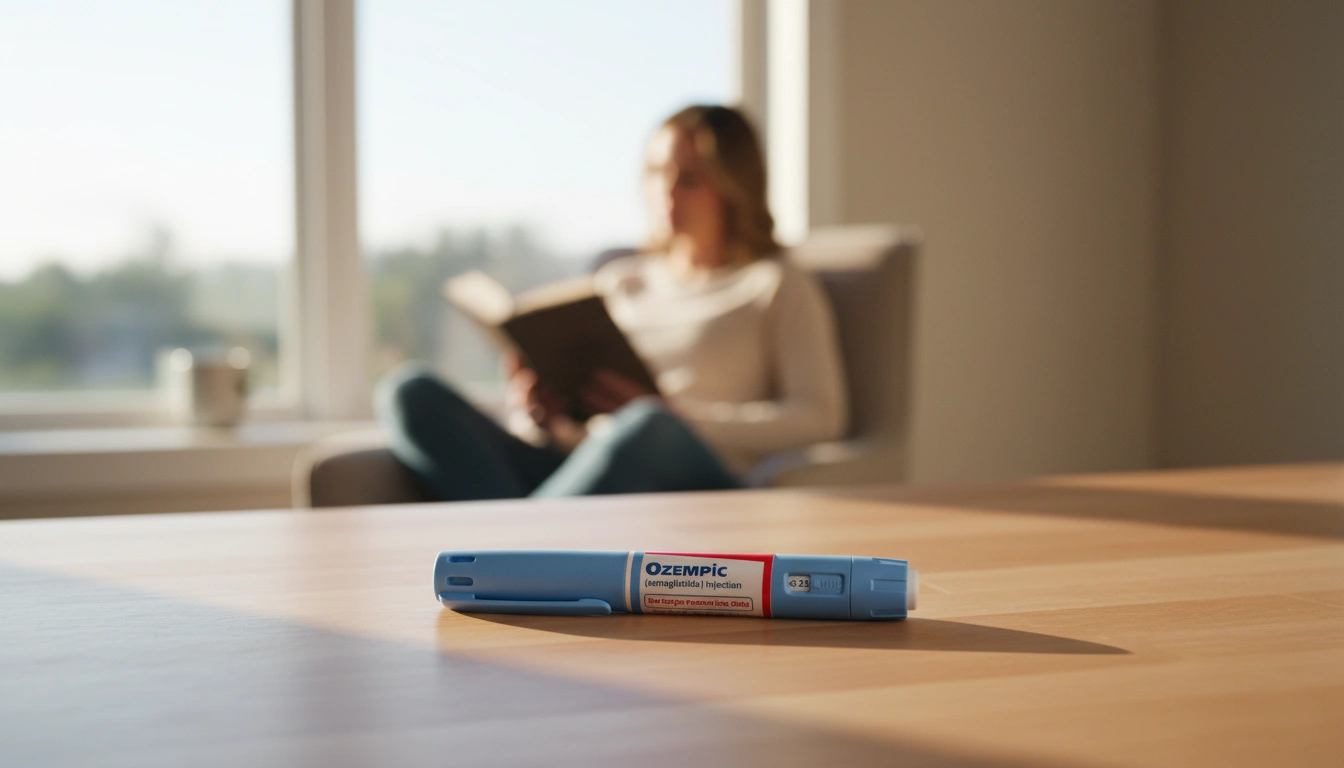
The landscape of weight management is continually evolving, with breakthroughs in medical science offering new pathways to healthier living. Among the most discussed advancements are GLP-1 receptor agonists, medications that have revolutionized how many individuals approach weight loss and metabolic health. As interest in these powerful tools grows, so too do conversations around optimizing their use, including the increasingly popular concept of “microdosing.” This term, often encountered in online discussions and anecdotal reports, suggests taking smaller, more flexible doses of medications like Ozempic (semaglutide) than typically prescribed.
At TrimRx, our journey began with a shared vision to help individuals embrace healthier lifestyles by merging cutting-edge telehealth innovations with effective weight loss solutions. We understand that navigating these discussions requires not only scientific accuracy but also a deeply empathetic and transparent approach. Our platform is a user-friendly and supportive space where individuals receive personalized, medically supervised care—all designed to make sustainable weight loss attainable and tailored to the individual. We believe that sustainable weight loss should be achieved through science, empathy, and a transparent approach, ensuring every step of your journey is informed and supported.
This post aims to provide a comprehensive, evidence-informed exploration of microdosing Ozempic. We will delve into what microdosing entails, the motivations behind it, the scientific understanding of GLP-1 medications, and the official stance on such practices. We will also weigh the potential benefits and risks, emphasizing the critical role of medical supervision and a personalized approach—hallmarks of the TrimRx experience. By the end, you will have a clearer understanding of this complex topic and how our dedicated team supports your unique weight loss aspirations.
Understanding GLP-1 Medications and Their Impact
Before diving into the specifics of microdosing, it’s essential to grasp the fundamental science behind GLP-1 receptor agonists like Ozempic. Ozempic is the brand name for semaglutide, an injectable medication that mimics the action of a naturally occurring hormone called glucagon-like peptide-1 (GLP-1). This hormone plays a crucial role in regulating blood sugar and appetite.
The Mechanism of Action: How GLP-1s Work
GLP-1 receptor agonists exert their effects through several key pathways:
- Blood Sugar Regulation: In individuals with type 2 diabetes, GLP-1 stimulates insulin production in response to high blood sugar levels and reduces glucose production by the liver. This helps to maintain stable blood sugar. While Ozempic is FDA-approved for blood sugar management and to reduce the risk of major cardiovascular events in adults with type 2 diabetes, its profound effects on weight have led to its off-label use for weight loss. Other branded GLP-1 medications, like Wegovy® (also semaglutide) and Zepbound® (tirzepatide), are specifically FDA-approved for weight management in adults with obesity or overweight with at least one weight-related condition. Mounjaro® (tirzepatide) is FDA-approved for type 2 diabetes but is also used off-label for weight loss.
- Slowing Gastric Emptying: GLP-1 medications slow down the rate at which food leaves the stomach. This delay helps you feel fuller for longer, reduces post-meal blood sugar spikes, and contributes significantly to reduced calorie intake.
- Appetite Suppression and “Food Noise” Reduction: One of the most impactful effects for those seeking weight loss is the medication’s influence on the brain’s appetite centers. It helps to decrease hunger, increase feelings of satiety, and often quiets what many refer to as “food noise”—those persistent thoughts about food that can dominate mental space and derail weight loss efforts.
These combined actions lead to substantial weight loss, with clinical trials showing significant reductions in body weight when these medications are paired with a healthy diet and regular exercise. For example, studies have indicated that individuals taking semaglutide can lose an average of 15% of their body weight over 68 weeks, while tirzepatide has shown even greater potential, exceeding 20% weight loss in some studies.
What Does “Microdosing Ozempic” Truly Mean?
The term “microdosing” often conjures images of taking extremely tiny, almost imperceptible amounts of a substance. In the context of Ozempic and other GLP-1s, it generally refers to an alternative dosing strategy that involves taking a lower dosage of the drug than the manufacturer or the FDA typically recommends for its approved uses.
Defining Microdosing in Practice
Microdosing GLP-1s can manifest in a couple of ways:
- Taking a Lower Amount at the Recommended Frequency: This means administering the medication once a week (as prescribed for Ozempic), but with a dose (in milligrams) that is lower than the typical starting dose of 0.25 mg or subsequent titration steps.
- Taking the Recommended Dose Less Frequently: While less common for GLP-1s due to their once-weekly administration schedule, some anecdotal reports suggest taking a standard dose every other week, for example.
The idea behind microdosing any medication is often rooted in the hope of achieving therapeutic benefits with fewer side effects or at a lower cost, while still maintaining some level of efficacy. For Ozempic, which comes in an adjustable auto-injector pen, individuals might attempt to achieve a microdose by “click counting”—turning the pen dial a specific number of clicks to dispense an intermediate dose smaller than the pre-set increments. However, the manufacturer explicitly advises against relying on clicks for dosing accuracy, and this method is not scientifically validated.
Why the Conversation Around Microdosing?
The burgeoning interest in microdosing GLP-1 medications stems from several understandable motivations:
Mitigating Side Effects
GLP-1 medications are highly effective, but they can come with gastrointestinal side effects such as nausea, vomiting, diarrhea, and constipation, especially during the initial titration phase or when increasing doses. For some, these side effects can be severe enough to cause discomfort or even lead to discontinuation of the medication. The theory behind microdosing is that smaller doses might allow the body to adjust more gradually, thereby reducing the intensity or frequency of these unwanted symptoms. Our compassionate care respects every individual’s unique journey, and we understand that tolerability is key to successful, sustainable weight loss.
Managing Supply Shortages
Historically, and occasionally still, GLP-1 medications have faced supply shortages. During these times, some individuals and even healthcare providers have explored alternative dosing strategies, including microdosing, to stretch available medication and prevent complete cessation of treatment. The American Diabetes Association (ADA) has even mentioned alternative dosing approaches as a temporary solution during shortages, though not as a proven method for weight loss or long-term management.
Cost Considerations
While we do not discuss pricing, the cost of prescription medications is a significant factor for many. The perception that a lower dose could lead to using a pen for a longer duration, thereby potentially reducing overall medication expenditure, contributes to the interest in microdosing.
Maintaining Weight Loss
For individuals who have reached their target weight on a GLP-1 medication, there’s often a desire to find the minimum effective dose to maintain their success. Microdosing is sometimes considered a strategy to transition to a maintenance phase, allowing for some appetite regulation and “food noise” reduction without requiring the higher doses used for active weight loss.
Desire for a “Tailored” Approach
Many people feel that a “one-size-fits-all” dosing regimen doesn’t account for individual variability in response to medication. The concept of microdosing appeals to those who seek a highly personalized treatment plan, aiming to find the absolute minimum dose that yields their desired results. This aligns with our core value at TrimRx: personalized care. We believe that a truly individualized approach, developed under medical supervision, is paramount.
The Official Stance and Scientific Evidence on Microdosing
It is crucial to differentiate between anecdotal reports and scientifically validated practices. While the appeal of microdosing is clear, the official medical and regulatory bodies do not endorse it for routine use.
Lack of Clinical Data
The most significant point of concern regarding microdosing Ozempic is the absence of robust clinical trials specifically studying its safety and efficacy at sub-recommended doses for weight loss or other conditions. The doses approved by the FDA for branded medications like Ozempic®, Wegovy®, Zepbound®, and Mounjaro® have undergone rigorous, extensive testing to establish their safety profile and effectiveness in large populations.
- Dose-Response Relationship: Clinical trials for semaglutide and tirzepatide have demonstrated a dose-dependent relationship for weight loss, meaning higher doses generally lead to greater weight reduction, up to a certain point. While doses like 0.5 mg or 1 mg of semaglutide have shown effectiveness for weight loss, going significantly lower than these studied doses might compromise results.
- Manufacturer Recommendations: The manufacturers of branded GLP-1 medications provide specific dosing schedules that begin with a low starter dose and gradually increase over several weeks. These “escalation” phases are designed to improve tolerability and allow the body to adapt to the medication while working towards the optimal therapeutic dose. They do not recommend deviating from these established protocols.
Risks Associated with Unsupervised Microdosing
Attempting to microdose Ozempic without proper medical guidance carries several potential risks:
- Reduced Effectiveness: The most immediate concern is that a dose too low may simply not be effective enough to achieve the desired outcomes, whether that’s blood sugar control in type 2 diabetes or significant weight loss. This can lead to frustration, stalled progress, and potentially a return to previous health challenges.
- Inaccurate Dosing: Relying on methods like “click counting” from an auto-injector pen is inherently prone to error. The pens are designed for specific dose increments, not for precise micro-adjustments. This can lead to inconsistent dosing, making it difficult to track efficacy or manage side effects accurately.
- Compounded Medication Concerns: Some individuals seeking microdoses turn to compounded versions of semaglutide or tirzepatide. While compounded medications can offer flexible dosing options, the FDA has issued warnings regarding the potential risks. These risks include impurities, inaccurate ingredients, or a lack of sterility, as compounded drugs do not undergo the same rigorous approval process as branded medications. It’s vital to clarify that compounded medications are not FDA-approved. At TrimRx, we prioritize your safety by partnering exclusively with FDA-registered and inspected pharmacies for the shipping of any weight loss medications, ensuring quality and adherence to strict standards.
- Loss of Broader Health Benefits: GLP-1 medications offer benefits beyond weight loss, such as cardiovascular protection in certain populations. It’s unknown whether microdosing would provide these critical broader health benefits, as studies confirming these effects were conducted with FDA-approved doses.
- Inconsistent Treatment and Rebound: Stopping and starting medication or inconsistently adjusting doses can disrupt metabolic regulation and potentially lead to weight regain, similar to the “yo-yo” effect seen with restrictive dieting. Long-term, consistent use under medical guidance is typically necessary for sustained results.
- Undetected Underlying Conditions: A medical professional can assess if GLP-1s are appropriate, considering conditions like inflammatory bowel disease, gastroparesis, or a personal/family history of specific thyroid cancers (medullary thyroid carcinoma) or Multiple Endocrine Neoplasia syndrome type 2 (MEN 2), for which GLP-1s are contraindicated.
The TrimRx Approach: Personalized, Medically Supervised Weight Loss
Given the complexities and nuances surrounding discussions like “how to micro dose Ozempic,” our philosophy at TrimRx centers on providing personalized, medically supervised care that is both safe and effective. We believe that sustainable weight loss is a journey best undertaken with professional guidance and support, tailored to your individual physiological needs and health goals.
Our Commitment to Individualized Care
At TrimRx, we understand that every individual’s body, medical history, and weight loss journey are unique. This is why we don’t believe in a “one-size-fits-all” solution. Our approach is built on:
- Science-Backed Solutions: We utilize clinically proven medications and strategies that have demonstrated efficacy and safety in extensive research.
- Empathetic Guidance: Our team provides compassionate care that respects your journey, addressing concerns like potential side effects with understanding and offering solutions.
- Transparent Processes: From your initial consultation to ongoing support, we are committed to clear communication, ensuring you understand your treatment plan, its benefits, and any associated considerations. Our approach remains consistent regardless of dosage changes, focusing on your well-being.
Starting Your Personalized Journey with TrimRx
For those considering prescription weight loss medications, the first step with TrimRx is to take our free assessment quiz. This comprehensive quiz helps our medical team understand your health profile, medical history, and specific weight loss goals to determine your eligibility and craft a truly personalized treatment plan.
If deemed eligible, your TrimRx program includes:
- Doctor Consultations: You’ll have virtual consultations with our experienced medical professionals who will assess your needs, discuss suitable treatment options, and provide ongoing medical supervision. We partner with these healthcare providers to ensure you receive expert advice and a carefully monitored plan.
- Medication Management: We offer a range of clinically proven GLP-1 medications, including [Compounded Semaglutide], [Oral Semaglutide], [Ozempic®], [Compounded Tirzepatide], [Oral Tirzepatide], [Mounjaro®], [Zepbound®], and [Wegovy®]. Our medical team will prescribe the most appropriate medication and dosage for you, always starting at a low dose and gradually adjusting to optimize results while minimizing side effects. We emphasize that branded medications like Ozempic®, Wegovy®, Mounjaro®, and Zepbound® are FDA-approved. For compounded medications, we clarify that they are provided through FDA-registered, inspected, and approved pharmacies, though compounded medications themselves are not FDA-approved.
- Lab Work: Necessary lab tests are included to ensure your safety and monitor your progress effectively, providing a full picture of your health.
- Unlimited Support: Your journey doesn’t end with a prescription. We offer ongoing, unlimited support from our care team to answer your questions, address concerns, and keep you motivated.
- Convenient Shipping: Medications are shipped directly to you from our partner FDA-registered and inspected pharmacies, ensuring convenience and adherence to quality standards. Our comprehensive service covers all these aspects with no hidden fees.
Our brand is built on being innovative, trustworthy, supportive, and results-oriented. We combine advanced medical science with modern technology to deliver exceptional care.
Enhancing Your Journey with Quick-Access Supplements
Beyond prescription medications, we recognize the value of holistic support for overall wellness during your weight loss journey. That’s why we offer quick-access supplements that do not require a quiz:
- GLP-1 Daily Support: This supplement is designed to complement the effects of GLP-1s or to support your body’s natural GLP-1 processes. It can help enhance feelings of fullness, manage cravings, and support healthy metabolic function, contributing to a more comfortable and effective weight loss experience.
- Weight Loss Boost: Formulated to provide additional assistance, our Weight Loss Boost can help optimize your metabolism, boost energy levels, and support fat burning. It’s an excellent addition to any weight management regimen, providing extra momentum towards your goals.
These supplements are readily available to help you achieve a well-rounded approach to health and weight management.
The Pillars of Sustainable Weight Loss: Lifestyle Integration
Regardless of the specific treatment path chosen, long-term weight loss and health maintenance are profoundly influenced by lifestyle factors. Medications like GLP-1s are powerful tools, but they work best when integrated with sustainable healthy habits.
Balanced Nutrition
Even with appetite suppression, the quality of your diet remains paramount. Focusing on nutrient-dense foods provides your body with the essential vitamins, minerals, and macronutrients it needs to function optimally.
- Prioritize Protein: Adequate protein intake helps preserve lean muscle mass during weight loss, promotes satiety, and supports a healthy metabolism. Include lean meats, poultry, fish, eggs, dairy, legumes, and plant-based protein sources.
- Embrace Fiber: Foods rich in fiber, such as fruits, vegetables, whole grains, and legumes, enhance fullness, support digestive health, and help regulate blood sugar levels.
- Healthy Fats: Incorporate healthy fats from sources like avocados, nuts, seeds, and olive oil. These contribute to satiety and overall well-being.
- Limit Processed Foods: Minimize intake of ultra-processed foods high in added sugars, unhealthy fats, and refined carbohydrates, as they can undermine weight loss efforts and negatively impact metabolic health.
Regular Physical Activity
Exercise is a non-negotiable component of a healthy lifestyle and is crucial for sustainable weight management.
- Strength Training: Building and maintaining muscle mass is vital. Muscle tissue is metabolically active, meaning it burns more calories at rest than fat tissue. Strength training helps boost your metabolism and improves body composition.
- Cardiovascular Exercise: Activities like walking, jogging, cycling, or swimming improve cardiovascular health, burn calories, and enhance endurance. Aim for a combination of moderate and vigorous intensity workouts.
- Consistency is Key: Find activities you enjoy and can stick with regularly. Even small increases in daily activity can make a significant difference over time.
Adequate Sleep and Stress Management
Often overlooked, sleep and stress play critical roles in weight regulation.
- Quality Sleep: Insufficient sleep can disrupt hormones that regulate appetite (ghrelin and leptin), leading to increased hunger and cravings. Aim for 7-9 hours of quality sleep per night.
- Stress Reduction: Chronic stress can lead to elevated cortisol levels, which can promote fat storage, especially around the abdomen, and increase emotional eating. Incorporate stress-reducing practices like mindfulness, meditation, yoga, or spending time in nature.
By integrating these lifestyle changes, you not only maximize the benefits of any medication but also build a foundation for lifelong health and well-being. Our supportive environment at TrimRx encourages and guides you in developing these habits as part of your comprehensive personalized plan.
Conclusion: Informed Choices for a Healthier You
The conversation around how to micro dose Ozempic reflects a growing desire for personalized and highly effective weight management solutions. While the concept of microdosing offers theoretical benefits like reduced side effects and cost efficiency, it’s critical to remember the current lack of scientific validation for such practices. The official recommendations for Ozempic and other GLP-1 medications are based on extensive research designed to ensure both safety and optimal efficacy.
At TrimRx, we stand firmly behind an evidence-based, medically supervised approach to weight loss. Our commitment to empathy, innovation, and transparency ensures that your journey is supported every step of the way. We provide clinically proven solutions, including prescription GLP-1 medications like [Compounded Semaglutide], [Oral Semaglutide], [Ozempic®], [Compounded Tirzepatide], [Oral Tirzepatide], [Mounjaro®], [Zepbound®], and [Wegovy®], along with essential quick-access supplements such as GLP-1 Daily Support and Weight Loss Boost.
We empower you to make informed decisions about your health in partnership with our dedicated medical team. If you’re exploring the potential of GLP-1 medications and seeking a personalized, safe, and effective path to sustainable weight loss, we encourage you to take our free assessment quiz. Let us help you navigate your unique journey with the expertise and support you deserve.
Frequently Asked Questions
Q1: Is microdosing Ozempic recommended by medical professionals?
A1: Generally, medical professionals and regulatory bodies like the FDA do not recommend or endorse microdosing Ozempic (semaglutide) outside of its studied and approved dosing guidelines. The recommended doses have been rigorously tested for safety and effectiveness in clinical trials. While some discussions about microdosing may arise anecdotally or in response to specific challenges like medication shortages, these practices are not part of standard, evidence-based medical protocols. Our medical team at TrimRx focuses on prescribing and supervising treatment plans based on scientifically validated dosages to ensure optimal results and safety. To explore your eligibility for a medically supervised plan, take our free assessment quiz.
Q2: What are the main risks of attempting to microdose Ozempic without medical supervision?
A2: Attempting to microdose Ozempic without medical supervision carries several significant risks. These include potentially reduced effectiveness, meaning you may not achieve your weight loss or blood sugar management goals. There’s also a risk of inaccurate dosing, especially if relying on “click counting” from an auto-injector pen, which is not designed for such adjustments. Furthermore, if you seek compounded versions for microdosing, there are concerns about product quality, purity, and concentration, as compounded medications are not FDA-approved like branded versions. Unsupervised changes to medication dosage can also lead to inconsistent treatment, potential rebound weight gain, and may mask important health signals. Our programs at TrimRx ensure that all medication adjustments are made under the careful guidance of medical professionals.
Q3: How does TrimRx ensure a personalized approach to medication dosing?
A3: At TrimRx, personalization is at the core of our approach. We begin with a free assessment quiz to gather comprehensive information about your health history, current condition, and weight loss goals. This is followed by a consultation with a qualified medical professional who reviews your profile and determines the most appropriate prescription medication and starting dose for you, such as [Compounded Semaglutide], [Oral Semaglutide], [Ozempic®], [Compounded Tirzepatide], [Oral Tirzepatide], [Mounjaro®], [Zepbound®], or [Wegovy®]. Dosing is carefully titrated upwards over time to find the optimal effective dose while closely monitoring for tolerability and side effects. This medically supervised approach ensures that your treatment plan is uniquely tailored to your body’s response, prioritizing both efficacy and comfort.
Q4: Besides prescription medications, what other support does TrimRx offer for weight management?
A4: TrimRx believes in a holistic approach to weight management. In addition to our personalized prescription medication programs, we offer quick-access supplements designed to support your overall wellness journey, available without a quiz. These include GLP-1 Daily Support, which can help enhance feelings of fullness and manage cravings, and Weight Loss Boost, formulated to optimize metabolism and support fat burning. Our comprehensive service also includes unlimited support from our care team, ensuring you have continuous guidance and motivation for integrating healthy lifestyle changes like balanced nutrition, regular exercise, adequate sleep, and stress management, all crucial for sustainable weight loss.

Transforming Lives, One Step at a Time
Keep reading
Ozempic Results After One Year: What Long-Term Use Looks Like
A full year on Ozempic puts you in a category that most weight loss approaches never reach: sustained, medically supported treatment that has had…

Ozempic Results at 6 Months: Progress and What Comes Next
Six months on Ozempic is a significant milestone. By this point, most patients have reached a therapeutic dose, worked through the early adjustment period,…

Ozempic Results at 3 Months: What to Realistically Expect
Three months into Ozempic, most people are starting to see results that feel genuinely meaningful. By this point you’ve moved through the starting dose,…


