Navigating the Initial Steps: What is Starting Dose for Ozempic?
Introduction
Embarking on a weight loss journey, particularly when managing conditions like type 2 diabetes, often involves exploring various treatment pathways and understanding the specifics of medications designed to help. One name that frequently comes up in these conversations is Ozempic. For many, the prospect of starting a new medication can bring a mix of hope and apprehension, especially concerning how to begin safely and effectively. We understand that finding reliable, in-depth information is paramount to feeling empowered and confident in your health choices.
This comprehensive guide aims to illuminate the crucial initial steps of using Ozempic, with a particular focus on what is starting dose for Ozempic and why this specific dosage is recommended. We will delve into the scientific rationale behind the gradual dose escalation, how to administer the medication, and the factors that influence a personalized treatment plan. Understanding these foundational aspects is not just about following instructions; it’s about setting yourself up for the most effective and comfortable experience possible. By the end of this article, you will have a clear grasp of Ozempic’s dosing schedule and appreciate the importance of a tailored, medically supervised approach to your weight management and overall health. As we explore these details, we invite you to consider how a personalized strategy can align with your unique health goals, offering not just information but a path to action.
Ozempic: A Glimpse into its Role in Health Management
Ozempic, a brand name for the active ingredient semaglutide, belongs to a class of medications known as GLP-1 (Glucagon-Like Peptide-1) receptor agonists. Its primary role, as approved by the FDA, is to improve blood sugar control in adults with type 2 diabetes, typically alongside a healthy diet and exercise regimen. Beyond glycemic control, Ozempic is also approved to reduce the risk of major cardiovascular events, such as heart attack and stroke, in adults with type 2 diabetes and established cardiovascular disease. Furthermore, it plays a role in reducing the risk of worsening kidney disease and death from cardiovascular causes in individuals with type 2 diabetes and chronic kidney disease.
Semaglutide, the active compound in Ozempic, works by mimicking the natural GLP-1 hormone in your body. This hormone helps to:
- Stimulate insulin release from the pancreas when blood sugar levels are high, which helps lower blood glucose.
- Decrease glucagon secretion, a hormone that raises blood sugar, thereby preventing excessive glucose production by the liver.
- Slow gastric emptying, which contributes to a feeling of fullness and can help reduce food intake.
- Influence brain areas that regulate appetite and food intake, leading to reduced hunger and caloric consumption.
While Ozempic is primarily prescribed for type 2 diabetes, its mechanism of action, particularly the impact on appetite and satiety, often leads to significant weight loss as a beneficial side effect. It’s important to clarify that Ozempic is not FDA-approved specifically for weight loss in individuals without diabetes; however, healthcare providers may sometimes prescribe it off-label for this purpose. For individuals seeking FDA-approved semaglutide specifically for chronic weight management, other formulations like Wegovy® are available, which contain the same active ingredient but are dosed differently and approved for that specific indication. At TrimRx, we are committed to providing access to clinically proven solutions like Ozempic®, along with other options such as Compounded Semaglutide, Oral Semaglutide, Compounded Tirzepatide, Oral Tirzepatide, Mounjaro®, and Zepbound®, always through FDA-registered and inspected pharmacies. To see if you qualify for a personalized treatment plan that might include one of these prescription medications, we invite you to take our free assessment quiz.
The Cornerstone of Treatment: What is Starting Dose for Ozempic?
When commencing treatment with Ozempic, the initial dosage is a carefully considered step designed to maximize therapeutic benefits while minimizing potential side effects. This measured approach reflects a deep understanding of how the body adapts to new medications.
Understanding the Initial Ozempic Dosage
The recommended starting dose for Ozempic is 0.25 mg, administered once weekly via subcutaneous injection. This low dose is maintained for a period of four weeks. It’s crucial to understand that this initial 0.25 mg dose is primarily a “titration” or “initiation” dose. It is not typically intended to achieve immediate blood sugar control or significant weight loss. Instead, its main purpose is to allow your body to gradually adjust to the medication.
Why a Low Starting Dose is Essential
The rationale behind starting with a low dose is rooted in patient safety and comfort. GLP-1 receptor agonists, while highly effective, can sometimes cause gastrointestinal side effects, such as nausea, vomiting, diarrhea, and constipation, especially when treatment begins or when doses are increased too rapidly. By starting at 0.25 mg and maintaining it for four weeks, the body has time to acclimate to the presence of semaglutide, thereby reducing the likelihood and severity of these adverse reactions.
This careful titration strategy is a hallmark of safe and effective medical practice, aligning perfectly with our values at TrimRx. We believe that sustainable weight loss and health management should be achieved through science, empathy, and a transparent approach. Our platform is designed as a supportive space where individuals receive personalized, medically supervised care, ensuring that every step, including initial dosing, is tailored to their unique needs and designed to make their journey as comfortable as possible. This empathetic approach is central to our brand personality and messaging, as we prioritize compassionate care that respects every individual’s journey.
The Journey of Dose Escalation: Finding Your Optimal Level
Following the initial four-week period at 0.25 mg, the dosage of Ozempic is typically increased in a structured manner. This escalation process is vital for reaching the therapeutic levels needed to effectively manage blood sugar and support weight management.
The Standard Escalation Schedule
After the initial four weeks at 0.25 mg, the standard dose escalation typically proceeds as follows:
- Week 5 and beyond: The dose is usually increased to 0.5 mg once weekly. This is often the first therapeutic dose intended to begin actively impacting blood sugar levels.
- Further Escalation (if needed): If additional blood sugar control is required after at least four weeks on the 0.5 mg dose, your healthcare provider may increase the dosage to 1 mg once weekly.
- Maximum Recommended Dose: If glycemic control remains insufficient after at least four weeks on the 1 mg dose, the dosage may be further increased to the maximum recommended dose of 2 mg once weekly.
It’s important to note that these are general guidelines. The decision to increase a dose, and to what level, is always made by your prescribing healthcare provider based on your individual response to the medication, your blood sugar targets, the tolerability of side effects, and your overall health status. For specific indications, such as reducing the risk of worsening kidney disease, the recommended maintenance dose is often 1 mg once weekly.
Why Gradual Escalation Matters
This systematic, step-by-step increase in dosage is not arbitrary. It serves several critical purposes:
- Continued Acclimation: It allows the body to continue adjusting to higher concentrations of semaglutide, further mitigating potential side effects.
- Optimizing Efficacy: It ensures that the lowest effective dose is used, which is a key principle in pharmacology to achieve desired outcomes with minimal risk.
- Personalized Response: Every individual responds differently to medication. Gradual escalation allows your healthcare provider to observe your body’s specific response, monitoring both the benefits (e.g., improved blood sugar, weight loss) and any adverse reactions. This ongoing assessment is a cornerstone of personalized care.
At TrimRx, our medically supervised programs emphasize this personalized approach. Through regular consultations with affiliated medical providers and ongoing support, we ensure that your treatment plan, including dose adjustments for medications like Ozempic®, is continuously monitored and adapted to your evolving needs. Our commitment to transparent service means our approach remains consistent, focusing on your well-being regardless of dosage changes. This meticulous care is part of our dedication to providing results-oriented solutions while maintaining an empathetic and supportive environment. If you’re considering a path like this, exploring your options through our free assessment quiz is a great starting point.
Administering Ozempic: Practical Guidelines
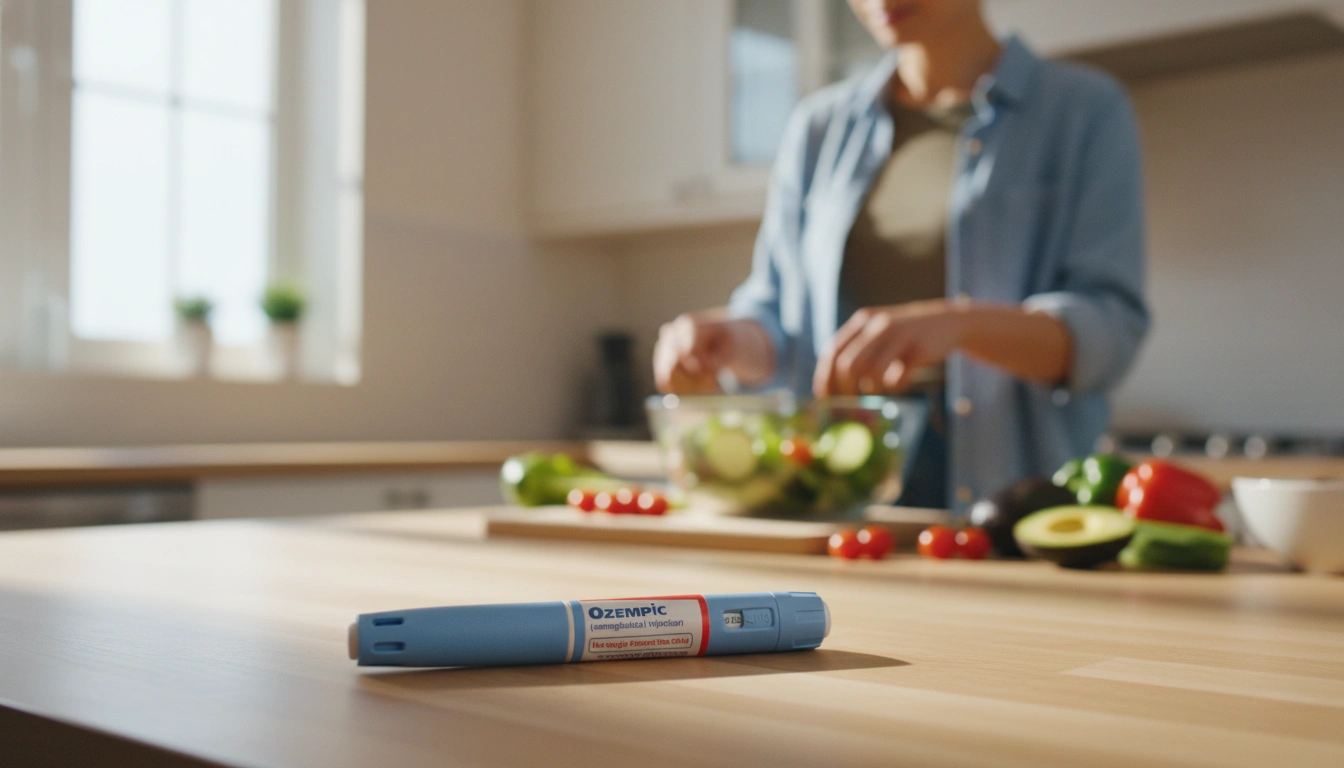
Ozempic is administered as a subcutaneous injection using a prefilled, disposable pen. Understanding how to properly use the pen and inject the medication is crucial for safety and efficacy.
Ozempic Pen Strengths and Design
Ozempic pens come in different strengths, each designed to deliver specific doses. While the physical pen size might vary, the steps for using your new Ozempic pen are consistent. There are pens that deliver 0.25 mg or 0.5 mg doses (often used for starting and initial maintenance), pens for 1 mg doses, and pens for 2 mg doses. Your healthcare provider will prescribe the appropriate pen based on your current dosage.
Step-by-Step Injection Process
While your medical provider will provide detailed instructions and training, here are general steps to ensure proper administration:
- Preparation: Always inspect the Ozempic pen visually before use. The liquid should be clear and colorless. Do not use if it appears cloudy, discolored, or contains particles. Ensure you have a new needle for each injection.
- Attaching the Needle: Remove the paper tab from a new needle, push it onto the pen, and twist until it’s secure. Remove both the outer and inner needle caps.
- Flow Check (for new pens): Before the very first injection with a new pen, perform a “flow check” to ensure the medication flows correctly. Turn the dose selector to the flow check symbol, press and hold the dose button until 0 is displayed, and confirm a drop of Ozempic appears at the needle tip.
- Selecting the Dose: Turn the dose selector to the dose prescribed by your doctor. The dose counter should show the correct milligrams.
- Injection Sites: Ozempic is injected subcutaneously (under the skin) in the abdomen, thigh, or upper arm. It is critical to rotate injection sites with each dose, even if you prefer to inject in the same general body region. This helps prevent skin irritation or thickening.
- Injecting: Insert the needle into the skin. Press and hold the dose button until the dose counter shows 0. Keep the needle in the skin and count slowly to six to ensure the full dose has been delivered.
- Removing and Disposing: Carefully remove the needle from the skin. Immediately dispose of the used needle in an FDA-approved sharps container or a sturdy plastic household container. Never recap a used needle or share your pen or needles with others, as this carries a risk of serious infection.
Important Considerations for Administration
- Timing: Administer Ozempic once weekly, on the same day each week, at any time of day, with or without meals. Consistency is key.
- Missed Doses: If you miss a dose, take it as soon as you remember, provided it is within five days (120 hours) of the missed dose. If more than five days have passed, skip the missed dose and simply take your next scheduled dose on your regular day. Never take two doses at once to make up for a missed dose. This can lead to a severe drop in blood sugar (hypoglycemia) due to Ozempic’s long-acting nature.
- Storage: Store new Ozempic pens in the refrigerator between 36°F and 46°F (2°C and 8°C). Once a pen is in use, it can be stored for 56 days (8 weeks) at room temperature (below 86°F/30°C) or in the refrigerator. Do not freeze Ozempic, and do not use it if it has been frozen.
At TrimRx, we prioritize safety and correct usage. Our comprehensive service includes guidance on proper medication administration, ensuring you feel confident and supported throughout your treatment. We partner with FDA-registered and inspected pharmacies for the shipping of all weight loss medications, including Ozempic®, so you can be assured of their quality and integrity.
Factors Influencing Your Personalized Ozempic Dosage
While there’s a standard titration schedule, the journey with Ozempic is deeply personal. Several factors can influence how your healthcare provider adjusts your dosage, ensuring it’s optimally suited for you.
Individual Response to Medication
The most significant factor is your body’s unique response to Ozempic. This includes:
- Blood Sugar Control: How effectively your blood glucose levels are managed. Regular monitoring by your medical provider, often supplemented by at-home blood sugar checks, helps determine if the current dose is sufficient.
- Weight Loss Progress: While Ozempic’s primary indication is diabetes management, weight loss is a common and often desired benefit. Your progress here will also be monitored.
- Side Effects: Your tolerability to potential side effects, particularly gastrointestinal ones, plays a critical role. If side effects are bothersome or persistent, your provider might slow down the dose escalation or temporarily reduce a dose. This careful balancing act ensures comfort and adherence to the treatment plan.
Co-existing Health Conditions
Your overall health profile also impacts dosing decisions:
- Kidney Function: While Ozempic generally doesn’t require dose adjustments based on kidney function, individuals with pre-existing kidney disease may have a higher risk of acute kidney injury, especially during the initial or intermediate doses. Your provider will monitor your kidney health closely and adjust the plan if necessary.
- Other Medications: Certain medications, supplements, or even herbal remedies can interact with Ozempic, potentially affecting its efficacy or increasing side effect risks. It’s vital to inform your medical provider about all substances you are taking, allowing them to make informed dosage adjustments.
Lifestyle and Holistic Approach
Your lifestyle choices—diet, exercise, and stress management—are integral to your treatment success. While Ozempic works biochemically, its effectiveness is amplified when integrated into a broader healthy lifestyle. At TrimRx, we champion this holistic view. Our brand values emphasize supporting individuals in embracing healthier lifestyles by merging cutting-edge telehealth innovations with effective weight loss solutions. Our commitment extends beyond medication; we offer unlimited support to guide you in making sustainable changes that complement your treatment. For those looking for immediate support, we also offer quick-access supplements like GLP-1 Daily Support and Weight Loss Boost, designed to support overall wellness during your journey.
Our approach is results-oriented and personalized. We understand that effective weight loss is a journey, not a destination, and our goal is to provide compassionate care that respects every individual’s unique path. This is why we empower you to take our free assessment quiz to determine your eligibility for our personalized programs and connect with an affiliated medical provider who can create a treatment plan that truly fits you.
Expected Outcomes and Long-Term Considerations
Once you’ve navigated the initial dosing of Ozempic and found your maintenance dose, you might be wondering what to expect in terms of results and how long you’ll continue treatment.
Timeline for Results
- Blood Sugar Control: Many individuals begin to see improvements in blood sugar control within 1 to 2 weeks of starting the 0.5 mg dose. These improvements become more pronounced as the dose is escalated to therapeutic levels.
- Weight Loss: Noticeable weight loss may take a bit longer. While some individuals might experience initial shifts, more significant and consistent weight reduction typically becomes apparent after 8 to 12 weeks, with sustained results often observed around 26 weeks or more. Clinical studies have shown that individuals on semaglutide can achieve an average weight loss ranging from 5-15% of their total body weight, depending on the dosage and individual factors. This can be a life-changing outcome for those striving for better health.
Long-Term Use
Ozempic is generally considered a long-term treatment. If you and your healthcare provider determine that it is safe, effective, and well-tolerated for your specific health goals, it’s likely that you will continue using it for an extended period. Discontinuing the medication without medical guidance can lead to a return of previous symptoms, such as elevated blood sugar levels or weight regain. Therefore, any decision regarding the duration of treatment should always be made in consultation with your medical provider.
The Role of Sustained Support
Managing a long-term treatment plan requires consistent support and guidance. At TrimRx, our innovative approach combines advanced medical science with modern technology to provide you with a supportive and user-friendly platform. Our commitment is to ensure that you have access to the resources and care needed to sustain your progress. This includes unlimited support, ongoing access to affiliated medical providers for questions and adjustments, and the convenience of medication shipping from FDA-registered and inspected pharmacies.
We are dedicated to helping individuals embrace healthier lifestyles through personalized, medically supervised care. Our philosophy is that sustainable weight loss and health management are ongoing processes that benefit immensely from consistent, expert guidance. Whether it’s through our prescription programs like Ozempic® or our beneficial quick-access supplements such as GLP-1 Daily Support and Weight Loss Boost, we are here to support every step of your journey. If you’re ready to explore a personalized approach to managing your health and weight, take our free assessment quiz today.
Conclusion
Understanding what is starting dose for Ozempic is more than just knowing a number; it’s about appreciating the thoughtful, scientific process behind initiating a powerful medication designed to improve health. The deliberate approach of beginning with a low 0.25 mg dose, followed by gradual escalation, is fundamental to minimizing side effects, maximizing effectiveness, and ensuring a comfortable and sustainable treatment experience. This personalized titration reflects a core principle of modern medicine: tailoring care to the individual.
At TrimRx, our journey began with a shared vision to help individuals embrace healthier lifestyles. We firmly believe that sustainable weight loss and effective health management are best achieved through a combination of science, empathy, and a transparent, medically supervised approach. Our platform offers a user-friendly and supportive space where individuals can receive personalized care, whether through prescription medications like Ozempic® and compounded alternatives, or through immediate support with our GLP-1 Daily Support and Weight Loss Boost supplements.
We champion compassionate care that respects every individual’s unique journey, combining advanced medical science with modern technology. Our commitment to safety is unwavering, partnering exclusively with FDA-registered and inspected pharmacies for the shipping of all prescribed medications. If you’re ready to take a proactive step towards a healthier future, we encourage you to take our free assessment quiz to explore how our personalized programs can support your health and weight loss goals. Let us be your partner in achieving the lasting well-being you deserve.
FAQ
What is the primary purpose of the 0.25 mg starting dose for Ozempic?
The 0.25 mg starting dose for Ozempic is primarily an initiation or titration dose, designed to help your body gradually adjust to the medication and minimize potential gastrointestinal side effects like nausea and vomiting. It’s typically maintained for four weeks before increasing.
How often should Ozempic dosage be increased?
Typically, Ozempic dosage is increased every four weeks, provided the current dose is well-tolerated and further blood sugar control or weight management is needed. Your medical provider will guide these adjustments based on your individual response.
Can I take Ozempic more than once a week or take two doses if I miss one?
No, Ozempic is formulated to be taken once weekly. You should never take two doses at once to make up for a missed dose, as this significantly increases the risk of severe low blood sugar (hypoglycemia). If you miss a dose, take it within five days; otherwise, skip it and resume your regular schedule.
What should I do if I experience significant side effects from Ozempic, especially during dose escalation?
If you experience significant or bothersome side effects, such as persistent nausea, vomiting, or diarrhea, it’s crucial to contact your medical provider immediately. They may recommend slowing the dose escalation, temporarily reducing your dose, or exploring alternative strategies to manage your symptoms, ensuring your treatment remains safe and comfortable.

Transforming Lives, One Step at a Time
Keep reading
Ozempic Results After One Year: What Long-Term Use Looks Like
A full year on Ozempic puts you in a category that most weight loss approaches never reach: sustained, medically supported treatment that has had…

Ozempic Results at 6 Months: Progress and What Comes Next
Six months on Ozempic is a significant milestone. By this point, most patients have reached a therapeutic dose, worked through the early adjustment period,…

Ozempic Results at 3 Months: What to Realistically Expect
Three months into Ozempic, most people are starting to see results that feel genuinely meaningful. By this point you’ve moved through the starting dose,…


