Navigating the Journey: What is Considered a Maintenance Dose of Zepbound for Sustained Weight Management
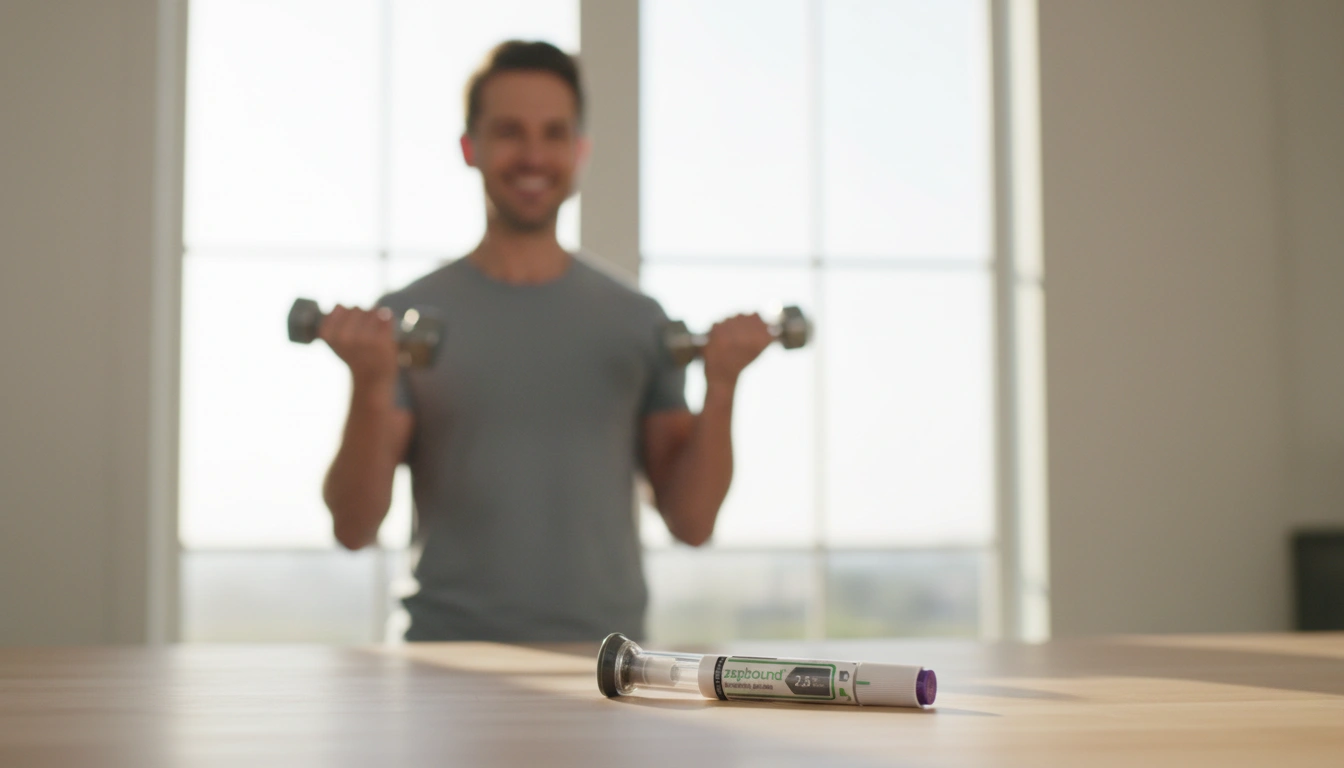
The path to sustainable weight management often feels like a winding road, fraught with challenges and questions. Many individuals embark on this journey seeking effective, scientifically-backed solutions to achieve their health goals. One area that frequently arises in these discussions is the role of advanced medications like Zepbound (tirzepatide), particularly when it comes to understanding its dosing strategy, especially the crucial concept of a maintenance dose. This isn’t just about reaching a target weight; it’s about fostering lasting health and well-being.
At TrimRx, our journey began with a shared vision to help individuals embrace healthier lifestyles by merging cutting-edge telehealth innovations with effective weight loss solutions. We understand that effective weight management extends beyond initial weight loss; it encompasses a thoughtful, medically supervised approach to sustain those results. Our platform is a user-friendly and supportive space where individuals receive personalized, medically supervised care—all designed to make sustainable weight loss attainable and tailored to the individual. We believe that sustainable weight loss should be achieved through science, empathy, and a transparent approach, guiding you every step of the way.
This comprehensive guide will illuminate the intricacies of Zepbound dosing, specifically addressing what is considered a maintenance dose of Zepbound. We will delve into the recommended titration schedule, the factors influencing individual dosing decisions, and the critical importance of medical supervision throughout your treatment. By the end of this article, you will have a clearer understanding of how this medication works, the official maintenance dosages, and how a personalized approach, such as that offered by TrimRx, can support your long-term success. Together, we’ll explore the science behind Zepbound and how it can be a vital component of a holistic weight management plan.
The Science Behind Zepbound: A Dual-Action Approach
Zepbound, known generically as tirzepatide, represents a significant advancement in the field of weight management. Unlike some other medications that target a single pathway, tirzepatide is a unique dual agonist that activates both the glucagon-like peptide-1 (GLP-1) and glucose-dependent insulinotropic polypeptide (GIP) receptors. This innovative mechanism of action contributes to its profound effects on weight loss and metabolic health.
How Tirzepatide Supports Weight Management
By activating both GLP-1 and GIP receptors, tirzepatide works synergistically in several ways:
- Appetite Regulation: It helps to reduce appetite and increase feelings of fullness, leading to a decrease in overall calorie intake. This is achieved through its effects on the brain’s appetite control centers and by slowing gastric emptying.
- Improved Satiety: Patients often report feeling satisfied with smaller portions, which aids in adherence to a reduced-calorie diet.
- Blood Sugar Control: While primarily approved for weight management, its GIP and GLP-1 agonism also plays a role in glucose metabolism. This is beneficial for individuals who may have underlying metabolic considerations related to their weight.
The effectiveness of tirzepatide in promoting significant and sustained weight loss has been demonstrated in extensive clinical trials, positioning it as a powerful tool when integrated into a comprehensive weight management strategy that includes dietary changes and increased physical activity. Our approach at TrimRx emphasizes the combination of such scientifically-proven medications with personalized lifestyle guidance to maximize results.
The Journey to Maintenance: Understanding Zepbound Dosing
The process of initiating and adjusting Zepbound dosage is carefully structured to ensure both efficacy and tolerability. It’s a gradual process designed to minimize potential side effects while allowing the body to adapt to the medication. This phase-by-phase approach is crucial for optimizing your treatment outcome.
Starting Strong: The Initial Titration Phase
When beginning Zepbound, patients do not start immediately on a maintenance dose. Instead, treatment initiates with a conservative dosage, which is then gradually increased over several weeks. This period is known as the titration phase.
- Initial Dose: The recommended starting dosage for Zepbound is 2.5 mg injected subcutaneously once weekly. This initial dose is specifically for treatment initiation and is not considered a maintenance dosage.
- Gradual Escalation: After four weeks on the 2.5 mg dose, the dosage is typically increased to 5 mg once weekly. Subsequent increases occur in 2.5 mg increments, but only after at least four weeks on the current dose. This means a patient might progress from 5 mg to 7.5 mg, then to 10 mg, and so forth, always allowing a four-week period at each step.
This stepwise approach is vital for reducing the risk of gastrointestinal adverse reactions, such as nausea, vomiting, and diarrhea, which are common with GLP-1 and GIP receptor agonists, especially when doses are increased too quickly. Our medically supervised programs at TrimRx ensure that this titration is managed carefully, with ongoing communication between you and your healthcare provider.
Defining What is Considered a Maintenance Dose of Zepbound
Once the titration period is complete, and an individual has reached a dose that balances effectiveness with tolerability, they enter the maintenance phase. For Zepbound, the officially recommended maintenance dosages are quite specific.
- Recommended Maintenance Dosages: The approved maintenance dosages of Zepbound in adults are 5 mg, 10 mg, or 15 mg, injected subcutaneously once weekly.
- Not All Doses are Maintenance: It is important to note that while 7.5 mg and 12.5 mg are valid doses during the titration schedule, they were not specifically studied as standalone maintenance dosages in the pivotal Zepbound clinical trials (SURMOUNT program). These doses serve as crucial intermediate steps to help patients gradually reach their optimal maintenance dose without undue side effects. The 2.5 mg starting dose is also not considered a maintenance dose.
The maximum dosage of tirzepatide is 15 mg injected subcutaneously once weekly. The selection of the specific maintenance dosage (5 mg, 10 mg, or 15 mg) is a personalized decision, made in consultation with a healthcare provider, taking into account the individual’s treatment response, tolerability, and overall health goals. If a patient experiences significant intolerance to a maintenance dosage, a healthcare provider may consider a lower maintenance dosage to ensure continued treatment. This careful adjustment underscores our commitment at TrimRx to providing compassionate care that respects every individual’s unique journey.
The Role of Personalized Care in Zepbound Dosing
Understanding what is considered a maintenance dose of Zepbound is just one piece of the puzzle. The true art of effective weight management lies in personalizing the treatment plan to fit each individual’s unique physiology, lifestyle, and response to medication. This is where the value of a comprehensive, medically supervised program truly shines.
Efficacy Versus Tolerability: The Individual Balance
Clinical trials have shown that higher doses of Zepbound often lead to greater average weight loss. For instance, in the landmark SURMOUNT clinical trials, the 15 mg dose typically achieved the greatest weight reduction, followed by the 10 mg and then the 5 mg dose. However, higher doses can also correlate with an increased incidence of gastrointestinal side effects.
- Finding Your Optimal Dose: The “best” maintenance dose is therefore not simply the highest dose. It’s the dose that provides significant weight loss and health improvements while being well-tolerated, allowing for long-term adherence. Some individuals may achieve their goals and maintain their weight effectively on a 5 mg dose, experiencing fewer side effects, while others may require 10 mg or 15 mg for optimal results.
- Continuous Monitoring: Our experienced healthcare providers at TrimRx engage in continuous monitoring and open communication to help you navigate this balance. We understand that your body’s response can change, and our commitment to transparent service means our approach remains consistent, whether your dosage changes or not.
This dynamic approach ensures that your weight loss journey is not just effective but also comfortable and sustainable. To see if you qualify for a personalized treatment plan, we encourage you to take our free assessment quiz.
The TrimRx Difference: Medically Supervised and Supportive Care
At TrimRx, our personalized weight loss programs are built on a foundation of advanced medical science, modern technology, and unwavering support. We recognize that medication like Zepbound, which is provided through FDA-registered, inspected, and approved pharmacies, is one component of a larger strategy.
Our Comprehensive Service Includes:
- Doctor Consultations: You’ll have thorough consultations with licensed medical professionals who can assess your health history, discuss potential risks and benefits, and determine the most appropriate treatment plan for you.
- Personalized Treatment Plans: Based on your assessment and medical evaluation, we develop a plan tailored specifically to your needs, which may include medications like compounded Semaglutide, Oral Semaglutide, Ozempic®, compounded Tirzepatide, Oral Tirzepatide, Mounjaro®, Zepbound®, or Wegovy®. Our quick-access supplements, such as GLP-1 Daily Support and Weight Loss Boost, are also available to support your overall wellness.
- Lab Work: Necessary lab tests are part of our comprehensive service to ensure treatment suitability and monitor your health throughout the program.
- Unlimited Support: Our team provides ongoing guidance and answers your questions, offering the supportive environment you need to succeed.
- Shipping and No Hidden Fees: We believe in a transparent approach, which means clear communication about everything included in your program, with medication conveniently shipped directly to you from our partner pharmacies, with no surprises.
We are dedicated to safety, working exclusively with FDA-registered and inspected pharmacies for the shipping of weight loss medications. It’s important to clarify that TrimRx partners with these pharmacies for medication delivery and does not provide actual medical supervision; instead, our licensed medical providers offer the necessary medical oversight and consultations to ensure your safety and success.
Important Safety Information and Considerations for Zepbound
While Zepbound can be a highly effective tool for weight management, it is crucial to be fully informed about its potential risks and side effects. Our commitment to your safety and well-being means ensuring you have access to comprehensive information and medically supervised care. Always discuss these considerations thoroughly with your healthcare provider.
Boxed Warning: Risk of Thyroid C-cell Tumors
A significant warning associated with tirzepatide is the risk of thyroid C-cell tumors. In rats, tirzepatide has been shown to cause dose-dependent and treatment-duration-dependent thyroid C-cell tumors at clinically relevant exposures. It is currently unknown whether Zepbound causes these tumors, including medullary thyroid carcinoma (MTC), in humans, as the human relevance of tirzepatide-induced rodent thyroid C-cell tumors has not been definitively determined.
- Contraindications: Zepbound is contraindicated in patients with a personal or family history of MTC or in patients with Multiple Endocrine Neoplasia syndrome type 2 (MEN 2).
- Patient Counseling: Your healthcare provider should counsel you regarding the potential risk for MTC and inform you of symptoms of thyroid tumors. These symptoms may include a mass in the neck, difficulty swallowing (dysphagia), difficulty breathing (dyspnea), or persistent hoarseness. Routine monitoring of serum calcitonin or using thyroid ultrasound is of uncertain value for early detection of MTC in patients treated with Zepbound, and such monitoring may increase the risk of unnecessary procedures. If MTC is suspected due to significantly elevated serum calcitonin values or thyroid nodules, further evaluation is indicated.
Other Serious Adverse Reactions
Beyond the boxed warning, there are several other serious adverse reactions associated with Zepbound and GLP-1 receptor agonists that you should be aware of:
Gastrointestinal Effects
- Severe Gastrointestinal Adverse Reactions: Zepbound use has been associated with gastrointestinal adverse reactions, which can sometimes be severe. These include nausea, diarrhea, and vomiting, and were reported more frequently among patients receiving Zepbound than placebo in clinical trials. Zepbound has not been studied and is not recommended in patients with severe gastrointestinal disease, including severe gastroparesis.
- Acute Pancreatitis: Acute pancreatitis, including fatal and non-fatal hemorrhagic or necrotizing pancreatitis, has been observed in patients treated with GLP-1 receptor agonists or tirzepatide. It is important to observe patients for signs and symptoms of pancreatitis, such as persistent severe abdominal pain (sometimes radiating to the back), which may or may not be accompanied by vomiting. If pancreatitis is suspected, Zepbound should be discontinued, and appropriate management initiated.
Kidney and Gallbladder Issues
- Acute Kidney Injury: Use of Zepbound has been associated with acute kidney injury, which can result from dehydration due to severe gastrointestinal adverse reactions like nausea, vomiting, and diarrhea. Monitoring of renal function is important for patients experiencing adverse reactions that could lead to volume depletion.
- Acute Gallbladder Disease: Treatment with Zepbound and GLP-1 receptor agonists is associated with an increased occurrence of acute gallbladder disease, including cholelithiasis (gallstones), cholecystitis (gallbladder inflammation), and cholecystectomy (gallbladder removal). If gallbladder disease is suspected, diagnostic studies and appropriate clinical follow-up are necessary.
Metabolic and Hypersensitivity Reactions
- Hypoglycemia: Zepbound can lower blood glucose and cause hypoglycemia (low blood sugar), especially when used in combination with an insulin secretagogue (like sulfonylureas) or insulin. Patients with type 2 diabetes mellitus may be at increased risk. It is crucial for patients to be informed of the risk of hypoglycemia and educated on its signs and symptoms. Blood glucose monitoring is recommended for patients with diabetes mellitus.
- Hypersensitivity Reactions: Serious hypersensitivity reactions (e.g., anaphylaxis, angioedema) have been reported. If these occur, patients should seek prompt medical attention and discontinue Zepbound. It is contraindicated in patients with a previous serious hypersensitivity reaction to tirzepatide or any of its excipients.
Other Potential Concerns
- Diabetic Retinopathy Complications: In patients with type 2 diabetes mellitus, rapid improvement in glucose control has been associated with a temporary worsening of diabetic retinopathy. Patients with a history of diabetic retinopathy should be monitored for progression.
- Suicidal Behavior and Ideation: Suicidal behavior and ideation have been reported with other weight management products. Patients treated with Zepbound should be monitored for the emergence or worsening of depression, suicidal thoughts or behaviors, and/or any unusual changes in mood or behavior. Discontinuation is warranted if suicidal thoughts or behaviors occur, and Zepbound should be avoided in patients with a history of suicidal attempts or active suicidal ideation.
- Pulmonary Aspiration During General Anesthesia or Deep Sedation: Zepbound delays gastric emptying, and there have been rare reports of pulmonary aspiration in patients receiving GLP-1 receptor agonists undergoing procedures requiring general anesthesia or deep sedation. Patients should inform healthcare providers about Zepbound use prior to any planned surgeries or procedures.
The most common adverse reactions reported in clinical trials (occurring in ≥5% of patients) include nausea, diarrhea, vomiting, and constipation. These are generally manageable but should be discussed with your healthcare provider.
Our commitment at TrimRx is to ensure that while you pursue your weight loss goals, you do so safely and with full knowledge of your treatment. Our medically supervised programs are designed to navigate these considerations with expert care, emphasizing thorough consultations and ongoing monitoring. We encourage everyone seeking weight management support to take our free assessment quiz to explore how our personalized approach can align with your health needs.
Sustaining Success: Beyond the Maintenance Dose
Achieving a maintenance dose with Zepbound is a significant milestone, but it’s just one part of a larger, ongoing commitment to health. Sustainable weight management involves a multi-faceted approach that integrates medication with consistent lifestyle modifications and continuous support.
The Power of Lifestyle Integration
While medications like Zepbound are powerful tools, their effectiveness is greatly enhanced when combined with a reduced-calorie diet and increased physical activity. These lifestyle changes are foundational to long-term success.
- Nutritional Guidance: Focusing on nutrient-dense foods, portion control, and mindful eating habits can amplify the effects of Zepbound. Our programs at TrimRx encourage adopting sustainable dietary patterns that support overall health, not just weight loss.
- Physical Activity: Regular exercise, tailored to your capabilities and preferences, plays a crucial role in maintaining weight loss, improving metabolic health, and boosting mood. Even moderate increases in physical activity can make a significant difference.
Our results-oriented programs are designed to help you integrate these habits seamlessly into your life, ensuring that you develop a holistic approach to wellness.
Long-Term Support and Adaptation
Weight management is rarely a linear journey. There may be plateaus, challenges, and the need for adjustments along the way. This is where continuous support becomes invaluable.
- Ongoing Medical Oversight: Regular check-ins with your healthcare provider are essential during the maintenance phase. This allows for monitoring of your progress, assessment of medication tolerability, and any necessary adjustments to your dose or overall plan.
- Community and Resources: Having access to resources and a supportive community can reinforce your commitment and provide encouragement during difficult times. At TrimRx, we are your trusted partner in health, providing unlimited support and a platform designed to empower you.
Remember, our quick-access supplements like GLP-1 Daily Support and Weight Loss Boost are also available to complement your journey and support overall wellness, offering immediate support without requiring a quiz.
Conclusion
Understanding what is considered a maintenance dose of Zepbound is a key step in navigating your weight management journey with confidence. We’ve explored the dual-action science of tirzepatide, the methodical titration process that leads to maintenance, and the specific dosages (5 mg, 10 mg, or 15 mg) that are officially recognized for sustained therapy. Importantly, we’ve highlighted that while 7.5 mg and 12.5 mg are integral steps in the dose escalation, they are not typically considered standalone maintenance doses.
The ultimate success in weight management with Zepbound, or any advanced medication, hinges on a personalized, medically supervised approach that prioritizes both efficacy and patient tolerability. This balance, combined with ongoing lifestyle modifications, forms the cornerstone of lasting health. At TrimRx, we are proud to offer a platform that integrates innovative telehealth solutions with empathetic, results-oriented care. Our commitment to transparent service and safety, partnering with FDA-registered and inspected pharmacies for medication delivery, ensures that your journey is supported by science and genuine concern for your well-being.
Your weight loss journey is unique, and you deserve a plan that respects your individual needs and goals. We invite you to explore the possibilities of a personalized weight management program tailored just for you. Take the first step towards a healthier, more vibrant future by taking our free assessment quiz today. Discover how our comprehensive service, including doctor consultations, medication, lab work, unlimited support, and shipping with no hidden fees, can empower you to achieve sustainable weight loss. For immediate support for your wellness, consider our quick-access GLP-1 Daily Support and Weight Loss Boost supplements.
Frequently Asked Questions About Zepbound Maintenance Dosing
Q1: What are the official maintenance doses for Zepbound?
The officially recommended maintenance dosages for Zepbound (tirzepatide) in adults are 5 mg, 10 mg, or 15 mg, administered once weekly via subcutaneous injection. These dosages are selected based on individual patient response and tolerability, always under the guidance of a healthcare provider.
Q2: Why are 7.5 mg and 12.5 mg not considered maintenance doses of Zepbound?
While Zepbound is available in 7.5 mg and 12.5 mg strengths, these doses are typically used as intermediate steps during the initial titration phase. Eli Lilly and Company, the manufacturer, did not study 7.5 mg and 12.5 mg specifically as maintenance dosages in their clinical trials. The titration schedule involves increasing the dose in 2.5 mg increments every four weeks, meaning these strengths serve as stepping stones to help patients gradually reach one of the approved maintenance doses (5 mg, 10 mg, or 15 mg) with better tolerability.
Q3: How is the best maintenance dose of Zepbound determined for an individual?
The optimal maintenance dose is highly individualized. It is determined by a healthcare provider based on a balance between the medication’s effectiveness in promoting weight loss and how well the patient tolerates it. While higher doses (10 mg and 15 mg) often show greater average weight loss in clinical trials, they may also be associated with more pronounced gastrointestinal side effects. Some individuals may achieve significant and sustainable weight loss on a lower maintenance dose (e.g., 5 mg) with fewer side effects. Regular consultations with your healthcare provider, like those offered through TrimRx, are crucial for monitoring your progress and making informed dosage adjustments. You can begin this personalized assessment by taking our free assessment quiz.
Q4: What happens if I can’t tolerate my Zepbound maintenance dose?
If you experience significant or persistent side effects at a particular Zepbound maintenance dose, it’s crucial to communicate this immediately with your healthcare provider. They may consider lowering your dosage to a more tolerable maintenance level (e.g., from 15 mg to 10 mg, or 10 mg to 5 mg). The goal is to find the lowest effective dose that you can comfortably sustain long-term, ensuring continued progress toward your weight management goals without compromising your well-being. Never adjust your dosage without medical supervision. Our comprehensive service includes unlimited support to address such concerns, and our quick-access GLP-1 Daily Support and Weight Loss Boost supplements can also aid in overall wellness during your journey.

Transforming Lives, One Step at a Time
Keep reading

How to Get Zepbound in Texas: Your Guide
Getting Zepbound in Texas is straightforward once you know your options. You can get a prescription through a telehealth provider from home, through your…

How to Get Zepbound in California: Where to Start
Zepbound (tirzepatide) is available to California residents through your primary care provider, a weight loss clinic, or a telehealth service that prescribes and delivers…
Stopping Zepbound: Managing the Transition
When you stop taking Zepbound, your appetite returns to pre-medication levels within a few weeks and most people regain a meaningful portion of their…


