Navigating the Plateau: Does Ozempic Stop Working After a While?
Introduction
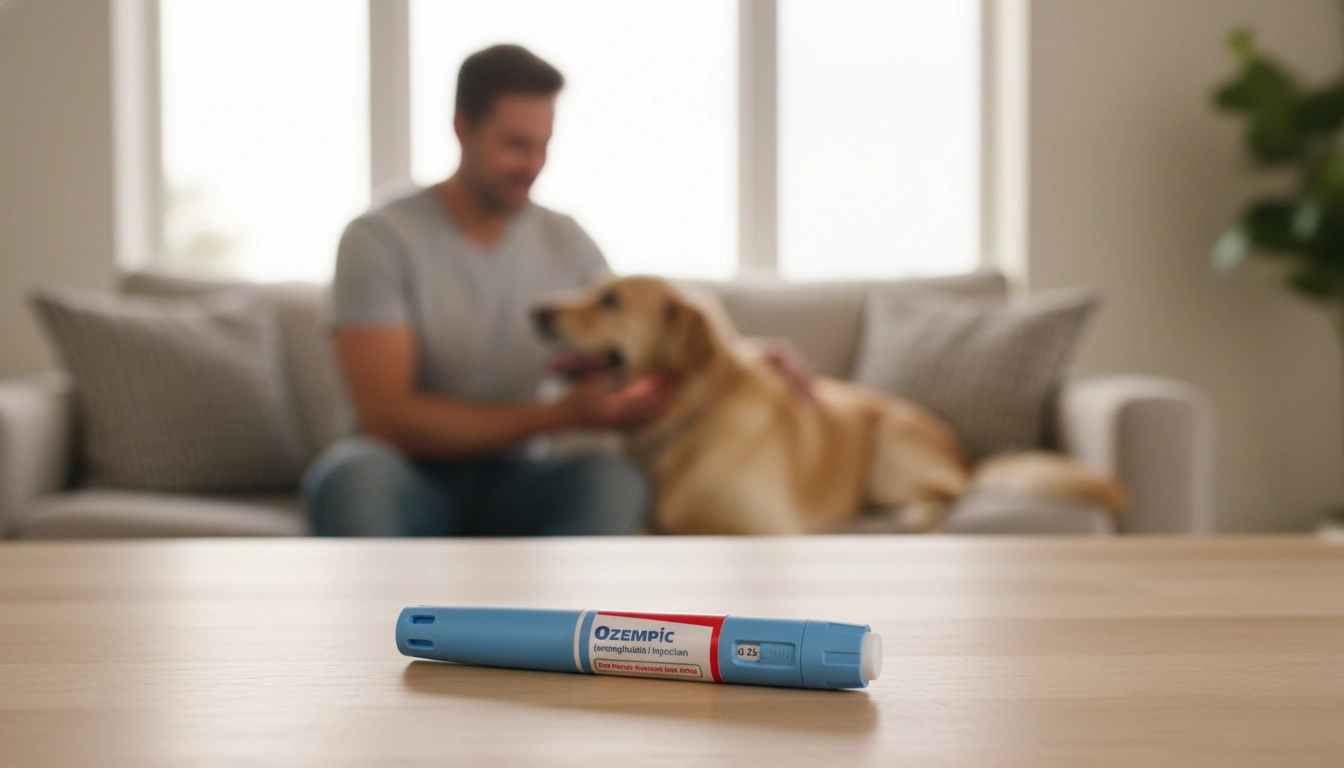
The initial momentum of a weight loss journey can feel incredibly empowering. For many individuals, the introduction of medications like Ozempic brings a renewed sense of hope, often leading to significant early progress. The profound impact on appetite and satiety can be transformative, helping to break long-standing cycles. However, there often comes a point where the scale seems to stubbornly refuse to budge, or the progress that once felt so effortless begins to wane. This experience, often referred to as a weight loss plateau, can be deeply frustrating, leaving many to wonder: does Ozempic stop working after a while?
This is a common and entirely natural phenomenon, not a sign of failure. Our bodies are remarkably adaptive, and understanding these physiological responses is key to navigating them successfully. The purpose of this comprehensive guide is to demystify why weight loss might slow or halt while on GLP-1 medications like Ozempic. We will delve into the science behind these plateaus, explore various contributing factors—from metabolic shifts to lifestyle considerations—and, most importantly, provide actionable strategies to help you overcome these challenges. By the end of this article, you will have a clearer understanding of your body’s journey and feel empowered with the knowledge and resources to continue your path toward sustainable health. We believe that sustainable weight loss should be achieved through science, empathy, and a transparent approach, and we are here to support you every step of the way.
Understanding GLP-1 Medications and Their Initial Impact
Before we explore why progress might stall, it’s helpful to understand how medications like Ozempic, which contain the active ingredient semaglutide, work within the body. These medications belong to a class called GLP-1 receptor agonists, mimicking a naturally occurring hormone called glucagon-like peptide-1.
The Mechanism of Action
When you eat, your gut releases GLP-1, which plays several crucial roles in regulating metabolism:
- Slowing Gastric Emptying: GLP-1 slows down how quickly food leaves your stomach. This means you feel fuller for longer, reducing the urge to eat frequently and preventing large fluctuations in blood sugar.
- Appetite Suppression: By signaling to the brain that you are full, GLP-1 helps reduce appetite and cravings, often referred to as “food noise.” This can significantly decrease overall calorie intake.
- Insulin Release: GLP-1 stimulates the pancreas to release insulin when blood sugar levels are high, helping to lower blood sugar. It also reduces glucagon secretion, a hormone that raises blood sugar.
It’s important to note that while Ozempic is FDA-approved for the management of type 2 diabetes, its ability to reduce appetite and slow digestion often leads to significant weight loss. For individuals specifically seeking weight loss, medications like Wegovy® (also semaglutide) and Zepbound® (tirzepatide, a dual GLP-1/GIP agonist) are FDA-approved for that purpose. At TrimRx, we are committed to providing personalized, medically supervised care that aligns with your individual needs and health goals, offering a range of these clinically proven solutions, including Compounded Semaglutide, Oral Semaglutide, Ozempic®, Compounded Tirzepatide, Oral Tirzepatide, Mounjaro®, Zepbound®, and Wegovy®.
The Initial Phase of Weight Loss
Many individuals experience rapid and substantial weight loss in the first few months of starting a GLP-1 medication. Studies have shown that patients on semaglutide can achieve a 10% to 15% reduction in body weight or more. This initial success is often due to the powerful appetite-suppressing and satiety-inducing effects of the medication, combined with the body’s initial response to a significant reduction in calorie intake. This period can be incredibly motivating, reinforcing the belief that sustainable weight loss is finally within reach.
However, as the journey continues, it’s not uncommon for this initial rapid progress to slow down. This is where the question, “does Ozempic stop working after a while?” begins to emerge.
The Reality of Weight Loss Plateaus
A weight loss plateau is a common and often inevitable part of any weight loss journey, whether you’re using medication, following a strict diet, or increasing physical activity. It’s a point where, despite continued effort and adherence to a regimen, weight loss temporarily or permanently ceases. For those using GLP-1 medications, this typically occurs after several months of consistent use. Dr. Mir Ali, medical director at the MemorialCare Surgical Weight Loss Center, notes that patients on semaglutide tend to plateau around 60 weeks, or just over a year.
Adaptive Thermogenesis: The Body’s Protective Mechanism
The primary scientific reason behind weight loss plateaus is a phenomenon called “adaptive thermogenesis.” When you lose weight, especially a significant amount, your body’s metabolism naturally slows down. This is your body’s built-in survival mechanism, designed to conserve energy in response to a perceived caloric deficit. Dr. Jason Ng, an endocrinologist at the University of Pittsburgh, explains that initially, when you decrease energy intake, your body uses stored energy like glycogen, triggering weight loss. Over time, as weight is lost, your metabolism adjusts to compensate, burning fewer calories at rest.
This means that the calorie intake that initially led to weight loss might now simply be enough to maintain your new, lighter weight, leading to a plateau. Your body is striving to hold onto calories to preserve itself, a biological reality that often conflicts with an individual’s weight loss goals. This is not a failure of the medication or your effort; it’s biology doing its job.
Hormonal Shifts and Appetite Regulation
Beyond metabolic slowing, other physiological changes contribute to plateaus. As fat mass decreases, the levels of certain hormones involved in appetite regulation can shift. For instance, leptin, a hormone produced by fat cells that signals satiety, decreases with weight loss, which can paradoxically lead to increased hunger signals over time. While GLP-1 medications counter these signals effectively, the body’s intrinsic drive to regain lost weight can subtly increase, making it harder to maintain the same level of caloric deficit without conscious effort.
Understanding that these plateaus are a normal, biological response—rather than a sign that Ozempic has “stopped working”—can help shift your perspective and empower you to explore strategies for moving forward.
Why Progress May Stall: Factors Beyond Initial Effectiveness
While the body’s natural adaptation is a major player in weight loss plateaus, several other factors can contribute to a slowing or cessation of progress while on GLP-1 medications. Recognizing these can help you pinpoint areas for adjustment in your personalized weight loss plan.
1. Inadequate Dosage Adjustments
GLP-1 medications like Ozempic are typically started at a low dose and gradually increased over several weeks or months to find the optimal therapeutic dose. This titration allows your body to adjust to the medication and minimize side effects. If your dosage hasn’t been consistently adjusted to reach an effective level, or if you’ve reached the maximum dose without achieving your desired results, you might experience a plateau. Finding the perfect dosage is a collaborative process with your healthcare provider. They will monitor your progress and make informed decisions on adjusting your medication to align with your body’s needs and your health goals. Our commitment to transparent service means our approach remains consistent regardless of dosage changes, ensuring you always receive the appropriate care. To see if you’re a candidate for our personalized programs, we encourage you to take our free assessment quiz to see if you qualify for our prescription weight loss medications.
2. Dietary Habits Not Aligned with Medication
Ozempic is a powerful tool, but it’s not a standalone solution. Its effectiveness is significantly amplified when combined with a balanced, nutritious diet. If eating habits haven’t sufficiently changed or have gradually reverted to old patterns, the medication alone may not be enough to sustain weight loss. This isn’t about extreme restriction, but rather focusing on nutrient-dense whole foods, adequate protein, and managing overall calorie intake. Think of incorporating lean proteins, abundant vegetables, healthy fats, and complex carbohydrates. Our medically supervised programs emphasize the importance of these lifestyle changes, recognizing that a holistic approach is key.
3. Lack of Consistent Physical Activity
Physical activity is a vital component of successful weight management, boosting metabolism, improving body composition, and enhancing overall health. If your activity levels have plateaued or decreased, it can contribute to a weight loss stall. Regular movement, including both cardiovascular exercise and strength training, helps preserve muscle mass (which burns more calories than fat) and improves your body’s response to the medication. Remember to look beyond just the scale; improved energy levels, better fitting clothes, and increased strength are all meaningful indicators of progress.
4. Individual Metabolic Differences and Genetics
Every individual’s body is unique, influenced by genetics, existing health conditions, and individual metabolic rates. These differences mean that responses to medication can vary significantly. Some individuals might experience rapid weight loss, while others may see slower progress or encounter plateaus earlier. Factors like insulin resistance or other underlying metabolic conditions can also influence how effectively your body responds to GLP-1 medications. Setting realistic goals based on your unique physiological profile is crucial, and our personalized approach at TrimRx considers these individual variations.
5. Tachyphylaxis: Developing Tolerance Over Time
In some cases, the body can develop a tolerance or adaptation to the medication’s effects over time, a phenomenon known as tachyphylaxis. This means the same dose that initially provided strong appetite suppression or metabolic benefits may become less effective. If your healthcare provider suspects this, they might explore adjusting your dosage (if not already at the maximum) or considering alternative medications.
6. Irregular Doses
Consistency is paramount with any medication, especially those designed for long-term management. Missing doses of Ozempic or taking them inconsistently can reduce its effectiveness, leading to fluctuations in appetite and blood sugar control that hinder weight loss progress. Adhering strictly to your prescribed schedule ensures the medication can work optimally.
7. Underlying Medical Issues
Unidentified or poorly managed underlying health conditions can interfere with weight loss, even with the aid of GLP-1 medications. Conditions such as thyroid dysfunction, polycystic ovary syndrome (PCOS), or certain hormonal imbalances can make weight loss more challenging. If you’re experiencing a plateau despite diligent adherence to your treatment plan and lifestyle changes, discussing potential underlying medical issues with your healthcare provider is essential. Our comprehensive service includes lab work and doctor consultations to help identify and address such factors, ensuring a holistic understanding of your health.
Understanding these multifaceted reasons allows for a more targeted approach to overcoming plateaus, moving beyond the simple question of “does Ozempic stop working after a while?” towards a strategy of proactive adjustment and continued progress.
Strategies to Overcome an Ozempic Plateau and Reignite Progress
Hitting a weight loss plateau can feel discouraging, but it’s an opportunity to reassess and adjust your approach. With the right strategies and support, you can reignite your progress and continue toward your health goals. Our approach at TrimRx is empathetic, innovative, trustworthy, supportive, results-oriented, and personalized, designed to help you navigate these challenges effectively.
1. Re-Evaluate and Optimize Your Nutrition
Your diet remains a cornerstone of weight loss, even with GLP-1 medication. If you’ve hit a plateau, it’s time for an honest look at your eating habits.
#### Focus on Protein Intake
Protein is essential for satiety and helps preserve muscle mass during weight loss, which is critical for maintaining a healthy metabolism. Aim for lean protein sources like chicken, fish, eggs, legumes, and Greek yogurt with every meal. Protein also has a higher thermic effect of food, meaning your body burns more calories digesting it.
#### Prioritize Whole Foods and Fiber
Increase your intake of fruits, vegetables, and whole grains. These foods are rich in fiber, which enhances satiety, aids digestion, and can further help manage blood sugar levels. They also provide essential vitamins and minerals without excessive calories.
#### Mindful Eating and Portion Control
Even with reduced appetite from Ozempic, unconscious eating or increased portion sizes can creep back in. Practicing mindful eating—paying attention to hunger and fullness cues, eating slowly, and savoring your meals—can help ensure you’re not consuming more than your body truly needs. Track your food intake for a few days to identify potential “hidden” calories or areas where adjustments can be made.
#### Hydration
Drinking plenty of water throughout the day is crucial. Water can help you feel full, support metabolic functions, and prevent dehydration, which can sometimes be mistaken for hunger.
If you’re looking for additional support for your daily nutrition and overall wellness, consider our GLP-1 Daily Support supplement. It’s designed to complement your efforts during your weight loss journey.
2. Revitalize Your Physical Activity Routine
Just as your body adapts to dietary changes, it can also adapt to your exercise routine. To break through a plateau, consider switching things up.
#### Increase Intensity or Duration
If you’ve been doing the same workout for a while, try increasing the intensity, duration, or frequency of your cardiovascular exercise. Even small increases can challenge your body in new ways.
#### Incorporate Strength Training
Building muscle is incredibly beneficial for weight loss and maintenance. Muscle tissue burns more calories at rest than fat tissue, boosting your basal metabolic rate. If you haven’t already, add weightlifting or bodyweight strength exercises to your routine 2-3 times a week. This also helps improve body composition and overall strength.
#### Vary Your Workouts
Prevent your body from getting too comfortable by introducing different types of activities. Try swimming, hiking, cycling, dancing, or a new fitness class to keep things engaging and challenge different muscle groups.
For an extra push, explore our Weight Loss Boost supplement, formulated to support your body’s efforts in fat metabolism and energy during increased physical activity.
3. Prioritize Sleep and Stress Management
Often overlooked, sleep and stress play significant roles in weight management.
#### Quality Sleep
Lack of adequate, quality sleep can disrupt hormones that regulate appetite (ghrelin and leptin), leading to increased hunger and cravings. It can also slow metabolism. Aim for 7-9 hours of restful sleep per night. Establishing a consistent sleep schedule can make a profound difference.
#### Stress Reduction
Chronic stress elevates cortisol levels, a hormone that can promote fat storage, particularly around the abdomen. Find healthy ways to manage stress, such as meditation, yoga, spending time in nature, or engaging in hobbies you enjoy.
4. Consult Your Healthcare Provider for Medical Adjustments
If lifestyle changes aren’t enough, it’s crucial to have an open discussion with your TrimRx medical provider. Our comprehensive service includes doctor consultations to guide you through these decisions.
#### Dosage Review
Your provider can assess if your current Ozempic dosage is optimal or if a further adjustment is appropriate, assuming you haven’t reached the maximum therapeutic dose. Our commitment to transparent service means our approach remains consistent regardless of dosage changes.
#### Explore Alternative Medications
If you’ve reached the maximum dose of Ozempic or if your body has developed a tolerance, your provider might discuss switching to a different GLP-1 medication or a multi-agonist like tirzepatide. For instance, Wegovy® (a higher dose of semaglutide approved for weight loss) or Mounjaro® and Zepbound® (tirzepatide, which acts on both GLP-1 and GIP receptors) could be options. We offer a range of these clinically proven medications, including compounded alternatives like Compounded Semaglutide, Oral Semaglutide, Compounded Tirzepatide, and Oral Tirzepatide, provided through FDA-registered, inspected, and approved pharmacies. To explore these options, we encourage you to take our free assessment quiz to see if you qualify for our prescription weight loss medications.
#### Rule Out Underlying Conditions
Your provider can conduct further lab work (which is included in our comprehensive service) to ensure no new or unmanaged medical conditions are contributing to the plateau.
5. Shift Your Focus Beyond the Scale
While the number on the scale is a common metric, it doesn’t tell the whole story of your health journey.
#### Track Non-Scale Victories
Focus on improvements in how your clothes fit, increased energy levels, better sleep quality, improved mood, and enhanced physical capabilities. These “non-scale victories” are powerful indicators of progress and improved health that a number on a scale cannot capture.
#### Health Markers
Work with your doctor to monitor improvements in blood pressure, cholesterol levels, blood sugar control (if applicable), and other health markers. These are the true indicators of a healthier lifestyle and the ultimate goal of weight management.
By combining these strategies with the continuous support and expertise offered by TrimRx, you can effectively navigate weight loss plateaus and continue your journey toward sustainable health and well-being. Our platform is a user-friendly and supportive space where individuals receive personalized, medically supervised care, all designed to make sustainable weight loss attainable and tailored to the individual.
The Long-Term Commitment to Weight Management
A crucial aspect of managing weight with GLP-1 medications, and indeed any effective weight loss method, is recognizing that it often entails a long-term, sometimes lifelong, commitment. The question “does Ozempic stop working after a while?” can also be reframed to “how do I sustain my progress and maintain a healthy weight long-term?”
Sustained Use and Weight Regain
One of the most significant insights from studies on GLP-1 medications is that discontinuing them often leads to weight regain. Just as these medications help the body lose weight by influencing appetite and metabolism, stopping them means these physiological influences are no longer present. The body’s natural adaptive mechanisms, which strive to return to its previous weight, can take over, often resulting in the reversal of lost weight. This is why many medical professionals view these medications as long-term treatments for a chronic condition like obesity, similar to how blood pressure or diabetes medications are taken continuously.
Embracing this perspective means understanding that medications like Ozempic are tools to help manage a complex health challenge, rather than a temporary fix. Our philosophy at TrimRx aligns with this view, supporting you in building sustainable habits alongside your medical treatment.
Balancing Benefits and Long-Term Considerations
For individuals embarking on a long-term journey with GLP-1 medications, it’s natural to consider the long-term implications. While semaglutide drugs have been available since 2017, and their reported adverse effects are primarily limited to temporary gastrointestinal discomfort as the body adjusts, the very long-term effects over many decades, especially for newer dual- or triple-agonist medications, are still being studied.
This is why ongoing medical supervision is paramount. Our comprehensive service includes doctor consultations, lab work, and unlimited support to monitor your health, adjust your treatment plan as needed, and discuss any emerging long-term considerations. We ensure our weight loss medications, including Compounded Semaglutide, Oral Semaglutide, Ozempic®, Compounded Tirzepatide, Oral Tirzepatide, Mounjaro®, Zepbound®, and Wegovy®, are provided through FDA-registered and inspected pharmacies, prioritizing your safety and well-being.
Building Sustainable Lifestyle Foundations
Regardless of medication, a foundation of healthy lifestyle habits remains indispensable for long-term weight management. The medication acts as a powerful enhancer, making it easier to adopt and maintain these habits.
#### Consistent Healthy Eating
This involves making mindful food choices, prioritizing nutrient-dense foods, and developing sustainable eating patterns that you can adhere to comfortably over time. It’s about nourishment and enjoyment, not just restriction.
#### Regular Physical Activity
Integrating physical activity that you genuinely enjoy into your daily or weekly routine is crucial. It helps maintain muscle mass, supports metabolic health, and offers numerous mental health benefits.
#### Mental and Emotional Well-being
Addressing emotional eating, managing stress, and fostering a positive body image are critical components of a holistic and sustainable approach. Weight management is not just a physical journey but an emotional and psychological one as well.
At TrimRx, our brand is empathetic, innovative, trustworthy, supportive, results-oriented, and personalized. We offer compassionate care that respects every individual’s unique journey by combining advanced medical science with modern technology. Our journey began with a shared vision to help individuals embrace healthier lifestyles by merging cutting-edge telehealth innovations with effective weight loss solutions. We are here to partner with you for the long haul, providing the guidance, resources, and support needed to not only achieve your weight loss goals but also to maintain them, fostering a lifetime of improved health.
Conclusion
The question, “does Ozempic stop working after a while?” is a common and valid concern for anyone on a weight loss journey with GLP-1 medications. As we’ve explored, the experience of a weight loss plateau is a natural biological phenomenon, largely driven by the body’s remarkable ability to adapt to changes in energy balance. It’s not a sign of failure, but rather an invitation to understand your body better and refine your strategy.
From metabolic adjustments like adaptive thermogenesis to lifestyle factors such as diet, exercise consistency, and stress management, multiple elements contribute to how your body responds to medication over time. The key to navigating these plateaus lies in a proactive, informed, and personalized approach. This includes careful consideration of dosage, diligent adherence to your treatment plan, and a holistic commitment to supportive lifestyle choices.
At TrimRx, we are dedicated to safe, effective weight loss and individualized care. Our platform offers a seamless pathway to personalized, medically supervised weight loss solutions. Whether you are exploring options for the first time or seeking to overcome a plateau, we provide comprehensive service that includes doctor consultations, necessary lab work, your prescribed medication shipped from FDA-registered and inspected pharmacies, and unlimited ongoing support. We believe that sustainable weight loss should be achieved through science, empathy, and a transparent approach.
We invite you to take the next step in your health journey. To explore if our prescription weight loss medications, such as Compounded Semaglutide, Oral Semaglutide, Ozempic®, Compounded Tirzepatide, Oral Tirzepatide, Mounjaro®, Zepbound®, or Wegovy®, are right for you, we encourage you to take our free assessment quiz to see if you qualify for our personalized treatment plan. For immediate support to enhance your overall wellness during this journey, you can also explore our quick-access supplements like GLP-1 Daily Support and Weight Loss Boost. Together, we can build a path towards lasting health and well-being, respecting your unique journey every step of the way.
Frequently Asked Questions
What is a weight loss plateau and why does it happen with Ozempic?
A weight loss plateau is when your weight loss temporarily or permanently stops, despite consistent efforts. With Ozempic and other GLP-1 medications, this commonly happens because your body adapts to the medication and to the reduced calorie intake. Your metabolism naturally slows down to conserve energy, a process called adaptive thermogenesis. This means the calorie intake that initially led to weight loss may now only be enough to maintain your new, lighter weight, causing progress to stall. It’s a normal biological response, not a failure.
How long does it typically take for a plateau to occur when taking Ozempic?
While individual experiences vary, studies suggest that many individuals taking semaglutide (the active ingredient in Ozempic) may experience a weight loss plateau around 60 weeks, or just over a year, into their treatment. The most rapid weight loss typically occurs within the first few months, followed by a slower pace and occasional plateaus as the body adjusts and approaches a healthier weight.
What are some initial steps I can take if I hit a weight loss plateau on Ozempic?
If you hit a plateau, consider reassessing your lifestyle habits. Focus on optimizing your nutrition by increasing protein and fiber, practicing mindful eating, and ensuring adequate hydration. Revitalize your physical activity routine by varying your workouts, increasing intensity, or incorporating strength training. Prioritize getting enough quality sleep and managing stress effectively, as these factors significantly impact metabolism and appetite. It’s also crucial to ensure you’re consistently taking your medication as prescribed.
Does TrimRx offer alternatives if Ozempic is no longer effective for me?
Yes, if you’ve hit a plateau and lifestyle adjustments aren’t sufficient, our medical providers can help. During your consultation, they can evaluate your progress, discuss potential dosage adjustments (if you’re not at the maximum dose), or explore alternative prescription weight loss medications. TrimRx offers a range of options including Compounded Semaglutide, Oral Semaglutide, Ozempic®, Compounded Tirzepatide, Oral Tirzepatide, Mounjaro®, Zepbound®, and Wegovy®. To determine the best path forward, we encourage you to take our free assessment quiz to see if you qualify for our personalized treatment plan. Our comprehensive service ensures you receive personalized, medically supervised care throughout your weight loss journey.

Transforming Lives, One Step at a Time
Keep reading

How to Get Ozempic Without a Doctor Visit
The idea of getting a prescription without sitting in a waiting room used to sound like a workaround. Now it’s standard practice for millions…

Ozempic for Men: What’s Different
Men and women lose weight differently. That’s not a controversial statement; it’s biology. Hormonal profiles, fat distribution patterns, muscle mass, and metabolic rates all…

Ozempic vs Surgery: Comparing Weight Loss Options
Weight loss surgery has been the gold standard for severe obesity for decades. Then GLP-1 medications like Ozempic arrived, and the conversation shifted. Now…


