Navigating the Transition: What Happens When Someone Stops Taking Ozempic
Introduction
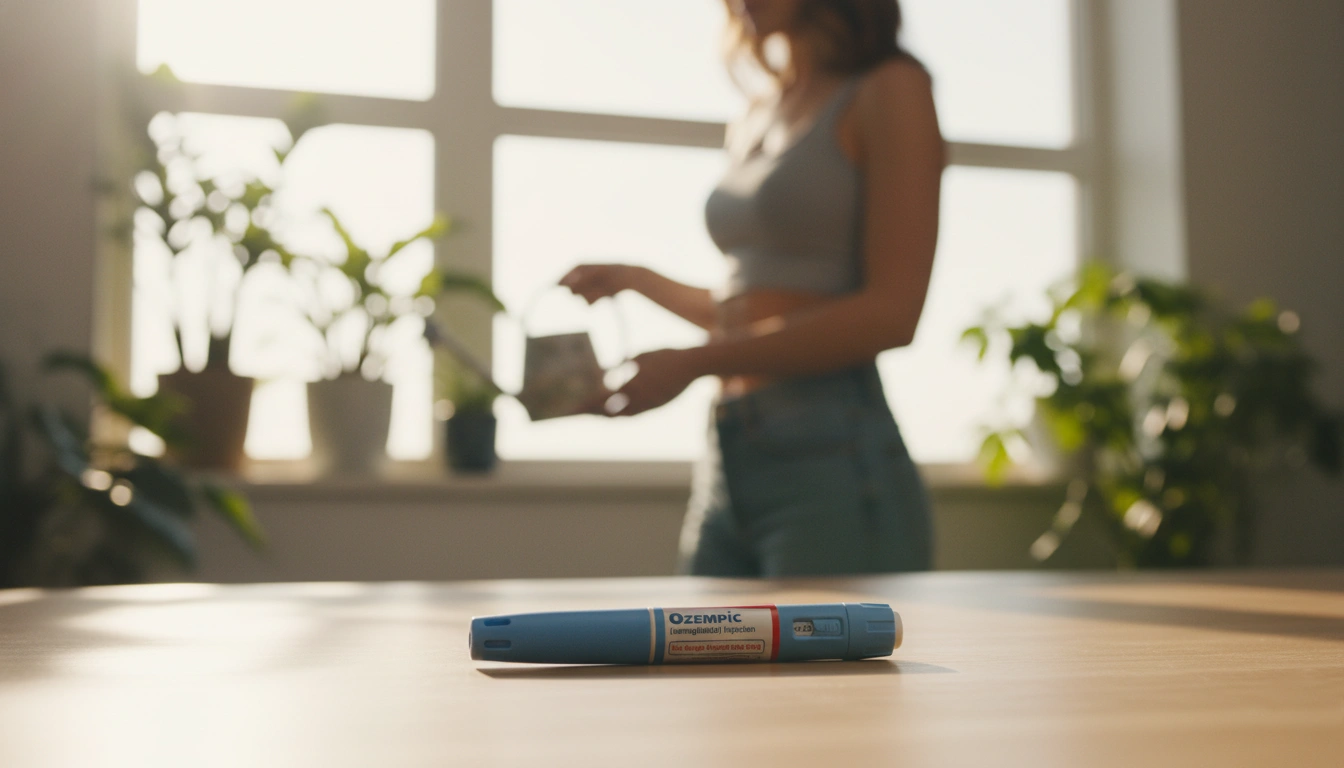
The silence is often the first thing people notice—not a literal silence, but the absence of the persistent “food noise” that once dictated every hour of their day. When the constant internal dialogue about the next meal or the lingering craving for a snack finally quietens, it feels like a biological breakthrough. However, for many individuals utilizing GLP-1 receptor agonists, a significant question eventually looms: what happens when that silence is potentially replaced by the old familiar roar? Understanding what happens when someone stops taking Ozempic is not just a matter of curiosity; it is a vital part of planning a sustainable health journey. Clinical data suggests that weight regulation is a complex, lifelong process, and discontinuing a medication that has fundamentally altered your metabolic signaling requires a thoughtful, science-backed strategy to maintain the progress you have worked so hard to achieve.
Our journey at TrimRx began with a shared vision to help individuals embrace healthier lifestyles by merging cutting-edge telehealth innovations with effective weight loss solutions. We recognize that starting a medication like Ozempic® or Wegovy® is a major step, but we also believe that sustainable weight loss should be achieved through science, empathy, and a transparent approach. Whether you are considering a transition due to reaching your goal weight, managing side effects, or navigating accessibility issues, we are here to provide a supportive space where personalized, medically supervised care makes lasting health attainable.
This blog post will delve into the physiological and psychological shifts that occur when GLP-1 medications are discontinued. We will explore the immediate changes in appetite and blood sugar, the long-term implications for weight maintenance, and the biological reasons behind the “rebound” effect. By the end of this guide, you will understand how to manage this transition effectively, the importance of personalized support systems, and how to utilize supplemental tools to bridge the gap. We will discuss everything from cellular-level hormone changes to practical lifestyle adjustments, ensuring you have a comprehensive roadmap for your continued success. Together, we will explore how to protect your metabolic health and ensure that your weight loss journey remains a transformative success story, even if your medication regimen evolves.
The Biological Mechanism of GLP-1 Discontinuation
To understand what happens when the medication stops, we must first look at what the medication does while it is active in your system. Ozempic® (semaglutide) functions by mimicking the glucagon-like peptide-1 (GLP-1) hormone. This hormone is naturally produced in the gut in response to food, signaling to the brain that you are full and instructing the pancreas to release insulin.
When you supplement this natural process with a medication, you are essentially amplifying a signal that may have been muffled or dysregulated by chronic weight issues. For many, this results in a significant reduction in calorie intake and a stabilization of blood glucose. If you are curious about how these mechanisms might work for your specific body chemistry, you can take our free assessment quiz to determine your eligibility for our personalized treatment plans.
The Return of “Food Noise” and Appetite Cravings
One of the most immediate experiences reported by individuals who cease treatment is the return of hunger cues. Because semaglutide has a half-life of approximately one week, it takes about five to seven weeks for the medication to be fully cleared from the body. During this “washout” period, the artificial suppression of appetite gradually wanes.
As the GLP-1 receptors in the hypothalamus are no longer being stimulated by the medication, the brain’s reward centers reactivate. For an individual who has spent months feeling satisfied with smaller portions, the sudden resurgence of intense cravings—often referred to as “food noise”—can be jarring. This is not a lack of willpower; it is a physiological response as the body attempts to return to its previous “set point.” To support your body during these shifts, incorporating a daily regimen like our GLP-1 Daily Support can help provide the essential nutrients and metabolic support needed during transitions.
Digestion and Gastric Emptying Normalization
Another primary function of medications like Ozempic® or Wegovy® is the slowing of gastric emptying. This process keeps food in the stomach longer, which contributes significantly to the feeling of satiety. When the medication is discontinued, the rate at which the stomach empties returns to its baseline speed.
This means that the physical sensation of fullness after a meal will likely dissipate much faster than it did during treatment. Without the mechanical “brake” on digestion provided by the medication, individuals may find themselves feeling hungry shortly after eating, which can lead to increased meal frequency and larger portion sizes if not managed with high-fiber and high-protein dietary strategies.
Immediate Physiological Changes: The First 30 Days
The first month after the last dose is a critical transition period. The body is essentially relearning how to regulate its own energy balance without external hormonal assistance.
Blood Glucose and Insulin Sensitivity
For individuals who began the medication to manage Type 2 Diabetes or pre-diabetes, the most significant risk of stopping is the rise in blood glucose levels. Ozempic® is highly effective at stimulating insulin secretion and inhibiting glucagon. When this support is removed, blood sugar levels can climb back toward pre-treatment levels.
Studies have indicated that while lifestyle changes can mitigate some of this, the pharmacological assist provided by the GLP-1 receptor agonist is often necessary for maintaining optimal glycemic control in those with chronic metabolic dysfunction. It is essential to monitor these levels closely and work with a healthcare provider who understands your unique journey. We believe in providing transparent, compassionate care that respects these complexities.
Reversal of Side Effects
On a more positive note, the side effects that some individuals experience while on the medication—such as nausea, vomiting, constipation, or gastrointestinal discomfort—typically resolve quickly once the medication leaves the system. For the approximately 15% of users who struggle with significant GI distress, stopping the medication brings immediate relief. This often improves the individual’s ability to engage in more vigorous physical activity, which is a cornerstone of maintaining weight loss. If you are looking to maximize your energy and metabolic efficiency during this phase, our Weight Loss Boost is designed to help maintain your momentum.
The “Ozempic Rebound”: Understanding Weight Regain
A common concern is the potential for “rebound” weight gain. Research published in journals such as Diabetes, Obesity and Metabolism has shown that individuals may regain a significant portion of their lost weight within one year of stopping semaglutide.
Why the Weight Returns
The weight regain is rarely due to a single factor. Instead, it is a combination of several biological and behavioral shifts:
- Metabolic Adaptation: When you lose weight rapidly, your resting metabolic rate often slows down—a phenomenon known as “starvation response.” Without the medication to suppress appetite, you may be eating more than your newly lowered metabolic rate can burn.
- Hormonal Imbalance: The hormones that signal hunger (ghrelin) often increase after weight loss, while hormones that signal fullness (leptin) may decrease. The medication held these in check; without it, the body “fights” to regain the lost fat stores.
- Loss of Lean Muscle: During significant weight loss, it is common to lose some skeletal muscle along with fat. Since muscle is more metabolically active than fat, having less muscle mass means your body burns fewer calories at rest.
To counter these effects, a personalized approach is vital. We offer access to a variety of options, including Compounded Semaglutide and Compounded Tirzepatide, provided through FDA-registered and inspected pharmacies. You can see if a personalized, medically supervised plan is right for you by taking our free assessment quiz.
The Role of Body Composition
When weight is regained after stopping a GLP-1, it is often gained back primarily as fat rather than muscle. This can lead to a less favorable body composition than before the weight loss started. To prevent this, it is crucial to focus on resistance training and high protein intake during and after medication use. Maintaining muscle mass is the best defense against metabolic slowdown.
Psychological Impacts of Discontinuing Treatment
The transition is as much mental as it is physical. The “food noise” mentioned earlier is not just a physical sensation; it is a mental load.
Managing the Mental Load of Cravings
For many, the medication provided a “mental break” from the constant struggle of dieting. When that break ends, the psychological effort required to make healthy choices increases significantly. It is common to feel a sense of anxiety or even grief over the loss of the “easy” control the medication provided. We believe that sustainable weight loss should be achieved through empathy and support, which is why we emphasize unlimited support in our programs.
The Importance of a Support System
Navigating the return of hunger requires a robust support system. Whether it is a dedicated healthcare provider, a nutritionist, or a community of peers, having someone to talk to about the changes in your body can prevent the feeling of isolation that often leads to old habits. If you are using our personalized program, which may include medications like Ozempic®, Zepbound®, or Mounjaro®, remember that you have access to professional guidance to help you navigate these transitions safely.
Reversing External Changes: The “Ozempic Face” Phenomenon
The term “Ozempic face” has become a popular way to describe the gaunt or hollowed appearance that can occur with rapid weight loss. This happens because fat is lost from the face just as it is lost from the rest of the body.
Skin Elasticity and Volume
When someone stops taking the medication and experiences weight regain, the fat volume in the face often returns. For many, this reverses the aged appearance associated with the “Ozempic face.” While some individuals may seek dermatological fillers to address volume loss while on the medication, others find that the natural fluctuations of weight maintenance eventually resolve these aesthetic concerns.
Regardless of your aesthetic goals, maintaining the health of your skin and hair during weight loss is important. Our GLP-1 Daily Support is formulated to ensure your body has the micronutrients it needs to stay healthy and vibrant through every stage of your journey.
Strategies for Sustaining Weight Loss Post-Ozempic
Is it possible to keep the weight off? The answer is yes, but it requires a proactive and multifaceted strategy.
1. Focus on Nutrient Density
When your appetite returns, what you eat becomes more important than ever. Focusing on high-protein, high-fiber foods can help mimic the satiety effects of the medication. Protein triggers the release of natural satiety hormones, while fiber physically slows digestion in a way that is similar to GLP-1 action.
2. Prioritize Resistance Training
To combat the metabolic slowdown, you must build or maintain muscle. Lifting weights or performing bodyweight exercises signals to your body that it needs to keep its muscle tissue, which in turn keeps your metabolism higher.
3. Gradual Titration (Tapering)
Some clinicians suggest that instead of stopping “cold turkey,” a gradual reduction in dosage—often called tapering—may help the body adjust more slowly to the return of natural hunger signals. At TrimRx, we focus on a transparent approach where we work with you to find a plan that fits your individual needs, whether that involves long-term maintenance or a structured transition. To explore these options, take our free assessment quiz.
4. Utilize Non-Prescription Metabolic Support
Even if you are not on a prescription GLP-1 medication like Wegovy® or Zepbound®, you can still support your metabolism. Our quick-access supplements are designed for this exact purpose. The Weight Loss Boost can provide that extra edge in energy and fat metabolism that might feel lacking once a prescription regimen ends.
Why Obesity is Considered a Chronic Condition
The medical community increasingly views obesity not as a temporary state to be “fixed,” but as a chronic, relapsing condition similar to hypertension or asthma. If you stop taking blood pressure medication, your blood pressure will likely go back up because the underlying cause has not been eliminated.
The Long-Term Treatment Paradigm
The same logic applies to weight loss medications. For many, the medication is not a “crutch,” but a necessary tool to correct a hormonal imbalance. We believe that individualized care is the key to managing this chronic condition. Our platform is a user-friendly and supportive space where individuals receive personalized, medically supervised care designed to make sustainable weight loss attainable.
By framing the journey as a long-term partnership in health rather than a short-term fix, we can remove the stigma associated with needing medication or experiencing weight fluctuations. We are committed to working with FDA-registered and inspected pharmacies to ensure that whether you are on Oral Semaglutide, Compounded Tirzepatide, or any of our other offerings, you are receiving the highest standard of safety and care.
Navigating Shortages and Accessibility
Sometimes, the decision to stop Ozempic® is not a choice, but a necessity due to supply chain issues or changes in insurance coverage. These external factors can be incredibly frustrating and can derail progress.
Finding Alternatives
If you are facing a shortage of branded medications like Mounjaro® or Ozempic®, it is important to know that there are other paths forward. We partner with pharmacies that provide compounded versions of these medications, which can often be more accessible during times of widespread shortage. These pharmacies are FDA-registered and inspected, ensuring you don’t have to sacrifice safety for accessibility. To see if these alternatives are a fit for you, complete our free assessment quiz.
The Importance of Self-Compassion
Weight loss is rarely a straight line. There will be peaks, plateaus, and sometimes, periods of regain. If you stop a medication and see the scale move in the wrong direction, it is not a failure of character. It is your biology responding to a change in its environment.
At TrimRx, our brand personality is empathetic and supportive. We believe in providing compassionate care that respects every individual’s unique journey. Whether you are transitioning off medication or just starting out, we encourage you to be gentle with yourself. Focus on the healthy habits you have built—the better food choices, the increased movement, and the improved self-awareness—as these are the foundations that will sustain you in the long run.
How TrimRx Supports Your Continued Success
Our mission is to make sustainable weight loss attainable and tailored to the individual. We provide a comprehensive service that includes doctor consultations, medication, lab work, and unlimited support—all with no hidden fees.
For those on our personalized program, we offer:
- Prescription Options: Including Compounded Semaglutide, Oral Semaglutide, Ozempic®, Compounded Tirzepatide, Oral Tirzepatide, Mounjaro®, Zepbound®, and Wegovy®.
- Medically Supervised Care: We ensure that your transition on or off medication is handled with professional oversight.
- Tailored Plans: No two bodies are the same, and your treatment plan should reflect that.
For those looking for immediate wellness support without a prescription, our quick-access supplements are available:
- GLP-1 Daily Support: To help manage your daily nutritional needs.
- Weight Loss Boost: To provide metabolic assistance and energy.
Conclusion
Understanding what happens when someone stops taking Ozempic is a powerful tool in your health arsenal. It allows you to anticipate challenges, prepare your environment, and set realistic expectations for your body’s response. While the physiological changes—the return of appetite, the normalization of digestion, and the potential for weight regain—are significant, they are not insurmountable.
By combining advanced medical science with a supportive, personalized approach, we help you navigate these transitions with confidence. Sustainable weight loss is a marathon, not a sprint, and sometimes the pace or the tools we use change along the way. Whether you are currently on a GLP-1 medication or are considering your next steps, remember that your worth is not defined by a number on a scale, but by your commitment to your well-being.
Are you ready to take the next step in your personalized health journey? We invite you to take our free assessment quiz today to see how we can help you achieve and maintain your weight loss goals. Together, we can build a healthier, more vibrant future.
Frequently Asked Questions
1. How long does it take for Ozempic to completely leave my system after the last dose? Ozempic® (semaglutide) has a half-life of about seven days. This means it takes approximately five to seven weeks for the medication to be fully cleared from your body. During this time, you may notice a gradual return of your appetite and a decrease in the feelings of fullness you experienced while on the medication.
2. Is weight regain inevitable if I stop taking GLP-1 medications? While studies show that many people regain weight after stopping, it is not inevitable. Success depends on how well you can maintain the lifestyle changes—such as a high-protein diet and regular resistance training—that were established during treatment. Utilizing supportive supplements and having a long-term metabolic plan can also significantly help in maintaining your progress.
3. Will my “food noise” come back immediately after I stop? “Food noise” usually returns gradually as the concentration of the medication in your blood decreases. Most people begin to notice an increase in cravings and thoughts about food within the first two to three weeks after their last injection. Being prepared with healthy, filling snacks and a strong support system is key during this phase.
4. Can I switch to supplements if I can no longer take or afford Ozempic? Yes, many people transition to metabolic support supplements to help manage their health journey. While supplements like our Weight Loss Boost and GLP-1 Daily Support do not require a prescription or quiz, they are designed to provide nutritional and metabolic assistance. However, if you are looking for continued prescription-strength support, we recommend taking our quiz to explore personalized alternatives.

Transforming Lives, One Step at a Time
Keep reading

How to Get Ozempic or Semaglutide in Miami
Miami’s wellness culture runs deep, and GLP-1 medications have become a significant part of that conversation across the city. From Brickell to Coral Gables…

How to Get Ozempic or Semaglutide in Los Angeles
Los Angeles has no shortage of wellness clinics, concierge medicine practices, and weight loss programs promising access to the latest treatments. Semaglutide is at…
How to Get Ozempic or Semaglutide in Chicago
Chicago residents looking for semaglutide have more options than they might realize, and fewer of those options require setting foot in a clinic than…


