What Happens If You Accidentally Take Two Doses of Ozempic
Introduction
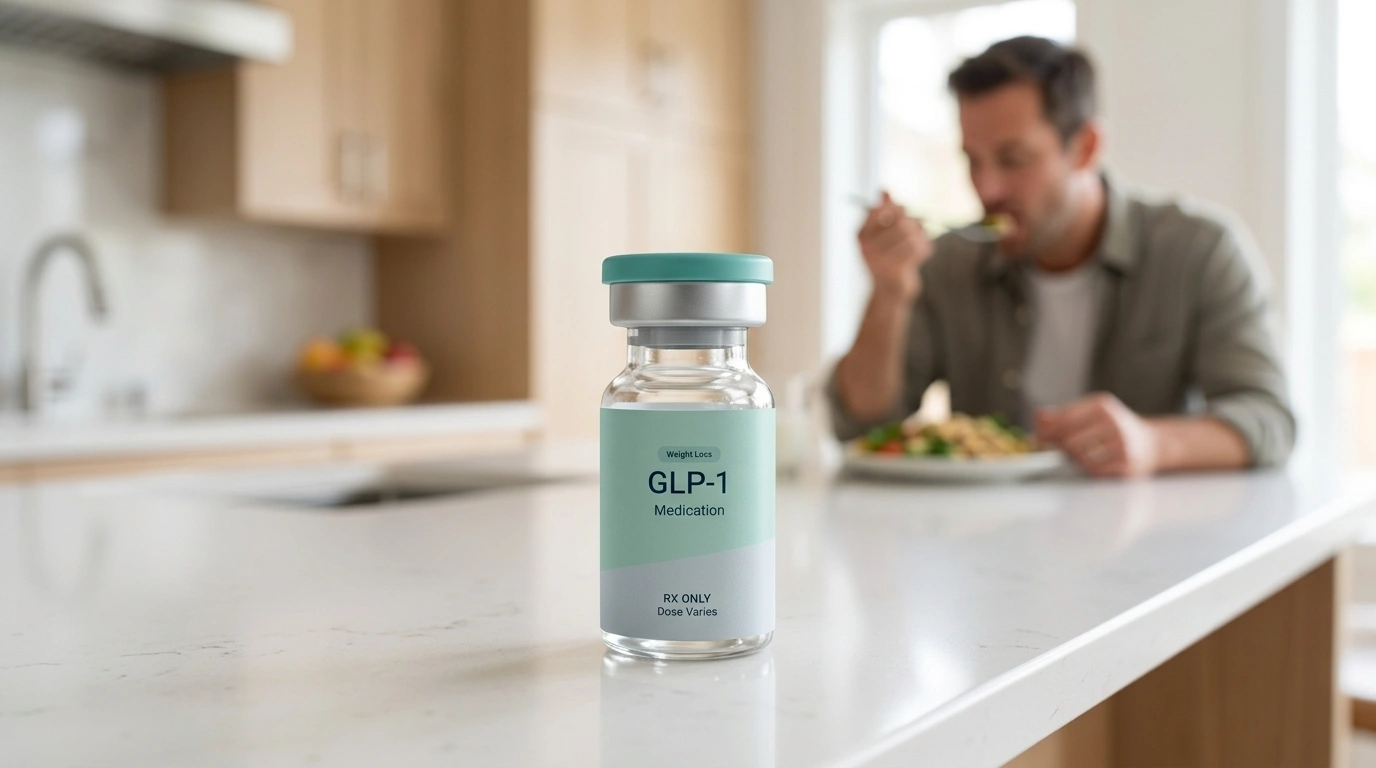
It is a moment that can cause an immediate skip in your heartbeat: you are looking at your medication log or your injection pen, and you suddenly realize you have taken a double dose of Ozempic®. Whether you forgot you already took it or misread the dial on the pen, that sudden wave of “what now?” is a common and valid concern. Mistakes happen, and in the world of GLP-1 medications, you are certainly not alone in navigating this error.
At TrimRx, we believe that understanding the science behind your treatment is the best way to manage any hurdles that arise. Taking an extra dose of semaglutide (the active ingredient in Ozempic®) can lead to intensified side effects, but having a clear plan of action is essential. This article will cover the immediate symptoms to watch for, the steps you should take to protect your health, and how to manage the discomfort as the medication processes through your system. Our goal is to provide a supportive, science-backed roadmap to get you back on track safely. If you want to understand whether a personalized program is right for you, you can take the free assessment quiz.
Understanding the Mechanism of a Double Dose
To understand why a double dose causes a reaction, it helps to look at how Ozempic® functions in the body. This medication is a GLP-1 receptor agonist. GLP-1, or glucagon-like peptide-1, is a hormone your body naturally produces to regulate blood sugar and appetite. When you take semaglutide, you are essentially providing a longer-lasting version of this hormone to your system.
One of the primary functions of a GLP-1 receptor agonist is to slow down gastric emptying. This means food stays in your stomach for a longer duration, which helps you feel full. It also signals the pancreas to release insulin when blood sugar is high and tells the liver to stop producing excess sugar. If you want a deeper explainer on this class of medications, the post on GLP-1 support and how it works is a helpful companion read.
When you take twice the amount prescribed, these processes are significantly amplified. The “slowing down” of your digestive system can become an almost complete “pause,” leading to intense gastrointestinal pressure. Your blood sugar regulation can also become over-active, particularly if you are also taking other medications for type 2 diabetes.
Quick Answer: If you take two doses of Ozempic®, you will likely experience heightened gastrointestinal symptoms like severe nausea, vomiting, and abdominal pain. While often manageable at home with hydration, you should contact Poison Control and your healthcare provider immediately to monitor for more serious risks like hypoglycemia or pancreatitis.
Common Symptoms of a Semaglutide Overdose
Most people who accidentally double their dose will begin to notice symptoms within a few hours to a day after the injection. Because semaglutide has a long half-life—meaning it stays in your system for a significant amount of time—these symptoms can persist for several days.
Severe Gastrointestinal Distress
This is the most reported issue when someone takes too much medication. Because the drug mimics the hormone that tells your brain you are full and your stomach to slow down, a double dose can lead to:
- Persistent Nausea: This is often more intense than the standard “starting” nausea many feel on the medication.
- Uncontrolled Vomiting: In some cases, the body may attempt to reject contents because the digestive tract is moving so slowly.
- Abdominal Cramping: The sensation of “bloating” or “fullness” can become painful.
- Diarrhea or Constipation: The gut may react unpredictably to the sudden influx of the hormone.
Hypoglycemia (Low Blood Sugar)
While Ozempic® is designed to only lower blood sugar when it is high, taking an excessive amount can occasionally lead to hypoglycemia, especially in individuals with type 2 diabetes who take other glucose-lowering drugs like insulin or sulfonylureas. Symptoms of low blood sugar include:
- Dizziness or lightheadedness
- Shakiness or tremors
- Sudden sweating or chills
- Confusion or irritability
- A rapid heartbeat
Dehydration and Fatigue
If the double dose leads to significant vomiting or diarrhea, dehydration becomes a primary concern. Dehydration can make you feel extremely weak, lethargic, and can lead to headaches or even fainting. The body is working hard to process the medication while losing fluids, which often results in a profound sense of exhaustion.
Why a Double Dose Happens
Understanding the “how” can help prevent the “next time.” While branded medications like Ozempic®, Wegovy®, Mounjaro®, and Zepbound® usually come in pre-filled pens designed to prevent dosing errors, mistakes still occur.
Common reasons for accidental doubling include:
- Memory Lapses: Forgetting if the weekly injection was already administered, especially if the routine was disrupted by travel or a busy schedule.
- Dose Escalation Confusion: If a provider recently changed the dosage, a patient might accidentally take the old dose and the new dose in the same week.
- Pen Dialing Errors: Some pens allow for multiple doses per pen; misreading the small numbers in the dial window can lead to an incorrect amount.
- Compounded Medication Issues: Individuals using compounded semaglutide often use a traditional vial and syringe. Measuring “units” in a syringe is much more prone to human error than using a click-pen. For extra context on access and prescription pathways, how to get semaglutide for weight loss explains the process in more detail.
Key Takeaway: Most Ozempic® overdoses result in intensified versions of standard side effects. The primary danger is not usually the medication itself, but the secondary effects like severe dehydration or dangerously low blood sugar.
Immediate Steps to Take After an Accidental Double Dose
If you realize you have taken too much medication, do not wait for symptoms to begin before taking action. Early communication with professionals is the best way to stay safe.
Step 1: Stay Calm and Document
Panic can make it difficult to relay information to a doctor. Take a deep breath and write down exactly how much you took, what time you took it, and what your prescribed dose was supposed to be. If you are using a branded pen, keep the pen nearby so you can describe the dial settings.
Step 2: Contact Poison Control
In the United States, you can reach the Poison Help line at 1-800-222-1222. They are experts in medication errors and can provide immediate, specific advice based on the amount you ingested. They can help determine if your symptoms can be managed at home or if you need an emergency room visit.
Step 3: Notify Your Healthcare Provider
Contact the medical team that manages your weight loss program. If you are a member of a program through TrimRx, our platform connects you with specialists who understand these medications and can advise you on how to handle the missed or doubled dose in your specific treatment plan. If you are still deciding whether to get started, see if you qualify for a personalized program.
Step 4: Monitor Your Blood Sugar
If you have a glucose monitor, check your levels frequently over the next 24 to 48 hours. If your sugar drops below 70 mg/dL, follow the “15-15 rule”: consume 15 grams of fast-acting carbs (like 4 ounces of juice) and re-check in 15 minutes.
Step 5: Focus on Hydration
Even if you do not feel thirsty, begin sipping water or an electrolyte-rich drink immediately. Staying ahead of potential fluid loss from vomiting is critical for preventing a trip to the hospital for IV fluids.
Managing the Side Effects at Home
If your healthcare provider confirms that you can stay at home, your focus should shift to comfort and symptom management. The goal is to support your body while it metabolizes the excess semaglutide.
Dietary Adjustments
- Eat very small, bland meals: Think crackers, toast, or plain rice. Avoid high-fat, spicy, or very sweet foods, as these are harder to digest and can worsen nausea.
- Wait between bites: Give your stomach plenty of time to signal fullness.
- Liquid nutrition: If solid food is too much, try clear protein drinks or bone broth to keep your strength up without taxing the digestive system. For ongoing nutritional support during treatment, the GLP-1 Daily Support supplement is designed for that use case.
Supportive Care
- Rest: Your body is under metabolic stress; don’t force exercise or heavy activity.
- Anti-nausea support: Consult your doctor about whether over-the-counter or prescription anti-nausea medications are appropriate for you.
- Electrolytes: Water alone may not be enough if you are vomiting. Use electrolyte powders or sports drinks to maintain mineral balance.
When to Seek Emergency Medical Attention
While many people can weather a double dose with rest and fluids, there are certain “red flag” symptoms that require an immediate visit to the emergency room.
| Symptom | Potential Concern | Action |
|---|---|---|
| Severe, Unremitting Vomiting | Extreme dehydration or electrolyte imbalance | Seek ER care for IV fluids |
| Intense Abdominal Pain | Potential Pancreatitis or Bowel Obstruction (Ileus) | Seek immediate medical evaluation |
| Confusion or Fainting | Severe Hypoglycemia (Low Blood Sugar) | Seek emergency medical help |
| Inability to Pass Gas or Stool | Potential Intestinal Blockage | Consult a doctor immediately |
| Rapid or Irregular Heartbeat | Stress on the cardiovascular system | Seek medical assessment |
A Note on Pancreatitis and Ileus While rare, GLP-1 medications have been linked to inflammation of the pancreas (pancreatitis) and bowel obstructions (ileus). These risks are slightly higher when a dose is excessively large. Pancreatitis usually presents as severe pain in the upper stomach that radiates to the back and feels worse after eating. Ileus is a functional blockage where the colon stops moving entirely; symptoms include severe bloating, pain, and the inability to have a bowel movement for several days.
Important: If you experience “tearing” or “stabbing” pain in the abdomen that does not go away, do not attempt to manage this at home. Seek professional medical guidance immediately.
The Role of Half-Life: How Long Will I Feel Sick?
One of the most frustrating aspects of an Ozempic® overdose is its duration. Semaglutide has a half-life of approximately seven days. This is great for once-a-week dosing because it provides steady levels of the medication in your bloodstream. However, it means that if you take too much, it takes a long time for the “extra” medication to leave your system.
You may find that the first 48 to 72 hours are the most intense, but some level of increased nausea or reduced appetite could persist for the full week until your next scheduled dose. During this time, it is vital to stay in close contact with your medical team.
Adjusting Your Future Dosing Schedule
After a double dose, you might be tempted to skip your next dose or change your injection day to “even things out.” Do not make this decision on your own.
Usually, doctors will advise one of the following:
- Wait until your next scheduled day: If your symptoms have subsided, you may be told to resume your normal dose on your regular day.
- Delay the next dose: If you are still feeling very ill by the time your next injection day arrives, your provider may suggest waiting a few extra days until your body has fully recovered.
- Temporary dose reduction: In some cases, a provider might suggest going back down to a lower dose for one week to let your system stabilize.
At TrimRx, our personalized programs are designed to adapt to your life. If a mistake happens, our support team and licensed providers are available to help you adjust your schedule without compromising your long-term progress. If your goals include a medication that works through both GLP-1 and GIP pathways, you can also read about how tirzepatide fits into weight loss care.
Prevention Strategies for Success
The best way to handle a double dose is to ensure it never happens again. Creating a “safety ritual” around your injection can provide peace of mind.
- Mark the Calendar: Use a physical or digital calendar to check off the day as soon as the needle leaves your skin.
- Set a Consistent Alarm: Pick a day and time—perhaps Sunday mornings—and stick to it.
- The “Empty Box” Rule: Keep your medication in its original box. If the box is empty or the pen is used up, it’s a clear visual signal that you’ve taken your dose.
- Use a Logbook: Note the date, time, dose amount, and the injection site (thigh, stomach, or arm). Rotating sites is also good for skin health.
- Digital Tracking: Many weight loss apps or the TrimRx platform can help you log your doses and track your journey in real-time.
Myth: “If I take a double dose, I’ll lose weight twice as fast.” Fact: Taking more than your prescribed dose does not speed up sustainable weight loss. Instead, it often leads to severe illness that can disrupt your ability to eat healthily or exercise, actually hindering your long-term progress.
Managing the Emotional Stress of a Mistake
It is easy to feel frustrated or embarrassed when a medication error occurs. You might feel like you “ruined” your progress or fear that you have caused permanent damage. It is important to remember that these medications are designed with safety margins, and one accidental double dose is a hurdle, not the end of the road.
Most patients find that once the excess medication clears, they can return to their program with no long-term ill effects. The key is to use the experience as a learning moment. Focus on the fact that you are taking proactive steps for your health, and mistakes are simply part of any significant lifestyle change.
How TrimRx Supports Your Journey
When you are navigating the complexities of GLP-1 medications, you shouldn’t have to do it alone. TrimRx is built on the foundation of clinical expertise and constant support. We provide a telehealth-first platform where you can access personalized weight loss programs without the hassle of waiting rooms or in-person visits.
Our programs provide access to medications like Compounded Semaglutide and Compounded Tirzepatide, prepared by FDA-registered, inspected compounding pharmacies. Beyond the medication, we offer 24/7 access to specialists who can answer your questions—whether they are about dosing errors, side effect management, or optimizing your nutrition. If you are looking for a more structured way to begin, complete the free assessment quiz and see what fits your needs.
Conclusion
Accidentally taking two doses of Ozempic® is a stressful experience, but it is manageable with the right information. The most important thing you can do is listen to your body, stay hydrated, and communicate with medical professionals immediately. By contacting Poison Control and your healthcare provider, you can ensure that any symptoms are monitored and that you have a clear plan for your next dose.
Remember, your weight loss journey is a marathon, not a sprint. A single week of managing extra side effects is a small blip in the context of your long-term health goals. Stay focused on your “why,” be kind to yourself as you recover, and lean on the support systems available to you. For ongoing nutritional support, you can explore the GLP-1 Daily Support supplement.
Next Step: If you are currently struggling with dosing questions or want a more supportive weight loss experience, take our free assessment quiz to see which personalized program is right for you. For daily health optimization, explore our GLP-1 Daily Support supplements to help manage common side effects.
FAQ
Can I skip my next dose if I accidentally took two this week?
You should never skip or delay a dose without consulting your healthcare provider first. While it might seem logical to wait, skipping a dose can sometimes lead to a drop in the medication’s effectiveness or cause a different set of side effects when you restart. Your provider will give you a specific schedule based on how you are feeling. If you want a broader overview of the prescription process, how to get GLP-1 prescribed can help frame the next steps.
Is an Ozempic® overdose permanent?
No, the effects of taking too much Ozempic® are temporary. Because the medication has a half-life of about seven days, the “overdose” levels will gradually decrease over a week or two. Once the medication is metabolized and cleared from your system, your body should return to its normal state.
What is the most dangerous part of taking too much semaglutide?
The most significant risks are severe dehydration from vomiting and dangerously low blood sugar (hypoglycemia), especially in people with diabetes. In very rare cases, an overdose could trigger acute pancreatitis. This is why immediate communication with a doctor or Poison Control is essential for monitoring these specific risks.
Does taking a double dose cause more weight loss?
Taking extra medication does not result in healthy or sustainable weight loss. While you may have a significantly reduced appetite due to nausea, this often leads to malnutrition or muscle loss rather than healthy fat loss. Following your prescribed dosage is the only way to ensure safe, long-term results. For another perspective on eligibility and treatment access, how to get semaglutide injections for weight loss is worth a look.
Disclaimer: This content is for informational purposes only and does not constitute medical advice. It is not intended to diagnose, treat, cure, or prevent any disease or condition. Individual results may vary. Always consult a qualified healthcare professional before starting any weight loss program or medication.

Transforming Lives, One Step at a Time
Keep reading

Two Months on the Same Ozempic Dose With No Change: Is It Working?
Two months is long enough. Under four weeks is noise, four to eight weeks is a maybe, and eight weeks of a genuinely flat…
Is This Your Ozempic Maintenance Dose or Just a Stall?
Time is what separates them, and less of it than people think. A few weeks without movement is noise. Six to eight weeks of…

Why Does My Tongue Feel Coated on Ozempic?
Usually because there is less saliva washing your tongue clean, and less food passing over it to do the same job mechanically. Your tongue…


