What to Do If You Take Too Much Semaglutide

Introduction
It is a moment that can cause immediate panic: you are preparing your weekly injection, and suddenly you realize you have drawn too much medication into the syringe, or perhaps you realized after the fact that you misread the “units” on the barrel. Whether it was a simple math error or a misunderstanding of your provider’s instructions, taking more medication than prescribed is a serious situation that requires a calm, methodical response. At TrimRx, we prioritize your safety by connecting you with licensed providers who emphasize clear dosing education and personalized support.
Taking too much semaglutide—a GLP-1 (glucagon-like peptide-1) receptor agonist—can lead to intense side effects because the medication stays in your system for an extended period. This post will cover the immediate steps you should take, the symptoms to watch for, and how to prevent dosing errors in the future. Knowing exactly how to respond can help you manage the physical discomfort and ensure your weight loss journey remains safe and effective. If you are considering a medically supervised program, you can complete a free eligibility assessment to discuss your options with a licensed provider.
Quick Answer: If you suspect you have taken too much semaglutide, immediately contact a poison control center or your healthcare provider. Monitor yourself for severe nausea, vomiting, or signs of low blood sugar, such as dizziness and confusion. Seek emergency medical care if you cannot keep liquids down or experience extreme abdominal pain.
Recognizing the Symptoms of a Semaglutide Overdose
Semaglutide works by mimicking a natural hormone in your body called GLP-1. This hormone signals your brain that you are full and slows down the rate at which your stomach empties. When you take the correct dose, these effects help manage your appetite. However, when you take too much, these natural processes are significantly exaggerated. For additional context, review this guide to how GLP-1 medications affect weight management.
Gastrointestinal distress is the most common sign of an overdose. Because the medication slows gastric emptying, an excessive amount can lead to severe nausea and “unremitting” vomiting. This is not the mild queasiness some people feel when starting the medication; it can be intense enough to prevent you from consuming any food or water for several days. TrimRx also offers a detailed semaglutide side effects guide for broader information about nausea, vomiting, and digestive symptoms.
Hypoglycemia, or low blood sugar, is another critical risk, especially for those who may be taking other medications for blood sugar management. While semaglutide is designed to help the body release insulin only when blood sugar is high, an overdose can sometimes push levels too low. You might feel shaky, sweaty, confused, or unusually irritable. In severe cases, very low blood sugar can lead to fainting or seizures.
Severe dehydration often follows prolonged vomiting or diarrhea. If your body is losing fluids faster than you can replace them, you may experience extreme thirst, dark-colored urine, or a feeling of lightheadedness when you stand up. Dehydration is one of the primary reasons individuals require hospitalization after a dosing error.
Immediate Steps to Take After a Dosing Error
If you realize you have injected more than your prescribed dose, do not wait for symptoms to appear before taking action. Semaglutide has a long “half-life,” which means it takes a long time for the body to process and eliminate the drug. Symptoms may not peak until 24 to 48 hours after the injection.
Step 1: Contact Poison Control or Your Provider
Your first phone call should be to a professional. In the United States, you can reach Poison Control at 1-800-222-1222. They are staffed by experts who can give you immediate guidance based on the exact amount you took. You should also notify your prescribing healthcare provider immediately so they can document the error and advise you on when to take your next dose. If you are beginning treatment and want provider guidance from the start, take the free assessment quiz.
Step 2: Monitor Your Symptoms Closely
Have someone stay with you if possible. Keep a log of what time you took the dose and exactly how much you injected. Note any symptoms as they arise, including the frequency of vomiting or any feelings of dizziness. This information will be vital if you need to seek medical attention later.
Step 3: Prioritize Hydration
If you are not yet vomiting, start sipping water or electrolyte-rich drinks immediately. Small, frequent sips are better than large gulps, which can trigger nausea. Staying hydrated can help prevent some of the more severe complications associated with an overdose.
Step 4: Check Your Blood Sugar
If you have a glucose monitor at home, check your blood sugar levels every few hours. If your levels drop below the range recommended by your doctor, follow their “rule of 15” (consume 15 grams of fast-acting carbs and recheck in 15 minutes) or seek emergency care if you cannot swallow safely.
Key Takeaway: Never “wait and see” after a known dosing error. Contacting professionals early allows for better management of symptoms before they become severe or lead to dehydration.
Why Dosing Errors Occur with Compounded Medications
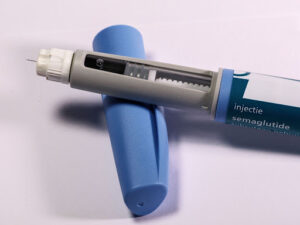
Dosing errors are more frequent when individuals transition from branded “pre-filled pens” to vials and syringes. Branded medications like Ozempic® and Wegovy® (which are trademarked products not affiliated with our platform) typically use delivery devices where the dose is “clicked” or preset. For more detail about measurement differences, read this semaglutide units and dosing guide.
Compounded semaglutide is often provided in a multidose vial. While we ensure the pharmacies we work with provide clear instructions, errors can still happen during the measurement process. Compounded medications are prepared by FDA-registered, inspected compounding pharmacies to meet specific patient needs, but they are not FDA-approved like branded versions.
Common points of confusion include:
- Milligrams (mg) vs. Milliliters (mL): The weight of the drug (mg) is different from the volume of liquid (mL). If a patient is told to take 0.25mg but draws up 0.25mL, they may be taking a significantly higher dose depending on the concentration.
- Units on a Syringe: Most syringes used for these injections are marked in “units.” A common error is confusing 5 units with 50 units. Because the markings are small, it is easy to pull the plunger back too far.
- Vial Concentrations: Different pharmacies may provide semaglutide in different concentrations (e.g., 2mg/mL vs 5mg/mL). If a patient switches providers or pharmacies and assumes the “volume” stays the same, they could accidentally double or triple their dose.
| Feature | Branded Pen (e.g., Wegovy®) | Compounded Vial/Syringe |
|---|---|---|
| Dose Delivery | Dial-a-dose or fixed-dose pen | Manual draw from vial |
| Measurement | Calculated by the device | Calculated by the user |
| Risk Factor | Low risk of volume error | Higher risk of math/vision error |
| Format | FDA-approved finished product | Prepared by licensed pharmacies |
Managing Side Effects at Home
If your provider or Poison Control determines that your overdose is mild and can be managed at home, your primary goal is comfort and hydration. For additional strategies, see this guide to managing common semaglutide side effects.
Managing Nausea: Avoid heavy, spicy, or high-fat foods, which take longer to digest and can worsen the “backlog” in your stomach. Stick to the BRAT diet (Bananas, Rice, Applesauce, Toast) or other bland foods like crackers. Ginger tea or peppermint can also provide natural relief for some.
Resting Your System: Do not try to “force” yourself to eat a full meal if you are nauseated. Your stomach is already processing things much slower than usual. Small, snack-sized portions every few hours are much easier for your body to handle than three large meals.
When to Stop the Next Dose: Most providers will advise you to skip your next scheduled weekly dose to allow the excess medication to leave your system. Never restart your medication schedule after an overdose without explicit instructions from your healthcare team.
When to Seek Emergency Care
While many dosing errors result in a few days of discomfort, some situations are life-threatening and require immediate hospital intervention. You should go to the emergency room or call 911 if you experience any of the following:
- Inability to Retain Fluids: If you have been vomiting for more than 12–24 hours and cannot even keep down water or ice chips, you are at high risk for kidney injury.
- Severe Abdominal Pain: Intense pain that radiates to your back could be a sign of pancreatitis (inflammation of the pancreas), a rare but serious side effect that can be exacerbated by an overdose.
- Altered Mental State: If you feel extremely confused, faint, or experience a seizure, this likely indicates severe hypoglycemia or extreme dehydration.
- Signs of an Allergic Reaction: While not necessarily related to the “amount” taken, any dose can trigger an allergic response. Seek help for hives, swelling of the face or throat, or difficulty breathing.
Note: Semaglutide has a half-life of about seven days. This means that even after you receive treatment in the ER, you may still feel unwell for several days as the medication slowly clears your system.
Prevention: How to Ensure Proper Dosing
Prevention is the most effective way to handle semaglutide overdoses. At TrimRx, we believe that education is just as important as the medication itself. Our platform connects you with specialists who can walk you through the specifics of your personalized program.
Always Double-Check the Math: Before you draw your medication, look at your prescription. Does it say “units” or “mL”? Look at your syringe under good lighting. If you are unsure, do not inject. Contact your provider’s support team for clarification. This semaglutide dosage conversion guide explains why concentration matters.
Use the Right Syringe: Never use a syringe other than the ones provided with your medication. Insulin syringes and other medical syringes can have different scales. Using the wrong size can lead to a 10-fold error in dosing.
The “Low and Slow” Approach: GLP-1 medications are designed to be “titrated.” This means you start at a very low dose (usually 0.25mg) for at least four weeks before increasing. This allows your body to get used to the hormone. Never skip steps in your titration schedule, even if you feel the medication “isn’t working yet.” Taking a higher dose too soon is a common form of accidental overdose.
Maintain a Dosing Journal: Record the date, time, and amount of every injection. This prevents the “did I already take my shot?” confusion that can lead to taking two doses in one week.
Bottom line: Dosing errors are often the result of simple misunderstandings or technical mistakes with syringes; taking a moment to verify your dose every single week is the best way to stay safe.
The Importance of Medical Supervision
The rise in semaglutide popularity has led some people to seek the medication from unverified sources or without proper medical guidance. This significantly increases the risk of overdose. Working with a structured platform ensures that you have a professional to turn to when things go wrong. To understand how supervised treatment begins, review this first-dose semaglutide guide.
Our mission is to provide a science-backed, empathetic environment where you are never left to figure out your dosage alone. We combine clinical expertise with easy-to-access telehealth support so that your transition into GLP-1 therapy is as smooth as possible. Personalized programs are essential because every person’s “tolerable” dose is different. What might be a standard dose for one person could feel like an overdose for another if their body is more sensitive to the hormone.
Conclusion
Taking too much semaglutide is a frightening experience, but it is manageable if you act quickly and seek the right help. The most important things to remember are to stay calm, contact Poison Control or your provider immediately, and keep a very close watch on your hydration and blood sugar levels. Most symptoms of an overdose are related to extreme versions of the drug’s intended effects, particularly its impact on the digestive system.
We are committed to helping you navigate your weight loss journey with transparency and safety. Our approach focuses on personalized care, ensuring you have the tools and professional support needed to avoid mistakes and achieve sustainable results. If you are ready to start a supervised, medically-backed weight loss program, the first step is easy and risk-free.
Take the free assessment quiz today to see which personalized program is right for your health goals.
FAQ
What should I do if I accidentally doubled my semaglutide dose?
You should immediately contact your healthcare provider or a poison control center for guidance. Do not wait for symptoms like nausea or vomiting to start, as the medication takes time to reach peak levels in your blood. Your provider will likely advise you to skip your next dose and monitor your hydration and blood sugar levels closely.
How long does an overdose of semaglutide last?
Because semaglutide has a long half-life of about one week, symptoms of an overdose can persist for several days or even up to a full week. While the most intense vomiting and nausea usually happen within the first 48 to 72 hours, you may feel lingering fatigue or low appetite for much longer. It is important to stay in contact with a medical professional until your symptoms have fully resolved.
Can taking too much semaglutide cause permanent damage?
Most people recover fully from a semaglutide overdose with proper supportive care, such as IV fluids for dehydration. However, severe overdoses can lead to complications like acute kidney injury due to dehydration or pancreatitis. Seeking medical attention early is the best way to prevent these more serious, potentially long-term health issues.
Why does semaglutide make you so sick if you take too much?
Semaglutide dramatically slows down your “gastric emptying,” which is the speed at which food leaves your stomach. If you take too much, your stomach essentially stops moving, leading to a “backlog” that causes severe nausea and projectile vomiting. It also affects the area of the brain that controls nausea, making the sensation much more intense than standard stomach flu. For more background on these effects, read this overview of semaglutide’s common side effects.
Disclaimer: This content is for informational purposes only and does not constitute medical advice. It is not intended to diagnose, treat, cure, or prevent any disease or condition. Individual results may vary. Always consult a qualified healthcare professional before starting any weight loss program or medication.

Transforming Lives, One Step at a Time
Keep reading
Semaglutide vs Tirzepatide: Comparing Weight Loss, Blood Sugar, and Side Effects
Semaglutide and Tirzepatide are one of the most common comparisons in medical weight loss. The two medications share a clear family resemblance. Both are…

How Much Weight Can You Lose on Semaglutide?
How much weight can you lose on semaglutide? The answer varies depending on your starting weight, dosage, treatment duration, and individual response to the…

Hair Shedding Months Into Semaglutide
It shows up in the shower drain first, then on the pillow, then in the brush. By the time most people search this, they…


