Can I Split Tirzepatide Dose? Safety and Best Practices
Introduction
Finding a rhythm that works for your body can be one of the most challenging parts of a medical weight loss journey. If you have started using tirzepatide, you might find yourself wondering if the standard once-weekly schedule is truly the best fit for your lifestyle. Perhaps you are experiencing “food noise” returning by day six, or maybe the initial peak of the medication leaves you feeling more nauseated than you expected. This leads many to ask: can I split tirzepatide dose to even out the effects?
At TrimRx, we believe that understanding the science behind your treatment is the key to achieving sustainable results. We are here to help you navigate these clinical questions with empathy and evidence-based guidance. This post covers why the once-weekly schedule exists, the risks of adjusting your dosing independently, and how a personalized program can help you manage side effects safely. If you are exploring whether prescription treatment may be appropriate for you, you can complete a free eligibility assessment. Ultimately, any change to your medication schedule must be done under the direct supervision of a licensed healthcare professional.
How Tirzepatide Works in the Body
Tirzepatide is a unique medication that falls into a class of drugs known as dual agonists. Unlike earlier weight loss medications that only target one hormone receptor, tirzepatide mimics two different hormones in the gut: glucagon-like peptide-1 (GLP-1) and glucose-dependent insulinotropic polypeptide (GIP). These hormones play a critical role in how our bodies process sugar and signal fullness to the brain.
When you take a dose, the medication works to slow down the speed at which your stomach empties. This physical change helps you feel full longer after eating. Simultaneously, the medication signals the brain to reduce cravings and “food noise,” which is the constant intrusive thought of eating. Because it targets two pathways, research suggests it may be more effective for some individuals than medications that target only one. For broader context, read this guide to how GLP-1 therapy works.
The Science of the Weekly Schedule
The standard dosing schedule for tirzepatide is one injection every seven days. This timeframe was not chosen at random. It is based on the medication’s “half-life,” which is the amount of time it takes for the concentration of the drug in your body to reduce by half. For tirzepatide, the half-life is approximately five days.
By dosing every seven days, you maintain a consistent level of the medication in your bloodstream. While the levels peak a day or two after the injection and slowly decline toward the end of the week, there is usually enough remaining in your system to bridge the gap until your next dose. This “steady state” is what providers look for to ensure the medication remains effective for weight management.
Key Takeaway: Tirzepatide is designed to stay in your system for a long time, which is why a weekly injection is typically sufficient to maintain appetite control and metabolic benefits.
Why People Consider Splitting Their Dose
It is very common for patients to consider splitting their dose into two smaller injections per week. Most of the time, this thought arises from a desire to make the treatment feel more “level.” There are two primary reasons why an individual might explore this option.
Managing Gastrointestinal Side Effects
The most frequent reason for wanting to split a dose is to manage nausea, bloating, or indigestion. Because the medication levels peak in the first 48 hours after an injection, some people feel a surge of side effects during this window. The logic behind splitting the dose is that two smaller injections (for example, half on Monday and half on Thursday) might prevent that high peak and make the side effects more manageable. For additional guidance, review this overview of tirzepatide side effects and management strategies.
Addressing the “End of the Week” Hunger
Some individuals notice that by day six or seven, the effects of the medication seem to wear off. They might find their appetite returning or cravings becoming more difficult to ignore. Splitting the dose is sometimes seen as a way to keep the medication levels more consistent, preventing that dip at the end of the week. This type of late-week appetite change is also discussed in this article about taking tirzepatide more than once a week.
Note: While these concerns are valid, attempting to solve them by splitting your dose without a provider’s guidance can lead to safety issues and decreased medication effectiveness.
The Critical Difference Between Branded and Compounded Formats
Whether you can physically split a dose depends heavily on the format of the medication you have been prescribed. There is a major distinction between branded pens and the vials often used for compounded versions of the medication.
Branded Medications: Mounjaro® and Zepbound®
Branded versions of tirzepatide, such as Mounjaro® and Zepbound®, are packaged in single-dose auto-injector pens. These pens are designed for simplicity and safety. They are “closed systems,” meaning the needle is hidden until the moment of injection, and the device is engineered to deliver the entire pre-measured dose at once.
You cannot split the dose from a branded auto-injector pen. Attempting to do so by “counting clicks” or trying to stop the injection halfway through is dangerous. This can result in:
- Mechanical failure: The pen may jam or break, wasting the medication.
- Inaccurate dosing: There is no way to accurately measure how much medication was delivered.
- Contamination: These pens are strictly for one-time use and are not sterile once the mechanism has been activated.
Compounded Tirzepatide in Vials
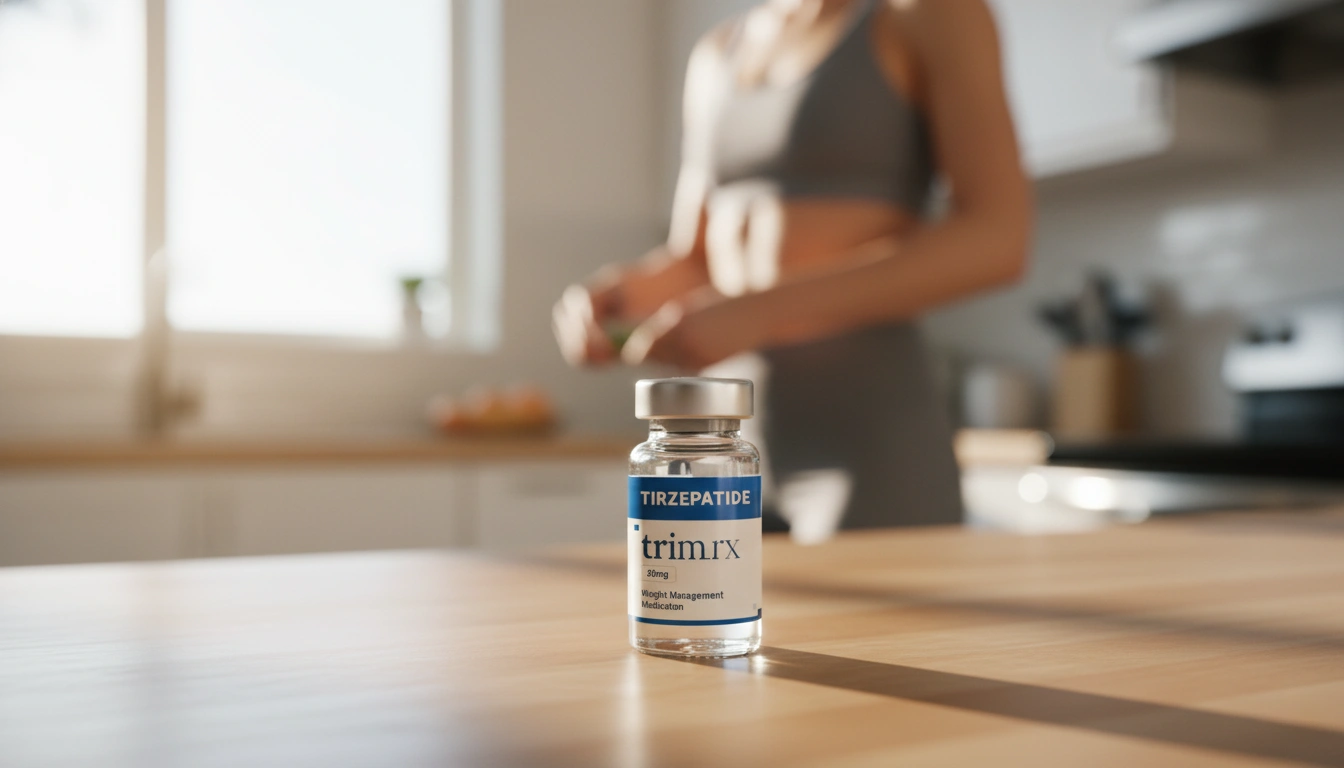
Compounded tirzepatide is often provided in multi-dose glass vials. In this format, the patient uses a separate syringe to draw the medication out of the vial manually. Because the patient is responsible for measuring the volume of the liquid, it is technically possible to draw a smaller amount and inject it more frequently.
However, just because it is physically possible does not mean it is medically advisable. Compounded medications are prepared by specialized pharmacies. While these are often FDA-registered and inspected compounding pharmacies, the medication itself is not “FDA-approved” in the same way branded drugs are. The stability and sterility of the medication depend on following the exact instructions provided by your clinician.
The Risks of DIY Dose Splitting
Changing your injection schedule on your own introduces several risks that could stall your progress or harm your health. It is essential to understand these factors before moving away from a once-weekly routine.
Risk of Bacterial Contamination
Maintaining sterility is the most significant concern when splitting doses. Most tirzepatide preparations are preservative-free or contain very limited preservatives. Every time a needle enters a vial or touches your skin, there is a chance of introducing bacteria. If you are using multiple syringes to split a single week’s dose, you are increasing the number of times the medication is exposed to the air and potential contaminants. This can lead to skin infections or more serious complications.
Dosing Accuracy and Math Errors
Calculating the correct “units” on a syringe can be surprisingly complex. If your provider prescribes a specific dose, they have calculated that amount based on your health profile. If you attempt to divide that dose into two smaller portions, you run the risk of under-dosing or over-dosing.
- Under-dosing: You may not reach the therapeutic level required to see weight loss results.
- Over-dosing: You may accidentally take too much, leading to severe vomiting or dehydration.
Stability of the Medication
Tirzepatide is a sensitive peptide that can degrade when exposed to light, heat, or air. When you draw medication into a syringe, it is intended to be used immediately. If you were to draw multiple syringes at once and let one sit for several days, the medication could lose its potency. This means you might be injecting the drug but not receiving the full benefit.
Key Takeaway: The risks of infection, dosing errors, and medication degradation outweigh the perceived benefits of splitting a dose without professional medical oversight.
What to Do Instead of Splitting Your Dose
If you are struggling with the once-weekly rhythm, there are several safer and more effective ways to manage your treatment. Our goal is to ensure you feel supported while staying within safe clinical boundaries.
Consult Your Healthcare Provider
Your first step should always be to message your specialist. They can look at your progress and your side effects to determine if a change is necessary. A provider might suggest:
- A Slower Titration: Staying on a lower dose for several extra weeks can give your body more time to adjust, often making side effects disappear on their own.
- Adjusting Injection Timing: If you find you are most tired or nauseated the day after your shot, moving your injection to a Friday night might allow you to rest through the peak.
Focus on Lifestyle Adjustments
The way you eat and hydrate can significantly impact how your body handles the medication. Often, what feels like a medication problem is actually a nutrition or hydration issue.
- Prioritize Protein: Eating small, protein-rich meals throughout the day can help stabilize your blood sugar and reduce nausea.
- Hydrate with Electrolytes: Dehydration is a common cause of fatigue and headaches on GLP-1 medications. For more context, explore this guide to hydration and metabolic health.
- Avoid High-Fat Foods: Greasy or fried foods stay in the stomach longer. When combined with the slowed digestion caused by tirzepatide, this can lead to intense bloating and discomfort.
Consider Supplemental Support
Sometimes, your body needs a little extra help to process the changes happening during weight loss. Using targeted supplements can often bridge the gap if you feel the medication is “wearing off” or if you are struggling with nutrient intake. Products like the Weight Loss Boost supplement are designed to support your metabolic health alongside your primary treatment program.
How Our Personalized Program Supports You
At TrimRx, we do not believe in a “one-size-fits-all” approach to weight loss. We understand that every individual reacts differently to medication. Our platform is designed to provide the clinical oversight you need to make adjustments safely.
The Power of Telehealth-First Care
We connect you with licensed providers who specialize in GLP-1 and GIP medications. Through our platform, you have 24/7 access to a team that can answer your questions about dosing, side effects, and titration. You never have to guess whether a change is safe because you have a dedicated specialist to guide you.
Getting Started is Simple
If you are ready to take the next step toward a healthier lifestyle, the process is straightforward:
- Complete the Assessment: Take the free assessment quiz to share your health history and goals.
- Consult with a Provider: A licensed professional will review your profile to determine if a medication like tirzepatide is right for you.
- Receive Your Personalized Plan: If prescribed, your medication will be shipped directly from an FDA-registered, inspected compounding pharmacy to your door.
- Ongoing Support: You will have unlimited access to our team to help you navigate your journey, including any concerns about your dosing schedule.
Managing Common Side Effects Safely
If you are considering splitting your dose because of side effects, it is helpful to know which symptoms are typical and how they are generally managed. Most people find that side effects are temporary and fade as the body becomes accustomed to the medication.
Nausea and Vomiting
Nausea is the most common reason patients seek to change their dosing. To manage this without splitting your dose:
- Eat bland foods like crackers or toast.
- Avoid lying down immediately after eating.
- Sip on ginger tea or peppermint tea.
Fatigue
Feeling unusually tired often happens in the first few weeks of treatment. This is usually due to the body adjusting to a lower caloric intake. Ensuring you are eating enough calories and staying hydrated is often more effective than changing your injection frequency.
Constipation or Diarrhea
Changes in bowel habits are common as your digestion slows down. Increasing fiber intake and staying mobile through light exercise can help keep your system moving regularly.
Bottom line: Most side effects can be managed through lifestyle changes and proper titration rather than splitting your dose. Always check with your provider before making any changes to your prescribed routine.
Frequently Asked Questions About Dosing
Can I split the dose if I use a vial and syringe?
While it is technically possible to draw a smaller amount from a vial, you should only do this if your healthcare provider has specifically instructed you to do so. Splitting a dose without supervision can lead to inaccurate dosing and increases the risk of contamination. Your provider will determine if a “split dose” schedule is appropriate for your specific health needs.
Does splitting a dose help with weight loss?
There is no clinical evidence to suggest that splitting a weekly tirzepatide dose into two smaller doses leads to more weight loss. The medication is designed and studied for once-weekly administration. Changing the rhythm could potentially interfere with how the drug builds up in your system, which might actually slow your progress.
What should I do if my medication feels like it is wearing off early?
It is common to feel a slight return of appetite toward the end of your week. Instead of splitting your dose, speak to your provider about your titration schedule. You may be ready to move to a slightly higher dose, or you may need to focus on high-fiber, high-protein foods during those final days to maintain fullness. If you are experiencing a plateau, this guide to weight loss plateaus with semaglutide may offer additional perspective.
Is it safe to save leftover medication in a syringe?
No, it is not safe to pre-fill a syringe and let it sit for several days. Once medication is drawn out of its sterile vial and into a plastic syringe, it is exposed to light and potential contaminants. It can also lose its stability and effectiveness. Only draw the medication into a syringe immediately before you plan to inject it.
Conclusion
The question of whether you can split your tirzepatide dose is a complex one. While it might seem like a simple solution for managing side effects or “food noise,” the risks of infection, inaccurate dosing, and decreased potency are significant. For those using branded pens like Mounjaro® or Zepbound®, splitting is physically impossible and dangerous to attempt. For those using compounded versions, any change must be guided by a licensed professional to ensure safety and sterility.
At TrimRx, our mission is to help you embrace a healthier lifestyle through a transparent, personalized approach to weight loss. We merge clinical expertise with modern technology to ensure you have the support you need at every turn. If you are struggling with your current schedule or are ready to begin your journey, the best path forward is a plan tailored specifically to you.
Take the first step toward a more balanced journey by completing our free assessment quiz today.
Disclaimer: This content is for informational purposes only and does not constitute medical advice. It is not intended to diagnose, treat, cure, or prevent any disease or condition. Individual results may vary. Always consult a qualified healthcare professional before starting any weight loss program or medication.

Transforming Lives, One Step at a Time
Keep reading

Can You Reduce a Tirzepatide Maintenance Dose Without Regaining?
Possibly, and the honest position is that nobody can tell you in advance. There is no established minimum effective maintenance dose, because the trials…

Should You Taper Off Tirzepatide or Just Stop? What the Evidence Says
There is very little direct evidence either way, and anyone who tells you otherwise is filling a gap with confidence. The withdrawal trials that…
Stalled on Tirzepatide Even After a Dose Increase: Your Options
The first thing to check is how long it has been since the increase, because most people ask this question too early. A dose…


