Can You Take Tirzepatide if You Had Your Gallbladder Removed?
Introduction
If you have undergone a cholecystectomy, or gallbladder removal, you may feel hesitant about starting a new medical weight loss journey. It is a common concern: without a specific organ designed to help digest fats, will a medication that affects your digestive system be safe or effective? Many individuals seeking modern solutions for weight management find themselves at this exact crossroads. At TrimRx, we believe that understanding the intersection of your surgical history and metabolic health is the first step toward lasting success.
This article explains the relationship between Tirzepatide and your digestive system when a gallbladder is no longer present. We will look at how the medication works, how your body processes nutrients after surgery, and what you can expect during your program. While everyone’s medical history is unique, having your gallbladder removed does not typically prevent you from utilizing these advanced health tools. For additional context, review this guide on tirzepatide after gallbladder removal.
What is Tirzepatide?
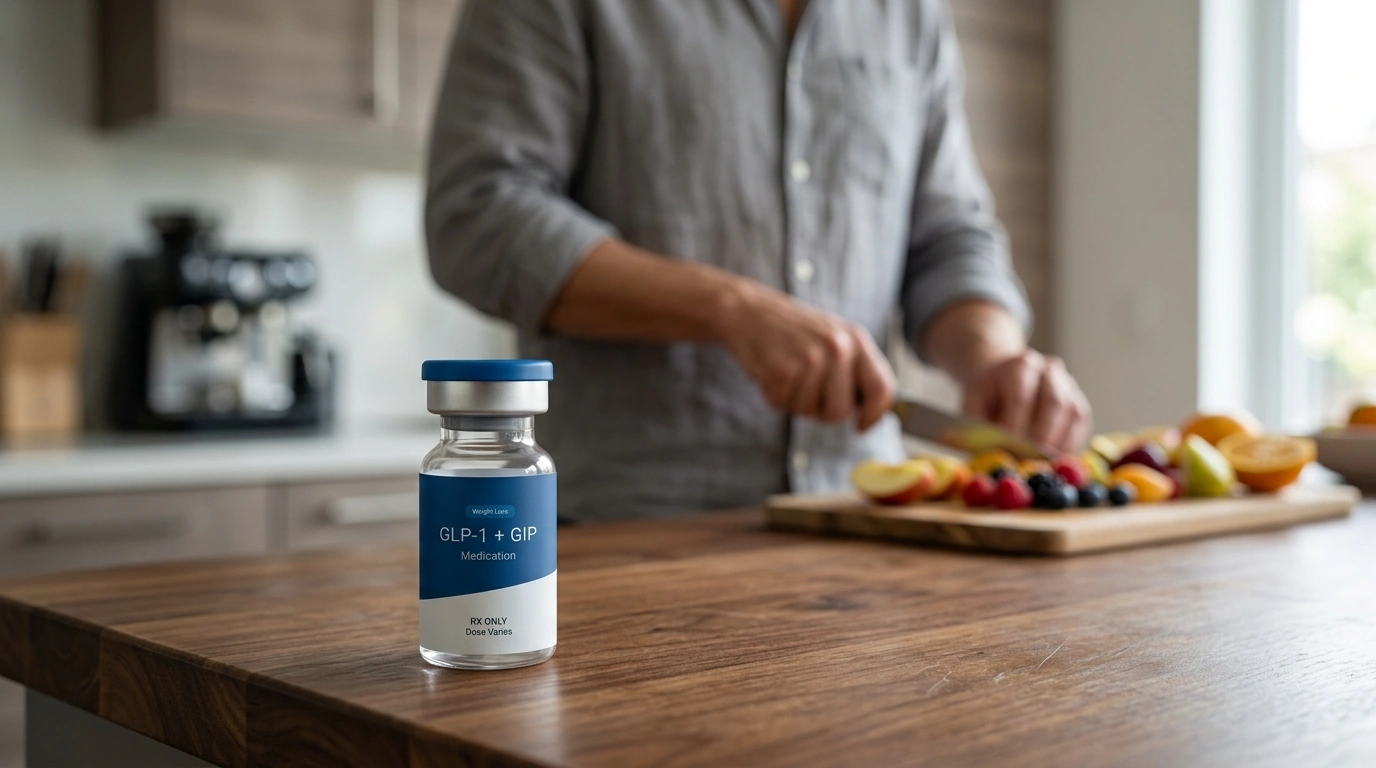
Tirzepatide is a relatively new class of medication known as a dual receptor agonist. It specifically targets two different pathways in the body: the glucagon-like peptide-1 (GLP-1) receptor and the glucose-dependent insulinotropic polypeptide (GIP) receptor. These are natural hormones your body produces to manage digestion and blood sugar.
When you take this medication, it mimics these hormones to produce several effects. First, it helps regulate blood sugar by encouraging the pancreas to release insulin when needed. Second, it slows down gastric emptying. This means food stays in your stomach for a longer period, helping you feel full much faster and for a longer duration. Third, it communicates directly with the appetite centers in the brain to reduce cravings and “food noise.”
Quick Answer: Yes, you can generally take Tirzepatide if you have had your gallbladder removed. In many cases, it may even be safer for post-cholecystectomy patients because they are no longer at risk for the gallstones that GLP-1 medications can sometimes trigger.
If you are exploring whether prescription treatment may be appropriate, you can complete a free eligibility assessment.
How the Gallbladder and Digestion Work
To understand why this question is so common, it helps to know what the gallbladder actually does. Your liver produces a fluid called bile, which is essential for breaking down fats. In a body with a gallbladder, this organ acts as a storage tank. When you eat a high-fat meal, the gallbladder squeezes a concentrated dose of bile into the small intestine to help with digestion.
When the gallbladder is removed, your liver still produces bile. However, there is no longer a storage unit. Instead, the bile drips continuously from the liver into the small intestine. This constant drip means your body can still digest fats, but it may struggle with very large amounts of fat consumed in a single sitting.
Digestion After Surgery
Most people adjust well to life without a gallbladder. However, some experience “post-cholecystectomy syndrome,” which can include bloating, gas, or looser stools after eating. Because Tirzepatide also influences the digestive tract, it is natural to wonder if these two factors will conflict.
Key Takeaway: The primary change after gallbladder removal is how your body manages fat. Since Tirzepatide slows digestion, it can actually help some patients manage fat intake more effectively by naturally reducing the desire for large, greasy meals.
Is Tirzepatide Safe Without a Gallbladder?
Current clinical data and expert consensus suggest that Tirzepatide is safe for those without a gallbladder. In fact, some medical professionals point out a specific advantage. One of the known, though infrequent, side effects of GLP-1 and GIP medications is the formation of gallstones or gallbladder inflammation (cholecystitis).
This happens because rapid weight loss or changes in gallbladder motility can cause bile to crystallize. If you have already had your gallbladder removed, this specific risk is eliminated. You cannot develop gallstones or gallbladder inflammation in an organ that is no longer there.
Research and Clinical Findings
In large-scale clinical trials for medications like Mounjaro® and Zepbound® (branded versions of Tirzepatide), participants with a history of gallbladder removal were included. The results did not show a significantly higher rate of adverse events for these individuals compared to those with intact gallbladders. The medication still functioned as intended, supporting significant weight loss and blood sugar management.
Potential Side Effect Overlap
The main challenge for those without a gallbladder is the potential for overlapping gastrointestinal side effects. Both the medication and the lack of a gallbladder can affect how your stomach and intestines feel.
For a broader overview, see this guide to tirzepatide side effects and management.
Common side effects of Tirzepatide include:
- Nausea
- Diarrhea
- Occasional constipation
- Abdominal discomfort
- Heartburn
Many of these are the same symptoms people experience after gallbladder surgery. If you are already prone to loose stools due to the continuous flow of bile, the medication might initially intensify that sensation. However, because Tirzepatide slows down the movement of food through the gut, it may also have a balancing effect for some, potentially firming up stools that were previously moving too quickly.
Managing the Transition
If you decide to start a program through a platform like TrimRx, the approach is usually gradual. We prioritize a “start low and go slow” philosophy. This means you begin at a very low dose to see how your digestive system responds before increasing the amount.
Dietary Adjustments for Success
Focus on lean proteins. Since fat digestion is the main concern, prioritize chicken, turkey, fish, and plant-based proteins. These are easier on your system and help preserve muscle mass during weight loss.
Spread out your fat intake. Do not try to eat your daily fat allowance in one meal. If you are having avocado or olive oil, use small amounts across several snacks or meals to avoid overwhelming your bile supply.
Hydrate consistently. Both weight loss medications and post-surgical digestion require plenty of water. Proper hydration helps manage the fiber in your diet and reduces the risk of constipation or electrolyte imbalances from diarrhea.
Listen to your fullness cues. Because Tirzepatide makes you feel full very quickly, it is important to stop eating the moment you feel satisfied. Overeating while on this medication, especially without a gallbladder, can lead to significant discomfort and nausea.
For more guidance on eating patterns and gastrointestinal symptoms, explore these GLP-1 side effect management strategies.
Bottom line: While the side effects may overlap, they are generally manageable through slow dosing schedules and mindful eating habits that prioritize lean nutrients over heavy fats.
Understanding Bile Acid Diarrhea (BAD)
In some cases, people who have had their gallbladder removed suffer from a condition called Bile Acid Diarrhea (BAD). This occurs when excess bile acids enter the colon, irritating the lining and drawing in water. If you already have this condition, adding a medication that influences the gut requires careful supervision.
If you notice that your stools are frequently watery, urgent, or yellow in color, you should discuss this with your healthcare provider. There are treatments available, such as bile acid sequestrants, that can help manage these symptoms while you continue your weight loss journey.
Why a Personalized Program Matters
No two bodies react to medication in the exact same way. This is particularly true for individuals with a surgical history. A one-size-fits-all approach rarely works for complex metabolic needs.
At TrimRx, our programs are built around your specific health profile. When you take the free assessment quiz, you provide information about your medical history, including past surgeries like a cholecystectomy. This allows the licensed healthcare providers we work with to determine if Tirzepatide is the right fit for you and to customize your plan accordingly.
Our platform provides access to Compounded Tirzepatide, which is prepared by FDA-registered and inspected compounding pharmacies. This allows for flexible dosing that can be adjusted based on how your body is responding to the treatment. Having 24/7 access to support ensures that if you do experience digestive issues, you have a team ready to help you navigate them.
The Role of Lifestyle and Supplements
While medication is a powerful tool, it works best when supported by a healthy lifestyle. For those without a gallbladder, nutrient absorption can sometimes be a concern. Since you are eating less and your digestion has changed, ensuring you get the right vitamins and minerals is essential.
You might consider targeted support like our GLP-1 Daily Support or Weight Loss Boost. These are designed to provide the body with essential nutrients that may be lacking during a calorie-restricted diet. Always ensure your provider knows about any supplements you are taking to avoid interactions.
Physical Activity
Moving your body helps maintain digestive regularity. Even light walking can assist in moving food through the digestive tract and reducing the sensation of bloating. Aim for consistent, moderate activity rather than high-intensity bursts that might cause stomach upset.
Comparing Options: Tirzepatide vs. Semaglutide
If you are concerned about side effects, you might wonder if other medications like Semaglutide are better. Semaglutide, found in branded products like Ozempic® and Wegovy®, targets only the GLP-1 receptor. Tirzepatide targets both GLP-1 and GIP.
For a deeper comparison, read this guide to semaglutide versus tirzepatide.
Some research suggests that Tirzepatide may actually result in fewer gastrointestinal side effects for some users compared to high doses of Semaglutide, despite being more effective for weight loss. The GIP component of Tirzepatide is thought to have a buffering effect on the nausea often associated with GLP-1 stimulation. For a patient without a gallbladder, this could mean a smoother transition.
| Feature | Semaglutide | Tirzepatide |
|---|---|---|
| Receptors Targeted | GLP-1 only | GLP-1 and GIP |
| Digestion Speed | Slows gastric emptying | Slows gastric emptying |
| Gallbladder Risk | Risk of stones/inflammation | Risk of stones/inflammation |
| If Gallbladder Removed | Safe to use | Safe to use |
| Weight Loss Potential | High | Very High |
What to Watch Out For
While it is safe to proceed for most people, there are specific “red flags” you should never ignore. Even without a gallbladder, you still have a bile duct system and a pancreas.
Seek medical attention if you experience:
- Severe, persistent abdominal pain that radiates to your back
- Yellowing of the skin or eyes (jaundice)
- Persistent vomiting that prevents you from keeping fluids down
- High fever accompanied by stomach pain
These can be signs of pancreatitis or issues with the bile ducts, which require immediate clinical evaluation.
Moving Forward with Confidence
Having your gallbladder removed should not be an automatic “no” for medical weight loss. In fact, many people find that the structured environment of a telehealth program provides the exact level of monitoring they need to feel safe.
The journey to better metabolic health is about more than just a number on a scale. It is about how you feel every day. By working with a platform like ours, you gain access to clinical expertise that respects your surgical history and focuses on your long-term wellness.
Key Takeaway: Success without a gallbladder requires patience and a focus on nutrient-dense, lower-fat foods. By starting at a low dose, most individuals can achieve their weight goals comfortably.
Conclusion
Taking Tirzepatide after gallbladder removal is not only possible but common. While you must be mindful of how your body processes fats and stay alert to overlapping digestive side effects, the absence of a gallbladder actually removes the risk of certain complications like gallstones. Our mission at TrimRx is to provide you with the tools, medication, and clinical support necessary to navigate these nuances safely.
We believe in a science-backed, empathetic approach that puts you in control of your health. If you are ready to see if Tirzepatide or another GLP-1 medication is right for your specific needs, the next step is simple.
Take the first step today. Complete our free assessment quiz to see if you qualify for a personalized treatment program and start your journey toward sustainable weight loss.
FAQ
Does Tirzepatide cause more diarrhea if I don’t have a gallbladder?
Some people may experience an initial increase in loose stools because Tirzepatide and gallbladder removal both affect digestion. However, many users find that the medication’s ability to slow down the digestive process actually helps regulate their bowel movements over time.
Can I eat a high-fat diet on Tirzepatide without a gallbladder?
It is generally not recommended to eat a high-fat diet while on Tirzepatide, especially if your gallbladder has been removed. High-fat meals are the primary trigger for digestive upset in both scenarios, so focusing on lean proteins and healthy fats in moderation is the best approach.
Are there specific vitamins I should take if I use Tirzepatide without a gallbladder?
Since you may have a slightly harder time absorbing fat-soluble vitamins (A, D, E, and K) without a gallbladder, and you will be eating less on the medication, a high-quality multivitamin is often helpful. Our GLP-1 Daily Support is specifically designed to help fill these nutritional gaps.
How do I know if the medication is causing my stomach pain or if it is something else?
Mild nausea or bloating is common when starting Tirzepatide, but severe or sharp pain is not. If you experience intense pain, especially if it is accompanied by a fever or jaundice, you should contact a healthcare professional immediately to rule out issues with your bile ducts or pancreas.
Disclaimer: This content is for informational purposes only and does not constitute medical advice. It is not intended to diagnose, treat, cure, or prevent any disease or condition. Individual results may vary. Always consult a qualified healthcare professional before starting any weight loss program or medication.

Transforming Lives, One Step at a Time
Keep reading
Marathon Training on Tirzepatide When You Can’t Fuel
You have a plan on the fridge and a medication that has made eating feel optional. Those two things are in genuine conflict, and…
Paying Cash for Tirzepatide? Don’t Stretch Your Supply
When every vial comes out of your own pocket, the arithmetic is hard to ignore. If a month’s supply costs what it costs, and…

Working Around Food All Day on Tirzepatide When You Can’t Eat It
There are two separate problems here and they have different answers. One is physical: food smells, especially hot fat and fried food, make nausea…


