Can I Take Tirzepatide With No Gallbladder? Safety and Side Effects
Introduction
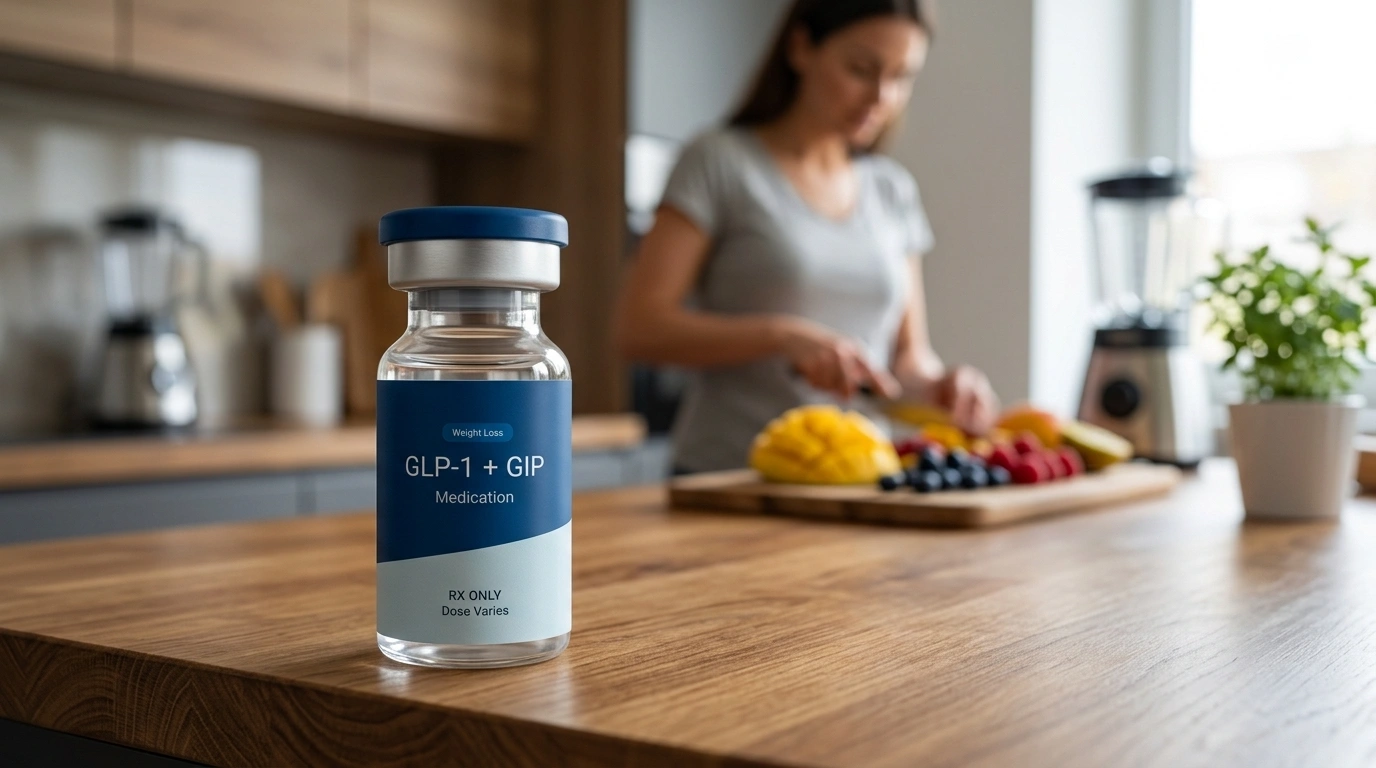
If you have had your gallbladder removed, you are likely no stranger to managing digestive changes. Whether it was due to gallstones or inflammation, living without this small organ often means being more mindful of how your body processes certain foods. Now that you are considering a weight loss journey, a common question arises: can I take tirzepatide with no gallbladder? Many people worry that because weight loss medications impact digestion, the absence of a gallbladder might lead to complications or severe discomfort.
At TrimRx, we believe that understanding the intersection of your surgical history and modern metabolic health is the key to a successful journey. The short answer is yes, you can typically take tirzepatide after a cholecystectomy (gallbladder removal). However, because your body handles fats and digestion differently now, there are specific considerations you should discuss with a healthcare provider. This post will cover how tirzepatide works in a body without a gallbladder, how to manage potential side effects, and how a personalized approach can help you reach your goals safely. If you are considering prescription support, you can complete a free eligibility assessment.
How Digestion Changes After Gallbladder Removal
To understand how medications like tirzepatide interact with your body, it is helpful to first look at how tirzepatide and gallbladder removal can affect digestion. The gallbladder’s primary job is to act as a storage tank for bile, a digestive fluid produced by your liver that helps break down fats.
When you eat a meal, especially one high in fat, your gallbladder squeezes a concentrated dose of bile into the small intestine. This allows for efficient digestion. Once the gallbladder is removed, the liver still produces bile, but there is no longer a place to store it. Instead, bile drips continuously into the small intestine.
Quick Answer: Yes, you can generally take tirzepatide without a gallbladder. In fact, because the gallbladder has already been removed, the specific risk of medication-induced gallstones is eliminated. The primary focus for these individuals is managing digestive sensitivity.
For many people, this constant “drip” of bile means the body is less efficient at processing large amounts of fat all at once. This can lead to symptoms like bloating, gas, and loose stools—often referred to as post-cholecystectomy syndrome. Understanding this baseline is crucial because medications like tirzepatide also influence how your digestive system moves and reacts to food.
What is Tirzepatide?
Tirzepatide is a dual-acting medication known as a GIP (glucose-dependent insulinotropic polypeptide) and GLP-1 (glucagon-like peptide-1) receptor agonist. A receptor agonist is a substance that mimics a natural hormone in your body to trigger a specific response.
While GLP-1 medications like semaglutide have been popular for years, tirzepatide is unique because it targets two different hormone pathways. It helps regulate blood sugar, slows down how quickly your stomach empties (gastric emptying), and signals to the brain that you are full. For additional context, you can review this guide to tirzepatide side effects and how to manage them.
By slowing gastric emptying, tirzepatide ensures that food stays in your stomach longer. For the general population, this is a benefit that leads to prolonged satiety. For someone without a gallbladder, this shift in digestive speed can sometimes overlap with existing sensitivities, making it important to monitor how your body responds to the medication.
The Relationship Between GLP-1s and the Gallbladder
A common concern regarding GLP-1 and GIP medications is their impact on gallbladder health. In clinical studies, some participants using these medications experienced gallbladder-related issues, such as gallstones (cholelithiasis) or gallbladder inflammation (cholecystitis).
This typically happens for two reasons:
- Rapid Weight Loss: Losing weight quickly changes the balance of cholesterol and bile salts, which can lead to stone formation.
- Reduced Motility: Because the medication slows down the digestive system, the gallbladder may not empty as frequently as it should, leading to bile stasis.
However, if you have already had your gallbladder removed, these specific risks are no longer a factor. You cannot develop gallstones in an organ that is no longer there. In this sense, having no gallbladder can actually remove one of the potential clinical “warnings” associated with these medications.
Managing Gastrointestinal Side Effects
The most common side effects of tirzepatide include nausea, diarrhea, and stomach pain. These symptoms are often most noticeable when you first start the medication or when your dose is increased. Because people without a gallbladder may already experience “bile acid diarrhea” or general fat malabsorption, these side effects can feel more intense. For more guidance, see what is normal with GLP-1-related bowel changes.
Nausea and Slowed Digestion
Because tirzepatide slows the movement of food out of the stomach, eating a large or high-fat meal can lead to significant nausea. Without a gallbladder to provide a concentrated burst of bile, that fat may sit in the stomach even longer, leading to discomfort. We often recommend that our members focus on smaller, more frequent meals to prevent the stomach from becoming overly full.
Diarrhea and Bile Acid Issues
In some individuals without a gallbladder, bile acids reach the large intestine too quickly, drawing in water and causing watery stools. Since tirzepatide can also cause diarrhea as a side effect, the two issues can compound. Staying hydrated and choosing fibrous foods can help add bulk to the stool and manage this transition. You can also explore how to manage diarrhea during tirzepatide treatment.
Key Takeaway: While tirzepatide is safe for those without a gallbladder, the medication’s impact on digestive speed means you must be more intentional about portion sizes and fat intake to avoid gastrointestinal distress.
The Importance of a Personalized Program
At TrimRx, we understand that no two bodies are the same. A history of surgery like a cholecystectomy means your weight loss plan should be tailored to your unique physiology. When you use a telehealth platform like ours, you are connected with licensed providers who take your full medical history into account.
We prioritize a gradual titration process. This means starting at a very low dose of medication—whether it is compounded tirzepatide or another option—to allow your digestive system to adapt. For those without a gallbladder, this slow “on-ramp” is essential for minimizing the risk of severe nausea or diarrhea. If you want to discuss your history with a provider, see if you qualify for a personalized program.
Dietary Strategies for Success
If you are taking tirzepatide and do not have a gallbladder, your diet will be your best tool for managing side effects. The goal is to support your liver’s continuous bile production without overwhelming it.
Focus on Lean Proteins
Protein is essential for maintaining muscle mass during weight loss. Sources like grilled chicken, turkey, white fish, and tofu are generally well-tolerated because they do not require the same heavy bile load for digestion as fatty red meats.
Manage Fat Intake
You do not need to avoid fat entirely; your body needs it for hormone production and vitamin absorption. However, instead of one high-fat meal, try to spread small amounts of healthy fats throughout the day. A “thumb-sized” portion of avocado or a small drizzle of olive oil is often easier to process than fried or greasy foods.
Incorporate Soluble Fiber
Fiber-rich foods like oats, beans, and certain vegetables can help regulate your bowels. Soluble fiber, in particular, can bind to bile acids in the gut, which may help reduce the frequency of loose stools for those prone to post-surgery diarrhea.
The Role of Supplements in Your Journey
Sometimes, medication alone is only part of the puzzle. For individuals managing the unique digestive landscape of life without a gallbladder, targeted supplementation can provide extra support.
We offer quick-access products like the GLP-1 Daily Support supplement, which is designed to help balance the gut environment. When your digestion is slowed by tirzepatide and your bile flow is altered by your surgical history, maintaining a healthy gut microbiome and ensuring you have the right nutrients can make the process much smoother. These supplements do not require a prescription and can be a helpful addition to your daily routine.
Step-by-Step: Starting Your Journey Post-Gallbladder Removal
If you are ready to see if tirzepatide is right for you, following a clear process ensures your safety and comfort.
Step 1: Complete the Assessment.
Fill out our free health assessment quiz. This is where you will disclose your surgical history, including your gallbladder removal, so the medical team can review your profile accurately.
Step 2: Consult with a Provider.
If eligible, you will be connected with a licensed healthcare provider through our platform. This is the time to ask specific questions about how your previous cholecystectomy might influence your treatment plan.
Step 3: Receive Your Personalized Plan.
Once a provider writes a prescription, your medication is prepared by an FDA-registered, inspected compounding pharmacy. This ensures you receive a high-quality product tailored to the dosage discussed with your provider.
Step 4: Monitor and Adjust.
As you begin your program, we provide 24/7 access to our team. If you find that your digestion is struggling, your provider can help adjust your dosage or offer guidance on managing side effects.
Potential Warnings and When to See a Doctor
While taking tirzepatide without a gallbladder is generally safe, it is vital to stay in tune with your body. Because the medication can affect the pancreas and kidneys in rare cases, you should be aware of “red flag” symptoms.
If you experience severe, persistent abdominal pain that radiates to your back, intense vomiting, or signs of jaundice (yellowing of the skin or eyes), you should contact a healthcare professional immediately. These could be signs of pancreatitis or bile duct issues that require medical intervention. Even without a gallbladder, the bile ducts can still experience blockages or inflammation. This tirzepatide side effects guide provides additional information about symptoms that may require medical attention.
Note: Always inform your healthcare provider of all previous surgeries and any history of digestive conditions before starting a GLP-1 or GIP medication.
Why Telehealth is an Ideal Fit
Managing a weight loss journey when you have specific medical considerations like a missing gallbladder requires consistent communication. Traditional doctor’s offices can sometimes feel rushed, and it can be difficult to get a quick answer when you are experiencing a side effect on a Tuesday afternoon.
Our telehealth-first model means you have unlimited support. You don’t have to wait weeks for an appointment to discuss a change in your digestion. This continuous access allows for a more responsive experience, which is especially beneficial for those who may need more frequent dose adjustments or nutritional guidance.
Understanding Compounded Medications
When discussing tirzepatide through our platform, it is important to understand the role of compounding pharmacies. Compounded tirzepatide is a version of the medication prepared by a licensed pharmacist to meet the specific needs of a patient.
While compounded medications themselves are not FDA-approved, they are prepared in pharmacies that are FDA-registered and regularly inspected. This path often allows for more flexibility in dosing, which can be a significant advantage for someone without a gallbladder who may need to move through the dosage levels more slowly than the standard schedule dictates.
Long-Term Outlook and Sustainability
Weight loss is not just about the numbers on the scale; it is about metabolic health. For many, tirzepatide provides the “quieting” of food noise that allows them to finally make the lifestyle changes they have struggled with for years.
Living without a gallbladder shouldn’t be a barrier to achieving a healthier weight. By combining the latest in pharmaceutical science with a personalized nutrition approach, most individuals can navigate the treatment with minimal disruption. The goal is sustainable progress—losing weight at a pace that allows your digestive system to keep up and your body to thrive.
Conclusion
Taking tirzepatide without a gallbladder is a common and generally safe path for many individuals on a weight loss journey. While you may face a slightly higher curve in managing digestive side effects, the elimination of gallbladder-related risks like stones is a silver lining. By focusing on lean proteins, managing fat portions, and working closely with a supportive clinical team, you can achieve your health goals effectively.
At TrimRx, our mission is to provide you with the tools, medication, and expertise needed to navigate these complexities. We are here to ensure that your path to wellness is as smooth as possible, regardless of your surgical history. We combine the convenience of telehealth with a deep commitment to personalized, science-backed care.
Ready to take the first step? Complete our free assessment today to see if a personalized tirzepatide program is the right fit for your metabolic health goals.
FAQ
Is it safe to take tirzepatide if I’ve had my gallbladder removed?
Yes, it is generally considered safe to take tirzepatide after a gallbladder removal surgery. Since the organ has been removed, the specific risk of developing medication-induced gallstones is no longer a concern. However, you should still consult with a healthcare provider to manage any existing digestive sensitivities or bile-related issues.
Will tirzepatide cause more diarrhea if I don’t have a gallbladder?
It is possible to experience more frequent loose stools, as both the medication and the lack of a gallbladder can affect how your body processes waste and bile. Many people find success by starting on a very low dose and carefully managing their intake of greasy or high-fat foods. If diarrhea persists, your healthcare provider can help determine if it is a side effect of the medication or related to bile acid malabsorption. For more information, review what to expect from GLP-1 bowel changes.
Can I still lose weight effectively on tirzepatide without a gallbladder?
Absolutely, the weight loss benefits of tirzepatide are not dependent on having a gallbladder. The medication works primarily by affecting hormone receptors in the brain and gut to reduce hunger and improve insulin sensitivity. Most patients without a gallbladder see the same levels of progress as those who still have the organ, provided they follow their personalized treatment plan.
Do I need to follow a special diet while taking tirzepatide without a gallbladder?
While there isn’t a single “required” diet, most people feel best when they focus on a low-fat, high-protein eating plan. Because your body lacks a storage tank for bile, eating large amounts of fat while on a medication that slows digestion can lead to nausea and discomfort. Smaller, more frequent meals that are rich in lean protein and fiber are usually the most comfortable and effective way to support your weight loss. If you are ready to discuss whether treatment may be appropriate for you, take the free assessment quiz.
Disclaimer: This content is for informational purposes only and does not constitute medical advice. It is not intended to diagnose, treat, cure, or prevent any disease or condition. Individual results may vary. Always consult a qualified healthcare professional before starting any weight loss program or medication.

Transforming Lives, One Step at a Time
Keep reading

Why Did Tirzepatide Stop Working After Three Months of Fast Loss?
Five things explain almost all of it, and the first is the least satisfying: the fast stretch was never going to last. Weight loss…
Feeling Worse and Losing Slower on a Higher Dose of Tirzepatide?
It happens, it is more common than the dose-response charts suggest, and there are four explanations worth separating before you conclude the increase was…
Why Increase Tirzepatide If a Lower Dose Is Already Working?
Because escalation schedules are built around average results rather than yours, and your provider does not yet know whether you are someone who will…


