Can I Take Wegovy If I Had My Gallbladder Removed?
Introduction
Recovering from surgery is often a turning point in a health journey. If you have undergone a cholecystectomy—the surgical removal of the gallbladder—you may be more focused than ever on metabolic health. For many, this procedure follows years of struggling with weight or digestive discomfort, and the goal is to find a sustainable path forward. However, weight management after gallbladder removal can feel complicated, especially when considering medications like Wegovy®.
At TrimRx, we understand that your medical history is unique and deserves a personalized approach. One of the most common questions we receive is whether it is safe or effective to use GLP-1 (glucagon-like peptide-1) medications once the gallbladder is gone. This article will explain the relationship between semaglutide and the biliary system, how your digestion changes after surgery, and why having no gallbladder might actually change how you experience weight loss treatment. While every individual’s health profile is different, the general consensus is that gallbladder removal is not a barrier to starting a GLP-1 program, though it does require a specific strategy for managing digestive health. You can also review our guide to taking a GLP-1 without a gallbladder for additional context.
Quick Answer: Yes, you can generally take Wegovy® after having your gallbladder removed. A cholecystectomy is not a formal contraindication for this medication, and because the gallbladder is no longer present, you are actually at zero risk for developing gallstones within that organ.
Understanding Your Body Without a Gallbladder
To understand how weight loss medications interact with your system, it helps to first look at what the gallbladder actually does. This small, pear-shaped organ sits just beneath the liver. Its primary job is to store and concentrate bile, a digestive fluid produced by the liver that helps break down dietary fats.
When you eat a meal, especially one high in fat, the gallbladder receives a signal to contract, releasing a concentrated burst of bile into the small intestine. This ensures that fats are emulsified and absorbed properly. After the gallbladder is removed, your liver continues to produce bile, but it no longer has a storage tank. Instead, bile drips continuously and steadily into your digestive tract. Our explanation of what changes after gallbladder removal covers this digestive shift in more detail.
The Intersection of Bile and GLP-1 Medications
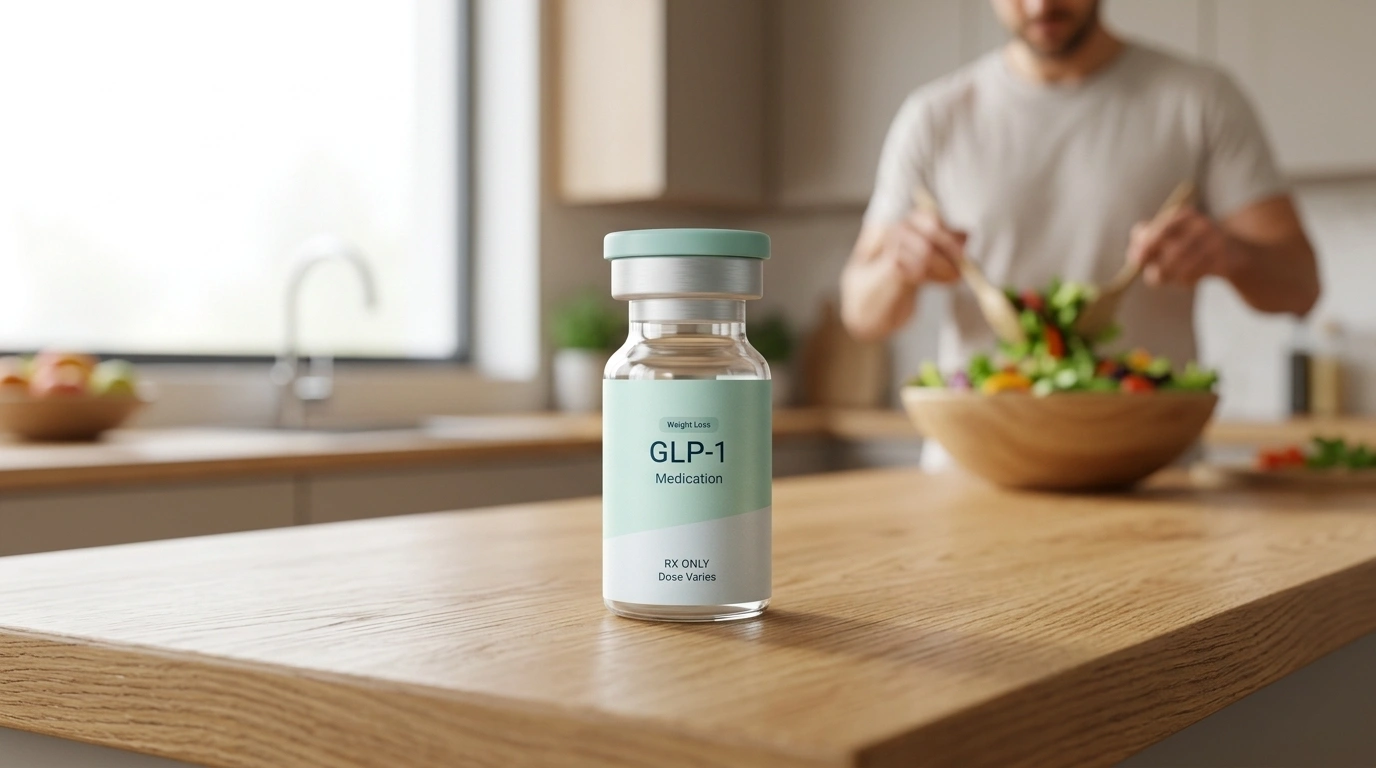
Wegovy® contains semaglutide, which is a GLP-1 receptor agonist. This type of medication mimics a hormone your body naturally produces in the gut. It works by targeting areas of the brain that regulate appetite and by slowing down “gastric emptying”—the speed at which food leaves your stomach.
When you combine a constant drip of bile with the slowed digestion caused by a GLP-1, your digestive sensations may shift. For some, the continuous presence of bile helps prevent the constipation that can sometimes occur on these medications. For others, it can lead to more frequent or loose stools if dietary fat intake is too high. If you are considering treatment, you can complete the free assessment quiz so a licensed provider can review your health history.
Why Weight Management Matters After Surgery
It is a common misconception that weight loss is automatic after gallbladder removal. In reality, many individuals experience modest weight gain in the years following the procedure. Research suggests that women may gain an average of 3.3% of their pre-surgery weight, while men may gain roughly 4.6%.
There are several reasons why this happens. First, the underlying metabolic factors that contributed to the need for surgery often remain present. Second, some people find that they can eat a wider variety of foods once the pain of gallbladder attacks is gone, leading to increased caloric intake. Finally, changes in how the body processes bile can subtly influence metabolic markers like insulin sensitivity and cholesterol levels.
Using a personalized program can help address these metabolic shifts. By working with a licensed provider through a platform like ours, you can receive guidance that accounts for your post-surgical status. Our mission is to help you navigate these changes with science-backed support that prioritizes long-term sustainability over quick fixes.
Safety and Contraindications
When a licensed healthcare provider reviews your health profile, they look for “contraindications”—specific reasons why a medication might be unsafe for you. Having your gallbladder removed is not one of them. In fact, clinical trials for semaglutide did not exclude individuals who had previously undergone a cholecystectomy. Before deciding whether treatment is appropriate, you can start the assessment process and provide your surgical history for review.
Gallbladder Disease vs. Gallbladder Absence
One of the listed potential side effects of GLP-1 medications is “acute gallbladder disease,” which includes gallstones or inflammation of the gallbladder (cholecystitis). This usually happens because rapid weight loss can cause bile to become more concentrated, leading to stone formation. Our article on weight loss and gallstone risk explains why this concern is usually discussed for people who still have a gallbladder.
If you no longer have a gallbladder, you are inherently protected from these specific issues. You cannot develop stones in an organ that isn’t there. This can make the safety profile of Wegovy® simpler for those who have already had the surgery compared to those who still have their gallbladder and are at risk for stones.
Key Takeaway: Having no gallbladder eliminates the risk of gallstones and cholecystitis, which are potential side effects of GLP-1 medications for those who still have the organ. This often makes the medication easier to monitor from a biliary health perspective.
Managing Digestive Side Effects
While the absence of a gallbladder is not a safety concern, it can influence the “GI experience” of taking a GLP-1 medication. Because both the surgery and the medication affect how you process food, you may need to be more intentional about your daily habits. Our guide to common semaglutide side effects offers additional information about nausea, diarrhea, constipation, and vomiting.
Navigating Diarrhea and Loose Stools
A small percentage of people experience “bile acid malabsorption” after surgery. This occurs when excess bile reaches the colon and triggers watery stools. Because semaglutide affects gut motility, some patients find that their stools become more regular, as the medication’s tendency to slow things down counteracts the surgery’s tendency to speed things up. However, if you experience persistent diarrhea, it is essential to consult your provider.
Managing Nausea and Fullness
Nausea is the most common side effect for anyone starting a GLP-1. For those without a gallbladder, nausea can sometimes be triggered more easily by high-fat meals. Since the liver is dripping bile constantly rather than providing a large burst when needed, a very fatty meal can “overwhelm” the system. When you add the slowed stomach emptying from the medication, that heavy feeling can linger much longer than usual.
Bottom line: While the core safety of the medication remains the same, the way your body handles fat and fiber may change after surgery, requiring a more gradual approach to dietary adjustments.
When to Contact a Licensed Healthcare Provider
Even without a gallbladder, there are specific symptoms that require professional medical attention. While you cannot get gallstones in the gallbladder, you still have bile ducts—the tubes that carry bile from the liver to the intestine. In very rare cases, small stones can form in these ducts.
You should seek medical advice if you experience:
- Severe, persistent abdominal pain that may radiate to your back
- Yellowing of the skin or the whites of the eyes (jaundice)
- Persistent vomiting that lasts more than 24 hours
- Dark-colored urine or very pale, clay-colored stools
- A high fever accompanied by severe stomach pain
These can be signs of pancreatitis (inflammation of the pancreas) or a blockage in the bile duct. While these complications are rare, they are serious and require an evaluation by a medical professional.
Steps to Starting a Personalized Program
If you have had your gallbladder removed and are ready to address your weight goals, the process is designed to be thorough yet accessible. At TrimRx, we connect you with the resources and clinical oversight necessary to start your journey safely.
Step 1: Complete the online assessment.
The first step is a comprehensive health quiz that covers your medical history, including your surgical history and any past experiences with weight loss. This information is vital for the licensed provider to understand your unique needs. You can complete a free eligibility assessment when you are ready to share those details.
Step 2: Clinical review and consultation.
A licensed healthcare provider will review your assessment. They will evaluate your BMI, your history of cholecystectomy, and any other metabolic factors. They will determine if a GLP-1 medication like semaglutide is appropriate for you.
Step 3: Personalized treatment plan.
If approved, you will receive a treatment plan tailored to you. This includes the medication, which is shipped from an FDA-registered, inspected compounding pharmacy, as well as ongoing support to help you manage any side effects.
Step 4: Gradual titration.
You will start at a low dose. This is especially important for post-surgery patients, as it allows your digestive system to adapt slowly to the changes in bile flow and gastric emptying.
Dietary Strategies for Success
When you are taking a GLP-1 without a gallbladder, your diet is your best tool for minimizing side effects. You don’t need a restrictive “GLP-1 diet,” but you do need to understand how your body now handles different nutrients.
- Prioritize Lean Proteins: Focus on chicken, turkey, white fish, or plant-based proteins. These are easier for your system to process without the concentrated bile from a gallbladder.
- Increase Soluble Fiber: Foods like oats, beans, and certain fruits can help “bind” excess bile acids in the gut, which may reduce the risk of loose stools.
- Watch Fat Quality: Instead of large amounts of saturated fats (like fried foods or heavy creams), opt for small portions of healthy fats like avocado or olive oil.
- Hydrate Consistently: Because GLP-1s can reduce your thirst cues, make a conscious effort to drink water throughout the day to support kidney health and digestion.
Myth: “You can’t eat any fat if you don’t have a gallbladder and take Wegovy®.”
Fact: You can still eat healthy fats. The key is moderation and spreading your fat intake across smaller meals so your liver’s continuous bile flow can keep up.
The Role of Personalized Support
Navigating the world of weight loss medications can feel overwhelming, especially when you have a history of surgery. This is why a telehealth-first approach can be so beneficial. You don’t have to wait in a doctor’s office to ask a question about a side effect or a dietary concern.
Our platform provides 24/7 access to a team that understands the nuances of metabolic health. We believe that weight loss is not just about a number on a scale; it is about how you feel in your daily life. Whether you are dealing with the 3-5% weight gain that often follows a cholecystectomy or you have been struggling for years, a science-backed, empathetic approach can make the difference between a temporary change and a permanent lifestyle shift. For more background, review this telehealth guide to starting a GLP-1 program.
Long-Term Outlook and Metabolic Health
For many, gallbladder removal was the end of a painful chapter. Starting a GLP-1 program can be the beginning of a healthy one. Beyond weight loss, these medications have been shown to support better blood sugar levels and improved cardiovascular markers.
When you lose weight sustainably, you reduce the overall strain on your liver and your remaining bile ducts. By focusing on metabolic health rather than just “dieting,” you are giving your body the best chance to thrive after surgery. We are here to ensure that your path is clear, your questions are answered, and your program is built around your life.
Conclusion
Taking Wegovy® after gallbladder removal is not only possible but is a path many have successfully taken. While your digestive system works a bit differently now, the medication still functions as intended—reducing hunger and helping you achieve a healthier weight. By focusing on low-fat, nutrient-dense foods and following a gradual dosing schedule, you can minimize the risk of GI upset and focus on your results.
- Having no gallbladder is not a contraindication for GLP-1 use.
- Post-surgery patients are protected from the specific risk of new gallstones in the gallbladder.
- Slowing down digestion with medication can sometimes help balance the faster bile flow caused by surgery.
- A personalized plan is the best way to ensure your specific surgical history is considered.
At TrimRx, our goal is to provide a transparent, supportive environment where you can access clinical expertise from the comfort of home. We merge modern technology with medical supervision to help you embrace a healthier lifestyle. If you are ready to see if a personalized weight loss program is right for your post-gallbladder health, the next step is simple.
Take the first step today by completing our free health assessment to see which treatment options are right for you.
FAQ
Does Wegovy® work differently if I don’t have a gallbladder?
The medication itself works the same way by mimicking natural hormones to regulate appetite and slow digestion. However, because your liver now releases bile continuously rather than in bursts, you might find that your tolerance for high-fat foods is lower while on the medication.
Can I still get pancreatitis if my gallbladder is gone?
Yes, while the risk is very low, pancreatitis is a potential side effect of GLP-1 medications regardless of whether you have a gallbladder. If you experience severe, persistent abdominal pain that radiates to your back, you should contact a healthcare provider immediately for an evaluation.
Will I have more diarrhea if I take semaglutide without a gallbladder?
It varies by individual; some people find that the medication’s tendency to slow down the gut actually helps firm up the loose stools often associated with gallbladder removal. Others may experience more sensitivity to dietary fat, which can lead to diarrhea if fat intake is not managed carefully. You can also review this side-effect management guide for more information about digestive symptoms.
How soon after surgery can I start a GLP-1 program?
You should be fully recovered from your cholecystectomy and cleared by your surgeon before beginning any new medication. Typically, once you have returned to a normal diet and your surgical incisions have healed, a licensed provider can evaluate if you are ready to start a weight loss program. You can begin the assessment process once you are ready to provide your medical history for review.
TrimRX does not practice medicine or prescribe medications. Compounded medications are not FDA-approved and are not evaluated by the FDA for safety or efficacy. Results vary by individual and are not guaranteed.
Disclaimer: This content is for informational purposes only and does not constitute medical advice. It is not intended to diagnose, treat, cure, or prevent any disease or condition. Individual results may vary. Always consult a qualified healthcare professional before starting any weight loss program or medication.

Transforming Lives, One Step at a Time
Keep reading
Is It Normal for a Wegovy Injection Site to Itch?
A small red patch, a slightly raised spot, or an itch that shows up a few hours or a day after your injection is…
Is It Normal to Have Brain Fog on Wegovy?
Losing your train of thought mid-sentence, rereading the same email three times, or feeling like your head is wrapped in cotton wool: brain fog…

Is It Normal to Sweat More on Wegovy?
Waking up damp, feeling clammy after your injection, or sweating more than usual during the day can be unsettling when you have just started…


