Can You Take Zepbound While on Birth Control?
Introduction
Starting a weight loss journey with a medication like Zepbound® can feel like a major turning point in your health. However, for many women, this excitement often comes with a practical concern: how will this new treatment affect my birth control? It is a valid question, as modern weight loss medications interact with the body in complex ways. At TrimRx, we believe that clear communication and clinical transparency are essential for anyone navigating the intersection of metabolic health and reproductive care.
The short answer is that while you can take these medications together, Zepbound can significantly reduce the effectiveness of oral contraceptive pills. This happens because the medication changes how your body absorbs things through your stomach. In this article, we will explain the science behind this interaction, which birth control methods are affected, and how you can stay protected while pursuing your weight loss goals. Our goal is to ensure you feel empowered to make informed decisions with the support of a healthcare provider, and you can take the free assessment quiz if you want help exploring whether a personalized program is a fit.
How Zepbound Affects the Body
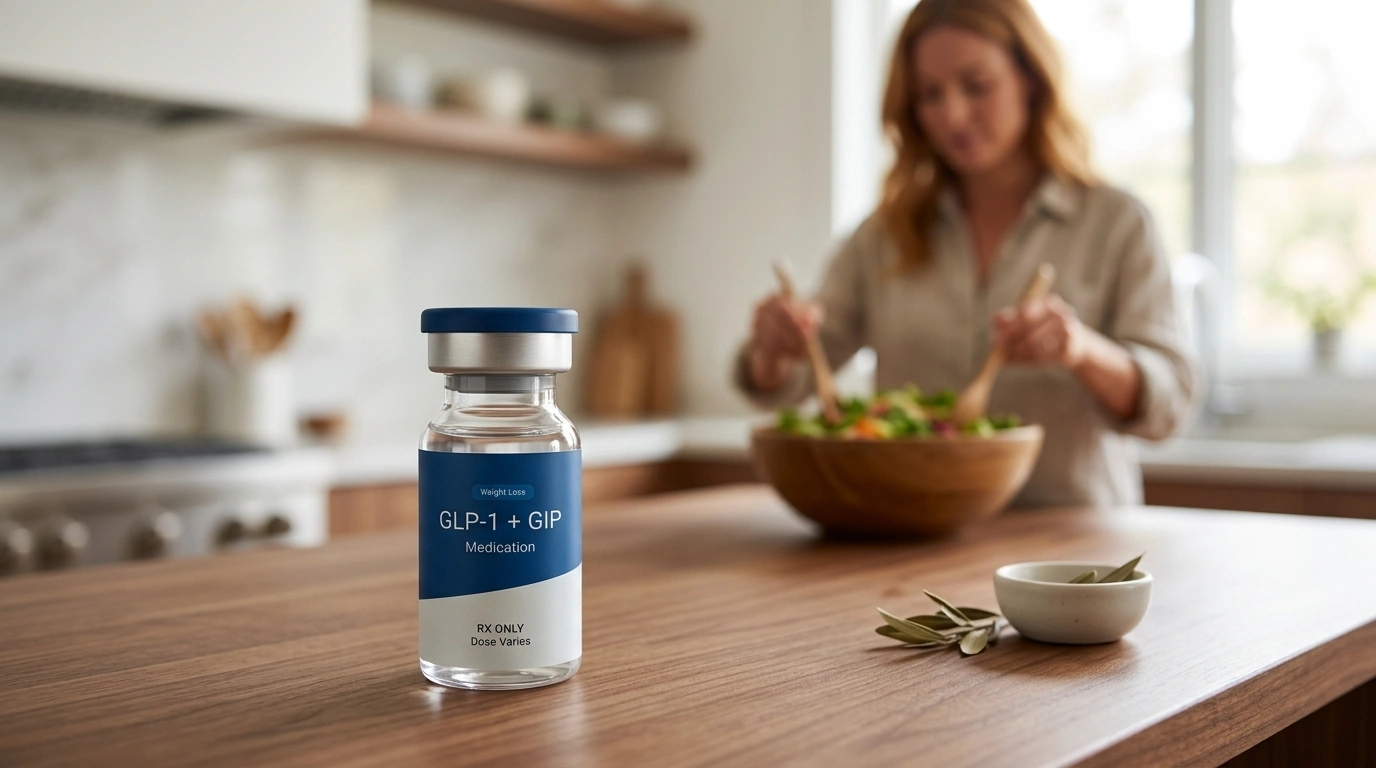
To understand why a weight loss injection would interfere with a birth control pill, we first need to look at how the medication works. Zepbound is a brand-name version of a drug called tirzepatide. Tirzepatide is a dual-receptor agonist. This means it mimics two different hormones in your body: glucagon-like peptide-1 (GLP-1) and glucose-dependent insulinotropic polypeptide (GIP). If you want a deeper breakdown of tirzepatide as a treatment option, TrimRx has a helpful tirzepatide weight loss guide.
These hormones are naturally produced in your gut when you eat. They tell your brain you are full and tell your pancreas to release insulin. One of the most significant effects of these hormones is that they slow down “gastric emptying.” This is the clinical term for the speed at which food and medicine leave your stomach and enter your small intestine.
The Role of Delayed Gastric Emptying
When gastric emptying is delayed, food stays in your stomach longer. This is why many people on these medications feel full for much longer after a meal. However, your stomach is also where oral medications begin their journey toward being absorbed into your bloodstream.
Most birth control pills are designed to be absorbed at a specific rate. When Zepbound slows down the movement of the stomach, the “peak concentration” of the birth control hormones in your blood can drop. If those hormone levels fall too low or take too long to reach the necessary levels, the pill may not be able to prevent ovulation reliably.
Key Takeaway: Zepbound slows down how quickly your stomach empties, which can prevent oral birth control pills from being absorbed effectively into your system.
The Interaction Between Zepbound and Oral Contraceptives
The interaction between Zepbound and birth control is not a constant threat, but it is most critical during specific windows of time. Clinical data suggests that the risk of birth control failure is highest when you first start the medication and whenever your dose is increased.
The Four-Week Rule
The manufacturer of Zepbound and the FDA provide specific guidance for those using oral contraceptives. When you begin treatment, you should use a backup barrier method of birth control, such as condoms, for at least four weeks. This same rule applies every time your healthcare provider raises your dosage.
Once your body adjusts to a stable dose for four weeks, the impact on gastric emptying tends to level off. However, because many weight loss programs involve increasing the dose every month until a maintenance level is reached, some women may find themselves in a constant cycle of needing backup protection.
Why Dose Increases Matter
Every time you step up to a higher dose of tirzepatide, the effect on your digestive speed is “reset” or intensified. Your body needs time to habituate to the higher level of the hormone. During this adjustment period, the absorption of your birth control pill becomes unpredictable again. This is why clinical oversight is so important. At TrimRx, our personalized programs are designed to help you navigate these transitions safely by providing access to providers who understand these specific drug interactions, and you can see if you qualify for the free assessment quiz if you want to get started.
Bottom line: Oral birth control pills are less reliable for the first four weeks of Zepbound treatment and for four weeks following every dose escalation.
Which Birth Control Methods are Affected?
It is important to note that Zepbound only interferes with medications that you swallow. This is because the interaction happens in the digestive tract. If the birth control hormones do not have to pass through your stomach to reach your bloodstream, they are generally considered safe and effective to use alongside Zepbound.
Oral Methods (High Risk of Interaction)
- Combined Oral Contraceptives: These are standard “the pill” options containing both estrogen and progestin.
- Progestin-Only Pills: Also known as the “mini-pill.”
- Oral Emergency Contraception: Some morning-after pills may also have reduced efficacy if taken while on Zepbound.
Non-Oral Methods (Low Risk of Interaction)
Because these methods bypass the stomach, their absorption is not affected by delayed gastric emptying.
- The Contraceptive Patch: Hormones are absorbed through the skin.
- The Vaginal Ring: Hormones are absorbed through vaginal tissue.
- Injectable Birth Control: (e.g., Depo-Provera®) These are injected into the muscle or under the skin.
- Hormonal Implants: (e.g., Nexplanon®) These are placed under the skin of the arm.
- Intrauterine Devices (IUDs): Both hormonal and non-hormonal (copper) IUDs work locally in the uterus and do not rely on digestive absorption.
Comparing Zepbound to Other GLP-1 Medications
You may wonder if this birth control warning applies to all weight loss injections. Interestingly, the data varies between different types of medications.
For example, Wegovy® (semaglutide) is another popular GLP-1 medication. While semaglutide also slows down gastric emptying, clinical studies have not shown the same significant decrease in birth control efficacy as seen with tirzepatide (the active ingredient in Zepbound). If you want another educational overview of the broader category, take a look at TrimRx’s GLP-1 treatment guide.
However, many healthcare providers still recommend caution with any medication that alters digestion. If you experience side effects like severe vomiting or diarrhea—which can happen with any GLP-1—your birth control pill might not stay in your system long enough to work, regardless of the specific drug you are taking.
Quick Answer: Zepbound has a specific warning regarding oral birth control because it is a dual-agonist (GLP-1 and GIP), which may have a stronger effect on stomach emptying than GLP-1-only medications like Wegovy.
Planning for Pregnancy and Weight Loss
If you are taking birth control, you are likely trying to avoid pregnancy. This is particularly important when using medications like Zepbound. Medical experts generally advise against losing weight during pregnancy, as the developing fetus requires a steady and sufficient intake of nutrients.
Pregnancy Risks and Zepbound
Currently, there is limited data on how Zepbound affects human pregnancy. However, animal studies have suggested that these medications could potentially cause fetal harm. For this reason, most providers recommend stopping Zepbound at least two months before you plan to become pregnant.
If you do become pregnant while taking the medication, you should contact your healthcare provider immediately to discuss stopping the treatment. Because Zepbound stays in your system for several weeks, the two-month “washout” period ensures the medication is fully cleared from your body before conception.
Breastfeeding Considerations
It is also unknown whether Zepbound passes into human breast milk. If you are breastfeeding or planning to breastfeed, you must discuss the risks and benefits with a professional. Most weight loss programs, including those we facilitate, prioritize the safety of both the parent and the child when determining eligibility for prescription treatments, and a free assessment quiz is often the simplest way to start that conversation.
Steps to Take if You Are on Birth Control
If you are interested in starting a weight loss program but want to ensure your contraception remains effective, there is a clear path forward.
Step 1: Consult a Healthcare Provider
Before starting any new medication, disclose all forms of birth control you are currently using. A licensed provider can help you determine if your current method is at risk.
Step 2: Evaluate Your Contraception Method
If you are on the pill, consider whether you are open to switching to a non-oral method like the patch, ring, or an IUD. This removes the worry of absorption issues entirely.
Step 3: Prepare a Backup Plan
If you prefer to stay on the pill, ensure you have barrier methods (like condoms) ready. You will need to use them for the first 28 days of your Zepbound journey and for 28 days after every dose increase.
Step 4: Monitor Your Cycle
Keep a close eye on any changes to your menstrual cycle or signs of ovulation. While Zepbound is not a form of birth control, the rapid weight loss it can cause may also affect your fertility and hormone levels.
Why Personalized Care Matters
Every body reacts differently to metabolic treatment. This is why a “one-size-fits-all” approach to weight loss often fails or leads to safety concerns. At TrimRx, we focus on creating programs that are tailored to your specific health profile.
When you use our platform, you are not just getting a prescription. You are gaining access to a dedicated team of specialists who understand the nuances of GLP-1 and GIP medications. We take the time to review your medical history and your current medications—including birth control—to ensure your weight loss journey is both effective and safe. Our telehealth-first model means you can get this expert guidance from the comfort of home, without the need for waiting rooms or in-person visits. If you are ready to explore treatment, you can take the free assessment quiz and review your options with a provider.
Key Takeaway: Personalized medical supervision is the best way to manage potential drug interactions and ensure your weight loss plan doesn’t interfere with your reproductive health goals.
Potential Side Effects and Their Impact on Contraception
While the direct chemical interaction with Zepbound is the primary concern, the common side effects of the medication can also play a role in birth control efficacy. Zepbound is known to cause gastrointestinal issues in some users, especially during the early stages of treatment. For more context on this category of medications, see TrimRx’s GLP-1 support overview.
Nausea and Vomiting
If you take your birth control pill and then experience vomiting shortly after, the pill may not have been absorbed. Generally, if you vomit within two to three hours of taking your pill, it is treated as a “missed dose.” Frequent nausea can make it difficult to maintain the consistent hormone levels required for pregnancy prevention.
Diarrhea
Similarly, severe or chronic diarrhea can interfere with the absorption of oral medications. If the contents of your intestines are moving too quickly, the birth control hormones may not have enough time to enter your bloodstream. If you experience these side effects while on the pill, using a backup barrier method is strongly recommended until your digestion stabilizes.
How to Start Your Journey Safely
If you are ready to take the next step toward sustainable weight loss, the process should always begin with a thorough health assessment. At TrimRx, we make this easy through our online platform.
- The Assessment: You start by taking our free assessment quiz. This helps us understand your health goals, your BMI, and your medical history.
- The Consultation: A licensed provider reviews your information. This is the perfect time to discuss your birth control and any concerns about interactions.
- The Prescription: If you are a candidate, a prescription is written for a treatment that fits your needs. This may include compounded options from FDA-registered and inspected pharmacies.
- The Support: Once you begin, you have 24/7 access to support. Whether you have questions about side effects or how to handle a dose increase while on the pill, our team is there to guide you.
Our program is designed to be transparent. There are no hidden fees, and the cost of your program remains consistent even if your dosage changes. This allows you to focus on your health rather than your wallet.
The Bottom Line on Zepbound and Birth Control
Navigating the world of weight loss medications can feel overwhelming, but you don’t have to do it alone. While Zepbound® does interact with oral birth control, it is a manageable hurdle. By understanding that your stomach’s absorption rate changes, you can take simple steps—like using backup protection or switching to a non-oral contraceptive—to stay safe.
We are committed to helping you embrace a healthier lifestyle through science and empathy. Our mission is to provide a transparent, personalized approach to weight loss that respects all aspects of your health, from your metabolism to your reproductive choices.
Next Step: If you’re ready to see if a personalized weight loss program is right for you, take our free assessment quiz today. It’s the first step toward a healthier you, backed by clinical expertise and dedicated support.
FAQ
Does Zepbound make birth control pills completely stop working?
No, Zepbound does not stop birth control from working entirely, but it can make it less effective by slowing down how the medication is absorbed in your stomach. This unpredictability increases the risk of an unplanned pregnancy, which is why backup protection is required during dose changes.
Can I stay on the birth control pill if I switch to Zepbound?
Yes, you can continue taking the pill, but you must use a backup method like condoms for the first four weeks of treatment and for four weeks after every dose increase. Many people find it easier to switch to a non-oral method, like an IUD or patch, to avoid the need for backup protection.
Are IUDs and Nexplanon safe to use with Zepbound?
Yes, long-acting reversible contraceptives (LARCs) like IUDs and the arm implant are highly recommended for those taking Zepbound. Because these methods do not rely on the digestive system for absorption, their effectiveness is not impacted by the medication’s effect on the stomach.
Does the interaction warning apply to Mounjaro too?
Yes, Mounjaro® contains the same active ingredient (tirzepatide) as Zepbound. The same warnings regarding oral birth control efficacy apply to both medications, and patients should follow the same four-week backup protection rule during the initiation and dose escalation phases. If you want to explore whether a tirzepatide-based plan is appropriate, you can start with the free assessment quiz.
Disclaimer: This content is for informational purposes only and does not constitute medical advice. It is not intended to diagnose, treat, cure, or prevent any disease or condition. Individual results may vary. Always consult a qualified healthcare professional before starting any weight loss program or medication.

Transforming Lives, One Step at a Time
Keep reading

Why Is There a Bruise Where I Injected My Zepbound?
A bruise means a small blood vessel was disturbed under the skin and blood spread into the surrounding tissue. It is one of the…

My Zepbound Pen Won’t Click Past a Certain Dose
Start by checking which device you are holding, because the answer depends entirely on that. Zepbound has commonly been supplied in the United States…

Zepbound Alternatives: Your Options Compared
If Zepbound isn’t the right fit, the main alternative is semaglutide (sold as Wegovy), which produces slightly less weight loss but works similarly, along…


