Navigating Weight Loss and Mental Well-being: Can You Take Ozempic and Antidepressants?
Introduction
The journey toward improved health often involves managing multiple facets of our well-being—physical, mental, and emotional. It’s a path many individuals walk, especially those grappling with weight-related challenges that frequently intertwine with mental health concerns. In recent years, glucagon-like peptide-1 (GLP-1) receptor agonist medications, such as Ozempic®, have gained prominence for their remarkable efficacy in managing Type 2 diabetes and supporting weight loss. Simultaneously, the use of antidepressants continues to rise, reflecting a broader recognition and treatment of mental health conditions. For those contemplating or currently undergoing treatment with both types of medications, a critical question often arises: is it safe to take Ozempic and antidepressants concurrently?
At TrimRx, our journey began with a shared vision to help individuals embrace healthier lifestyles by merging cutting-edge telehealth innovations with effective weight loss solutions. We understand that sustainable weight loss should be achieved through science, empathy, and a transparent approach. Our platform is a user-friendly and supportive space where individuals receive personalized, medically supervised care, all designed to make sustainable weight loss attainable and tailored to the individual. We believe in compassionate care that respects every individual’s unique journey by combining advanced medical science with modern technology.
This post aims to provide clarity and comprehensive information regarding the use of Ozempic and antidepressants together. We will delve into the current scientific understanding of their combined use, potential interactions, effects on weight loss, and the nuanced relationship between GLP-1 medications and mental health. Our goal is to empower you with the knowledge needed to have informed discussions with your healthcare providers, ensuring your treatment plan supports your holistic well-being. By the end of this article, you will have a deeper understanding of the considerations involved and how a personalized, medically guided approach can help you navigate your health journey confidently.
Understanding Ozempic and GLP-1 Medications
GLP-1 receptor agonists represent a significant advancement in the fields of diabetes management and weight loss. These medications mimic a natural hormone in your body called glucagon-like peptide-1, which plays a crucial role in regulating appetite and blood sugar.
What is Ozempic?
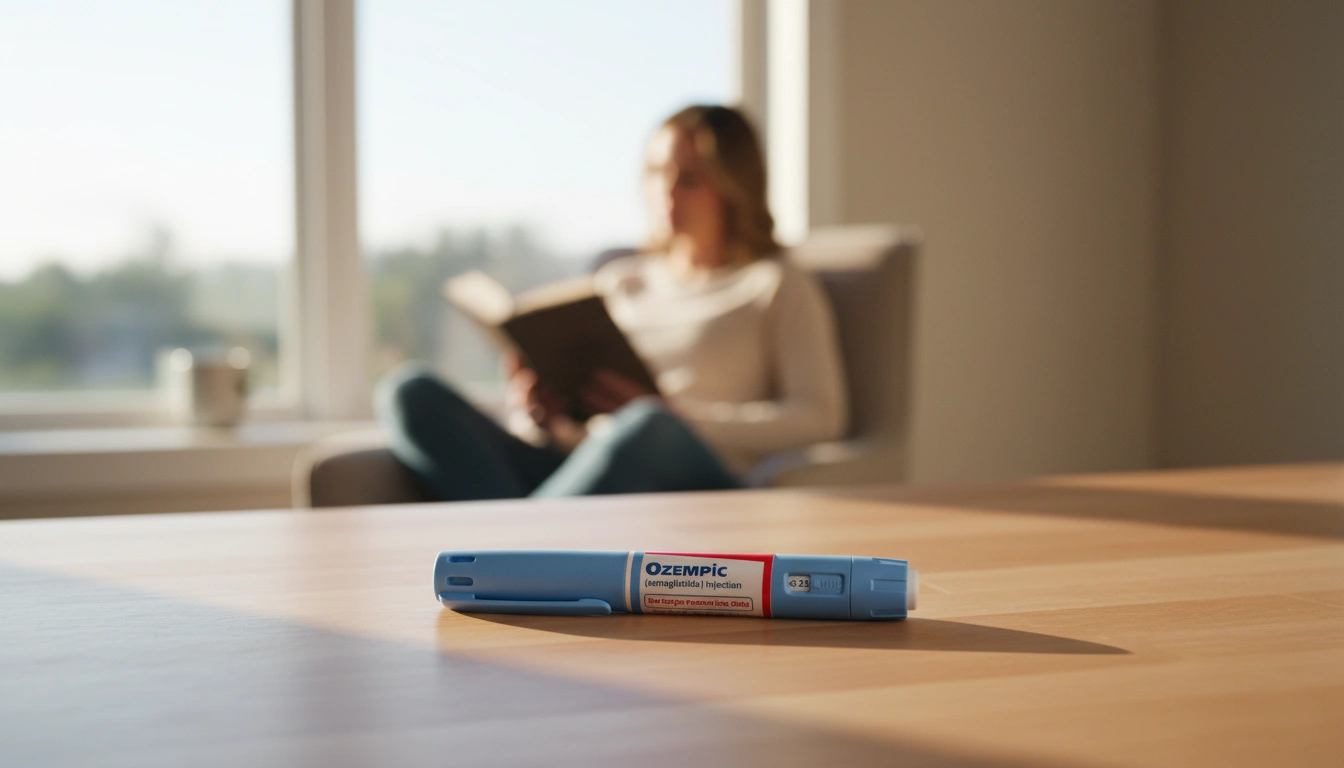
Ozempic® (semaglutide) was initially approved by the U.S. Food and Drug Administration (FDA) in 2017 to help individuals with Type 2 diabetes manage their blood sugar levels. Its mechanism of action involves stimulating insulin release when blood sugar is high, reducing the amount of glucose produced by the liver, and slowing gastric emptying. This slower digestion contributes to a feeling of fullness and reduced appetite, which is why many patients experienced significant weight loss as an additional benefit. Recognizing this potential, another formulation of semaglutide, Wegovy®, later received FDA approval specifically for chronic weight management.
The effectiveness of Ozempic® stems from its ability to engage multiple bodily systems. By regulating blood sugar more effectively, it helps prevent the spikes and crashes that can contribute to cravings and overeating. The delayed gastric emptying further enhances satiety, making it easier to adhere to a reduced-calorie diet. This dual action makes it a powerful tool for those seeking to improve their metabolic health and achieve sustainable weight loss.
The Broader GLP-1 Landscape
Beyond Ozempic® and Wegovy®, the GLP-1 class includes other innovative medications like tirzepatide, which is found in Mounjaro® for Type 2 diabetes and Zepbound® for weight management. These medications are also GLP-1 receptor agonists, with tirzepatide uniquely activating both GLP-1 and GIP (glucose-dependent insulinotropic polypeptide) receptors, offering an even more comprehensive approach to blood sugar control and weight reduction for some individuals.
At TrimRx, we are dedicated to providing access to these cutting-edge solutions through our personalized weight loss programs. Our offerings include a range of prescription medications tailored to individual needs and medical profiles. These include branded options like Ozempic®, Wegovy®, Mounjaro®, and Zepbound®, which are FDA-approved. We also offer expertly prepared Compounded Semaglutide, Oral Semaglutide, Compounded Tirzepatide, and Oral Tirzepatide through our network of FDA-registered and inspected pharmacies. It’s important to understand that while branded medications like Ozempic® and Zepbound® have received FDA approval, compounded medications are not FDA-approved but are prepared in compliance with pharmacy compounding regulations to meet individual patient needs.
To determine which option might be suitable for you and to create a tailored treatment plan, we invite you to take our free assessment quiz. This quiz helps our medical team understand your health profile and assess your eligibility for our personalized weight loss programs.
The Intersection of Mental Health and Weight Management
The connection between our physical and mental health is undeniable and profoundly intricate. Weight challenges and mental health conditions, particularly depression, frequently coexist, creating a complex cycle that can be difficult to break without comprehensive support.
The Bidirectional Relationship
Research consistently highlights a bidirectional relationship between obesity and depression. This means that living with obesity can increase the risk of developing depression, and conversely, experiencing depression can contribute to weight gain or make weight loss more challenging. The psychological burden of obesity, including societal stigma, body image issues, and reduced mobility, can significantly impact an individual’s mental state. Simultaneously, symptoms of depression, such as low energy, lack of motivation, and altered eating habits, can hinder efforts to maintain a healthy weight. This interconnectedness underscores why a holistic approach to health, one that addresses both physical and mental well-being, is so vital for lasting success. We believe in recognizing this full picture, offering compassionate care that respects every individual’s unique journey.
Antidepressant Use: A Growing Reality
Antidepressants are prescribed for a variety of mental health conditions, including major depressive disorder, anxiety disorders, obsessive-compulsive disorder, and post-traumatic stress disorder. The types of antidepressants vary widely, from selective serotonin reuptake inhibitors (SSRIs) like sertraline (Zoloft) and escitalopram (Lexapro), to serotonin-norepinephrine reuptake inhibitors (SNRIs) like duloxetine (Cymbalta), and atypical antidepressants such as bupropion (Wellbutrin). The choice of antidepressant often depends on an individual’s specific symptoms, medical history, and response to treatment. The increasing prevalence of antidepressant use reflects both a greater awareness of mental health issues and improved access to treatment options. Given this context, it is increasingly common for individuals to be prescribed both a GLP-1 medication and an antidepressant, making it essential to understand how these treatments can safely and effectively coexist.
Can You Take Ozempic and Antidepressants Concurrently?
For many individuals, the prospect of managing both weight-related issues and mental health conditions simultaneously is a reality. This naturally leads to questions about the safety and efficacy of combining medications like Ozempic® with antidepressants.
Expert Consensus on Safety
The good news is that medical experts generally consider it safe to take both GLP-1 medications, such as Ozempic®, and antidepressants at the same time. Leading healthcare professionals, including primary care providers and family practice specialists, agree that there are no significant contraindications preventing the concurrent use of these drug classes. However, this general safety comes with a crucial caveat: careful monitoring by a healthcare provider is absolutely essential. This monitoring ensures that any potential interactions or side effects are promptly identified and managed, allowing for adjustments to your treatment plan as needed.
Our commitment at TrimRx is to provide medically supervised care, ensuring your safety and optimal outcomes. Our comprehensive service includes thorough doctor consultations where your full medical history, including all current medications and supplements, is reviewed. This personalized approach allows our medical team to assess your individual circumstances and develop a treatment plan that is both safe and effective, aligning with our values of trustworthiness and personalized support.
The Importance of Open Dialogue with Your Healthcare Provider
Effective communication with your healthcare team is paramount when managing multiple medications. It’s vital to provide a complete and accurate list of all prescription drugs, over-the-counter medications, herbal remedies, and supplements you are taking. This transparency enables your providers to screen for potential interactions, assess your overall health risks, and tailor recommendations to your specific needs. Our personalized programs emphasize this open dialogue, offering unlimited support to ensure you feel heard and understood throughout your journey. We believe that an informed patient is an empowered patient, and we are here to facilitate that crucial partnership in your health.
Navigating Potential Interactions and Side Effects
While combining Ozempic® and antidepressants is generally safe, understanding potential interactions and overlapping side effects is crucial for a smooth and effective treatment journey.
Overlapping Side Effects
Both GLP-1 medications and antidepressants can cause side effects, and some of these may overlap or intensify when taken together.
- Common GLP-1 Side Effects: Ozempic® and other GLP-1s are well-known for gastrointestinal side effects such as nausea, vomiting, diarrhea, constipation, and abdominal pain. For most individuals, these symptoms are mild to moderate and tend to lessen over time as the body adjusts to the medication.
- Common Antidepressant Side Effects: Antidepressants also have a range of potential side effects, which vary depending on the specific medication. Many SSRIs and SNRIs, for example, can cause gastrointestinal issues like nausea and diarrhea.
- Potential for Intensification: When taken together, the GI side effects from both drug classes can potentially intensify. For instance, if both your GLP-1 medication and your antidepressant contribute to nausea, you might experience more pronounced discomfort. This is why careful monitoring and an open dialogue with your healthcare provider are so important. Our medical team at TrimRx works closely with you to manage any side effects, aiming to make your treatment experience as comfortable as possible.
Beyond GI issues, it’s worth noting that some antidepressants can also influence weight. Medications like escitalopram (Lexapro), paroxetine (Paxil), and duloxetine (Cymbalta) have been associated with a higher risk of weight gain for some individuals. Conversely, bupropion (Wellbutrin) is sometimes associated with a reduced risk of weight gain. These nuances highlight the importance of considering the full profile of medications when developing a comprehensive health plan.
Impact on Weight Loss Efficacy
One significant area of concern for individuals taking both Ozempic® and antidepressants is the potential impact on weight loss. Some retrospective studies have suggested that antidepressants might reduce the weight loss effect of GLP-1 receptor agonists. However, newer research offers a more nuanced perspective. A study published in the journal Obesity found that a 2.4 mg dose of semaglutide (the dose typically found in Wegovy® for weight management) still led to meaningful weight loss in individuals with obesity who were also taking antidepressants.
This suggests that while lower doses of semaglutide, such as the 2 mg maximum dose for Type 2 diabetes often seen with Ozempic®, might experience a reduced weight loss effect when combined with certain antidepressants, the overall benefits of improved metabolic health and weight reduction can still be substantial. The key is to manage expectations and work closely with your TrimRx medical team to monitor your progress and make any necessary adjustments to your plan. Our personalized approach ensures that your treatment is continually optimized for your unique response, always with a focus on results-oriented support.
Other Noteworthy Drug Interactions
Beyond the direct interaction between GLP-1s and antidepressants, it’s essential to be aware of other potential drug interactions with Ozempic® that could arise, especially given its mechanism of slowing gastric emptying. Our comprehensive service includes thorough lab work and doctor consultations to identify and mitigate these risks.
- Medications Affecting Absorption (e.g., Levothyroxine): Because Ozempic® slows down how quickly food and medications move through your digestive tract, it can increase the absorption time of other orally administered medications. For instance, medications like levothyroxine (Synthroid), used for thyroid hormone replacement, might have altered absorption. This could lead to higher levels of the thyroid hormone in your system, necessitating careful monitoring of thyroid levels when you start or adjust Ozempic®.
- Blood Glucose-Lowering Medications (e.g., Sulfonylureas, Insulin): If you are taking other medications that lower blood sugar, such as sulfonylureas (e.g., glipizide, glimepiride) or insulin, combining them with Ozempic® can increase your risk of hypoglycemia (abnormally low blood sugar). While Ozempic® alone doesn’t typically cause hypoglycemia, its additive effect with these medications means dose adjustments or closer monitoring of blood glucose levels may be necessary. Your TrimRx medical team will guide you on how to monitor for and respond to any signs of low blood sugar, ensuring your safety.
These potential interactions highlight why it’s crucial to disclose all medications to your healthcare provider, allowing for a proactive approach to managing your health. We partner with FDA-registered and inspected pharmacies for the shipping of weight loss medications, ensuring that you receive high-quality products.
GLP-1 Medications and Mental Health: A Deeper Look
The relationship between GLP-1 medications and mental health is a complex area of ongoing research, with studies presenting various perspectives on how these treatments might influence psychological well-being.
Research Insights and Nuances
The link between GLP-1s and mental health is not straightforward. Some studies have suggested a potential association between GLP-1 use and a higher likelihood of receiving an antidepressant prescription. This observation, however, doesn’t necessarily imply a causal link to depression itself. It could reflect an increased interaction with healthcare providers among individuals managing diabetes and obesity, leading to more frequent diagnosis and treatment of underlying mood disorders. For example, some research noted a stronger association for duloxetine (Cymbalta), an antidepressant also used for pain conditions, further complicating interpretation.
Conversely, other research points to potential benefits. A systematic review and meta-analysis of several studies indicated that GLP-1 drugs might be linked to reduced symptoms of depression in adults with Type 2 diabetes who do not have a clinical diagnosis of depression. Experts hypothesize that these positive effects could be due to anti-inflammatory actions on neuroinflammation or the direct psychological benefits of achieving weight loss and improved metabolic health. The reduction in concern about weight can itself be a significant mental health booster.
It is clear that the interplay between GLP-1 medications, weight, and mental health is nuanced and requires further investigation. At TrimRx, we stay abreast of the latest scientific developments to ensure our programs are grounded in current, evidence-based practices, and delivered with innovative and empathetic care.
Addressing Suicidal Ideation Concerns
Public health authorities have carefully investigated concerns regarding a possible link between GLP-1 drugs and suicidal thoughts or self-harm. Both the U.S. Food and Drug Administration (FDA) and the European Medicines Agency (EMA) have conducted extensive reviews of the available data. Their conclusions have largely been reassuring: no causal link has been definitively established between GLP-1 medications like semaglutide or tirzepatide and an increased risk of suicidal thoughts or actions.
It’s important to understand the context of any warnings. For instance, some GLP-1 labels, such as those for Wegovy® and Zepbound®, still carry warnings about the risk of suicidal behavior and ideation. However, the FDA has clarified that these warnings are based on reports associated with “a variety of older [weight loss] medicines” and not specifically on data from current semaglutide or tirzepatide trials. In fact, a study reported by the U.S. National Institutes of Health (NIH) even suggested that individuals taking GLP-1 drugs had less suicidal ideation compared to others.
Despite these findings, vigilant monitoring of mental health remains a critical component of any weight loss program, particularly for individuals with pre-existing psychiatric conditions. While GLP-1s are not generally associated with an increased risk of psychiatric adverse events compared to placebo, rare cases of mood changes can occur. We emphasize transparent service and encourage open communication with your TrimRx healthcare team if you experience any mood changes or depressive symptoms after starting a new medication. Our supportive and trustworthy approach means we are here to listen and help you navigate these sensitive aspects of your health journey.
The Risk of Abruptly Stopping Antidepressants
If you are currently taking antidepressants and considering a GLP-1 medication, or if you experience side effects that lead you to consider stopping your antidepressant, it is crucial to consult your healthcare provider first. Abruptly discontinuing an antidepressant can lead to severe withdrawal symptoms, including worsening anxiety, depression, mood swings, dizziness, and flu-like symptoms. This is a vital part of managing your mental health effectively and safely. Your TrimRx medical team will always advise on the safest way to manage your medications, emphasizing continuity of care and the avoidance of self-discontinuation.
The TrimRx Approach to Integrated Care
At TrimRx, we understand that true wellness encompasses both physical vitality and mental well-being. Our approach is designed to provide comprehensive, personalized support that integrates seamlessly into your life, prioritizing safety and effectiveness every step of the way.
Personalized Programs for Lasting Health
Our journey began with a shared vision to help individuals embrace healthier lifestyles by merging cutting-edge telehealth innovations with effective weight loss solutions. We believe that sustainable weight loss should be achieved through science, empathy, and a transparent approach. This philosophy guides every aspect of our personalized weight loss programs. Our platform is a user-friendly and supportive space where individuals receive personalized, medically supervised care—all designed to make sustainable weight loss attainable and tailored to the individual. We blend advanced medical science with modern technology to deliver compassionate care that respects every individual’s unique journey. Whether you are looking into Compounded Semaglutide, Oral Semaglutide, Ozempic®, Compounded Tirzepatide, Oral Tirzepatide, Mounjaro®, Zepbound®, or Wegovy®, our team is here to guide you.
Our Comprehensive Service Includes:
We offer a truly comprehensive service that covers every aspect of your weight loss journey, ensuring you have the support and resources you need without any hidden fees.
- Doctor Consultations: Personalized medical evaluations to understand your health needs and eligibility.
- Medication: Access to clinically proven medications, with prescriptions fulfilled by our partners: FDA-registered and inspected pharmacies. We want to be clear that TrimRx partners with these pharmacies for the shipping of weight loss medications and does not provide actual medical supervision.
- Lab Work: Essential health assessments to monitor your progress and ensure safety.
- Unlimited Support: Ongoing guidance from our dedicated team, whenever you need it.
- Shipping: Convenient and discreet delivery of your medications directly to your door.
This transparent approach remains consistent regardless of dosage changes, reflecting our commitment to your trust and well-being.
Beyond Prescription Medications: Quick-Access Support
Understanding that support for overall wellness extends beyond prescription medications, we also offer quick-access supplements designed to complement your health journey. These do not require a quiz or a prescription and are available for immediate purchase.
- GLP-1 Daily Support: This supplement is formulated to enhance metabolic function, support gut health, and boost energy levels, working synergistically with your body’s natural processes.
- Weight Loss Boost: Designed to help promote metabolism, curb appetite, and increase energy, this supplement provides an additional layer of support for your weight management goals.
These quick-access supplements are readily available to support your overall wellness during your weight loss journey, offering convenient options to enhance your efforts.
Making Informed Decisions for Your Health Journey
Embarking on a weight loss journey, especially when combined with mental health management, requires informed decision-making and a proactive approach to your health.
The Power of Proactive Health Management
Taking an active role in your health means staying informed, asking questions, and collaborating closely with your healthcare professionals. It involves understanding your treatment plan, being aware of potential side effects, and knowing when to seek additional guidance. Our goal at TrimRx is to empower you with this knowledge, positioning our content as if written by an educated friend who is both supportive and authoritative. We encourage you to reflect on your own health goals and consider how a personalized, medically supervised program might benefit you.
When to Consult with a Professional
Your healthcare provider is your most valuable resource throughout your health journey. We urge you to consult with them immediately if you experience any new or worsening symptoms, have concerns about medication interactions, or notice any changes in your mood or mental state. This includes symptoms such as severe abdominal pain (which could indicate pancreatitis or gallbladder issues), signs of hypoglycemia, or blurred vision. Early intervention and communication are key to managing your health effectively and safely.
Ready to take the next step towards a healthier, more balanced life? Our compassionate care and personalized support are just a click away. To see if you qualify for our prescription weight loss medications and to explore a tailored treatment plan, we encourage you to take our free assessment quiz today.
Conclusion
Navigating the complexities of weight management alongside mental health concerns requires a careful, personalized, and medically guided approach. While the answer to “can you take Ozempic and antidepressants” is generally yes, the journey requires vigilance, open communication with your healthcare team, and a deep understanding of potential interactions and side effects. The intricate relationship between physical and mental health means that supporting one often positively impacts the other, making a holistic perspective essential for true well-being.
At TrimRx, we stand as your dedicated partner in this journey, embodying values of empathy, innovation, trustworthiness, and unwavering support. Our commitment to results-oriented and personalized care means we merge the power of cutting-edge telehealth with clinically proven solutions. We provide a comprehensive service—encompassing doctor consultations, medication from FDA-registered and inspected pharmacies, lab work, unlimited support, and shipping—all designed to make sustainable weight loss both attainable and safe. Our transparent service ensures you are fully informed and empowered every step of the way.
We encourage you to prioritize your holistic health, armed with the knowledge to make informed decisions and the support of a dedicated medical team. Your path to well-being is unique, and we are here to walk it with you. To begin exploring how our personalized approach can transform your health, take our free assessment quiz today. For immediate support for your overall wellness, consider our GLP-1 Daily Support or Weight Loss Boost supplements.
Frequently Asked Questions
1. Is it common to take GLP-1 medications and antidepressants together?
Yes, it is becoming increasingly common. Given the high rates of both obesity and mental health conditions like depression, many individuals may find themselves prescribed both a GLP-1 medication (like Ozempic®) and an antidepressant. Medical experts generally consider this combination safe, provided there is careful monitoring by a healthcare professional. TrimRx emphasizes personalized, medically supervised care to ensure safety and efficacy for individuals managing both conditions.
2. Can antidepressants reduce the weight loss effects of Ozempic?
Some studies suggest that certain antidepressants may potentially reduce the weight loss effects of GLP-1 medications. However, this effect can be dosage-dependent, and newer research indicates that higher doses of GLP-1s can still lead to meaningful weight loss even when combined with antidepressants. It’s crucial to discuss your specific medications and weight loss goals with your TrimRx healthcare provider, who can monitor your progress and adjust your plan as needed.
3. What mood changes should I watch out for when taking Ozempic with antidepressants?
While regulatory bodies like the FDA and EMA have found no causal link between GLP-1s and an increased risk of suicidal thoughts, it’s always important to monitor your mood and mental state. If you experience any new or worsening depressive symptoms, anxiety, unusual mood changes, or thoughts of self-harm, it is vital to contact your healthcare provider immediately. At TrimRx, we emphasize open communication and provide unlimited support to help you manage your overall well-being.
4. How does TrimRx ensure safety and personalized care when combining these treatments?
TrimRx ensures safety and personalized care through a comprehensive approach that includes thorough doctor consultations, essential lab work, and continuous, unlimited support. Our medical team reviews your full medical history, including all current medications and supplements, to create a tailored treatment plan. We partner with FDA-registered and inspected pharmacies for medication shipping, and our empathetic, results-oriented care focuses on your individual needs, ensuring transparency and addressing any concerns that arise during your journey. To explore if our personalized program is right for you, we encourage you to take our free assessment quiz.

Transforming Lives, One Step at a Time
Keep reading

How to Get Ozempic or Semaglutide in Miami
Miami’s wellness culture runs deep, and GLP-1 medications have become a significant part of that conversation across the city. From Brickell to Coral Gables…

How to Get Ozempic or Semaglutide in Los Angeles
Los Angeles has no shortage of wellness clinics, concierge medicine practices, and weight loss programs promising access to the latest treatments. Semaglutide is at…
How to Get Ozempic or Semaglutide in Chicago
Chicago residents looking for semaglutide have more options than they might realize, and fewer of those options require setting foot in a clinic than…


