Can You Take Naltrexone and Semaglutide Together?
Introduction
Finding the right path to sustainable weight loss often feels like a series of trial-and-error experiments. You might find that while a GLP-1 medication helps you feel full faster, you still struggle with the emotional urge to snack or the “food noise” that persists in the background. If you have wondered if there is a way to address both physical hunger and the mental reward of eating, you are not alone. At TrimRx, we focus on helping you understand how different clinical tools can work in tandem to support your metabolic health. This article explores the science behind combining naltrexone and semaglutide, how they interact within the body, and what the latest research says about their dual effectiveness. Our goal is to provide a clear, evidence-based look at whether this combination might be a suitable next step for your personalized weight loss journey.
If you want to see whether a prescription program fits your needs, you can take the free assessment quiz to get started with a personalized review.
Quick Answer: Yes, research suggests that naltrexone and semaglutide can be taken together under medical supervision. While semaglutide targets the body’s physical fullness signals, naltrexone addresses the brain’s reward-based cravings, potentially offering a more comprehensive approach to weight management.
Understanding Semaglutide and Naltrexone
To understand why these two medications are often discussed together, it is first necessary to look at how they function individually. They target different systems in the body, which is why some healthcare providers believe they may be more effective when used as a pair.
What is Semaglutide?
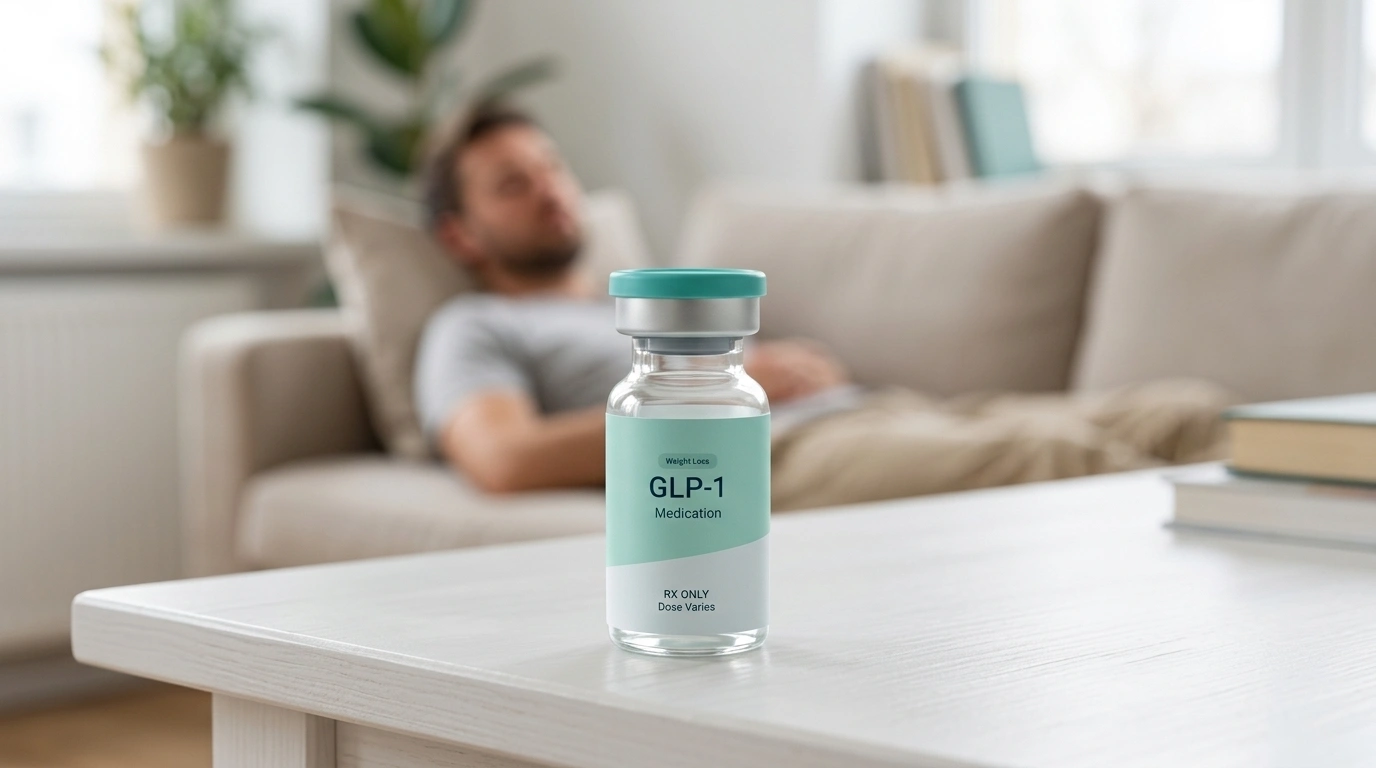
Semaglutide is a medication known as a glucagon-like peptide-1 (GLP-1) receptor agonist. This is a type of drug that mimics a hormone your body naturally produces when you eat. This hormone signals to your brain that you are full and tells your stomach to slow down the digestion process, which is known as gastric emptying.
If you want a deeper overview of how GLP-1 medications work in the body, this GLP-1 breakdown for weight loss is a helpful companion read.
By mimicking this hormone, semaglutide may support weight loss in several ways:
- It increases the feeling of satiety (fullness) after meals.
- It reduces overall appetite throughout the day.
- It helps regulate blood sugar by encouraging the pancreas to release insulin when glucose levels are high.
Common branded versions of this medication include Wegovy® and Ozempic®. While these branded medications are FDA-approved for specific uses like chronic weight management or Type 2 diabetes, many patients also access compounded semaglutide. It is important to note that while compounded semaglutide is prepared in FDA-registered and inspected compounding pharmacies, the compounded versions themselves are not FDA-approved.
What is Naltrexone?
Naltrexone is an opioid antagonist. Historically, it has been used in higher doses to treat alcohol and opioid use disorders because it blocks the receptors in the brain that produce a “reward” or “high” from those substances. In the context of weight loss, healthcare providers often use it in much lower doses, frequently referred to as Low Dose Naltrexone (LDN).
When used for weight management, naltrexone targets the mesolimbic reward system. This is the part of the brain responsible for “hedonic hunger”—the desire to eat for pleasure rather than physical need. By blocking certain signals in this pathway, naltrexone can help reduce the intense cravings for high-calorie, sugary, or salty foods.
Can You Take These Medications Together?
The short answer is that there are no known major chemical drug-drug interactions between naltrexone and semaglutide. This means they do not interfere with how the other is absorbed or metabolized by the body. Because they work on different pathways, many clinicians view them as complementary rather than redundant.
If you are considering whether this kind of treatment approach makes sense for you, the next step is to complete the free assessment quiz and let a licensed provider review your history.
The Science of Combination Therapy
Recent clinical research has begun to look specifically at how combining a GLP-1 analog with naltrexone (often paired with bupropion) affects weight loss outcomes. One retrospective study found that adding the naltrexone/bupropion combination to a GLP-1 regimen resulted in additional weight loss of approximately 4% to 5% compared to using a GLP-1 alone.
This synergy happens because the medications tackle two different types of hunger. For many individuals with a BMI over 30, weight gain is not just about a lack of fullness; it is also about a hyper-reactive reward system that makes it difficult to stop thinking about food.
Homeostatic vs. Hedonic Hunger
To understand the benefit of the combination, it helps to distinguish between the two types of hunger the human body experiences:
- Homeostatic Hunger (Targeted by Semaglutide): This is the physical need for fuel. Your stomach is empty, your blood sugar is low, and your body sends signals that it is time to eat. Semaglutide addresses this by making you feel physically satisfied with less food.
- Hedonic Hunger (Targeted by Naltrexone): This is the “brain hunger.” Even if your stomach is full, you might still want a specific snack because your brain associates it with comfort or a dopamine hit. Naltrexone helps quiet this noise.
| Feature | Semaglutide | Naltrexone |
|---|---|---|
| Drug Class | GLP-1 Receptor Agonist | Opioid Antagonist |
| Primary Target | Hypothalamus / Digestive Tract | Mesolimbic Reward Pathway |
| Effect on Hunger | Increases physical fullness | Reduces reward-based cravings |
| Common Format | Weekly injection or daily oral | Daily oral tablet |
| Main Benefit | Metabolic regulation | Craving control |
Key Takeaway: Combining these medications allows a patient to address weight loss from both a metabolic and a behavioral perspective. One helps the stomach feel full, while the other helps the brain feel satisfied.
Potential Benefits of Combining Naltrexone and Semaglutide
For many people, a single medication may not be enough to overcome years of metabolic adaptation and ingrained eating habits. Using both medications simultaneously may provide several specific advantages.
1. Breaking Through Weight Loss Plateaus It is common for weight loss to stall after several months on a GLP-1 medication. This often happens as the body adapts to the new hormone levels. Adding naltrexone can sometimes provide the necessary shift to restart progress by addressing the behavioral triggers that might be leading to “grazing” or increased calorie intake.
If your own progress has stalled, this guide to weight loss plateaus on semaglutide explains why plateaus happen and what to do next.
2. Improved “Food Noise” Management Many patients report that while semaglutide helps them eat smaller portions, they still spend a significant amount of time thinking about their next meal. Naltrexone’s effect on the brain’s reward system can be particularly effective at silencing this intrusive “food noise,” making it easier to stick to a nutritional plan.
For a broader look at that mental shift, see this article on how GLP-1 medications quiet food noise.
3. Addressing Emotional Eating For those who eat in response to stress, boredom, or sadness, semaglutide’s physical fullness signals might not be enough to stop the behavior. Since naltrexone blocks the endorphin “rush” associated with eating these comfort foods, the habit becomes less rewarding and, eventually, easier to break.
4. Metabolic and Anti-inflammatory Support Low Dose Naltrexone is often researched for its potential anti-inflammatory properties. When combined with the metabolic improvements seen with semaglutide—such as better insulin sensitivity—the combination may support overall systemic health beyond just the numbers on the scale.
Bottom line: The combination of naltrexone and semaglutide is designed to provide a more holistic approach to weight management by simultaneously regulating the gut and the brain.
Managing Side Effects and Safety
While the combination of these two medications is generally considered safe when supervised by a professional, it does increase the possibility of experiencing side effects. Because both medications can affect the gastrointestinal system, the “additive” effect can sometimes be uncomfortable during the first few weeks.
Common Side Effects
When taking both naltrexone and semaglutide, you may experience:
- Nausea: This is the most common side effect for both medications. Taking semaglutide on an empty stomach or slowly titrating the naltrexone dose can help manage this.
- Dizziness: Some people feel lightheaded when beginning naltrexone or when blood sugar levels stabilize.
- Headaches: These are often reported during the first week of naltrexone use as the brain adjusts to the blocked receptors.
- Vivid Dreams: This is a unique side effect specifically associated with naltrexone, especially when taken at night.
- Constipation or Diarrhea: GLP-1 medications significantly slow down digestion, which can lead to changes in bowel habits.
Who Should Avoid This Combination?
Not everyone is a candidate for this dual therapy. It is vital to consult with a licensed healthcare provider to review your medical history.
- Opioid Users: Since naltrexone is an opioid antagonist, it will block the effects of opioid pain medications and can trigger sudden, severe withdrawal in people who are physically dependent on opioids.
- Liver Disease: Naltrexone is processed by the liver. Those with active hepatitis or liver failure should generally avoid it.
- Thyroid History: Semaglutide carries a boxed warning regarding the risk of thyroid C-cell tumors. Individuals with a personal or family history of Medullary Thyroid Carcinoma (MTC) or Multiple Endocrine Neoplasia syndrome type 2 (MEN 2) should not use GLP-1 medications.
- History of Pancreatitis: Both medications require caution in those with a history of gallbladder or pancreatic issues.
Myth: Taking two weight loss drugs is “cheating” or dangerous. Fact: Obesity is a complex, multi-factorial disease. Using multiple medications to target different biological pathways is a standard medical practice, similar to how high blood pressure or diabetes is often treated with more than one prescription.
How to Start a Personalized Weight Loss Program
If you are struggling to see results with lifestyle changes alone, or if you feel that your current medication isn’t addressing your cravings, a personalized approach may be necessary. Through the TrimRx platform, we connect you with licensed healthcare providers who can evaluate whether a combination of medications or a specific dosage is right for your body.
Personalized programs are essential because no two metabolisms are the same. A provider may suggest starting with one medication to see how you tolerate it before adding the second. This gradual approach helps minimize side effects and ensures that you are taking the lowest effective dose for your needs.
Step-by-Step Process with TrimRx
Step 1: Complete the Free Assessment Quiz. Visit our platform to take a comprehensive health assessment. This quiz helps us understand your BMI, medical history, weight loss goals, and any previous experiences with medications.
Step 2: Consult with a Licensed Provider. A healthcare professional will review your data to determine your eligibility. They will discuss the benefits and risks of medications like compounded semaglutide or naltrexone based on your specific health profile.
Step 3: Receive Your Personalized Plan. If prescribed, your medication will be prepared by an FDA-registered, inspected compounding pharmacy and shipped directly to your door. The program includes the medication, supplies, and ongoing medical support.
Step 4: Continuous Support and Monitoring. You will have 24/7 access to our team of specialists. As your body changes, your provider can adjust your plan or dosage to ensure you stay on track toward your goals.
If you are ready to find out whether this approach is right for you, you can take the free assessment quiz as your next step.
Note: All medical decisions, including prescriptions and dosage changes, are made solely by the licensed healthcare provider following a clinical evaluation.
Optimizing Your Results
Medication is a powerful tool, but it works best when supported by healthy habits. When taking naltrexone and semaglutide together, focusing on a few key areas can enhance your success and reduce discomfort.
- Prioritize Protein: As you lose weight, you want to preserve lean muscle mass. High-quality protein helps maintain muscle and keeps you feeling full longer.
- Stay Hydrated: GLP-1 medications can sometimes lead to dehydration, especially if you experience nausea or diarrhea. Drinking plenty of water is essential for kidney function.
- Manage Stress: Since naltrexone targets reward pathways, finding non-food ways to manage stress—such as walking, meditation, or hobbies—can help reinforce the behavioral changes the medication is supporting.
- Monitor Your Progress: Keep a log of how you feel, including any side effects. This information is invaluable for your provider when they are deciding whether to adjust your dosage.
For practical nutrition ideas that pair well with GLP-1 treatment, this GLP-1 diet guide for real results is a useful next read.
Conclusion
The combination of naltrexone and semaglutide represents a thoughtful, multi-pronged strategy for managing weight. By addressing the physical signals of hunger through GLP-1 pathways and the psychological components of cravings through naltrexone, you may find a level of control that was previously out of reach. At TrimRx, we believe that weight loss is not a matter of willpower, but a matter of biology. We are committed to providing the clinical expertise, high-quality compounded medications, and empathetic support you need to navigate this process safely. If you are ready to stop fighting against your own biology and start working with it, taking the first step with a professional assessment can provide the clarity you need.
To explore whether a personalized prescription plan is appropriate for you, complete the free assessment quiz and review your options with a licensed provider.
Key Takeaway: Success in weight loss often requires addressing both the gut and the brain. A personalized program that considers your unique triggers is the most effective way to achieve sustainable results.
FAQ
Can I take naltrexone and semaglutide at the same time of day?
Yes, you can generally take both medications on the same day. However, your provider may recommend taking naltrexone at a specific time, such as before bed if it causes vivid dreams or in the morning if it affects your sleep. Semaglutide injections are typically administered only once per week, regardless of when you take your oral medications.
Will adding naltrexone help if my semaglutide has stopped working?
Adding naltrexone may help overcome a weight loss plateau by addressing “hedonic hunger” or cravings that may have resurfaced. Research suggests that the combination can lead to additional weight loss in individuals who had a poor response to GLP-1 monotherapy. You should discuss this option with a healthcare provider to see if it is appropriate for your situation.
Are there any foods I should avoid while taking this combination?
While there are no strictly forbidden foods, many patients find that high-fat or greasy foods increase the nausea associated with semaglutide. Additionally, because naltrexone can affect the liver, it is recommended to limit or avoid alcohol consumption while taking the medication. Focus on a balanced diet rich in protein and fiber to support your digestion.
Is the combination of naltrexone and semaglutide FDA-approved?
The specific combination of naltrexone and semaglutide as a single product is not FDA-approved. However, healthcare providers often prescribe them together as “off-label” or part of a personalized treatment plan. While branded medications like Wegovy® are FDA-approved, compounded semaglutide and naltrexone are prepared by pharmacies and are not themselves FDA-approved products.
Disclaimer: This content is for informational purposes only and does not constitute medical advice. It is not intended to diagnose, treat, cure, or prevent any disease or condition. Individual results may vary. Always consult a qualified healthcare professional before starting any weight loss program or medication.

Transforming Lives, One Step at a Time
Keep reading

Can You Pause a Compounded Semaglutide Subscription?
Usually yes, and the important thing is to separate two questions that get treated as one. Pausing shipments is an administrative matter. It stops…

Can You Refill Semaglutide Early Before a Trip?
Often yes, and it depends on who is paying and how much notice you give. Ask at least two to three weeks before you…

Why Does My Weight Drop More in the Second Half of the Week on Semaglutide?
Because the scale is tracking a weekly rhythm in water and digestive contents rather than a weekly rhythm in fat loss. Fat is lost…


