Can You Take Phentermine While on Zepbound for Weight Loss?
Introduction
Hitting a weight loss plateau can feel like running into a brick wall. You have adjusted your diet, increased your physical activity, and remained consistent with your medication, yet the scale refuses to budge. In these moments of frustration, it is natural to wonder if combining two powerful tools—like a stimulant and a GLP-1 medication—might provide the extra push your body needs. At TrimRx, we believe that understanding the science behind these treatments is the first step toward making safe, informed decisions about your health.
This article explores whether you can take phentermine while on Zepbound®, the potential risks involved, and how these two medications interact within the body. While some individuals look for a “synergistic” effect to accelerate results, combining prescription weight loss drugs requires careful medical oversight. Our goal is to provide a clear, evidence-based look at what happens when these two pathways meet.
Quick Answer: Taking phentermine while on Zepbound® is technically possible but only under the strict supervision of a licensed healthcare provider. Because both medications affect the cardiovascular system and metabolism, combining them increases the risk of side effects like elevated heart rate, high blood pressure, and severe insomnia.
How Zepbound and Phentermine Work Differently
To understand why someone might consider combining these medications, it is essential to first understand how they function individually. They belong to entirely different classes of drugs and target the body’s weight-regulation systems through distinct pathways.
The Science of Zepbound (Tirzepatide)
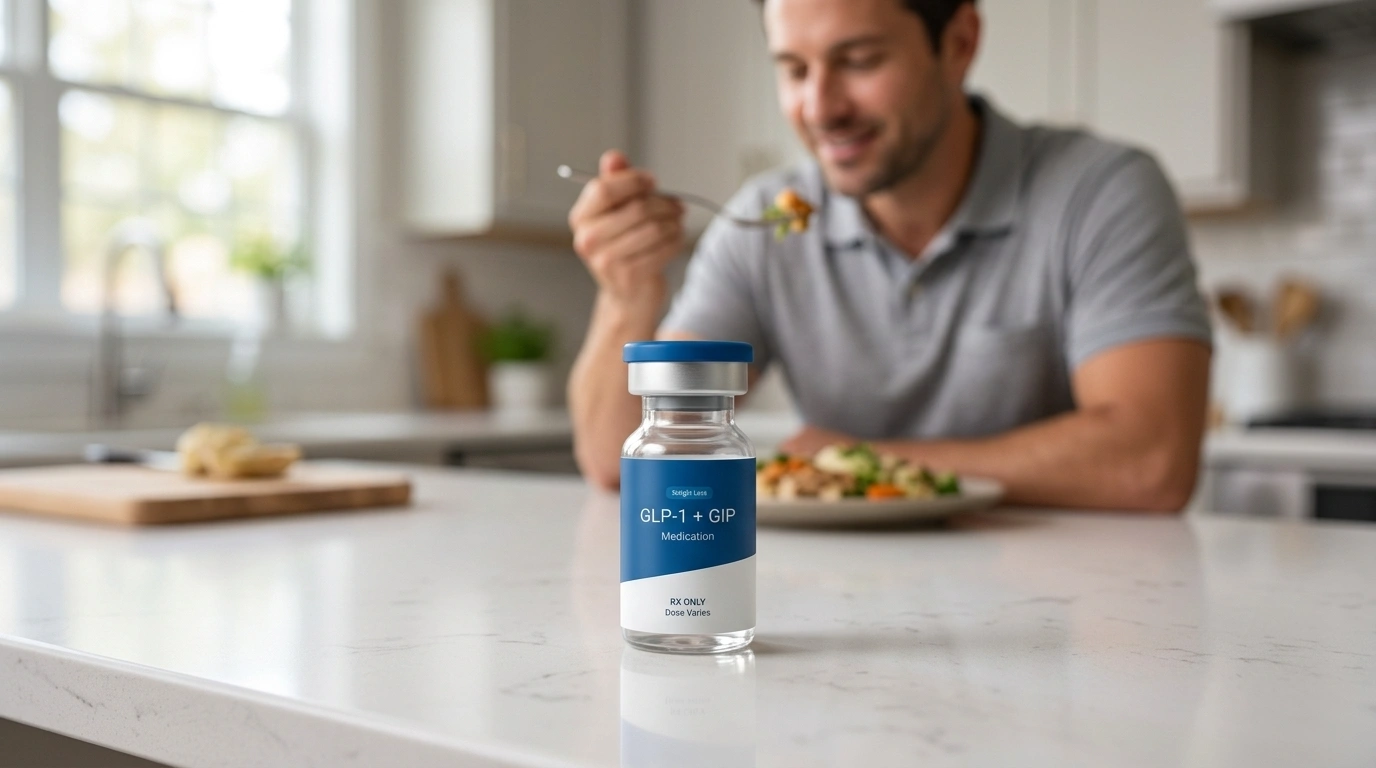
Zepbound® contains the active ingredient tirzepatide. This medication is a dual agonist, meaning it mimics two natural hormones in the body: glucagon-like peptide-1 (GLP-1) and glucose-dependent insulinotropic polypeptide (GIP). These hormones are naturally released by the gut after eating.
When you take a medication like tirzepatide, it signals your brain to feel full sooner and stay full longer. It also slows down “gastric emptying,” which is the rate at which food leaves your stomach. Beyond appetite, it helps improve how your body processes sugar and insulin. This multi-layered approach makes it a highly effective tool for long-term weight management. For more context, read this guide to why weight loss can stall on tirzepatide.
The Role of Phentermine
Phentermine is a much older medication, first approved by the FDA in the late 1950s. It is a sympathomimetic amine, which is a fancy way of saying it is a stimulant. Its chemical structure is similar to amphetamines.
Phentermine works primarily by stimulating the release of norepinephrine in the hypothalamus, the part of the brain that controls appetite. This “fight or flight” response suppresses the urge to eat and provides a temporary boost in energy. Because it is a stimulant and has the potential for misuse, it is classified as a controlled substance and is typically only prescribed for short-term use, usually up to 12 weeks.
Can You Take Phentermine While on Zepbound?
The short answer is that there is no “standard” medical protocol that recommends combining these two drugs. Most clinical trials for Zepbound® were conducted with the medication as a standalone treatment alongside lifestyle changes.
However, in the world of clinical practice, some doctors may prescribe them together “off-label” for specific patients who have stalled on a GLP-1 alone. This is not common practice and is usually reserved for very specific circumstances where a patient’s progress has completely halted despite being on the maximum tolerated dose of their primary medication. If you are considering a prescription weight loss program, you can complete a free eligibility assessment.
The “Off-Label” Context
When a doctor prescribes a medication “off-label,” it means they are using it in a way not specifically approved by the FDA. While Zepbound® is FDA-approved for chronic weight management and phentermine is FDA-approved for short-term weight loss, the combination of the two has not been specifically approved as a co-therapy.
If a provider considers this combination, they must weigh the potential for increased weight loss against a significantly higher risk of adverse reactions. For many, the cardiovascular strain of a stimulant combined with the metabolic changes of a GLP-1 is considered too high a risk for routine use.
Limited Research on Combinations
Currently, there is very little peer-reviewed research specifically looking at the combination of tirzepatide and phentermine. Most of our understanding comes from case studies or small-scale clinical observations. One widely cited case study involved a patient who successfully added phentermine to a semaglutide regimen (a similar GLP-1), but experts warn against applying the results of one person to the general population.
Key Takeaway: Combining these medications is considered an advanced clinical strategy that should never be attempted without a prescription and direct monitoring from a healthcare professional who specializes in metabolic health.
Potential Risks and Side Effects
The primary concern with taking phentermine while on Zepbound® is the “additive effect.” This means that instead of the medications helping each other, they may simply double the burden on your body’s systems. For a closer look at digestive reactions, review this guide to tirzepatide side effects and how to manage them.
Cardiovascular Strain
Both medications can affect your heart. Zepbound® can slightly increase your resting heart rate. Phentermine, as a stimulant, is well-known for increasing both heart rate and blood pressure. When taken together, these effects can compound, leading to:
- Palpitations (feeling like your heart is racing or skipping beats)
- Significant increases in blood pressure
- Increased workload on the heart muscle
For an individual with any underlying heart condition, even one that is currently undiagnosed, this combination could be dangerous.
Gastrointestinal and Metabolic Issues
Zepbound® is known for causing gastrointestinal side effects like nausea, vomiting, or constipation as the body adjusts. Phentermine can cause dry mouth and constipation. Combining them can lead to severe dehydration or gastrointestinal distress.
Furthermore, if you are taking other medications for blood sugar, such as insulin or sulfonylureas, the combination of these weight loss drugs can significantly increase the risk of hypoglycemia (dangerously low blood sugar). For additional information, see how tirzepatide can cause constipation.
Sleep and Mental Health
Because phentermine is a stimulant, insomnia is a very common side effect. Sleep is a critical component of metabolic health and weight loss. If the combination leads to chronic sleep deprivation, it may actually hinder your long-term progress. Additionally, some patients report increased anxiety, jitteriness, or irritability when taking stimulants, which can be exacerbated when the body is also processing a GLP-1 medication.
| Feature | Zepbound® (Tirzepatide) | Phentermine |
|---|---|---|
| Drug Class | GLP-1/GIP Receptor Agonist | Sympathomimetic Amine (Stimulant) |
| FDA Status | Approved for chronic weight management | Approved for short-term use (12 weeks) |
| Primary Action | Increases fullness, slows digestion | Suppresses appetite via nervous system |
| Common Side Effects | Nausea, diarrhea, constipation | Dry mouth, insomnia, increased heart rate |
| Administration | Once-weekly injection | Daily oral tablet or capsule |
Why Doctors Might Consider the Combination
If the risks are so high, why would a medical professional ever suggest this? There are a few specific scenarios where a specialist might consider a “pulse” of phentermine or a low-dose combination.
1. Overcoming a True Plateau A true plateau is defined as no weight loss for at least four to eight weeks despite strict adherence to the program. If a patient is at the highest dose of Zepbound® and weight loss has stopped, a provider might use a short course of phentermine to “jumpstart” the metabolism.
2. Managing Breakthrough Hunger Some patients find that while Zepbound® helps them feel full, they still struggle with intense “food noise” or cravings at certain times of the day. A low dose of phentermine might be used to target the neurological side of hunger while the GLP-1 handles the physical side.
3. Transitioning Medications In some cases, a provider might bridge a patient from one medication to another. However, this is usually done by tapering one off before starting the other, rather than taking full doses of both simultaneously.
Who Should Avoid This Combination?
Safety is the highest priority in any weight loss journey. There are several “red flag” conditions that would likely make the combination of phentermine and Zepbound® unsafe for an individual.
Contraindications for Phentermine
You should generally avoid phentermine if you have:
- A history of cardiovascular disease or stroke
- Uncontrolled high blood pressure
- Hyperthyroidism (overactive thyroid)
- Glaucoma
- A history of substance use disorder
- Agitation or severe anxiety
Contraindications for Zepbound
Zepbound® should not be used by individuals with:
- A personal or family history of medullary thyroid carcinoma (MTC)
- Multiple Endocrine Neoplasia syndrome type 2 (MEN 2)
- A history of severe allergic reactions to tirzepatide
Myth: “If one pill works, two different pills will work twice as fast.” Fact: Weight loss medication doesn’t work through a simple additive process. Doubling up on different types of weight loss drugs without medical guidance often leads to severe side effects that force you to stop treatment entirely, setting your progress back further.
How We Approach Personalized Weight Loss
At TrimRx, we recognize that every body is different. A “one-size-fits-all” approach rarely works for sustainable weight loss because your metabolic health is influenced by genetics, hormones, and lifestyle. This is why our platform focuses on personalized programs supervised by licensed healthcare providers.
When you join our program, you start with a comprehensive assessment. This allows a provider to review your medical history and determine which medication—whether it is a compounded GLP-1 or another option—is the safest and most effective choice for you. We prioritize long-term health over “quick fixes” that might compromise your safety.
Our service includes:
- Access to licensed providers through our telehealth platform.
- Medications like Compounded Semaglutide or Compounded Tirzepatide, which are prepared by FDA-registered, inspected compounding pharmacies.
- Ongoing support to manage side effects and monitor your progress.
- A transparent model with no hidden fees, regardless of your dosage.
Alternatives to Combining Medications
If you feel like your progress has slowed, you do not necessarily need to add another prescription drug. There are several ways to optimize your current GLP-1 treatment without increasing the risk of dangerous drug interactions. You can also review these strategies for overcoming a tirzepatide plateau.
1. Focus on Protein and Fiber
As Zepbound® slows your digestion, the quality of the food you eat becomes even more important. High protein intake helps preserve muscle mass during weight loss, while fiber supports gut health and keeps things moving. Many people find that “tightening up” their nutritional focus can break a plateau. Learn more about protein requirements on GLP-1 medications.
2. Strategic Supplementation
Sometimes the body needs specific nutrient support while on a GLP-1. We offer targeted options like GLP-1 Daily Support, which is designed to help your body maintain the essential nutrients it needs during your weight loss journey. These supplements do not contain stimulants and are generally safe to use alongside your primary medication.
3. Strength Training
If you aren’t already lifting weights, starting a resistance training program can change your metabolic rate. Muscle tissue burns more calories at rest than fat tissue. If your weight loss has stalled, you may be losing muscle, which slows your metabolism. Adding strength training can help shift your body composition and reignite weight loss. This guide explains how strength training can support muscle preservation on GLP-1 treatment.
4. Consult Your Provider
Before you consider adding any over-the-counter or prescription stimulant to your routine, speak with your healthcare team. They may suggest adjusting your Zepbound® dosage or changing the timing of your injections. Often, a simple adjustment to your current protocol is safer and more effective than adding a second medication. If you need help determining whether a personalized program is appropriate, take the free assessment quiz.
What to Expect During the Process
If you are interested in exploring medical weight loss, the process should be clear and professional. Here is how we handle onboarding:
- Step 1: The Assessment. You complete a detailed health quiz that covers your goals, BMI, and medical history.
- Step 2: Provider Review. A licensed healthcare provider reviews your information to ensure you are a safe candidate for treatment.
- Step 3: Personalized Plan. If approved, a treatment plan is created specifically for you. This might include medications like Compounded Tirzepatide or Compounded Semaglutide.
- Step 4: Medication Delivery. Your medication is shipped directly from a partner pharmacy to your door in discreet packaging.
- Step 5: Ongoing Care. You have 24/7 access to our team for questions, side effect management, or plan adjustments.
Summary of Key Points
The journey to a healthier weight is a marathon, not a sprint. While the idea of combining Zepbound® and phentermine might seem like an attractive shortcut, the safety risks are significant and the clinical evidence supporting the combination is limited.
Bottom line: While you can technically take phentermine while on Zepbound® if a doctor specifically prescribes it, it is not recommended for most people. The potential for cardiovascular strain and severe side effects usually outweighs the benefits.
Conclusion
Deciding how to manage your weight is a deeply personal process. While medications like Zepbound® and phentermine are powerful tools, they must be used with respect for the body’s complex systems. At TrimRx, our mission is to help you navigate these choices with empathy and clinical expertise. We believe that sustainable weight loss comes from a personalized, science-backed approach that prioritizes your long-term well-being over temporary results.
If you are ready to see which path is right for you, we invite you to take our free assessment quiz. Whether you are just starting out or looking to overcome a plateau, our team is here to support you every step of the way.
FAQ
Can phentermine cause a heart attack if taken with Zepbound?
While rare, combining stimulants like phentermine with GLP-1 medications can significantly increase heart rate and blood pressure, which elevates the risk of cardiovascular events. This risk is much higher for individuals with pre-existing heart conditions or untreated hypertension. You should only use these medications together under the direct, frequent monitoring of a qualified healthcare provider.
Is it common for doctors to prescribe both medications?
No, it is not a standard or common practice to prescribe Zepbound® and phentermine together. Most providers prefer to maximize the dose of one medication and optimize lifestyle factors before considering a combination. If they do prescribe both, it is typically an “off-label” use for patients who have reached a significant plateau and have no underlying heart issues.
Will I lose weight faster if I combine them?
In theory, combining an appetite suppressant like phentermine with a GLP-1 like Zepbound® could lead to faster initial weight loss, but this has not been proven in large-scale clinical trials. Any potential benefit is often overshadowed by increased side effects like insomnia, anxiety, and nausea, which can make it difficult to stay on the medication long enough to see results. For more information about what to expect, read this overview of tirzepatide side effects.
Can I use over-the-counter stimulants instead of phentermine?
You should avoid using any over-the-counter weight loss stimulants or high-caffeine supplements while taking Zepbound®. Because GLP-1 medications already affect your heart rate and digestion, adding unregulated stimulants can lead to dangerous spikes in blood pressure or severe dehydration. Always check with your provider before adding any supplement to your regimen.
Disclaimer: This content is for informational purposes only and does not constitute medical advice. It is not intended to diagnose, treat, cure, or prevent any disease or condition. Individual results may vary. Always consult a qualified healthcare professional before starting any weight loss program or medication.

Transforming Lives, One Step at a Time
Keep reading

Can You Eat Clam Chowder on Zepbound?
Clam chowder is a seaside classic, often served in a bread bowl on a chilly day. New England chowder is thick, creamy, and rich…

Can You Eat Korean BBQ on Zepbound?
Korean barbecue is a social, hands-on meal: platters of marinated meats grilled at the table, surrounded by small side dishes called banchan, with lettuce…

Can You Eat Brownies on Zepbound?
Brownies are a classic homemade treat, a bake sale staple, and a common office snack. They are also dense, rich, and very sweet, made…


