Can I Take Ozempic and Mounjaro at the Same Time?
Introduction
It is a common point of frustration: you have been on a weight loss journey for months, but the scale has stopped moving. When a plateau happens, it is natural to look for ways to boost your results. You might wonder if combining two of the most talked-about medications, Ozempic® and Mounjaro®, could be the “super-charge” your body needs. At TrimRx, we believe that understanding the science behind these treatments is the first step toward reaching your goals safely. While both medications are powerful tools for weight management and blood sugar control, taking them simultaneously is generally not recommended by healthcare professionals. This post covers the physiological reasons why combining these drugs is risky, the potential side effects of doing so, and how a personalized program can help you transition safely between therapies if one is no longer working for you.
Quick Answer: No, you should not take Ozempic® and Mounjaro® at the same time. Both medications work on the same biological pathways, and combining them—known as therapeutic duplication—significantly increases the risk of severe side effects like extreme nausea, dehydration, and pancreatitis without providing proven additional benefits.
The Science of GLP-1 and GIP Receptors
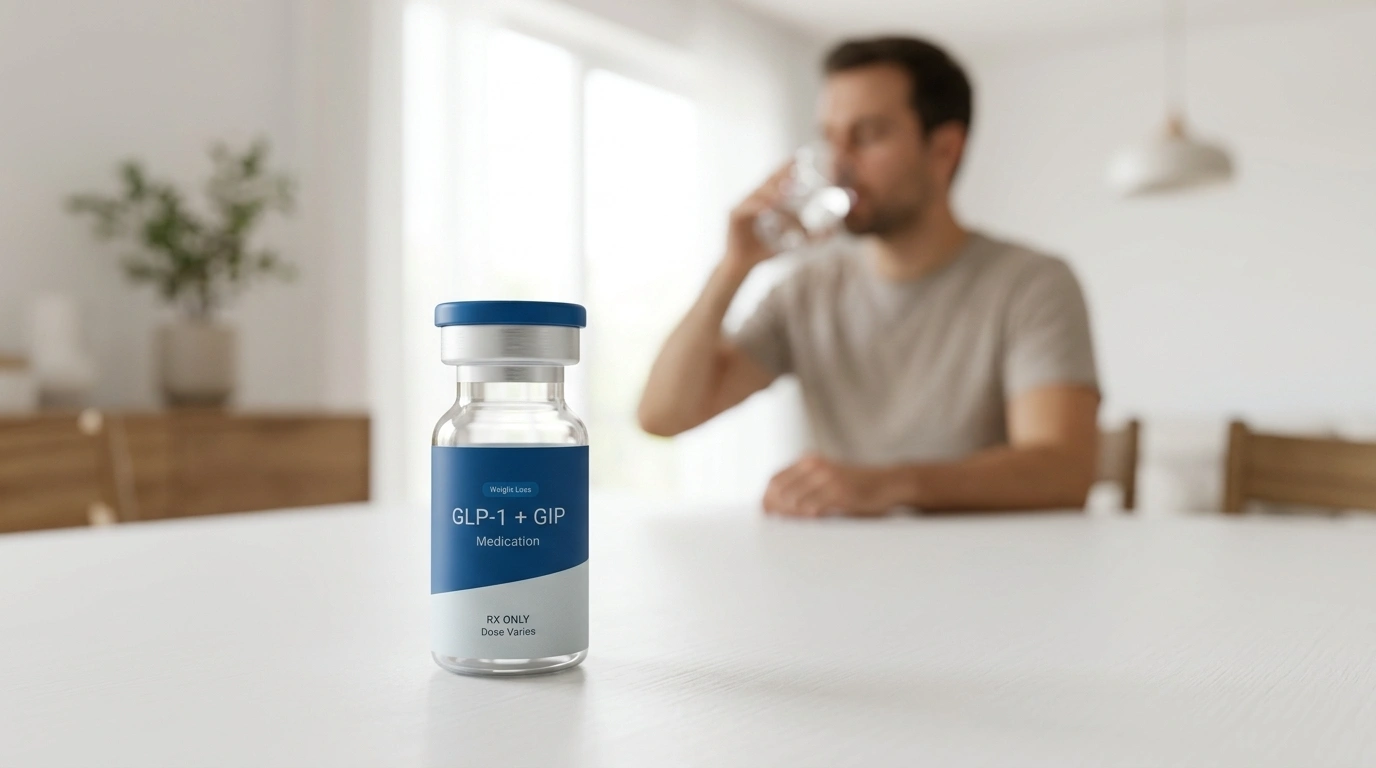
To understand why you should not combine these medications, it helps to know how they work in the body. Both drugs belong to a class of medications called incretin mimetics. These are laboratory-made versions of hormones that your body naturally produces in the gut after you eat.
Ozempic® contains the active ingredient semaglutide. Semaglutide is a GLP-1 receptor agonist. GLP-1 stands for glucagon-like peptide-1. This hormone targets the areas of the brain that regulate appetite and food intake. It also slows down “gastric emptying,” which is the speed at which food leaves your stomach. This process helps you feel full longer and reduces “food noise,” or the constant intrusive thoughts about eating.
Mounjaro® contains tirzepatide. This medication is a dual agonist. It acts on the GLP-1 receptor, just like semaglutide, but it also targets a second receptor called GIP, or glucose-dependent insulinotropic polypeptide. GIP is another hormone that helps regulate blood sugar and may play a role in how the body breaks down fat.
For a closer look at the differences between these medications, read this guide to how Ozempic and Mounjaro compare.
Because Mounjaro® already stimulates the GLP-1 receptor, adding Ozempic® into the mix is like trying to turn on a light that is already glowing. Your body’s receptors can only handle a certain amount of stimulation before the system becomes overwhelmed.
Why Combining Medications Is Discouraged
In the medical world, taking two drugs that do the same thing is called therapeutic duplication. Doctors generally avoid this because it rarely makes the treatment twice as effective, but it almost always makes the side effects twice as likely—or twice as severe.
Over-Stimulation of the Digestive System
Both semaglutide and tirzepatide slow down your digestion. This is a primary reason why they help with weight loss. However, if you take both at once, you risk slowing your digestive system to a dangerous degree. This can lead to severe constipation or a more serious condition where the digestive tract stops moving entirely.
Increased Risk of Hypoglycemia
While these medications are famous for weight loss, they were originally developed to manage blood sugar in people with Type 2 diabetes. They prompt the pancreas to release insulin when blood sugar is high. If you take both medications simultaneously, you significantly increase the risk of your blood sugar dropping too low, a condition called hypoglycemia. Symptoms include dizziness, confusion, shakiness, and in extreme cases, loss of consciousness.
Pancreatitis Concerns
Both medications carry a warning regarding the risk of pancreatitis, which is a painful inflammation of the pancreas. By doubling up on medications that stimulate the pancreatic pathways, you may be placing undue stress on this organ.
Key Takeaway: More is not always better. Doubling up on GLP-1 medications does not “double” weight loss; instead, it compounds the risk of gastrointestinal distress and metabolic imbalances.
The Dangers of Severe Side Effects
The most common side effects of GLP-1 medications are gastrointestinal. Many people experience mild nausea or a change in bowel habits when they first start. However, when medications are combined without medical oversight, these manageable side effects can quickly become medical emergencies.
Severe Nausea and Vomiting
Taking Ozempic® and Mounjaro® together can cause persistent, violent vomiting. This is not just uncomfortable; it prevents you from keeping down the nutrients and water your body needs to function.
Dehydration and Kidney Strain
If you are vomiting or experiencing chronic diarrhea due to medication duplication, you are at high risk for dehydration. Severe dehydration is one of the leading causes of acute kidney injury in patients taking GLP-1 medications. When your body loses too much fluid, your kidneys cannot filter blood properly, which can lead to long-term damage.
Gallbladder Issues
Rapid weight loss and intense hormonal stimulation of the digestive system are both linked to gallbladder problems, including gallstones. Combining these potent medications could accelerate these issues.
Note: If you experience severe abdominal pain that radiates to your back, persistent vomiting, or an inability to keep fluids down, contact a healthcare provider immediately.
Why People Consider Combining Them
Most individuals asking if they can take both medications are not trying to be reckless. Usually, they are in one of three situations:
- The Plateau: They have reached the maximum dose of Ozempic® and are no longer losing weight. They hope adding Mounjaro® will “kickstart” their metabolism.
- The Supply Gap: Due to national shortages of branded medications, they may have a partial supply of both and consider using them together to make it through the month.
- The “Switching” Confusion: They have a new prescription for Mounjaro® but still have a few pens of Ozempic® left and do not want to waste them.
If you are facing a plateau, the answer is usually to switch medications under a doctor’s care, not to combine them. You can also review why weight loss plateaus happen on semaglutide before making changes to your treatment.
Research suggests that tirzepatide (the active ingredient in Mounjaro® and Zepbound®) may lead to more significant weight loss for some individuals compared to semaglutide (the active ingredient in Ozempic® and Wegovy®).
How to Safely Switch Medications
If your current medication is no longer producing results, or if the side effects have become intolerable, your healthcare provider might suggest moving from one to the other. This process must be handled with care to ensure your body has time to adjust.
The “Washout” Period
A “washout period” is a specific amount of time you wait between your last dose of one medication and your first dose of the next. Because these drugs stay in your system for a long time—often several weeks—starting a new medication too soon can lead to an accidental overlap in your system.
Starting at the Loading Dose
Even if you were at the highest dose of Ozempic®, most providers will start you at a lower “loading dose” of Mounjaro®. This is because your body needs to get used to the GIP receptor stimulation that Mounjaro® provides. Jumping from a high dose of one to a high dose of the other is a common cause of severe side effects during a transition.
Step-by-Step Transition
- Step 1: Consult Your Provider. Never change your dosing schedule or start a new GLP-1 medication without a clinical consultation.
- Step 2: Finish Your Cycle. Usually, you will wait seven days after your last injection before starting the new medication, though your provider may recommend a longer wait.
- Step 3: Monitor Symptoms. Keep a journal of any new nausea, changes in appetite, or energy levels during the first four weeks of the switch.
- Step 4: Titrate Slowly. Your provider will gradually increase your dose every four weeks based on how well you tolerate the new medication.
Comparing the Two Medications
| Feature | Ozempic® (Semaglutide) | Mounjaro® (Tirzepatide) |
|---|---|---|
| Drug Class | GLP-1 Receptor Agonist | Dual GLP-1 & GIP Receptor Agonist |
| Primary Use | Type 2 Diabetes (Off-label for weight) | Type 2 Diabetes (Off-label for weight) |
| Weight Loss Potential | High | Very High |
| Standard Dosing | Once Weekly | Once Weekly |
| Common Side Effects | Nausea, Diarrhea, Stomach Pain | Nausea, Diarrhea, Reduced Appetite |
The Role of Personalized Support
Successful weight loss is about more than just a prescription; it is about finding the specific balance that works for your unique biology. Our personalized programs are designed to take the guesswork out of the process. We connect you with licensed healthcare providers who review your medical history and current progress to determine if a change in medication is appropriate for you.
When you participate in a program through us, you receive a treatment plan tailored to your needs. This might include Compounded Semaglutide or Compounded Tirzepatide, which are prepared by FDA-registered, inspected compounding pharmacies. These preparations allow for precise dosing that can be adjusted as you progress. Because we prioritize a telehealth-first approach, you have 24/7 access to specialists who can answer questions about side effects or plateaus without the need for an in-person appointment.
If you are considering a supervised medication change, you can complete a free eligibility assessment for a personalized review.
Myth: You can mix Ozempic® and Mounjaro® if you take a smaller dose of each.
Fact: There is no clinical data supporting the safety of “micro-dosing” a combination of these two drugs. Even small amounts of both can lead to unpredictable blood sugar drops and severe nausea.
Managing the “Plateau” Without Doubling Up
If you feel your medication is losing its effectiveness, there are several science-backed strategies to try before considering a medication change or combination:
- Prioritize Protein: GLP-1 medications can lead to muscle loss if you are not eating enough protein. Muscle is metabolically active; the more you have, the more calories you burn at rest.
- Focus on Hydration: Water is essential for the metabolic processes that break down fat. It also helps manage the constipation that often comes with these medications.
- Review Your Caloric Intake: Sometimes, we unintentionally eat too little on these medications, which can cause the body to slow its metabolism to “save” energy.
- Incorporate Resistance Training: Lifting weights or doing bodyweight exercises helps preserve muscle mass and can help break through a weight loss stall.
For additional strategies, explore this guide to restarting weight loss after a GLP-1 plateau.
Our platform also offers quick-access supplements like GLP-1 Daily Support and Weight Loss Boost. The GLP-1 Daily Support supplement is designed to provide nutritional support while on these medications.
The Weight Loss Boost supplement is designed to support energy and metabolic goals during weight loss without the risks associated with drug duplication.
The Importance of Medical Supervision
The rise of “DIY” weight loss via the internet has led some people to experiment with medication combinations. This is highly dangerous. Medications like Ozempic® and Mounjaro® are potent hormonal treatments. They affect your heart rate, your kidneys, your pancreas, and your brain.
When you work through our platform, every step of your journey is supervised by a licensed professional. This ensures that if you aren’t seeing results, you have a safe, clinical path forward. We provide the labs, the doctor consultations, and the medication all in one consistent program. This transparency eliminates the temptation to “self-medicate” with leftover pens or unregulated combinations.
For more perspective on stalled progress, read what it may mean when a GLP-1 is not producing expected weight loss.
Sustainable Progress Over Speed
It is understandable to want results as quickly as possible. However, the most successful weight loss is the kind you can maintain for years, not just weeks. Rapid, unregulated weight loss caused by taking multiple medications at once often leads to “rebound” weight gain because the body has been put under extreme stress.
By choosing a personalized approach, you are giving your body the chance to adjust to a single, effective medication. Whether that is a branded option or a compounded version prepared by an FDA-registered pharmacy, the goal is consistency. Our mission is to help you embrace a healthier lifestyle through science and empathy, ensuring you have the tools to succeed without compromising your safety.
Bottom line: Never combine GLP-1 medications. If your current treatment isn’t working, the safest and most effective next step is to speak with a healthcare professional about a supervised transition to a different therapy.
Conclusion
Taking Ozempic® and Mounjaro® at the same time is a high-risk gamble that offers no proven clinical reward. The physiological overlap between these two drugs creates a significant burden on your digestive and metabolic systems, leading to a much higher chance of hospitalization due to dehydration, hypoglycemia, or severe gastrointestinal distress. If you find yourself hitting a plateau or struggling with your current regimen, there is a better way.
At TrimRx, we are dedicated to providing a transparent and medically supervised path to sustainable weight loss. Our personalized programs focus on finding the right medication and dosage for your specific health profile, allowing you to reach your goals safely and effectively. You don’t have to navigate the complexities of these medications alone.
Next Step: Are you ready to find the right medication for your body? Take the free assessment quiz today to see which personalized program is the best fit for your health goals.
FAQ
Can I use my leftover Ozempic® while starting Mounjaro®?
No, you should not use up your remaining Ozempic® while starting a new Mounjaro® prescription. This causes an overlap of medications in your system, which can lead to severe side effects like extreme vomiting and dangerously low blood sugar. Always follow the specific transition schedule provided by your healthcare professional.
Is Mounjaro® more effective than Ozempic® for weight loss?
Clinical studies suggest that tirzepatide, the active ingredient in Mounjaro®, may result in a higher percentage of weight loss compared to semaglutide, the active ingredient in Ozempic®. However, “more effective” is subjective, as some individuals tolerate semaglutide better or find it meets their specific health needs. A personalized medical assessment is the best way to determine which is right for you. You can see if you qualify for a personalized program.
What should I do if I accidentally took both medications?
If you have taken both medications, monitor yourself closely for signs of low blood sugar, such as dizziness or confusion, and severe dehydration. Contact your healthcare provider immediately to inform them of the mistake. If you experience persistent vomiting or severe abdominal pain, seek emergency medical care.
How long should I wait between switching from Ozempic® to Mounjaro®?
The wait time, or “washout period,” typically involves waiting at least seven days after your last Ozempic® dose before starting Mounjaro®. However, your doctor may suggest a longer break depending on your previous dosage and your history of side effects. Never start the new medication until your provider has given you a specific start date.
Disclaimer: This content is for informational purposes only and does not constitute medical advice. It is not intended to diagnose, treat, cure, or prevent any disease or condition. Individual results may vary. Always consult a qualified healthcare professional before starting any weight loss program or medication.

Transforming Lives, One Step at a Time
Keep reading

Volunteering at a Holiday Meal on Mounjaro
Serving a Thanksgiving or holiday meal at a shelter, a church hall, or a community center is one of the most meaningful ways to…
Volunteering at a Home Build on Mounjaro
Volunteer home builds bring together church groups, families, and friends to frame walls, hang drywall, paint, install siding, and plant yards, often for a…

Taking a Tai Chi Class on Mounjaro
Tai chi is a slow, flowing practice that builds balance, leg strength, and calm. Classes are offered at senior centers, community colleges, parks, and…


